
Words by Anastasia Andriadi
Edited by Valerie Aitova
On a Sunday morning, or a rainy afternoon when time feels entirely yours, you walk to the counter with your favorite vinyl records, savoring the anticipation of what’s to come. Perhaps, you reach for a newly released record full of fresh stories, or maybe you choose a vintage rarity with its soft edges, faded colors, and a slight musk. The moment the needle drops, soft and warm sounds spill all over the room – filling every corner of the space, and your heart, with its richness. For the next few hours, it’s you and your favorite artist, connected as closely as possible through the power of music.
Through this sacred ritual, you leave the chaos of everyday life behind, stepping into a world where music helps you explore emotions you might not otherwise touch.
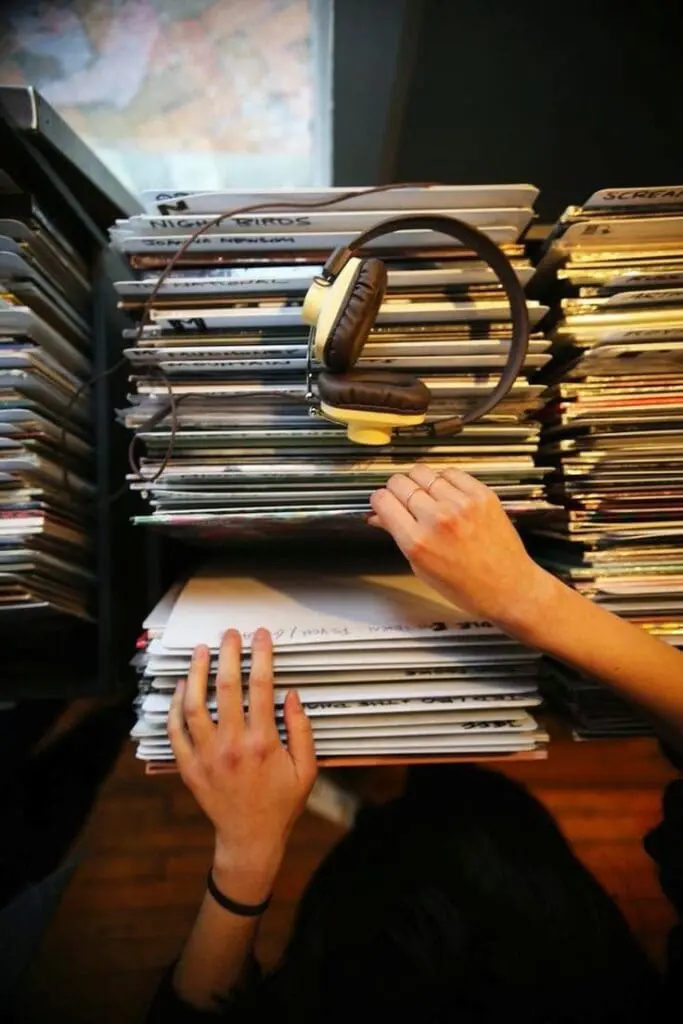
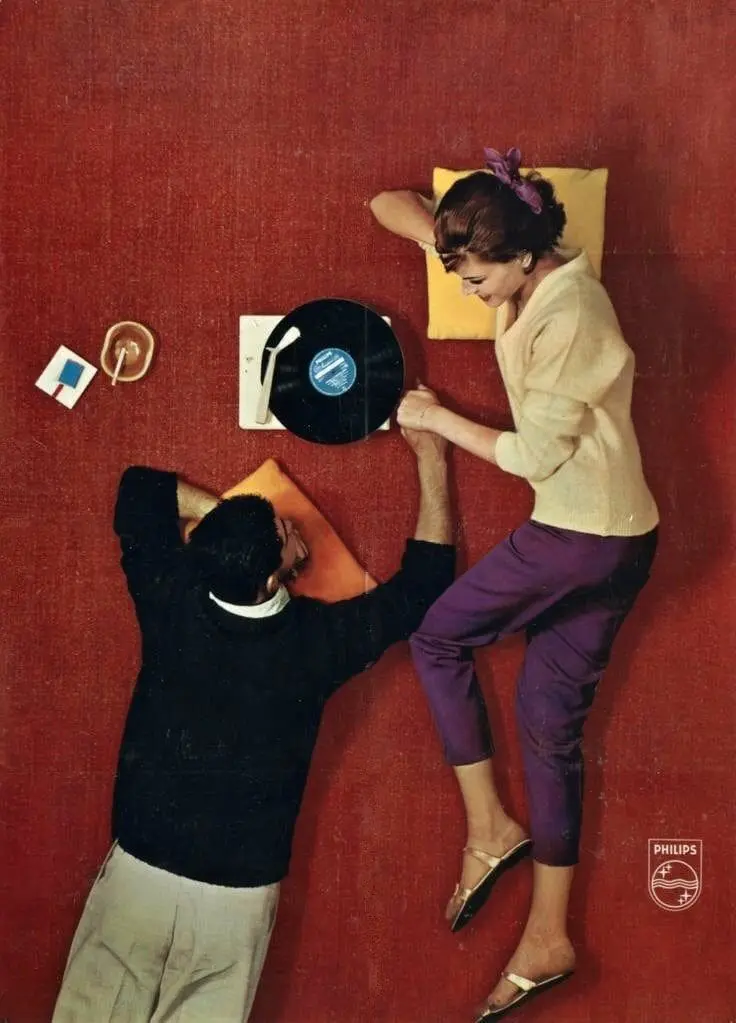
Even in the digital age, its popularity continues to grow because it offers people something that other media are not capable of: a slower, richer, and more deeply human way of experiencing music in an era of streaming and AI.
Vinyl records are not only tools for engaging with musical art but also art pieces in their own right, each with its unique identity. Colorful, elegant, and artistic – they are often turned into vibrant elements of décor, silent yet bold statements of personality and musical taste.
It’s no surprise that on social media, vinyl has inspired users to create cozy, atmospheric videos that capture the ritual of listening, as well as thoughtfully curated seasonal shelves that showcase their favorites. For some, the act of arranging these shelves or vinyl collections even becomes a fun family activity – a shared experience that turns music into moments of connection. Some influencers dedicate entire accounts to celebrating the beauty of vinyl culture, and with thousands of followers, their passion clearly resonates.
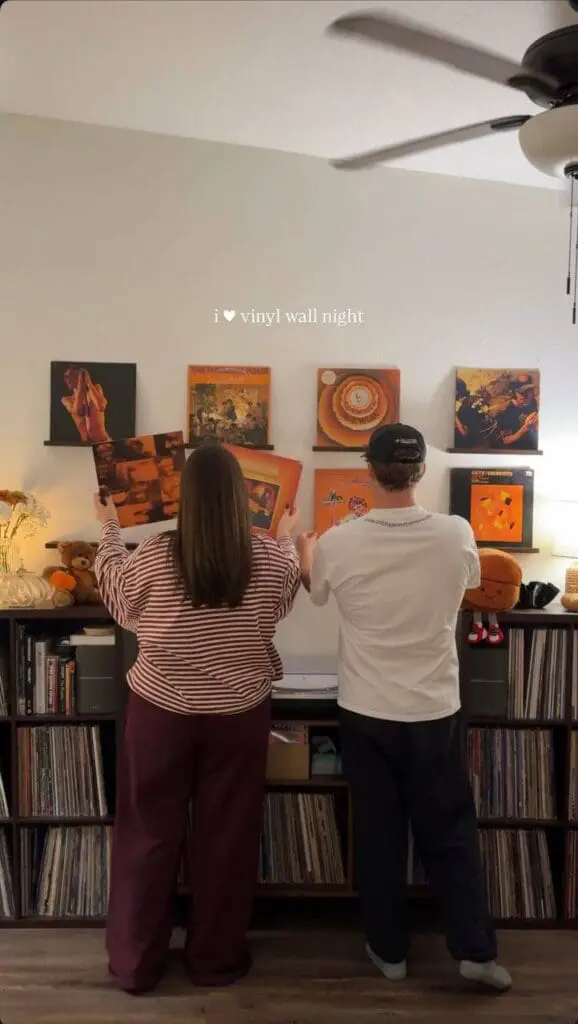
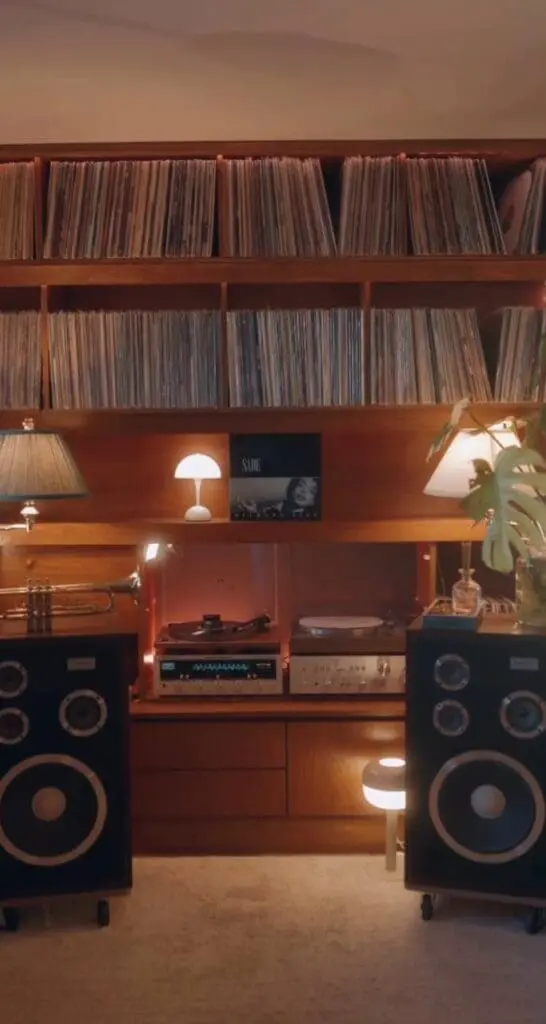
This passion and growing love for vinyl have elevated the listening experience, transforming it into both a hobby and a devoted community that bridges the gap between generations.
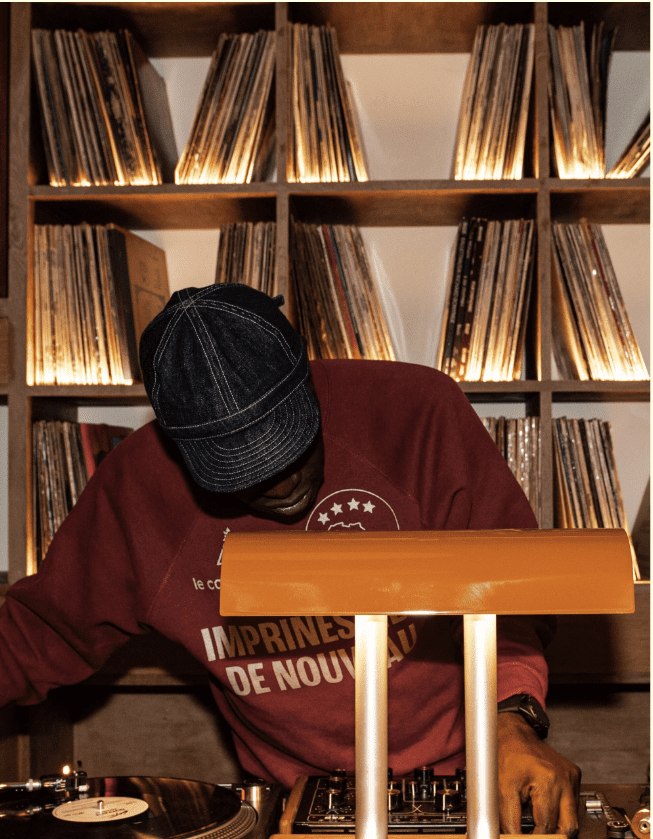
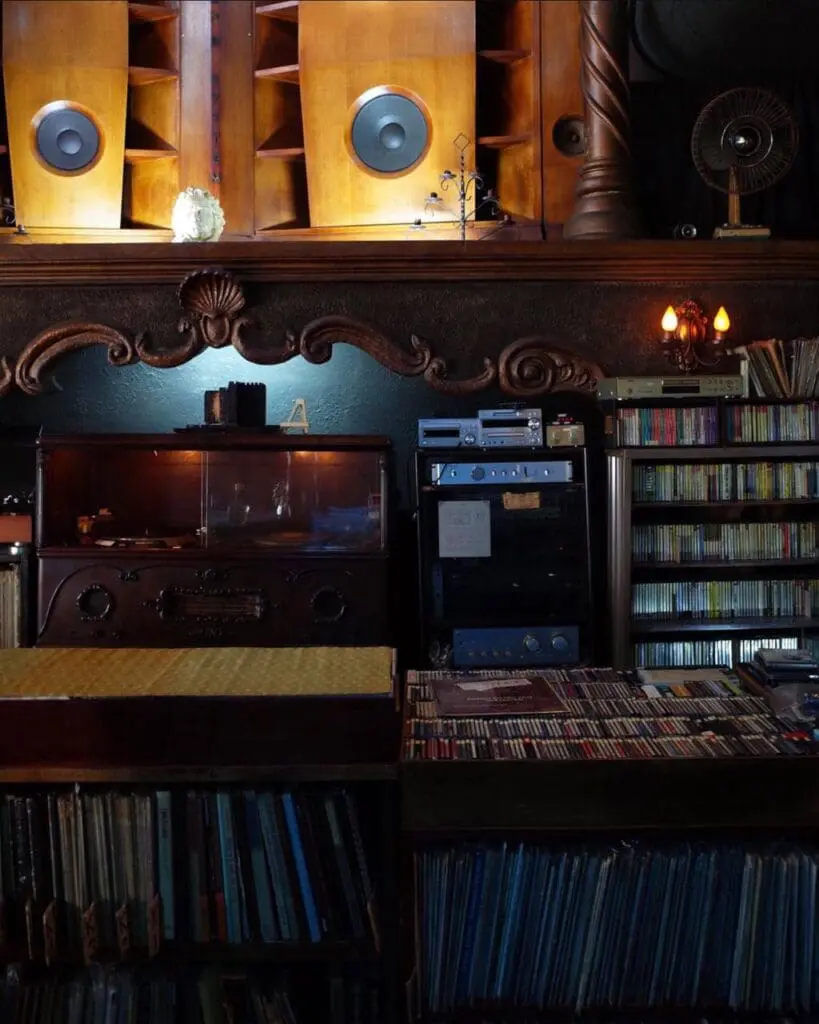
Vinyl culture today includes creative rituals and hobbies like customization and painting dates, as well as vinyl hunting and vinyl listening cafés. The latter allows people to find tranquility in the very hearts of bustling metropolises. Listening cafés and bars dedicated to the focused appreciation of music first originated in Japan in the 20th century but can now be found in many parts of the world.

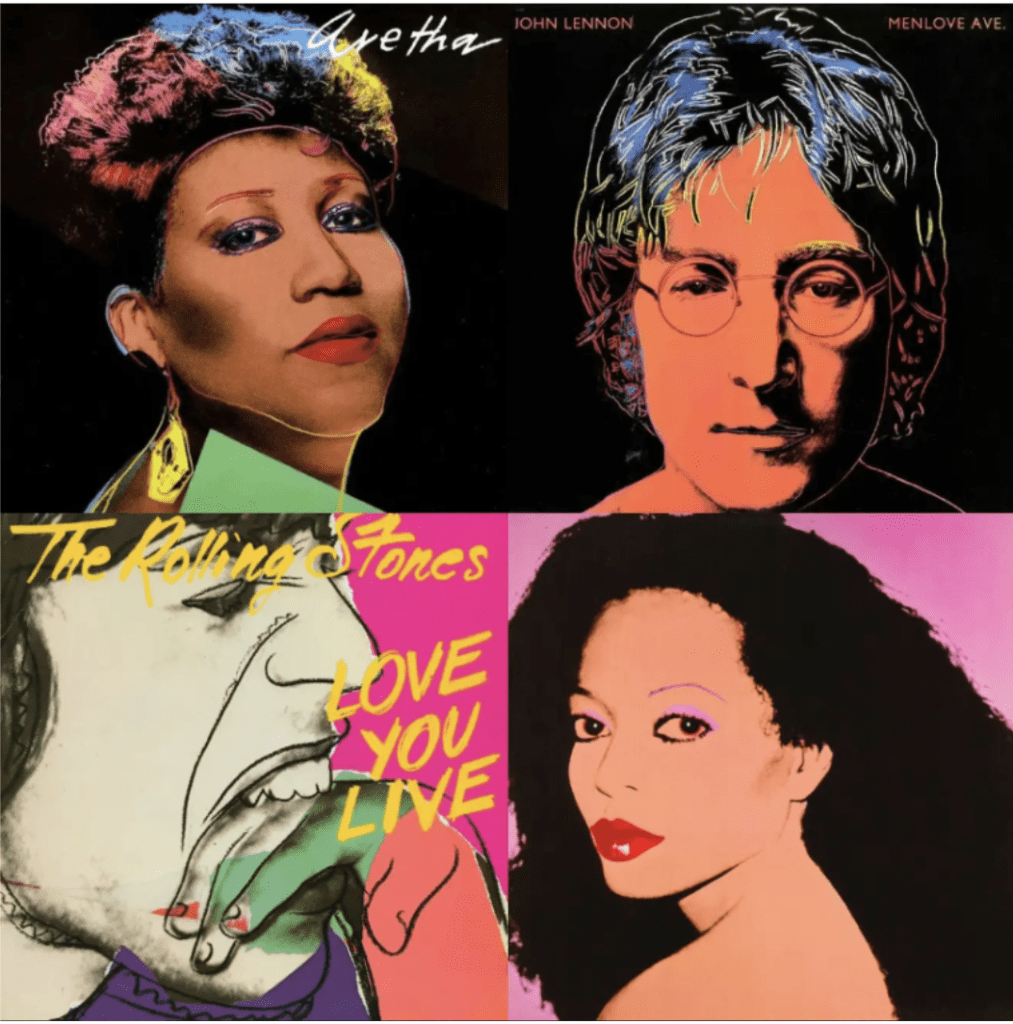
Beyond décor or leisure, vinyl expresses meaning through its visual language. Like paintings on gallery walls, vinyl sleeves embody the spirit of their epoch, turning records into cultural treasures that carry voices across decades. Some of the world’s most visionary artists have left their mark on 12×12 canvases, transforming music into something you can vividly see as well as hear. Among them was Andy Warhol, whose eye-catching, iconic cover artworks had a profound impact on pop culture. He collaborated on many jazz records and with legends such as John Lennon, Diana Ross, Aretha Franklin, and the Rolling Stones.
The beauty of vinyl sleeves and pressings, and the rarity of some editions, inspire collectors. For them, those records are objects of desire, hard-earned treasures, and hidden gems to be discovered. Some are so rare and coveted, their prices soar into the hundreds of thousands. For example, the very first numbered U.K. mono copy of The Beatles album (also known as The White Album, 1968) was sold for $790,000 at Julien’s auction.
It isn’t only old and rare vinyl editions that spark interest – modern releases do as well. Quite often, there is something secretive and alluring about them: a bonus track or exclusive content that no one other than vinyl holders can access.
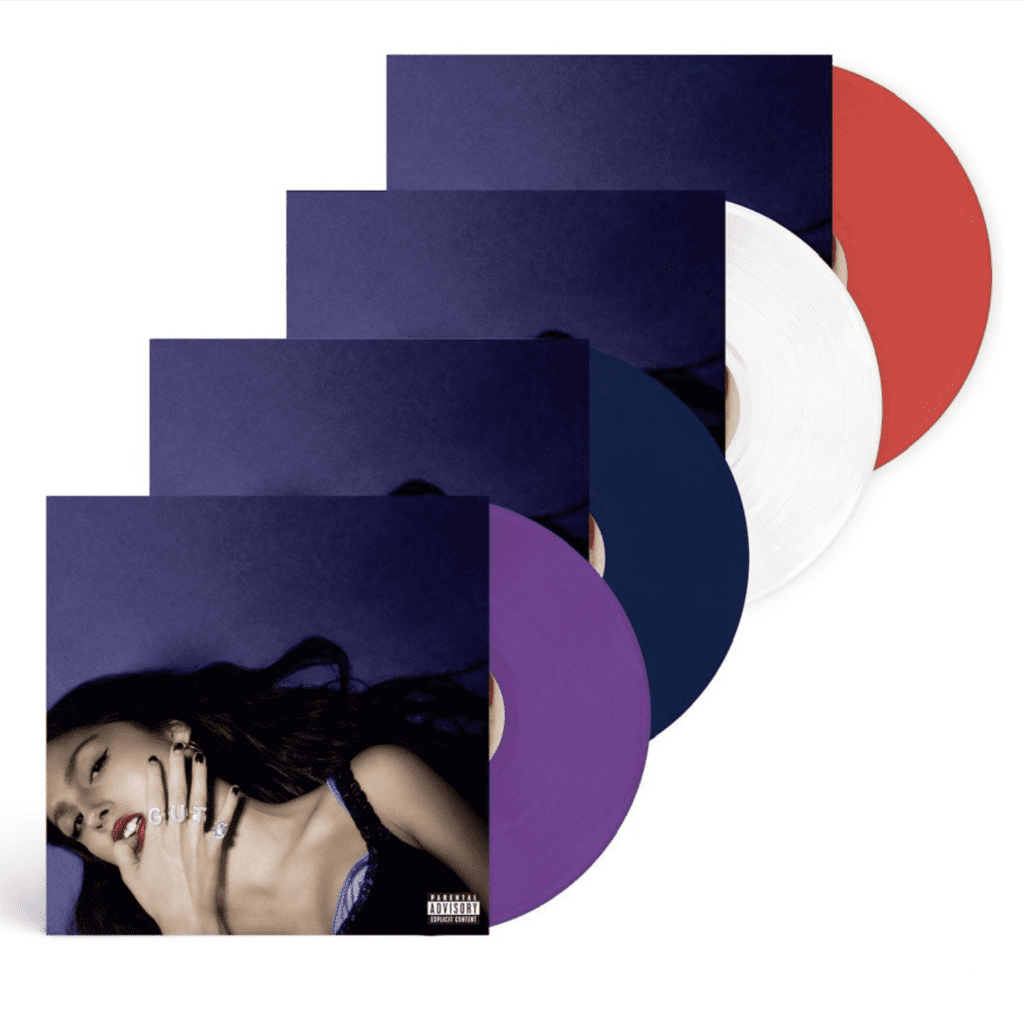
A recent example is Olivia Rodrigo’s GUTS, which was released in several special red, white, blue, and purple editions, each featuring a different hidden bonus track. Initially, none of these songs were released on streaming platforms or anywhere else; the only way to hear them was by purchasing the vinyl itself. That exclusivity made the fan experience more intimate, almost like being let in on a secret.
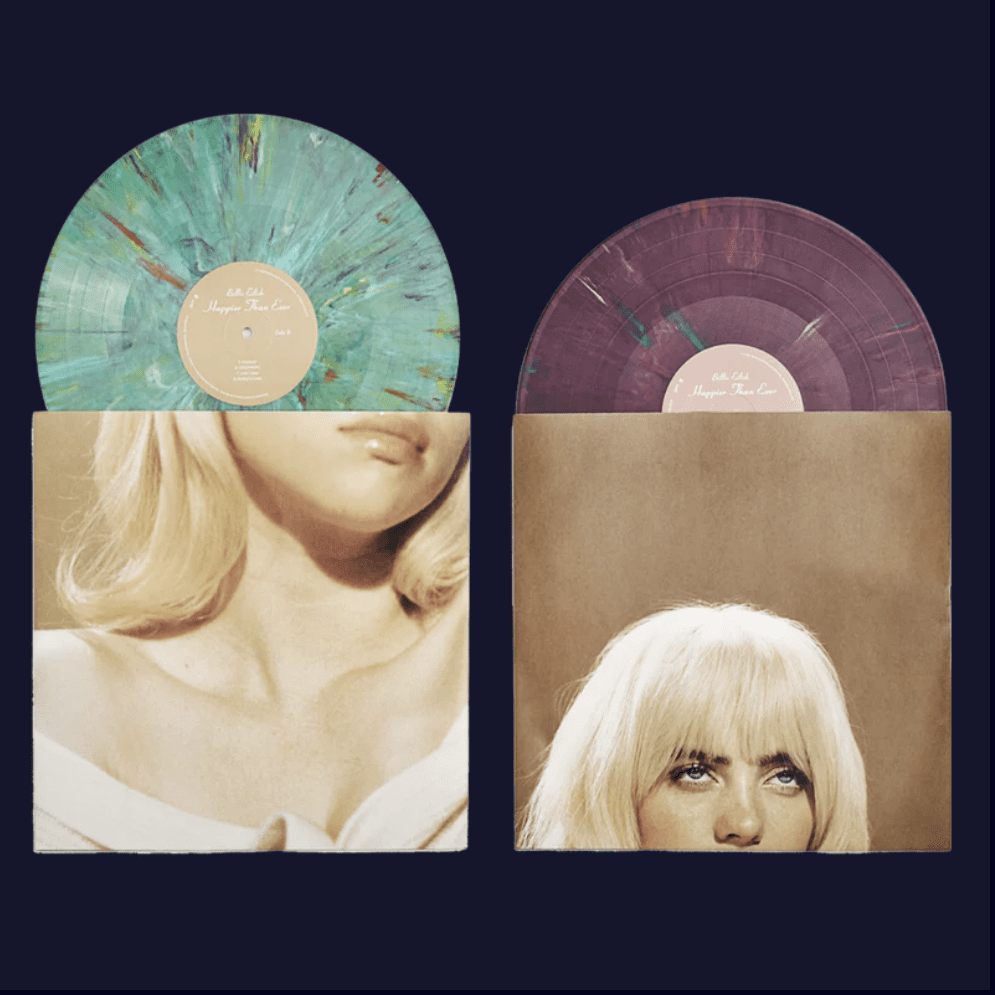
Billie Eilish took a different approach, releasing exclusive vinyl versions of her album Happier Than Ever, pressed from recycled vinyl scraps, making them both eco-friendly and highly collectible.
In the United States alone, vinyl sales in 2024 broke a forty-year record, amounting to $1.4 billion.
Vinyl still holds a strong place – not only among musicians but also in DJ culture. Ever since the 1970s, when DJs first spun records to create seamless transitions and new listening experiences, DJ culture has kept vinyl at its heart, even in 2025. Many DJs continue to prefer vinyl or use hybrid setups for scratching and beatmaking, and host vinyl-only events for audiences drawn to the magic of this analog format.
Tactile, nostalgic, and performative, vinyl offers authenticity that digital tools can’t fully replicate for both DJs and their listeners. As John Peel, the legendary British radio DJ and champion of alternative music, once remarked,
“Somebody was trying to tell me that CDs are better than vinyl because they don’t have any surface noise. I said, ‘Listen, mate, life has surface noise’”.
The beauty of vinyl lies in the myriad of experiences it offers. Art has the power to connect us in ways words alone never could. As life seems to accelerate with each passing year, the simple act of listening to a record, writing a letter, or taking a photograph feels more meaningful than ever, showing us what matters most: being present.
In those fleeting moments of engaging with art, when a wave of unfamiliar feelings washes over you, you realize you are truly living – rather than merely existing.
That is the most precious gift vinyl and other analog mediums can offer. Maybe that’s why the record keeps spinning — to remind us how to stay still.


