
Words by Valerie Aitova
What do you get when you mix chaos, confidence, and just the right amount of slutty sparkle? The soundtrack to 2025.
Pop’s hottest girls – Ice Spice, Charli XCX, Sabrina Carpenter, Chappell Roan aren’t chasing polish; they’re selling personality. It’s brat energy, heartbreak you can dance to, and TikTok captions in human form, the kind of messy glamour that feels made for FYP virality rather than pristine arenas. Slutty, sad, and sparkly isn’t just a vibe – it’s the new pop star formula.
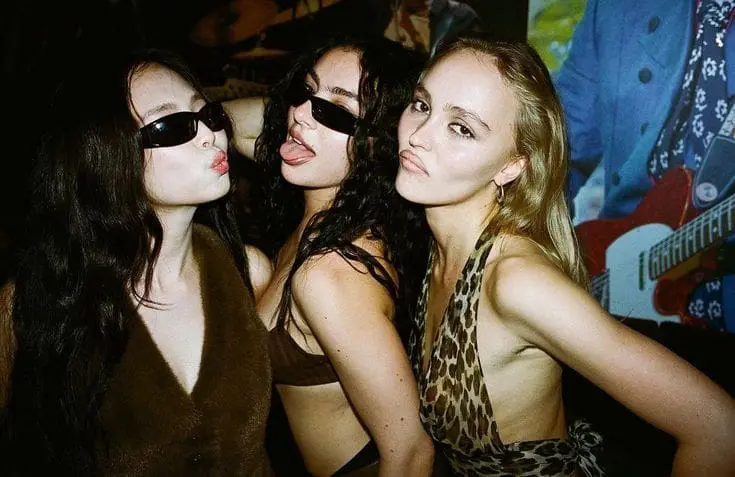
The phrase itself feels like something you’d scroll past on Twitter at 2 a.m. – half joke, half prophecy. Slutty, sad, and sparkly isn’t just a moodboard, it’s a meme, the kind of shorthand Gen Z uses to explain everything from outfits to life crises. The magic of the formula is that it condenses contradiction into something instantly legible: you can be hot and heartbroken, ironic and sincere, glittering and a little bit tragic. That duality is what makes it so sticky, and why the girls embodying it feel less like stars and more like the meme come to life.
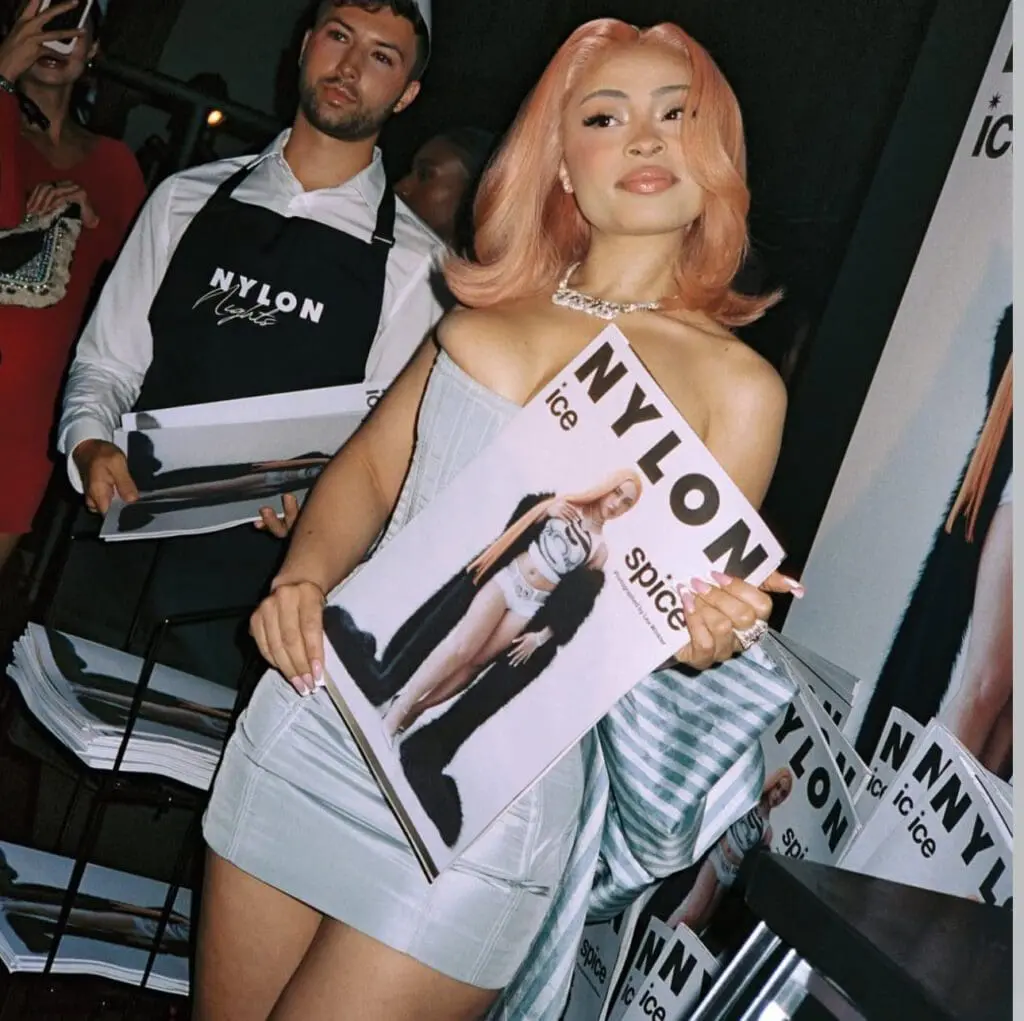
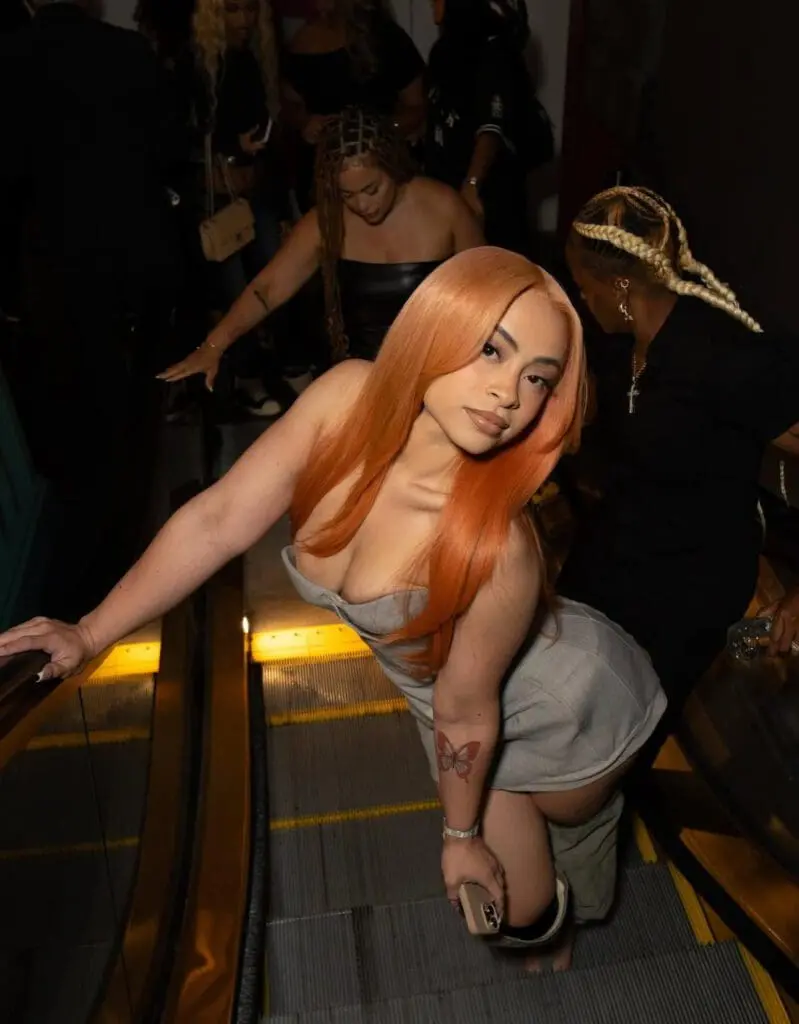
Take Ice Spice. She’s not just rapping; she’s making memes, rewriting slang, and building an aesthetic that lives as much on For You pages as it does on streaming charts. Her chaos is her branding – hair the color of Hot Cheetos, lyrics that double as tweets, a presence that feels less like calculated pop machinery and more like the internet made flesh. Ice Spice embodies the Gen Z star who doesn’t aspire to untouchable glamour, but to relatability wrapped in chaos. She’s proof that in an age of infinite scroll, the line between fan culture and star culture has dissolved.
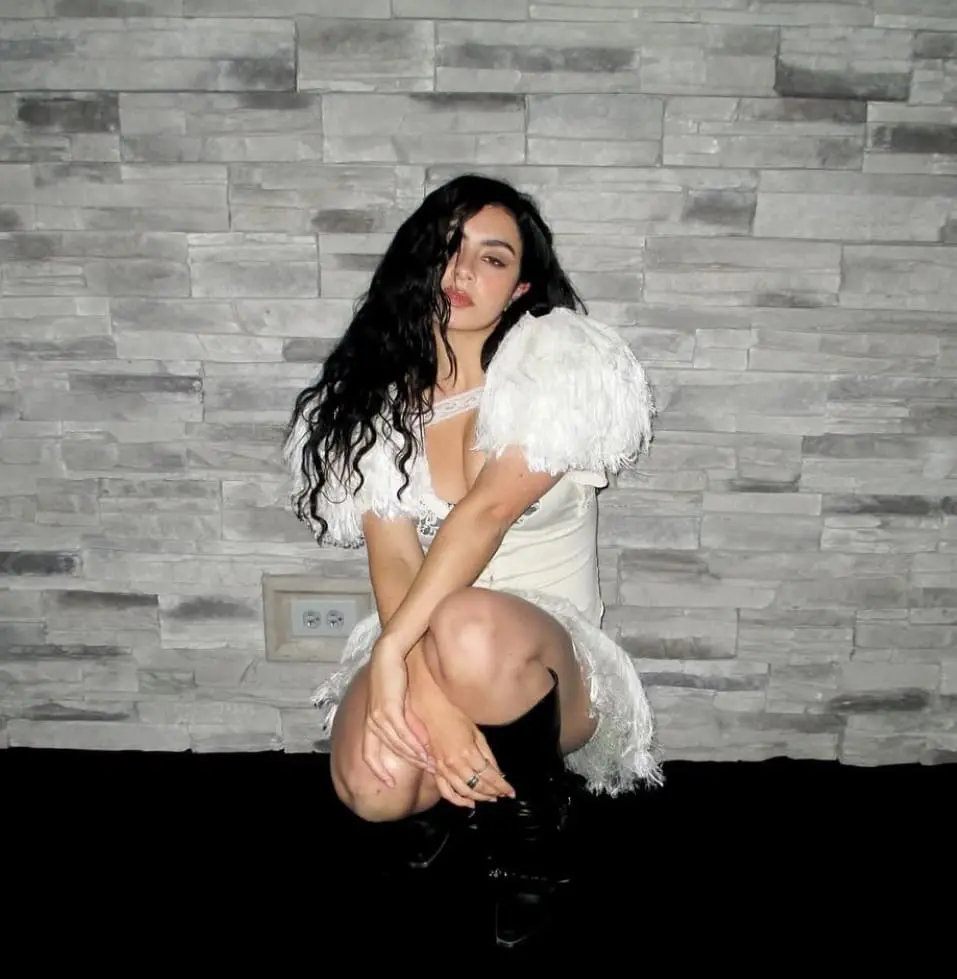
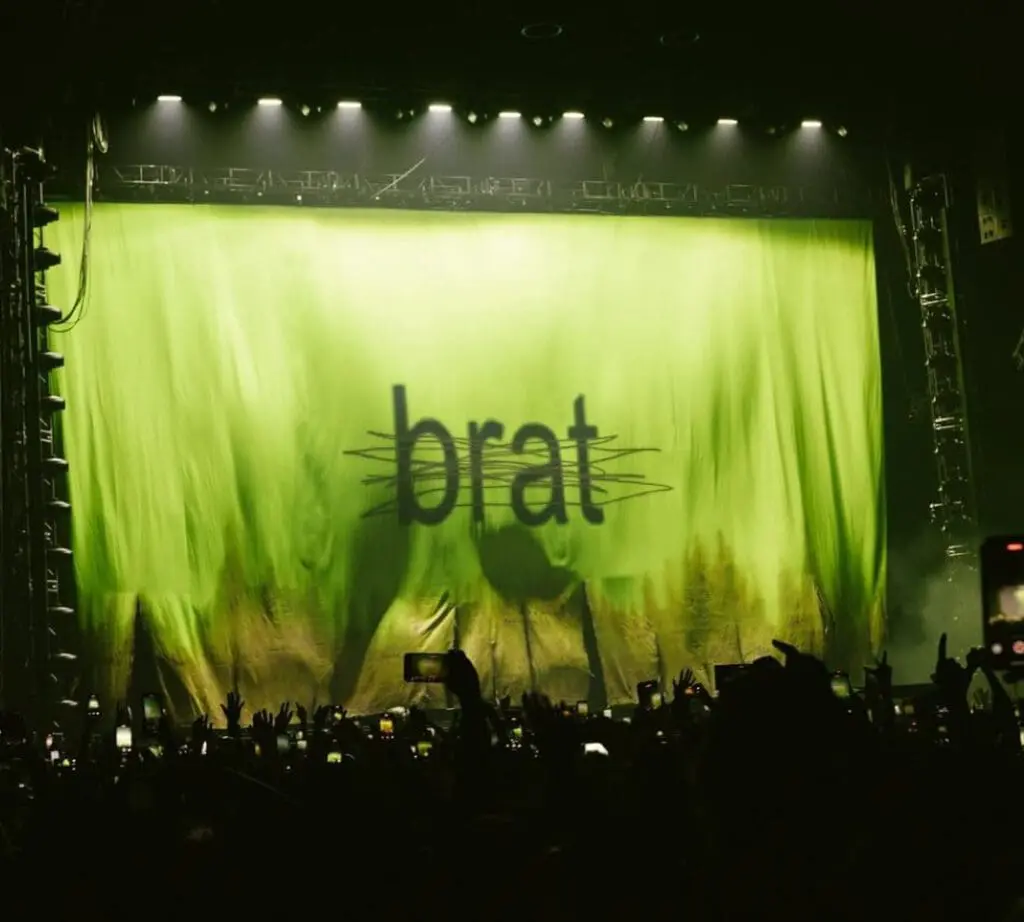
Where Ice leans into pure chaos, Charli XCX turns it into strategy – the architect of brat energy. Her album Brat wasn’t just the soundtrack of the last two summers; it rebranded pop stardom as a kind of digital performance art. The brat green screen era – all screenshots, filters, and an ironic embrace of “ugly” aesthetics made her not only relevant but untouchable in the eyes of fans who crave authenticity filtered through internet irony. Charli has been writing the rulebook for years: from music collabs to her relentless experimentation – but Brat feels like her thesis: pop is no longer about the perfect chorus, it’s about cultivating a language of inside jokes, memes, and internet-native attitude. She’s not marketing to the masses, she’s curating a cult.
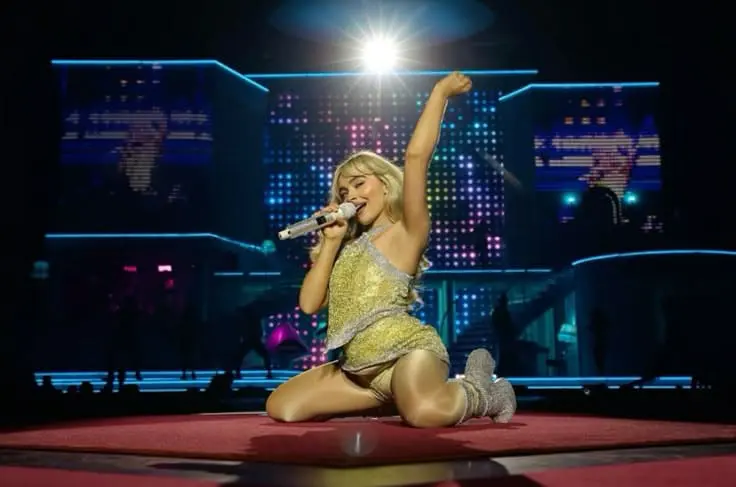
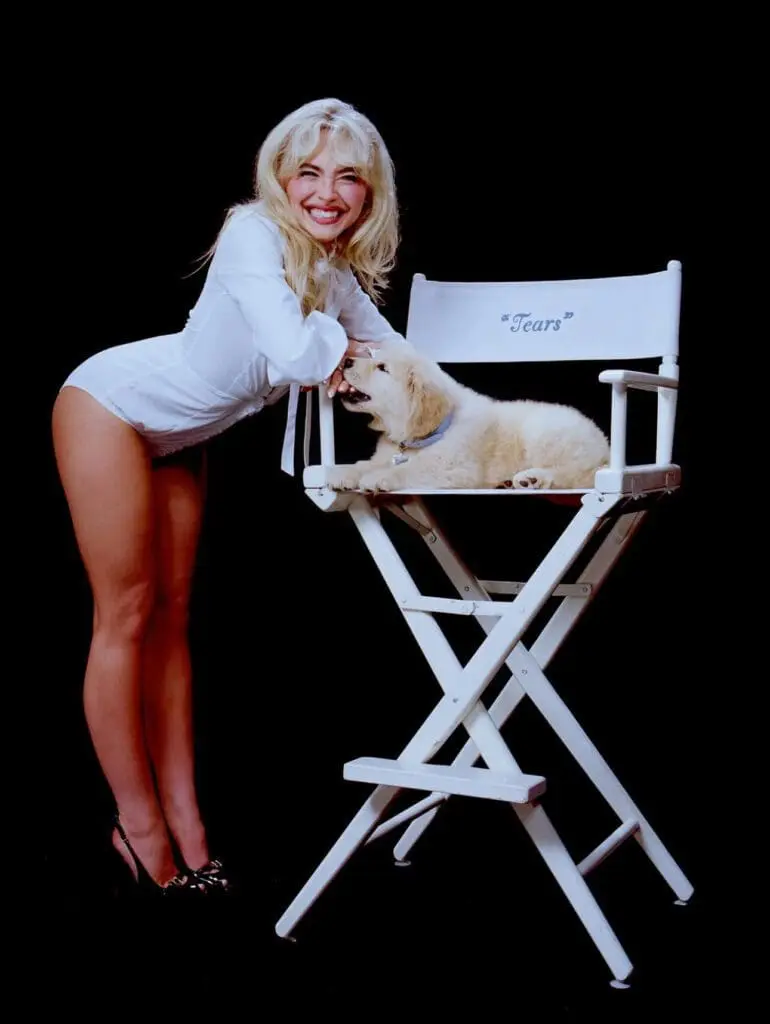
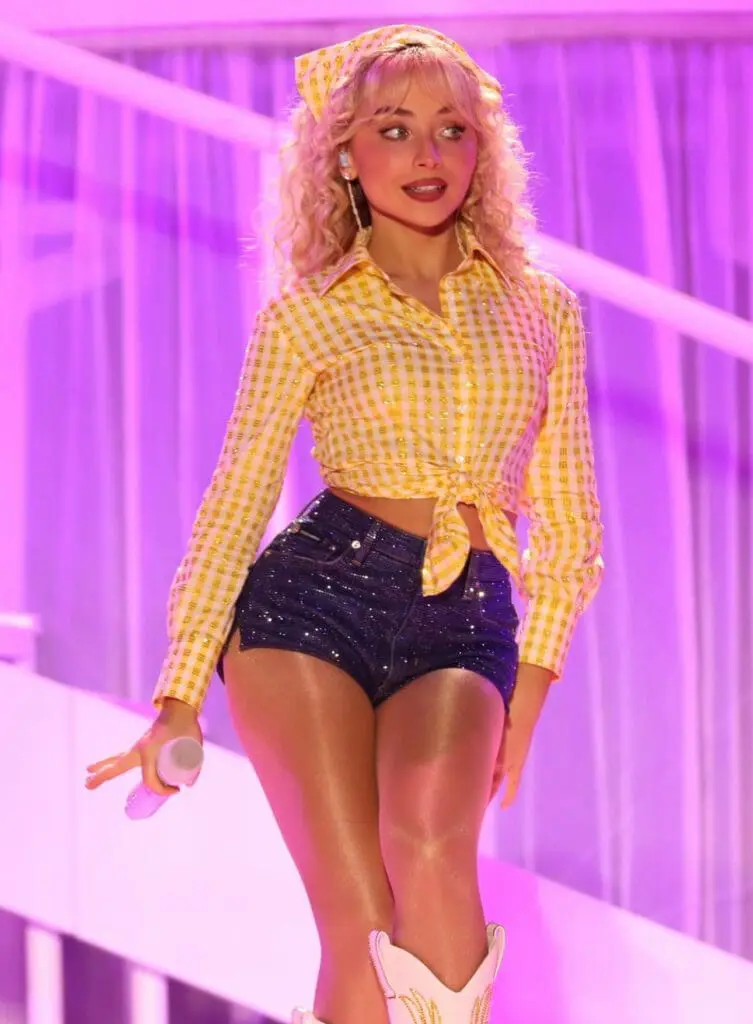
Sabrina Carpenter approaches the formula like a pop princess remix, playing the game with a wink. Her viral outro freestyles on Nonsense already proved she could turn fan culture into fuel, but her new album The Man’s Best Friend has cemented her as the girl who weaponizes charm as content. Every track is designed for TikTok – and “Tears” proves it, with over a million recreations of its viral trend, a chorus of heartbreak turned into a collective performance. Sabrina’s brilliance isn’t just in making bops; it’s in understanding that being funny, self-aware, and slightly ridiculous is what makes her magnetic. She’s the queen of the parasocial wink, giving fans the illusion they’re in on the joke.
Chappell Roan takes the ethos to its loudest extreme – a full-throttle smirk, maximalist and unmissable. She’s slutty in the campest, most theatrical way, sad in the way anthems often carry both glitter and grief, and sparkly because her entire persona shimmers with neon excess. Roan’s music videos look like they’ve been ripped straight from a queer nightclub dreamscape, and her live shows turn pop into performance art. If Sabrina flirts with the meme, Chappell drags it onto the stage in rhinestones and neon, daring the audience to go bigger, queerer, and louder right alongside her.
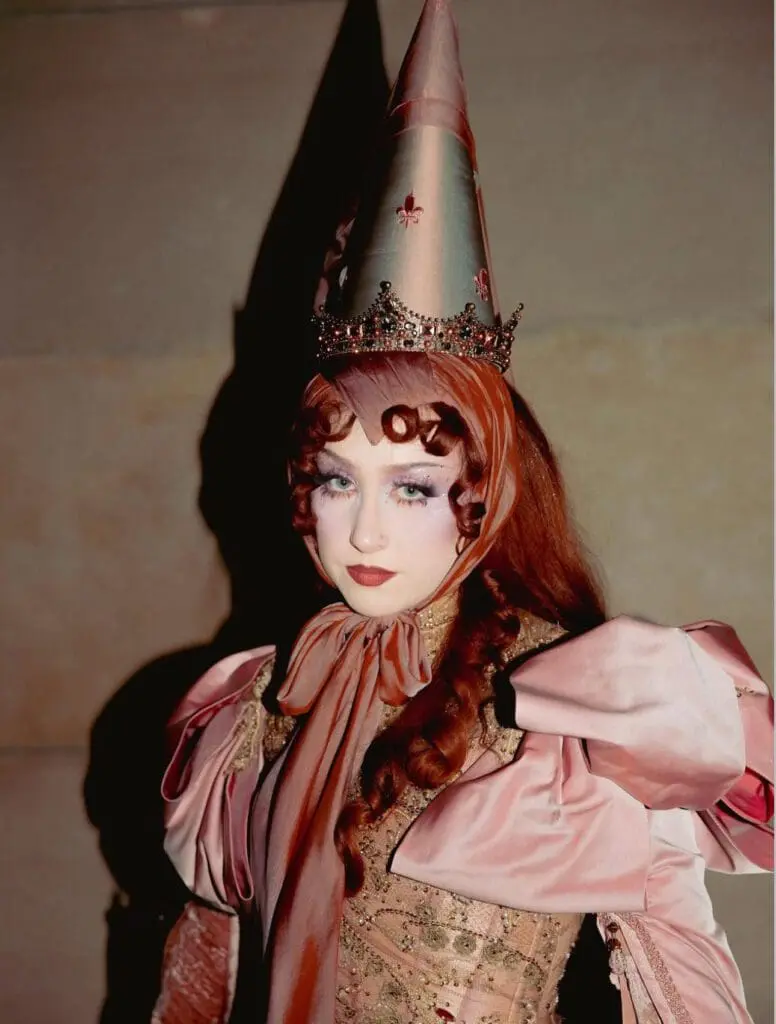
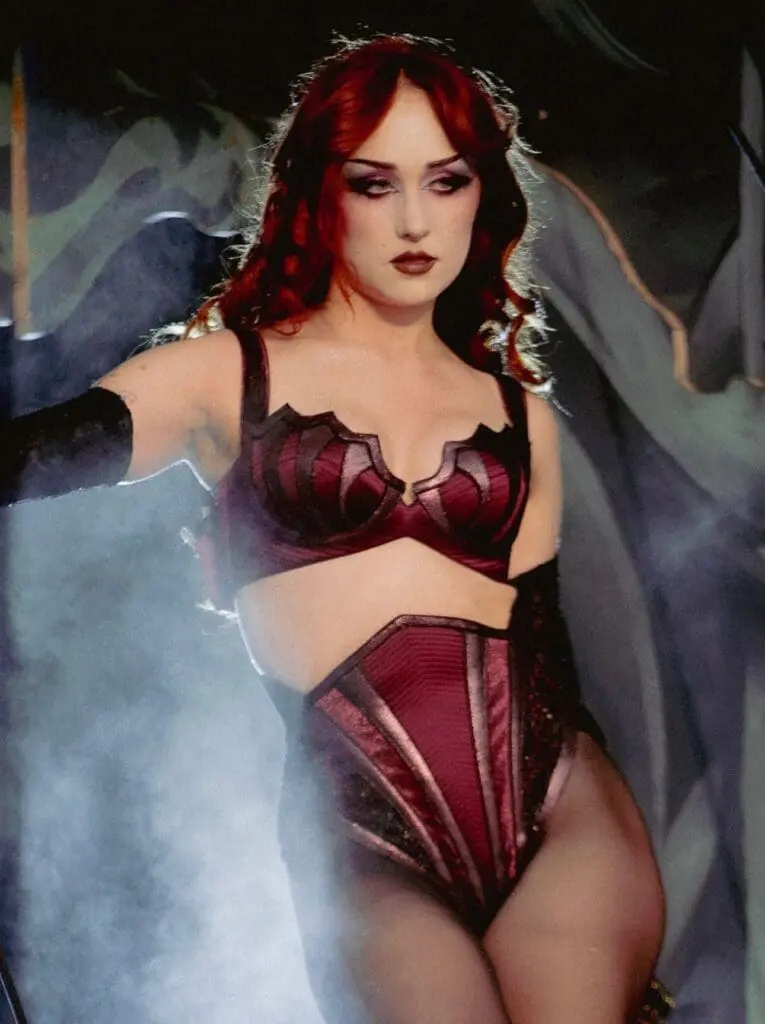
Together, these artists illustrate how the new pop formula isn’t about sonic innovation as much as cultural positioning. It’s about leaning into contradictions – slutty but sad, sparkly but ironic, chaotic but calculated. The Gen Z audience doesn’t want polished icons; they want messy avatars who reflect the absurdity of living online. These stars are less performers in the traditional sense than influencers with microphones, channeling the meme economy into music.
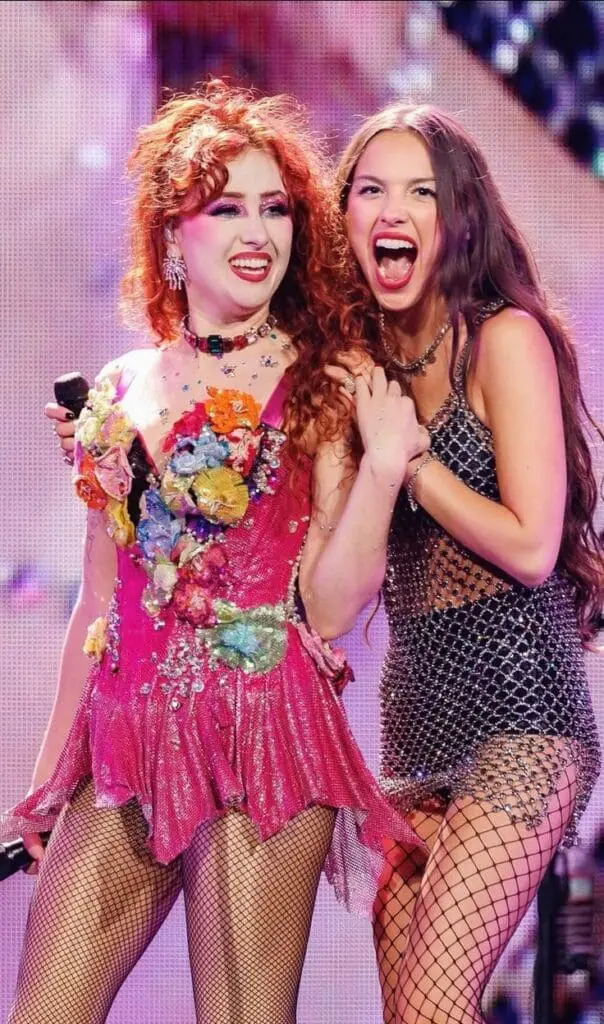
But this isn’t about dumbing down pop – it’s about acknowledging that music and culture are no longer separable. A song isn’t just a song; it’s a template for a dance trend, a caption, a viral sound. The music charts are shaped as much by TikTok virality as by radio spins, which is why the artists who thrive are those who understand the internet as an extension of their artistry. Pop stardom has become a collaborative performance between artist and fanbase, each feeding the other with content, inside jokes, and shared delusion.
The formula works because it feels alive: slutty, sad, and sparkly isn’t a phase, it’s the language of a generation raised on chaos-as-content. These stars aren’t idols on a pedestal – they’re avatars of our own messy timelines, turning heartbreak into memes and confidence into glitter. They’re not just making hits; they’re writing the group chat script of a generation.
And somewhere between all this, a question: what is your #HaveYouGotYours?


