Words by Anastasia Andriadi
Edited by Valerie Aitova


Take your favorite mug from the shelf, pour a steaming cup of hot chocolate, and curl up beneath your coziest blanket, because we are diving into Christmas movies. Few things heighten the festive spirit more than binge-watching holiday classics: Kevin left behind on Christmas Eve and fending off burglars in Home Alone, or a handsome blue-eyed stranger with a British accent providentially appearing at the doorstep of a holiday rental in the English countryside. These plots are instantly recognizable to audiences across the globe. Christmas, once a purely religious holiday, has over the years evolved into a cultural phenomenon.
Picture streets covered in snow, Christmas trees glittering with ornaments and lights, families gathering together, unwrapping presents, and sharing feelings of joy and love. This image of Christmas is familiar to all of us. Hollywood did not invent these traditions, yet cinema exported and normalized them on a global scale. Popular culture, especially film, has curated a vision of how Christmas should look, sound, and perhaps most importantly, how it should feel.
This special feeling is exactly what makes Christmas movies so dear to our hearts, so much so that watching them becomes an almost canonical ritual in the days leading up to Christmas. From Christmas movies produced nearly 80 years ago to a new release, there is something that unites them despite differences in genre or era: the shared promise of redemption, nostalgia, and the idea that, at least during this festive season, miracles are possible.
The extraordinary emotional circumstances in which characters find themselves in Christmas movies are often soul-shaping and pivotal, guiding them from doubt, disbelief, and even utter disappointment and isolation toward feelings of love, connection, renewal, and heartfelt hope. Whether it is eight-year-old Kevin McCallister, the often-misunderstood child Charlie Brown, or thirty-something George Bailey, each ultimately realizes that what matters most is family connection, community, and the presence of those who truly love and value them.
Frank Capra’s It’s a Wonderful Life (1946) is rightfully considered a golden classic of Hollywood cinema. More than a feel-good holiday watch, it is a philosophical and self-reflective film that explores themes of self-sacrifice, emotional suffering, and the risk of losing oneself. The narrative follows George Bailey, played by James Stewart, a man whose youthful spark and dreams of great adventures are continually tested by destiny. From the opening scenes, George is revealed as kind-hearted and altruistic. He repeatedly sacrifices his own ambitions for the good of the community and his family.

As time passes, he finds himself in his thirties in what he believes to be a miserable state. He has not fulfilled his dreams or made a fortune, and no matter how strongly he wished to escape his hometown, he had to stay. The breaking point comes when George’s uncle loses the only money they had, leading George to believe that his life insurance policy is worth more to his family than his life, until a true Christmas miracle occurs in which the angel shows him what the world would be like if he had never existed. George realizes that his despair is misplaced, for it is the world without him that becomes desolate. The movie ends on a positive note, with George recognizing his importance in other people’s lives and understanding that his life is truly a wonderful one.
This story established a Hollywood Christmas movie formula: it’s not about changing the world, but about shifting perspective and appreciating what you already have. This moral architecture, consisting of crisis, moral reckoning, renewed appreciation, and communal affirmation, became the backbone of Christmas cinema for decades.

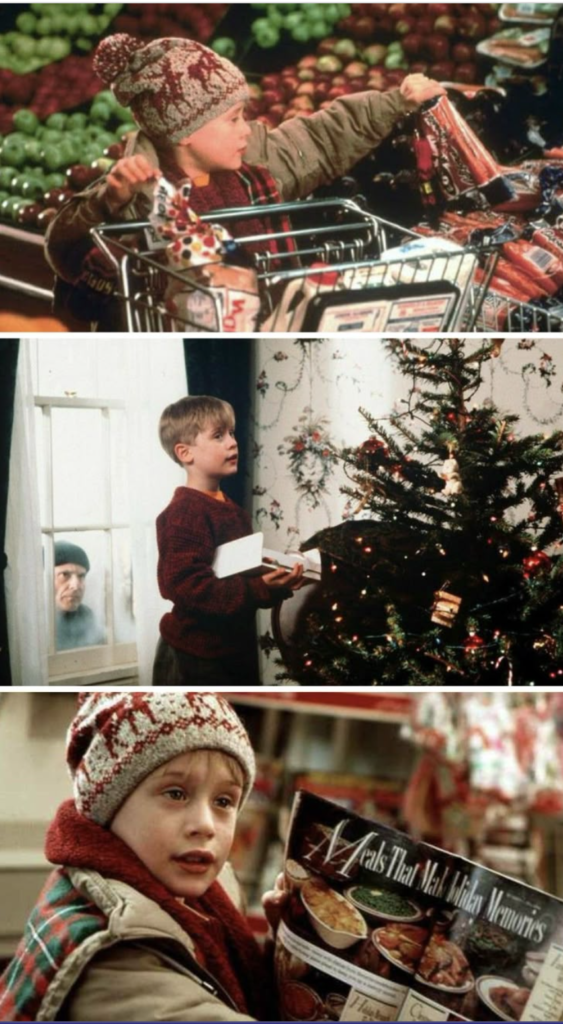
Forty-four years later, on another Christmas Eve, the story unfolds in a different decade. This time, it is eight-year-old Kevin McCallister, who often feels overlooked and neglected by his large family, wishing to stay alone at least for a while and angrily declaring to his mother that they should all just disappear. Little does he know that Christmas magic makes wishes come true. The wish is granted the next morning, and the rest of the plot is probably familiar to all of you reading. Kevin learns what it is like to live alone. His initial happiness and thrill are sparked by a sense of freedom – no scolding, no annoying siblings. Gradually, however, this freedom turns into loneliness. In the end, he discovers that the best holiday is one in which joy is shared with loved ones.
Just like George Bailey, Kevin McCallister reaches an emotional low point in his own way. He longs for isolation, and life places him in atypical circumstances that deprive him of what he once took for granted. Through this experience, he learns its true value.
The Home Alone trilogy has enjoyed massive success. The adventures of the hard-headed kid who wishes everyone would leave him alone on Christmas Eve, set against snowy streets and festive decorations, continue to attract attention. Home Alone has even become an aesthetic, especially on TikTok and Instagram, where users create collages of Kevin’s adventures alongside 90s retro Christmas imagery such as corded phones, oversized sweaters, and VHS tapes, tapping into the public’s growing fascination with everything vintage. Social media and digital culture have given this classic, along with countless other films from past decades, a new wave of popularity. Thousands dream of celebrating Christmas in New York just like Kevin in Home Alone 2: the Plaza Hotel, Central Park, Rockefeller Center, and the magic of the city itself.

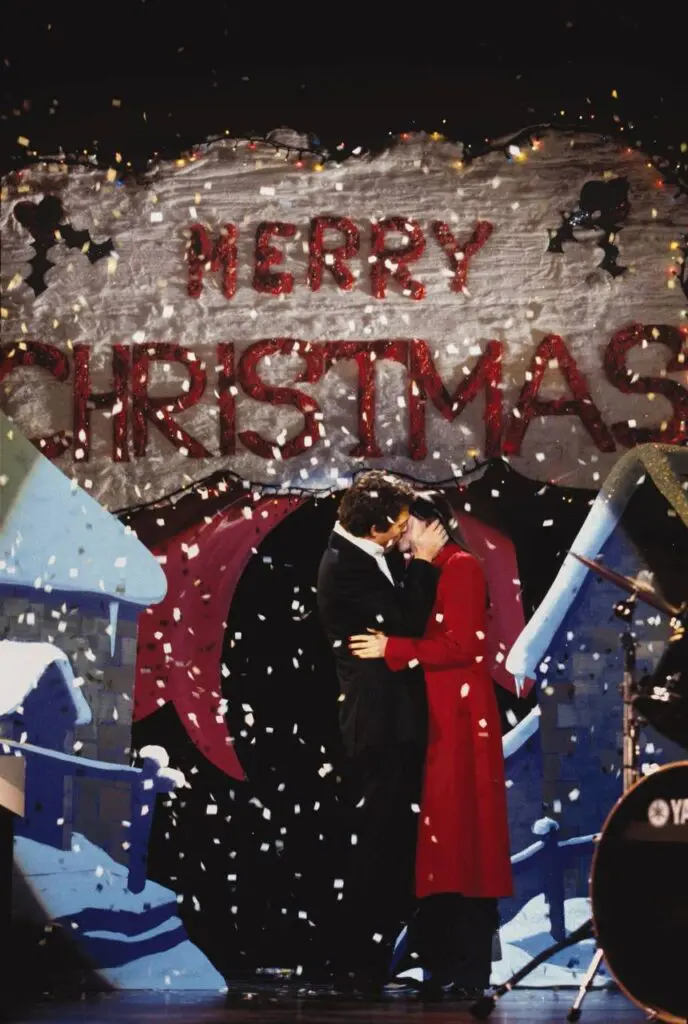
As desperately as Kevin craved to stay alone, many people dream of finding their significant other during the festive season. Romantic comedies have become inseparable from Hollywood’s Christmas cinema. Love Actually (2003) portrays a myriad of small wonders in the lives of ordinary people as they overcome heartbreak, reconcile, or courageously dare to wear their hearts on their sleeves. The film presents the beauty of the Christmas miracle not as divine intervention, but as human choice, making the stories more relatable and honest.
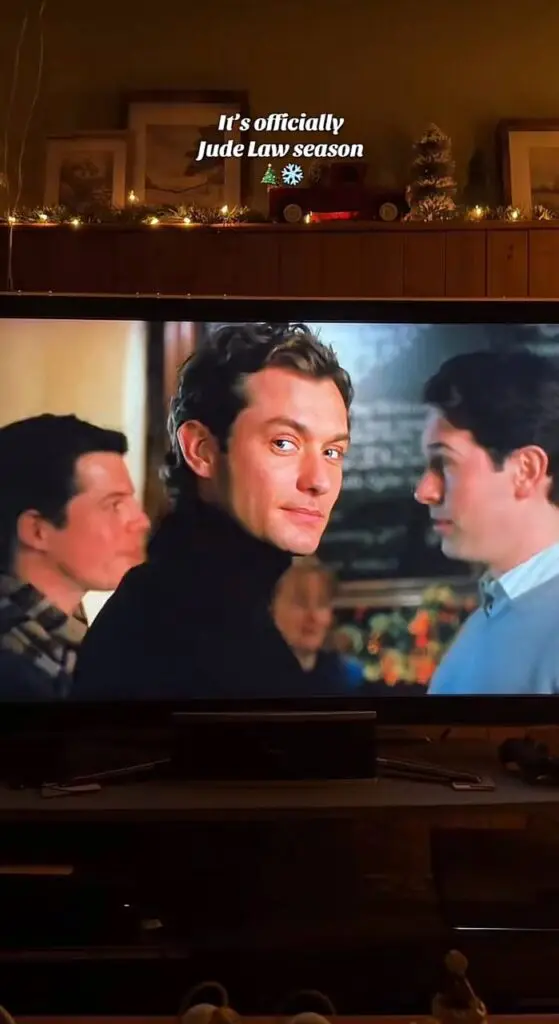
Or take The Holiday (2006), a beloved Christmas movie, especially among fans of the charismatic Jude Law, myself proudly included. At the beginning of the film, both Amanda and Iris are emotionally closed off, but by daring to travel to the other side of the world, they rediscover parts of themselves long buried under routine and find true love in the most unexpected ways. These movies leave viewers with the hope that they, too, might experience the same marvel of fate.
Much like the characters in these films, we quite often experience troubles, hit rock bottom, or find that everything goes completely not according to plan during what is meant to be the most festive and happiest period of the year. Christmas movies have a unique, almost magical ability to offer encouragement in those moments. Hollywood’s ideal Christmas is one in which people are allowed to stumble, doubt, and suffer, yet still arrive at redemption and a state of love. No matter how bleak the starting point, the promise remains the same. By Christmas, hope is restored.
Watching Christmas movies is also a wonderful opportunity to spend time with family. Many of us love them not only because they offer solace, but also because they evoke nostalgia, reminding us of the days we used to watch them as children. And with the help of social media, watching these movies transcends the limits of a single household, neighborhood, or even country. Thus, Christmas movies become a global, collective activity where people share their favorite films, characters, and moments online.



Hollywood creates a visual aesthetic of Christmas through its carefully repeated set of images: soft golden lights, the coziness of interiors contrasted with snowy winter streets, and even the imagined scents of gingerbread and cocoa. Everything associated with warmth and emotional safety is complemented by favorite Christmas songs. Films have taught audiences what Christmas should look like, even shaping expectations in cultures where these visuals were never originally part of the tradition. Most importantly, they grant us an emotional awakening and a temporary escape from the ordinary into the world of Christmas magic.
For a brief moment each year, Christmas allows us to believe in miracles not just on screen, but in our own lives, to look toward the future with hope and imagine a new chapter beginning. As the famous line reminds us, “If you look for it, I’ve got a sneaky feeling you’ll find that love actually is all around.” Christmas movies invite us to reflect on our spirituality and to believe that, if we open our hearts, we may discover that what we already have is a blessing.
Until then, there is always time for one more Christmas movie, a warm drink, and the comfort of a story we already know by heart. And if you’re feeling a bit Grinchy this season, nothing cures it faster than cozy films, twinkling lights, and a little borrowed Christmas spirit.