
Words by Lola Carron
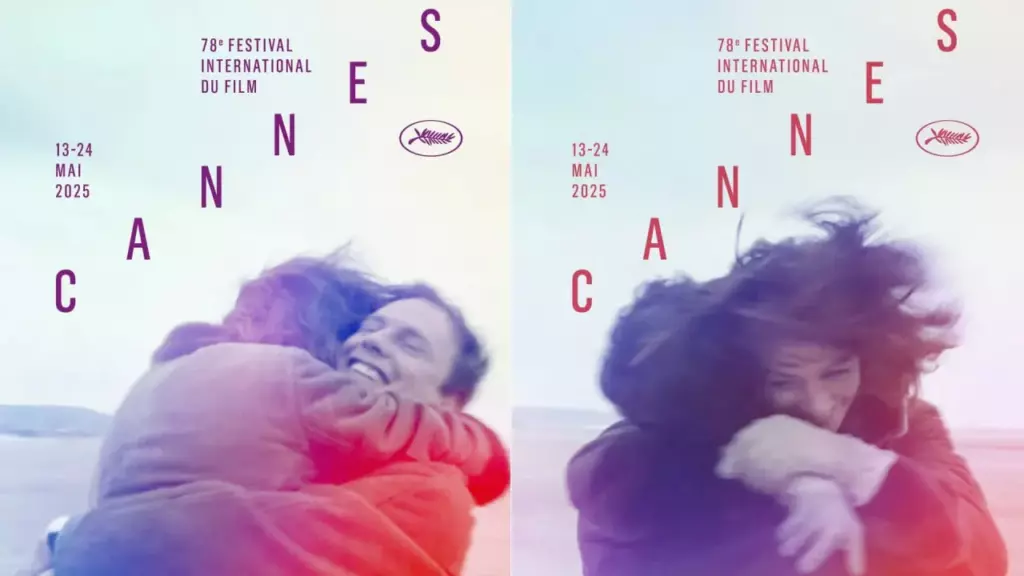
Each May, the French Riviera transforms into something mythic. Cannes becomes less of a location and more of a mirror, reflecting not just the state of cinema, but the cultural mood at large. This year, however, something feels different. There is still the familiar flash of camera shutters, the slow sway of couture on red carpets, the champagne-fuelled chatter along the Croisette. But the tone is quieter. Sharper. More self-aware.
If past editions of Cannes have been about projection, grandeur, legacy, the next Palme d’Or contender to define a generation, this year feels more like reflection. Not nostalgia, exactly, but a kind of cinematic checking-in. What stories are we telling now? Who are we giving the microphone to? And what happens when an institution known for glamour starts to show its edges?
One of the most visible shifts at Cannes 2025 is the continued rise of politically charged, socially conscious storytelling. This year’s Feature Films Jury, presided over by Juliette Binoche, set the tone for a programme that felt reflective, radical, and deeply human.
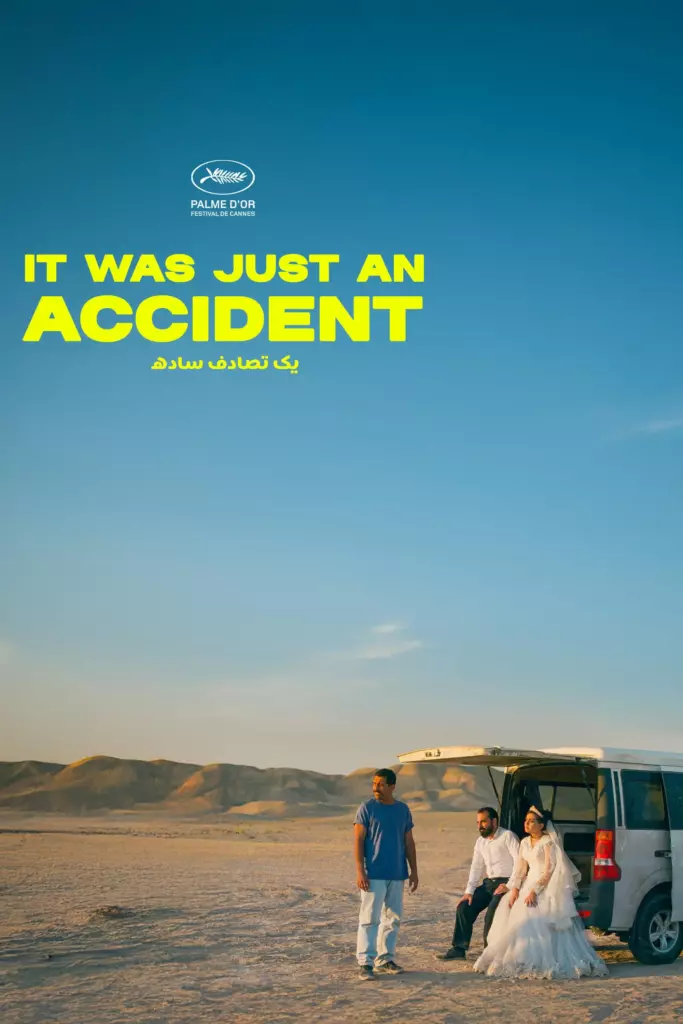
Jafar Panahi’s It Was Just an Accident won the Palme d’Or for its powerful meditation on accountability, justice, and power.
Mascha Schilinski’s Sound of Falling, which took home the Jury Prize, explored climate grief through surreal, dreamlike imagery.
Kristen Stewart’s directorial debut The Chronology of Water, adapted from Lidia Yuknavitch’s memoir, premiered in Cannes Docs to widespread acclaim for its unflinching portrayal of survival and self-reinvention.
Meanwhile, The Love That Remains by Hlynur Pálmason, screening in Un Certain Regard, delivered a haunting and intimate portrait of family and loss.
These films weren’t simply themed around crisis. They were steeped in it, inviting the audience to reckon with discomfort, contradiction, and resilience.
There was also a palpable tension between tradition and transformation. Directors like Jia Zhangke returned with their signature emotional restraint, while bold newcomers such as Meryam Joobeur offered up striking, genre-bending narratives. This dialogue between reverence and rupture gave Cannes 2025 its unique pulse — a balancing act between legacy and reinvention.
Fashion followed suit.
The gowns were still there, but with more edge and intention.
This year, the red carpet felt more thoughtful: less about excess, and more about expression — a shift from spectacle to substance.
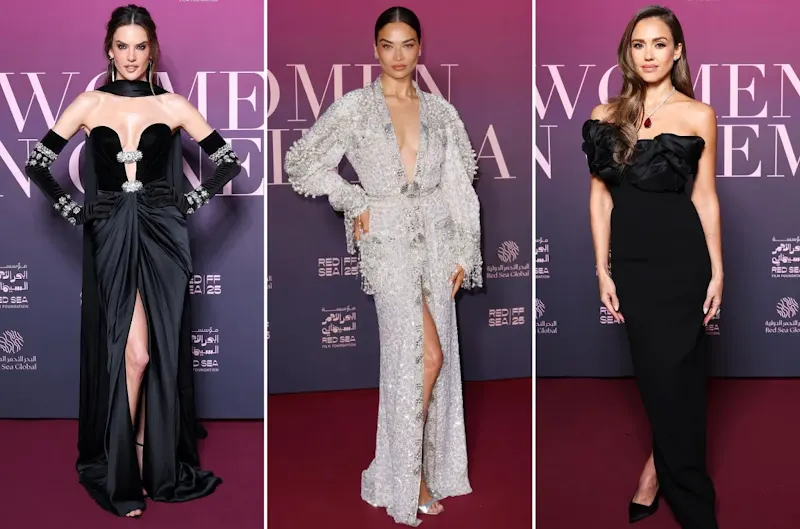
Social media mirrored that recalibration.
The influencer saturation of previous years seemed to fade, replaced by coverage centered on creativity, collaboration, and behind-the-scenes nuance. The online conversation grew quieter, more discerning. It was not rejecting digital culture, but redefining it.
Cannes hasn’t lost its love for beauty, drama, or spectacle.
But it has started to ask better questions.
Whose voices are we elevating?
What does cinematic power look like in 2025?
And how can a festival that once lived in fantasy reconnect with reality, without losing its soul?
Cannes has not lost its glamour. But maybe, just maybe, it is starting to show its soul


