
Words by Valery Stoianova
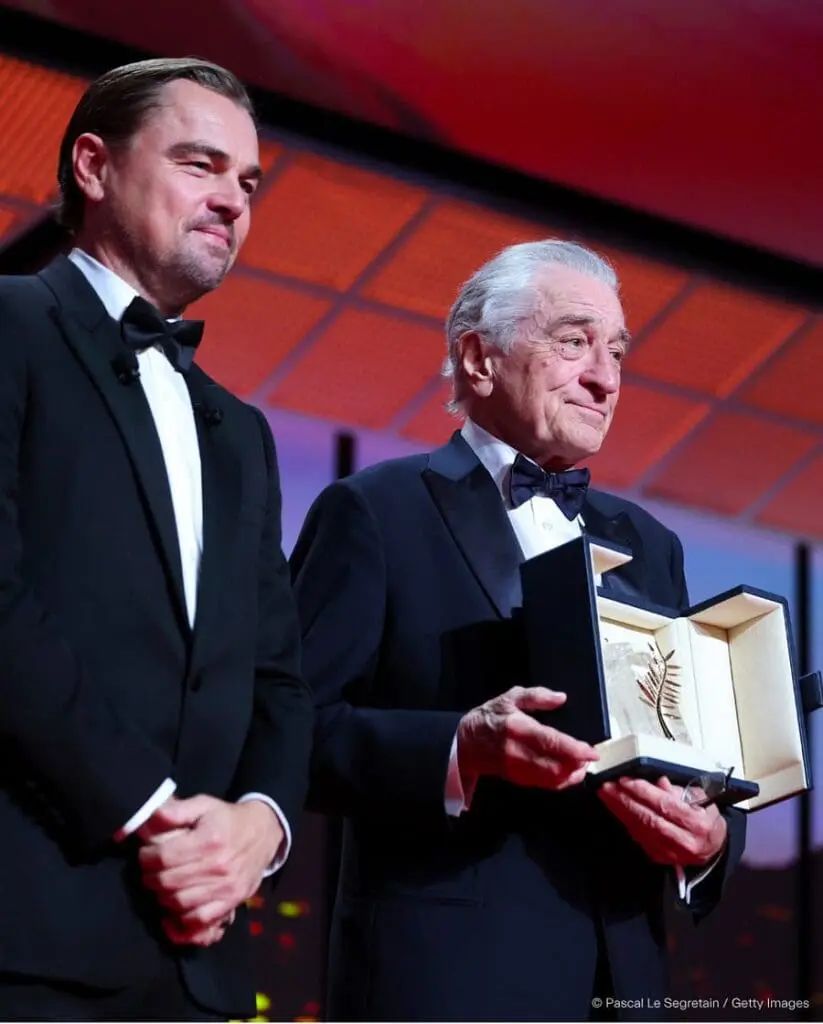
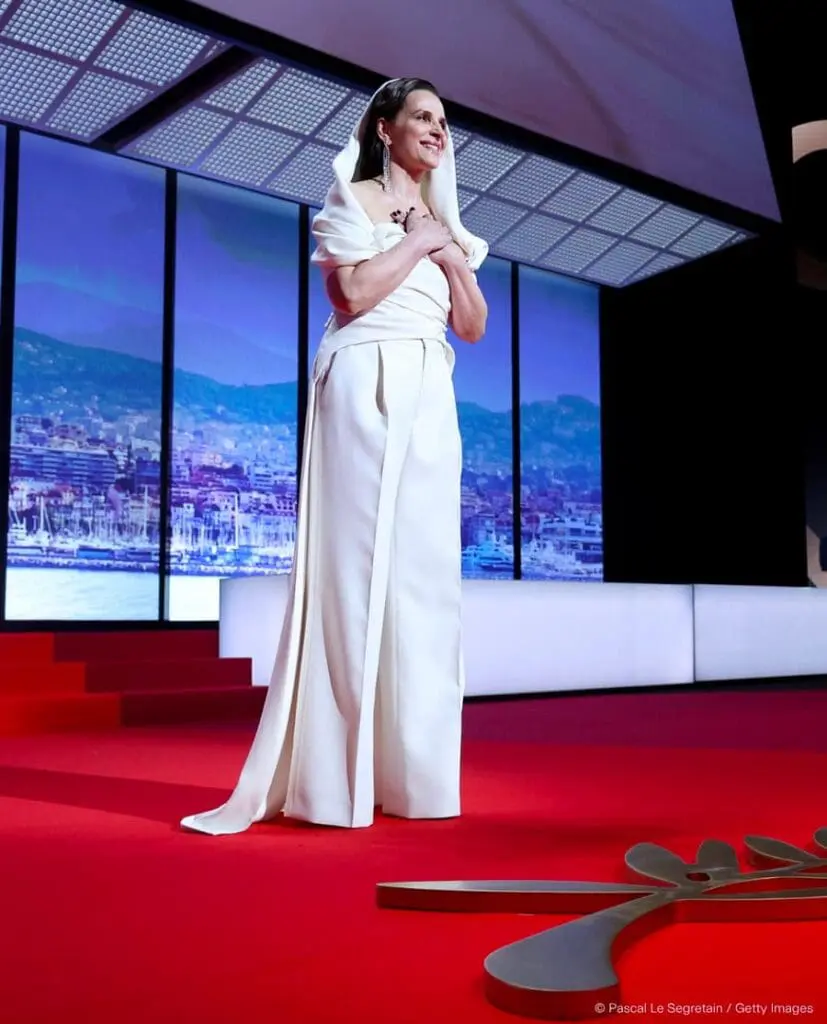
The 2025 Cannes Film Festival has drawn to a close, and the time has come to take stock of its most essential works. This year’s edition brought a constellation of industry heavyweights — Quentin Tarantino, Robert De Niro, Wes Anderson — and even Angelina Jolie appeared. But the core of Cannes, as ever, remains the cinematography itself. And this year, there was plenty to talk about. Let us dive into the most striking films of the festival and examine the atmosphere that shaped them.
The Cannes Film Festival often feels a bit out of touch with reality. Although important issues for the world are raised, all this is done superficially and formally. It is something like: “Yes, we are concerned about what is happening in the world, but we don’t want too many details.” This year, there was a greater involvement in world politics and conflicts. It became clear — it is impossible to ignore the context.
Juliette Binoche, this year’s jury president, opened the festival with a speech dedicated to a Palestinian photojournalist. Robert De Niro, awarded an honorary Palme d’Or, delivered a searing speech about resisting autocracy. A sense of unrest and moral inquiry permeated the Croisette, and it shaped the films that were ultimately honoured.
Awareness among the filmmakers was seething, doubts about what was happening and uncertainty about the future remained in the air. This could not but be reflected in the choice of films that won this year. The contrast between the winning films spoke volumes. Some plunged us into the rawness of contemporary dilemmas, others offered a complete escape from them. But across genres and national cinemas, this year’s selections shared a notable thematic thread: the emotional resilience of the individual.
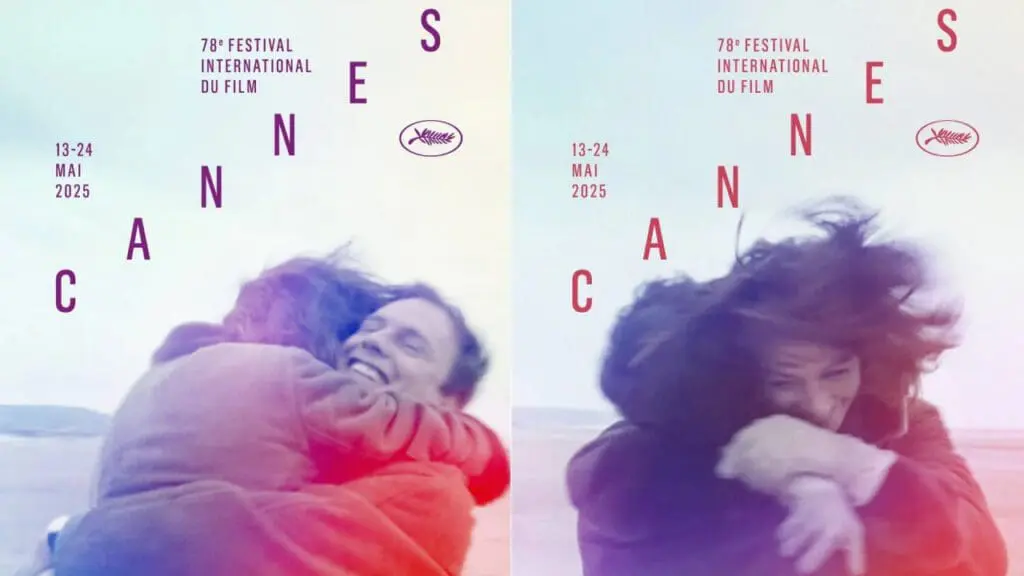
Every year, the poster of the Cannes Film Festival, one way or another, sets the tone for the event itself. This time, an iconic still from Claude Lelouch’s A Man and a Woman (1966) did it. The picture concentrates on feelings and personal emotions. This year, we can see how much the jury focused on this thesis. The award-winning films are not about global processes on a global scale, but rather about a small person experiencing crises against their backdrop.
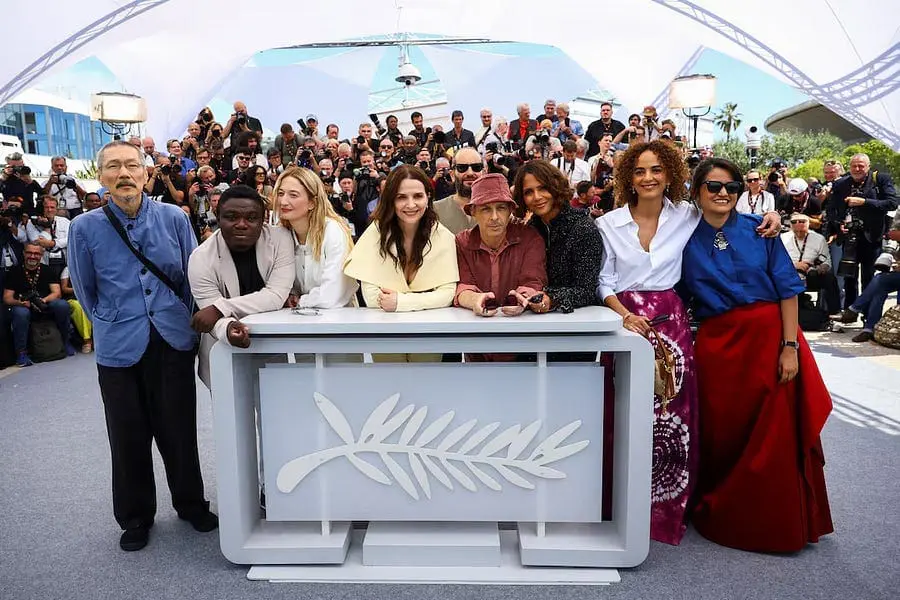
The entire Côte d’Azur was permeated with love for auteur cinema. The 78th jury was composed almost entirely of fiercely independent filmmakers: Carlos Reygadas, Hong Sang-soo, Payal Kapadia — and of course, Juliette Binoche, whose own body of work stands firmly in the auteur tradition.
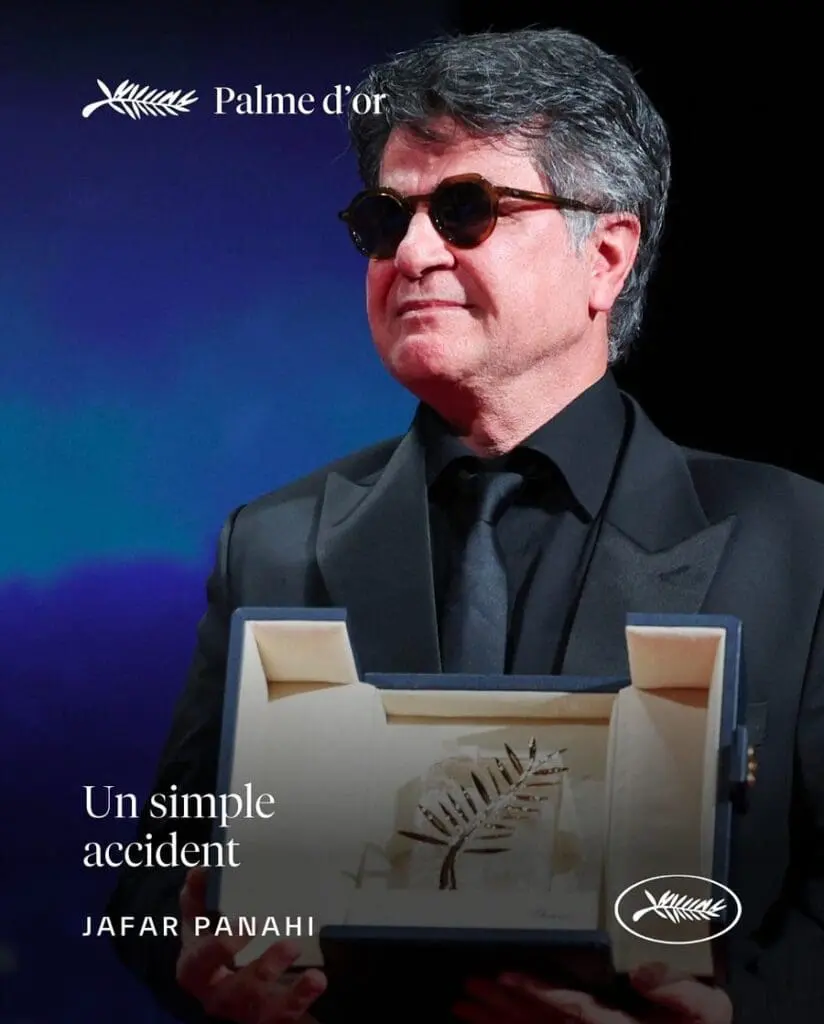
It was hardly surprising, then, that the Palme d’Or went to It was just an accident by Iranian filmmaker Jafar Panahi. A major voice in global cinema, Panahi has long used his work to challenge the Iranian regime, often at great personal risk. Following multiple arrests and a near-fatal hunger strike, he was released from prison in 2023. His return to Cannes this year marked his first in-person appearance at the festival in years. What he did first after getting freedom — new film production. As Panahi did every time after his term.
Panahi’s oeuvre consistently interrogates themes of injustice, authoritarianism, and gender dynamics in Iran, often concentrating on women in pivotal roles. It was just an accident isn’t an exception.
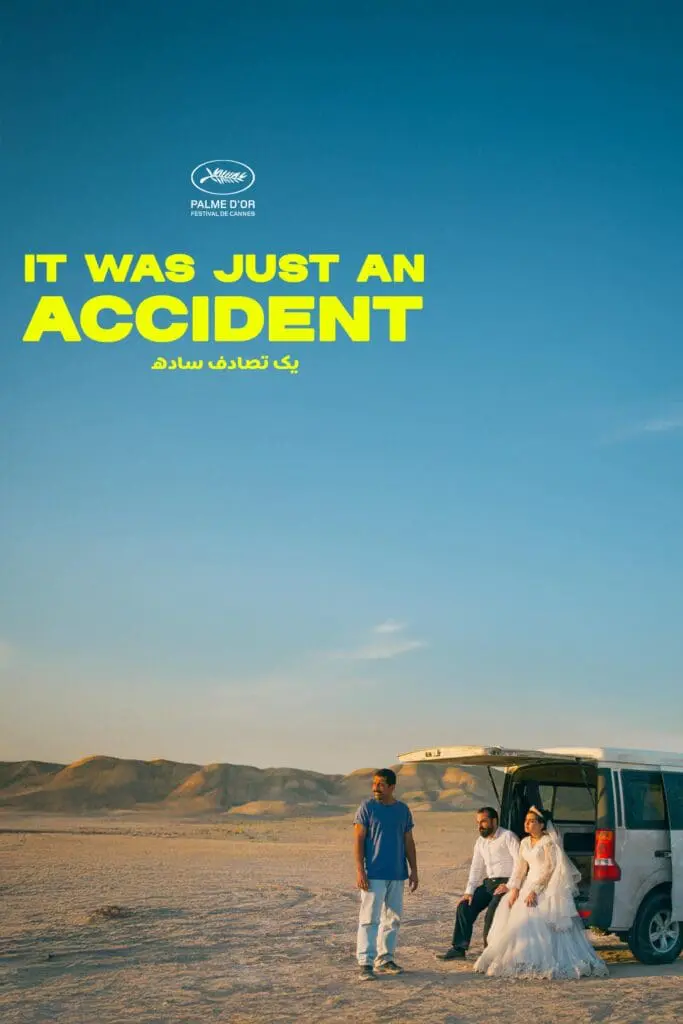
The film opens with a bleak road at night. A man drives. His heavily pregnant wife sits beside him. Their young daughter rides in the backseat. When the girl asks to play music, the father, distracted, hits a stray dog. The daughter accuses him of killing the animal. “It was Allah’s will,” the mother murmurs. Then the car breaks down. This is the starting point of the plot, which snowballs out of control and quickly gains momentum.
This is a fascinating, but uncomfortable thriller. The picture is filled with black humour and suspense. Unexpected turns and the absurdity of the situation are fascinating, and the understanding that it was done with minimal means is mesmerizing. The film raises a dilemma — can we be those who decide fate?
Several of this year’s most discussed films circled around a common theme: the complexities of familial bonds, particularly between fathers and daughters.
Take Joachim Trier’s Sentimental Value, which won the Grand Prix and emerged as a major audience favourite. Trier — best known internationally for The Worst Person in the World — delivered a film about the dynamics of relationships between family members in a Bergman atmosphere.

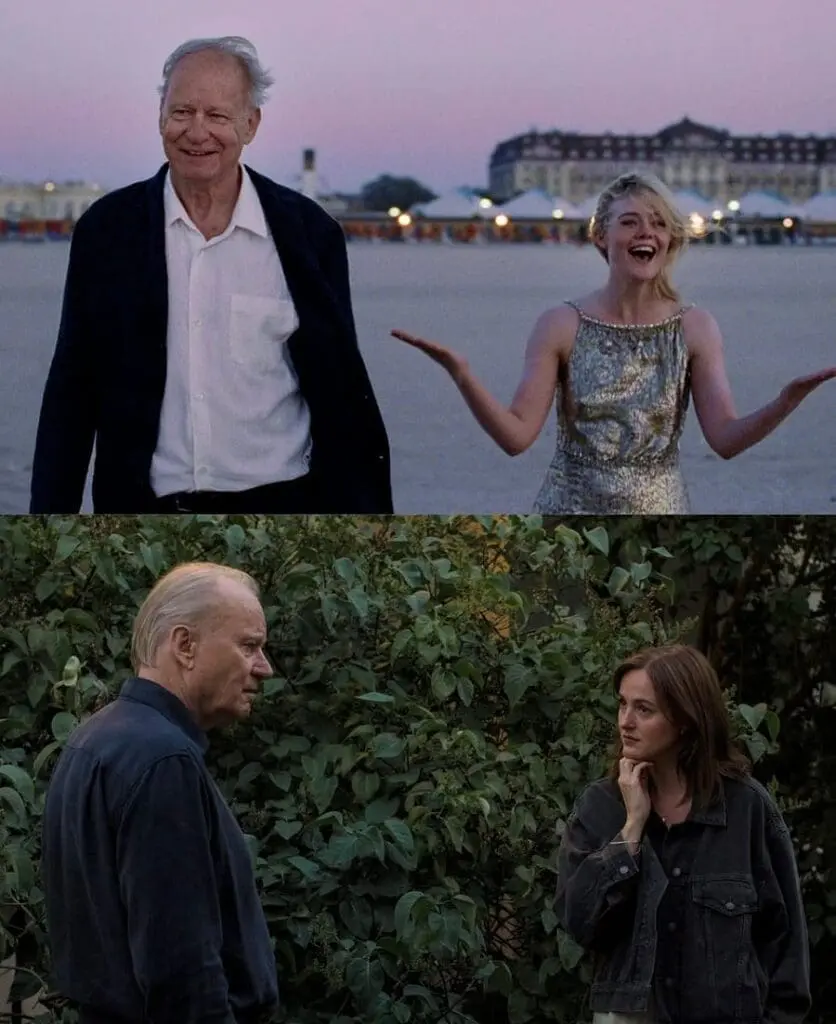
Filled with Scandinavian vibes, the story centres on a bohemian family: a tyrannical film director (played with melancholic gravitas by Stellan Skarsgård) and his two daughters. The elder daughter, portrayed by Renate Reinsve, is a theatre actress whom the father wants to cast in his new film. Horrified by this prospect, the daughter refuses. That’s why he casts a Hollywood star, played by Elle Fanning, in the lead role.
The film examines the artist’s ego, the wounds of legacy, and the painful gap between intimacy and love. It’s a soft, elegant film — perhaps too soft and slightly pretentious. As if torn away from real life. Because of it, in some moments you stop believing the story. Still, Sentimental Value is a comfort movie which discusses important and eternal questions, such as how it is difficult for close people to build a path with each other sometimes. But the Stellan Skarsgård’s acting is sublime, and the questions it poses about familial reconciliation are deeply resonant. It’s the kind of film best watched with a blanket and cocoa in hand.
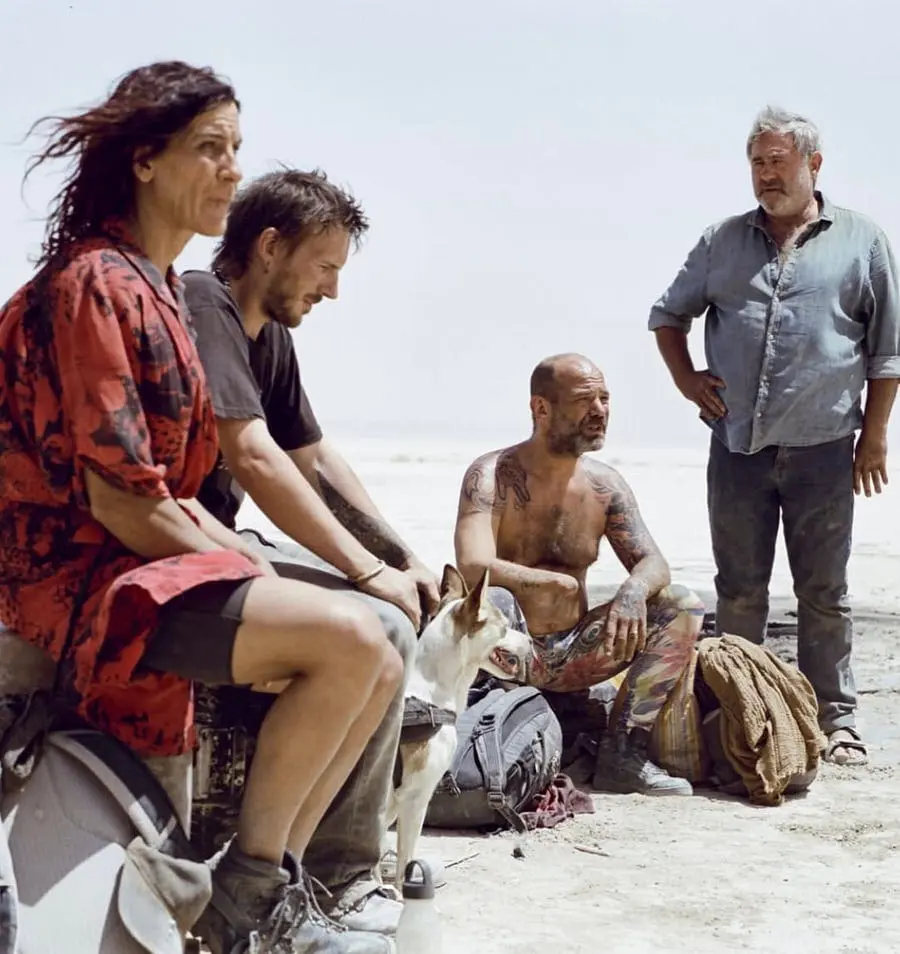
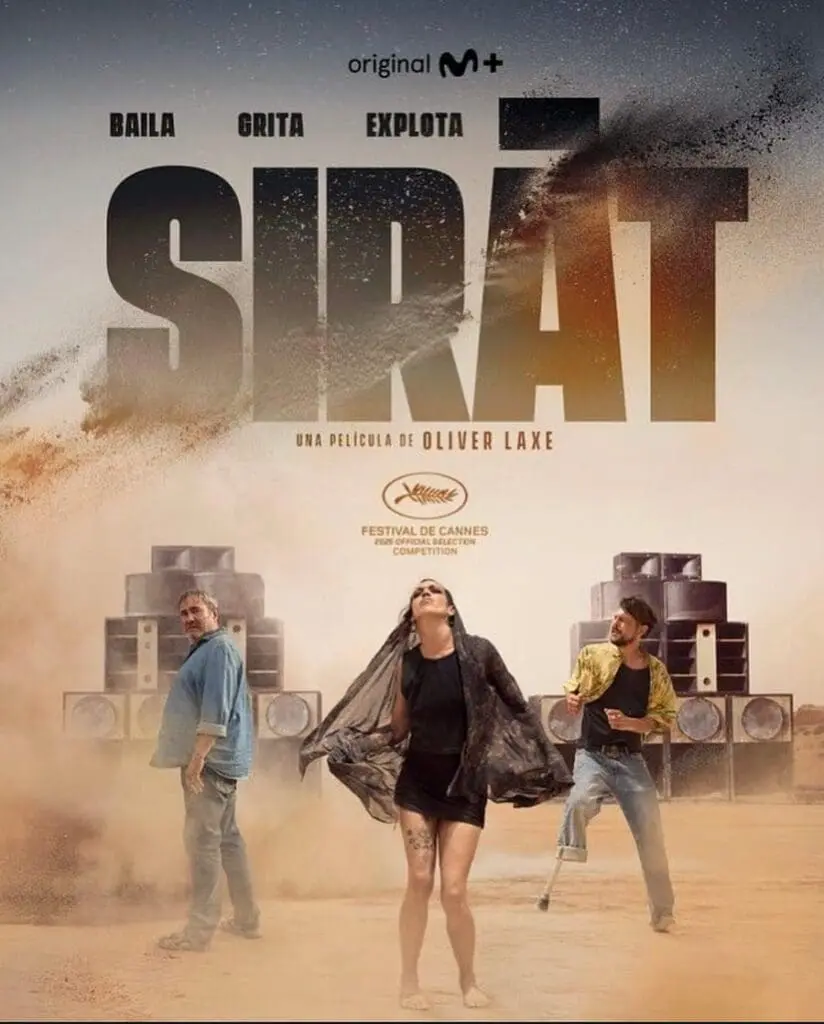
In Sirat, which won the Prix du Jury ex-aequo, Spanish director Oliver Laxe offers a surrealist journey across the African desert. A father (Sergi López) and his teenage son search for a missing daughter who vanished after a desert rave. A striking hybrid of techno-rave aesthetics and mystical landscapes, Sirat is odd, hypnotic, and surprisingly touching.
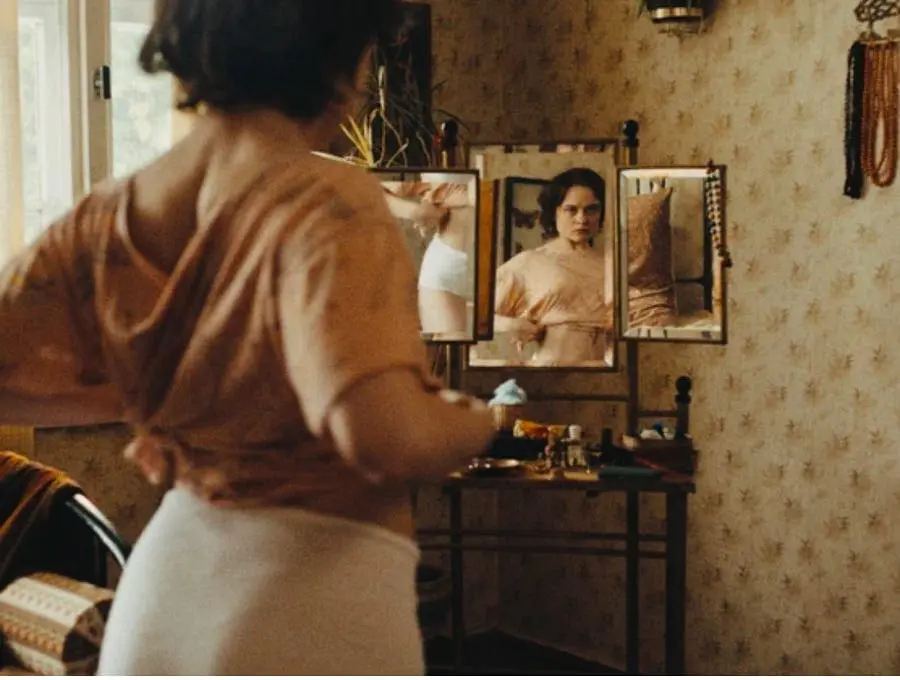
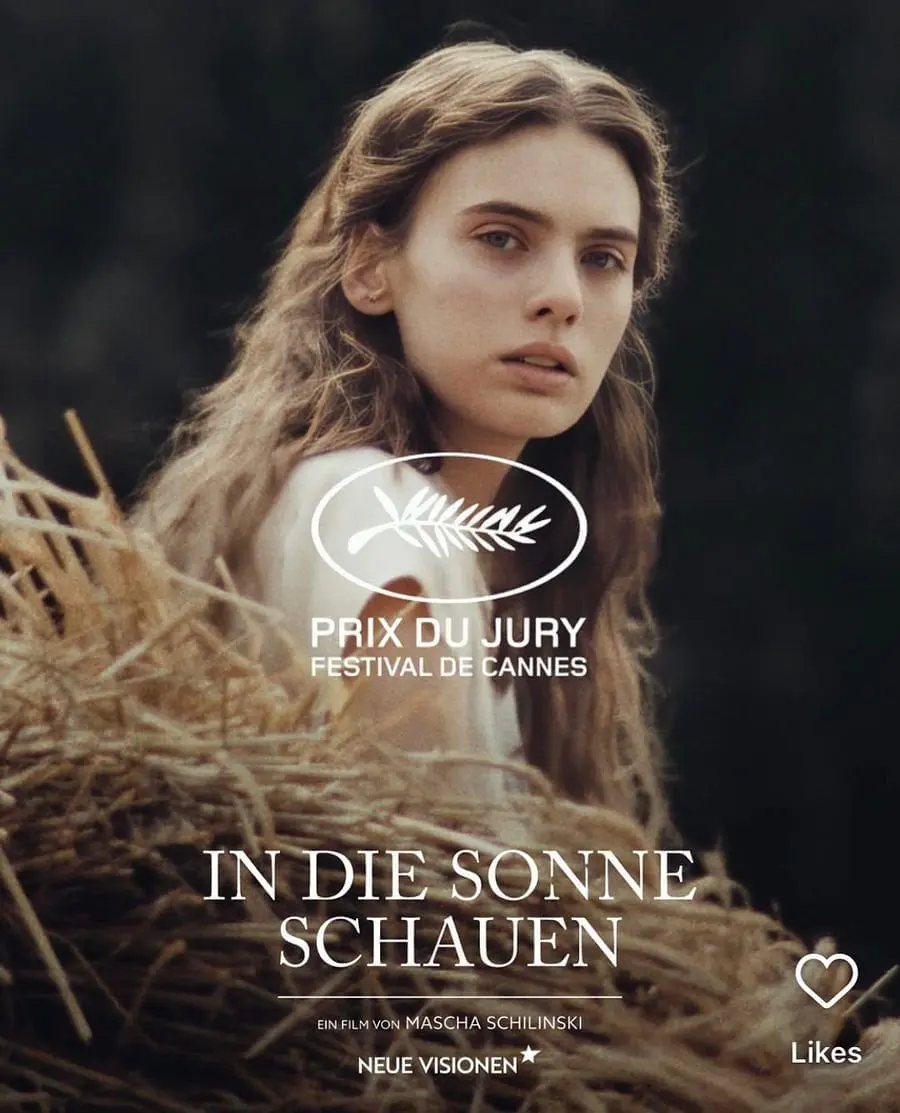
The Sound of the Falling by German director Mascha Schilinski is another film that raised the path of family relationships and received the Prix du Jury ex-aequo as well. Incredibly beautiful visuals, which can be compared with the works of Fellini, tell the story of four teenage girls on a German farm over a century. The action begins during the First World War and reaches the present day. Each heroine experiences the death of a loved one. This is an anti-narrative structured film and each story is intertwined with another. So to feel it, you should watch the whole film. The detailed work with sound, which was done very meticulously, allows you to feel the film even deeper.
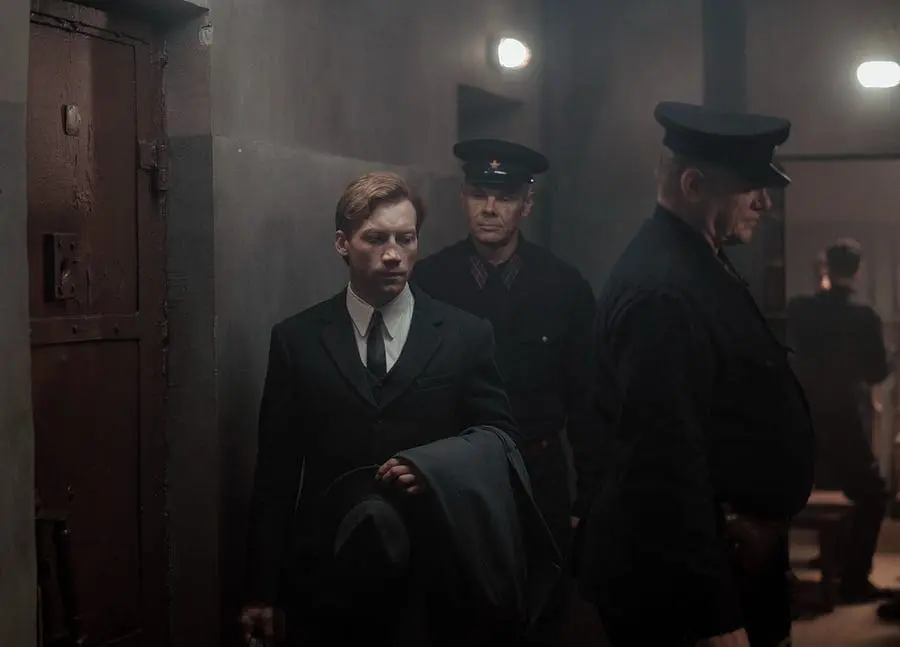
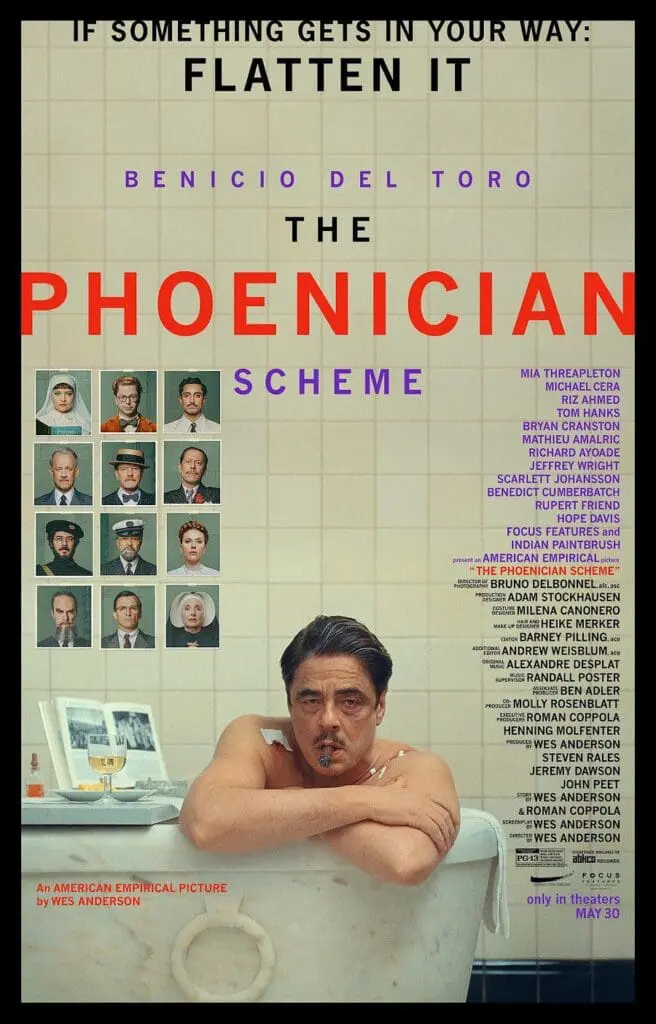
Wes Anderson, too, explored a father-daughter thesis in The Phoenician Scheme. The cast of the film consists entirely of Hollywood stars, among whom Mia Tripolton — Kate Winslet’s daughter — debuted. The father, played by Benicio Del Toro, understands that he wants to bequeath his business to his daughter. She is a novice in a monastery and generally grew up without him, but agrees to her father’s adventure. On one condition: he reforms himself.
This is a lively adventure story with the classic Wes Anderson style. From watching, you will get many funny moments with a clear plot and a harmoniously built relationship between father and daughter. Although the latest Wes Anderson films are often similar to each other and in recent times they have not felt the life that was, for example, in The Royal Tenenbaums, the new film is more reminiscent of the old Anderson.
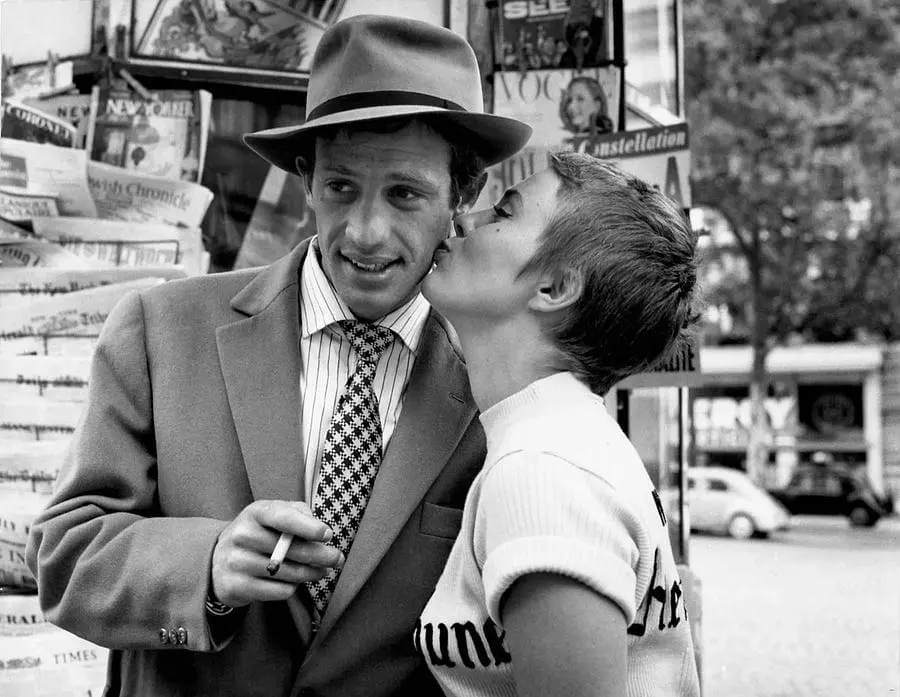
Some films screamed about the desire to escape from reality and immerse themselves in complete cinephile hedonism. Nouvelle Vague by Richard Linklater became a small island of joy for cinema lovers and fans of the French New Wave. Though the film hasn’t been nominated, it’s worth discussing. Telling the story of Breathless production, directed by Godard (Guillaume Marbeck) in 1960, it is a picture full of beauty and fun. The black and white film conveys the spirit of freedom and desire for change that reigned during the formation of the French New Wave. Linklater mentioned the rest of the people involved in this epoch: François Truffaut, Raoul Coutard, Jean-Paul Belmondo, and others.
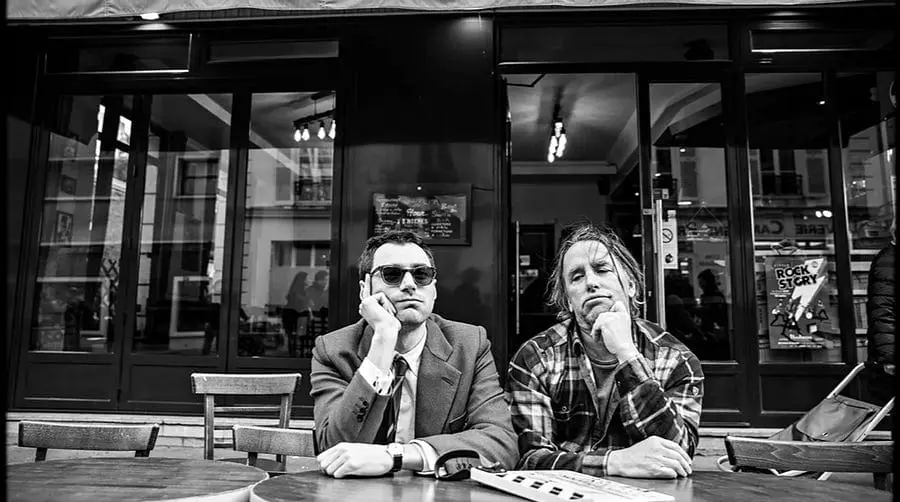
Yet, some Godard fans may have a controversial aftertaste. It could happen due to one bit: the French New Wave icon created Breathless as a jazz improvisation. No one knew what to expect from the finished film till the very end, even the director. Richard Linklater’s cinema is like a costume reconstruction — has great visuals, quite identical, but still an artificial installation. At the same time, this is a pleasant opportunity to remember Jean-Luc Godard and re-watch his films.

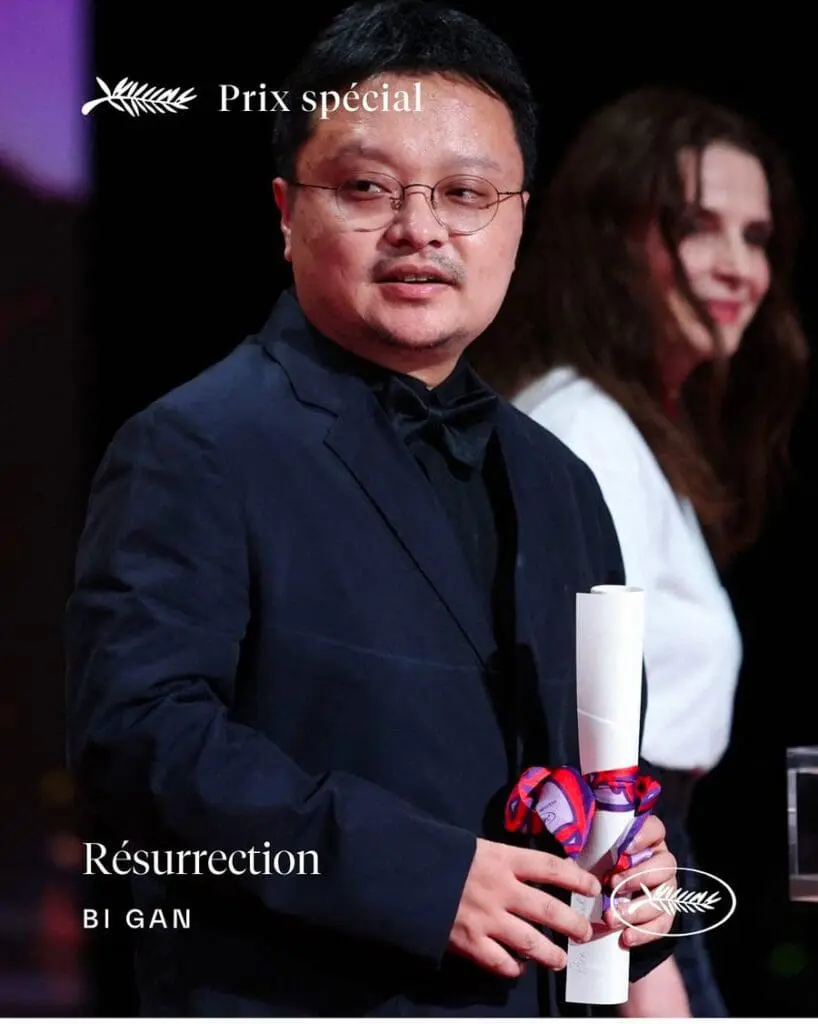
If Nouvelle Vague allows us to plunge into nostalgia, then Resurrection by Chinese director Bi Gan takes us to the distant future. The winner of the Prix Spécial sends us into the future. Humanity has found the path to immortality by dreams prohibition. But some people break this rule. One woman finds out that there is a creature capable of seeing dreams. She gets into them and tries to awaken the monster.
The film is divided into six segments, each exploring five human senses, and mind as a last chapter. Jackson Yee plays multiple characters across the film’s shifting visual styles — from silent-era pastiche to hypermodern surrealism.
As a result, we get stories stylized as Chinese cinema of the 20th and 21st centuries, played by one actor Jackson Yee in completely different roles. The whole action is a cinephile pleasure, and even with a complex plot, it is impossible to tear yourself away from watching.

Cannes 2025 was not defined by its red carpets but by its introspection. The festival reminded us that cinema is not only entertainment content, but also an opportunity to stop and reflect on what is happening.
The films honoured this year grappled with a shared question: how to be a good person in an increasingly difficult world. They are echoing a global weariness, a sense of moral exhaustion. But the pictures also remind us that even in dark times, cinema can be a vessel for light.
The winning one, although it captures and notices this anxiety, shows how to continue to hold on to the light. This is a reminder that art is needed now more than ever.
Perhaps this is the main thesis of the 78th Cannes Film Festival: to recognize the evil happening in the modern world and, despite everything, not to lose hope. And filmmakers must do more than just reproduce this dynamic — they have to help illuminate a better version of it.


