
Words by Natasha Djanogly
Edited by Valerie Aitova
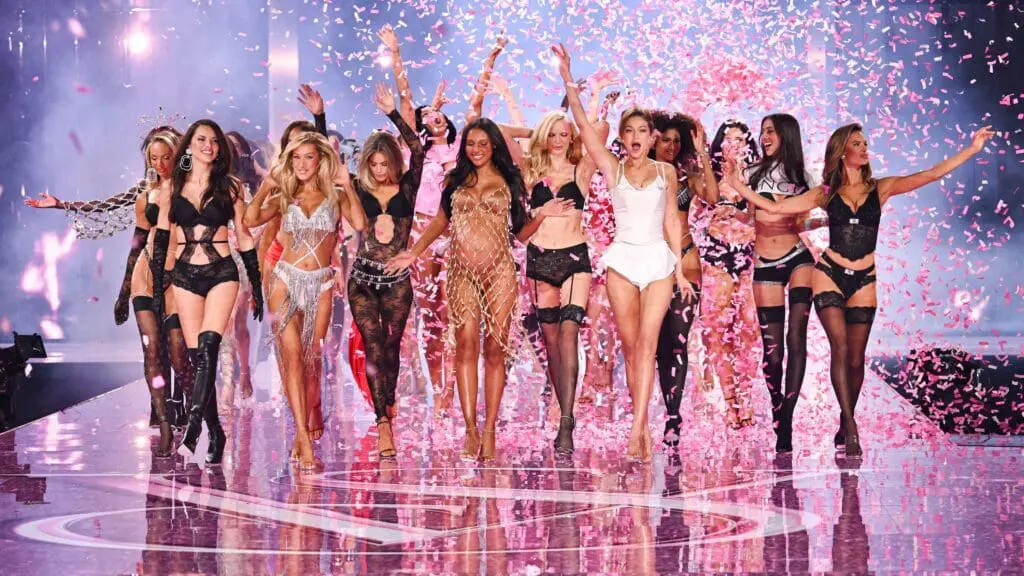
Victoria’s Secret becoming inclusive is the plot twist that no one saw coming, but it’s here and its October show came to vouch for it. The lingerie brand notorious for its exclusivity, sexism and impossible beauty standards, has made a stark u-turn in the last few years. Amidst a leadership, marketing and most importantly, iconic show revamp, VS is quickly adopting the status of an inclusivity, diversity and empowerment warrior. However, with such a problematic past, an explicit socially relevant PR friendly angle- and what feels like tokenistic change, many are accusing the transformation of being ingenuine, superficial and inadequate.
Starting in 1995, the Victoria’s Secret Fashion Show quickly became an annual event and the heart of the brand marketing strategy. By 2014, 9 million US viewers tuned in to awe over their favourite VS angels bouncing down the theatrical runway in extravagant wings and Fantasy Bras as pop stars entertained the crowds. Yet by 2018, the show had dropped to just over 3 million viewers.
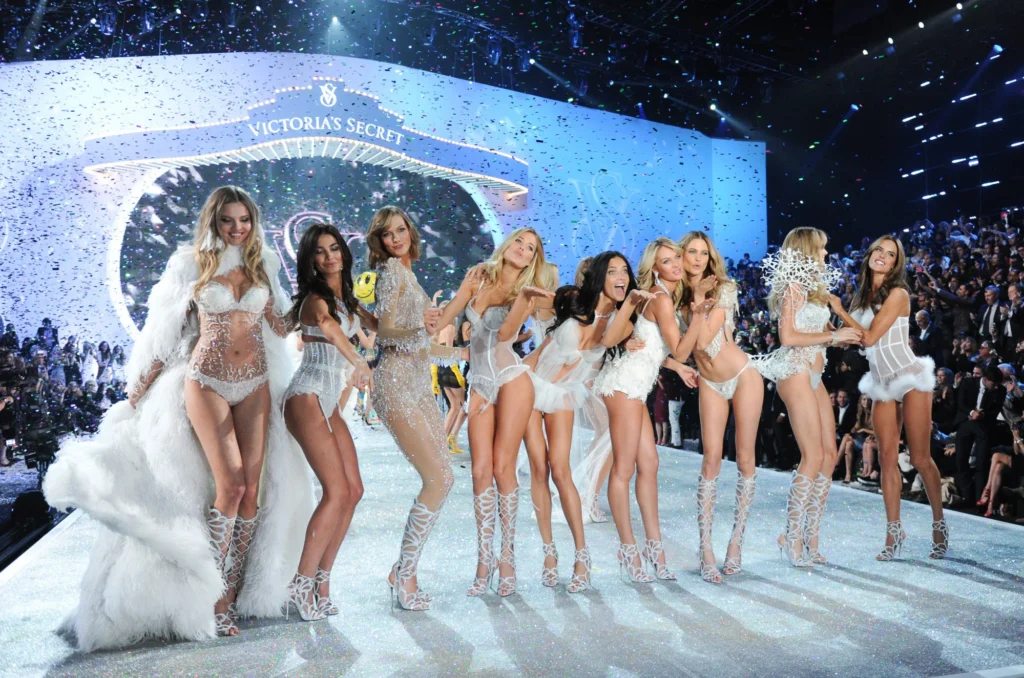
Behind the decline was the growing controversy regarding the brand’s intensifying cultural irrelevance, which was then aggravated further by specific leadership incidents. VS was facing more and more backlash for its regressive, harmful impact, which just didn’t align with the wake of the #metoo movement and body positivity. The beautiful, yet almost identical women parading their bodies down the runway in excessive joy, reinforced a male-gaze fantasy, a narrow definition of what was considered sexy or beautiful, and fuelled societal pressure on women to be thin, white, cisgender, young, able-bodied, hyper-sexual and always pleasing to men.
Angel Karlie Kloss stepped back from the show because it didn’t line up with the message she wished “to send to young women around the world about what it means to be beautiful”.
Just to add more fire to the bubbling anger was a series of scandals regarding parent company L Brands’s CEO Les Wexner’s ties to sex offender Jeffrey Epstein, and alleged sexual harassment, and transphobic and fatphobic comments of Chief Marketing Officer Ed Razek.
With falling show views and sales and company stock down by 41 percent in 2018, VS was finally forced to make changes. This included featuring a trans and curve model for its Body by Victoria spring 2020 campaign, founding an adaptive line, appointing female CEO Hilary Super, and benching the show until last year and again this October to give it a whole new look. The show is back with some familiar faces, but also a whole new host of models spanning race, size and age.
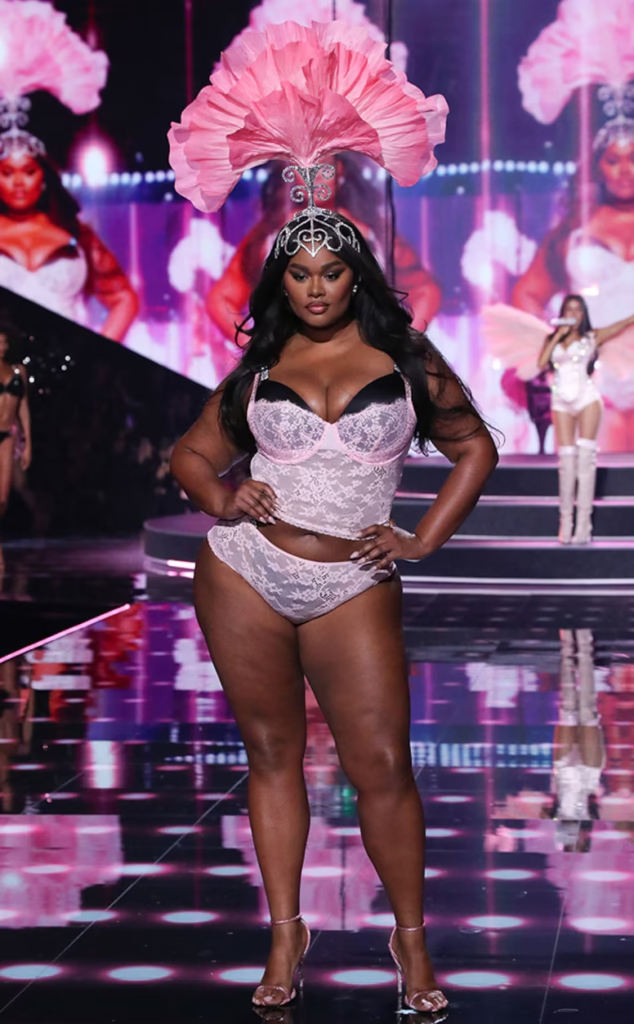
After an SS26 season where body representation was at an all-time low, it was a pleasant surprise to see numerous curve models such as Ashley Graham, Paloma Elsesser, Precious Lee, Devyn Garcia, Emeline Hoareau and Ashlyn Erickson take a major runway. It was also refreshing for the show to feature pro athletes, including WNBA superstar Angel Reese and Olympic gymnast Suni Lee, and some LGBTQIA+ representation through Alex Consani, Barbie Ferreira and Quenlin Blackwell.
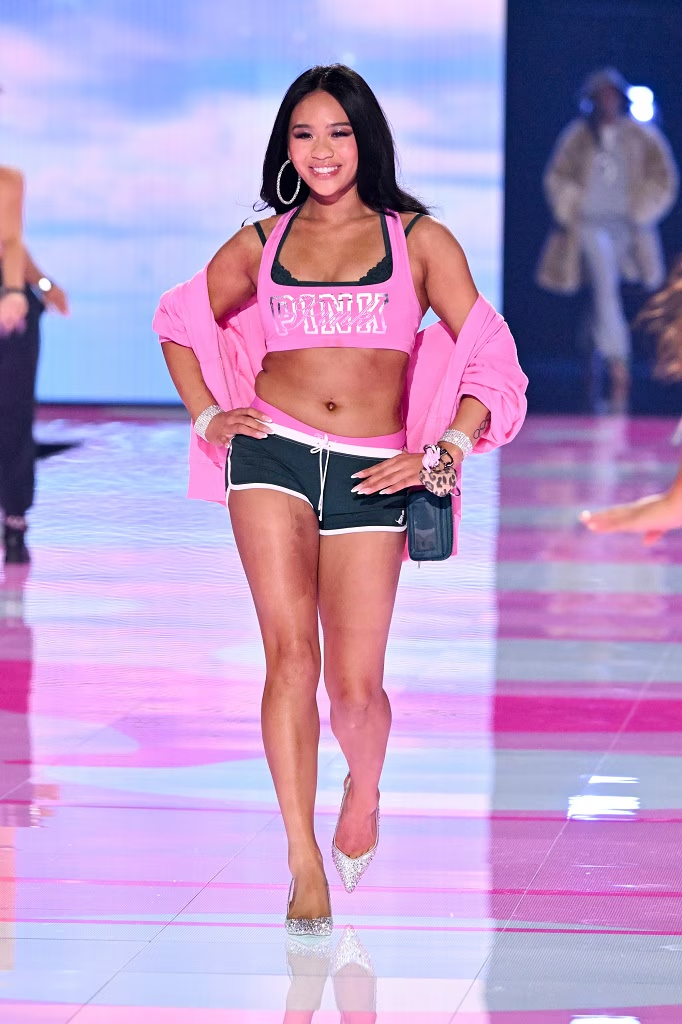
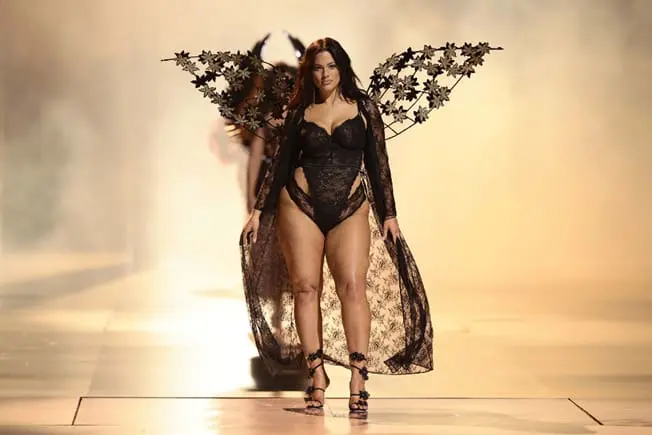
“Growing up, I didn’t see many girls who looked like me in spaces like this. To now be here as an athlete, as someone who’s worked so hard to achieve her dreams, it feels powerful… I want young girls to know they don’t have to fit into just one box. You can chase Olympic gold and still own your femininity.” — Suni Lee
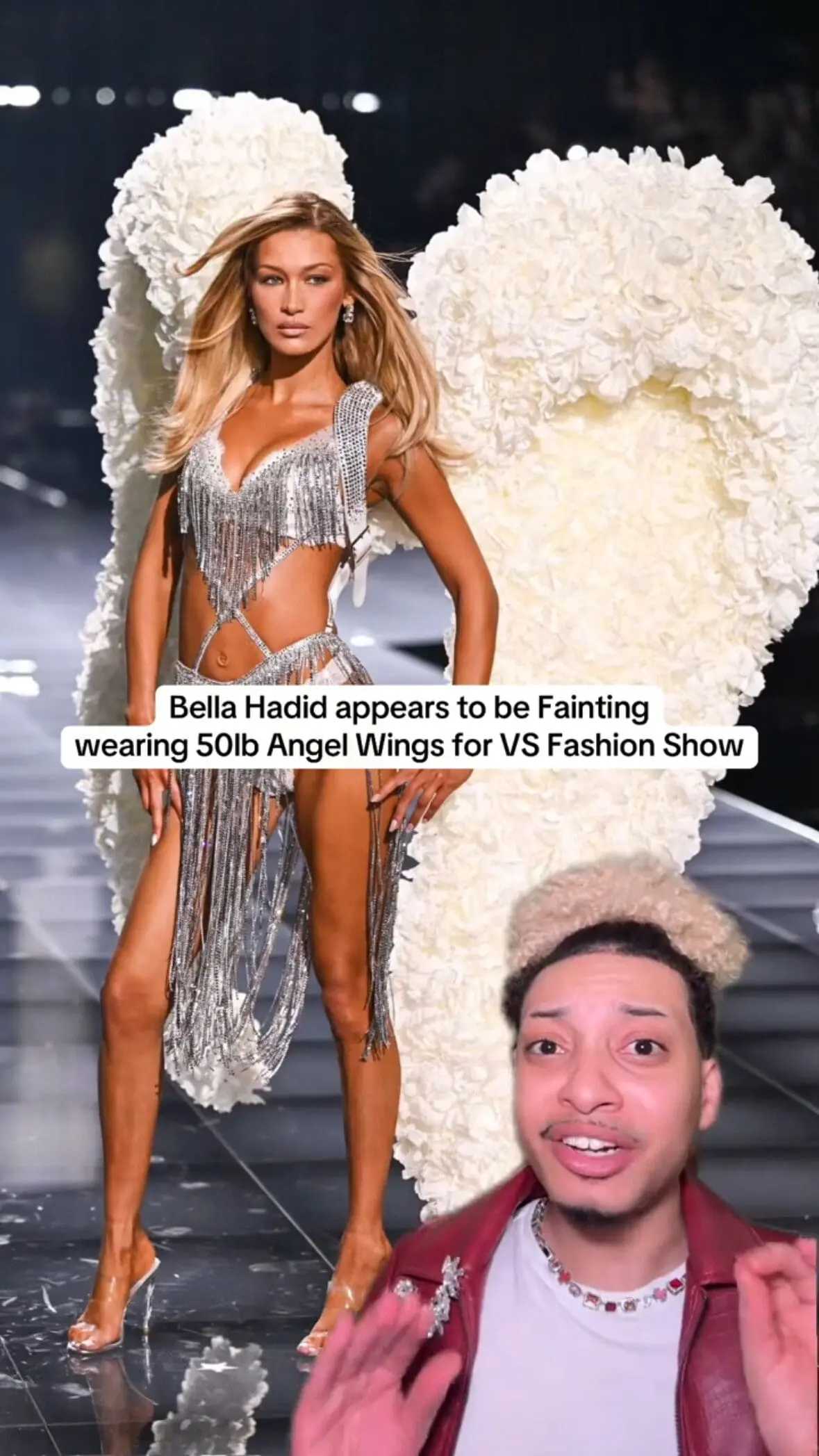
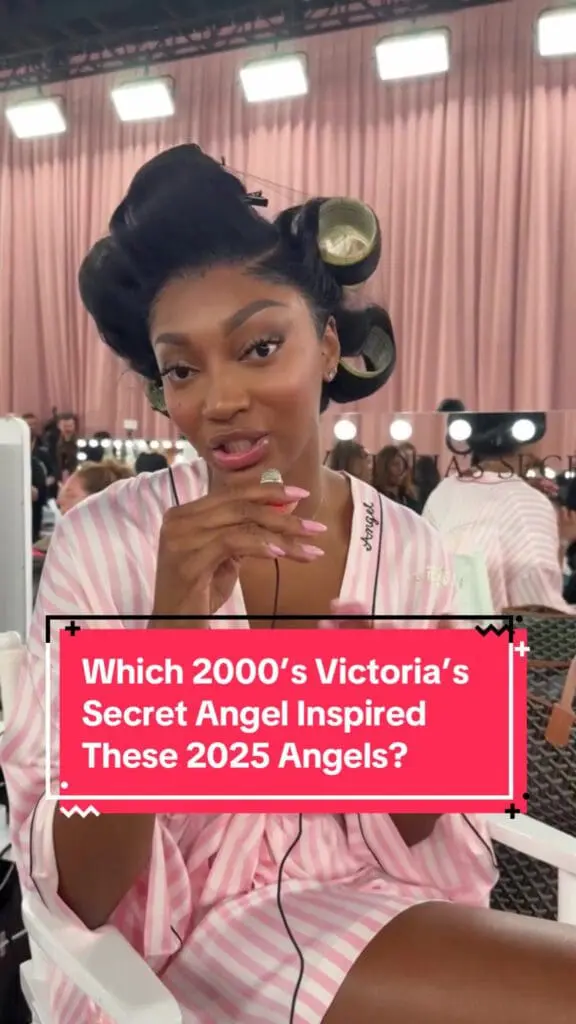
Whether it was out of Y2K nostalgia for the iconic runway or curiosity, the show attracted millions of viewers and huge news media coverage. Socials have since been overflowing with VS show content, whether it is tribute edits of older shows and favorite angels, hilarious backstage interviews, references to Bella Hadid’s strange walk under 50 pound wings, or opinion pieces.
While some are celebrating this leap towards progress, the show oozes pretense. Victoria’s Secret is forged on a legacy of misogyny and oppressive beauty standards, and this haunts the runway no matter who they put on it. It’s hypocritical, condescending and manipulative for VS to situate itself as the solution to the problems it directly perpetuated — especially when it’s a last-minute leap forward driven by financial necessity. The rebrand leans into a sickly-sweet, performative and tokenistic marketing strategy to “woke-ify” the brand’s image and grasp at cultural relevance.
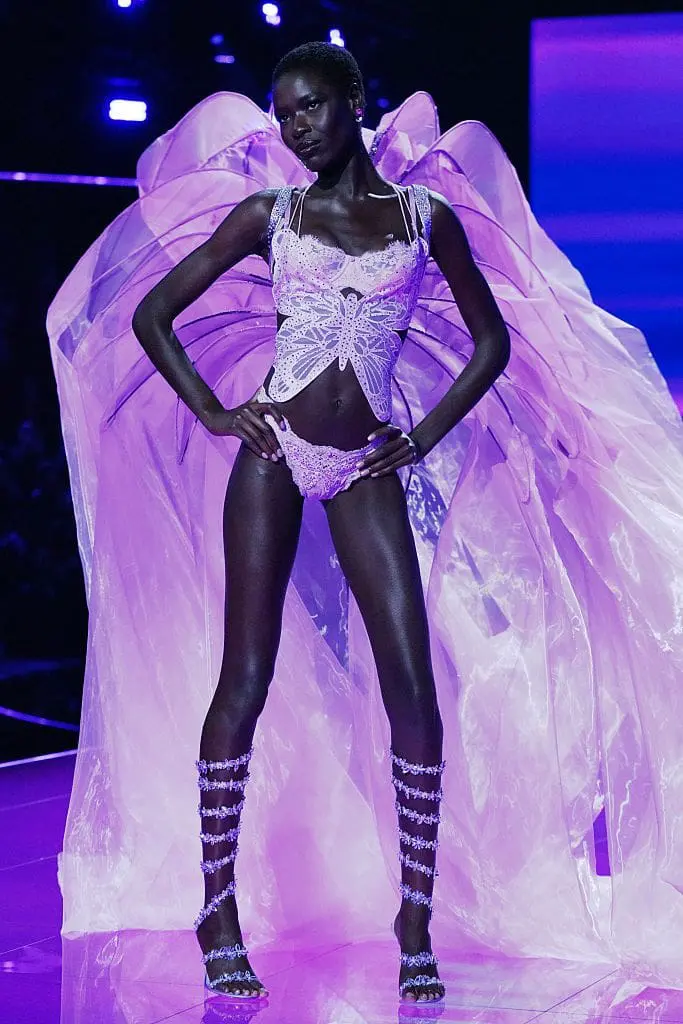
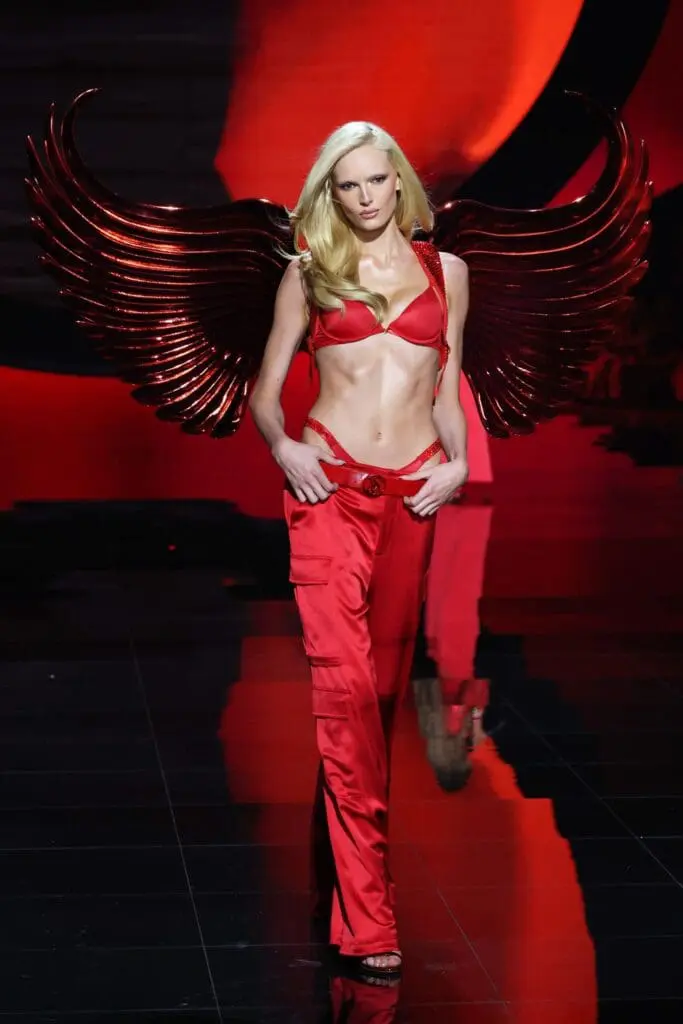
While a brand image overhaul might be challenging, when it is so tuned in to one direction, it doesn’t excuse the fact that the changes VS have made simply don’t go far enough, on and beyond the runway. From the mannequins in the shops, campaign shoots models to the runway models, the plus- size representations are technically midsize, always fit the typically desired hourglass shape and are still easily outproportioned compared to thin models. Moreover the two trans models ever used- including Alex Consani for this season, are notably skinny, white and cis passing. But the biggest concern is the disability representation, although Victoria’s Secret did an adaptive Pink line, there was no reference to this or any visibly disabled bodies on the runway at all.
Although the brand’s shift has triggered online haters who miss the original style, it remains unoffensive, “digestible diversity” a term coined by trans model Alex Consani. Compared to how socially entrenched body prejudice is, and VS’s responsibility in the matter, the shift is not nearly radical enough to undo the previous damage.
While it is impossible to represent every single person, VS should signal to less socially palatable members of these groups and widen the scope of inclusion. By openly claiming to represent every woman yet actively excluding certain groups, Victoria’s Secret contributes to the systemic erasure, negligence and dehumanisation of minority communities and legitimises the idea that these people don’t deserve empowerment, while the company itself commercially profits from the “empowering” label.
As one of the biggest lingerie brands with huge market influence and prominent cultural status, VS has a social responsibility to prioritise authentic, substantive inclusivity. Currently, there is a hint of progress, but the quantity and quality of representation is too moderate, performative and in some ways counter productive. With so many major brands not even attempting tokenism, it’s tempting to settle for breadcrumbs and praise Victoria’s Secret for bare-minimum representation. But women deserve more and if those wings don’t start to fit, they can go back into storage — because we should certainly never try to fit them ever again.


