
Interview by Maggie Arandela-Romano
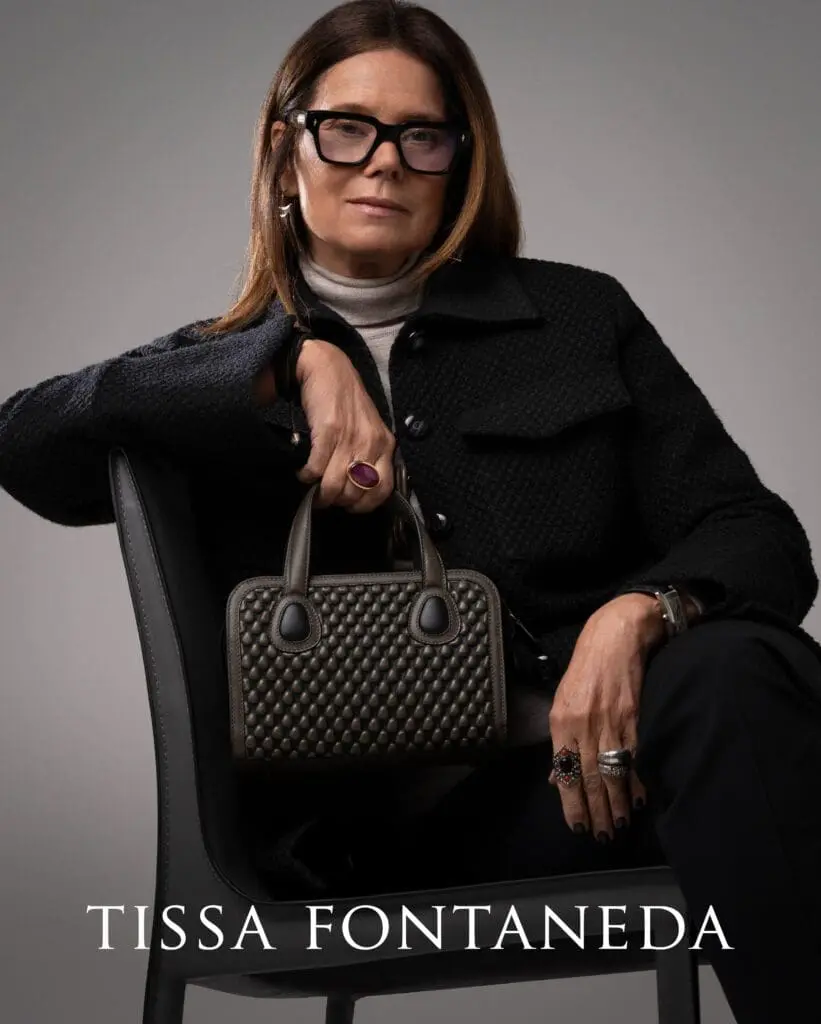
There’s a rare honesty in how Tissa Fontaneda speaks about her work. She doesn’t rush her words, doesn’t try to sound clever or detached. Everything comes back to craft, touch, and emotion — the kind of slow beauty that feels almost radical today.
The German-born, Madrid-based designer has built a career on her own rhythm. Before launching her eponymous label in 2010, she worked with some of fashion’s biggest names — Swarovski, Loewe, Louis Vuitton, Cartier. But her heart has always belonged to craftsmanship. Her latest collection, Patagonia, reaffirms that truth: a tactile meeting of continents, traditions, and textures that celebrates the power of connection and the poetry of nature.
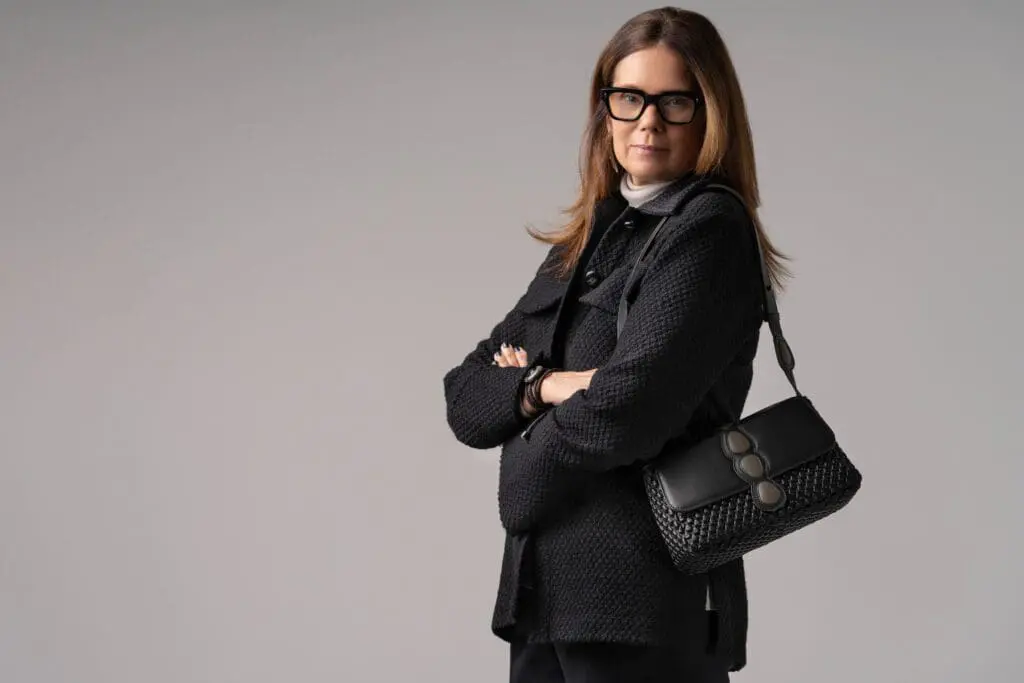
We spoke with Tissa about her beginnings, her creative roots, and what keeps her inspired after decades in the industry.
Very young. I’m German, but I spent all my summers in Italy, and I was fascinated by Italian elegance. Women were incredibly creative — they didn’t just wear brands, they styled themselves with imagination. That impressed me.
After graduating in Literature and Philosophy, I moved to Paris and started as an intern at Swarovski. At that time, they produced beautiful evening bags covered in crystals. I stayed there for about five years, then moved to Madrid to work on handbags at Loewe. When Loewe became part of LVMH, I felt the corporate structure wasn’t for me. I wanted to create my own brand, using Spanish leather and the artisans I had come to know and admire.
It happened naturally. I always say a person is like a puzzle; everything you live becomes a piece of who you are. I’m half Austrian, I’ve lived in different countries, and all those energies built my aesthetic. It’s not something you plan. It just becomes part of you.
I actually started with sculptural necklaces made of wood and leather, working with a brilliant artisan in Madrid. Many of these craftsmen are disappearing — it’s sad. From there, handbags came naturally.
I’ve always believed you don’t need to spend a fortune to dress well if you have taste. But accessories are another story — they define you. I don’t believe in cheap copies. A bag should elevate the person who carries it.
I prefer to say “classy” rather than “classic.” Classic can be boring. My bags need to be practical — pieces that make sense in daily life — but also have something unique, something that no one else has.
People already own many handbags. What they want is something they can fall in love with. A piece that starts a conversation.
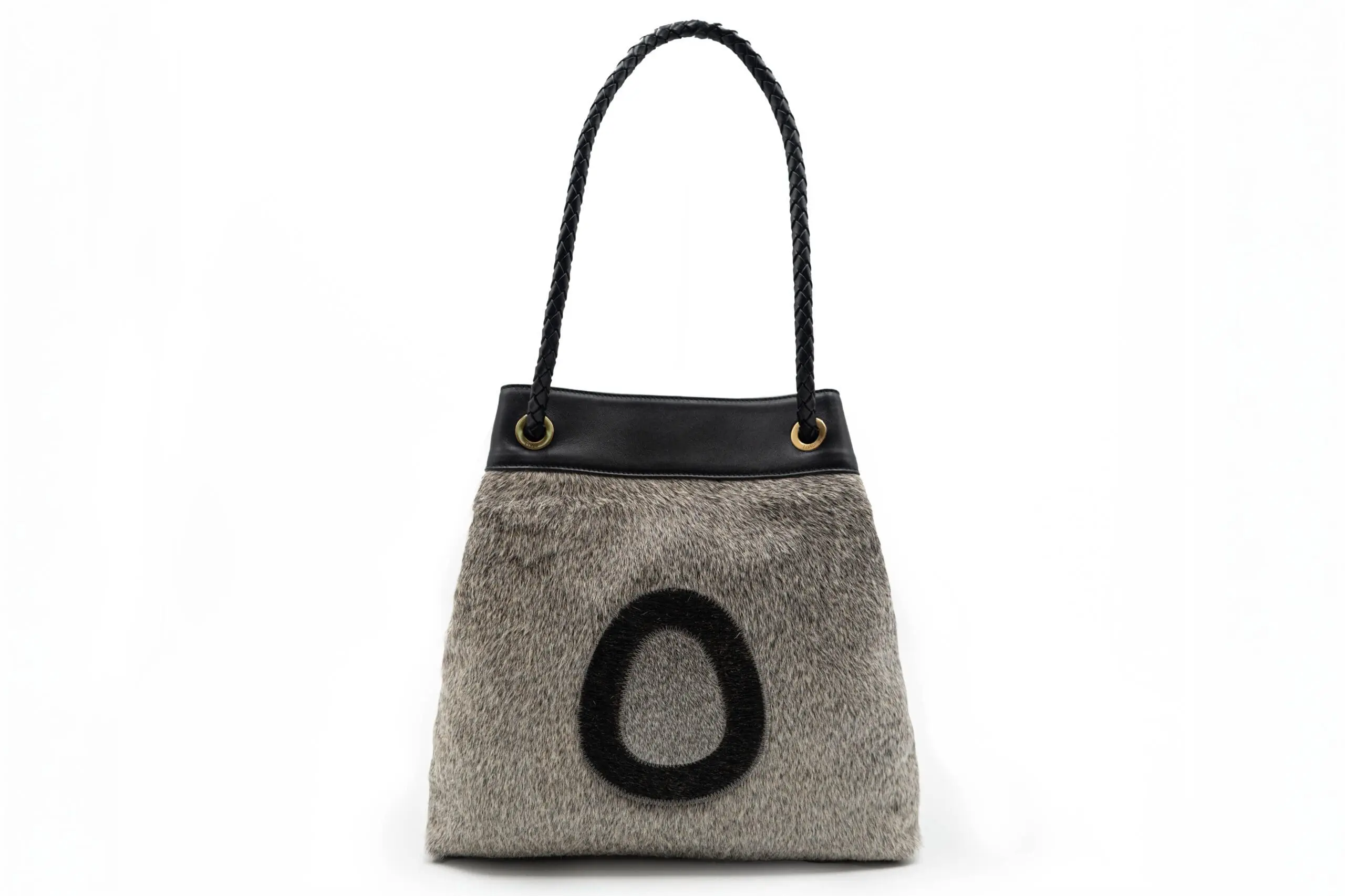
The bubble leather is the most tactile — it’s so soft you just want to squeeze it. Patagonia, on the other hand, is more visual. It’s made with natural cowhide, pieced together like a mosaic. It has a very different energy, more rugged but still refined.
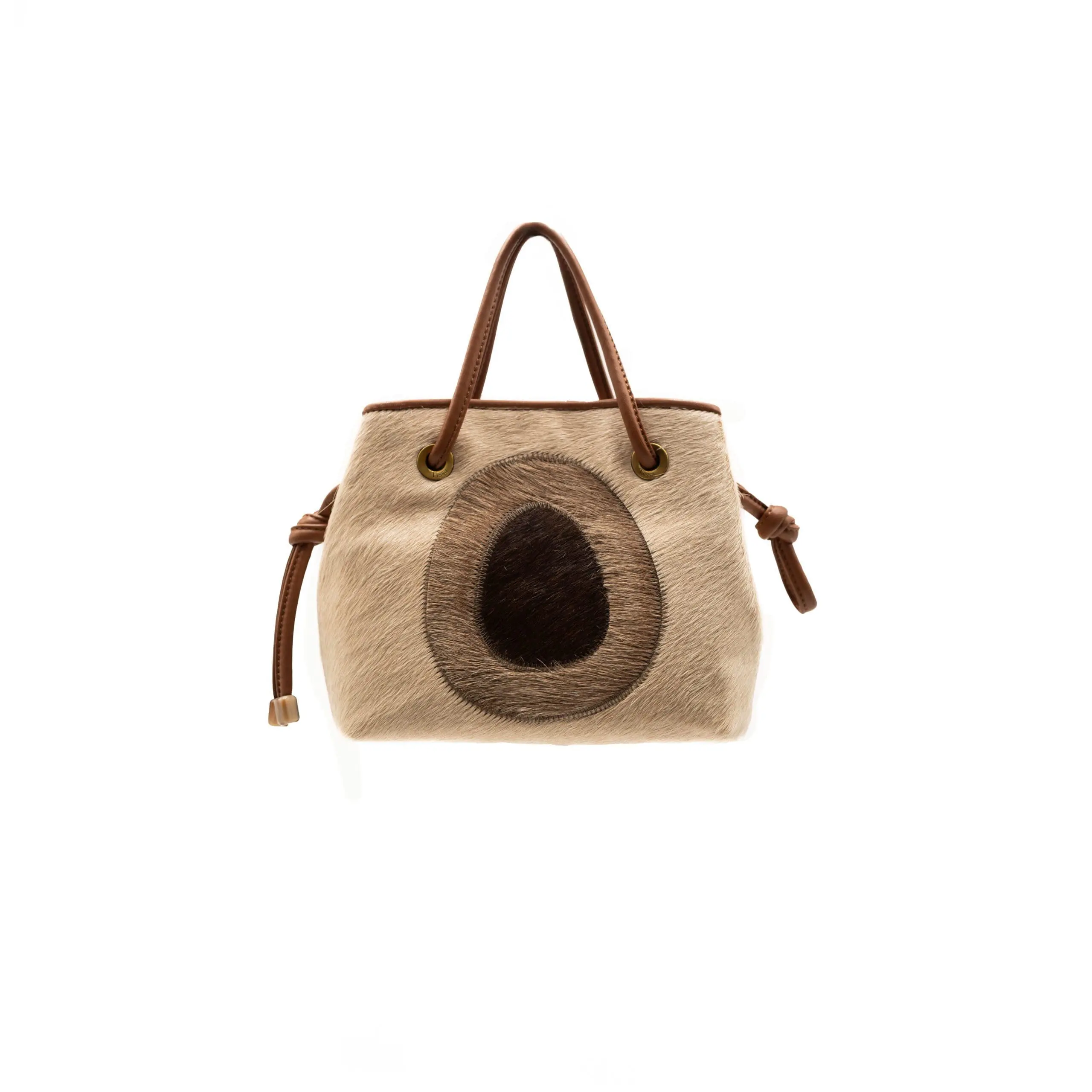
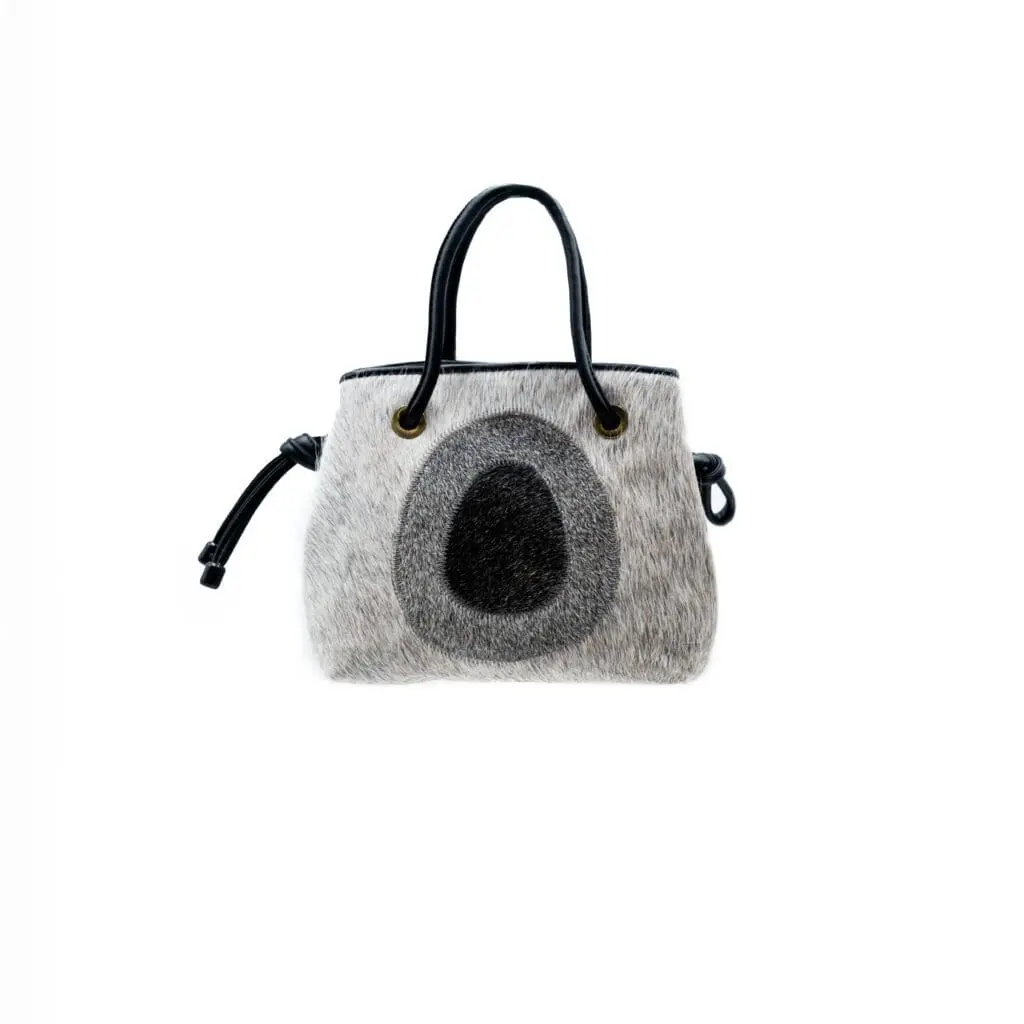
A mutual friend introduced us. She’s based in Buenos Aires and works mainly in interior design, creating carpets and objects with natural materials. When I saw her work, I immediately thought we could translate it into bags.
We sent her some of our bag patterns, and she adapted her technique. She uses unpainted cowhides in different natural colours, joining them by hand. Each bag is unique — no two are alike. It’s a lot of work, but it’s worth it.
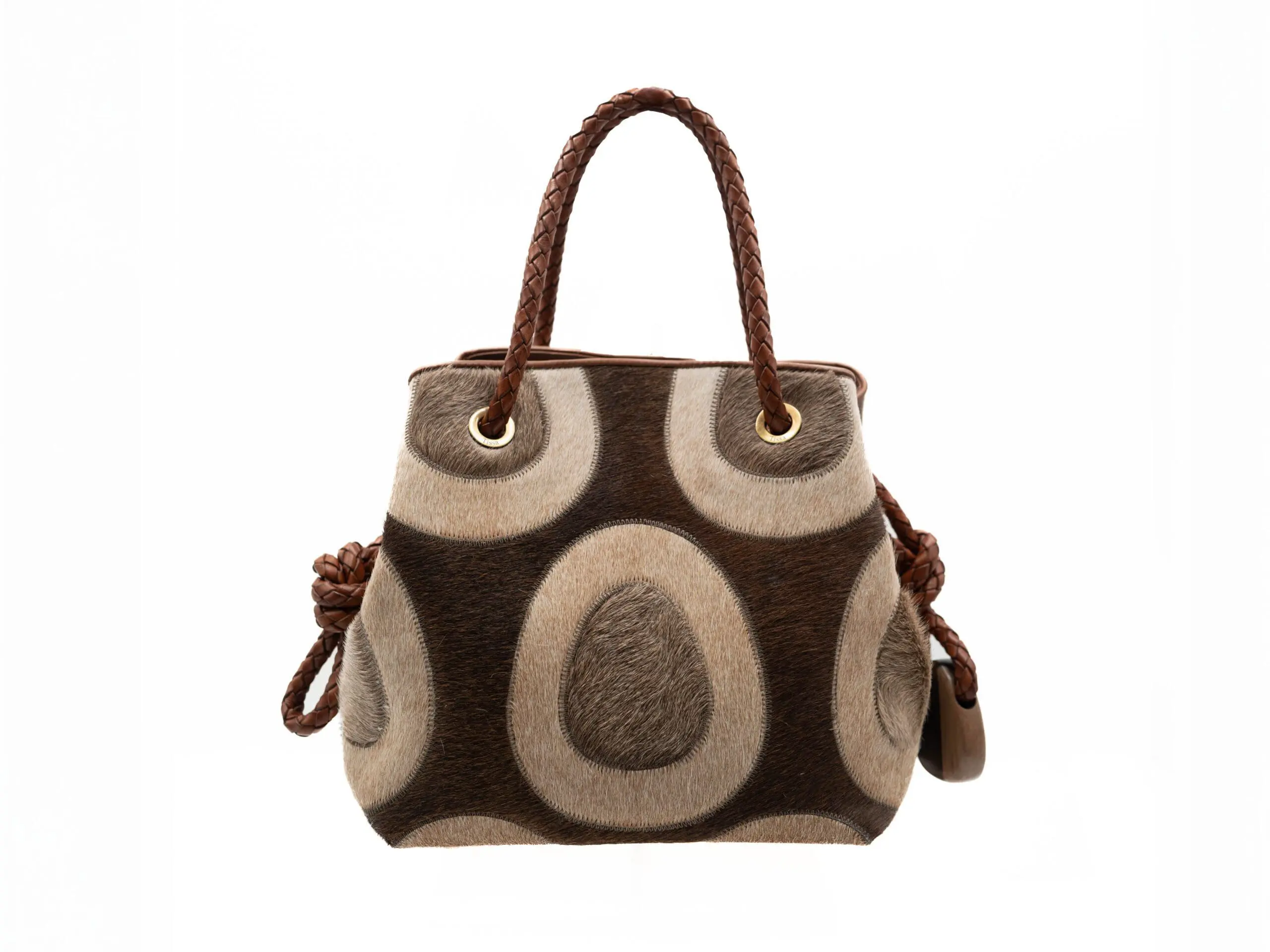
Not at all. It was completely new for me, but it still fits within my world. Clients who love the bubble leather can find something totally different yet connected to the same spirit. That’s what I like — evolving without losing identity.
Nature. Countryside. Animals. Patagonia, for me, means something far from big cities — vast, wild, and beautiful. It’s about space, silence, and strength.
Personal ones. I’m half Austrian, and the mountains and countryside have always been a part of me. The older I get, the more I value nature. When I’m sad or stressed, I walk in the mountains. It gives me strength. Some people meditate — I walk.
For me, craft is human. Designers have a duty to preserve it. AI can do many things, but not this — not the physical act of making with your hands.
I met a designer in Colombia who works with artisans in small villages, and her work is thriving. People want that again: things made with care, with soul. Craft connects us to our origins. It’s not just about selling bags — it’s about protecting something that’s deeply human.
Luxury today isn’t about price or logos. It’s about individuality — owning something that not everyone has. We try to make pieces that feel personal, not mass-produced. For me, that’s real luxury.
I don’t think of one person. I think of women I admired when I was young — elegant, cultured, creative. Elegance and culture go together. When you have one, you understand the other.
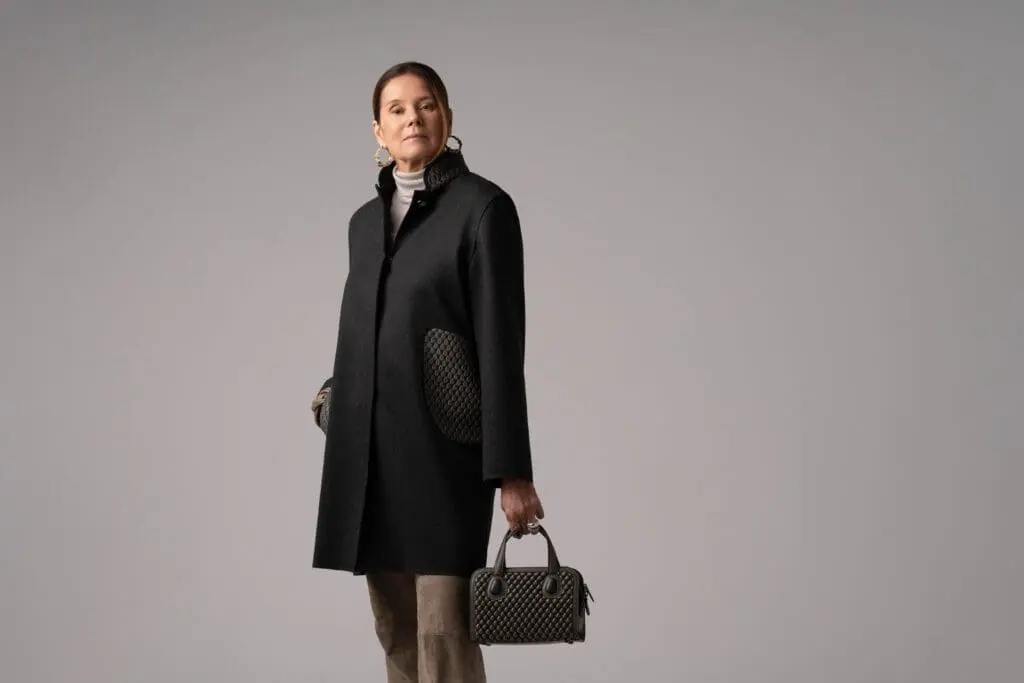
We’re developing a new 3D textile version of our signature bubble — not in leather this time. It looks incredible and feels almost sculptural. It’s complex to produce and more expensive than leather, but it’s been very successful. Everything sold out quickly, so we’ll continue exploring that direction.
I just love what I do. Ideas come anytime — at night, in a café, while walking. Seeing a woman on the street with one of my bags still makes me happy. That feeling never gets old.
Tissa Fontaneda’s story is proof that true luxury isn’t about quantity or trend — it’s about touch, time, and soul. Her bags are made to be held, cherished, and lived with. They remind us that beauty built by hand still matters.
In a world rushing forward, she invites us to slow down and ask ourselves — Have You Got Yours?


