
Words by Natasha Djanogly
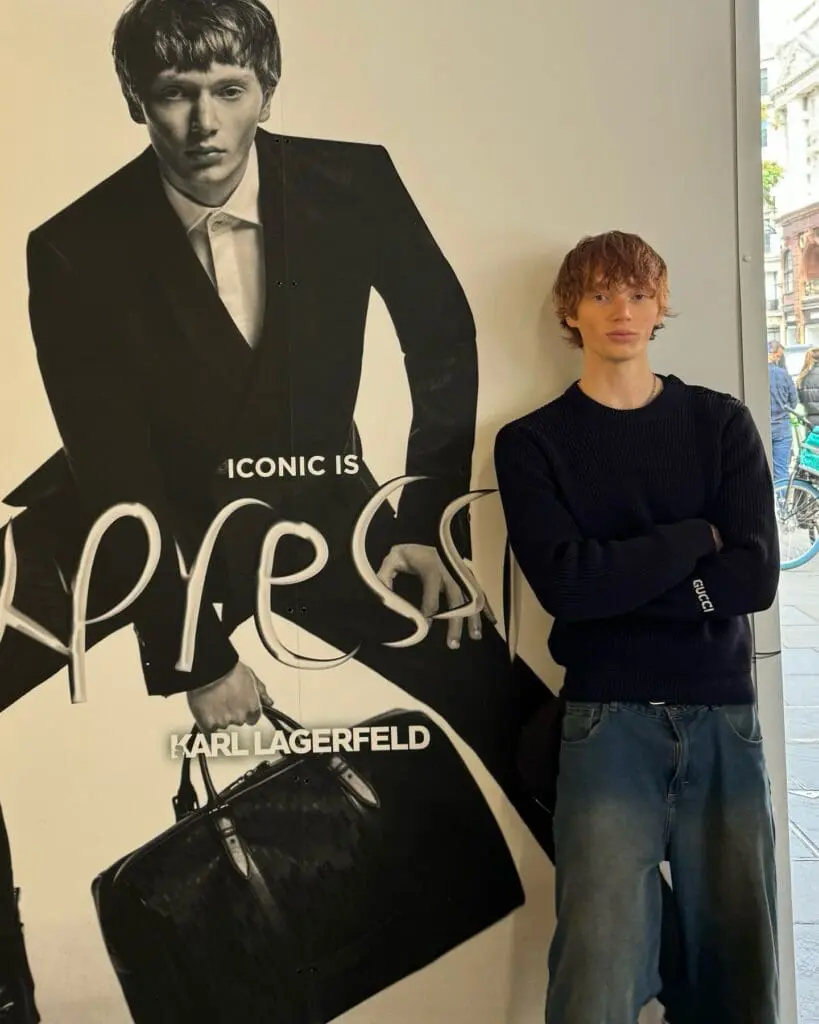
Fashion models are known for their distinctive features, disciplined poise and glamorous jet-lifestyle. However the massive rise in British male social media model vlogs is bringing a refreshing perspective on the enigmatic industry, and it’s going viral.
From Pilates workouts and personal skin care routines to off- duty street style, model life has long intrigued the masses. Recently, thanks to the success of British models sharing candid, eccentric, and typically British dry humoresque short-form content on TikTok and Instagram, the model life trend has skyrocketed.
Calum Harper, the 22-year-old Gloucester-born model known for his ginger hair and his catchphrase “strut, strut, strut your sh*t,” is the king of the reimagined model diaries with his 2.7 M followers on TikTok and 1.8 M on Instagram.
@calumharper18 Full routine is at the end btw 💅
♬ original sound – Calum Harper
In his revered collection of hilarious vlogs, Harper takes the awe-inspiring allure of model life — such as his iconic runway walk for Gucci — and combines it with silly and satirical takes on mundane everyday tasks like going to the supermarket (a vlog that he somehow managed to garner 600K views from).
Harper’s success has provoked a movement among British male models, each with their own distinct style, to share their lives as models on social media. These include Kit Price (1.1M TikTok), James Edward (1.8M TikTok) and Amechi Madu (164k TikTok).
Whether it’s James Edward’s sarcastic self-deprecating monologues or Kit Price’s animated “Fashion Week Unfiltered” series, these models are reaching millions of viewers.
How is it possible that these homemade-style vlogs have effectively redefined and popularized model life?
Undeniably, there are practical reasons for the trend. The short-form content is more adapted to our society’s deteriorating attention span, the constant high quantity of posts accelerates the attachment viewers form to these creators, and the generally witty humour attracts a broader, not exclusively fashion-based, audience.
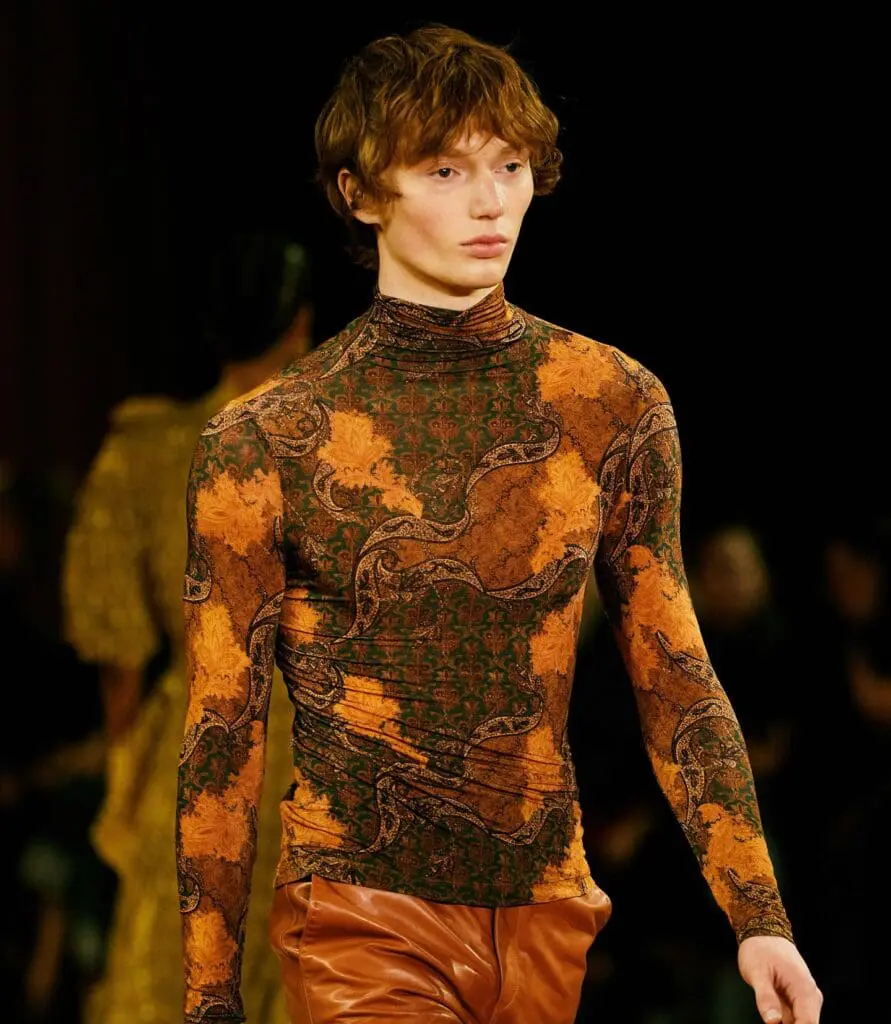
Furthermore, as the concept of “perfection” and fixed ideals loses fuel in our modern society, it is the genuine style, approach and perspective of the diaries themselves that contribute to their immense success. From joyful ciabatta sandwich recipes and “Outfits of the Day” to the frustration of unsuccessful fashion week castings, these models display their charisma, “failures,” and humanity, standing in utter contrast to the stereotype of the almost robotic, looks-based models.
Their videos offer a taste of the highly sought-after glamorous model world while remaining accessible. Walking for Moncler might be an exclusive rarity; however, facing job rejection or riding the tube is not. It’s refreshing for viewers to see “failure” or “reality” portrayed on social media, which is often meticulously curated. This relatability brings everyday viewers closer to these usually elevated models.
Additionally, in what is traditionally viewed as a ‘girly’ industry, these young men are challenging restrictive gender norms by confidently engaging with, contributing to, and excelling in the fashion and beauty sectors.
These models not only serve as inspirational figures for other men aspiring to enter the industry but also play a crucial role in representing a broader societal shift away from rigid gender binaries. Their cultural relevance and alignment with evolving social ideals are both exciting and current, further heightening their popularity.
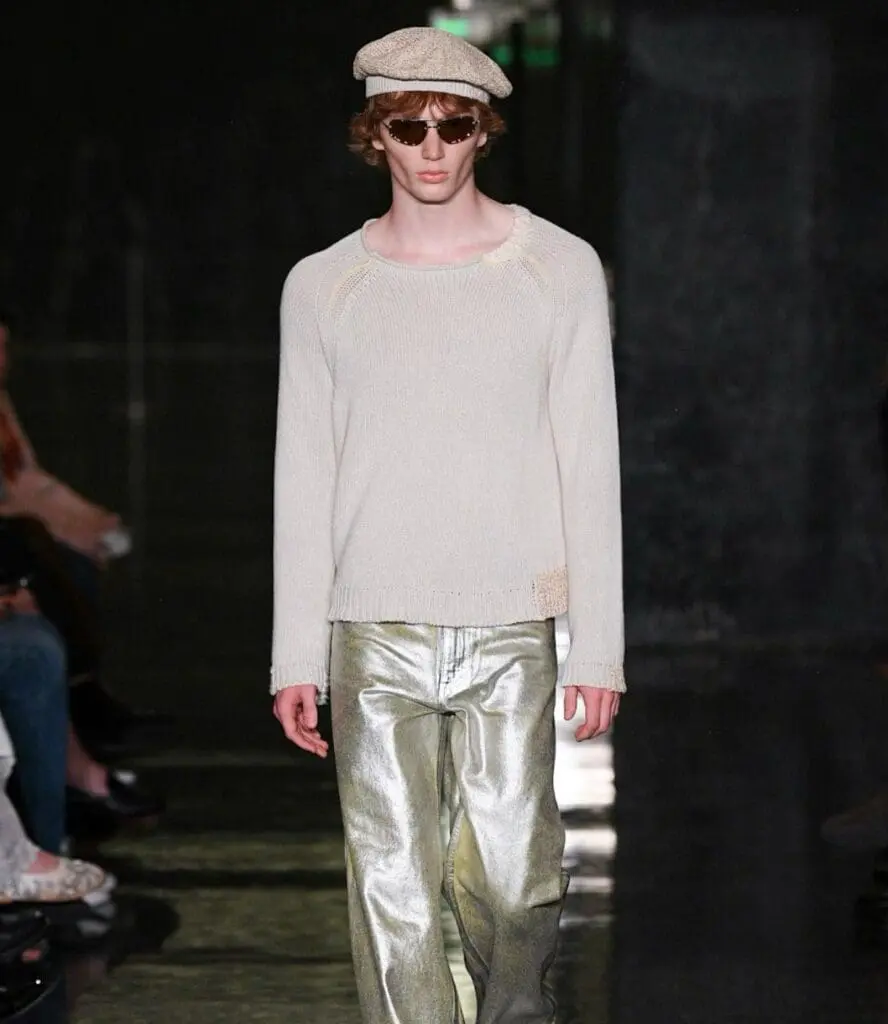
Right now, the popularity of these male models is growing exponentially. As society’s hunger for entertaining humour, unfiltered reality, and social change increases, it is expected that those funny panda videos dominating social media feeds will be replaced by even more recipes, outfit checks, and on-set story times from an increasingly diverse range of model content creators.
How will these model diaries continue to reshape the perception of the fashion industry? Will we see a lasting shift towards more relatable and authentic content that resonates with everyday viewers? In a landscape dominated by short-form content, how will traditional blogging evolve to keep pace with these engaging formats?


