Words by Maggie Arandela-Romano
This September, Seoul Fashion Week celebrated its 25th anniversary with a season that felt both retrospective and forward-looking. For seven days, the city’s fashion scene unfolded across futuristic and historic stages alike: the sculptural spaces of Dongdaemun Design Plaza (DDP), the intimate streets of Deoksugung-gil, and the spiritual calm of Heungcheonsa Temple.
What emerged was more than a sequence of shows. It was a living demonstration of how far Korean fashion has come—and where it is heading. From the architectural minimalism of emerging labels to the global gestures of established houses, Seoul spoke in a language of contrasts, its designers showing that tension between tradition and innovation is not something to resolve but something to embrace.
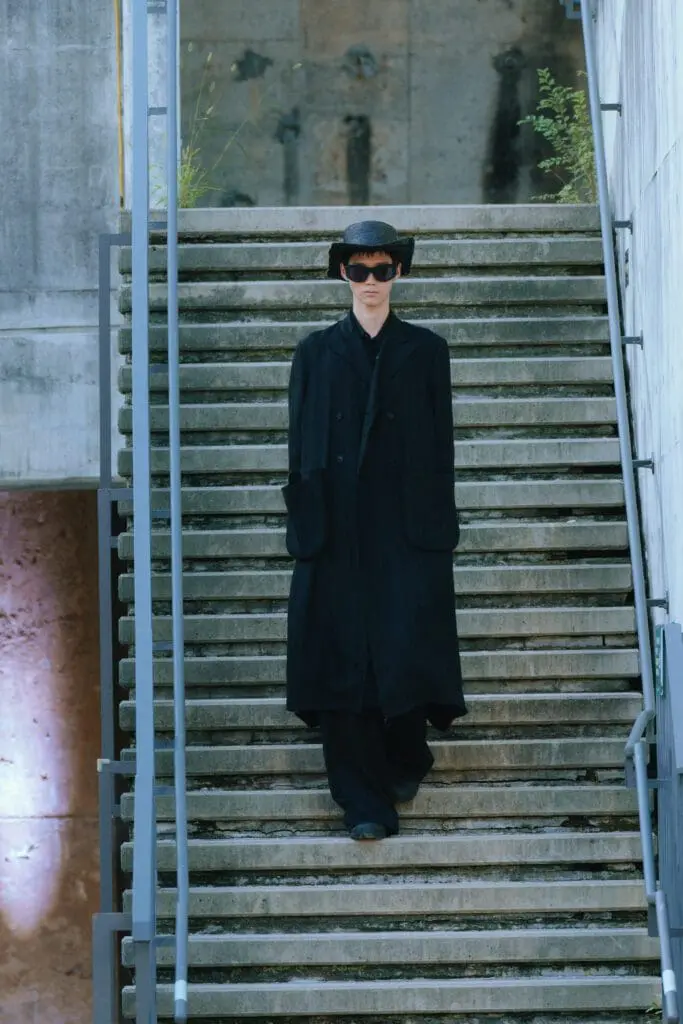
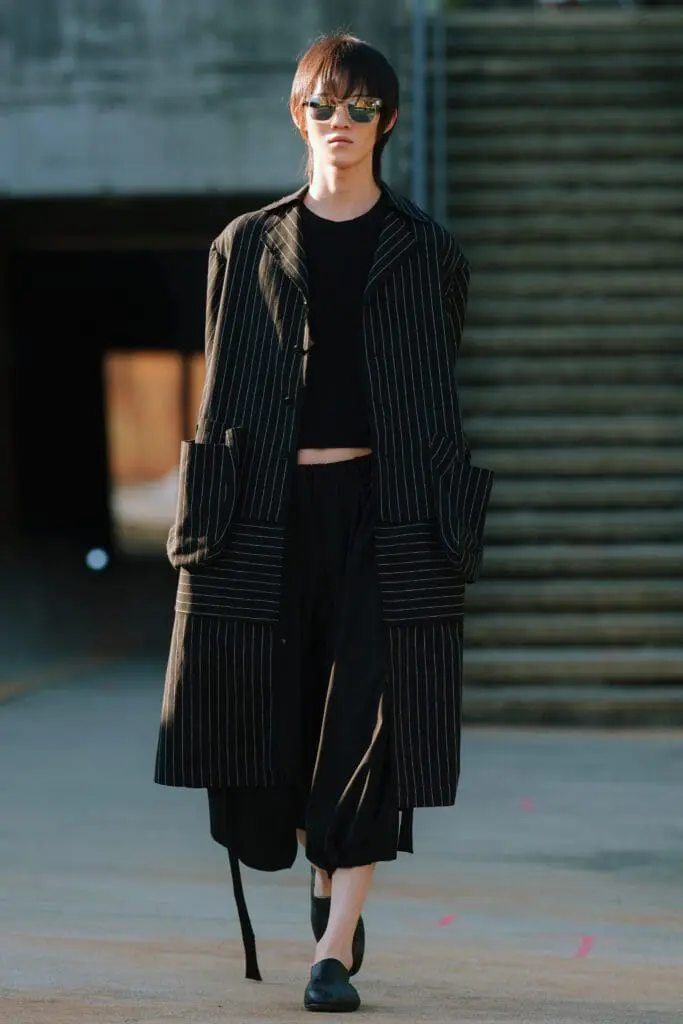
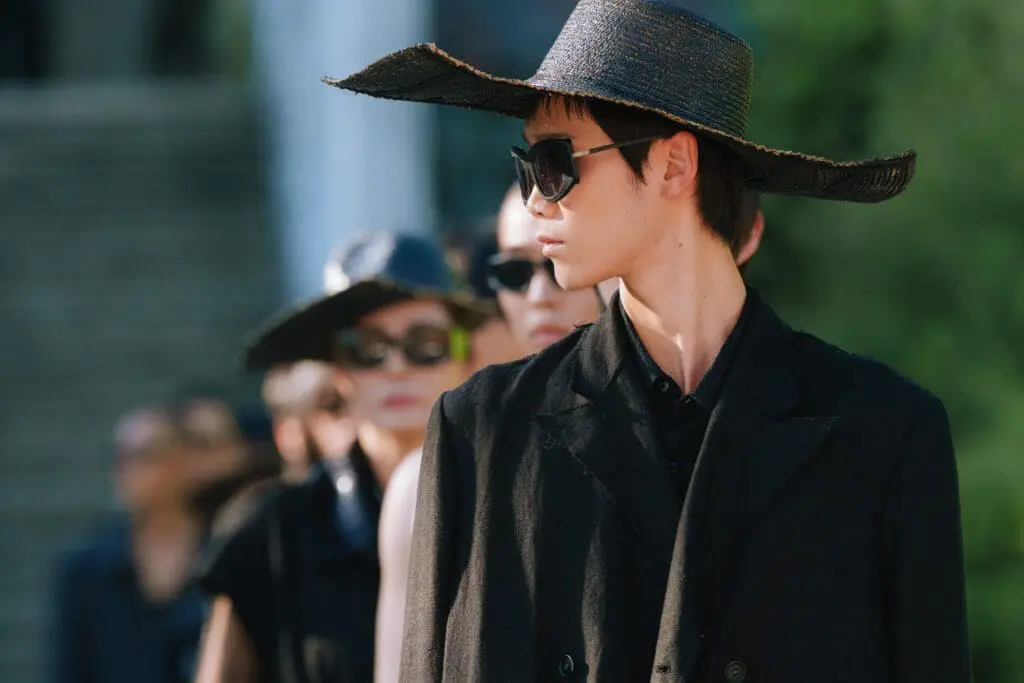
Among the highlights of the anniversary season, Sling Stone stood as a reminder of how Korean menswear continues to redefine its codes. Founded in 2005 by JongChul Park, the brand has long been associated with sharp tailoring, but this season it staged a departure that was as much cultural as it was sartorial.
The SS26 collection was built on paradox. Long, sculptural coats with strong shoulders moved alongside baggy trousers that hinted at streetwear nonchalance. Oversized hoodies bore bold graphics, while metallic sheens and vinyl inserts caught the light in a way that felt more like performance than clothing. Linen, silk, neoprene—fabrics collided without apology, creating silhouettes that felt both global and distinctly Korean.
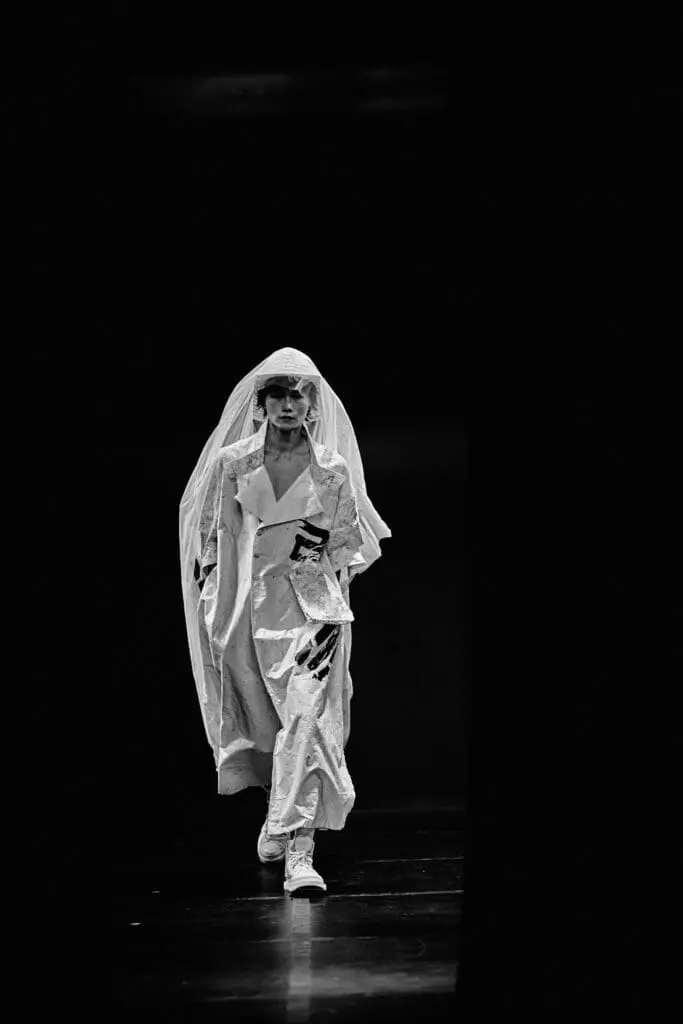
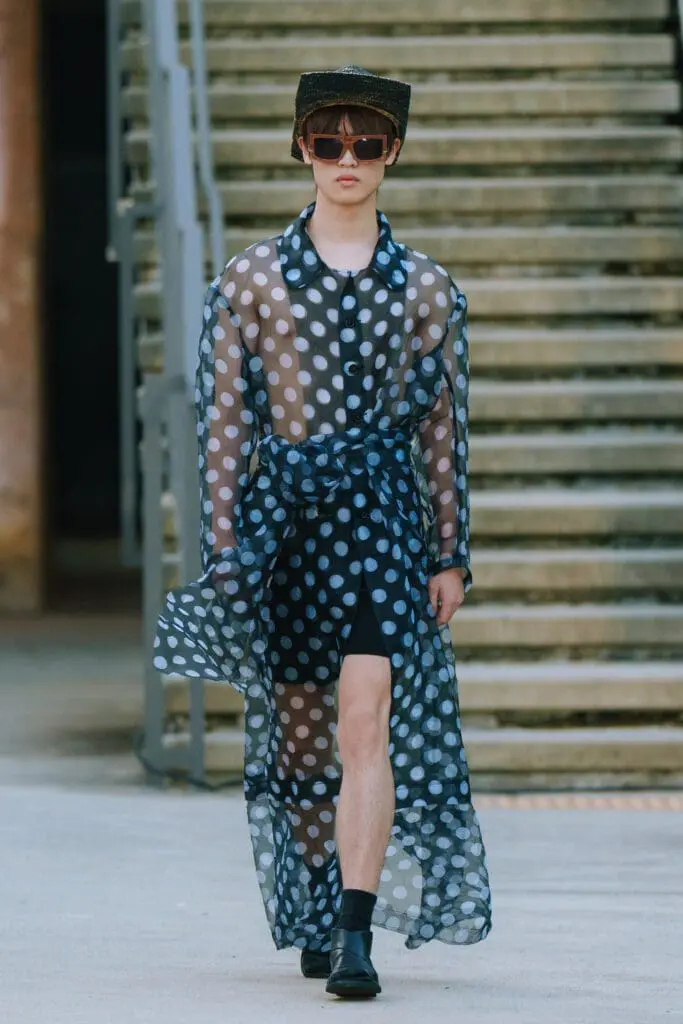
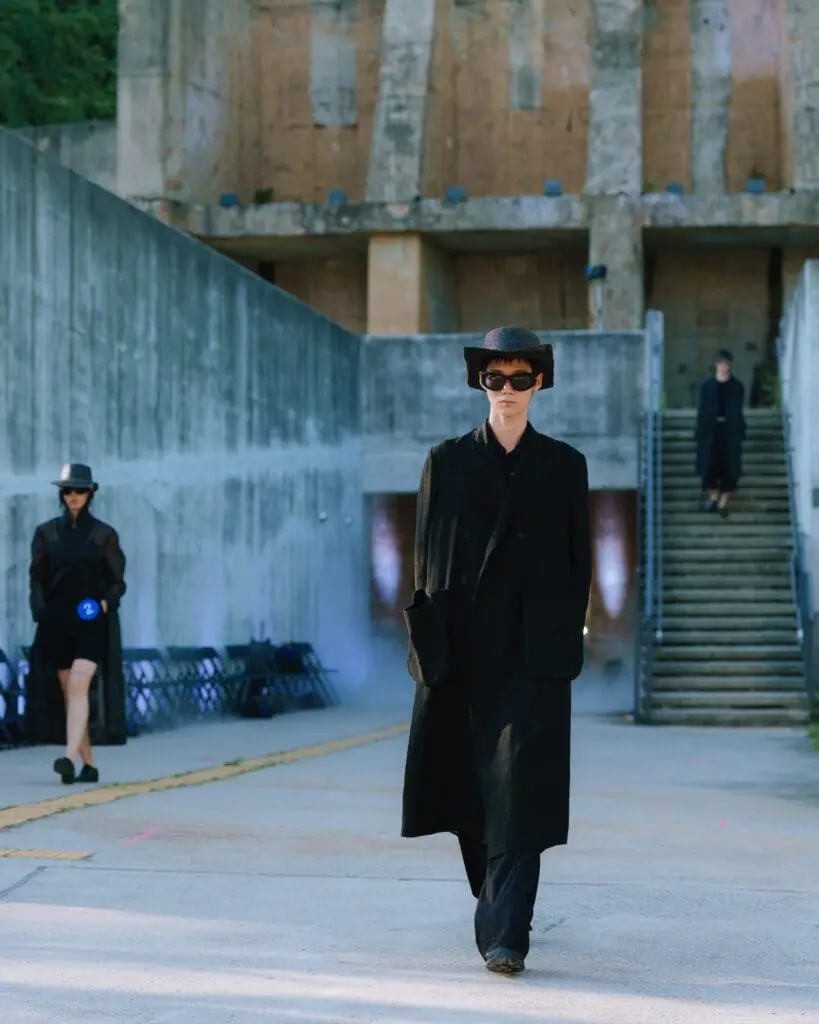
What set the show apart, however, was its layer of cultural references. Park wove in echoes of 1950s Korean tailoring, textures recalling hanji paper, and accessories that nodded to Taegeuk motifs. Chunky jewellery and wide-brimmed hats referenced traditional silhouettes but were placed against urban styling—an intentional clash, perhaps, but one that worked.
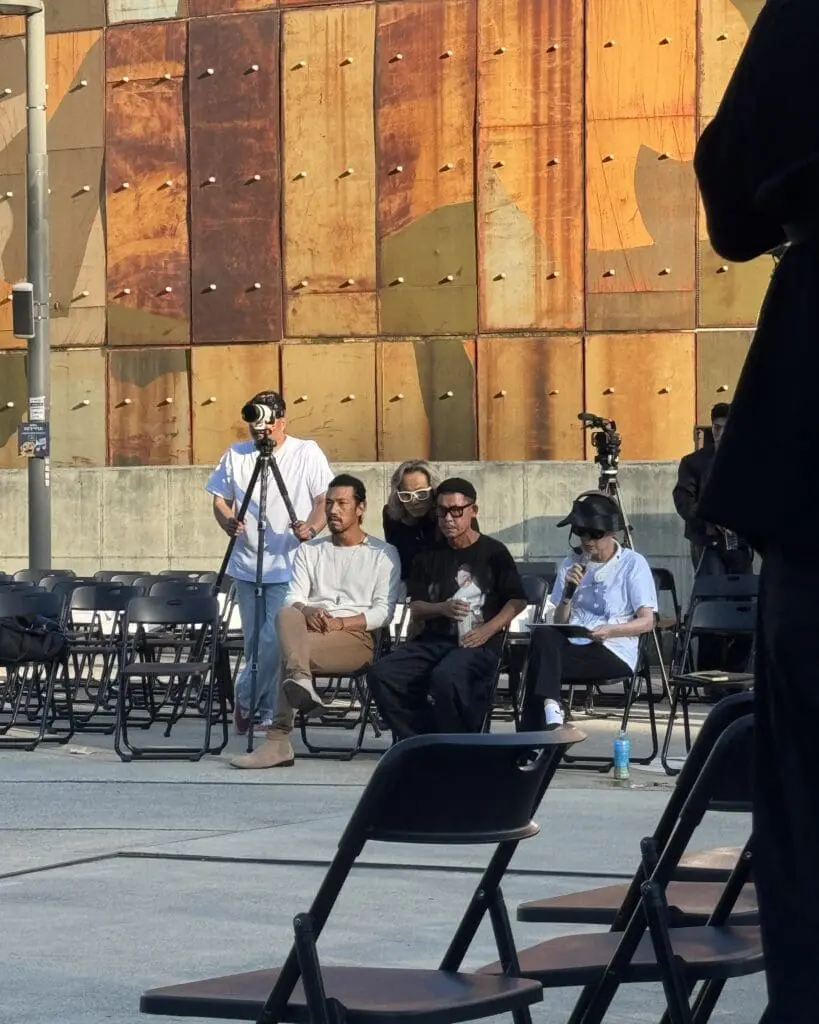
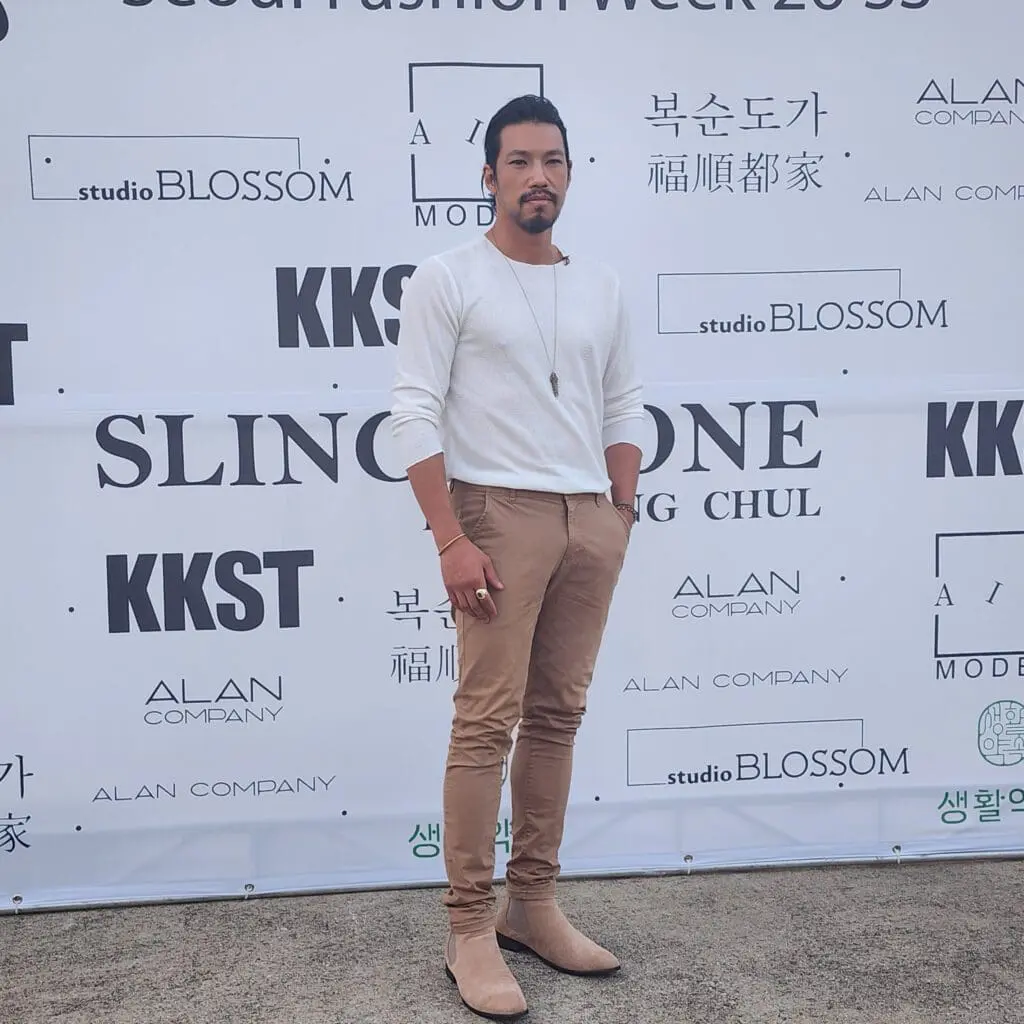

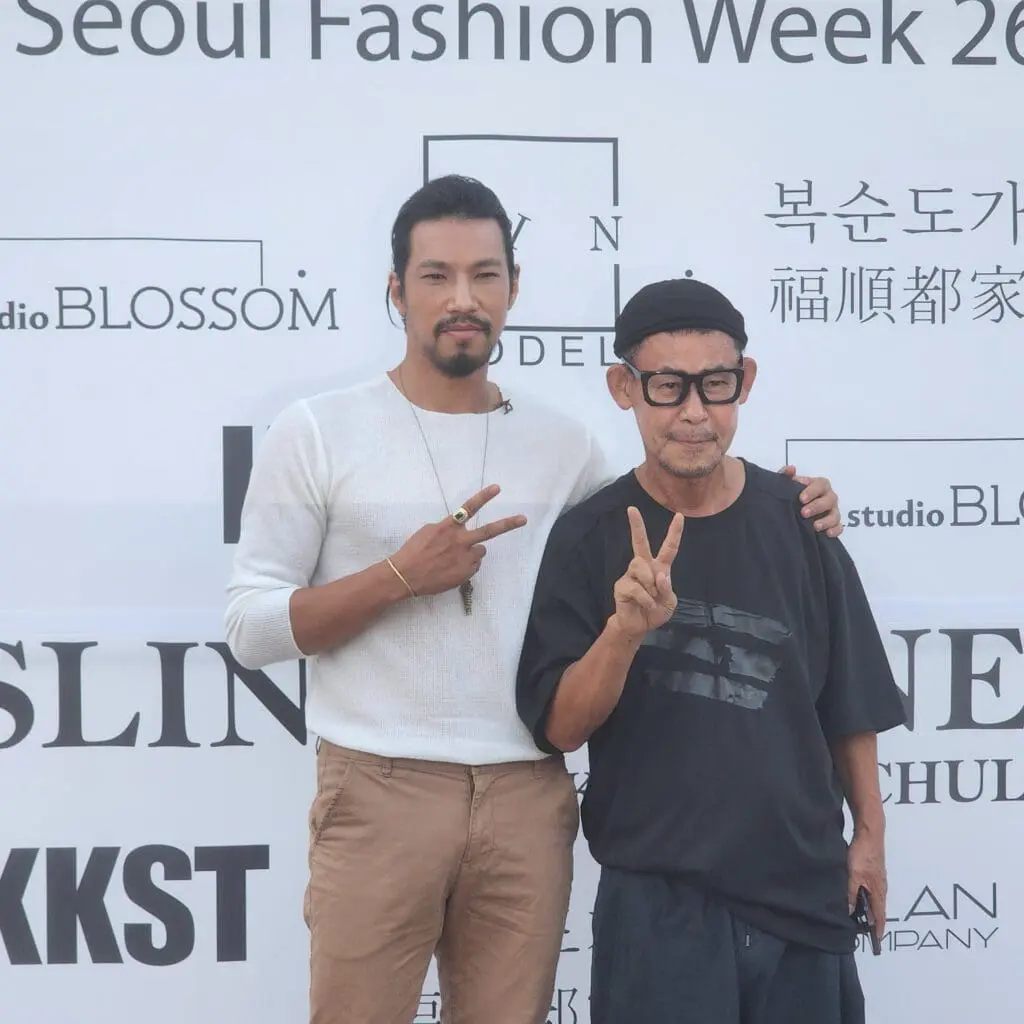
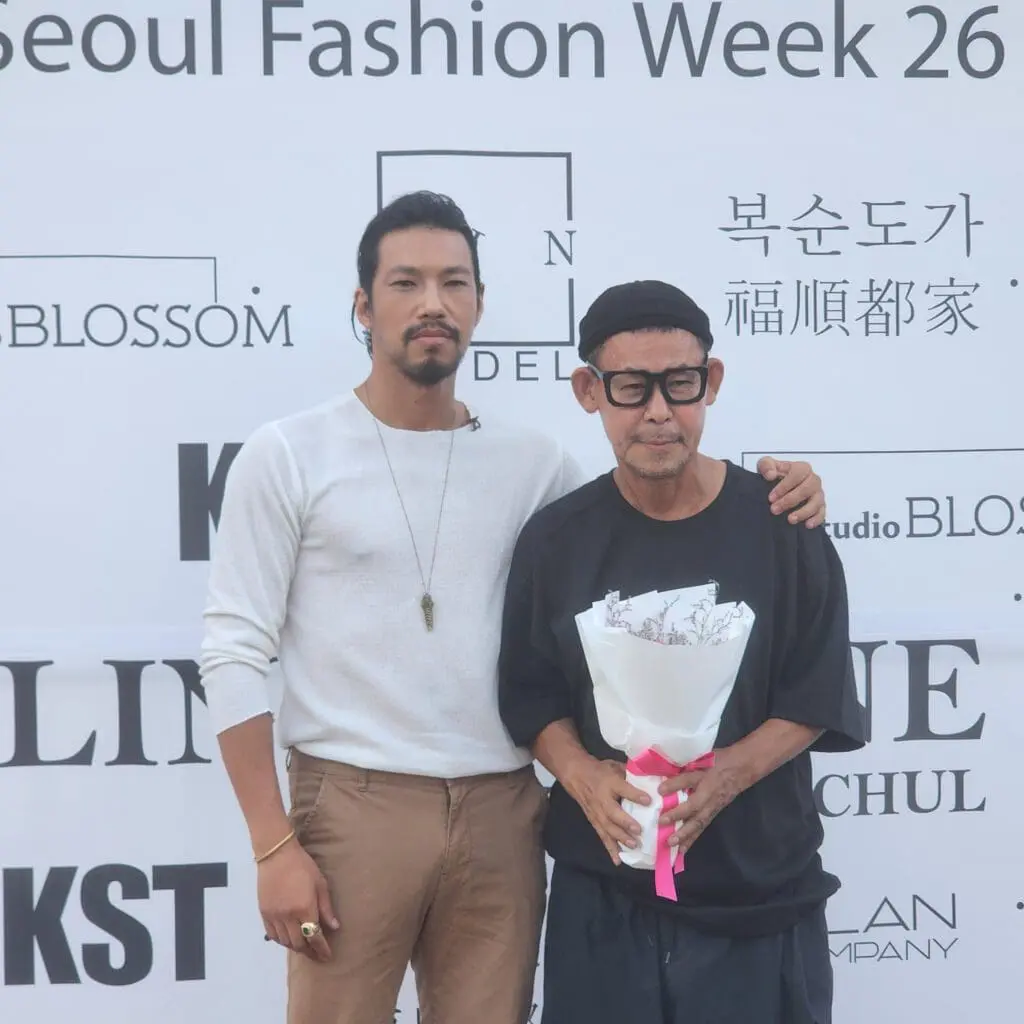
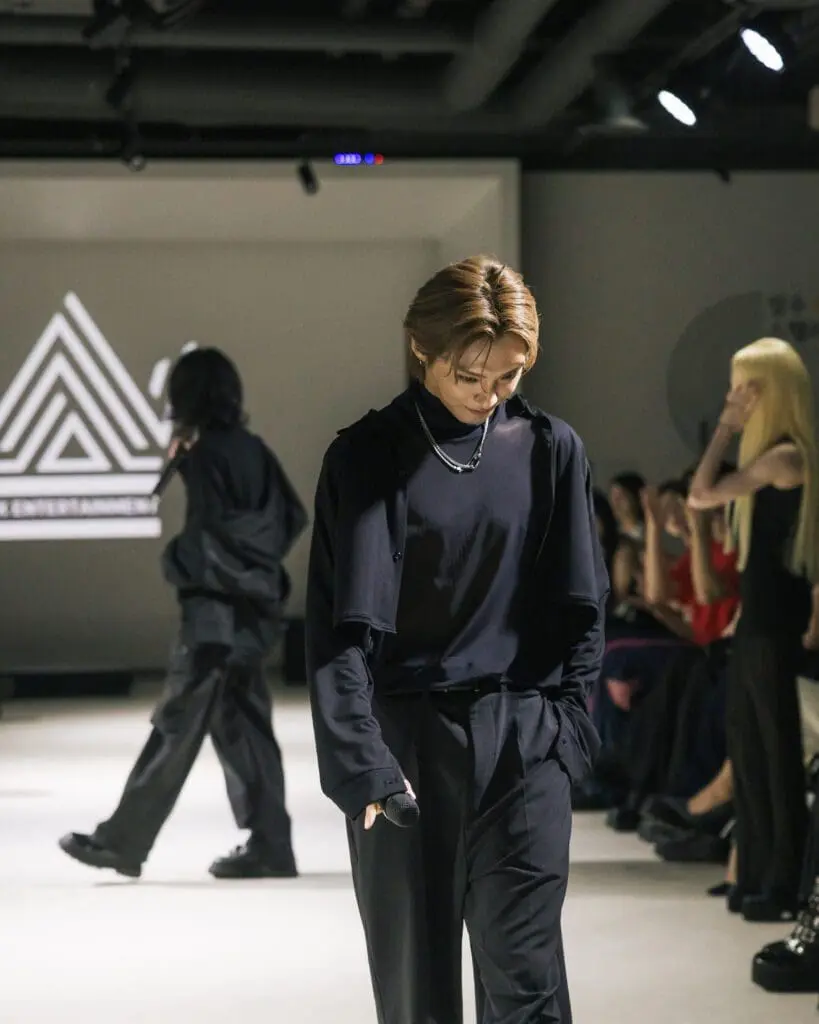
The audience took note. Packed with fashion insiders, the show had one guest who quickly became a focal point: actor Kim Min, whose quiet magnetism in Disney +’s Big Bet and A Shop for Killers has made him one of the most intriguing Korean talents to watch. His presence in the front row underscored the way Sling Stone has become more than a fashion label—it’s a cultural brand, one that resonates as much with film and popular culture as with fashion itself.
“The Sling Stone show felt daring and innovative. Using Korean traditional paper as a garment was more than fashion—it was a dialogue between Western and Asian design, uncovering unique expressions of beauty.” — Kim Min
Park’s vision this season seemed to ask: What does Korean masculinity look like today? The answer was not linear, but layered: austere yet playful, rooted in heritage but unapologetically experimental.
If Sling Stone delivered volume and cultural provocation, CEEANN offered an entirely different mood: one of quiet restraint and architectural elegance.
Founded in 2022 by Lee Sian, formerly of Jarret, CEEANN has quickly positioned itself as a brand of intentional minimalism. Its SS26 collection worked around the concept of duality—masculine against feminine, rigid against fluid, minimal against ornate.
The runway was defined by precise tailoring: blazers cut like sculptural forms, crisp shirts softened by shaping, trousers with exacting lines. Yet it was the details that shifted the mood: knee-length dresses layered over pants, fishnet jumpers thrown over ties and shirts, brooches securing loosely knotted ties. Jackets were left open, fasteners reimagined, outerwear styled to suggest softness even within strict form.
The colour palette reflected the brand’s architecture: black, white, bone, with the occasional incursion of burgundy or deep navy. Windowpane checks appeared across coats and trousers, offering subtle play within the discipline of lines.
Watching CEEANN’s show, one understood its title: “Quiet Power.” This was not a collection meant to dominate with volume or spectacle but one that suggested strength through confidence, elegance through control. It was a message that resonated in a season celebrating contrasts: CEEANN did not fight them but balanced them.
If the runways of DDP and city landmarks underscored Seoul’s identity, the Milan Loves Seoul event reminded everyone that identity is strongest when it engages with others.
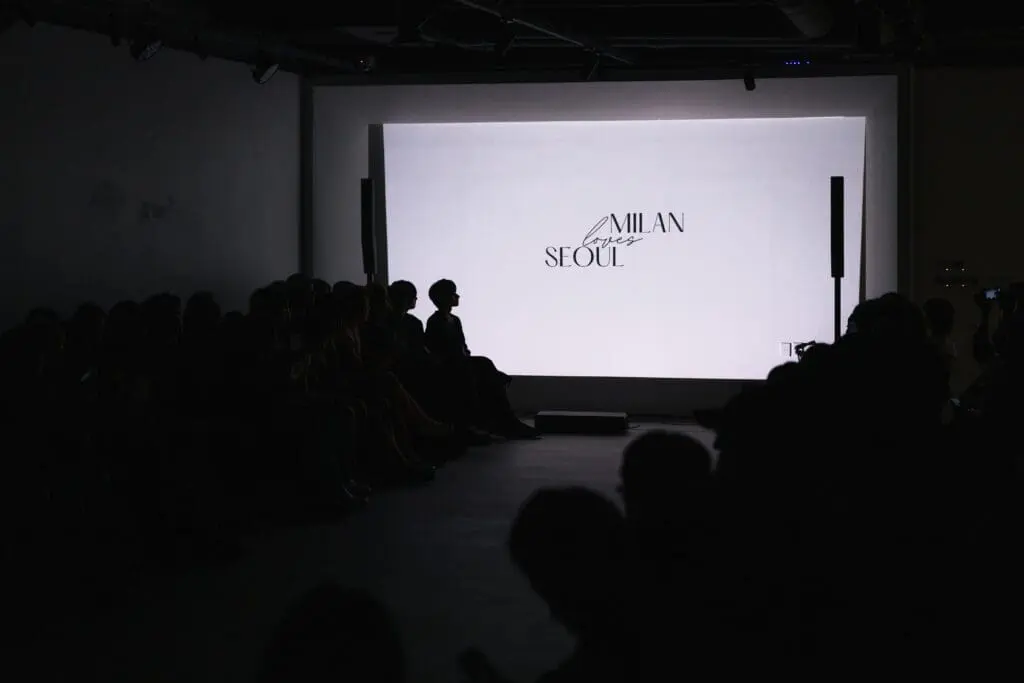
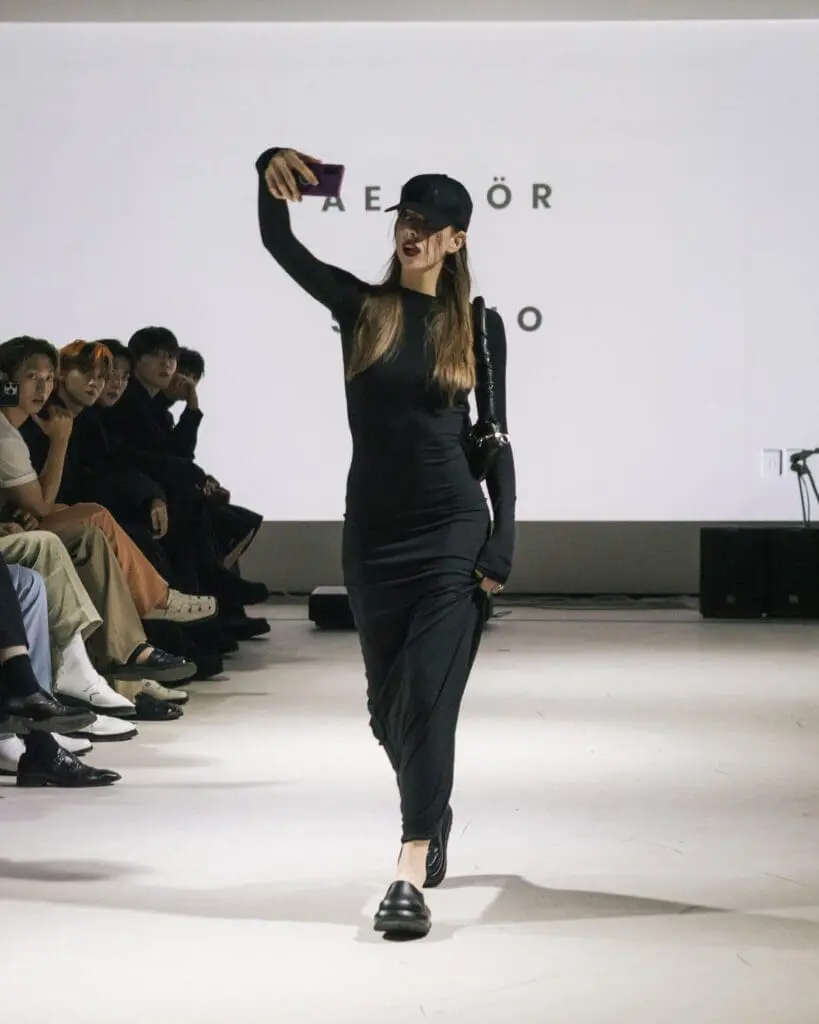
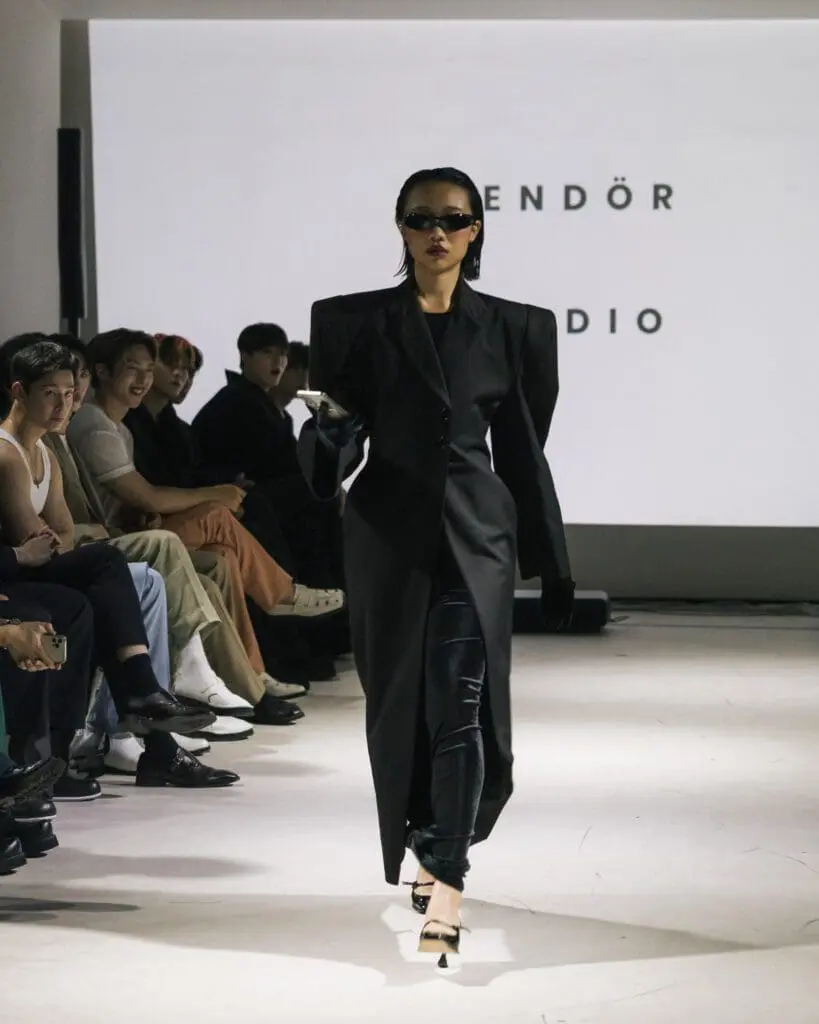
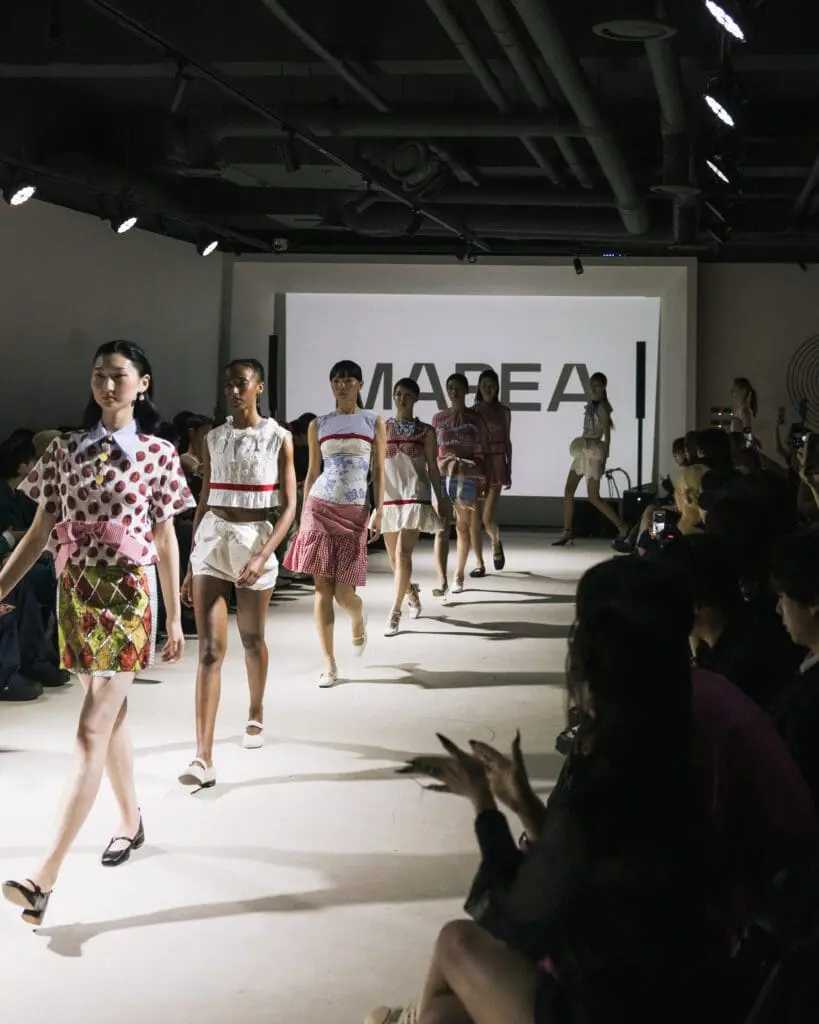
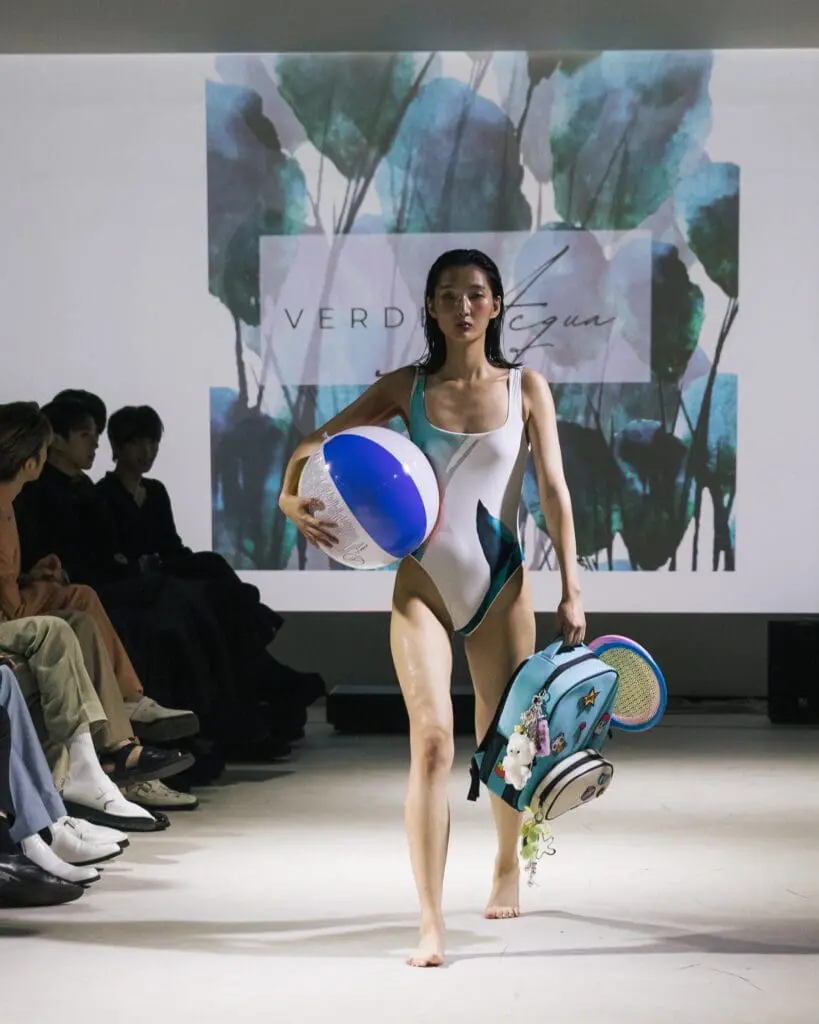
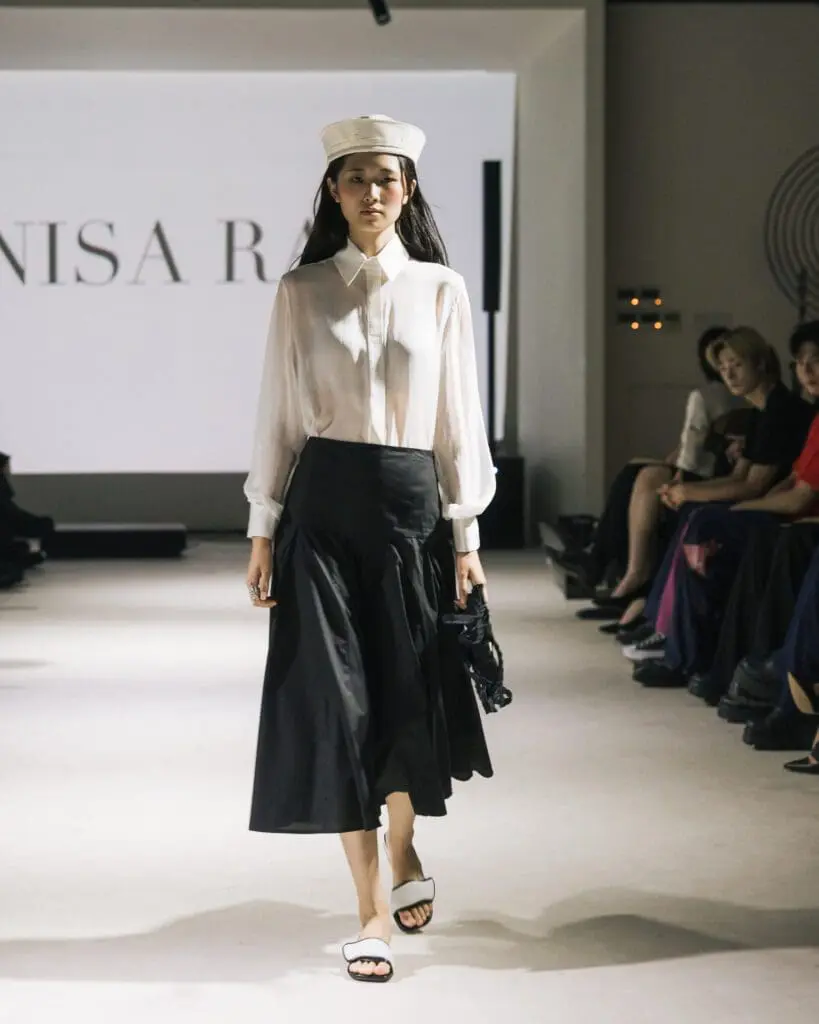
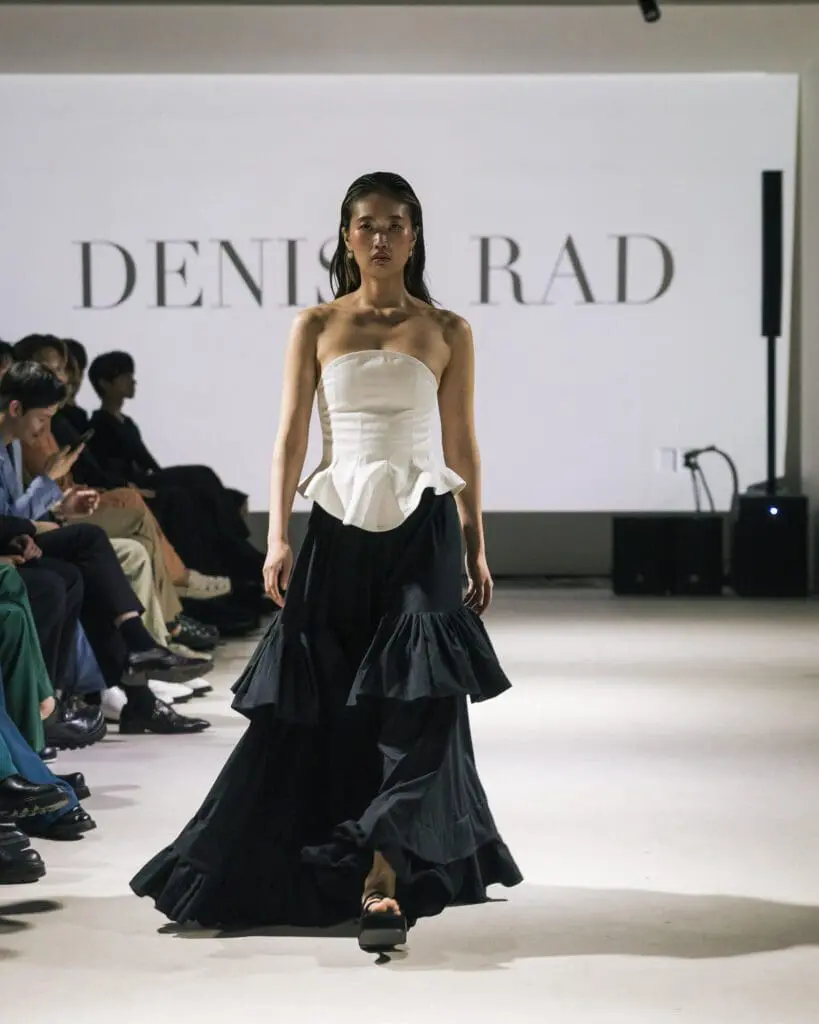
Presented at TAES in Seongsu, with its industrial architecture and reputation as Seoul’s creative hub, and later at Neuromeka for the runway, the initiative brought a group of Italian emerging designers into Seoul’s orbit. For two days, Korean audiences experienced Italian craftsmanship filtered through their own cultural lens.
Francesca Cottone’s “CTRL” collection explored the tension between instinct and structure, embodying a kind of stylish circuit that alternated between softness and strength. Verdeacqua brought Portofino summers to Seoul with a swimwear collection marked by Mediterranean ease. Aendor leaned into sharp minimalism, while Denisa Rad presented pieces that merged sculptural form with wearable detail. Even Marea, a homeware brand, joined the exhibition, extending the dialogue beyond clothing to lifestyle.
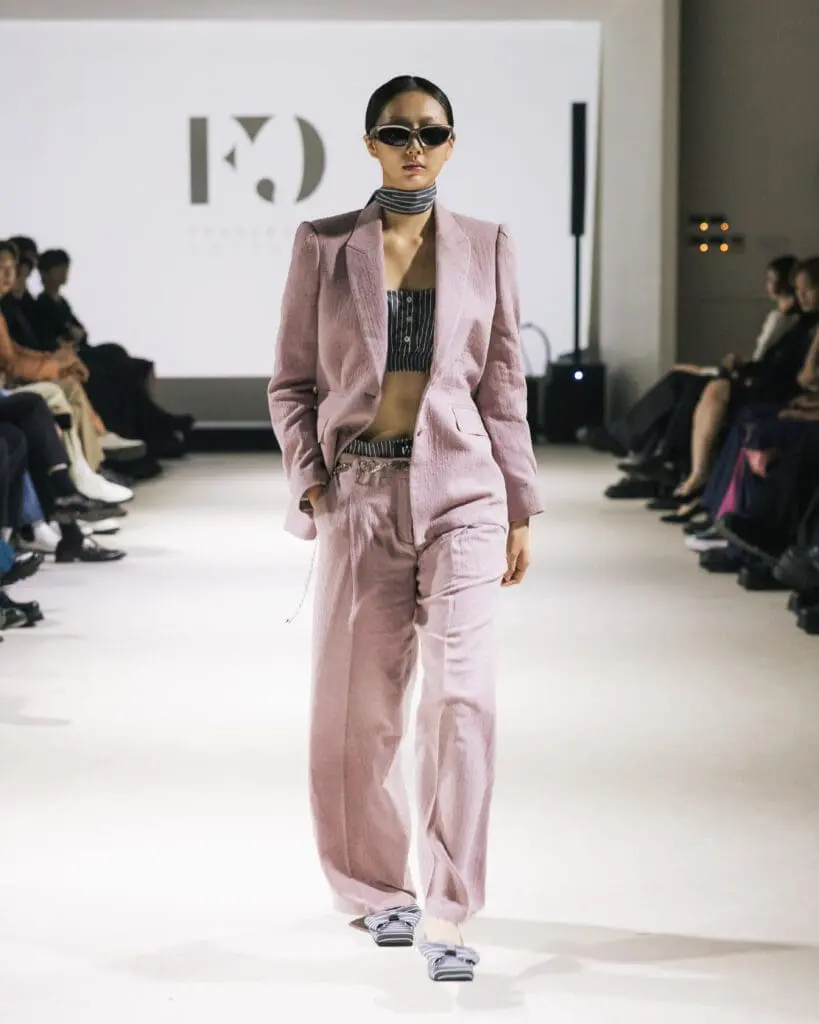
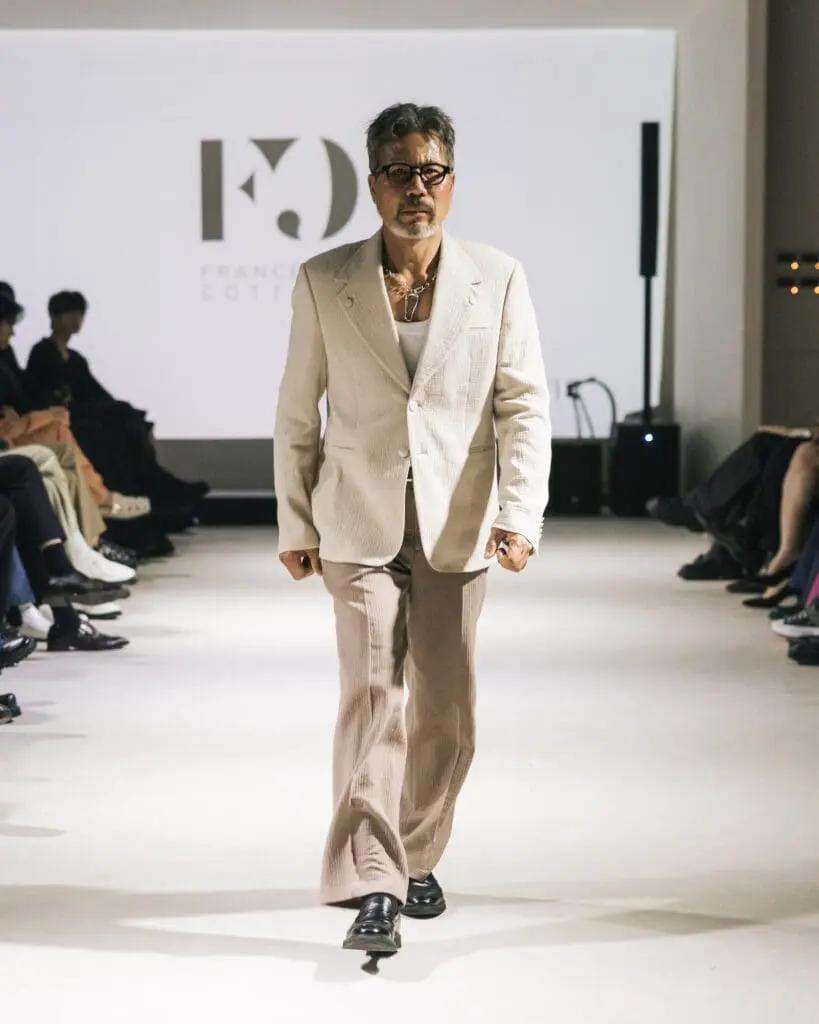
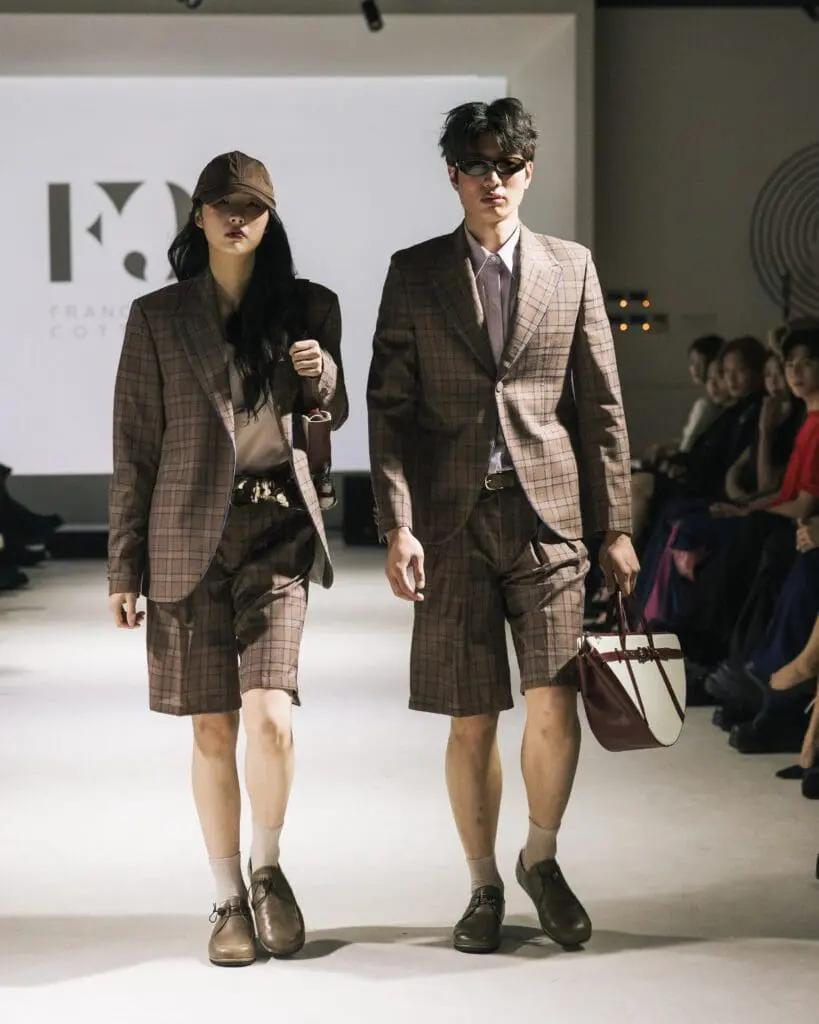
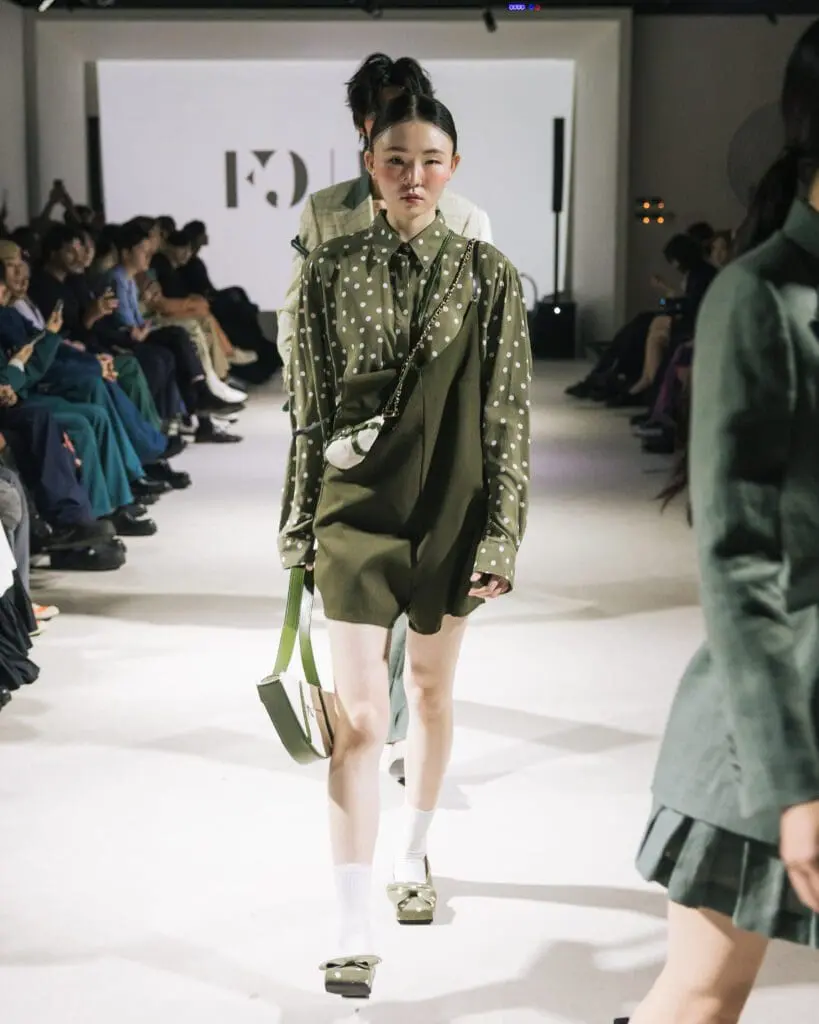
What stood out was not simply the designs themselves but the reaction of the Seoul audience. Crowds moved through Seongsu’s exhibition space with curiosity and warmth, engaging with the pieces not as foreign novelties but as inspirations. It was proof that Korean fashion culture—already deeply international—is open to collaboration that feels genuine.
The credit for the event goes beyond designers. The vision of Marcella De Simone and Ylenia Basagni, who spearheaded Milan Loves Seoul, was supported by Matteo Pandolfi and Matteo Niero, who directed the runway with precision and care.. Behind them stood the entire Milan Loves Seoul team, whose combined energy made the project a success.
As one guest put it: “Teamwork makes dreams work.” The phrase may sound simple, but in the context of Milan Loves Seoul it rang true.
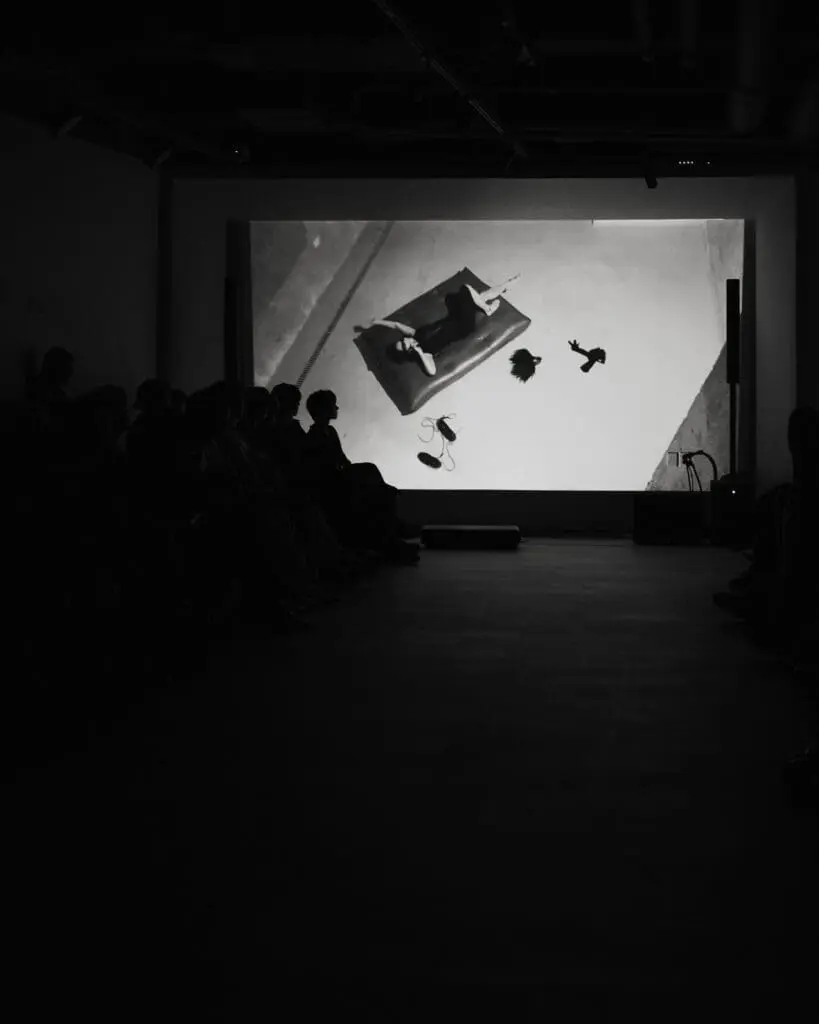
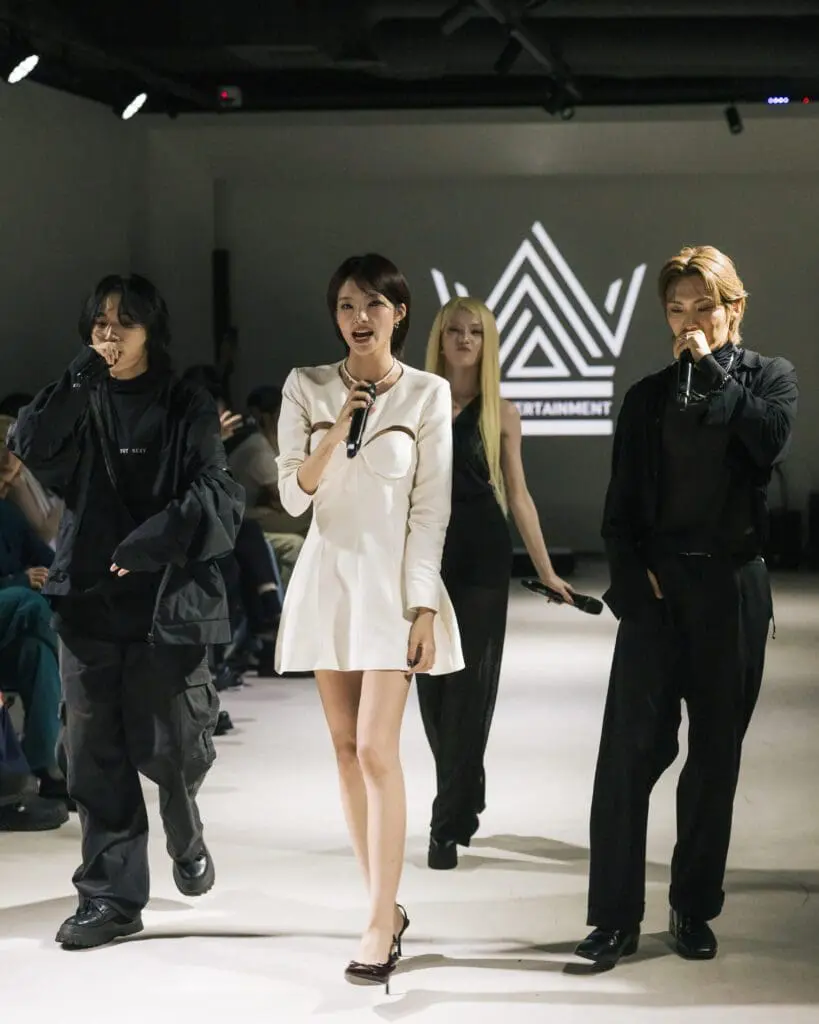
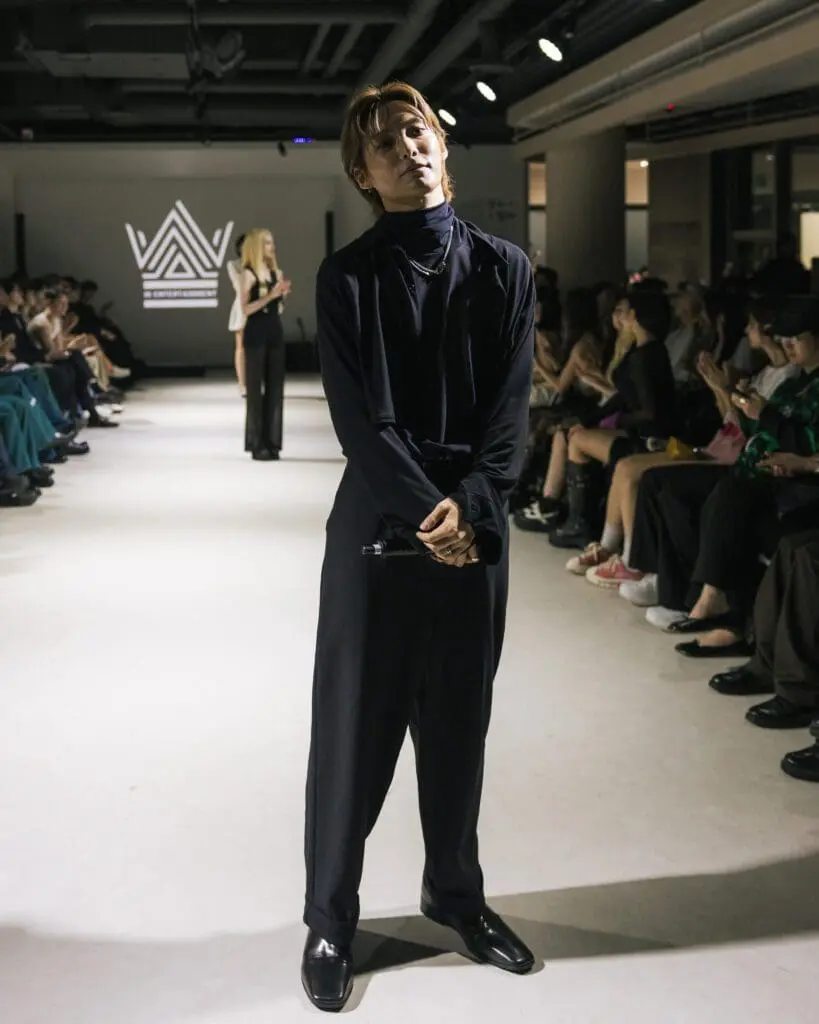
The anniversary season was full of other strong moments. Andersson Bell opened with “Soft Clash,” inspired by Rothko’s colour fields and the 90s attitude of PJ Harvey and Jarvis Cocker. Staged at Deoksugung-gil, the show made full use of its urban setting to emphasize its emotional resonance.
Caruso leaned into genderless tailoring, with oversized jackets and wide trousers styled with daring cut-outs and double ties. Big Park, meanwhile, used the solemnity of Heungcheonsa Temple to frame modern silhouettes with traditional Korean motifs, offering one of the most atmospheric presentations of the week.
Looking back, it is remarkable how Seoul Fashion Week has grown in a quarter-century. Once a local platform, it is now an international calendar event, one that brings together design, culture, and identity in ways few other fashion weeks can.
This season confirmed that contrasts are Seoul’s strength. Whether in Sling Stone’s mix of austere tailoring and streetwear graphics, CEEANN’s balance of rigidity and softness, or Milan Loves Seoul’s cultural bridge between Italy and Korea, the message was clear: Seoul does not shy away from tension. It thrives on it.
The anniversary was not just a celebration of longevity, but a reminder that Korean fashion is no longer defined by its place within global hierarchies. Instead, it defines itself—and, in doing so, shapes what fashion can be for everyone else.