
Words by Valery Stoianova
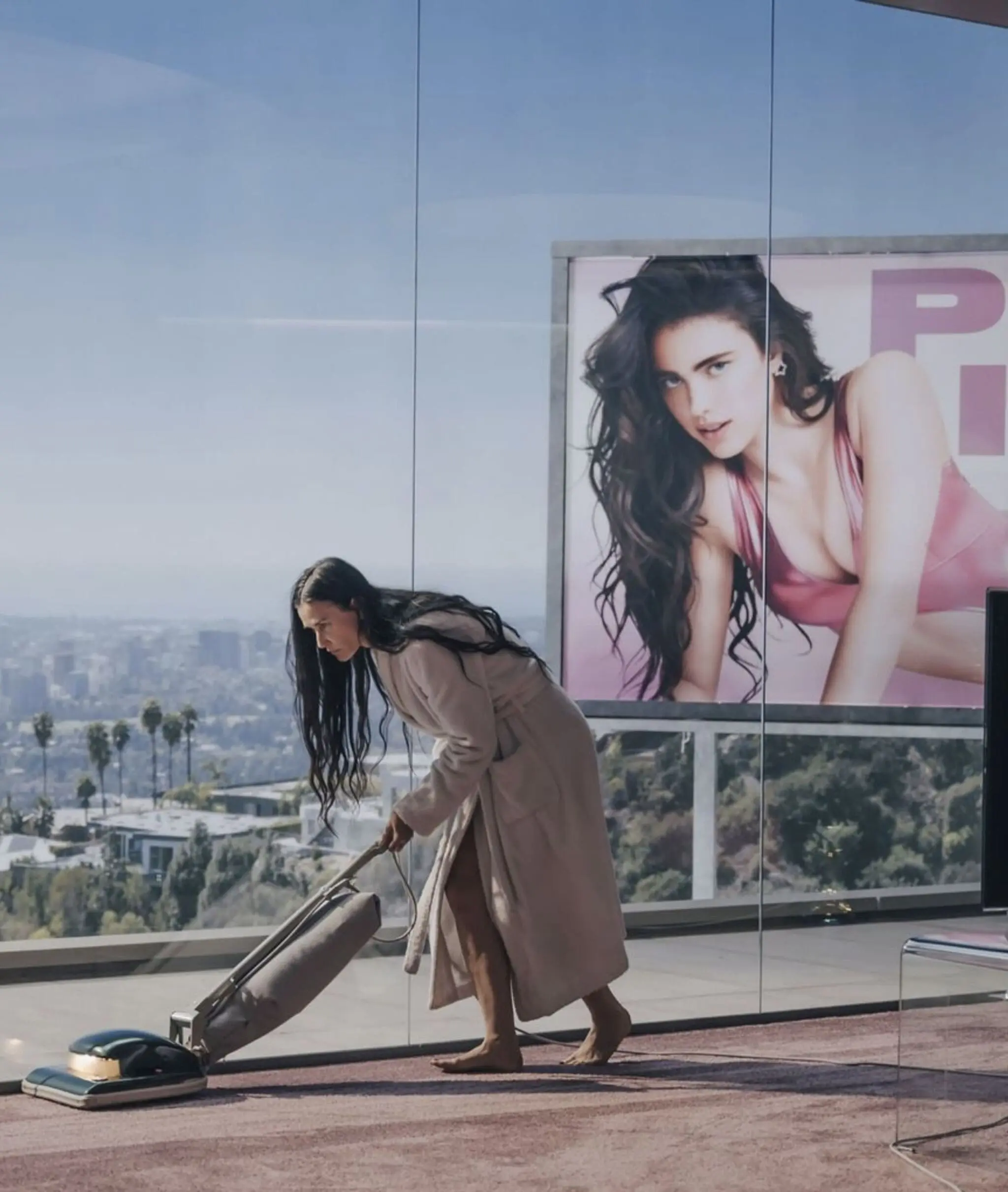

Finally, I’ve got around to The Substance. It is a new body horror that left viewers with controversial emotions. Some people frantically hated it and walked away from cinemas. Others decided to give it a chance till the final and noticed how genius this work was. What caught my eye the most was the sexualization of women. Behind its grotesque and bloody performances, the main theme seems clear: if you’re not young and beautiful, you don’t exist anymore. I started wondering about modern sexuality. What is it today?
Our times are quite free for self-expression. Do you want to dye your hair green? Let’s do it! Wearing a corset over a hoodie today? Why not? Expressing your sexuality is no longer taboo. Paradoxically, this freedom has raised more questions than answers. You can’t surprise people with nudity anymore, but how do you get attention and be attractive then?
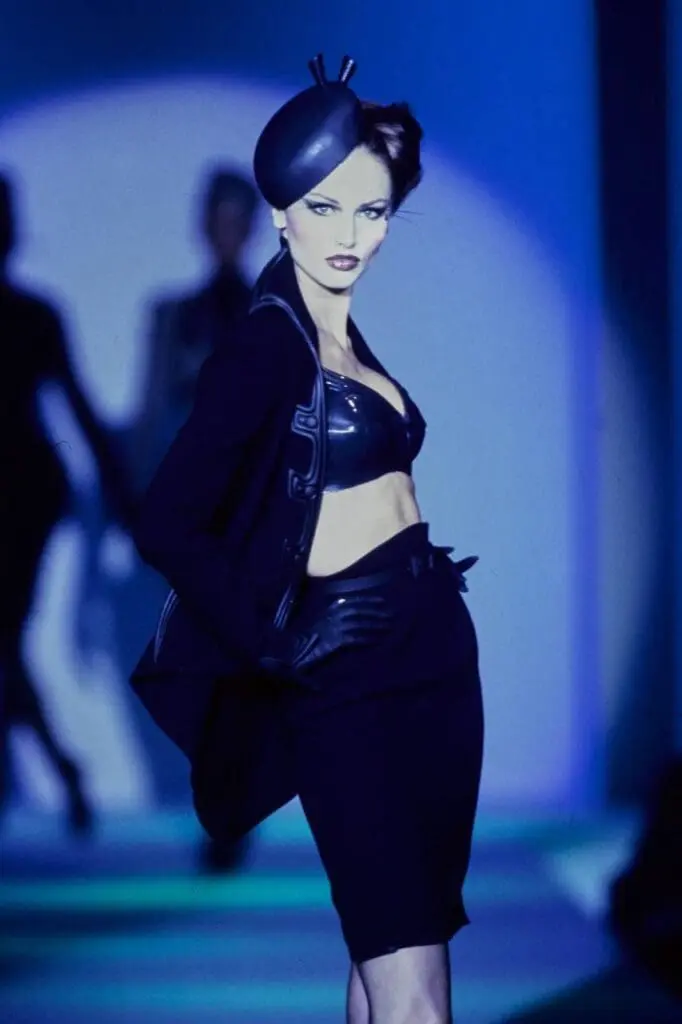
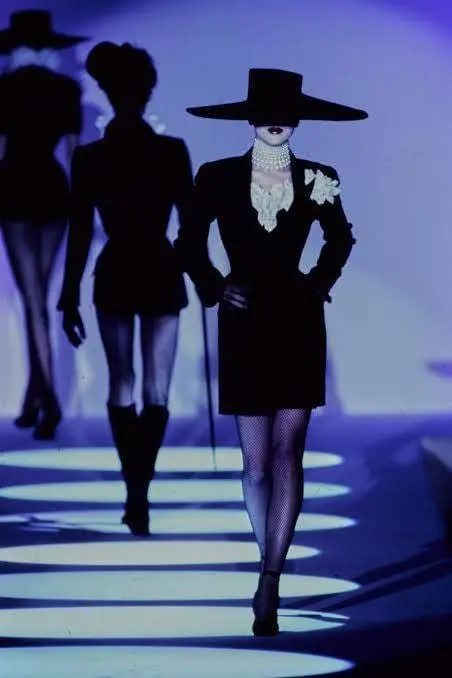
I am a millennial, and pop culture of the 90s and Y2K imprinted on my understanding of sexuality. Images of Mugler’s and Yves Saint Laurent’s runways are popping into my mind instantly: deliberately accented waist, sculpted feminine forms, high slits, and leather. It is all about something mysterious in the dim light with a languid gaze. But what about Generation Z?
Eharmony, an online dating platform, conducted a study asking millennials and Generation Z how often they have sex. While 91% of millennials have “it” minimum once a week, Gen Z had only 78% of the same frequency. So, does this mean Gen Z’ers care less about intimacy? Long story short, yes. Psychology Today and The Scientist both wanted to understand this phenomenon. Their research found millennials are more sexually active, as they associate it directly with success, popularity, and happiness.
We could feel the pop culture impact on us starting from childhood. Doesn’t matter in which part of the planet you grew up; thanks to globalization, we’ve been watching the same TV shows. Let’s take as an example a few popular series I also grew up with: How I Met Your Mother, Sex and the City, and Friends. All of them show the main characters’ relationships as a narrative. Everyday life and paying bills is presented as boring and colourless.
There’s always that one character like Samantha (Sex and the City) or Barney Stinson (How I Met Your Mother) — who is charismatic, has money, always gets what they want. And gets laid.
An unwritten rule appears: sex = success = happiness. And who doesn’t want to be happy?
This pattern is ingrained in our minds. Put a little bit of spice from adverts that have an expert status in sexualizing or “how to seduce him” ideas from tabloids, and you have quite a burning cocktail. Let’s not forget how long the diversity of female sexuality was in the shadows. While gay characters were rare but still possible tropes, lesbians and bisexuals you can count on one hand.
As a result, we have a confused generation, one that doesn’t fully understand the rules and ideas of this world but tries to save their mental health with a cup of pumpkin latte. They are truly struggling to make sense of concepts like “life-work balance” or to understand why, for the sake of now, it’s forbidden to use the laughing emoji. It often feels too overwhelming to comprehend. So, diving into the new “one-night stand” sometimes seems like a nice, uncomplicated plan.
When it comes to Generation Z, the situation turns vice versa. The world they grew up with was much more tolerant and polite. Humour and the environment started to be less toxic; society focused on diversity and inclusivity. The new generation doesn’t think that smoking gives you “the main character energy,” but sees it as dangerous for health — just like unprotected sex. Research shows that when it comes to bed, Gen Z is more conscious. But in the meanwhile, they are colder.
Gen Z dedicates more time to their gadgets than socializing. As Psychology Today points out, offline is dying while screen time rises. Dating apps get more preference instead of old-school pubs.
There is a lot of anxiety when preparing for a real meeting. Even imagining the date with a very new person feels stressful. Especially when you can’t just “switch it off.” Much simpler is to swipe as much as you want, take a bath, and just Netflix and chill. But I totally understand it. For these guys, mental health is a luxury and comes first. As a result, that makes them less sexually active.
However, anxiety is Gen Z’s best friend. No wonder their libido is getting lower with the background we’ve got. The future is extremely unstable; a cost of living crisis isn’t just a fairytale. It’s even hard to find a country where things are going smoothly. The question of who you want to be when you grow up is unanswered in your 20s as it was in your teenage days. Differences between generations are important but not the only aspect of sexuality interpretation. Let’s not forget about the world of fashion, as in all centuries it reflects society.
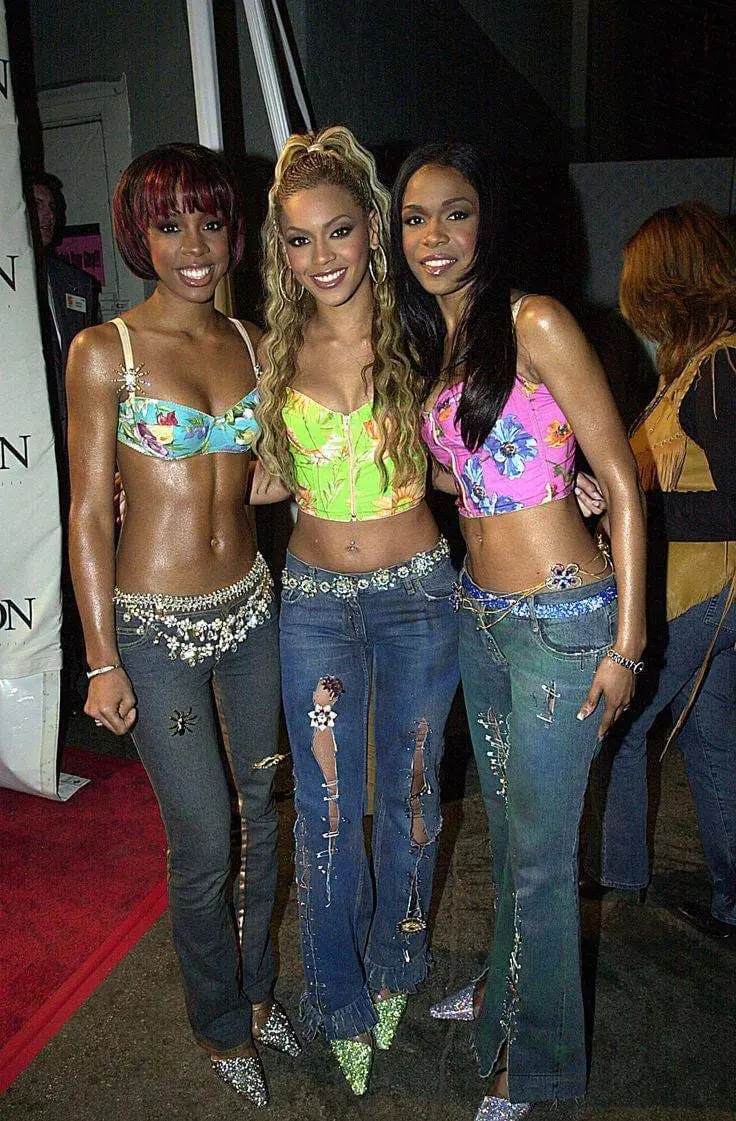
Designers are capturing the uncertainty of our times. They are trying to give us responses to complex questions. Over the past few years, we have discovered a strong comeback of tight-fitting silhouettes, barely-there fabrics, and mini-skirts. Those who remember the skinny jeans and low-waist from Y2K still have nightmares when they see its new wave of popularity. But fashion and history have cycles.
After years of oversized and unisex collections, hyper-femininity returns with the heels and classy vibes. But this time, it’s not an attempt to please the outside world. No, it’s about the right to express oneself as they want. Fashion boundaries get wider. Plus-size models on the runway shows are wearing racy outfits instead of being cloaked in shapeless garments. Size doesn’t matter anymore — everyone has the right to be sexy.
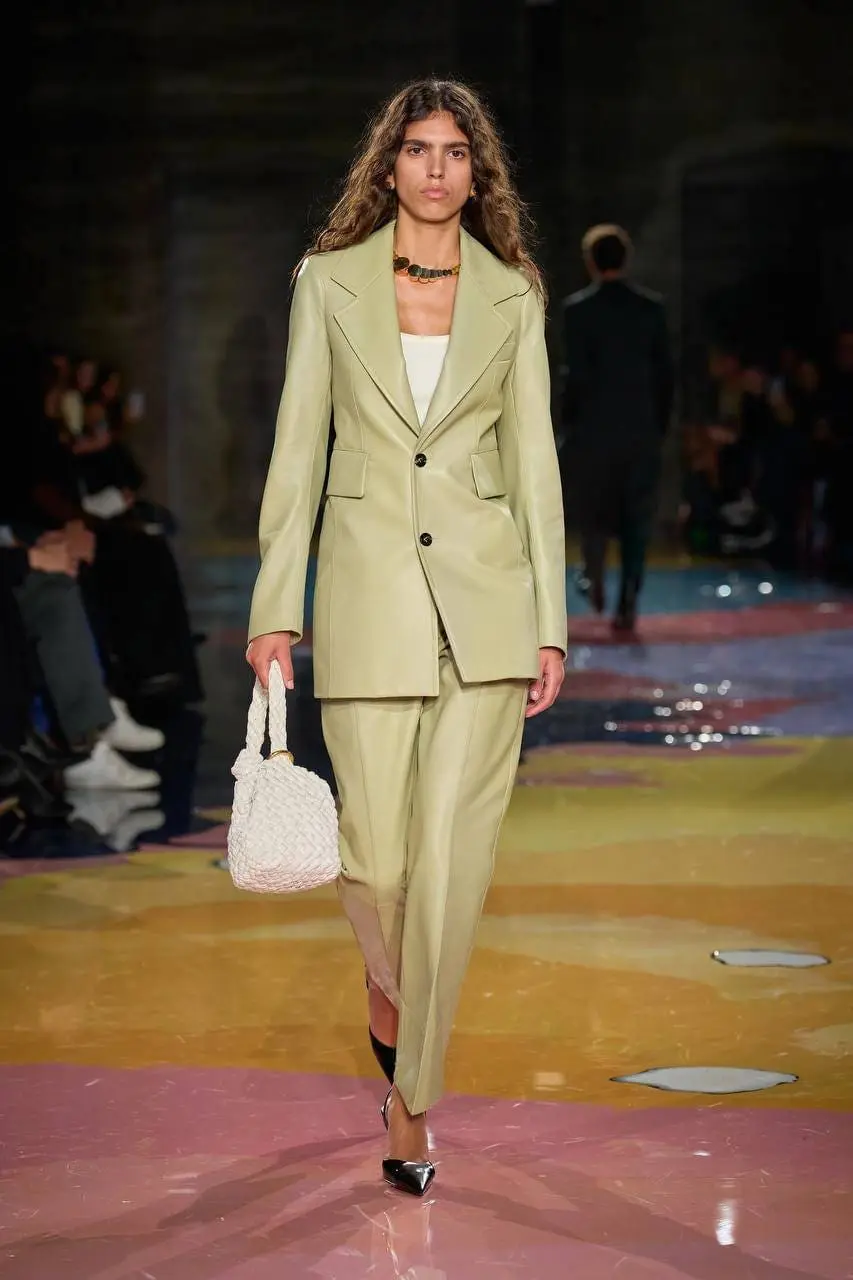
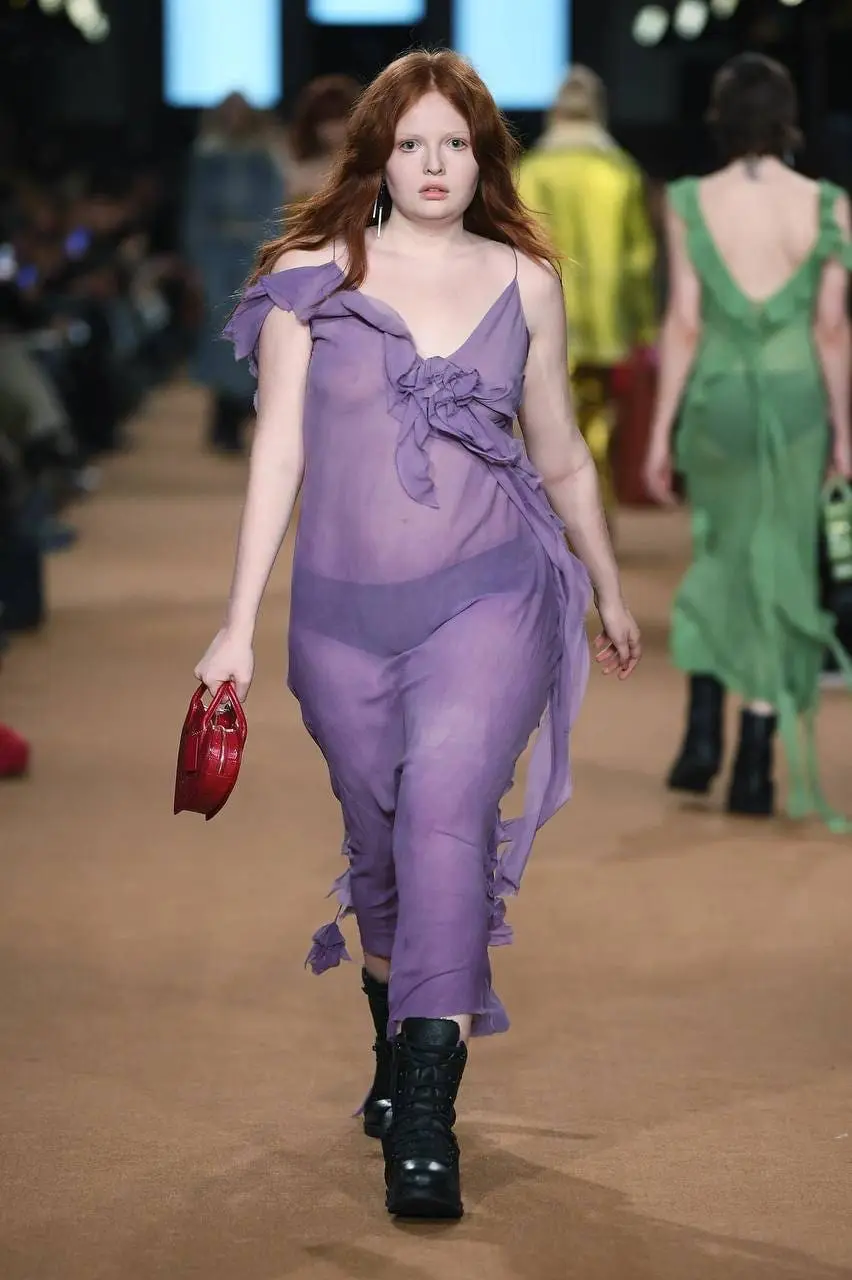
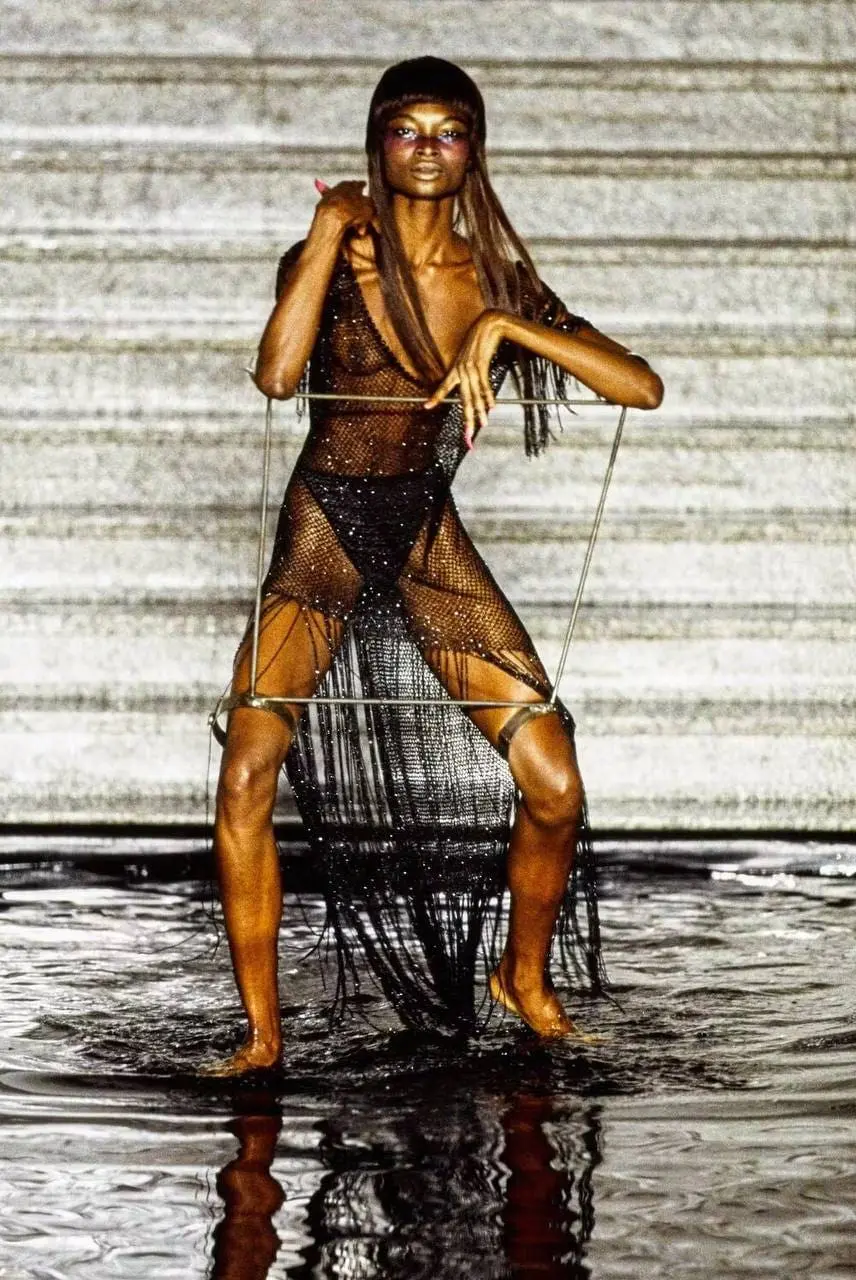
Designers carry a feminist message even performing quite provocative outfits. Of course, we had such ideas before. Alexander McQueen is a great example of a feminist designer with an extremely daring outfit. But if in his days it was more about a single voice translating this idea, now it is a choir. This tendency covers us massively. Individuality became the main accent.
The first thing my friends always told me after another round of Tinder dates is the scent of the person they’ve met. A wrong smell — the date ends without beginning. You might not understand what happened, but your nose decides this person won’t be your match.
Since ancient times, scents have played a main role in our survival. So it’s no surprise they have a strong influence on the interpretation of attractiveness. My list of “sexy” perfumes is quite different from the popular ones. Instead of the sweetness of Lancôme’s Trésor Midnight Rose or Chanel’s Coco Mademoiselle with floral notes, I’d rather prefer a sip of the sea of Orto Parisi’s Megamare or the deep leather scent of Affinessence Cuir Curcuma. Still, without any chance to understand the aroma quiz, I went to my girls to ask which odours were seductive for them.
They all agreed that, while perfume is a nice bonus, what matters is the natural scent of the body — clean, of course.
So, do we all have this unique fragrance that makes us hot? Yes and no. A study published in the Archives of Sexual Behavior shows that body scent affects appeal. Pleasant body odours are linked to positive social impressions, and they can be enhanced by certain fragrances.
Dr. Alan Hirsch analyzed different fragrances and found that pumpkin pie and lavender could increase the blood flow of the person. Surprisingly, scents connected with nostalgia and comfort could trigger arousal. Also, leaders of the sensual odour list are musk, vanilla, jasmine, and ylang-ylang. They activate the nervous system and tune the atmosphere to the proper tone.
I think if you want to figure out which scent could captivate you, try aroma-sessions! Go and test new perfumes you’ve always been scared of. Engage your creativity.
So, our external appearance or inner selves — what really attracts us today? I believe the truth lies somewhere in the middle. There is nothing sexier than being yourself. How catchy is a balanced mind and the ability to express yourself freely? Perhaps, this is the main trend of the season. Knowing how to present yourself and say no to pretending. If I were to start a new sexual revolution, that would be my slogan.
But still, let me leave a few tips for your sexuality:
The world is made up of grown-up children who still don’t understand what it means to be an adult and are trying to find themselves. No one will notice your insecurity. You have all the freedom of this world, so enjoy it and do what feels right — within the law, of course.


