Words by: Eylul Ulug
Edited by: Valerie Aitova
In fashion, longevity is the exception rather than the rule. Relevance is even more elusive. Trends arrive loudly and disappear just as fast, leaving few symbols behind that can claim lasting cultural weight. Yet, every so often, a visual code emerges that does not merely survive the passage of time, but deepens because of it. The Louis Vuitton Monogram is one of those symbols, a visual language that has spent 130 years oscillating between utility and desire, tradition and reinvention, heritage and pop culture.
Its relevance today lies not only in history, but in how visual symbols operate in contemporary culture, where recognisability, repetition, and circulation shape how fashion is read and valued.
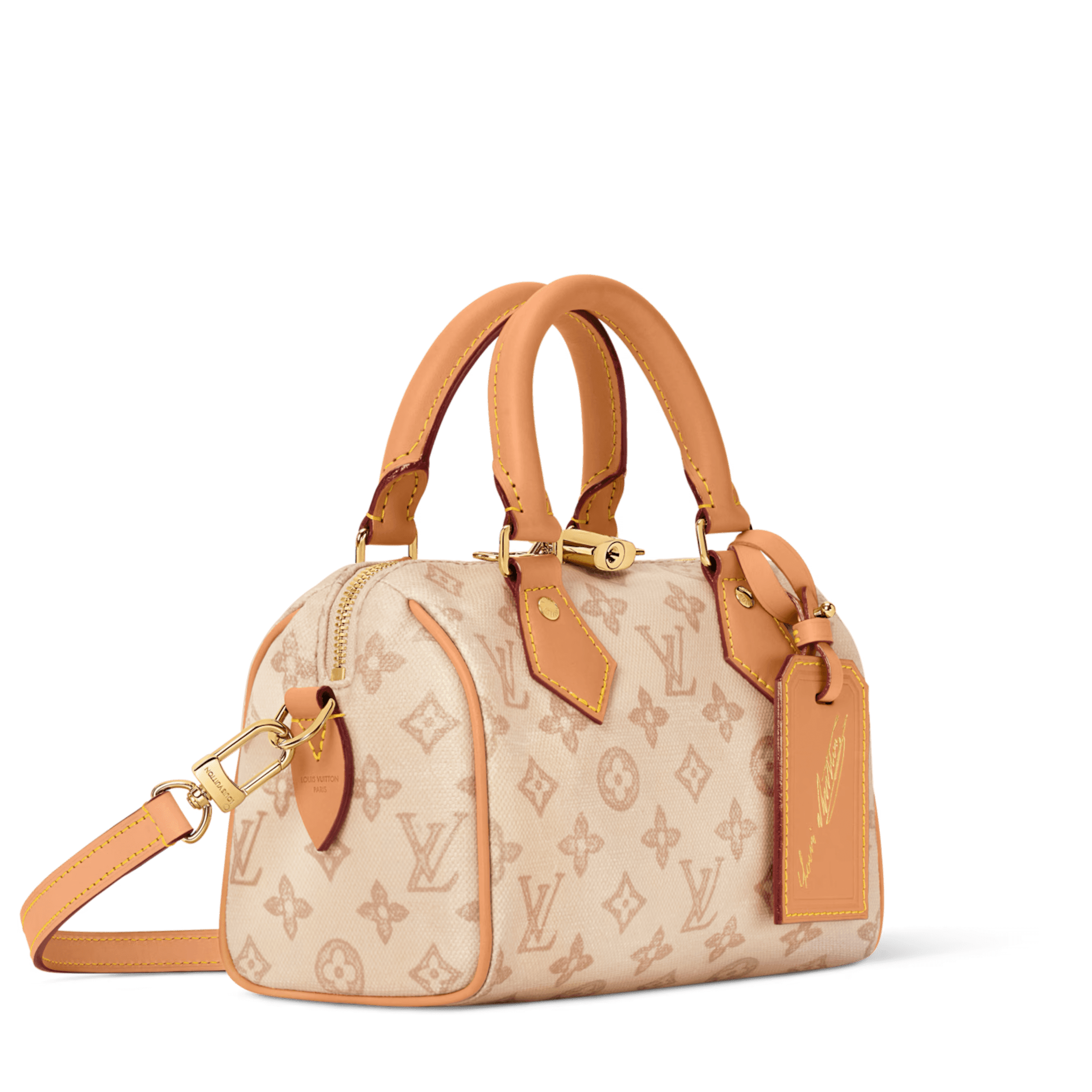
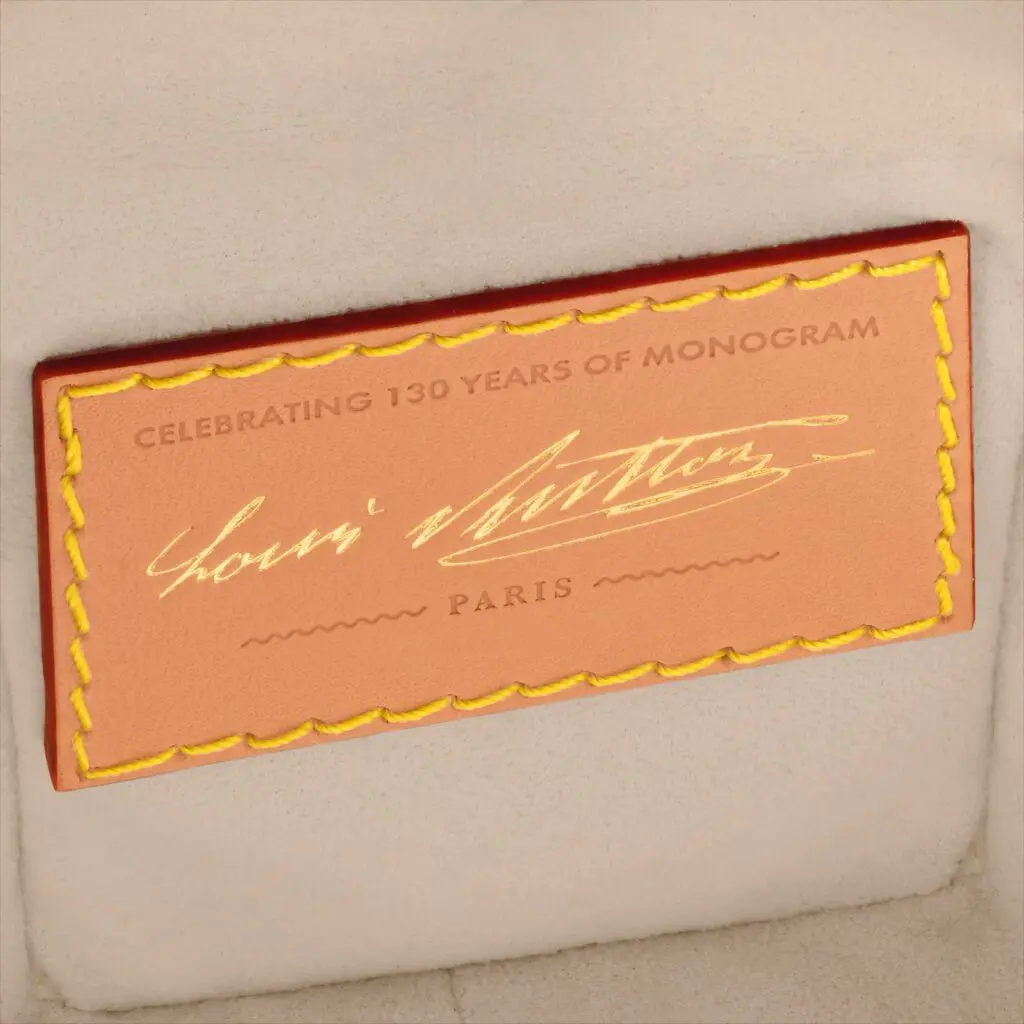
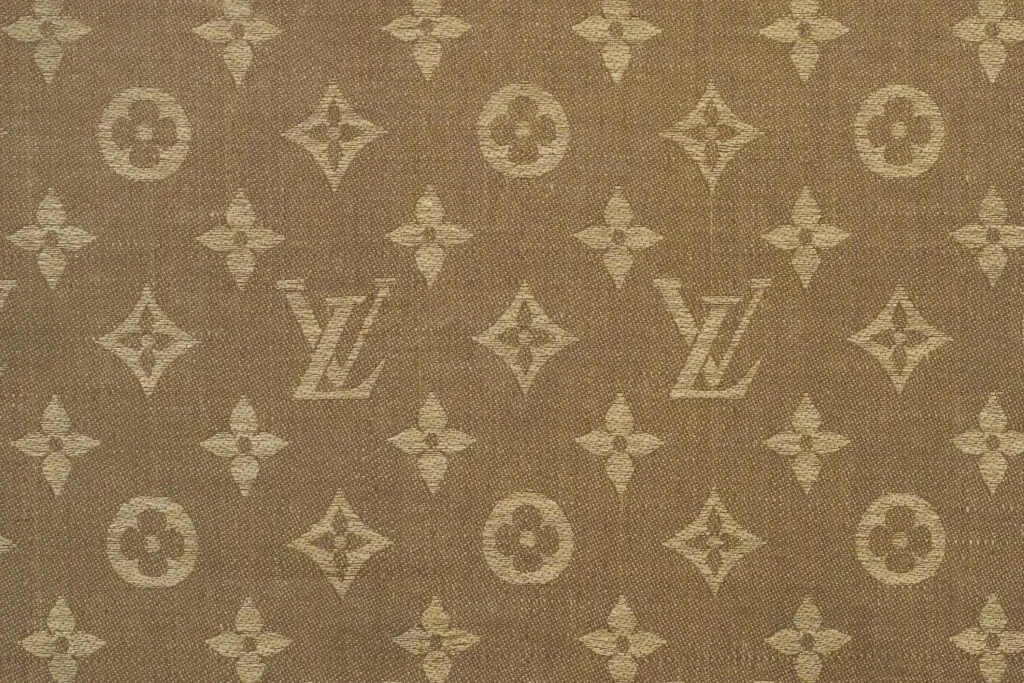
Introduced in 1896 by Georges Vuitton, the monogram was never meant to be ornamental alone. It was born out of necessity: a response to counterfeiting, a way to protect craftsmanship in an era when industrial reproduction was accelerating. The interlocking LV initials, paired with floral and geometric motifs inspired by Japanese and Victorian decorative arts, formed a pattern that was unmistakable and deliberately difficult to replicate. What began as protection soon evolved into identity.
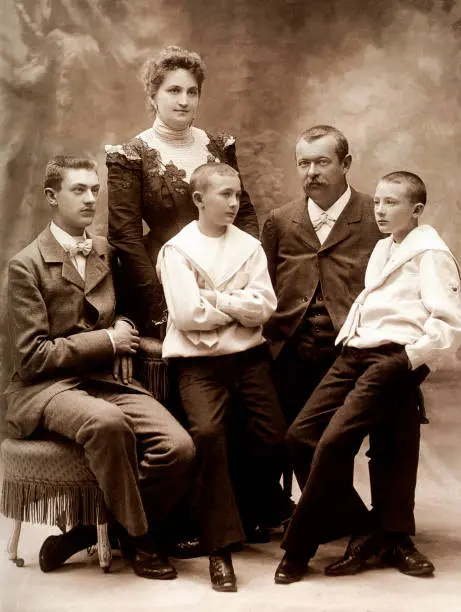
At the turn of the 20th century, the monogram lived primarily on trunks and travel goods, objects made for motion rather than display. These were pieces designed for a new kind of modernity, one defined by steamships, railways, and the romance of movement. To carry a Louis Vuitton trunk was not simply to own luggage; it was to participate in a vision of progress, refinement, and global curiosity. The monogram became a marker of that world.
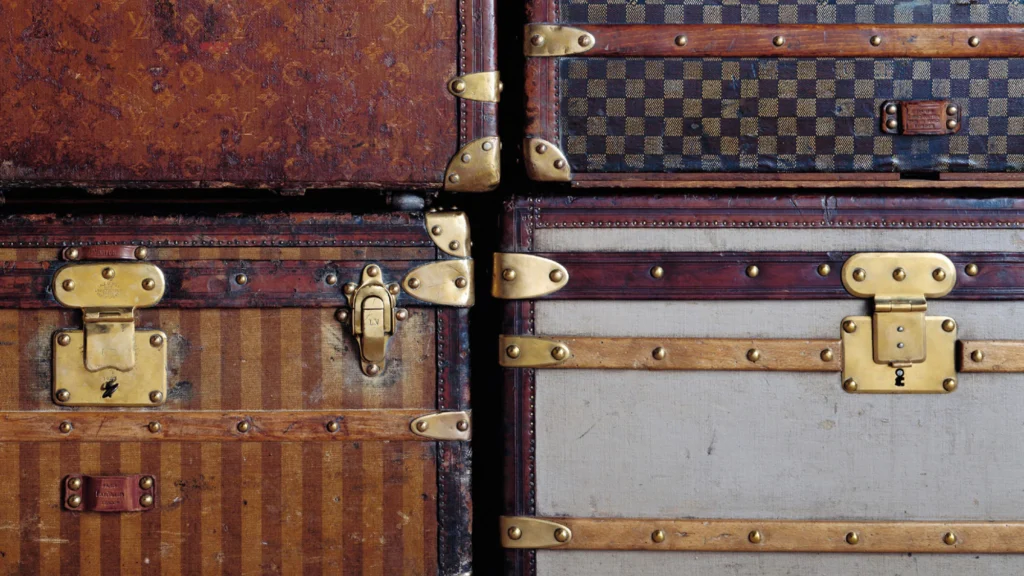
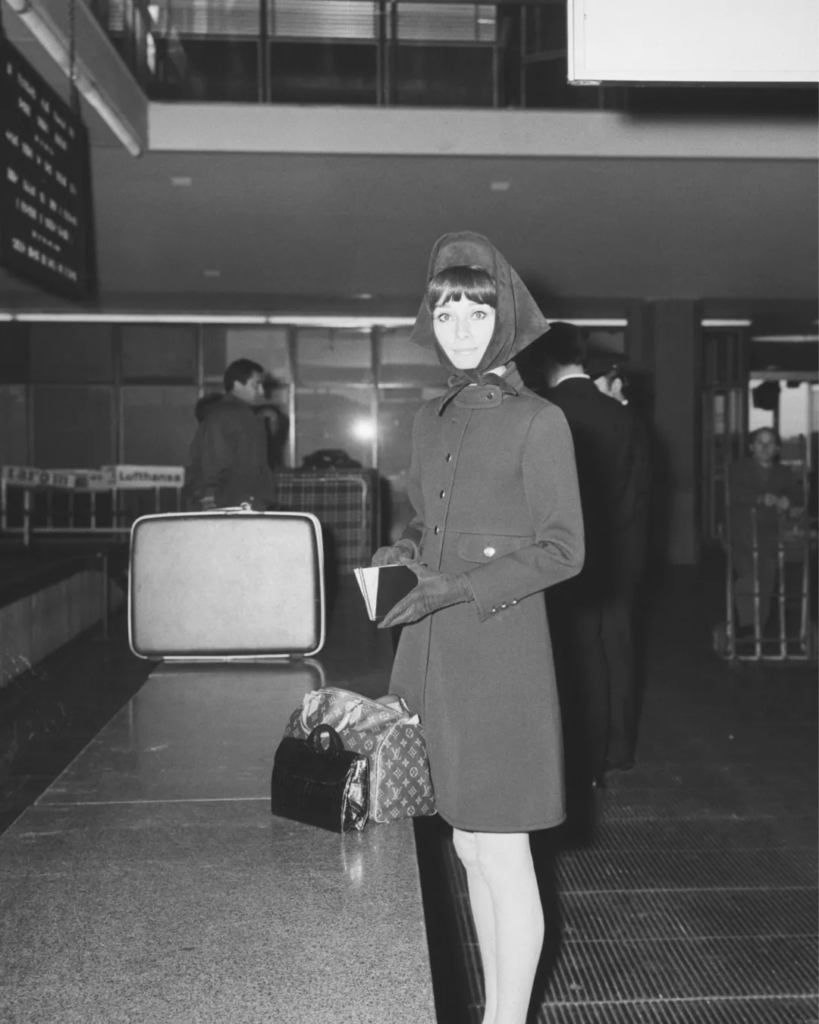
Its history, however, has not been without tension. As logo culture expanded in the late 20th and early 21st centuries, the monogram faced periods of overexposure, when its widespread visibility challenged traditional ideas of exclusivity and taste. Praised for its recognisability yet criticised for its ubiquity, it became a symbol caught between luxury and accessibility. This ongoing tension between status and saturation is key to its lasting relevance.
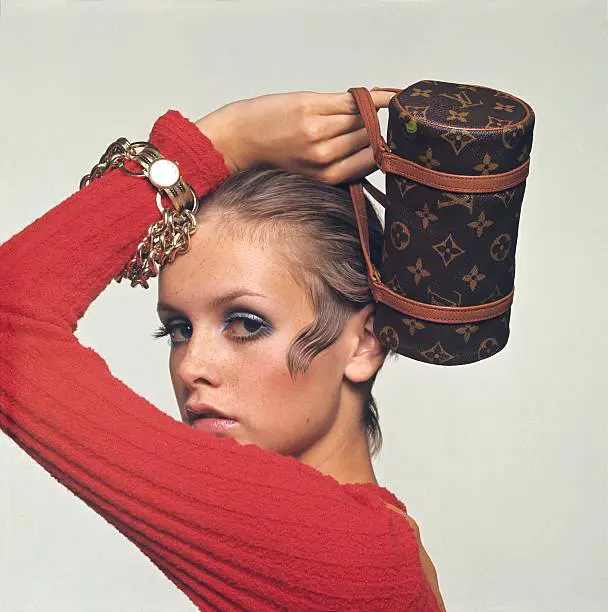
What makes the Monogram enduring is not nostalgia alone, but its openness to reinterpretation. Over decades, it has been reimagined through collaborations, artistic interventions, and material experimentation, allowing it to speak to multiple generations at once. Each reinterpretation adds a new layer to its story without erasing what came before. The Monogram does not chase relevance; it absorbs it.
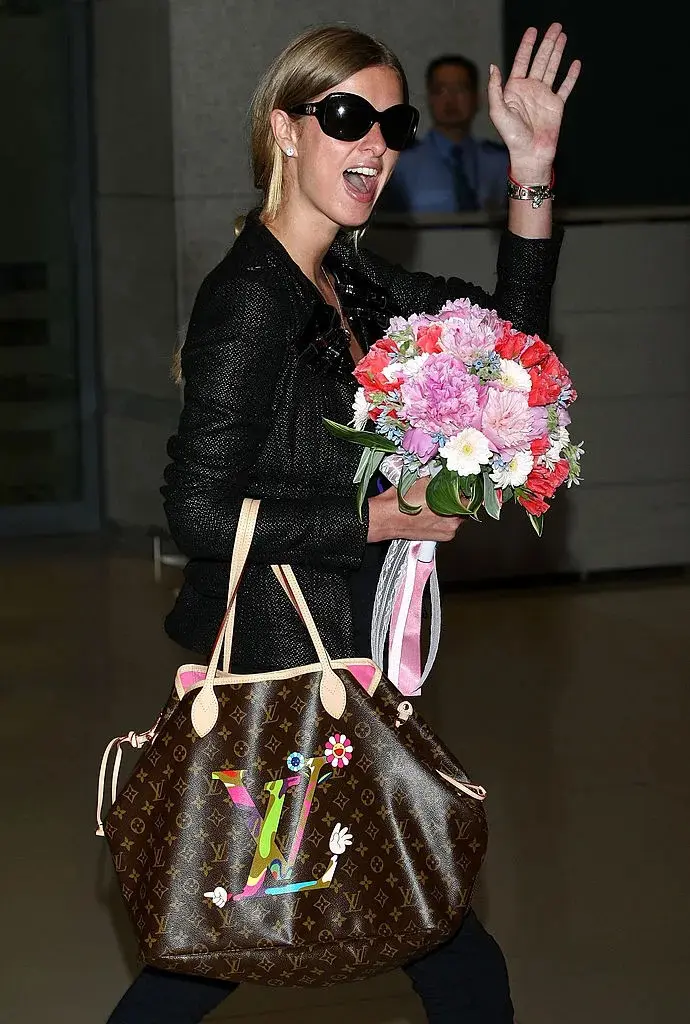

Monogram Origine returns to the source with precision. Drawing from early archival patterns, it revisits the original canvas proportions and muted colorations, emphasizing restraint over spectacle. The VVN capsule centers on natural cowhide leather, a material long associated with Louis Vuitton’s travel heritage whose untreated surface is designed to darken and soften with use, making time itself a visible design element. Time Trunk, meanwhile, engages directly with the House’s trunkmaking savoir-faire, combining rigid structure with trompe-l’œil details that reference historical travel while subtly unsettling it, creating a dialogue between memory and imagination.
In its 130th year, the Monogram reminds us of this: true icons do not resist time; they evolve alongside it. Today, visual symbols like the Louis Vuitton Monogram function as tools of identity, recognition, and continuity across generations. Their power lies not in permanence, but in their ability to evolve, remaining familiar enough to be trusted, yet flexible enough to stay meaningful in a culture that never stands still.