Words by Natasha Djanogly
London Fashion Week is always a cocktail of melancholy grey skies, iconic black cabs, and London’s most stylish running fashionably late — and this February Autumn/Winter season was no different.
Rumours have been circling that London’s dominant place in fashion is waning compared to other major fashion cities like Paris or Milan. However, with its emerging designer talent, daring street style, and focus on sustainability, London proved its cultural relevance and innovative potential yet again. Here are some of the highlights:
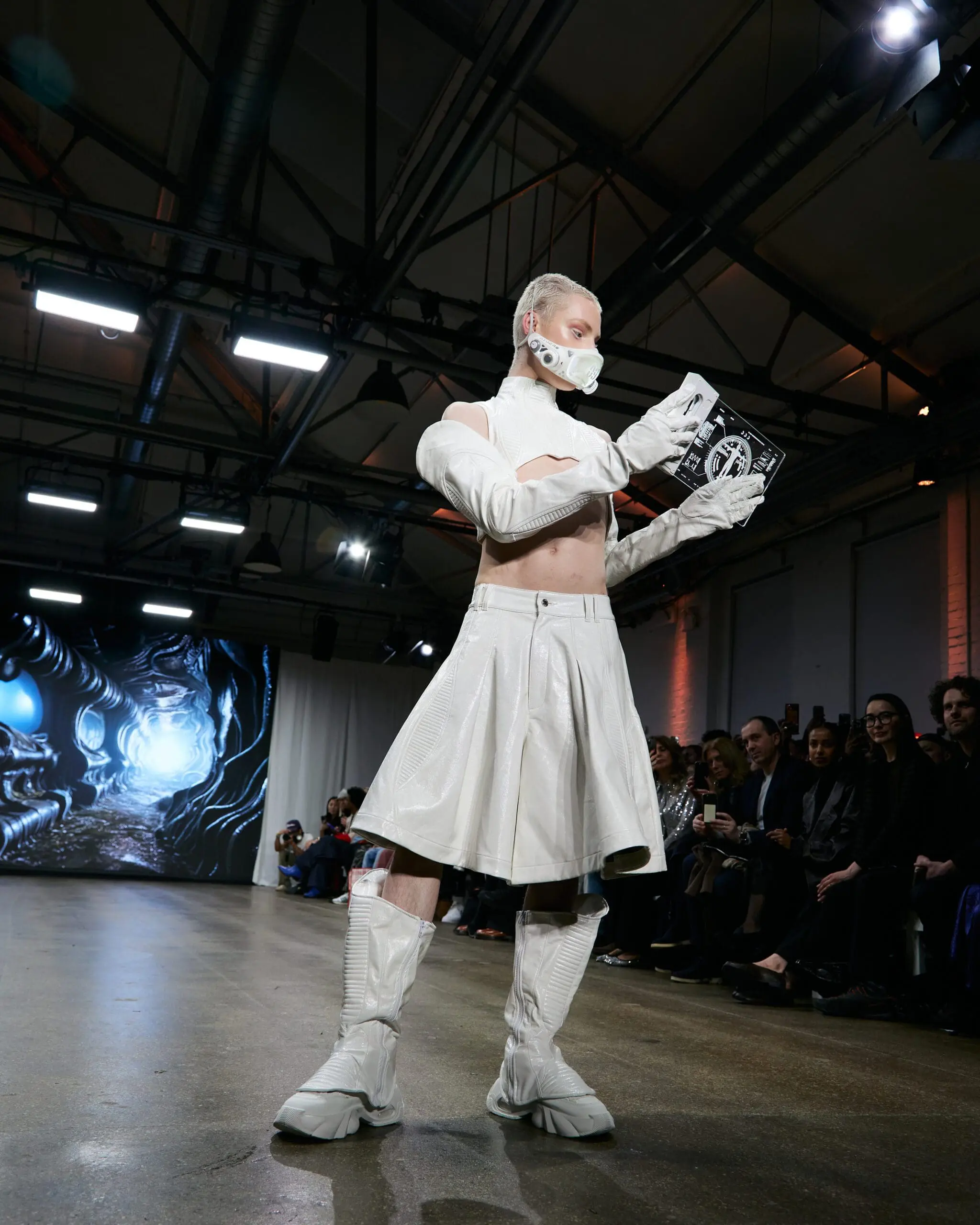
Thursday featured a nod to London’s unique global presence with the very avant-garde Fashion Hong Kong show in Shoreditch. This included Hong Kong-based designers Angus Tsui and ZIDI. Tsui’s collection, entitled GIGER; Perfect Organism, consisted of blunt space-age tailoring, a principally black and white palette, and oversized sleeves transported guests to an otherworldly future.
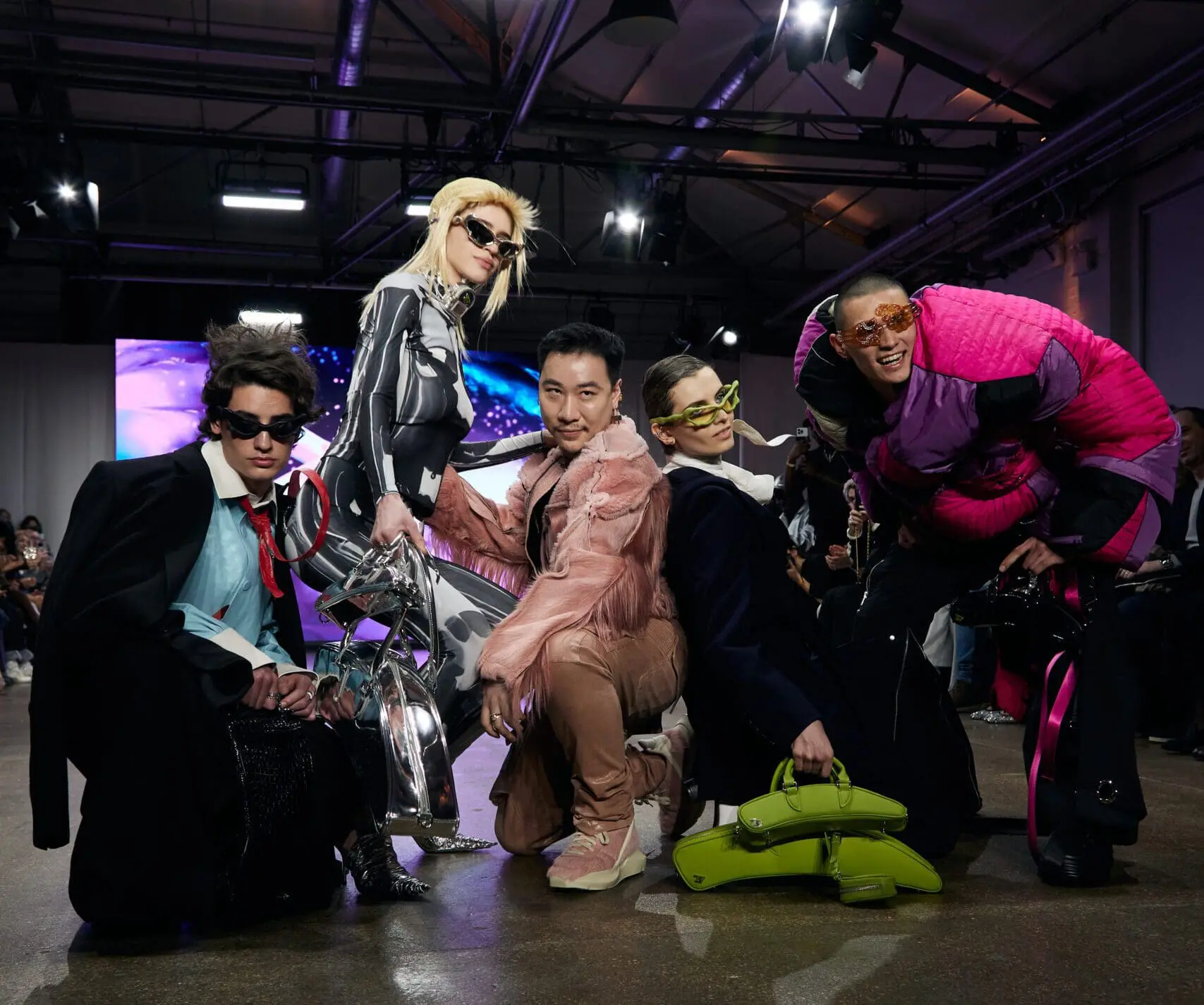
Whereas Zidi’s “Flux” exuberant collection was filled with vibrant hues, asymmetric cuts and inventive textured fabrics such as the parachute-style materials. Amidst the eye-catching pieces, quirky accessories stood out, specifically the red floating tie.
Despite the thrill of the night before, it was a 9 AM start on Friday for Irish designer Paul Costelloe. Inspired by his previous Dressage collection, the show was an ode to his love of Equestrian Riding.
With autumnal greens and browns speckled with pops of bright yellows, oranges, and reds, sculptural silhouettes, playful hosiery, and an assortment of classic Irish tweed and knitwear, the collection was a refreshing statement of elegance and tradition with a hint of rebellious vigour.

The collective of up-and-coming designers presented a dynamic assortment of volumes, patterns and concepts to round off Friday night.
Whether it was WEVE2050’s timeless eco-friendly pieces, SINGURALITÉ’s futuristic designs, or Jean Louie Castillo’s eerie mourning-inspired ensembles (notably featuring a terrifying performance titled The Widow), the show emphasised the fluidity and creativepotential of contemporary fashion.

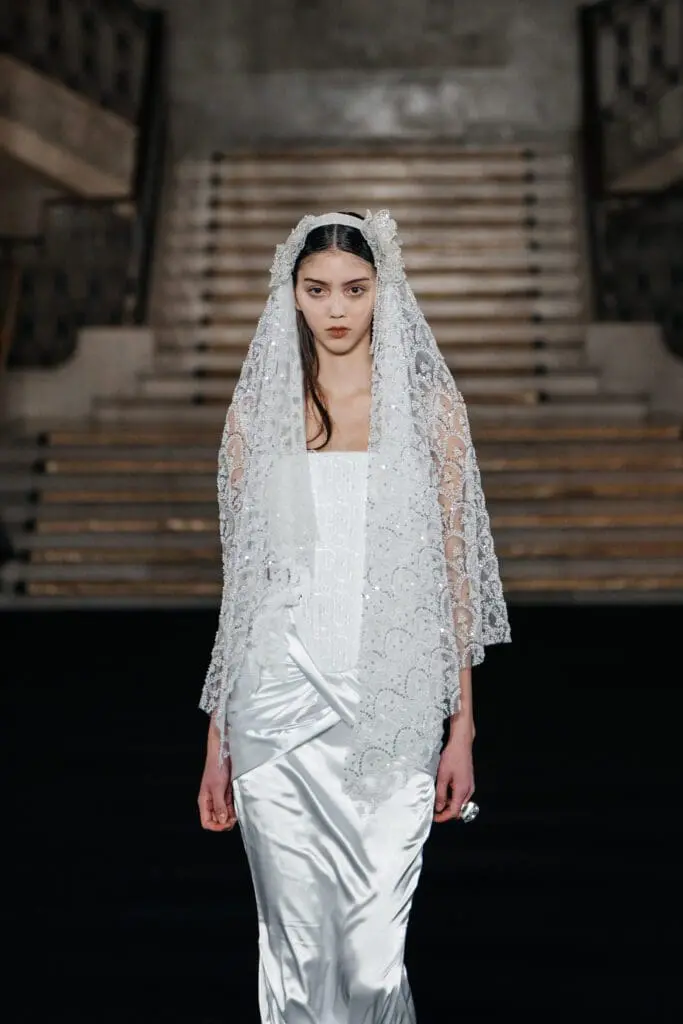

On Saturday, Sinead Gorey — a South East London-originating brand known for its nightlife, subculture, and rave aesthetic — invited guests to a gritty, fried-chicken-scented underground car park in central London to witness and reimagine the familiar Walk of Shame.
Encircled by atmospheric smoke and draped in stereotypically “girly” hues, bedazzled Chuck Taylor heels, and kissing lips-printed ensembles, models took fierce strides down the car park-turned-runway.Despite it being 2:30 in the afternoon, the angsty makeup, coquettish attire, and KFC burgers being consumed on the runway fully captured the chaotic, euphoric, comfort-food-craving aftermath of a big night out.
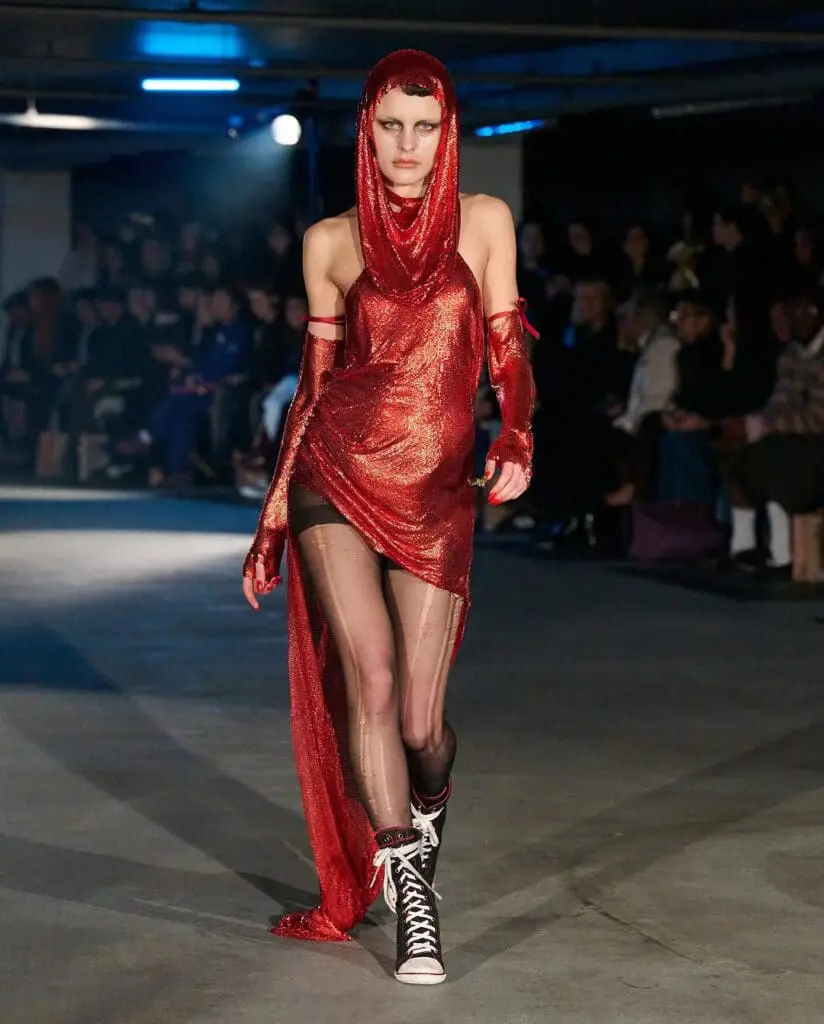
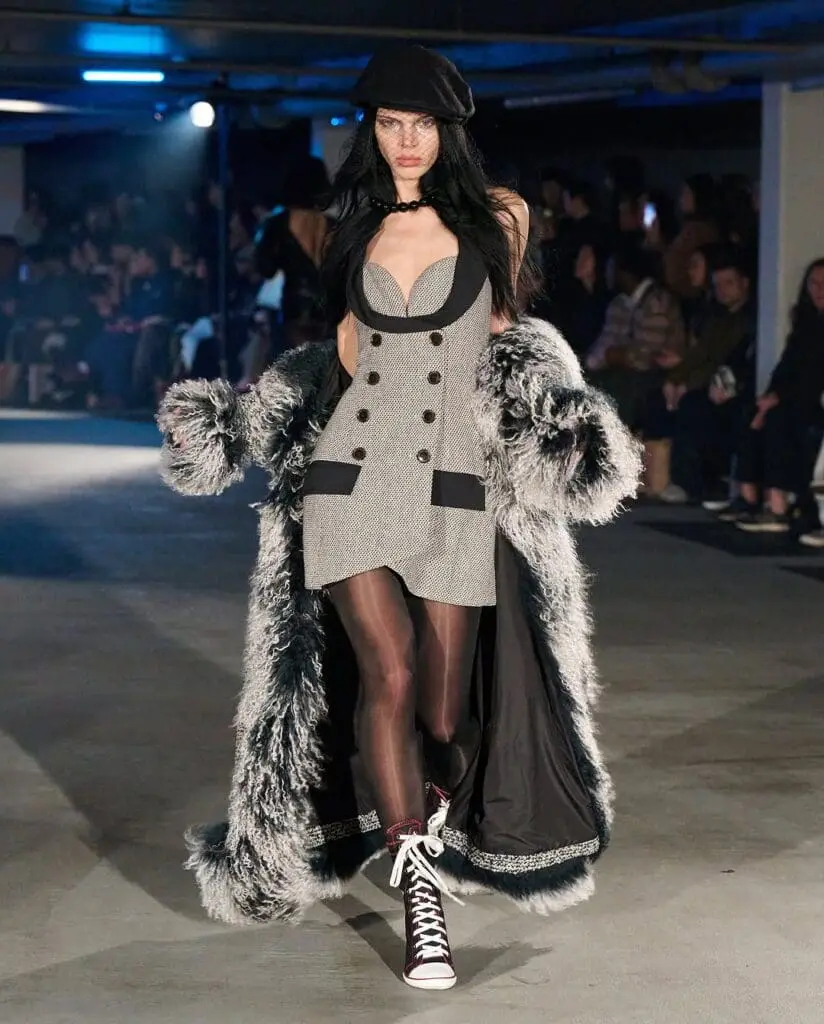
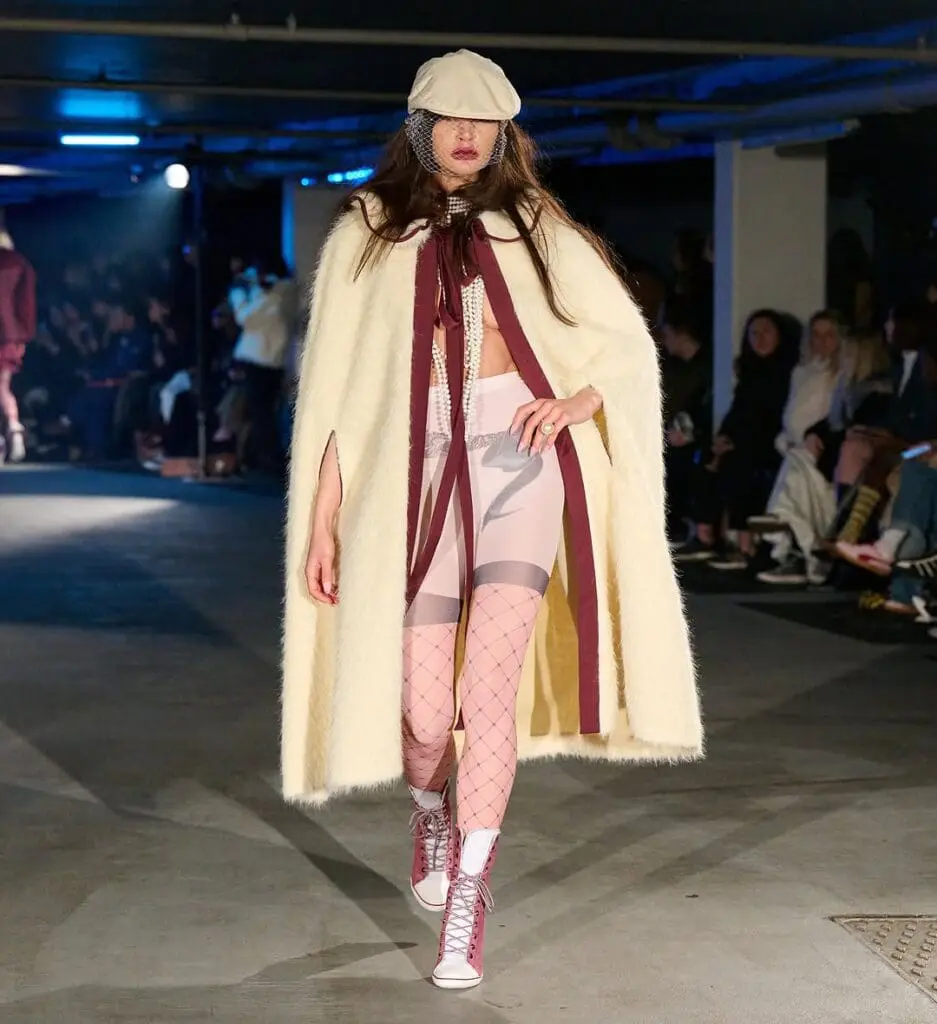
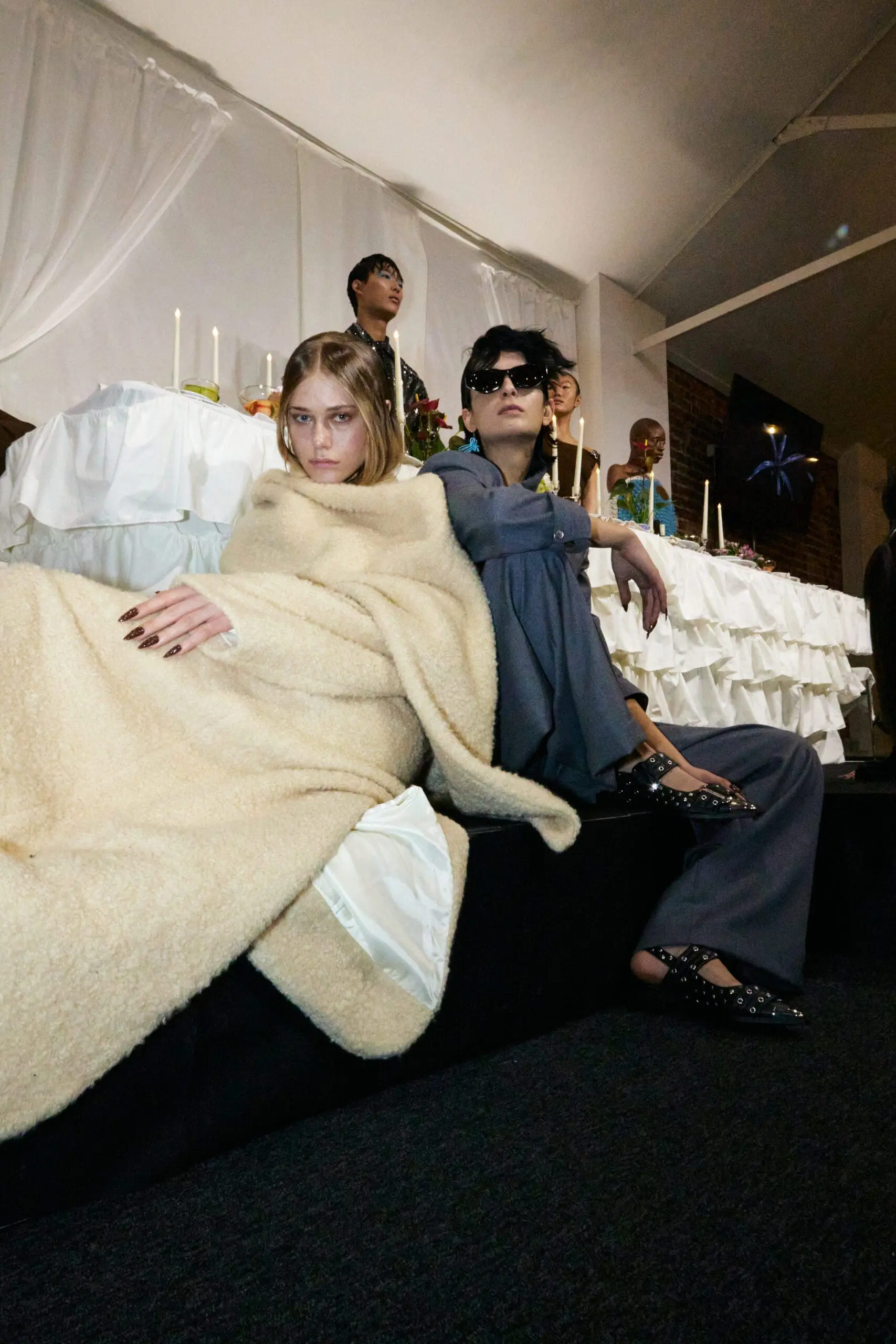
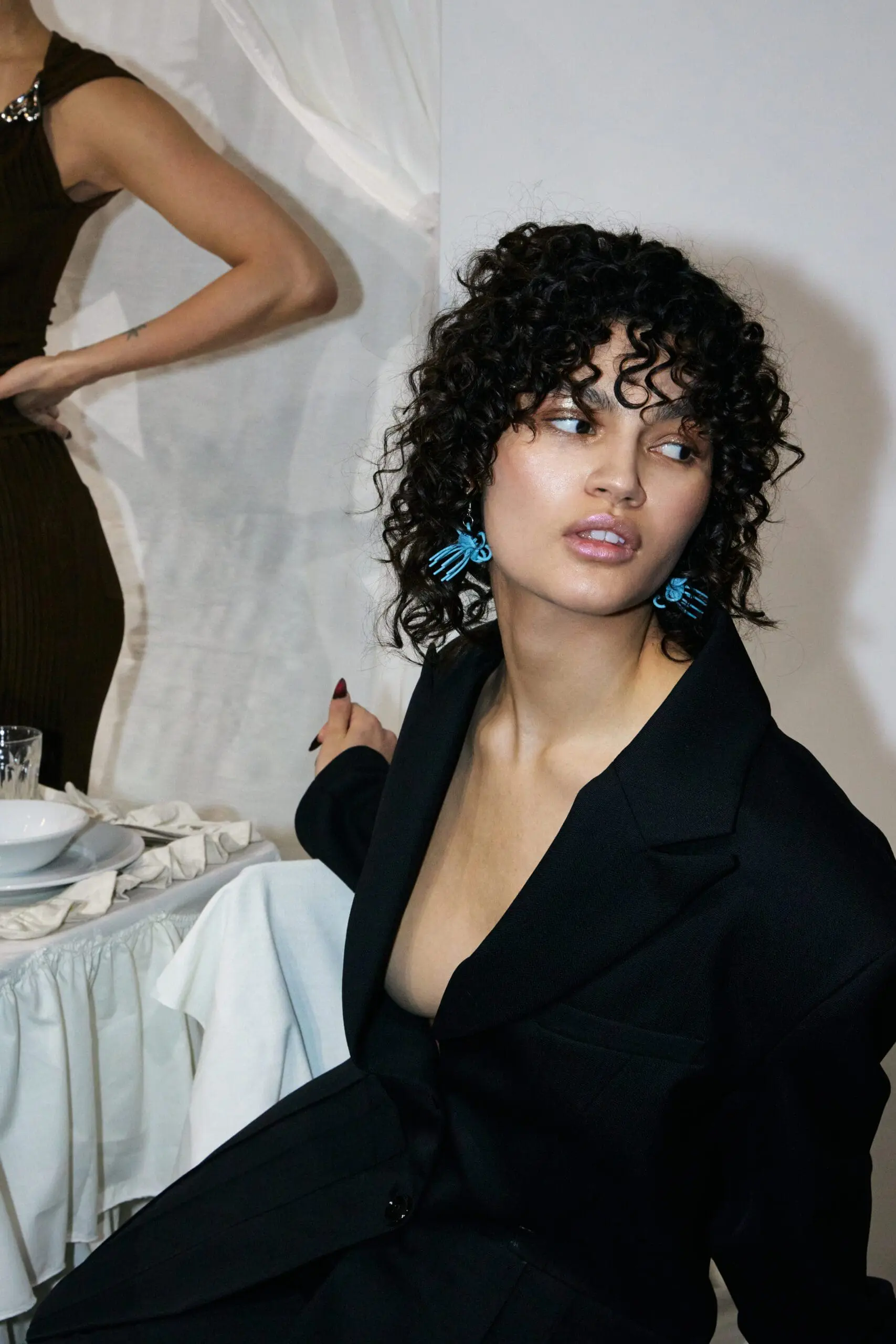
Framing the scene of an adorned dining room table, Taiwanese designer Ray Chu showcased his gender-fluid and eco-friendly collection inspired by the resilience of the Blue Cypress Tree. The collection featured both minimalist pieces, like the matching red set, and more extravagant ones, like the layered long cream jacket.
With asymmetric cuts and sculptural forms constructed with soft, biodegradable SECAO fibres, Ray Chu highlighted sustainability’s potential to enable and inspire innovation.
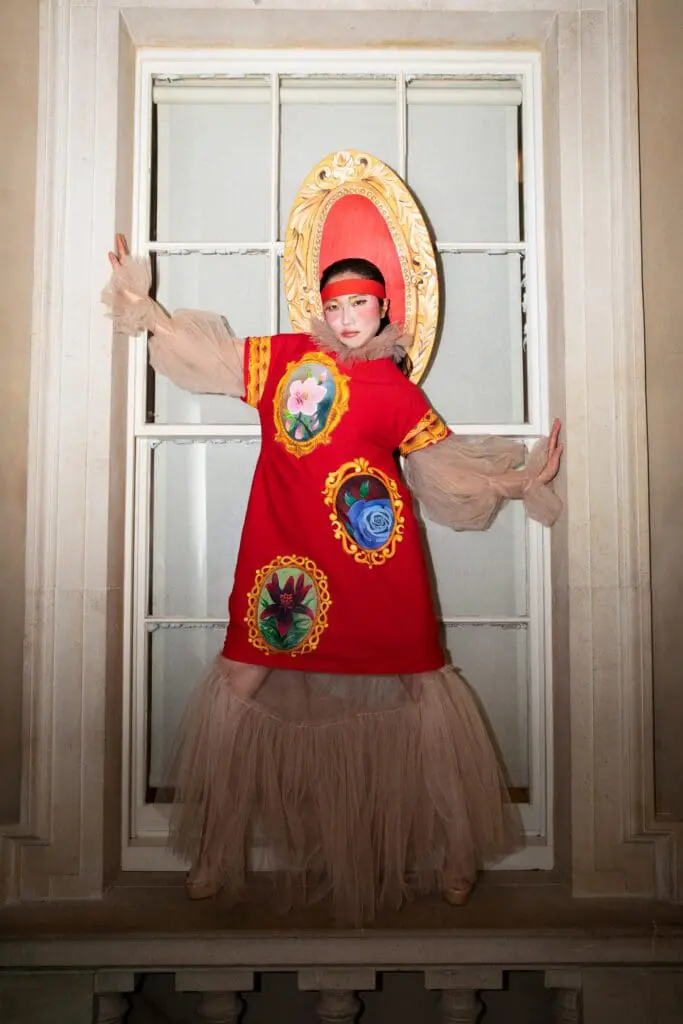
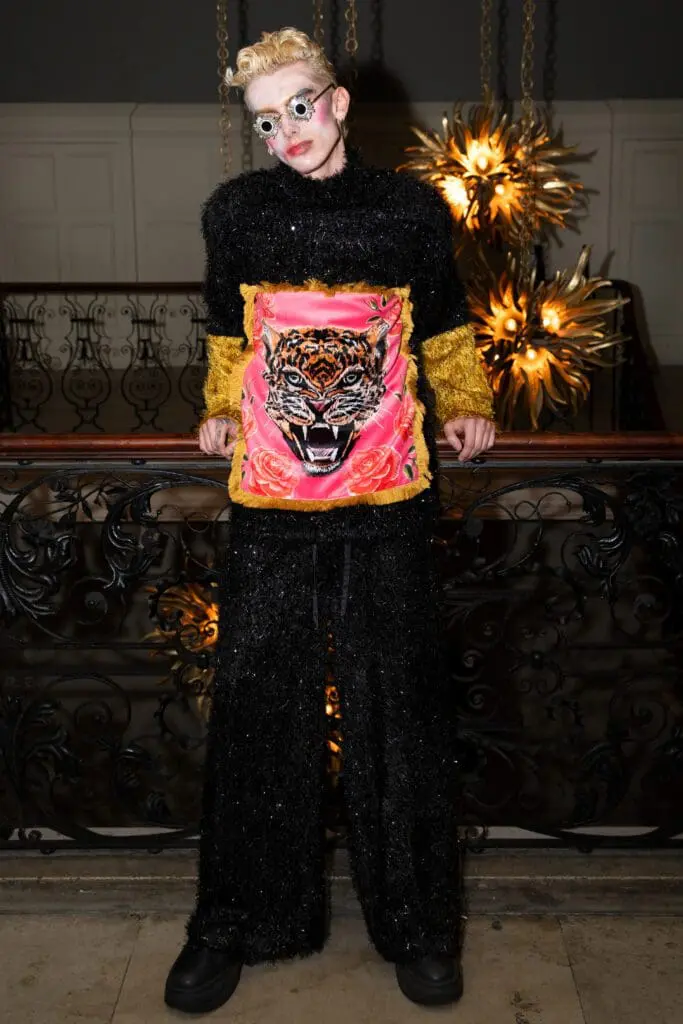
On Saturday evening, LEM, a Tbilisi, Georgia-based brand, brought guests to the majestic art galleries of the Royal Academy to celebrate the relationship between art and fashion. Models were shrouded in wearable artworks, some fully encased by literal classic gold frames.
The vivacious looks — whether adorned with roaring tigers, graphic patterns, dramatic doll makeup, or oversized puffy neon veils — created an animated, sublime, and theatrical show that fit perfectly into London’s animated spirit.

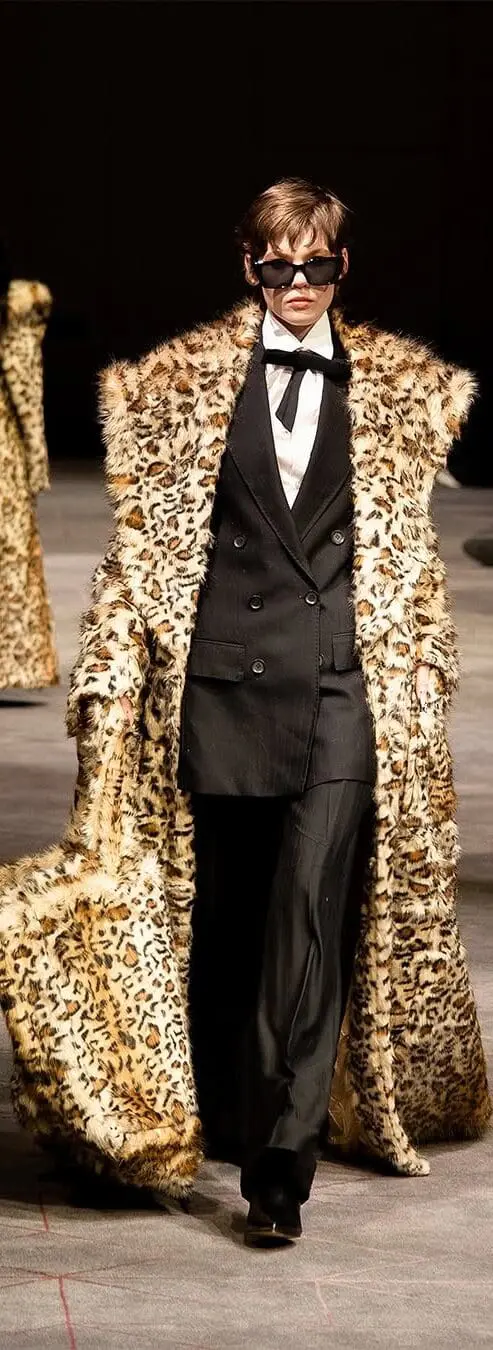
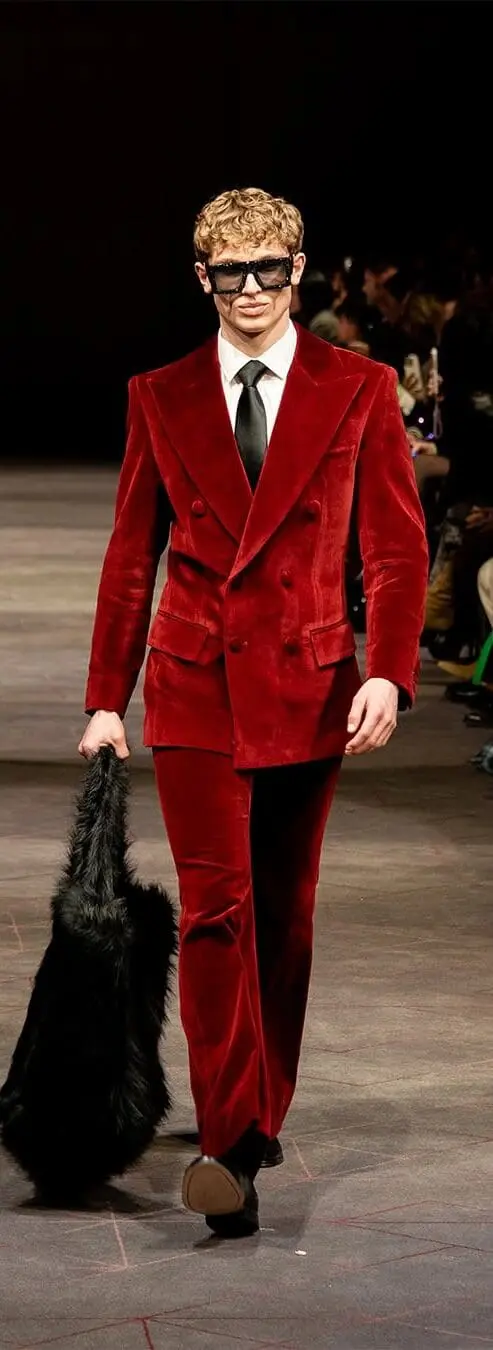
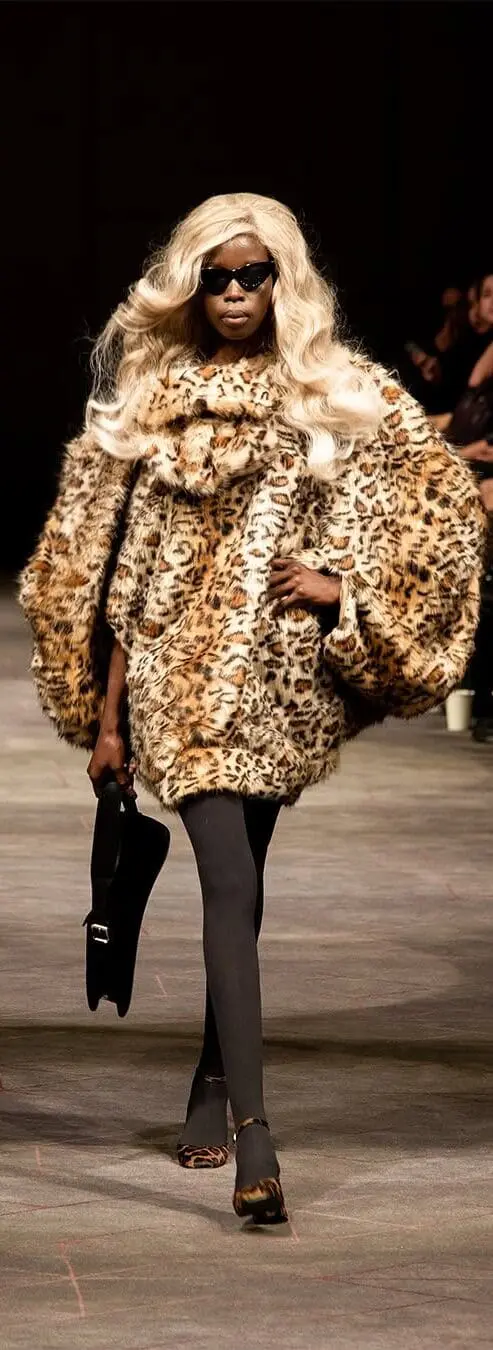
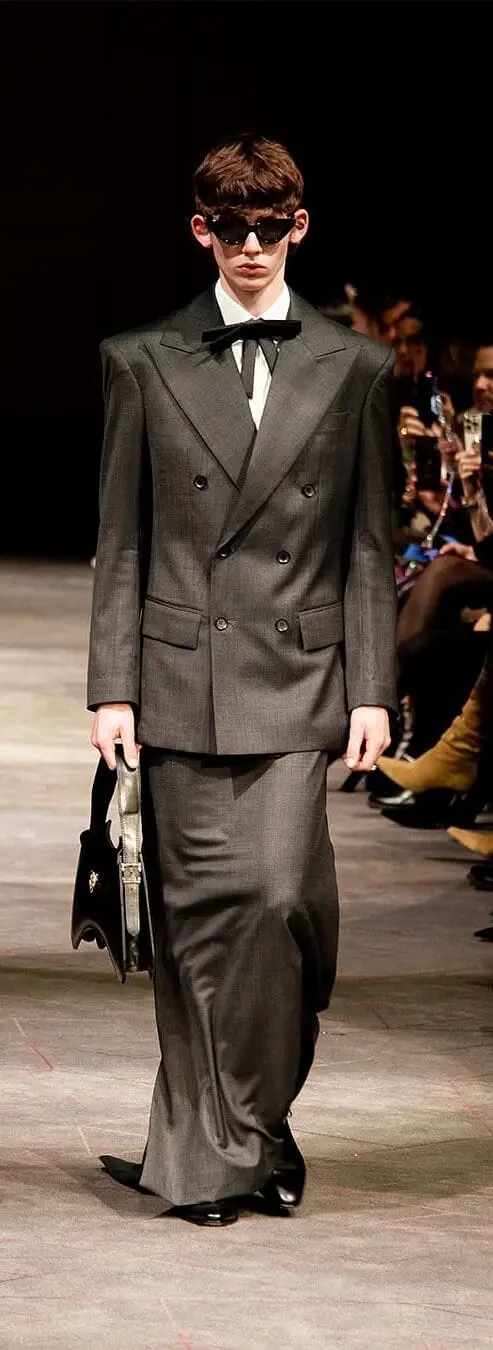
Also on Saturday night, Helen Anthony presented his breathtaking Gemini collection, where avant-garde tailoring, animal print, and crochet came together in an unlikely yet mesmerising match.
Whether cropped, oversized, sheer, pinstriped, fluorescent, fluffy, crocheted, or doubled, the pieces — most notably suits, jackets, dresses, and bodysuits — came in every variation possible. The cheetah print, in particular, appeared in several tones and unexpected combinations, such as a fluffy bodysuit to large handbags.

As part of NEWGEN, British Nigerian designer Tolu Coker showcased her talent with a Sunday evening runway show.
Centred around cultural identity, storytelling, and the art of making, the collection entitled Ori — Upon Reflection drew from West African and broader African diasporic culture, specifically Yoruba spirituality and Sunday Best style. Sustainability was also a core part of Coker’s making process, with the collection largely based on upcycled and repurposed materials.
Accompanied by live jazz, the collection featured vivid tones, intricate layering, and deconstructed tailoring, such as reimagined corsets and panelling. With its rich cultural references and visually magnificent pieces, guests were fully engrossed by the story Coker shared.
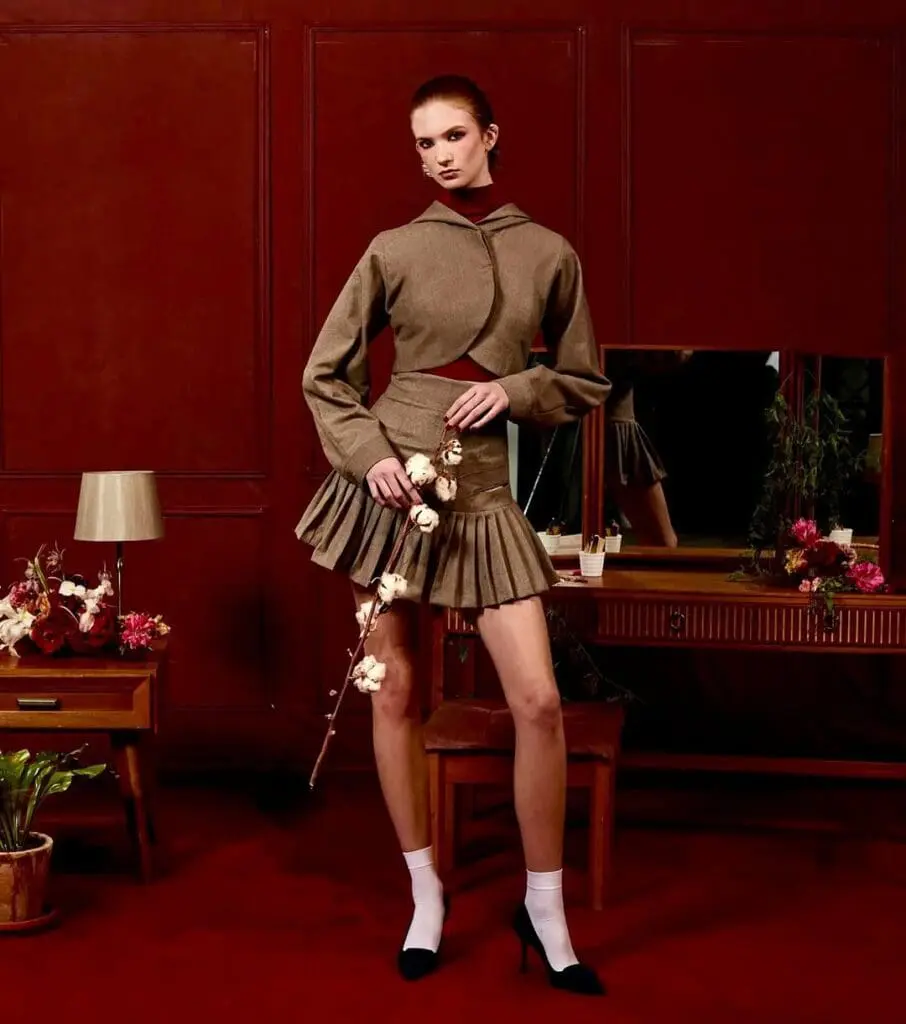

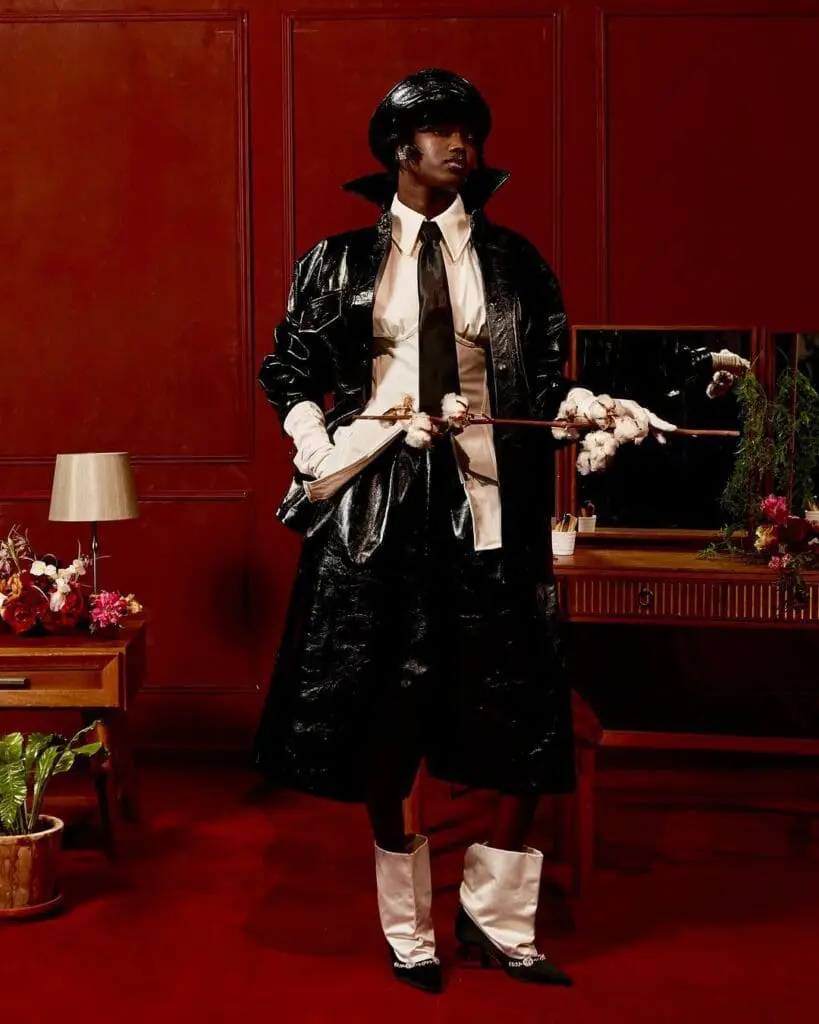
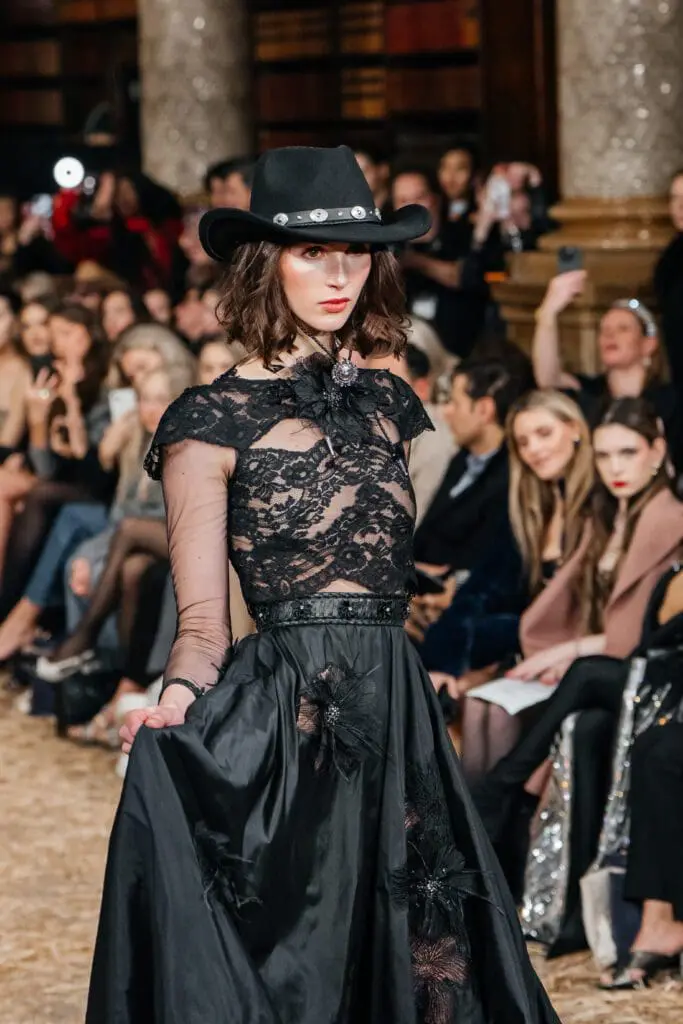
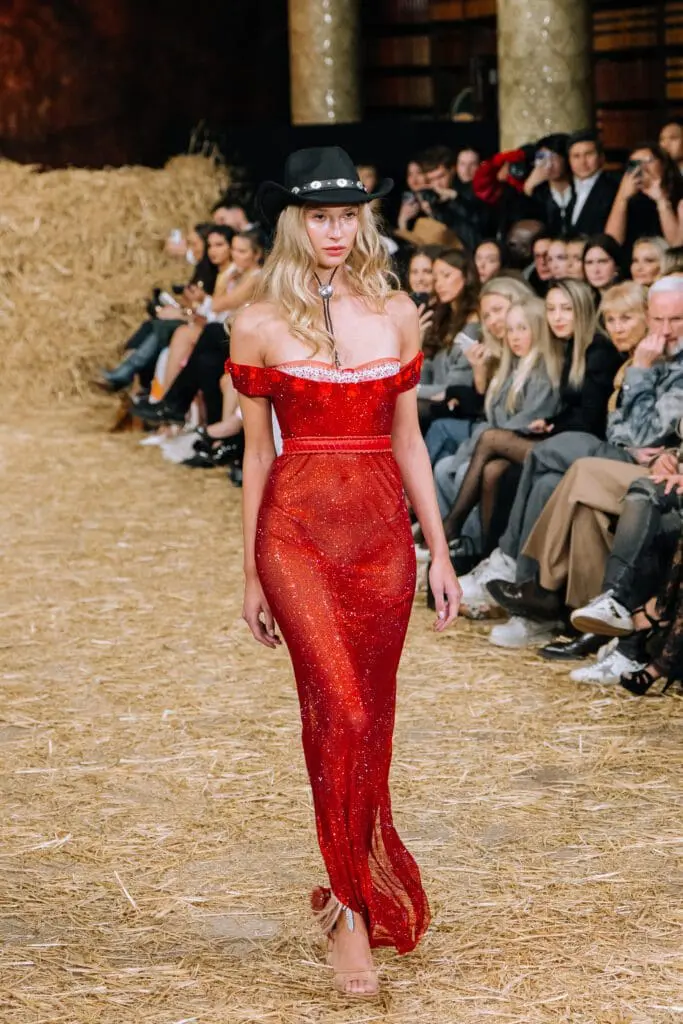
Amidst the last-day chaos, London-based designer AADNEVIK presented its show entitled “Western Star.”
From cowboy hats and hay scenography to embroidered lace and tulle-enrobed wedding gowns, to various levels of sheer, the show evoked both dazzling glamour and a rugged, unruly West.
One of the standout looks consisted of a sheer, long red crystal gown and leather belt ensemble.

After a hectic and windy five days, London Fashion Week concluded. Whether it’s London’s cutting-edge sustainable practices, diverse and subversive narratives, abundance of new designers, or just the striking designs, the city demonstrated its rebellious, lively, and forward-thinking spirit — claiming its position as a fashion capital.
As everyone flies off to Paris for Paris Fashion Week, no one will forget London — especially when it’s day four and everyone is craving KFC chicken nuggets.