
Words by Natasha Djanogly
Edited by Valerie Aitova

Christian Louboutin might be known for its iconic red soles and timeless elegance, but the brand is about to be taken for a bold spin by its newly appointed men’s artistic director: rapper, style icon, and nepobaby Jaden Smith.
At once exciting yet risky, the decision has left fashion shaken, caught between the potential advantages and fear regarding the brand’s future and the rampant nepotism, exclusivity, and buzz-chasing capitalist interest dominating the fashion industry.
Whether it’s other nepobabies, actors, or musicians, the 27-year-old son of Will Smith and Jada Pinkett Smith is not the only celebrity being accused of illegitimately infiltrating fashion. When music producer Pharrell Williams became Louis Vuitton’s men’s creative director in 2023, some were furious regarding his lack of credentials. The same is true for supermodels like Kendall Jenner, the Hadid sisters, Lily-Rose Depp, and Kaia Gerber, who face criticism for bypassing the hard work, struggle, and talent that others need to do or have by leveraging the fame of their parents and privilege to gain success.
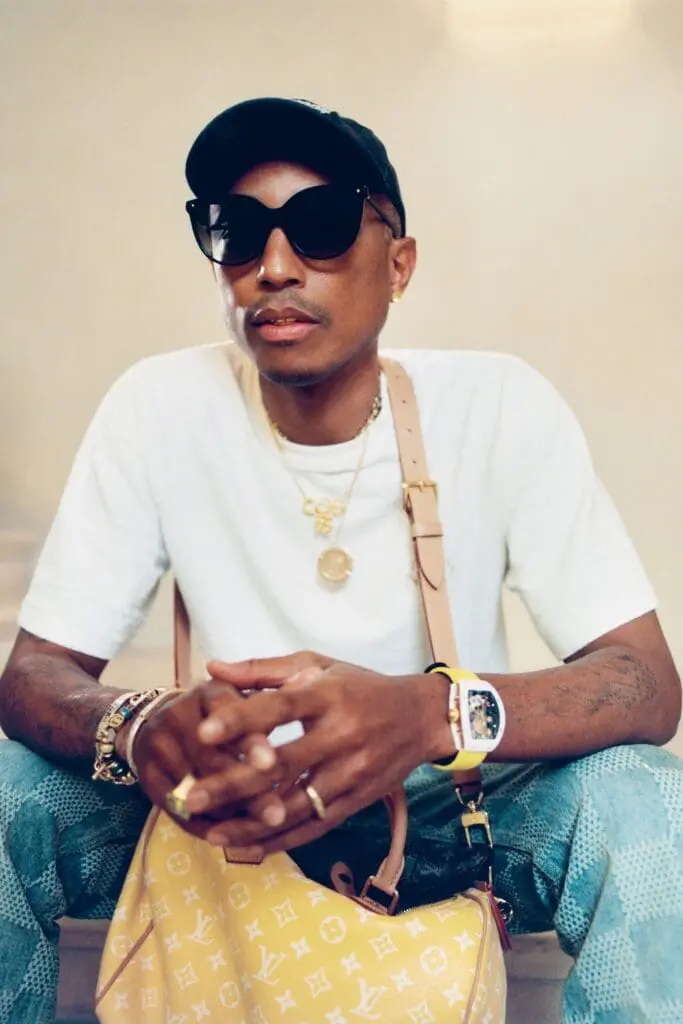
The issue isn’t the figures themselves, many of whom are talented, it’s the overwhelming threat that this trend poses to fashion’s future. Fashion needs innovation and democratisation, but this pattern just propels us towards an increasingly unfair, elitist and stale industry that prioritises clout over creativity and design.
With his appointment still fresh, it’s Smith brewing this debate. Despite the concerns, there are convincing arguments behind Smith personally being the right person for the job — a role that he is claiming to take seriously:
“This is one of the biggest honours of my life, and I feel a lot of pressure to be able to live up to everything that Christian has done for the house, and also stepping into such a serious role,” Smith explains.
Firstly, Louboutin himself is convinced that Smith is the future of the brand and created the position just for him. The designer has known Smith for six years and showers him with praise regarding his “playful,” “thoughtful,” and “surprising” dress sense, “kind,” and “interesting” character and, most importantly, his unique wide-angle world view.
“He’s someone who’s very curious, who’s very panoramic, who does a lot of things, who’s interested and who connects all the things he does… He has a way of seeing things, of digesting things, of transforming that really connects with my way of functioning.”
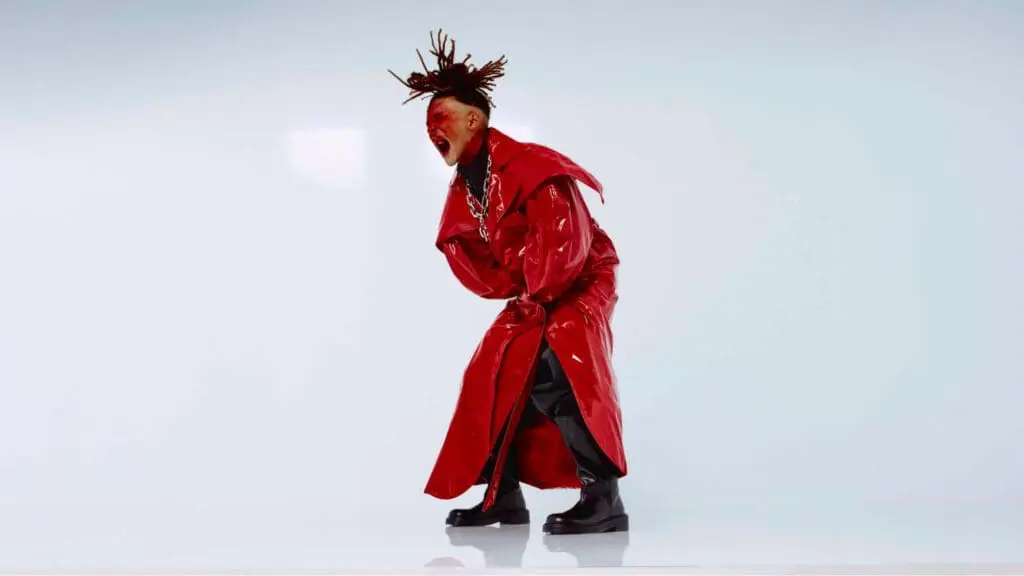
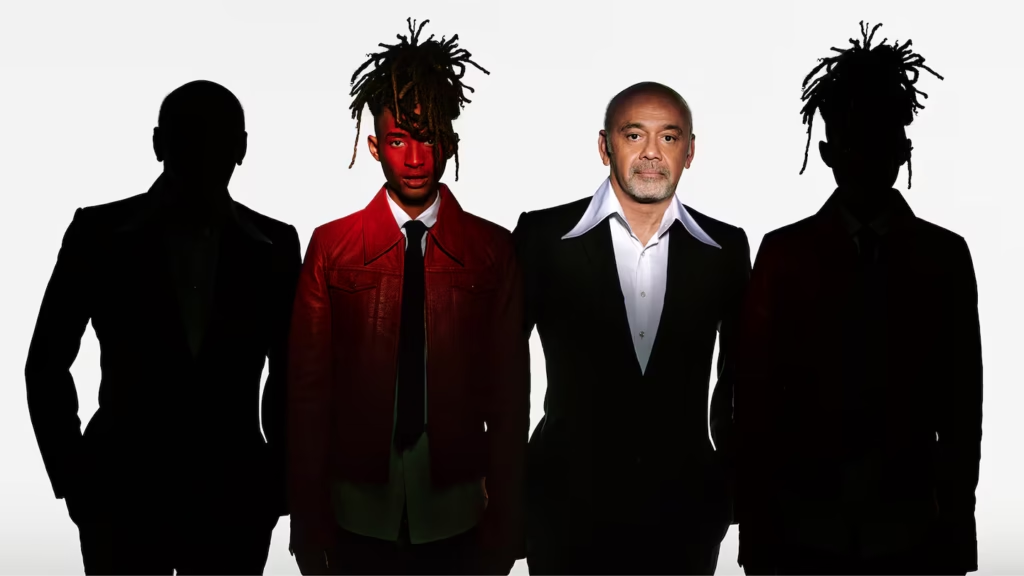
This holistic approach to fashion is the future.
Fashion is not a singular entity but deeply intertwines with music, art, sport, beauty, and culture and has an immense environmental, social, and economic impact. To stay relevant and interesting, fashion brands must integrate people from “other” industries and perspectives like Smith. This exact reason is why Pharrell Williams was chosen as artistic director of Louis Vuitton.
“It was a risk. After Virgil [Abloh], I couldn’t have chosen a traditional designer. I needed someone with something extra, a creative person who touches people’s hearts through music, collaborations… With Pharrell, we’ll probably reach people who had never heard of Louis Vuitton or thought LV had nothing to offer them,” explained Pietro Beccari, CEO.
At the same time, for this approach to be effective, the brand must also ensure that cross- industry integration and celebrity clout does not override fashion’s own identity and that substance and creativity must remain the priority. If a brand can reach that perfect yet hard-won balance, it can catapult them to long term success.
Secondly, when it comes to Smith, growing up in the spotlight and being a musician comes with a unique set of challenges and experiences that align with the artistic director role. Rather than tailored design, the position mostly consists of an overarching directive approach to a brand – for example, developing campaigns, experiences, and events – making Smith’s personal familiarity with pop culture and the public space invaluable.
Smith is also no novice when it comes to fashion; he has a remarkable roster of experience and has become something of a fashion icon. GQ even described him as “a superstar who has taken fashion to an entirely different level.” Not only did Smith co-found his own streetwear label, MSFTSrep, but he also collaborated on collections with Levi’s, G-Star, and New Balance.

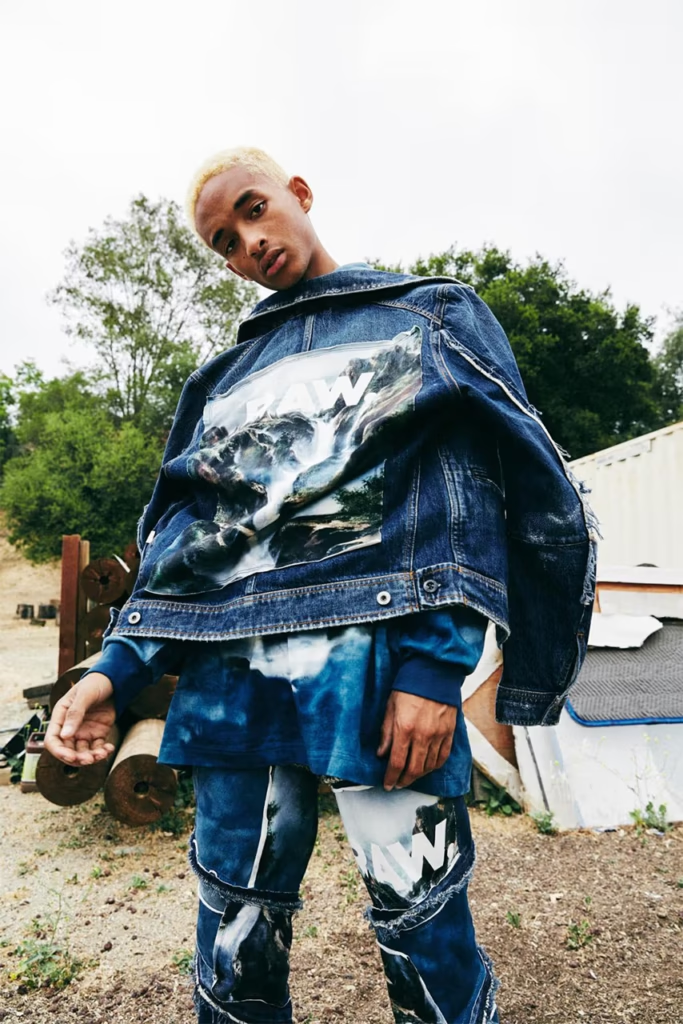

Specifically, Smith has become recognized for his experimental, forward-thinking, and gender-fluid style. These include his 2016 Louis Vuitton skirt ensemble for the womenswear line and the viral moment in which his own dreads became his date to the Met Gala. While these looks sparked controversy or rumours regarding his sexuality, Jaden remains unfazed and continues to dress the way he wants.
“In five years, when a kid goes to school wearing a skirt, he won’t get beat up and kids won’t get mad at him… If I wanna wear a dress, then I will, and that will set the new wave.”
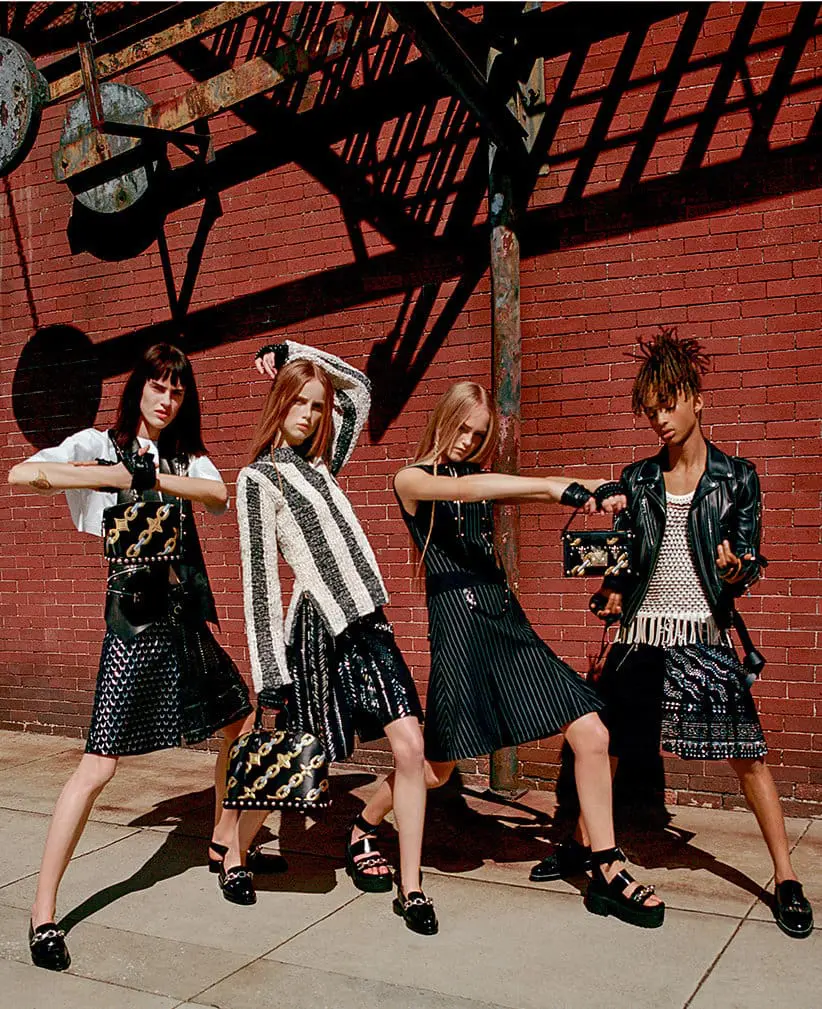
Identity expression is so politicized and relevant nowadays, especially for the younger generation. Smith’s relatability and visible openness with his own identity will attract younger or less conventional consumers who wouldn’t have otherwise felt represented or accepted in luxury fashion. Moreover, with his almost 20 million Instagram followers coupled with Louboutin’s huge reach, Smith will have the influential power to potentially dismantle wider social constraints regarding gender, identity, bullying, and discrimination.
Inclusivity is just one of the many advantages that Smith could offer Louboutin. From co-founding sustainable water company Just Water and launching a mobile vegan restaurant for the homeless in Los Angeles to doing sustainable collabs with G-Star and Levi’s, Smith is a climate activist and already thinking about this commitment when it comes to Louboutin, a brand with a sustainability rating of “Not good enough” by Good On You.
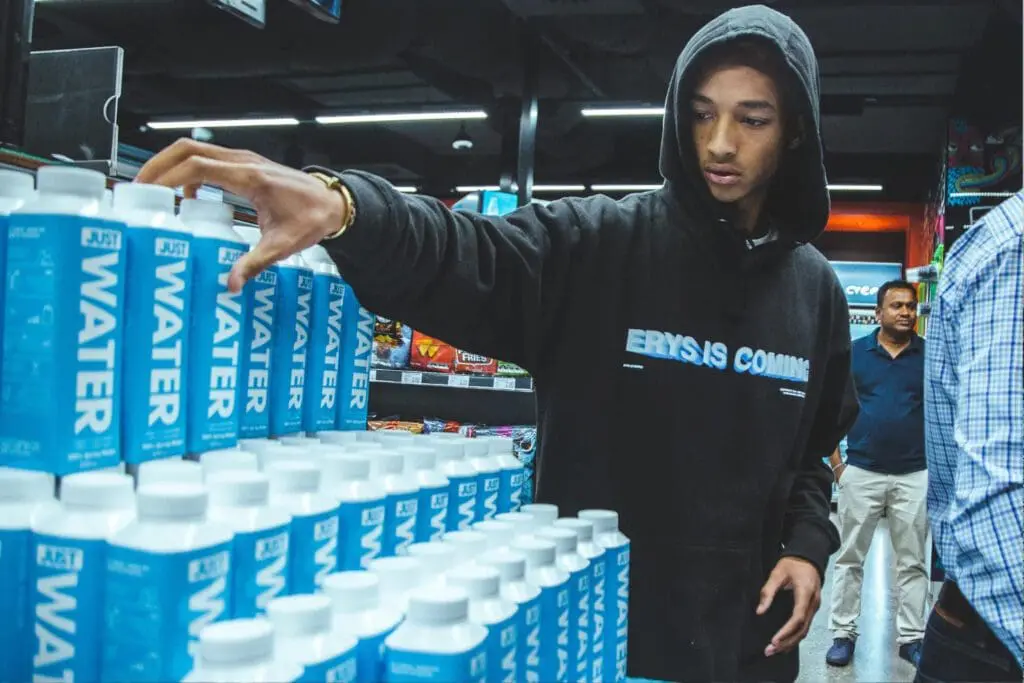
“One of the first questions he had was about our sustainability efforts, because it’s important to him. And that is very, very, very good because we have started to do a lot of important work around sustainability.”
While Smith has the influence, fresh perspective, and social aspirations that the role needs, his potential does not guarantee tangible, long-lasting change and risks causing more harm than good.
With so many other credible candidates, the risk is that Smith’s presence at Louboutin leans towards a tokenistic and clout-driven marketing strategy that aims to utilise his social relevance to rejuvenate, modernise, and hype up the brand’s image rather than a real, committed desire for creative exploration, diversity, and sustainability.
It’s impossible to predict how much power Smith will really be granted, because his simple presence, even if passive, will suffice to act like a distractive buffer for real change and artistic direction. This of course comes with a whole other host of wider industry problems that Smith risks contributing to, such as the endless cycle of nepobaby exclusivity or loss of fashion identity.
Whether Smith will rise to the occasion or fall into the PR trap is a mystery. But with his first collection being unveiled in January, we will soon find out. Progress in fashion is urgent, yet always so temporary, superficial, and trend-driven. With Louboutin being a company valued at $3 billion with huge cultural and environmental influence, we can only hope that Smith will be the exception — because the world cannot afford another performative gesture.
And somewhere between all this, a question: what is your #HaveYouGotYours?


