
Words by Valerie Aitova
Fashion has always been about signaling. A tailored suit in the boardroom, ripped jeans at a concert, a Margiela mask on the runway – clothes tell stories before we even open our mouths. But in 2025, those stories increasingly read less like individual statements and more like collective manifestos. If you’ve been watching TikTok, Coachella crowds, or just your local high street lately, you’ll notice: fandom has crept into the wardrobe.
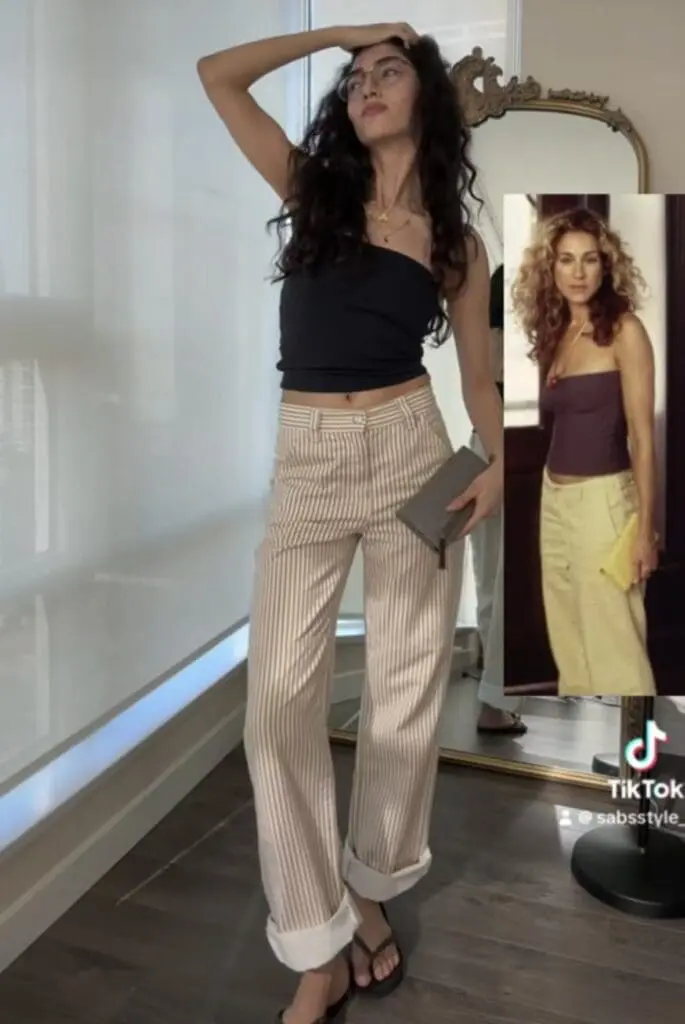
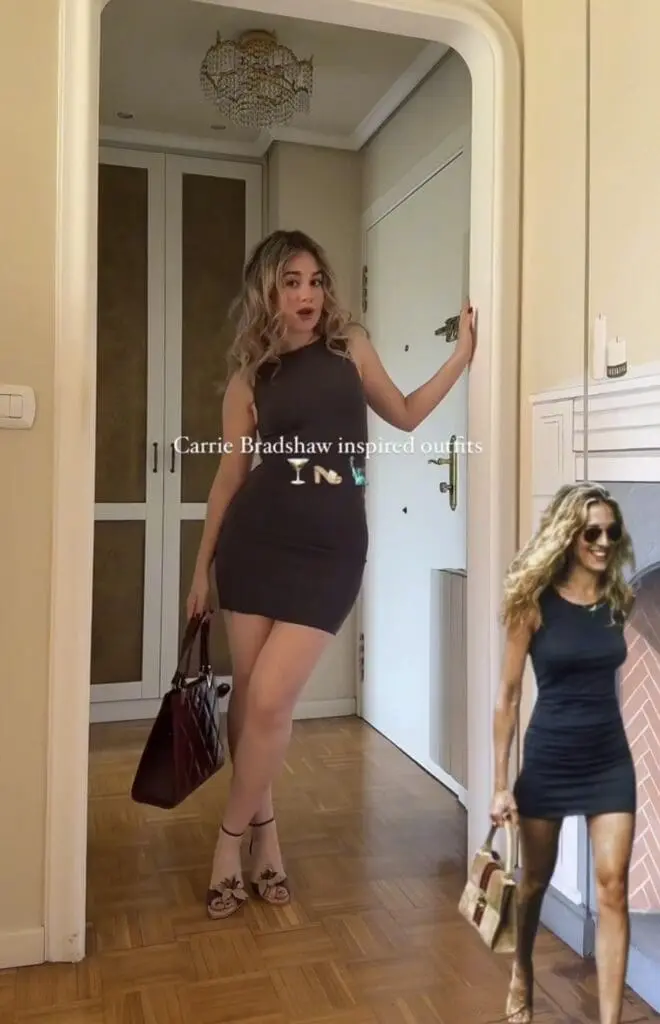
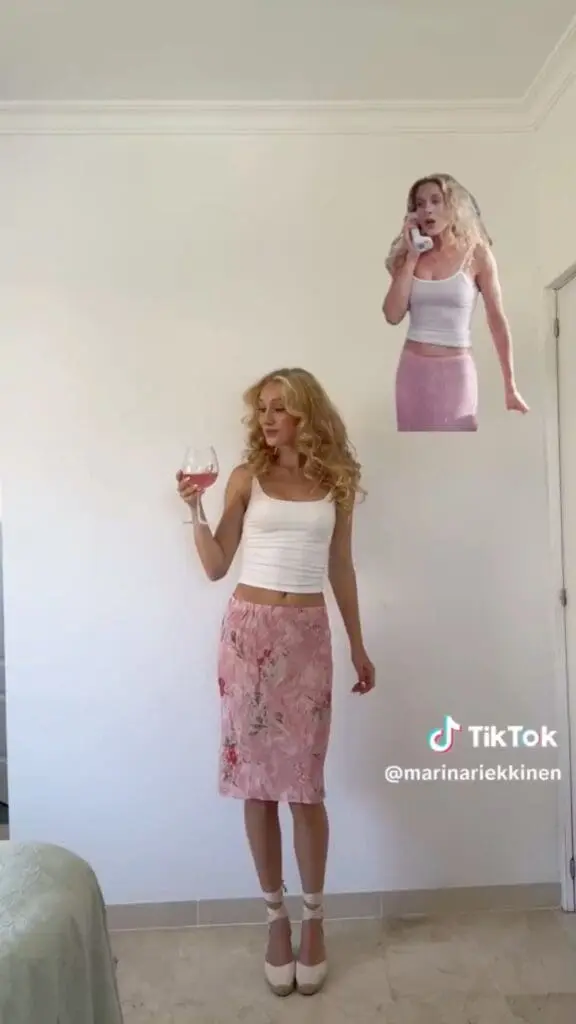
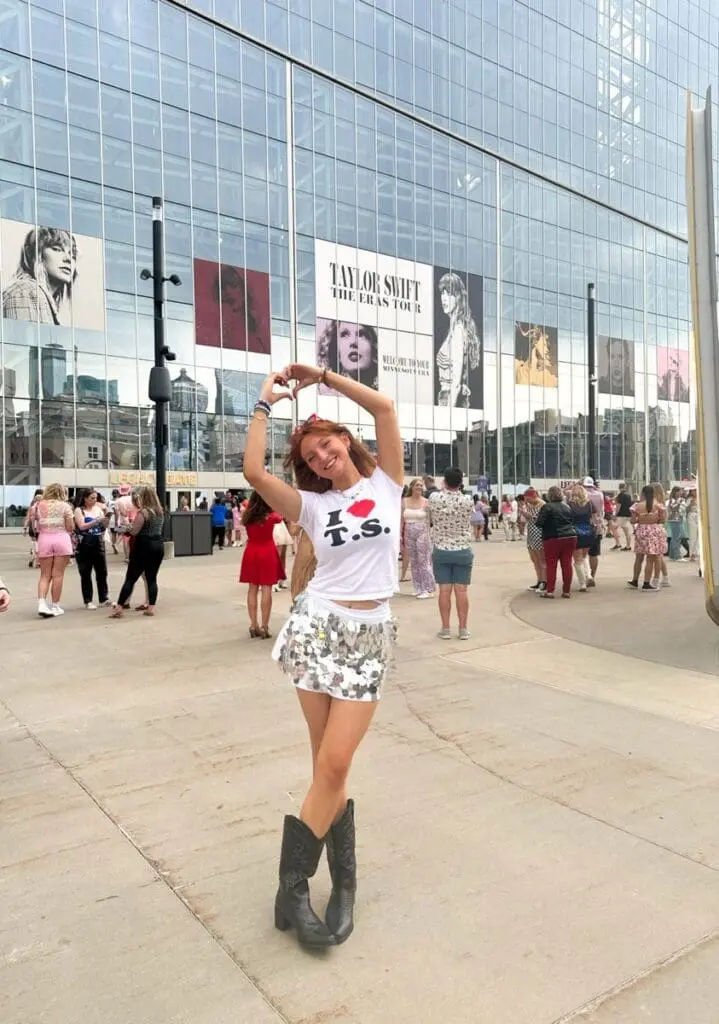
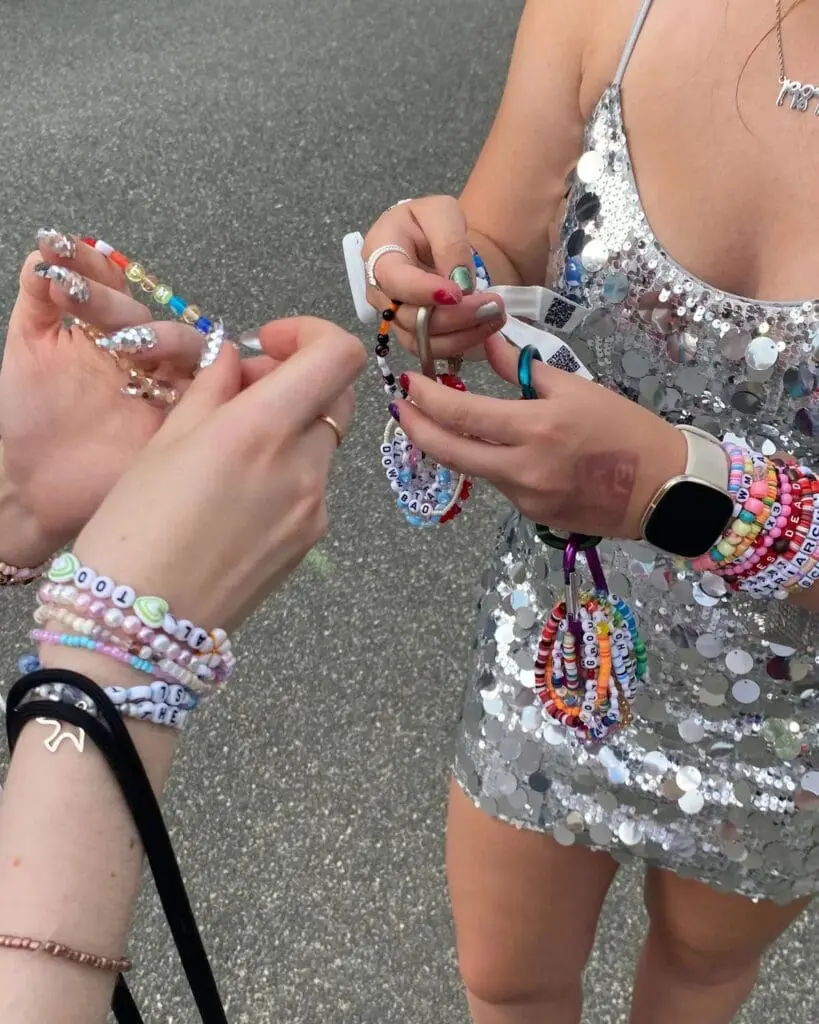
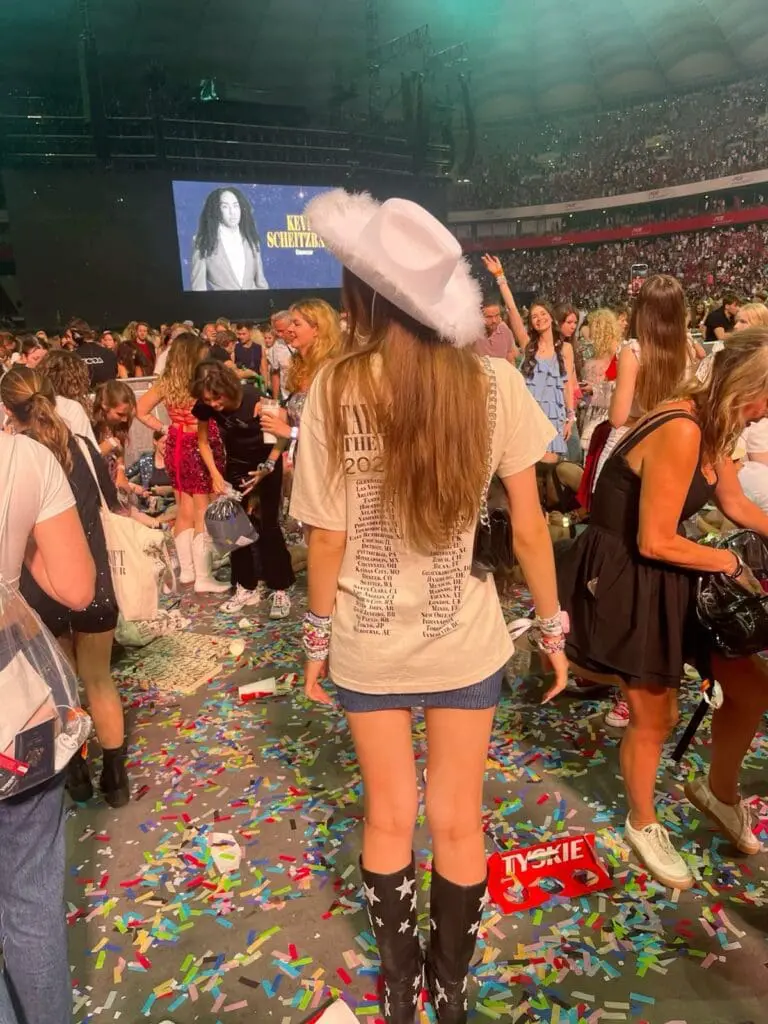
Take Taylor Swift’s Eras Tour. Beyond the glitter and stadium-scale spectacle, the true cultural phenomenon was in the audience. Swifties arrived in homemade friendship bracelets, corsets, and cowboy boots, each look carefully calibrated to reference a particular album or lyric. What could have been an exercise in personal styling instead became a ritual of devotion – fans dressing for one another as much as for the star. The bracelet wasn’t just jewelry; it was a passport into the community.
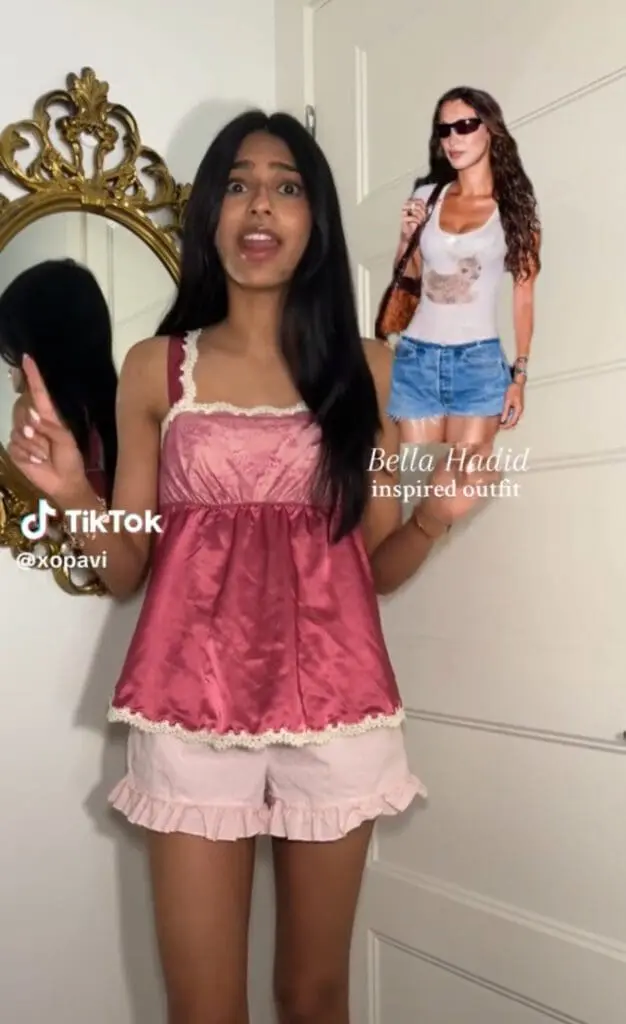
Or look at Bella Hadid, who has become less model and more aesthetic template. “Bella Hadid-core” is shorthand on TikTok for a specific street style: thrifted cargos, vintage baby tees, angular sunglasses. Scroll through edits and you’ll see thousands replicating her outfits. This isn’t just admiration – it’s allegiance. A thrifted tank top becomes a ticket into the cult of Bella, a way of signaling that you’re fluent in her visual language.
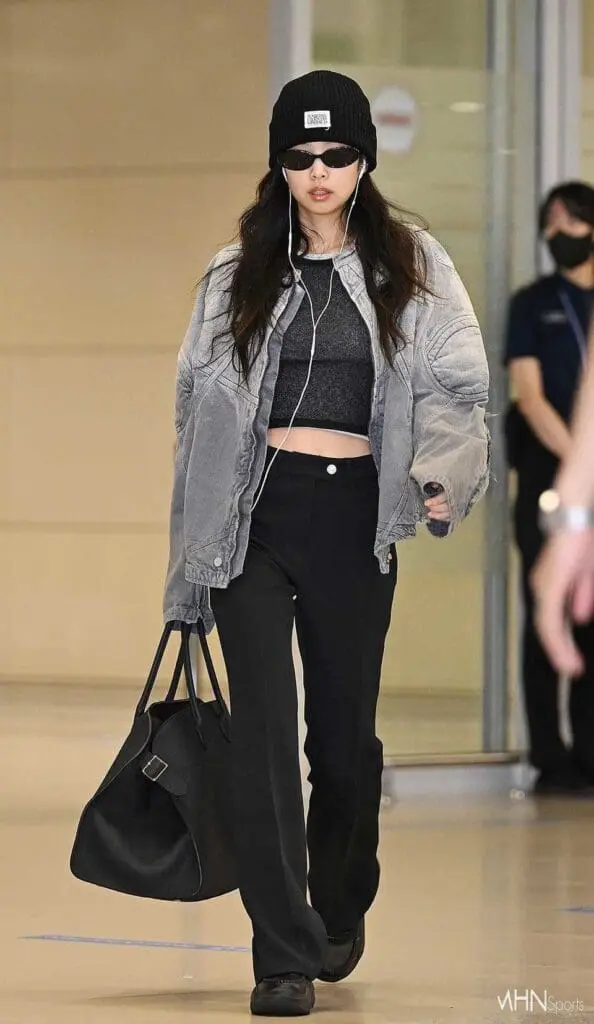
The phenomenon isn’t confined to pop stars and models. K-pop fandom has turned dressing into an elaborate performance of loyalty. Fans show up to concerts in coordinated looks, with accessories referencing specific idols. “Airport fashion”, once a candid glimpse of idols passing through terminals, has become a stage in itself, with stylists curating outfits knowing they’ll go viral. Fans then replicate those travel-day looks piece for piece, turning hoodies, caps, and oversized blazers into recognizable codes of allegiance.
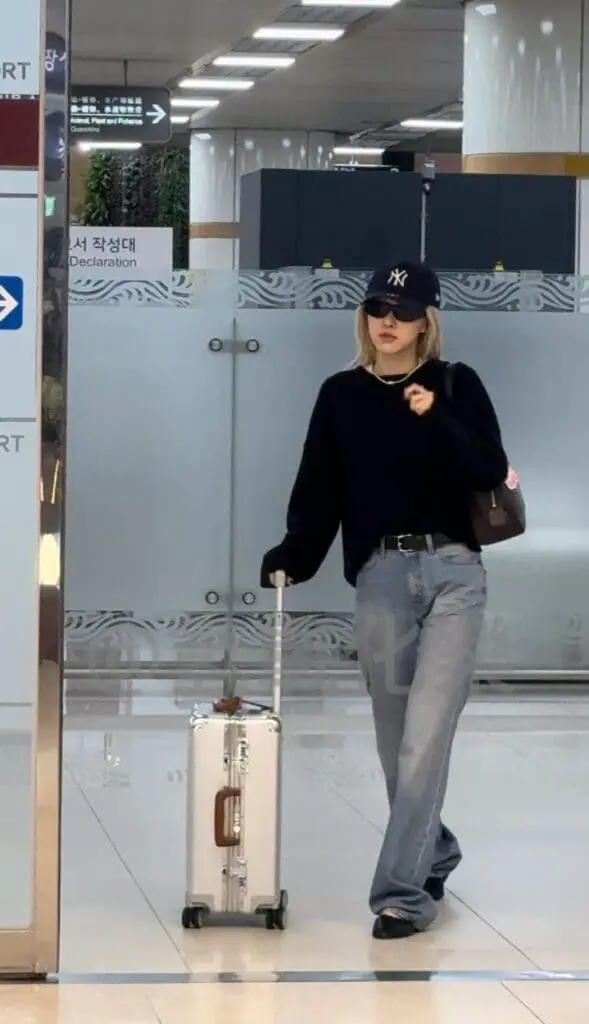
At first glance, this might seem harmless, even joyful. But the rise of “fandom dressing” also reveals how fashion’s sacred promise of individuality has shifted. Once, style was marketed as the rawest form of self-expression. Now, it’s as much about legibility as originality. The claw clip doesn’t just hold your hair – it aligns you with Hailey Bieber’s “clean girl” aesthetic. Cowboy boots are no longer just cowboy boots; they nod to Beyoncé’s Cowboy Carter moment. Even the quiet luxury wave anchored by Sofia Richie Grainge was less an organic trend than a fandom movement in disguise – an aesthetic uniform worn to pledge allegiance.
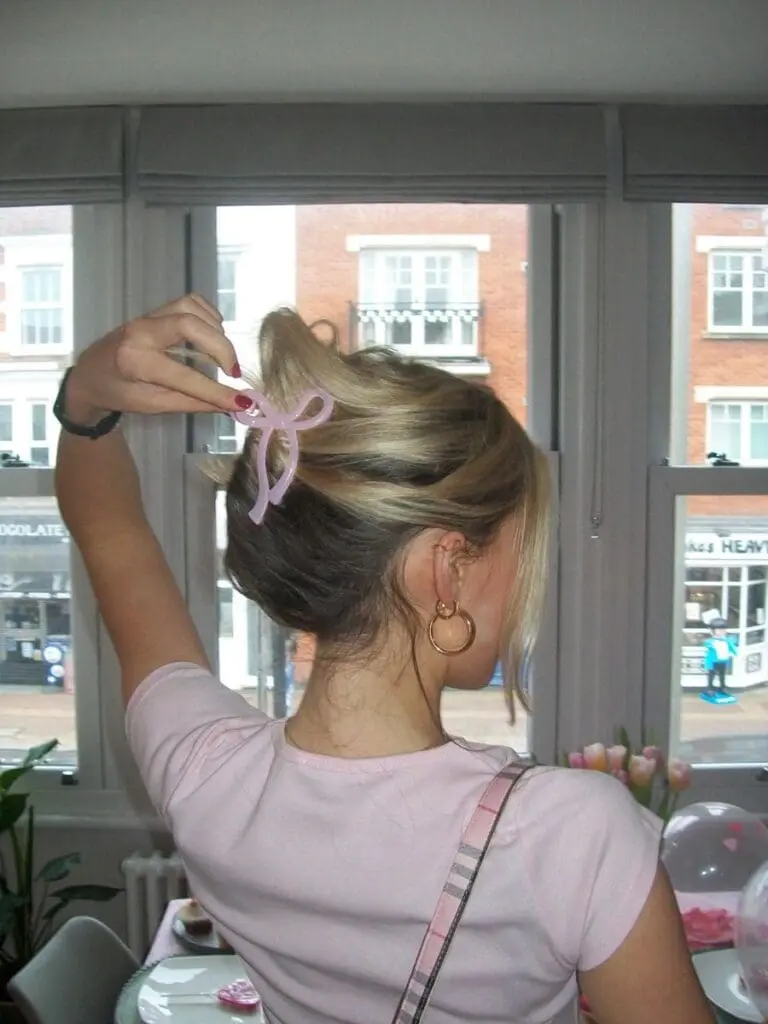
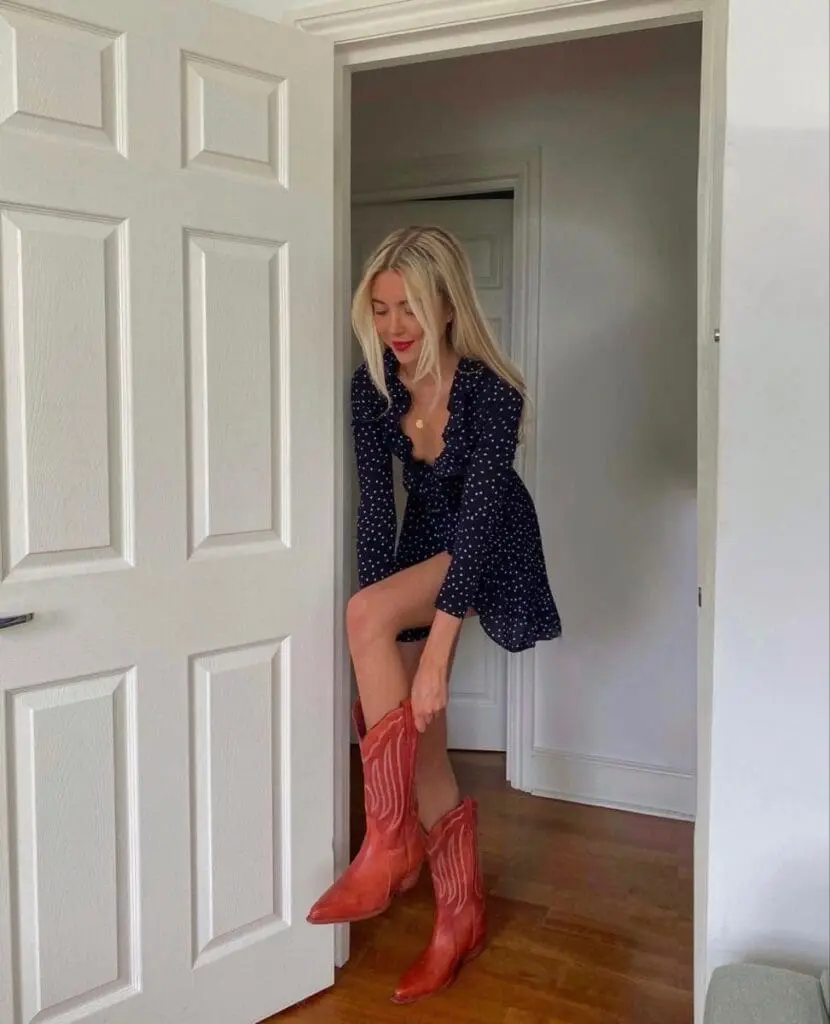
Friendship bracelets, bow-stacked ribbons, cowboy hats – each functions like the football jersey once did: a shorthand for allegiance, a wearable declaration of tribe.
And brands have noticed. Designers now mine fandom aesthetics for inspiration, knowing fan bases will buy in if they recognize the references. Friendship bracelets – once a handmade symbol of Swiftie culture, ended up in luxury jewelry campaigns. Fast fashion retailers churn out “Bella Hadid-core” cargo pants within weeks of her being spotted in a pair.
This is where the joy of fandom dressing collides with commerce: devotion is no longer just performed, it’s monetized. That handmade bracelet becomes a $400 gold keepsake, the thrifted Bella tank turns into a fast-fashion ‘Hadid-core’ drop, and K-pop’s airport looks morph into luxury sponsorships. Even bow-stacked ribbons migrate from TikTok to both Amazon multipacks and Miu Miu runways.
Still, the pull of fandom fashion remains strong. For Gen Z especially, identity is less about singular originality and more about remixing, participating, belonging. To stan is to share in a narrative bigger than yourself, and fashion becomes the most visible way of proving membership. Clothes aren’t just clothes; they’re merch, whether officially branded or not.
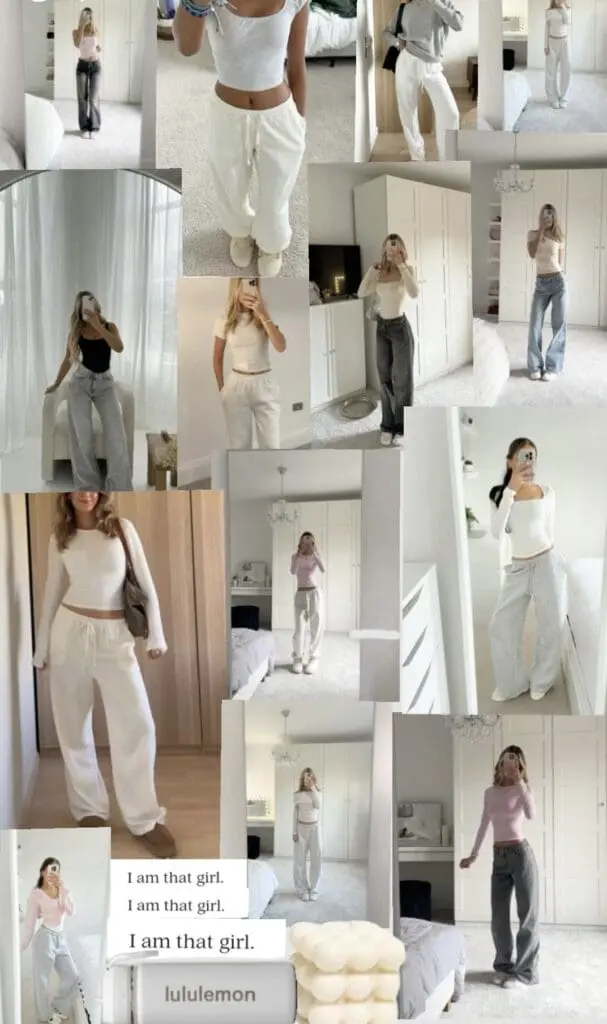
Maybe. Or maybe individuality now looks different – less about standing apart and more about standing with. But the question lingers: when every stan uniform can be commodified, when every devotion becomes an aesthetic category ripe for monetization, is fandom dressing still about community or is it just another market segment in disguise?
Because in 2025, to wear a claw clip, a cowboy boot, or a stack of rainbow bracelets isn’t just to get dressed. It’s to declare your fandom. And in declaring, to buy into a story that is at once collective, intimate, and relentlessly commercial.


