
Words by Taha Abdullah
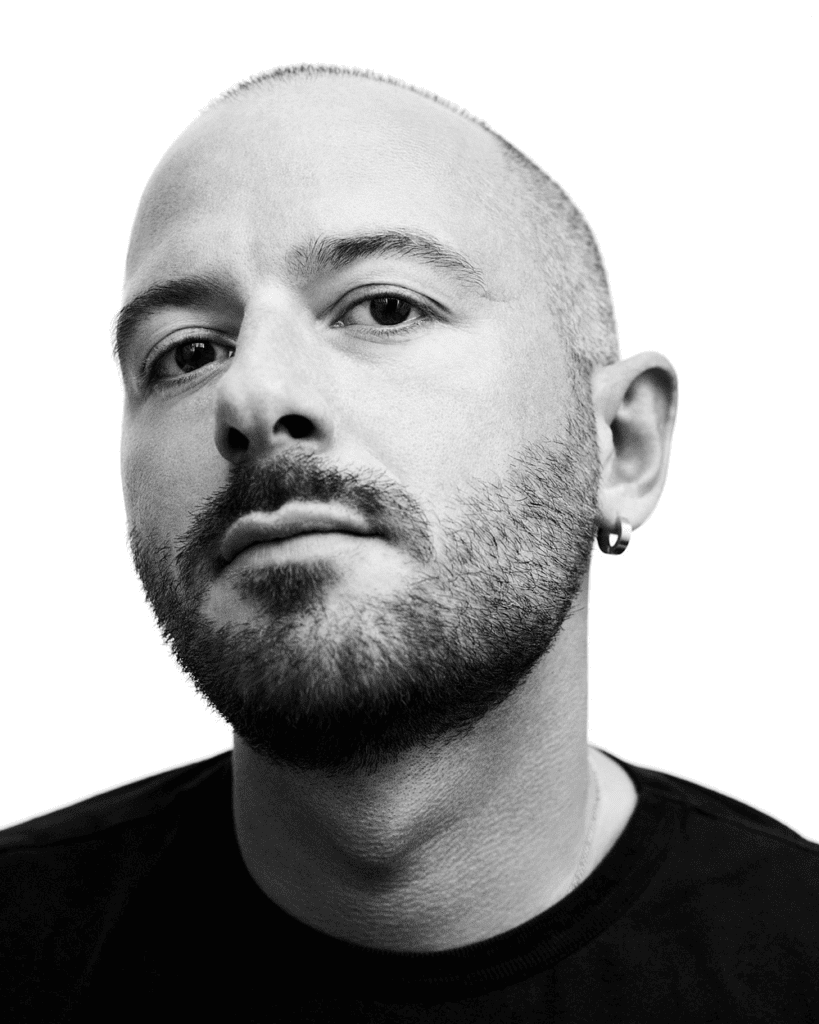
Luxury fashion is at a crossroads. The spectacle has quieted, and brands once defined by aesthetic maximalism or conceptual subversion are now being asked to mean more. In this atmosphere, the announcement that Demna Gvasalia is joining Gucci, feels less like a routine reshuffle and more like a cultural recalibration.
Demna’s longstanding relationship with Balenciaga hasn’t always been so clean-cut. After being turned away in 2007 for a menswear internship, he rose to become the House’s revolutionary creative director. He consistently shifted the brand’s iconography, and more significantly their sales and brand growth — during his tenure Balenciaga became a multi billion-dollar brand.
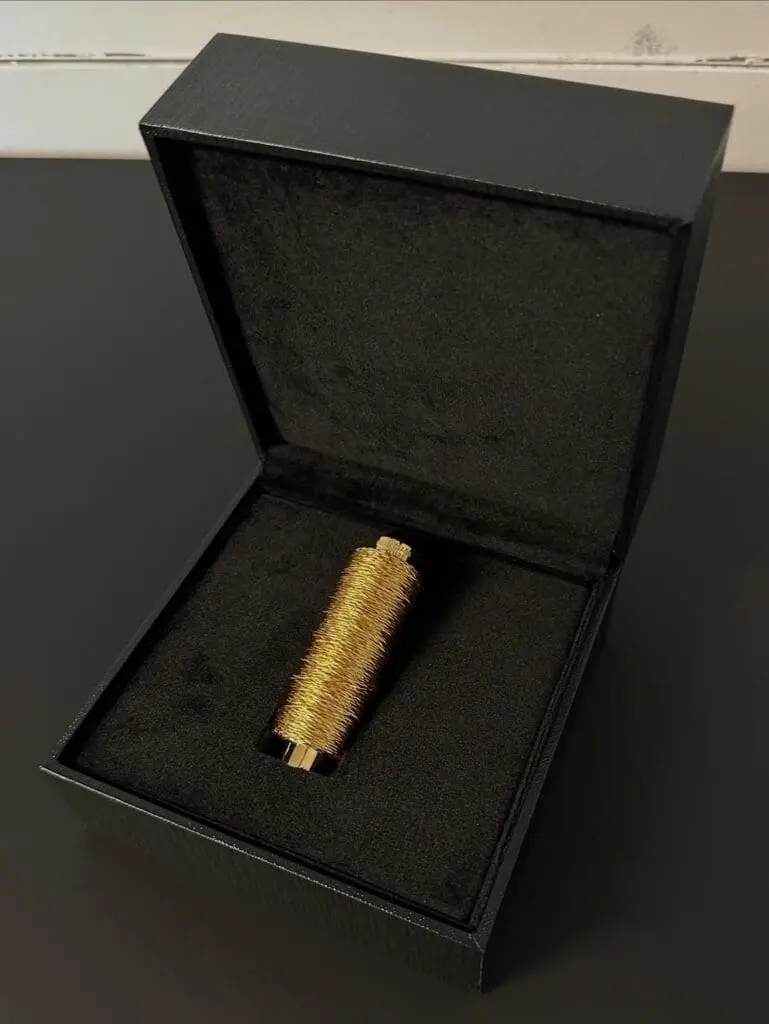
For his final show’s invitation, at Paris Haute Couture week AW25, Demna sent out a bobbin — cast in brass, finished with gold — dubbed a “Homage to the couture process.” The show that followed similarly paid respects with a theme of old Hollywood glamorisation (Looks 9, 11, 33). Overall the collection was a love letter to the brand. Many pieces were tailored with Demna’s identity, his classics; the exaggerated hourglass (Looks 14), the peaked shoulders (Looks 1–8), even lapel folds branching out (Looks 4,10, 12 and 14).

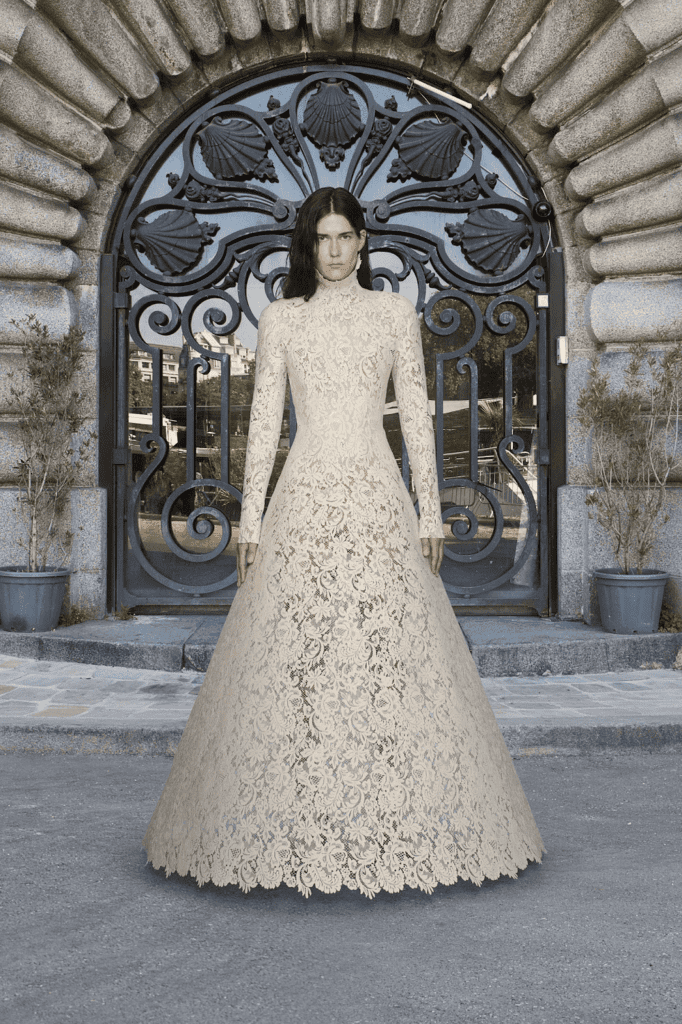
This intimate finale, however, has been critiqued for lacking creativity and holding back on provocative, subversive storytelling — with some speculating he’s severing ties with a frown (when one becomes sentimental it’s usually because they aren’t ready to let go). But his exodus does tell us something different. Notably the final look was an unveiled bride: the gown’s delicate laced fabric was patterned florally, and the tailoring of the piece accentuated the hourglass we’ve come to know (Look 39).
While his first ever couture show in 2016 closed with a juxtaposing veiled bride. The fabric unpatterned and the dystopian look had the bride guarded with a modest silhouette. This can symbolize how Demna has unveiled himself and his design since his first ever show, added to physically by taking his first-ever bow at the end of a show — something he hadn’t done for 54 couture shows previously, surprising the audience with the personal farewell.
In the last decade, Haute Couture at both Gucci and Balenciaga transformed what high fashion could look like; one with exposed passions and the other with exposed ironies. Alessandro Michele built Gucci for years with his maximalist design; he won the hearts of the industry with romanticism, creating joyous events on his runways — filling them with nostalgia, flowers and fantasy. In the last decade Demna instead embraced reality. His designs are nuanced, with sharp shapes and he centered his streetwear with utilitarian transformation.
Yet both designers have mined nostalgia — Michele through Renaissance reverie, and Demna similarly with references to his childhood. His SS25 show featured a unique runway: a long, wooden table to emulate his grandmother’s kitchen table where he staged childhood fashion shows for his family. And in the 54th show, Look 10 featured a 1957 floral motif applied to a sequined skirt, suit, and handbag — inspired by his grandma’s kitchen tablecloth.

The two worked well together in the past with Michele’s Hacker Project. In 2021, Gucci and Balenciaga collaborated on this meta-fashion event that blurred brand codes and broke the internet. Gucci’s GG monogram appeared on Balenciaga silhouettes. Balenciaga’s logo hijacked Gucci bags — patterned with BBs and spray-painted “This is not a Gucci bag”.
The little mockeries littered throughout the project — and Demna’s body of work as a whole — are what help him connect so well with the diverse, self-aware fashion audience we have now. But more than a gimmick, it was a dialogue: two designers riffing on each other’s DNA. This history suggests a shared fluency. But where the Hacker Project was irony-laced, fleeting and performative, Gucci now wants something more enduring. Less stunts, more strategy.
Demna’s move comes at a moment when luxury fashion is grappling with a generational shift. The market is influenced by the young. Gen Z and younger Millennials, born into the post-Internet era, oscillate between longing for the authenticity of the past and wanting new narratives that feel genuine.
Demna provides this, his nostalgia to his Georgian roots coupled with the irony in his dystopian designs reach this cohorts desire to be moved. And Demna’s nostalgia isn’t for kitsch alone, but for a time before climate anxiety and social fragmentation felt omnipresent. In this landscape, irony has given way to a yearning for sincerity: fashion that tells a coherent story and stands for more than a fleeting meme.
“Demna’s contribution to the industry, to Balenciaga, and to the Group’s success has been tremendous. His creative power is exactly what Gucci needs. As I thank him for everything he has accomplished over the past 10 years, I look forward to seeing him shape Gucci’s new artistic direction.” — François-Henri Pinault, Chairman & CEO of Kering
At Gucci, the atmosphere has been one of uncertainty. The company’s decision to present its last collection entirely in-house had questions of identity swirling. And it’s no secret that sales have been declining.
The last few collections — the AW25 show, SS25 show, and Gucci Cruise — were all retro in design, and featured many looks with minimalist tailoring, mirroring the Tom Ford era. Gucci designed each collection under a theme they named ‘Continuum’, and its nature is to honour the brands heritage. While beautifully crafted these shows didn’t garner much critical acclaim.
The house, once synonymous with eccentric romance under Alessandro Michele, has struggled to find creative cohesion in the wake of his departure. The short stint that followed with Sabato De Sarno was fruitless commercially and conceptually and the brand has been in limbo since his exit.
Demna will need to navigate the issues Gucci faces, and his response so far suggests that both he and the house are due for an evolution. In his show notes for the last collection, he talks about moving forward “It is the expression of our need to evolve, to make sense of change before it arrives,” going on to say he wants “to dress the future before it has a name.” He’s not sure what to name his future with Gucci, but it implies he knows what it will look like.
“My first show will be in March, but I’m going to be doing things this year to remind people of what is Gucci. I think it’s important to start with reminding what the brand is and then building something new. I also need more than 2 months to build a vision.” Demna told reporters after the AW25 show.
Sustainability, transparency, and personal connection now drive brand value as much as exclusivity. Demna’s balanced blend of reflection and forward-thinking honors heritage while gesturing toward an undefined future and mirrors this culture’s double-bind. His capacity to ground high fashion in personal memory while addressing collective consciousness may position Gucci at the vanguard of a post-postmodern era — where irony dissolves into earnest reinvention.
Reinvention is inevitable; Gucci craves it. And Demna, now unmasked and introspective, seems ready to answer.
His departure from Balenciaga seems to be perfectly timed, aligning with his need for progression as a designer. His personal evolution from a guarded dystopian designer to someone increasingly interested in emotional sincerity reflects a broader shift of what audiences seek in fashion and culture today. At Gucci, he won’t just be expected to revive a brand — he’ll be expected to redefine its relevance.
If his past decade was about challenging the system, the next may be about reimagining its soul and with that he may create his most powerful work yet.


