
Words by Valerie Aitova
Once a quiet ritual of small surprises counted down behind cardboard doors, the advent calendar has undergone a remarkable transformation. Today, it is no longer merely a festive accessory but a cultural object – photographed, unboxed, reviewed, and displayed across social media. In the age of Instagram reels and TikTok unboxings, gifting has shifted from something intimate and private into a highly visible, carefully curated performance.
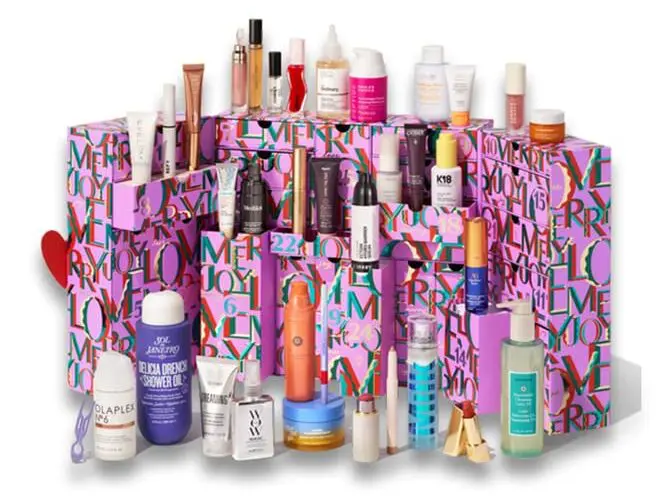

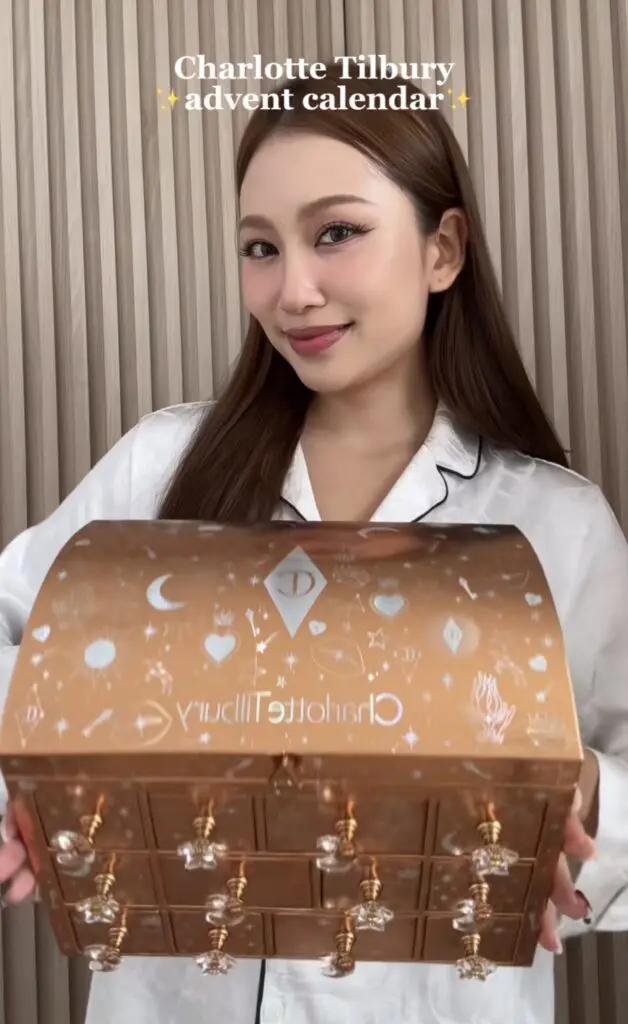
Luxury and beauty advent calendars sit at the centre of this transformation. Brands like Dior, Charlotte Tilbury, Sephora, and Jo Malone now release their holiday calendars as collectible statements rather than simple seasonal novelties. Their appeal lies not only in what’s inside, but in how they are experienced: slowly revealed on camera, styled on shelves, shared with followers.
The calendar becomes content, its daily reveal extending the life of the brand’s holiday narrative well beyond Christmas morning.
Anticipation, once personal, is now communal, amplified through likes, saves, and comments.

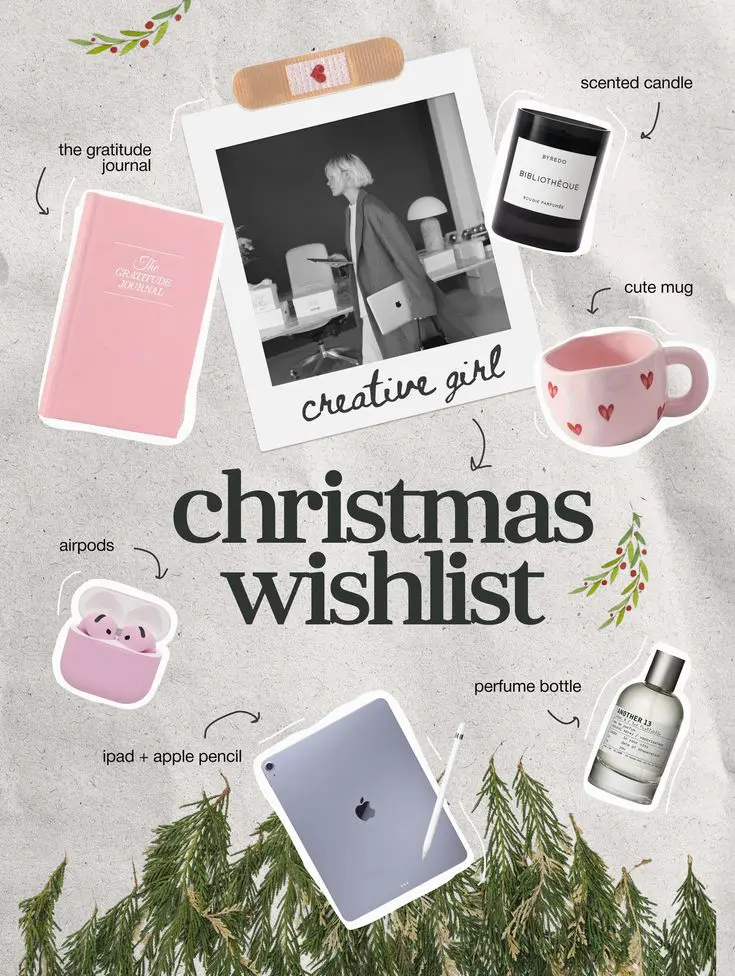
This culture of visibility extends far beyond advent calendars. Digital wishlists have become one of the defining symbols of contemporary gifting. On TikTok, Pinterest, and Instagram, users openly compile and share wishlists: from beauty essentials to fashion pieces, turning personal wants into public declarations of taste.
These wishlists function less as practical guides for gift-givers and more as moodboards of identity.
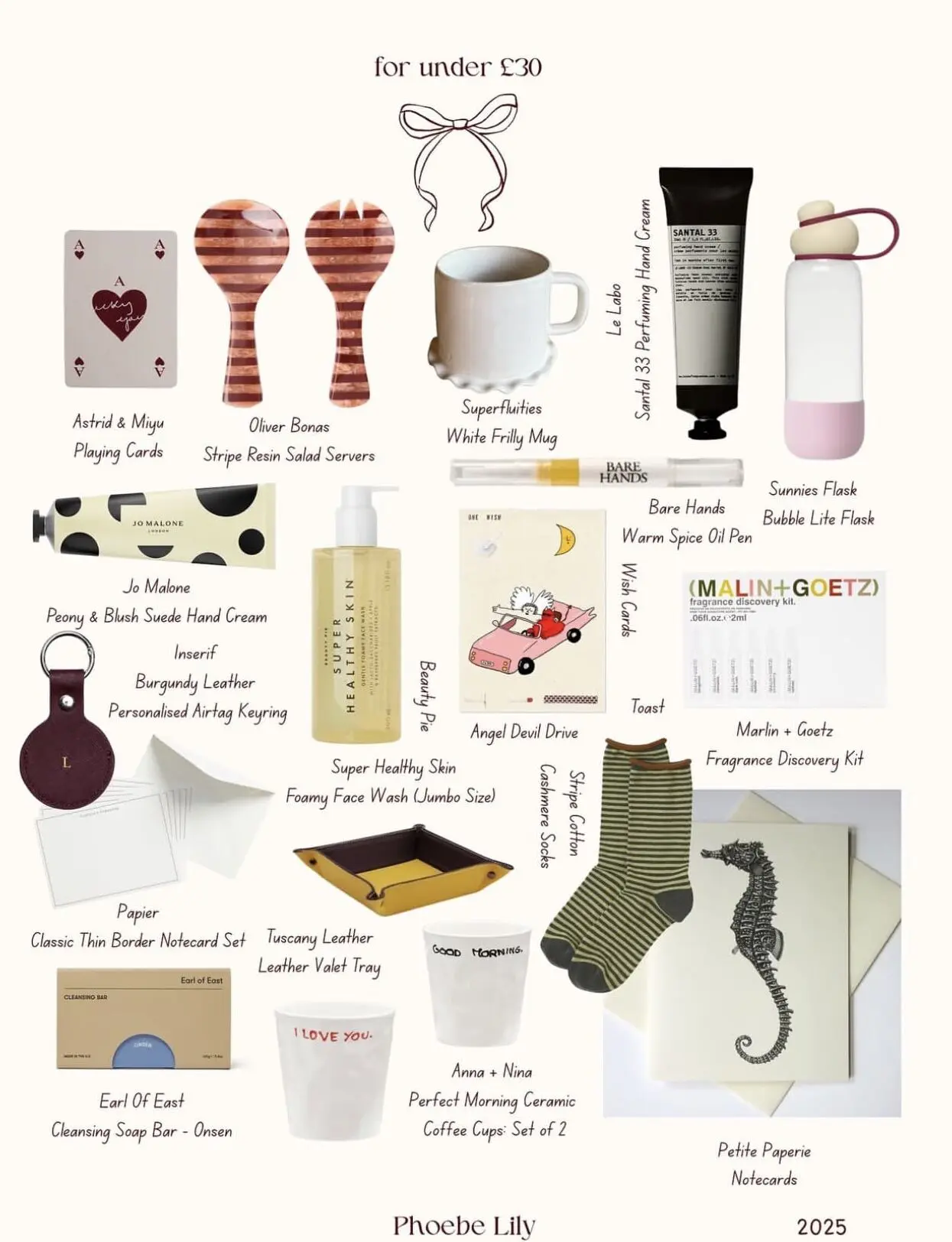
Alongside beauty staples, these lists increasingly feature tactile, everyday objects: soft knitwear, cosy socks, sculptural mugs and ceramics, bag charms, and scented candles – small fashion-adjacent gifts that balance aesthetics with intimacy. They communicate aesthetic alignment, lifestyle aspirations, and cultural belonging. To want something publicly is no longer awkward; it is strategic.
Psychologically, this marks a significant shift. Traditional gifting relied on surprise – the emotional payoff of not knowing what awaited you. Today, the emphasis has moved toward anticipation and validation. The “soft hinting” culture thrives online: saved posts, reposted gift guides, subtly tagged brand content. Desire is suggested rather than spoken outright, allowing the giver to feel thoughtful while the recipient retains control. In this system, gifting becomes less about risk and more about confirmation – proof that one’s taste has been seen and understood.
Importantly, this shift does not necessarily strip gifting of its sincerity. Digital wishlists and social-media-driven gift guides can also be read as acts of emotional clarity rather than entitlement – a way of reducing anxiety around receiving, avoiding waste, and articulating desire more honestly. Platforms like TikTok and Pinterest are now filled with carefully styled gift ideas for different personalities, relationships, and budgets, making the process more accessible and thoughtful rather than overwhelming. In an era shaped by overstimulation and constant choice, knowing what one wants, and allowing others to see it, can feel grounding. These tools offer a shared language between giver and receiver, replacing the pressure of surprise with mutual understanding and helping people prepare gifts that feel considered, personal, and emotionally attuned.
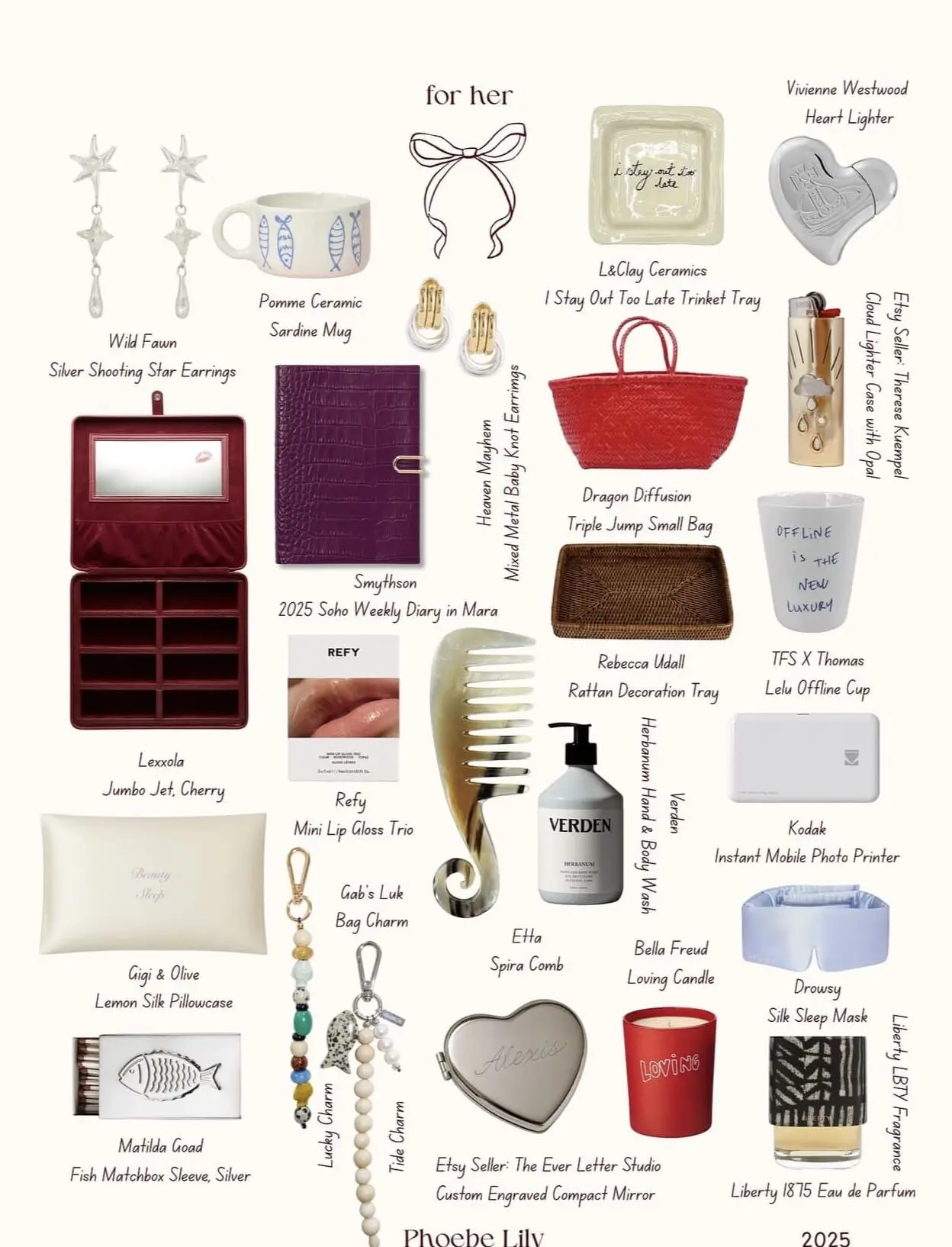
Brands are acutely aware of these shifts. The modern gifting ecosystem is shaped as much by data as by emotion. Saved posts, wishlists, UGC, unboxing videos, and micro-influencer content provide brands with real-time insight into consumer desire. Advent calendar reviews have effectively become a new form of micro-PR, influencing purchasing decisions long before December arrives. Algorithms identify patterns in what people want, how they present those wants, and which aesthetics resonate most – allowing brands to refine gift guides, personalise recommendations, and even shape future product launches.
What emerges is a feedback loop: consumers share desire publicly, brands respond with increasingly tailored offerings, and social media amplifies the cycle. Gifting becomes less spontaneous, more strategic, yet also more emotionally charged. It reflects not only what we want, but who we believe ourselves to be.
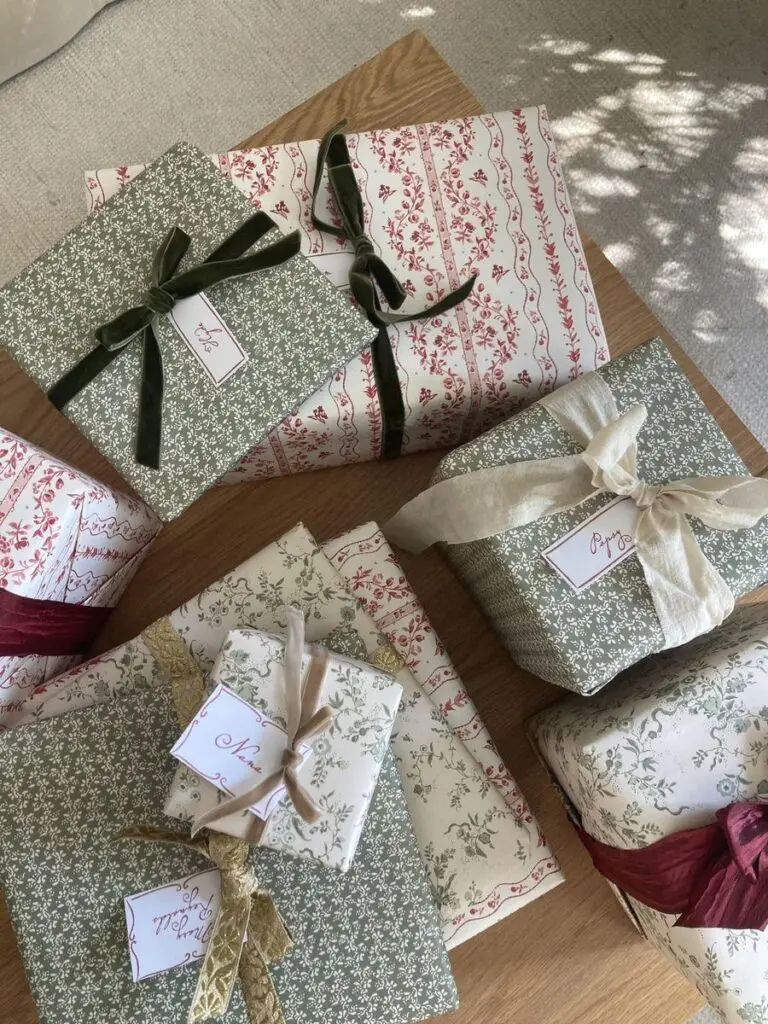
In this landscape, Christmas gifting is no longer simply about generosity or tradition. It is about storytelling. About constructing a version of self that feels coherent, visible, and understood. Advent calendars and digital wishlists are not just seasonal trends; they are cultural tools, revealing how deeply intertwined consumption, identity, and connection have become.
As the holiday season unfolds online, one thing is clear: gifting today is not only an exchange of objects, but an exchange of meaning – curated, aestheticised, and shared in plain sight. Between saved posts, digital wishlists, and carefully chosen surprises, desire becomes something shared rather than hidden. And maybe that’s the point – a softer, more intentional way of asking: what’s on your wishlist?


