Words by Valerie Aitova
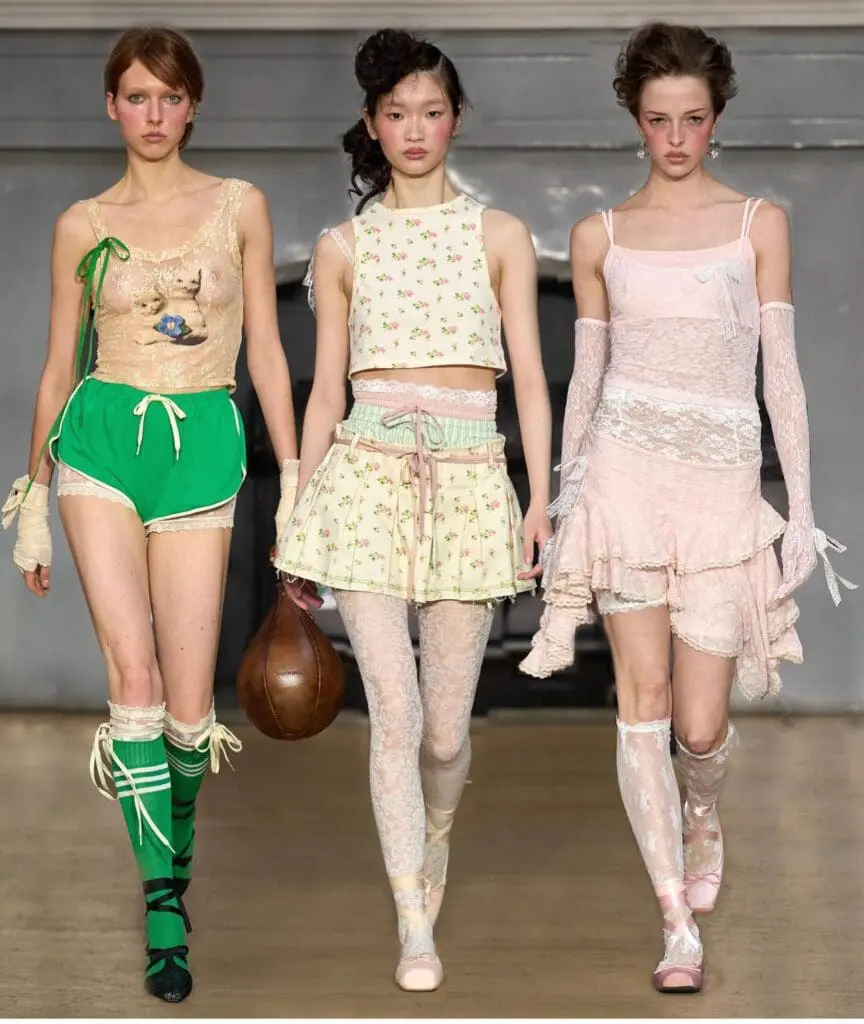
This summer, girlhood returned to fashion in ribbons and ballet flats, sheer slips layered over cardigans, and a kind of softness that felt both nostalgic and strange. Coquettecore, once a niche internet moodboard stitched together on Pinterest and TikTok, had become the texture of the season: romantic, unserious, deliberately girlish. It spread across social feeds in dreamy edits and hazy selfies, bows tied into hair, pink flats tapping against sidewalks, turning adolescence into a visual language everyone suddenly wanted to speak. London girls clipped ribbons onto headphones, TikTok tutorials showed how to knot micro-bows onto shoelaces, and Emily Ratajkowski was spotted in ballet flats with oversized tailoring. What began online as a fantasy had moved into the everyday.
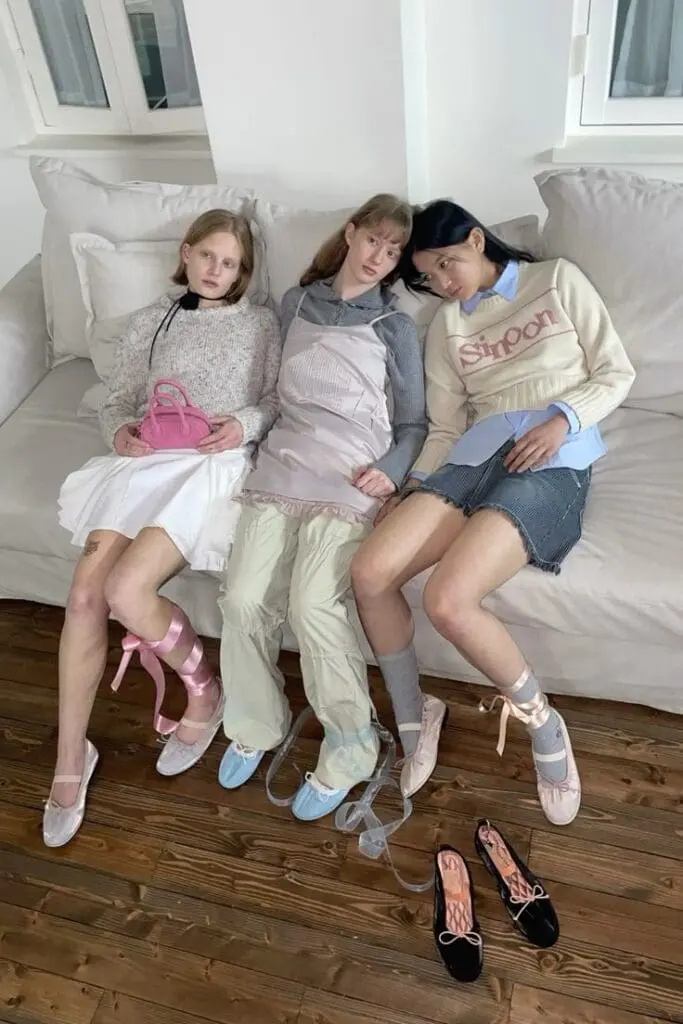
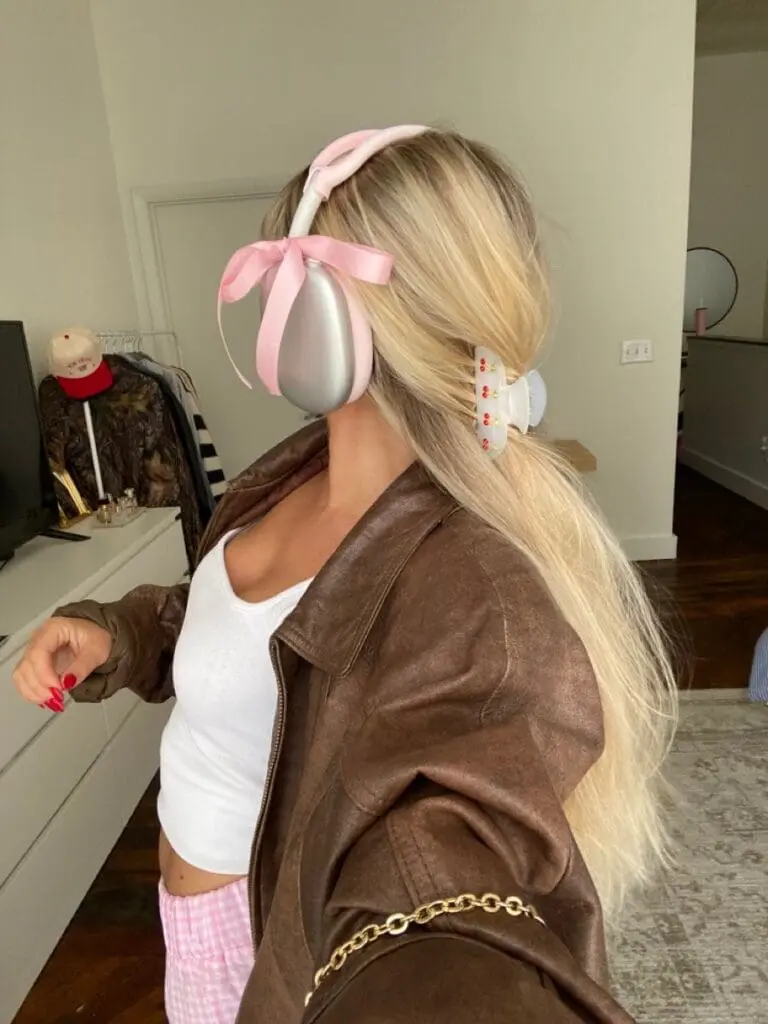
No one captured this mood more clearly than Sandy Liang. The New York designer had been circling around girlhood for years, but this season her collections crystallized it: Mary Janes, ballet flats, awkward layers that felt tender and knowing all at once. Liang’s bows became instantly recognizable, a signature so potent that they leapt from her runways into the wider culture. Seen on Olivia Rodrigo, Bella Hadid, and Devon Lee Carlson, and endlessly replicated on TikTok, the bows became more than accessories. They were shorthand for an entire way of feeling: girlish, sentimental, but also subversive in their refusal to align with corporate polish or minimalism.
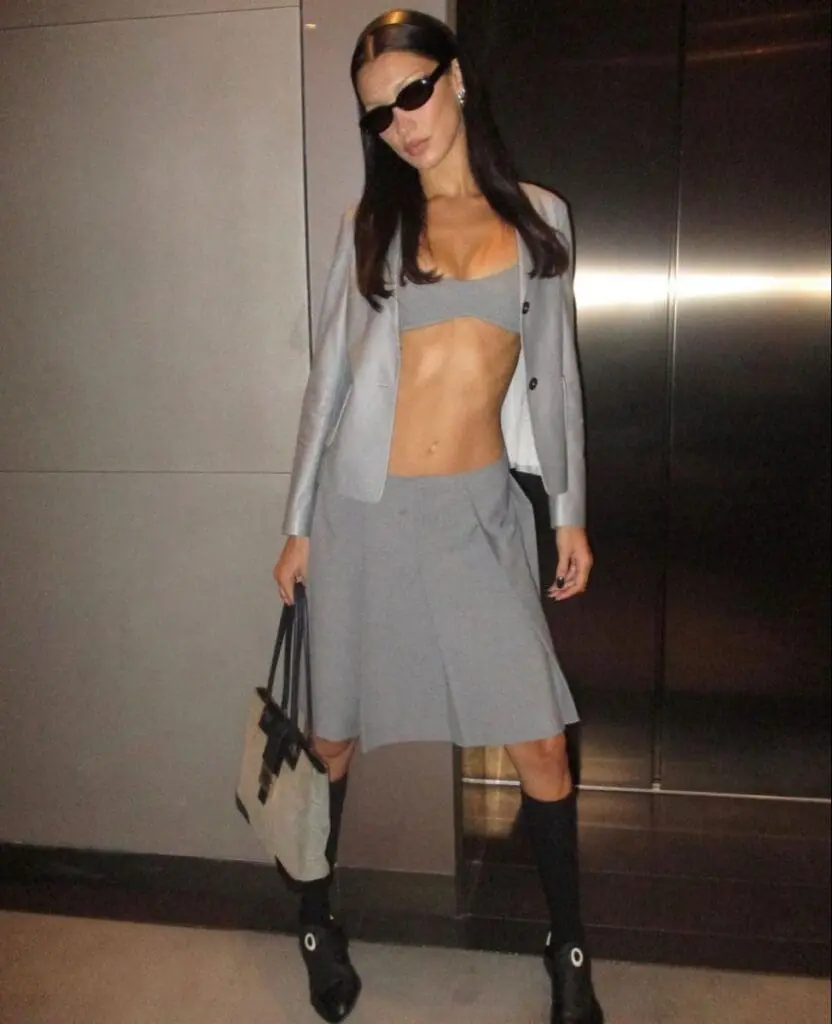
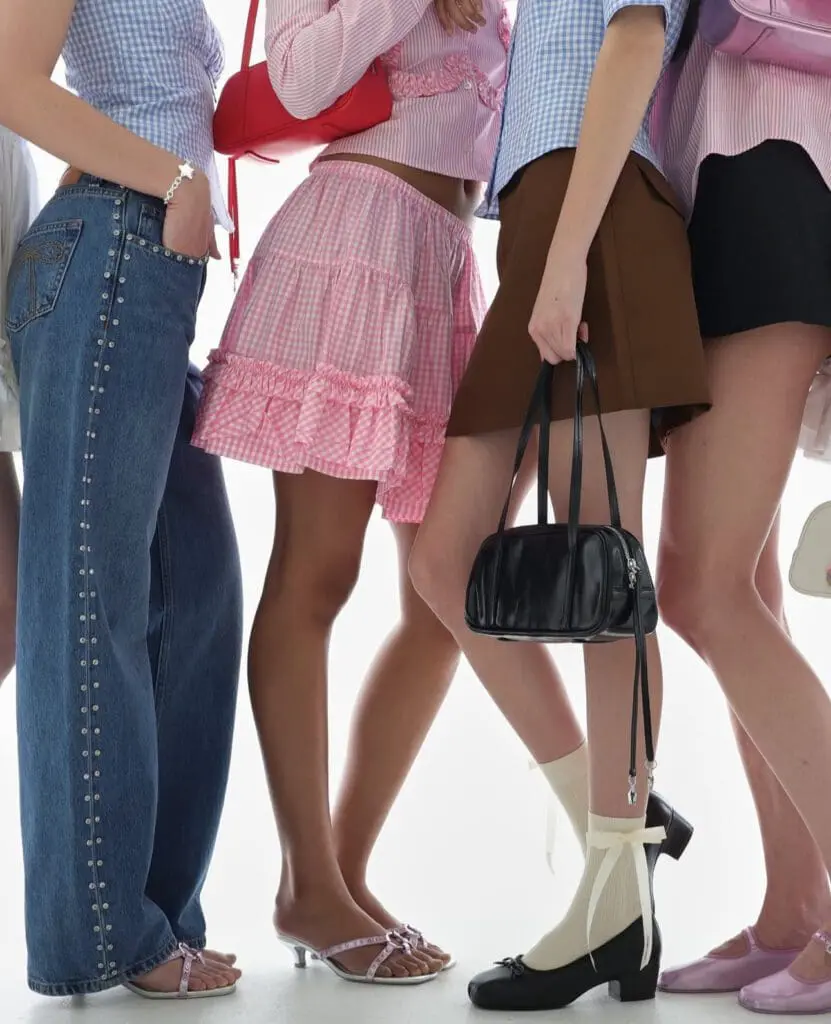
It reclaims symbols once dismissed as frivolous – bows, puff sleeves, ballet shoes – and wears them with intention, exaggerating their sweetness until it feels strange, even ironic. TikTok turned this into a performance, looping montages of ribbons and lace with captions like “delulu girl summer,” while Instagram filtered it into a Euro-dream aesthetic: cocktails at golden hour, café tables with a bow perched somewhere in the frame. What might once have looked infantilizing instead read as refusal – a way of styling softness as power.
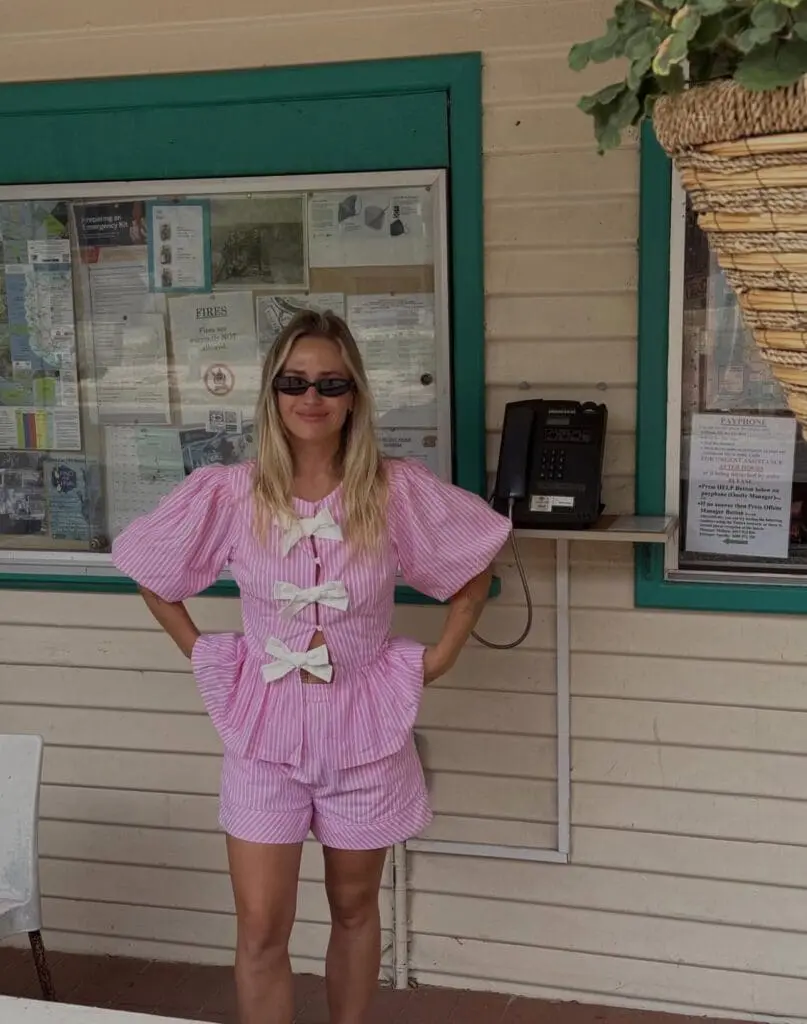
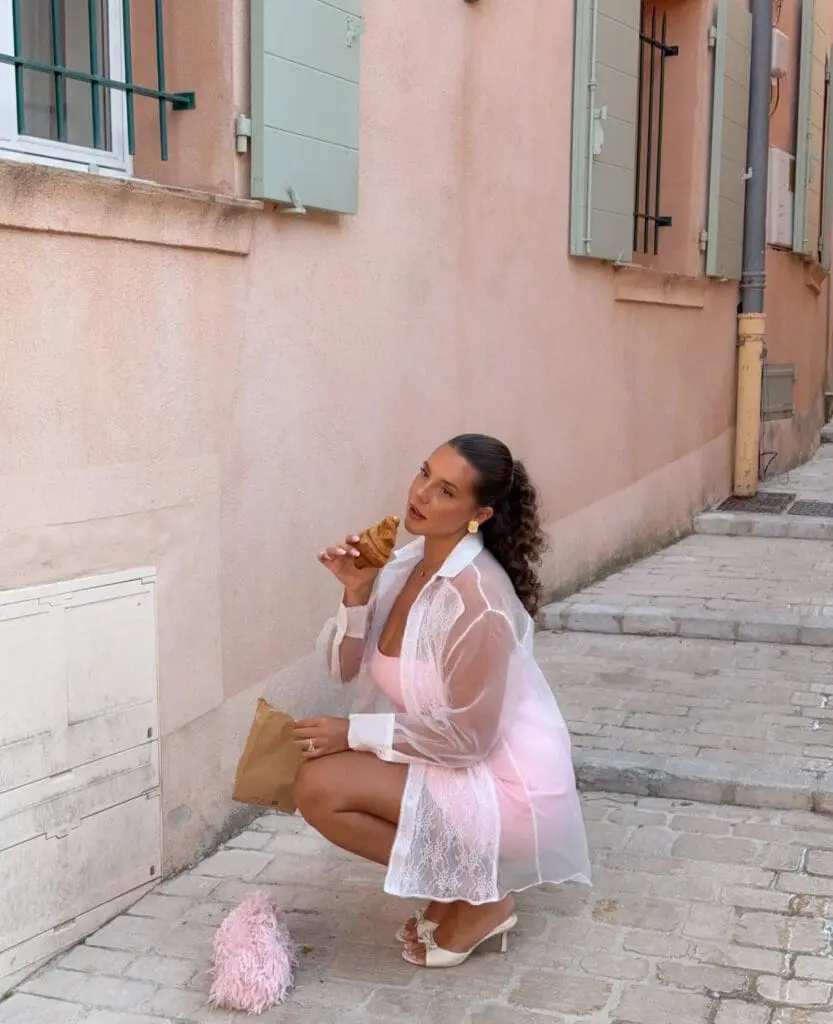
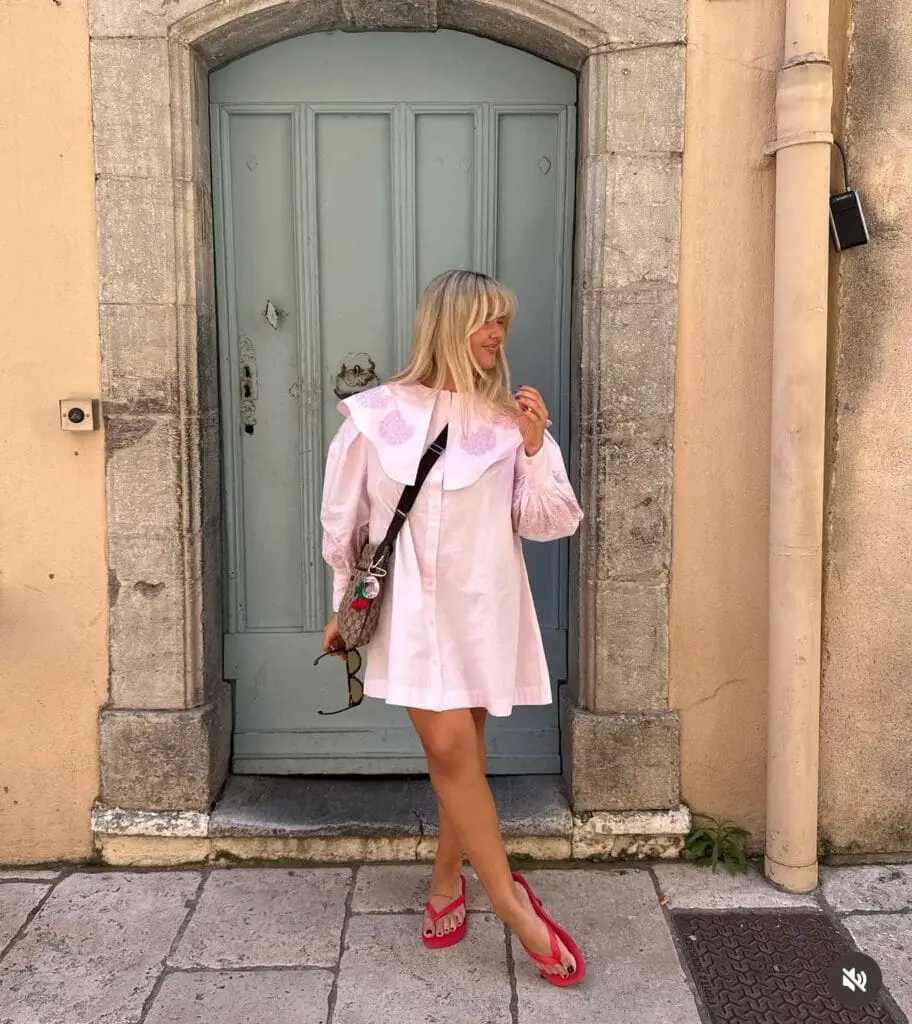
By August, it was impossible to miss. Ballet flats were back, sheer dresses skimmed city streets, and ribbons appeared on everything from handbags to hair ties. But as Fashion Month approaches, all eyes are turning to London to see how this girlish summer translates onto the runway. The mood is already in motion: Simone Rocha’s puff sleeves and rosettes, Cecilie Bahnsen’s sculptural froth, and Miu Miu’s ballet-flat fantasies have all been setting the tone in recent seasons. Together they show how Coquettecore’s New York spark has already been absorbed into a European register, softer, more romantic, and deeply atmospheric.
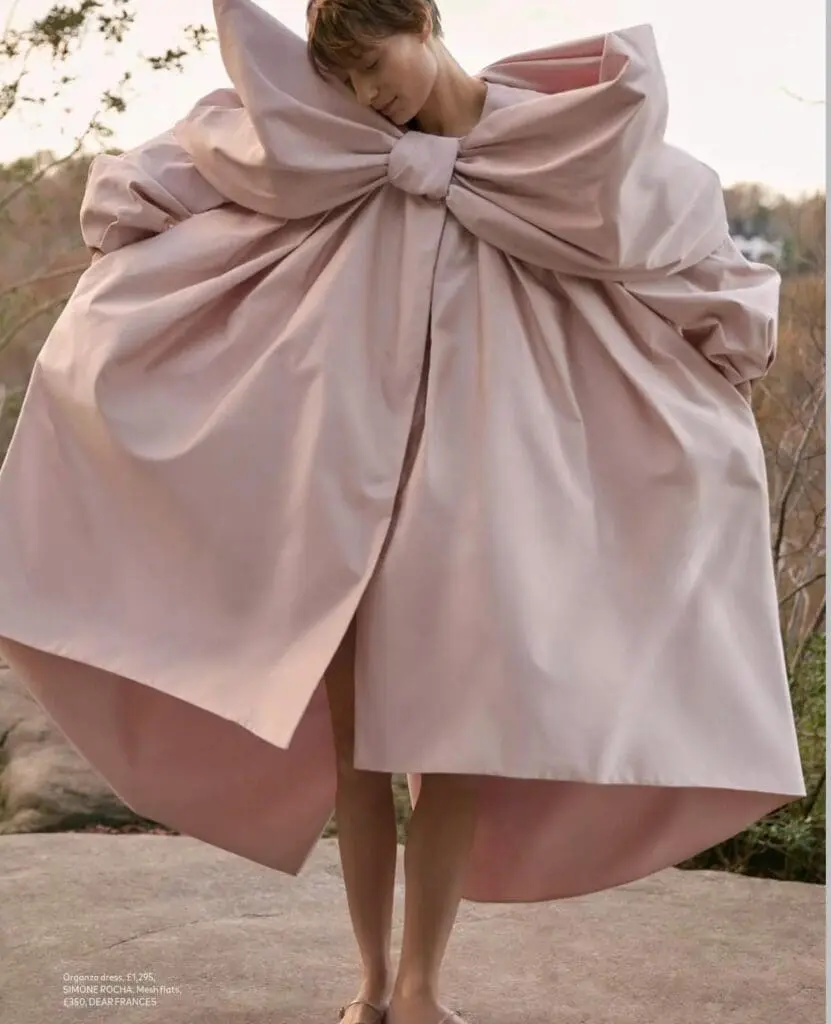
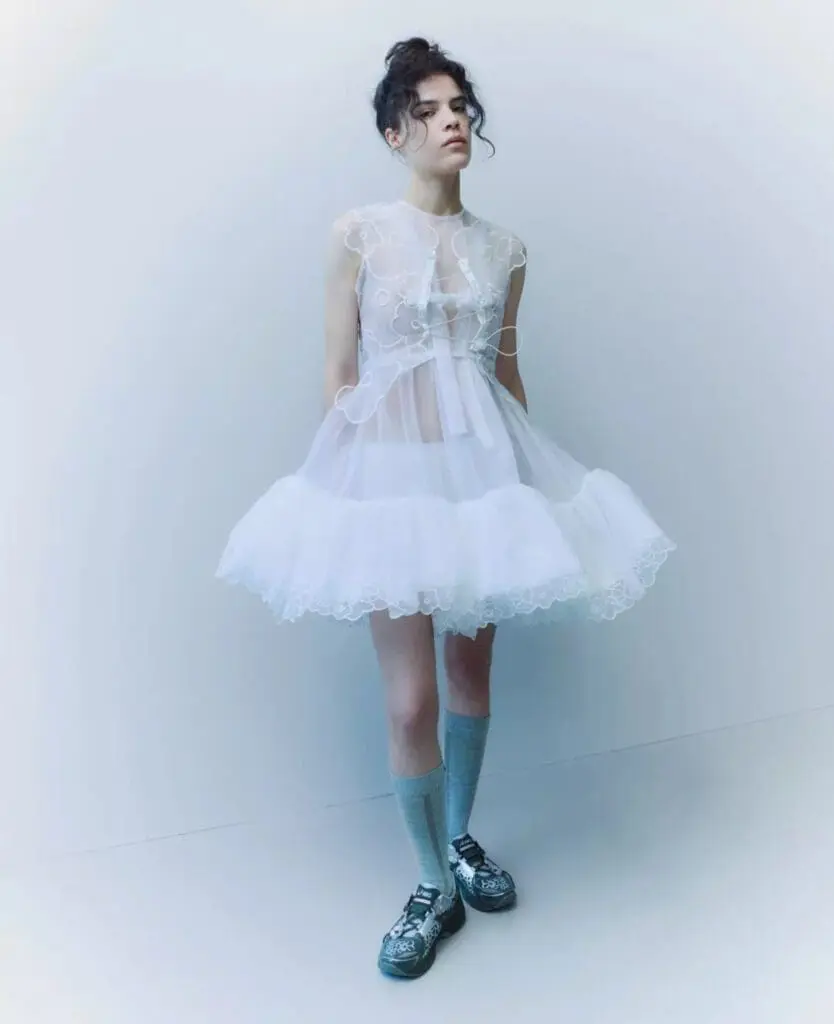
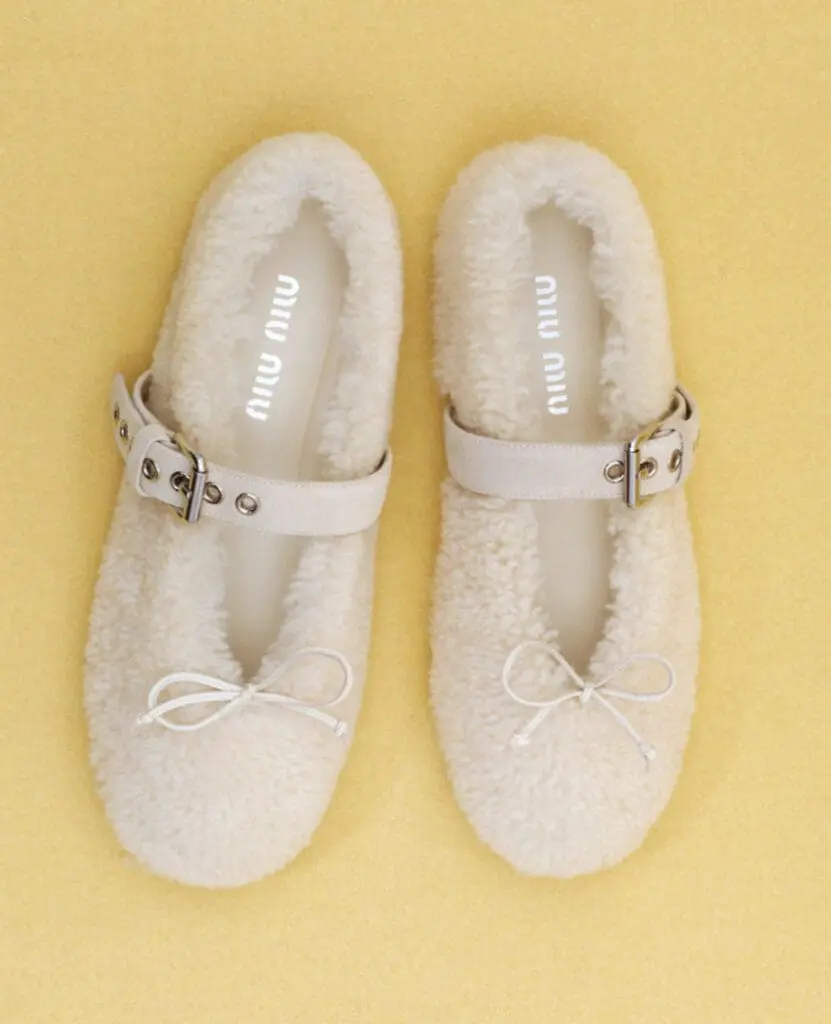
Simone Rocha has been shaping this vocabulary long before it became a trend, her puff sleeves, rosettes, and crystal-studded bows balancing fantasy and armor – fragile yet sharp, delicate yet weighted, transforming symbols of girlhood into something uncanny, imposing, even untouchable. Cecilie Bahnsen echoes the same language with a softer accent, her sculptural yet ethereal dresses floating as though carrying their own weather systems, where bows and froths of organza turn childhood silhouettes into otherworldly forms, suggesting memory itself can be material and nostalgia not regression but a way of inhabiting multiple selves at once. Miu Miu, meanwhile, approaches girlhood with playful irony, leaning into the schoolgirl-ballet aesthetic with cardigans, micro-minis, and the viral ballet flat, not as novelty but as commentary, collapsing nostalgia and fashion-forwardness into one, reminding us that femininity is always both performance and politic.
Together, these designers show how far Coquettecore has traveled. What began with Liang’s downtown bows has become a larger mood, absorbed and reimagined in London and across Europe. Rocha’s bows are crystalline armor, Bahnsen’s are sculptural whispers, Miu Miu’s are winks and provocations. They may share the same vocabulary: ribbons, puff sleeves, ballet shoes, but each tells a different story about what girlhood can mean when staged in 2025.
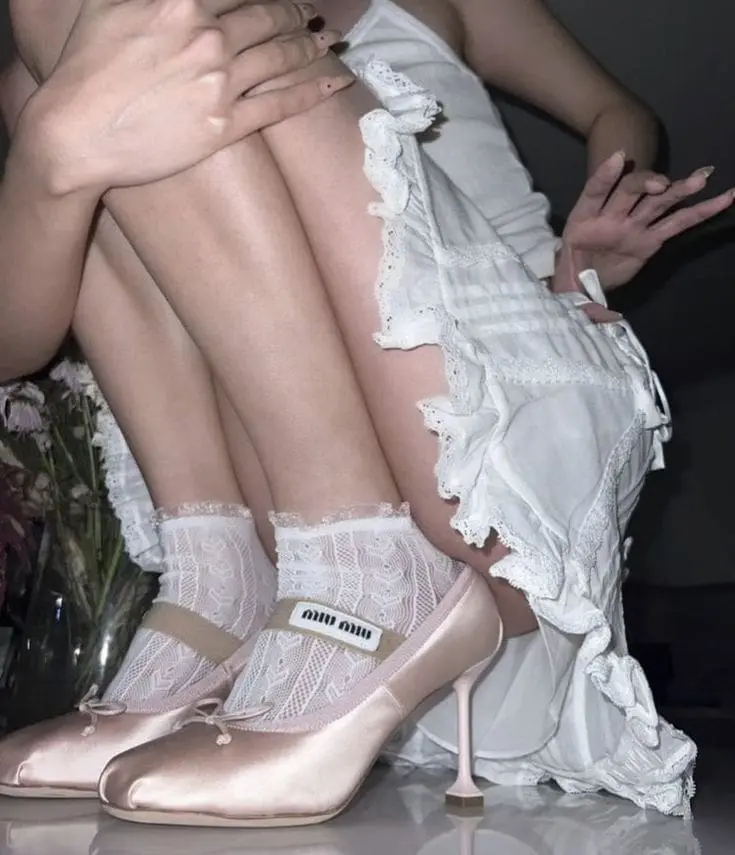
Coquettecore unsettles by reframing girlhood, exaggerating sweetness until it turns strange, powerful, and uncanny – why Rocha’s tulle looms large, Bahnsen’s froth carries weight, and Miu Miu’s flats feel rebellious rather than dainty. Its strength lies in contradiction: fragile yet strong, sentimental yet ironic, soft yet strategic. For Gen Z and younger millennials, who grew up curating identities online before they had fully formed them, this feels instinctive. To embrace bows and puff sleeves now is to reclaim contradiction itself – choosing play over practicality, nostalgia as a tool, and girlhood not as regression but as rebellion.
If this summer was about watching Coquettecore take over feeds and sidewalks, September is about to test its staying power on the runway. What began as ribbons tied in hair ended up as the thread stitching two fashion capitals together. From New York to London, girlhood is being reimagined not as retreat but as rebellion – soft enough to sway in the breeze, strong enough to set the rhythm of an entire season. And as Fashion Month moves on, the real question isn’t whether bows will endure, but what new forms this language of femininity will take when it collides with the world’s biggest stages.