

Words by Natasha Djanogly
Edited by Valerie Aitova
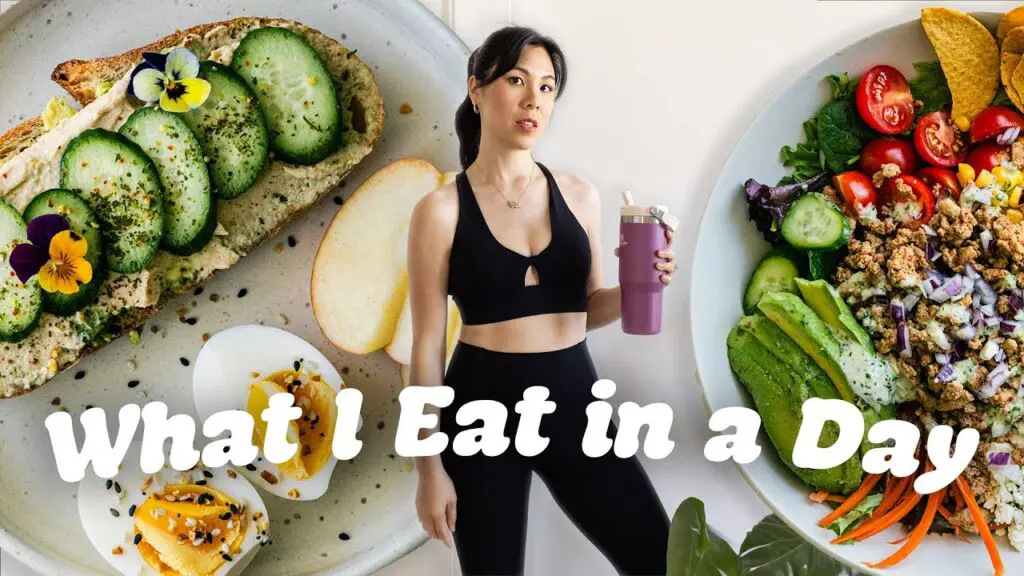
From graphic birth stories to makeup morning routines, social media is no stranger to public intimacy. But amidst it all, it is What I Eat in a Day (WIEIAD) videos that are stealing the spotlight. With 1.1M posts on TikTok and over 17.2 billion views, other people’s plates have become everyone’s business.
While delicious recipes, artisanal kitchenware, and aesthetic product placement play a part, it’s the focus on caloric intake, macros, fibre goals, protein counts and body image that attracts the masses.
Across format, platform, identity, and diet, these videos vary infinitely. Whether promoting one-size-fits-all nutrition, undereating, nutritional misinformation, or perpetuating society’s unhealthy obsession with food, WIEIADs often share underlying mechanisms – even if, at first glance, they seem innocent.

With one online search, anyone can instantly find what someone eats in a day – from celebrities like Florence Pugh or Jennifer Garner on Harper’s Bazaar Food Diaries, or Chris Pratt on Men’s Health on YouTube, to the local gym bro, track star, cheapskate, mum of four, or broke university student posting on Instagram Reels or TikTok. The trend blew up so fast because WIEIADs are everything the TikTok and Instagram algorithm loves- short, personal, aesthetic, and perfect to make a daily series of.
Despite their popularity, media scrutiny has zeroed in on these videos, specifically the significant proportion that portray extreme, highly restrictive diets. This includes #thinspo, rice-cake-loaded versions barely meeting the toddler-ideal 1,200-calorie benchmark, and ancestral, carnivore-style diets shared by viral fitness influencers like Eddie Abbew and Steak and Butter Gal. Famously, in 2023, Actress Gwyneth Paltrow sparked mass criticism for her punitive no-breakfast, bone-broth-lunch, and paleo-dinner diet that she shared on The Art of Being Well podcast.
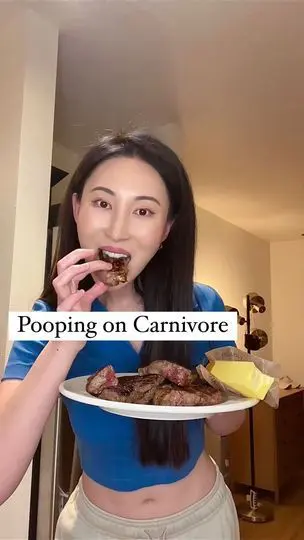
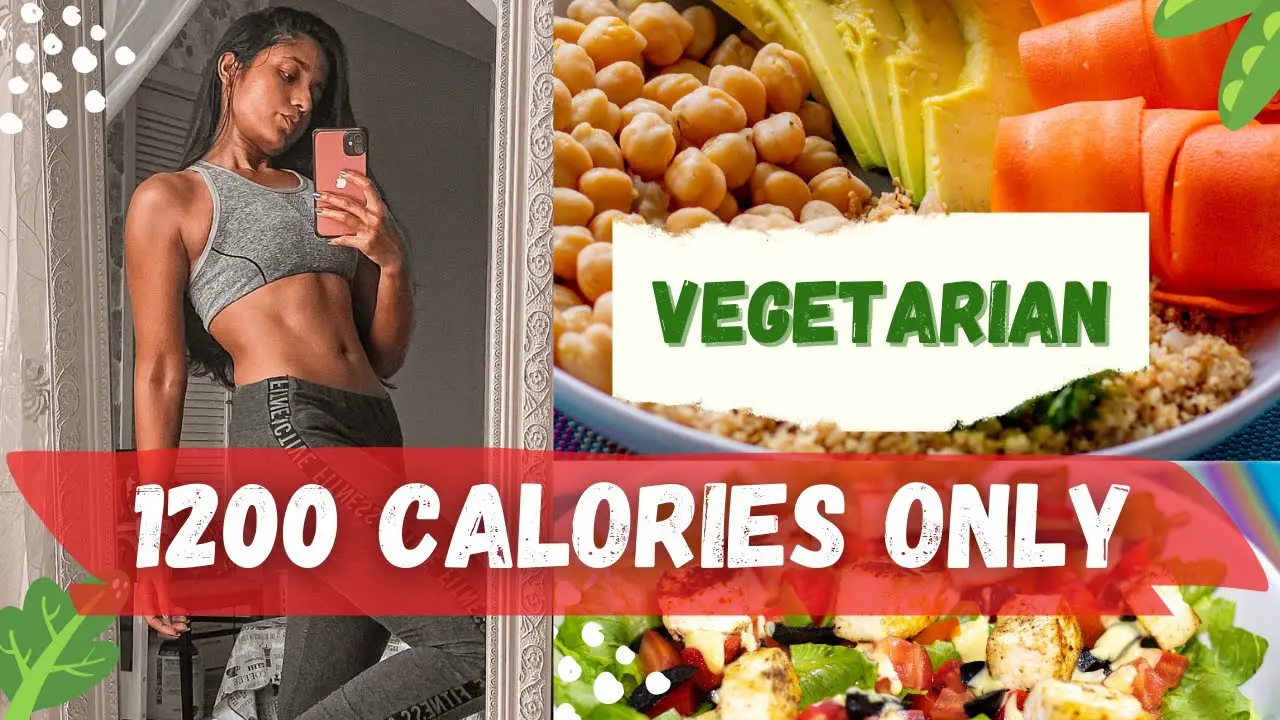
Publicly broadcasting a diet gives it legitimacy, and when coupled with aesthetic presentation, lean-body checks, and magnetic social influence, it becomes a tempting blueprint for impressionable viewers.
While these diets may appear to work for a rare few, without personal, cultural, and financial compatibility, as well as professional support, imitation is not only inaccessible but dangerous, potentially leading to restrictive eating disorders, malnutrition, or starvation.
This is even more concerning given the deceptivity of some creators – the product of an unregulated, clout-driven social media economy. For example, Liver King, viral for his apparent “primal” raw-organ-meat-filled daily intake and ripped physique, was exposed in 2022 for taking anabolic steroids.

In response to the overwhelming content, many fitness coaches, nutritionists, and dietitians, like Adam Wright Fitness and Abbey Sharp, have started creating reaction videos to WIEIADs, providing evidence-backed, accessible guidance.
“When social media first took off and WIEIAD videos exploded in popularity, I was hooked. I watched them religiously, copied them meal for meal, and truly believed that if I just followed what these influencers ate, I’d finally look like them—finally be enough… I know my experience is on the extreme end of the spectrum, but that’s exactly why I create these reactions. If I can help just one person question what they’re seeing, stop comparing, or avoid going down the same path I did, then it’s worth it. My goal is to cut through the noise and expose the problematic messages so many people don’t even realize they’re absorbing.”
– Laura Ghiacy, personal trainer and functional mobility specialist
Notably, not all WIEIADs are so extreme. Some share typical, moderate diets, while others actively attempt to shift centuries-old harmful discourse around food, body image and the thin ideal.
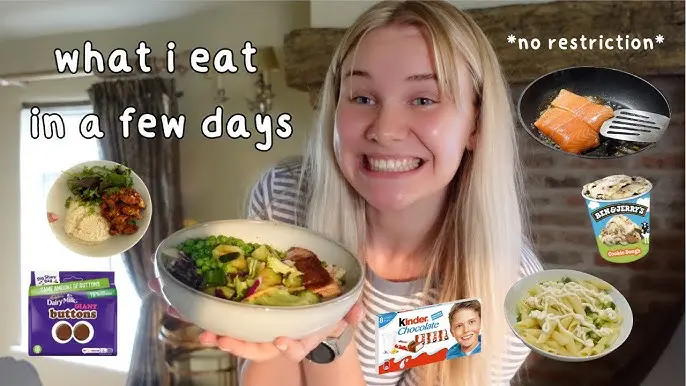
Rather than merely offering a nosy, but entertaining, look at someone’s private life, the argument that underpins these videos is that they democratize typically unaffordable nutritional information, provide recipe and budgeting inspiration, or help those struggling with restriction.
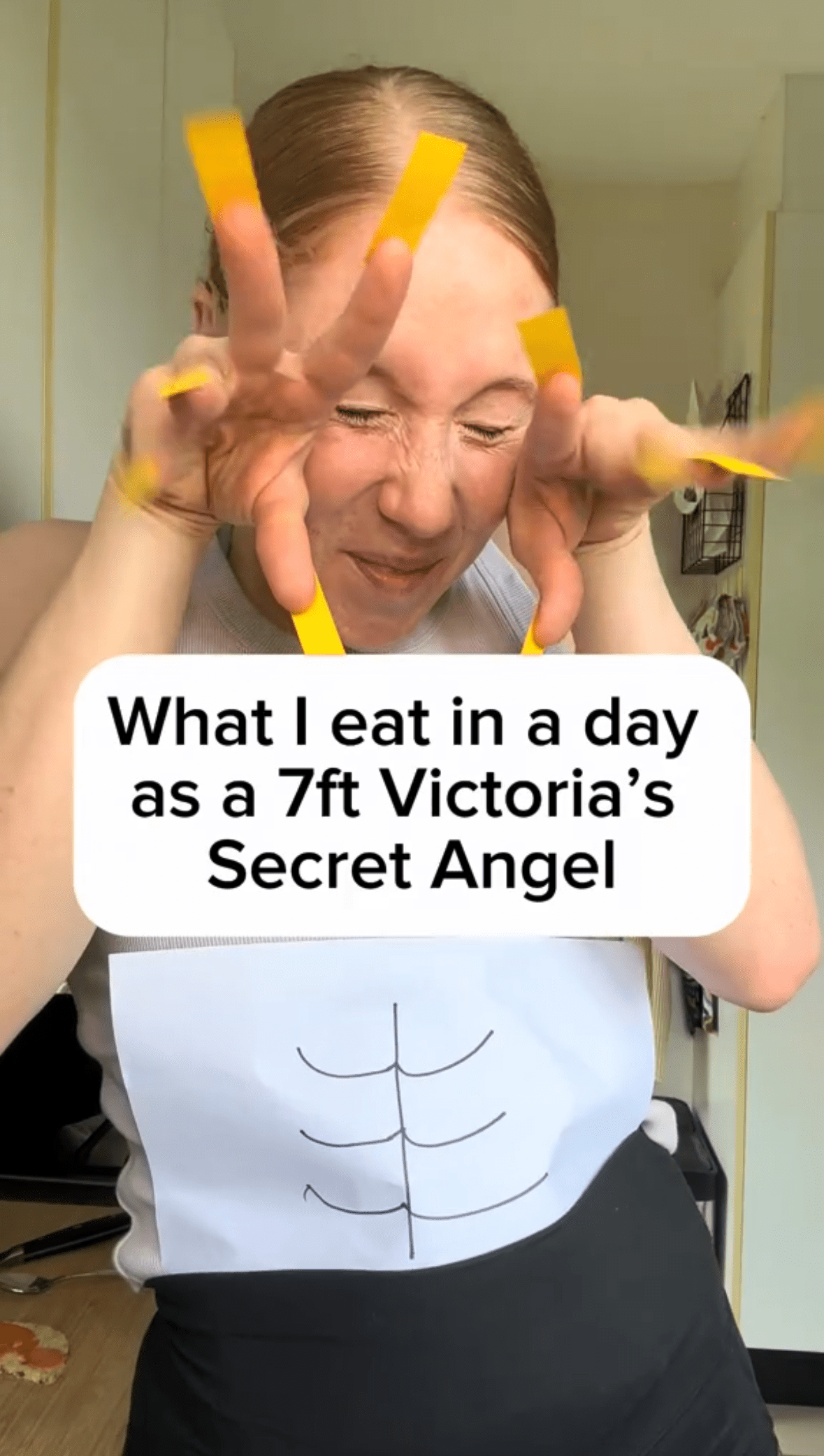
A popular style is “What I Eat as Someone Who Eats Whatever They Want”, or food-freedom-focused videos – a movement led by influencers like Brooke Paintain (@brookepaintain) and Colleen Christensen (@no.food.rules). These creators reclaim WIEIAD and eat unapologetically, joyfully, and to full satiety, offering refreshing, reassuring, and inspiring alternatives in a culture where food is overemphasized, demonized, moralized, controlled, and politicized. Some, like Charlotte Grimmer (@charlotteisgrim), have gone as far as to make hyper-performative parody versions with titles like WIEIAD as someone better than you, which include drawn-on six-packs, strawberry tops, four peas, and a teething ring.
Nevertheless, even when WIEIADs are framed as empowering or positive, they can never be completely so, because the culture that creators and viewers exist in is saturated with misinformation, prejudice, and toxicity. Creators cannot control why people watch – often it’s driven by self-comparison, judgment, or eating-disorder trigger-seeking, as why else would someone be so interested in watching something as mundane as a person eating their morning porridge?
Displaying one’s diet implicitly signals that this is the “right” way to eat, or how to eat to look like the creator, inviting audiences to measure themselves against it. But there is no “right” or “universal” way to eat or look.
As Dr. Charlotte Markey, author of The Body Image Book, explains:
“WIEIAD videos are problematic… Our food choices are driven by a variety of forces – appetites, cultures, resources, activity levels and so much more. Two people can consume the exact same foods and have very different bodies.”
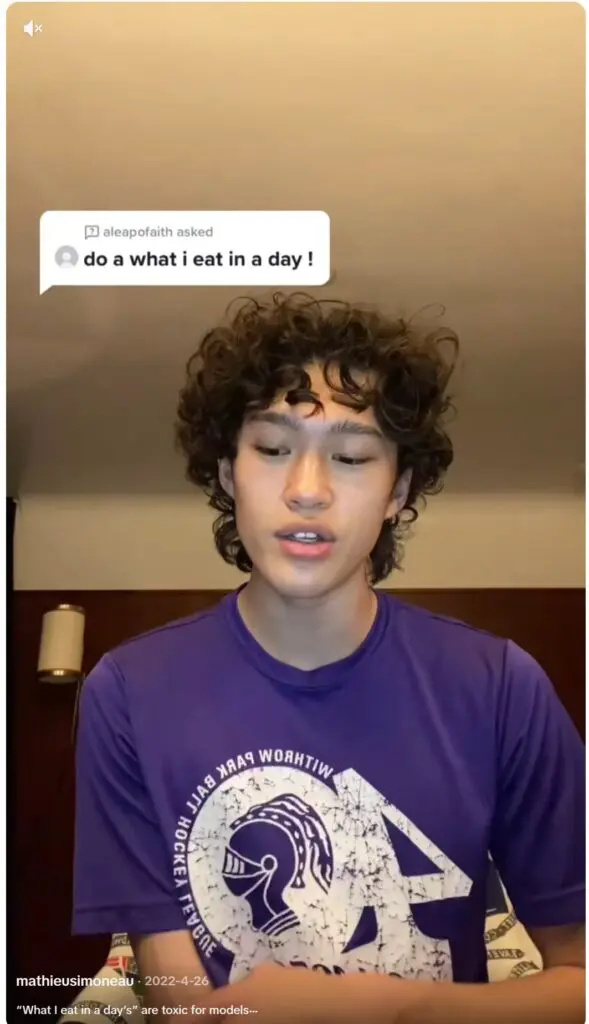
This is why famous fashion models like Mathieu Simoneau and Calum Harper have openly refused requests to film these videos on social media.
The whole filming process is also problematic. Regardless of intent, filming oneself feeds into hyper-surveillance, self-monitoring, narrative-building, and food noise. This mirrors the core mechanisms of restrictive behaviour patterns while perpetuating society’s obsession with food, body image, and what eating “says” about us.
“I think the problem is there’s so much of our identity, acceptance, and worth wrapped up in our food… Eating is no longer just about what you want. What you eat is about what you’re putting out there. It’s how you’re perceived in the world.”
– Renee McGregor, eating-disorder and sports nutrition expert for Stylist
Although the endless stream of WIEIAD videos is a symptom of society’s obsession with food and the body, they are also simultaneously tightening the knot between health, value, and visual appearance. While a small proportion of WIEIADs arguably have some benefits, too many are actively dangerous, and all of them are, at the very least, risky.
Awareness of the threats of these videos and wider diet culture is growing – Instagram has inserted an automatic Help Is Available landing page under WIEIAD searches. However, this is not enough. An urgent cultural shift surrounding the way society frames diet and body image, understands and teaches nutrition, and holds platforms, creators, and those in power accountable is vital, and confronting WIEIAD culture is a perfect starting point. Whether it was a chicken caesar salad or cheesy nachos, what you ate today is simply the most boring thing about you.


