Words by Eylul Ulug
Edited by Valerie Aitova
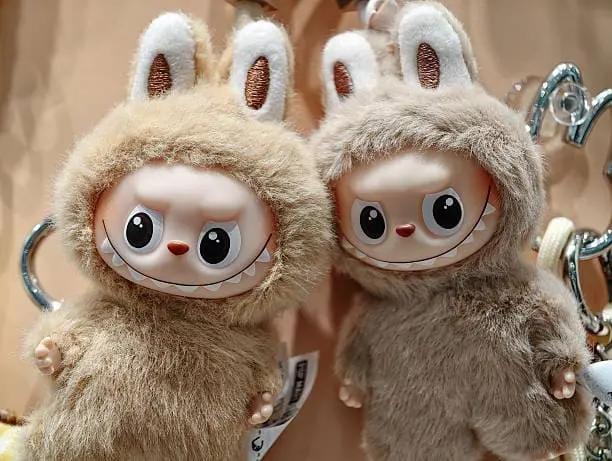
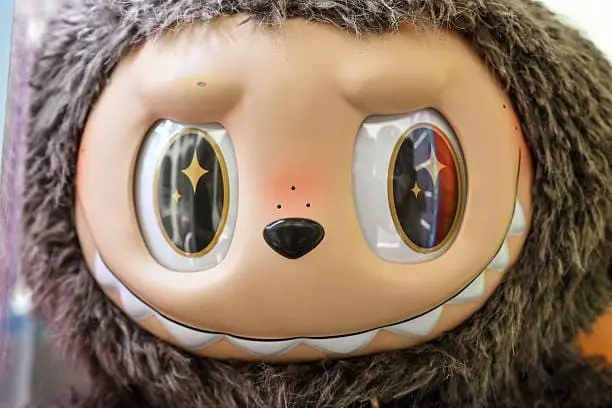
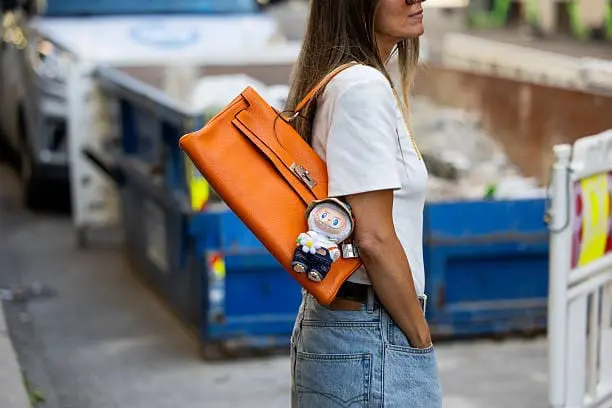
Jane Birkin’s habit of adorning her iconic bag with ribbons, charms, and trinkets was one of the earliest and most memorable ways to inject spontaneity and personality into the world of luxury. This small gesture didn’t just transform a bag—it redefined status and style. Over time, the tradition evolved into more striking and inventive forms: Karl Lagerfeld’s fluffy Fendi monster charms, Louis Vuitton’s vibrant, eye-catching bag accessories… And today, perhaps the most vivid and unforgettable incarnation of this legacy is Labubu, with its wide eyes, toothy grin, and distinctive character, emerging not just as an accessory, but as a cultural icon in its own right.
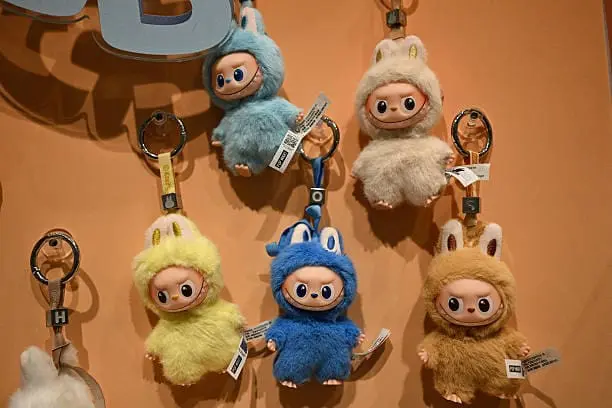
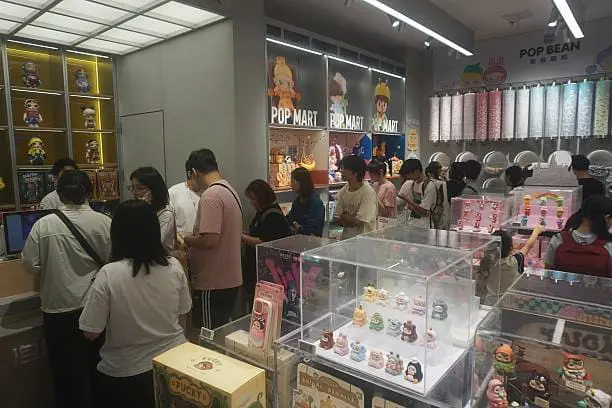
Labubu’s story didn’t begin in a fashion house, but in a storybook. In 2015, Hong Kong born artist Kasing Lung combined the imagination of childhood with the darker allure of European fairy tales in his picture book series The Monsters. Among its characters was Labubu: endearing yet a little unsettling, poised somewhere between innocence and mischief. Initially known only to a small circle of art collectors, Labubu reached a global audience in 2019 thanks to a partnership with Pop Mart. Released through the blind box system, the miniature figures quickly ignited a wave of obsessive collecting.
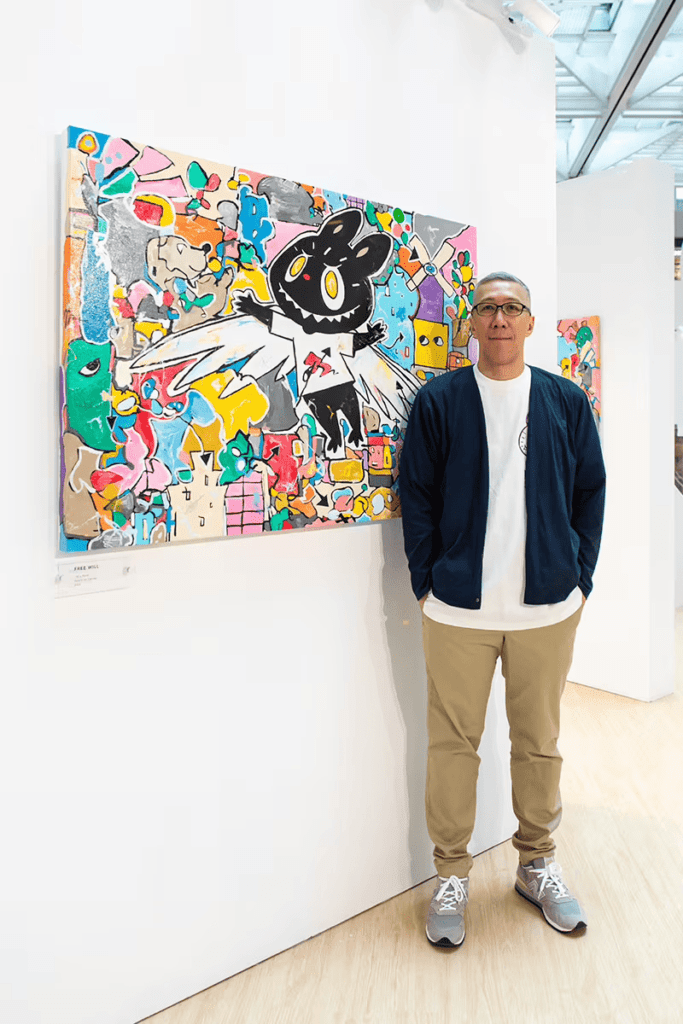
The rapid rise of Labubu is no accident—it rests on several cultural dynamics. First, the blind box format turns every purchase into a game of chance, making the act of buying an experience in itself. Second, celebrity influence cannot be overstated: when BLACKPINK’s Lisa was seen with Labubu on her bag, social media exploded, and soon after Rihanna, Dua Lipa, and Kim Kardashian embraced it, elevating it into a fashion symbol. Celebrity endorsement is crucial because it signals status and desirability to fans, legitimizing Labubu as a trendy, must-have item and accelerating mainstream adoption. Third, TikTok and Instagram further fueled the craze through unboxing videos, outfit pairings, and memes, turning Labubu into more than an object—it became a shared cultural language.
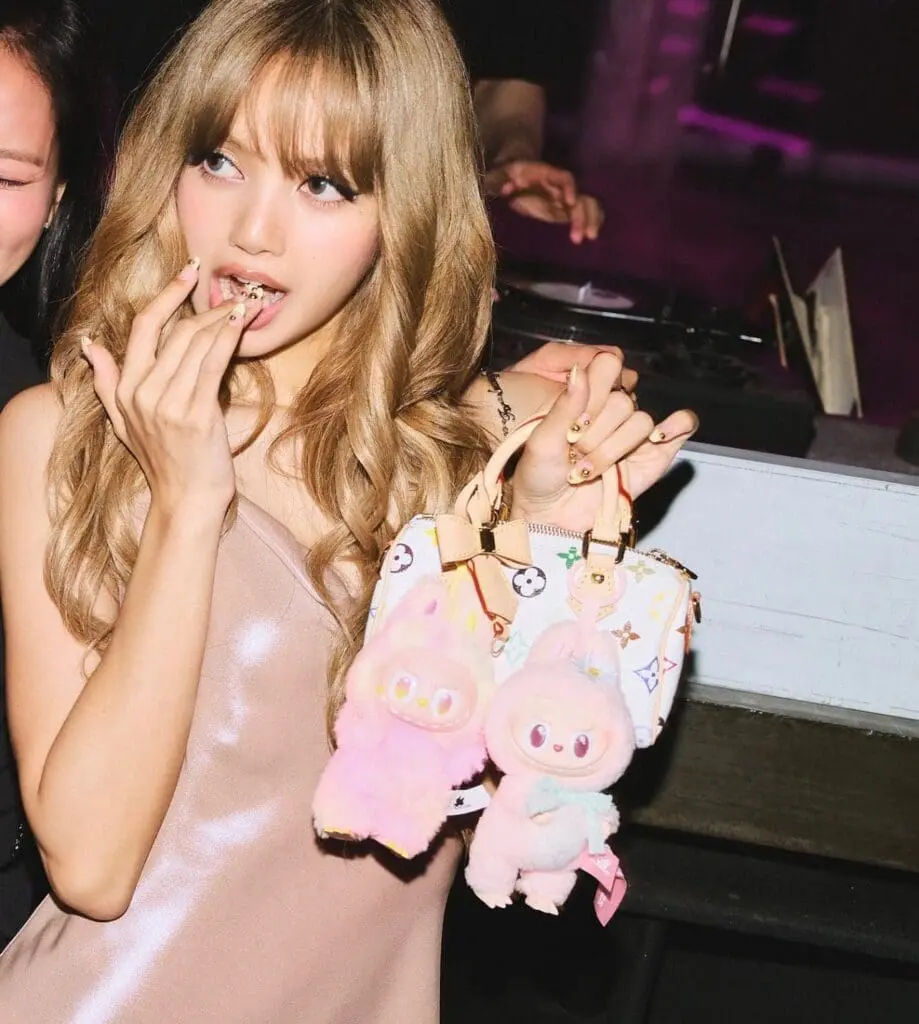

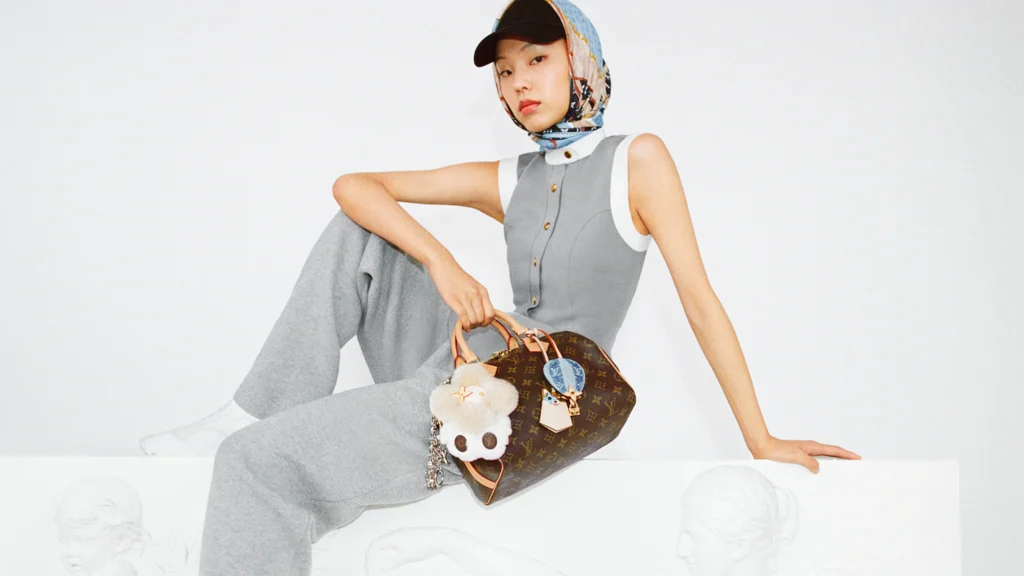
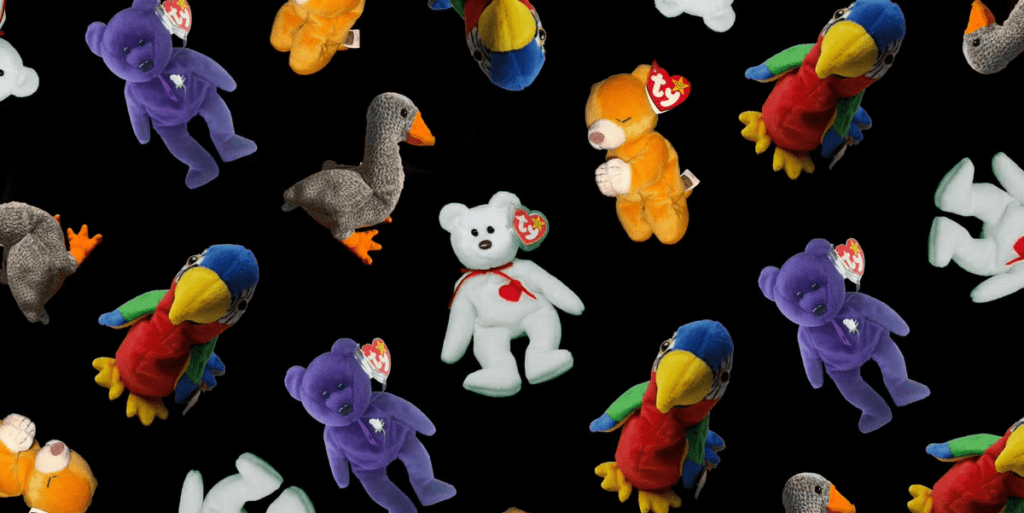
Placing Labubu into a broader cultural lineage reveals even more. In the 1990s, Beanie Babies and Tamagotchis triggered similar frenzies around scarcity and collecting. In the 2010s, Fendi’s monster charms brought playfulness into the realm of high fashion. And decades earlier, Jane Birkin herself pioneered the idea of personalizing luxury by adorning her own bag with everyday objects. Labubu merges all of these traditions: the fairy-tale narrative, the thrill of collecting, and the ironic twist on luxury.

Of course, every phenomenon has its shadows. “Lafufu” dolls are rapidly gaining popularity, but fake products are flooding the market, posing both economic and safety risks. The soaring resale prices recall the Beanie Babies craze of the 1990s, when stuffed animals were suddenly treated as high-value collectibles. People bought and sold them at inflated prices, only to see the market collapse almost overnight, leaving many collectors with worthless toys. If demand continues to outpace supply, Labubu could quickly become oversaturated, and once the hype fades, prices may plummet, leaving latecomers financially exposed.
Yet beyond the critiques, Labubu stands as a symbol of today’s cultural spirit. It offers something tangible in an increasingly digital world. It softens the rigidity of luxury with irony and humor. And it provides younger generations with a small but meaningful form of personal expression.
Perhaps Labubu’s true magic lies in this: a tiny plush figure that has become not just an accessory, but a cultural object embodying the ironic yet emotional face of our era. Its toothy smile nods to the fairy tales of childhood while also capturing the fast-paced cycles of digital consumption; it bridges high fashion and street culture, becoming one of the simplest yet most powerful vehicles of identity. Whether dangling from a Birkin or lighting up a TikTok feed, Labubu carries a message: the smallest details can be our strongest reflections, and sometimes a monster’s grin is enough to sum up the soul of an entire generation.