
Words by Sabrina Reddy
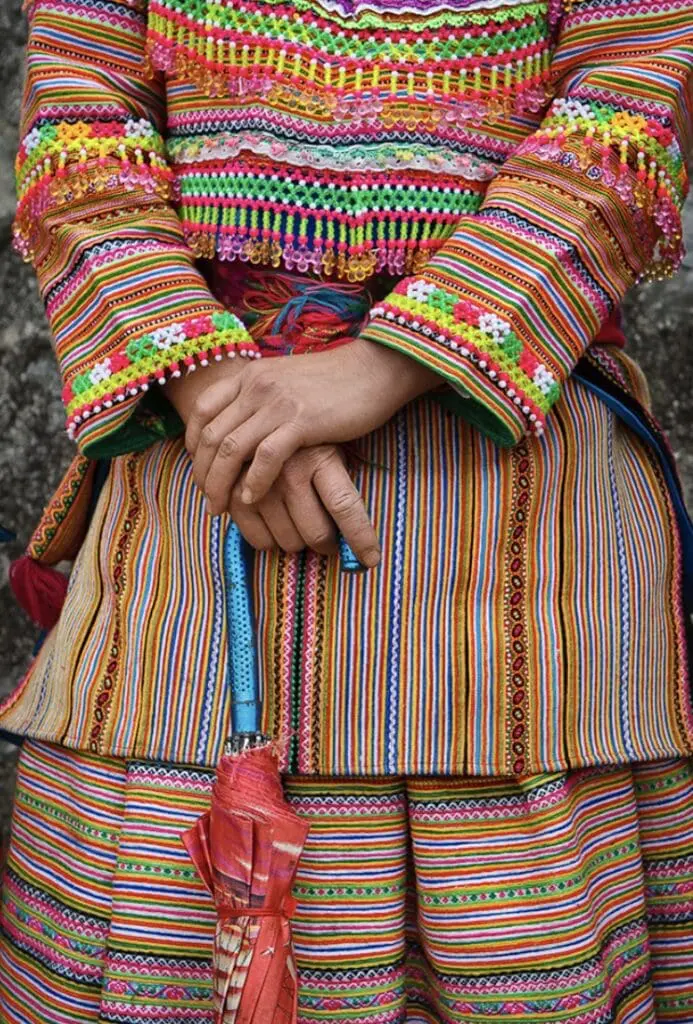
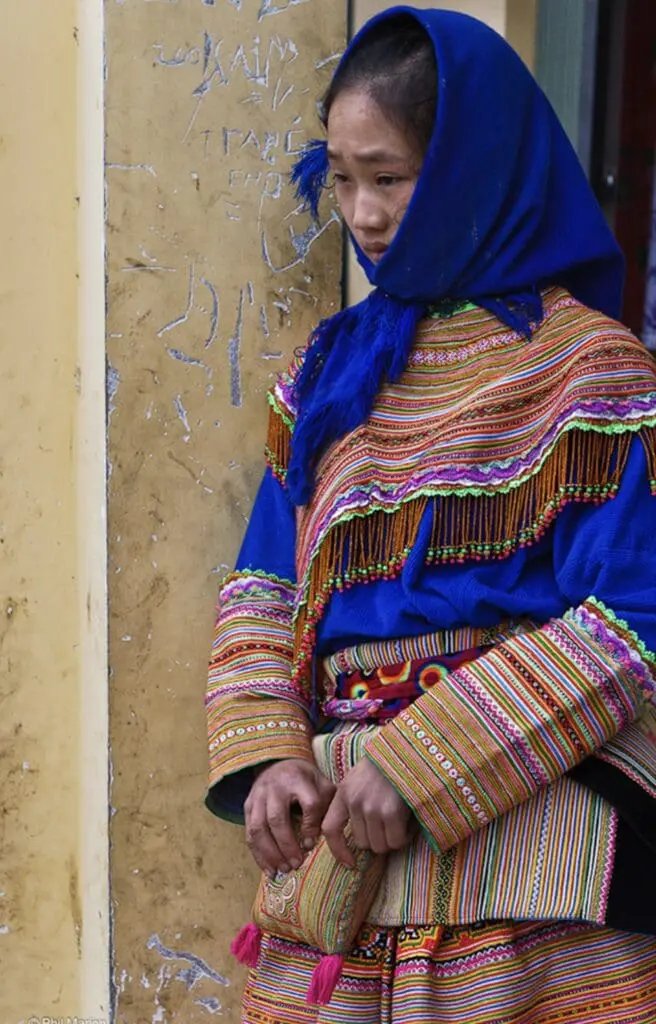
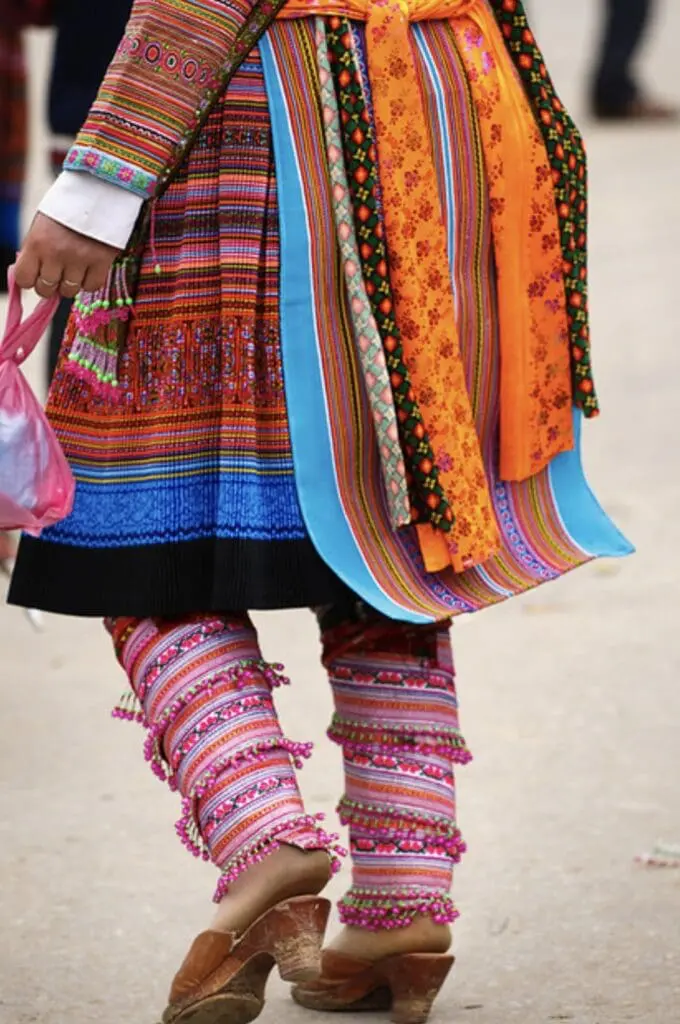
The intricate textiles of the Hmong people are more than just fabric; they are vibrant narratives of resilience, artistry, and cultural identity. Growing up as a second-generation Hmong in the US and UK, I often felt like a tree with roots spread too thin — deeply connected to my parents’ heritage yet swaying in a cultural wind that rarely acknowledged us. Still, amidst this divide, my mother’s ornate garments resonated strongly with me, rich with traditions and personal stories. These pieces weren’t just clothes; they were a kaleidoscope of history, pride, and artistry — a treasure that is now stepping into a well-deserved global spotlight.
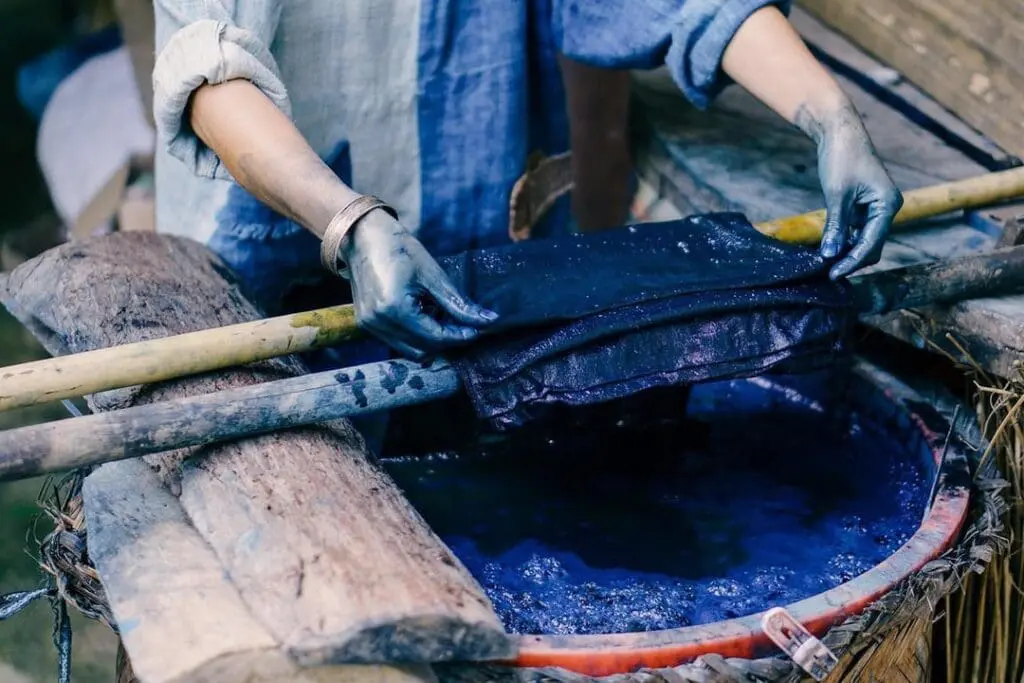
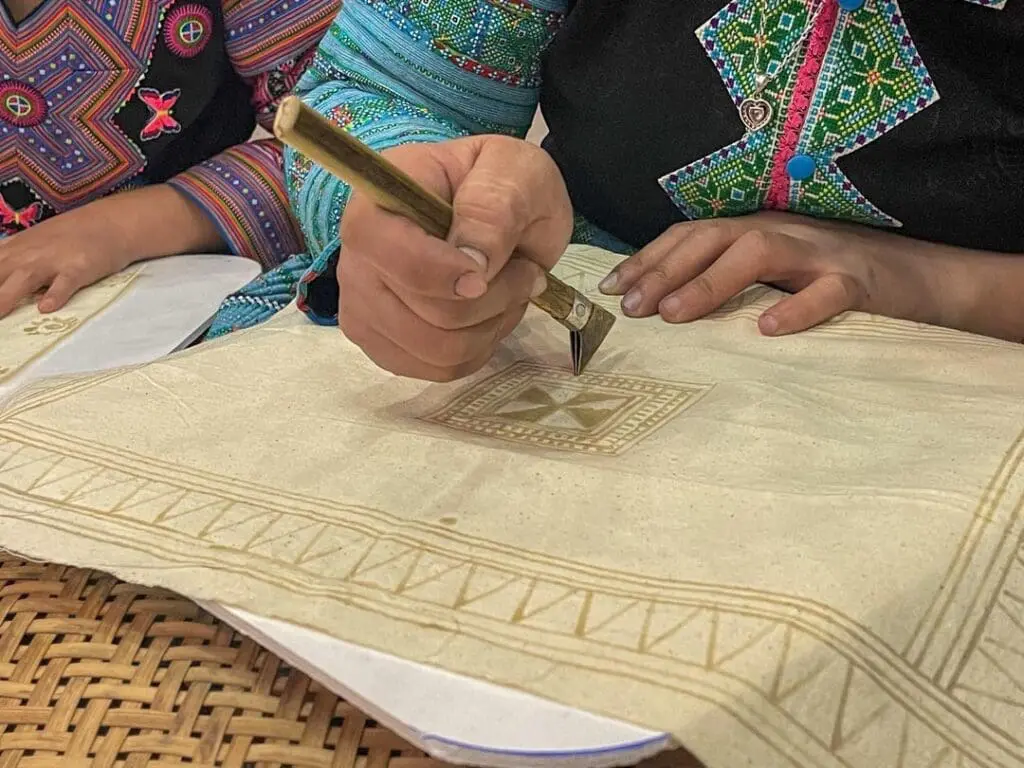
Hmong textiles are nothing short of wizardry — a conjuring act of history, culture, and craft into something tangible. Batik, for instance, is a mesmerizing alchemy of wax and dye, creating patterns that feel as intricate as constellations. The process is painstaking: artisans use a simple but precise tool called a canting to apply hot wax to fabric, sketching complex geometric designs by hand. The wax resists dye during subsequent dips into indigo or other natural pigments, revealing patterns as layered and meaningful as poetry. These geometric designs aren’t just decorative; they’re alive with meaning. Fractal motifs reflect the Hmong belief in harmony and interconnectedness, while other symbols channel spiritual protection or honor nature’s cycles.
Embroidery carries its own magic, acting as a visual storyteller. This meticulous art involves stitching vivid threads into intricate patterns, often with bold, contrasting colors. Floral patterns bloom across garments as a nod to nature’s abundance, while animal motifs offer quiet affirmations of strength, loyalty, and wisdom. Each piece takes weeks, sometimes months, to complete, with vibrant colors — red for prosperity, blue for tranquility, white for purity — transforming these works into a vibrant language of values and traditions. The deliberate symmetry in designs speaks to the Hmong reverence for balance and order, grounding every stitch in both art and philosophy.
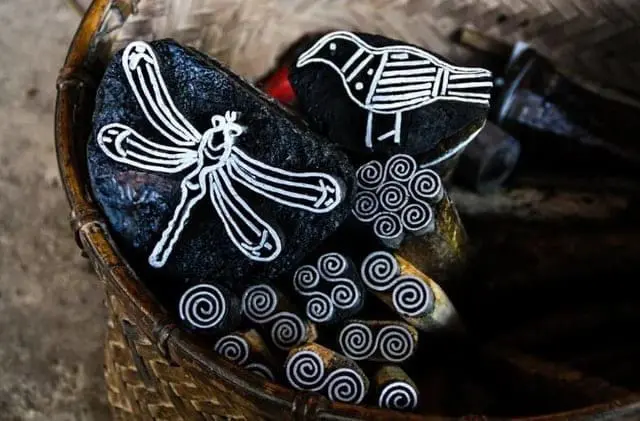
Even the art of appliqué feels like a kind of spellcasting. This technique layers brightly colored fabrics to create intricate, textured designs, depicting mythical creatures, spiritual beliefs, or historical sagas. Thin strips of fabric are cut and sewn with pinpoint precision, creating dynamic, multidimensional images that seem to leap off the fabric. The complexity of these designs demands not only exceptional skill but also a profound understanding of the stories and symbols being represented. Each garment becomes a wearable tapestry, stitching together the threads of memory, culture, and identity.
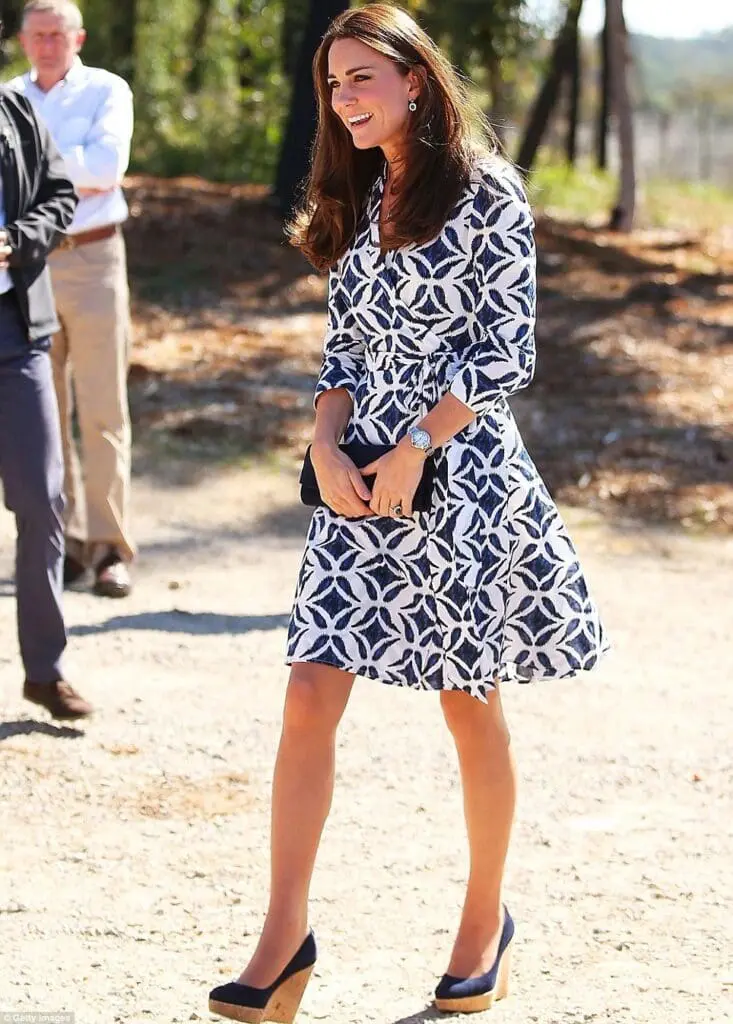
Hmong fashion has always been avant-garde — its artistry standing tall long before it became trendy. But today, it’s experiencing a renaissance. Imagine batik patterns now adorning the sleek cocktail dresses of Diane von Furstenberg, or streetwear brands like Maharishi integrating traditional embroidery motifs on their modern apparel. It’s as if an indie band beloved by its core fans suddenly breaks into the mainstream, its authenticity intact.
Social media has amplified this evolution, allowing Hmong artisans to showcase their work to a global audience. For someone like me, who wore these garments mostly during New Year celebrations or family gatherings, seeing them embraced worldwide feels like witnessing a deeply personal secret transform into a universal phenomenon.
Sustainability, a buzzword for many, is simply a way of life for Hmong textiles. The production process relies on natural dyes extracted from plants, insects, and minerals — indigo leaves for deep blues, tree bark for warm browns, and marigold flowers for golden yellows. The fabrics themselves, typically hemp, cotton, or silk, are handwoven on traditional looms, ensuring each piece is a labor of love. In an industry increasingly marred by mass production, Hmong fashion remains a quiet, steadfast rebel — prioritizing artistry and environmental harmony over profit.
The journey of Hmong textiles — from the hidden valleys of Yunnan to the bright lights of international fashion weeks — is a testament to resilience and creativity. Yet, even as they dazzle on global runways, efforts are underway to ensure their roots remain intact. Educational programs, workshops, and artisan collectives are nurturing this heritage, passing down skills and stories to younger generations.
This blend of tradition and modernity fills me with an overwhelming sense of pride. It’s not just about preserving our culture; it’s about redefining it — proving that heritage isn’t static but a dynamic force capable of evolving while staying true to its essence.
So here’s to Hmong fashion — a dazzling tapestry that refuses to fade. May it continue to inspire, evolve, and thrive for future generations of its ever-growing audience.


