
Words by Anastasia Andriadi
Edited by Valerie Aitova
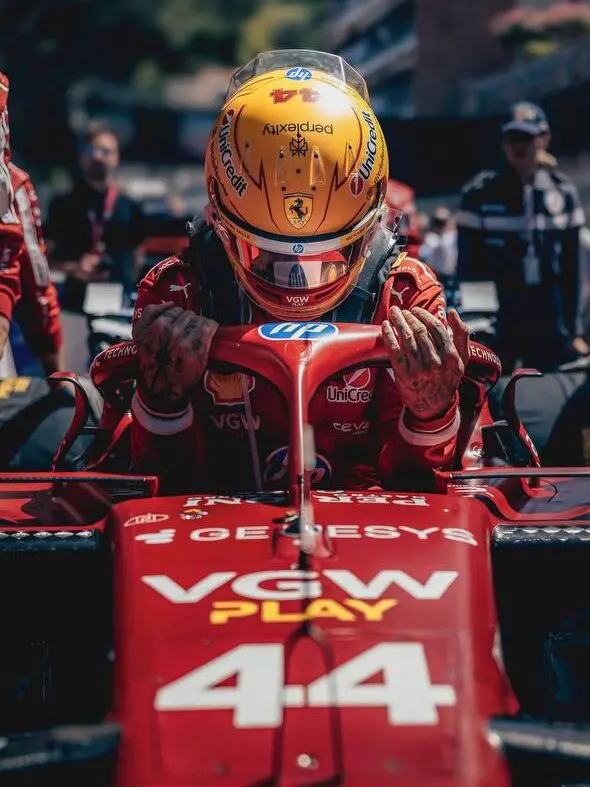
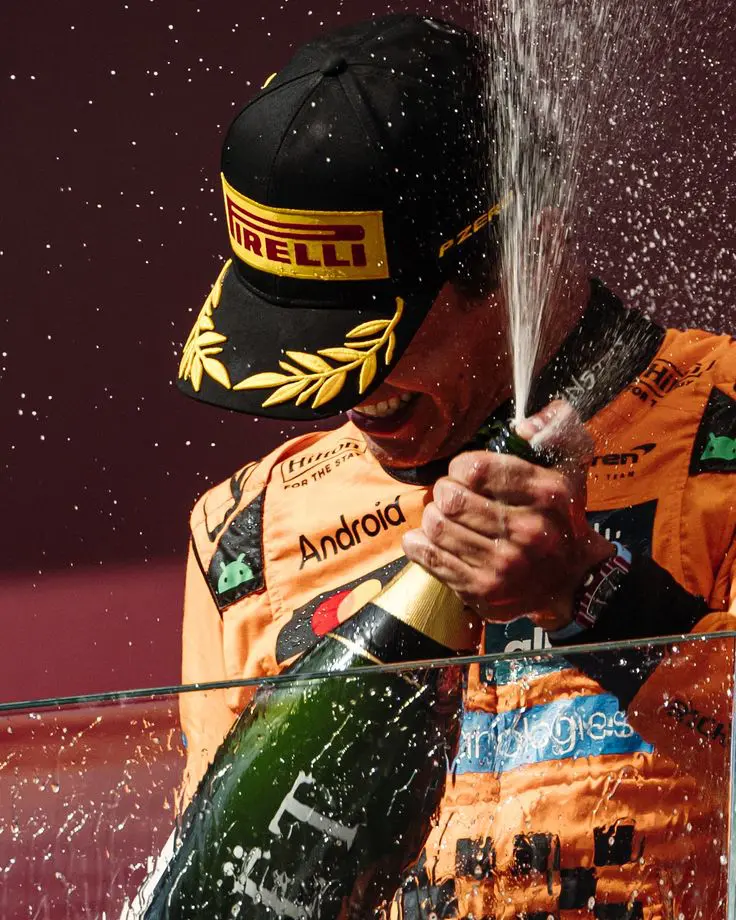
A place where mastery meets talent, innovation means excellence, and every second brings you closer to victory or to crushing defeat. A world of unparalleled speed, desire, ambition, and lavish living: the dazzling world of F1.
Snow-white yachts and sparkling streams of champagne flowing across podiums, the Rolex insignia gleaming across the circuits; VIP guests mingling among expensive cars while A-list celebrities proudly wave the checkered flag – all of it today feels inseparable from the world of Formula 1. Yet behind the spectacle and performance lies a far more profound cultural impact.
Over the years, Formula One has evolved into something more than just a motorsport – it is a cultural compass, a lifestyle of aspiration where engineering marvels collide with couture, celebrity allure, and multi-million-dollar luxury brand deals.
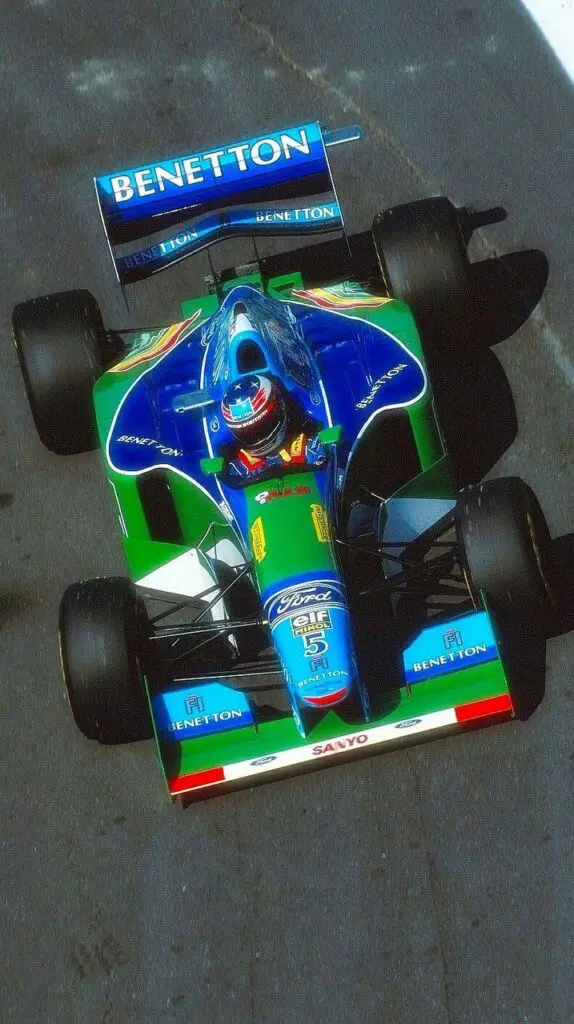
This glamorous side of F1, however, was not built overnight. Its roots trace back to the 1980s. Early in the decade, the Italian fashion brand Benetton entered the world of racing as a sponsor, and in 1986 it debuted its own team, bringing the “United Colors” to the circuits, and on that very day claiming victory at the Mexican Grand Prix. Benetton may have opened the race for fashion dominance, but Hugo Boss undoubtedly accelerated it. The German fashion house entered Formula 1 in 1981 and remains an integral presence to this day.

Fast-forward to the modern era: the long-standing cooperation between corporations and motorsport has only deepened. From Google’s digital edge to Tommy Hilfiger’s sartorial flair, brand logos now race alongside drivers, turning circuits into global advertising campaigns. This year, the LVMH Group signed an unprecedented ten-year, $1-billion global agreement with F1, marking a historic milestone. Several of its world-renowned maisons, including Louis Vuitton, Moët Hennessy, and TAG Heuer are joining forces with Formula 1, infusing the sport with their excellence, legacy, and signature savoir-faire. Most notably, TAG Heuer – Formula One’s first-ever watch brand sponsor, makes its iconic return as the sport’s official timekeeper. Formula 1 has definitely entered a new golden era in its high-end partnerships. But why, exactly, are global brands so invested in partnering with F1?
F1 creates a platform of unimaginable exposure, with hundreds of millions of fans rooting fervently for their favourite teams and drivers. Will Buxton, a British motorsport journalist, once noted:
“There are two religions in Italy: there’s the Catholic Church and there’s Ferrari.”
And nothing proves it better than the victory celebrations in Monza, with Ferrari flags waving in every direction. The quote may be a slight exaggeration, but it perfectly captures the scale of the influence of this sport, not only in Italy but across the globe. Drivers themselves have become influencers with millions of followers on various social media platforms. This is what draws brands to a sport with time-honoured prestige and legacy.
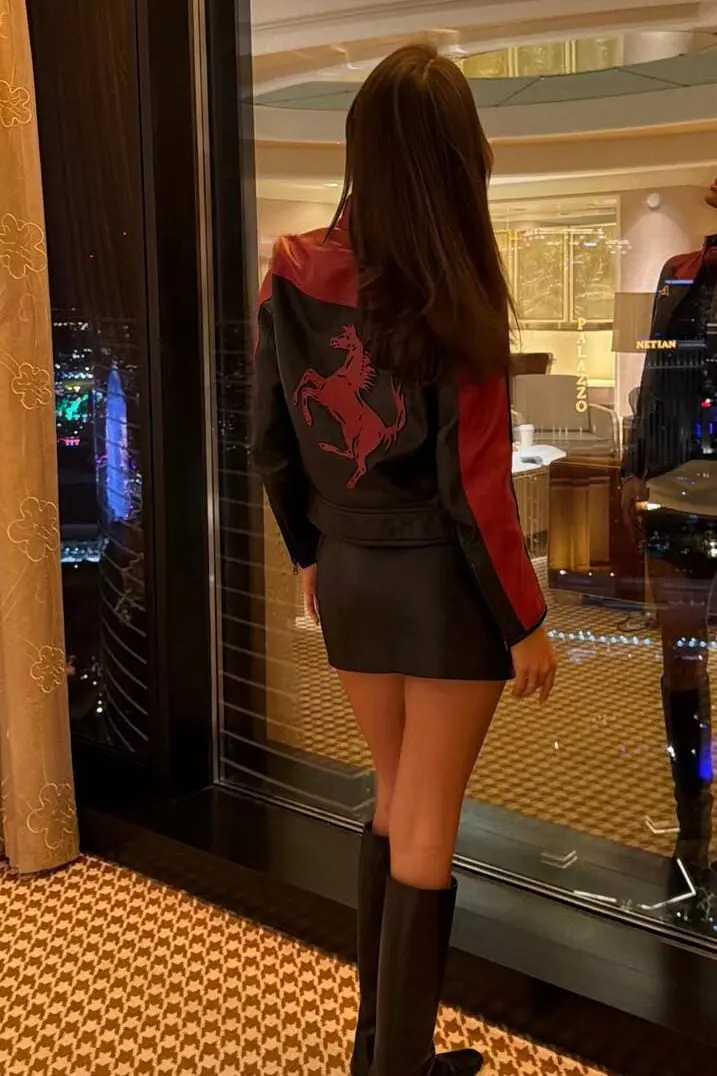
With Ferrari’s 2025 first in-house fashion collection debut at Milan Fashion Week under the creative direction of Rocco Iannone, the infusion of motorsport and couture clearly works both ways. Signature red, cutting-edge silhouettes, refined leather, and the iconic prancing horse all reflect the legacy of the luxury sports car manufacturer – translated seamlessly into the language of fashion.
Nearly half a century after the first brand appeared as a sponsor in Formula 1, by 2025 it is impossible to imagine any team without its sleek racing suits adorned with brand logos. Today, racing liveries have broken free from the circuits, crossing from raceways to streetwear and onto the pavements. Countless videos on social media showcase how to style F1 merchandise, incorporating it into everyday streetwear and fashionable looks.
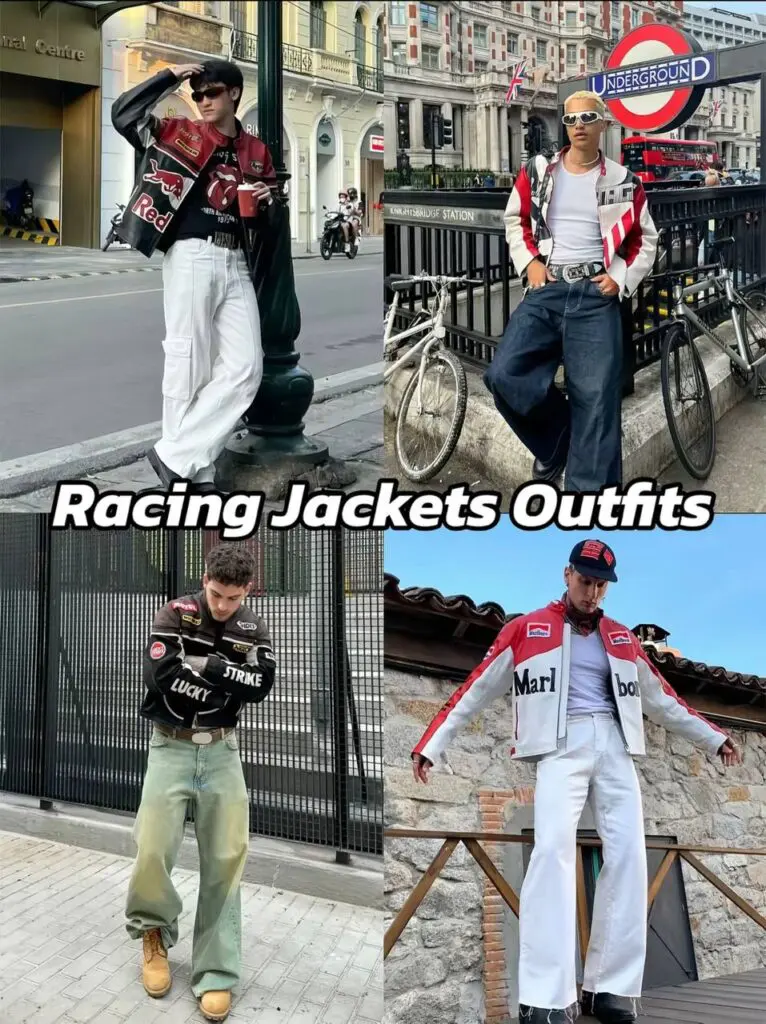
Part of the ever-growing popularity of F1 can be attributed to the remarkable success of Netflix’s Drive to Survive, which portrayed the sport from a new, more emotional angle. It revealed to a broader audience the personal side of racing. With its cinematic touch, the show won the hearts of fans and has now been renewed for its eighth season. Seeing drivers outside the racing setting, spending time with family or sharing their worries, makes the sport feel personal and brings fans closer to their heroes. Drive to Survive attracted a drama-fuelled influx of new fans through its narrative rather than the sport itself. Among them, female fans have not only increased in number but also diversified the fan base. This year, the newly released F1 movie starring Brad Pitt, Javier Bardem, and Damson Idris, filmed during real races and podiums, only added momentum, boosting viewership and capturing even more attention for the industry.
Speaking of fans, based on the F1 Official Page, in 2024 the worldwide F1 fanbase was estimated at approximately 827 million people, 42 percent of whom were female. With so many eyes turned toward the sport, every phrase becomes a statement and every public appearance makes a front page. More and more brands want to leverage this exposure and collaborate with drivers and everyone involved.
Lewis Hamilton, a seven-time world champion known even by those who don’t follow the sport, is rightfully called Formula 1’s fashion trendsetter. His path to success is one of incredible talent, courage, discipline, and risk. Hamilton holds many firsts: he was the first Black F1 driver, bringing diversity and representation to the grid, and even today he continues to speak up about racial inequality in the sport. He is also the first driver to reach 100 Grand Prix wins. These achievements make him a role model for millions of people.
His iconic phrase “It’s hammer time” defines his high-performance dominance on the grid, but off the track he leads as a style icon as well. His appearances turn paddocks into catwalks. The official F1 TikTok page frequently posts compilations of his outfits, which look as if they were pulled directly from runway shows, refined, dynamic, and impeccably styled for every occasion. As a global ambassador for Tommy Hilfiger, he often pairs baggy bombers, hoodies, and shirts in the most creative, memorable ways.

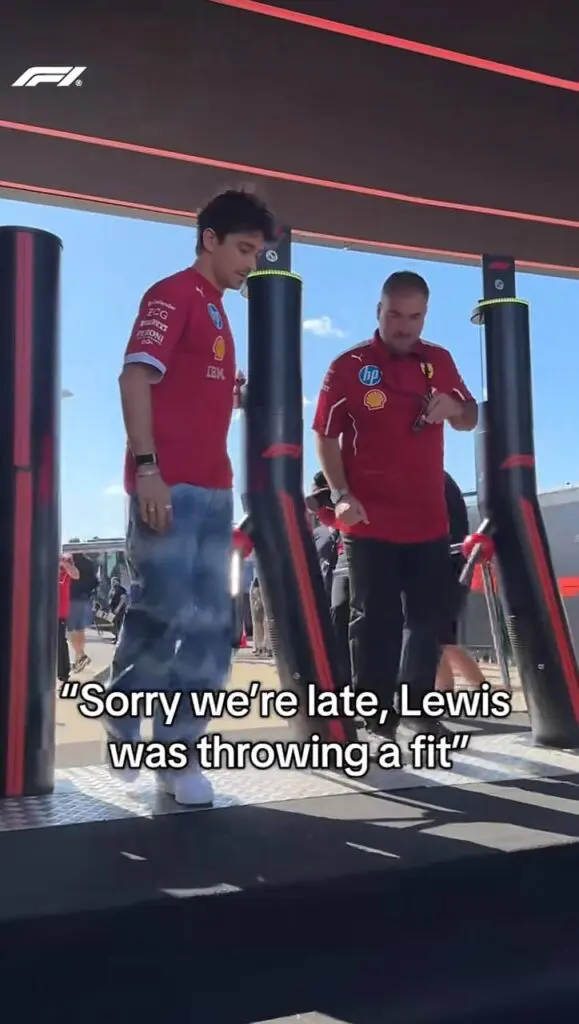
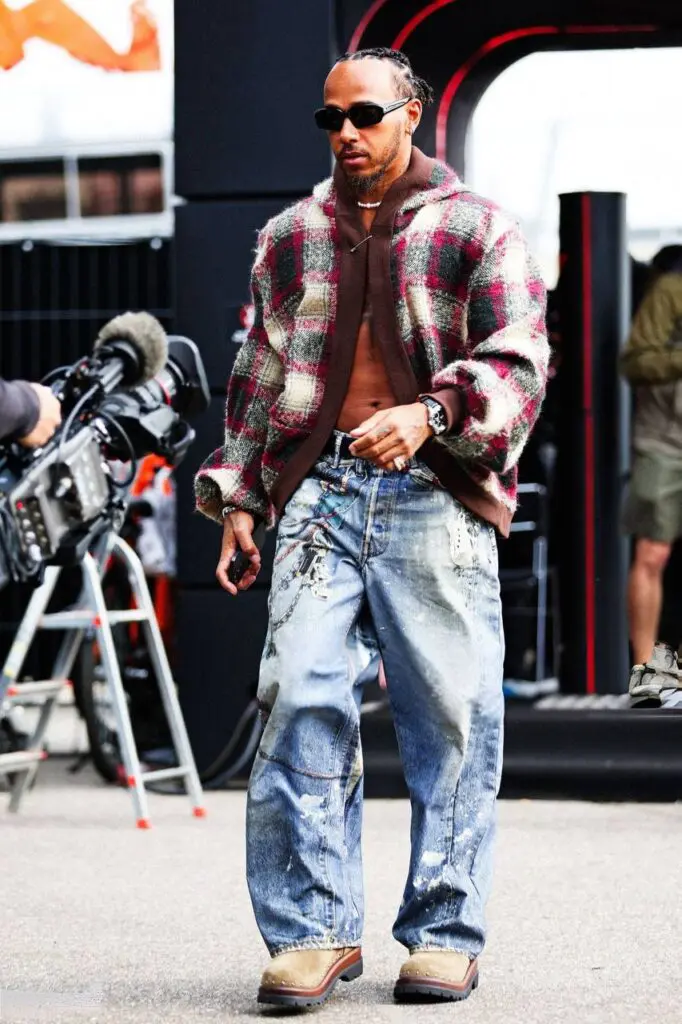
As Lewis Hamilton leads the fashion race, his teammate Charles Leclerc follows at full speed with simple but always elegant fits. Most of the drivers have their own distinctive styles and aesthetics so much adored by their fans.
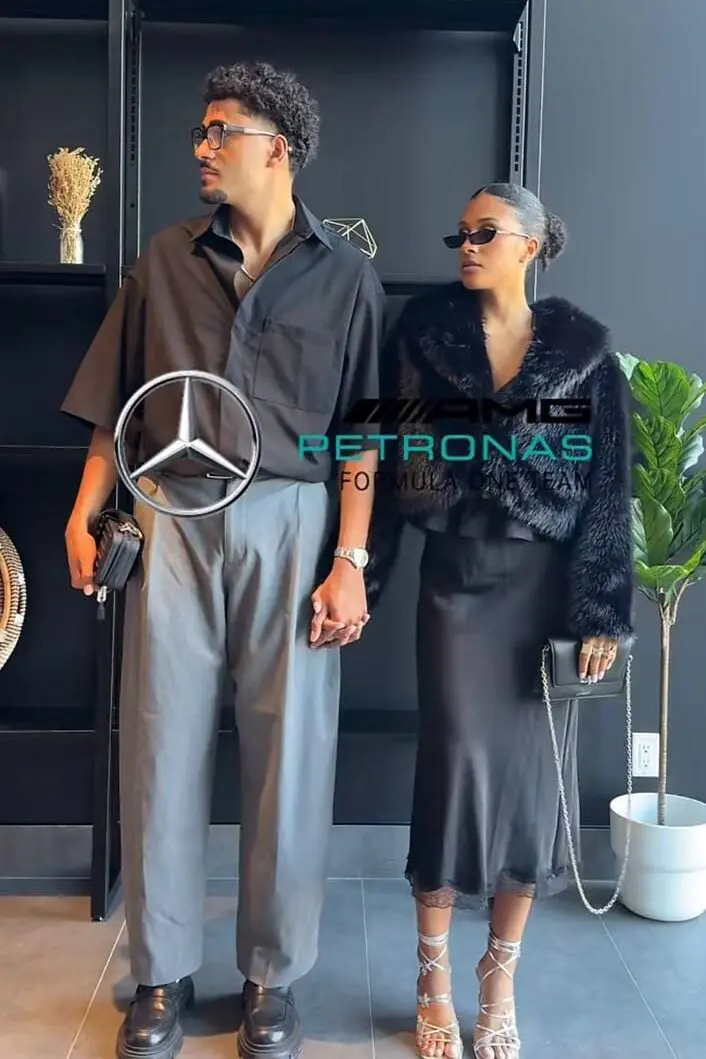
But F1 racing athletes are not the only ones turning heads. WAGs also join the fashion race, vying for influence. WAGs stands for “wives and girlfriends” of high-profile sportsmen and women – yes, there is an acronym for that. They bring elegance and feminine power into a male-dominated world, building fan bases that stand apart from their F1 partners.
Alexandra Saint Mleux is a perfect example. It was only a matter of time before her eloquent, effortlessly classy, and art-infused looks drew widespread attention. Her outfits often reflect the culture of the country hosting the race, and her passion for art echoes through her wardrobe. Clio Peppiatt dresses, dreamy, shiny, and magical, have become strongly associated with her. One of her win looks is the long silver shimmering dress with dark blue flowers, paired with earrings shaped as a prancing horse in the same color, elegantly paying homage to Ferrari, the team of her fiancé, Charles Leclerc.
TikTok and Instagram have been heavily inspired by Alexandra Saint Mleux’s sense of style and beauty. Users share their favorite paddock fits, wishlists inspired by her aesthetic, and even “how to dress like Alexandra Saint Mleux, but more affordably” guides. On her official website, she posts items from her outfits, sometimes including similar pieces at more accessible prices so fans can recreate her looks. Her charm, kindness, and thoughtfulness strengthen her growing fanbase each month and naturally encourage more fashion brands to collaborate with her. Recently she partnered with Rhode and the Australia-based brand Meshki, further cementing her presence in the fashion world.

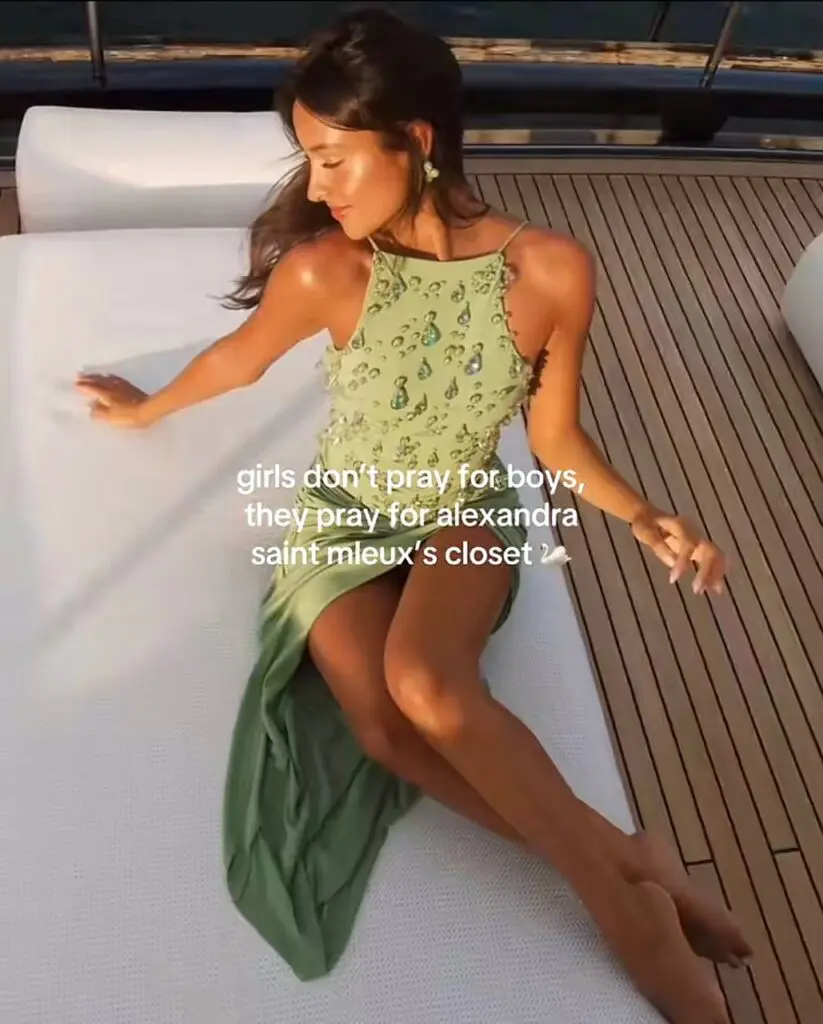

The surging influence of WAGs, with their distinct cultivated aesthetic, has become a powerful driver of Formula 1’s expanding fandom much like Drive to Survive. Their presence popularizes the sport in new ways, drawing in audiences who may arrive for the impeccable outfits and glamorous allure, only to discover a deeper passion for the racing itself.
As F1 continues to shine its spotlight on rising stars and new talents, the fanbase expands exponentially – as do the soaring ticket prices. For many fans, attending a race has become a luxury, but the sport’s popularity continues to climb. The reason is simple: diversification of the ways fans interact with the sport. Almost every racing team and the official F1 page now have TikTok accounts where they post short videos with drivers and beyond. Netflix’s series, high-quality broadcasts, merchandise, and countless other channels make it easier than ever to follow the sport. In the past, there were far fewer chances to see your favourite drivers compete for the world-champion title.
The sport is becoming more accessible but less affordable, opening its doors digitally while keeping its gates closed with ticket exclusivity.
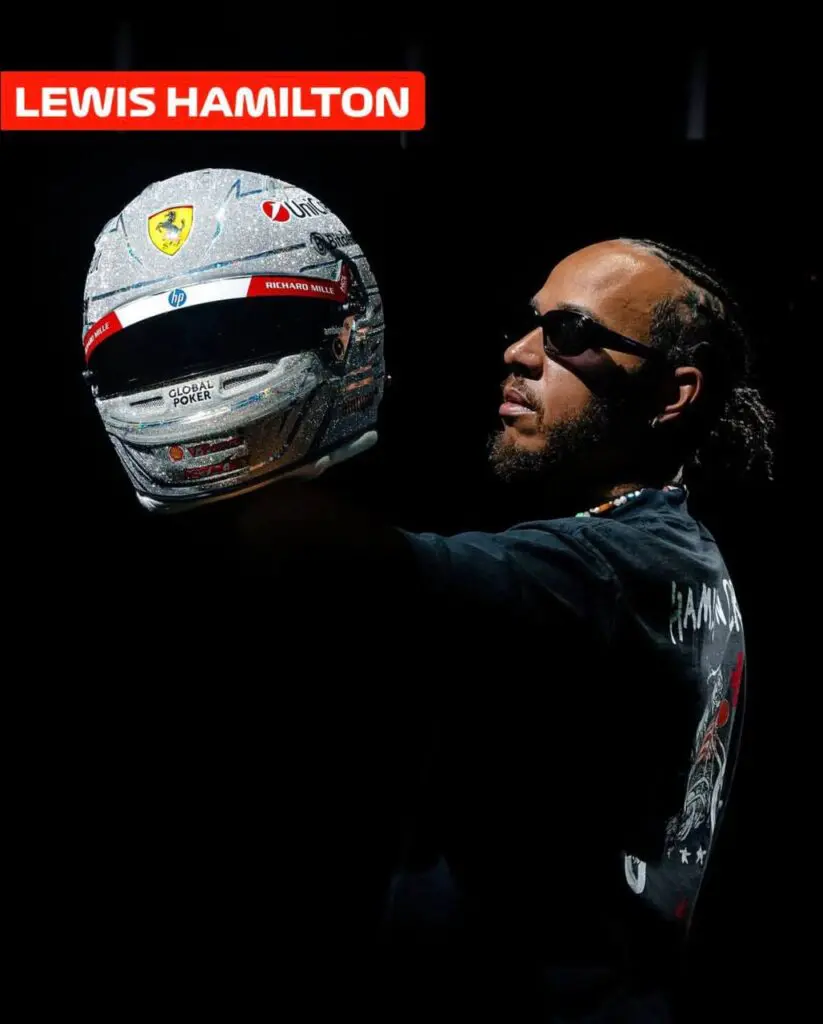
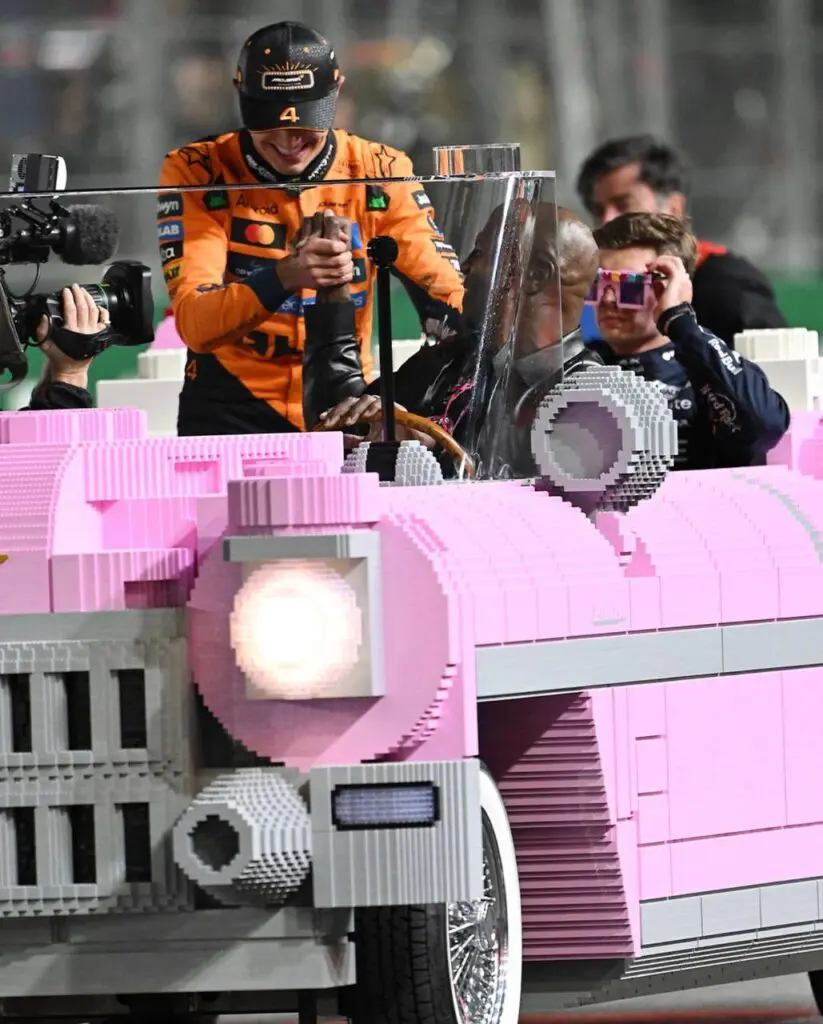
As I write, the Las Vegas Grand Prix has unfurled in all its grandeur. What could be more glamorous? Lewis Hamilton’s silver-sparkled helmet; a Lego-brick pink 1950s Cadillac with Terry Crews singing “A Thousand Miles,” recreating an iconic scene from White Chicks; and a constellation of celebrities transforming the paddock into a red carpet. All of it unfolds within the city’s chance-driven, luxurious spirit – the epitome of sport and luxury in one frame.

While the jet-set life continues to shine from the screens of our phones and TVs, fans keep hoping to one day experience this incredible show live, to become a part of its legacy or feel connected to it somehow. Before the eyes of spectators, lives unfold and great dreams come true, inspiring everyone who watches. This is what the world of F1 offers us: the sparkle, the glamour, the beauty of engineering, and the belief that relentless work pays off and those who dare to risk endure.
F1 will continue to set trends, evoke dreams, and shape ambitions. In this sport, determination fuels the grind and glamour crowns the victory. Yet as luxury and commercialization become almost woven into F1’s DNA, we must not lose sight of its true purpose: a celebration of motorsport and the immense effort poured into creating, maintaining, and driving those blisteringly fast machines at the edge of their speed. When glamour supports the sport’s core, F1 stands as a tribute to human skill and the relentless push for greatness.


