
Words by Anastasia Andriadi
Edited by Valerie Aitova
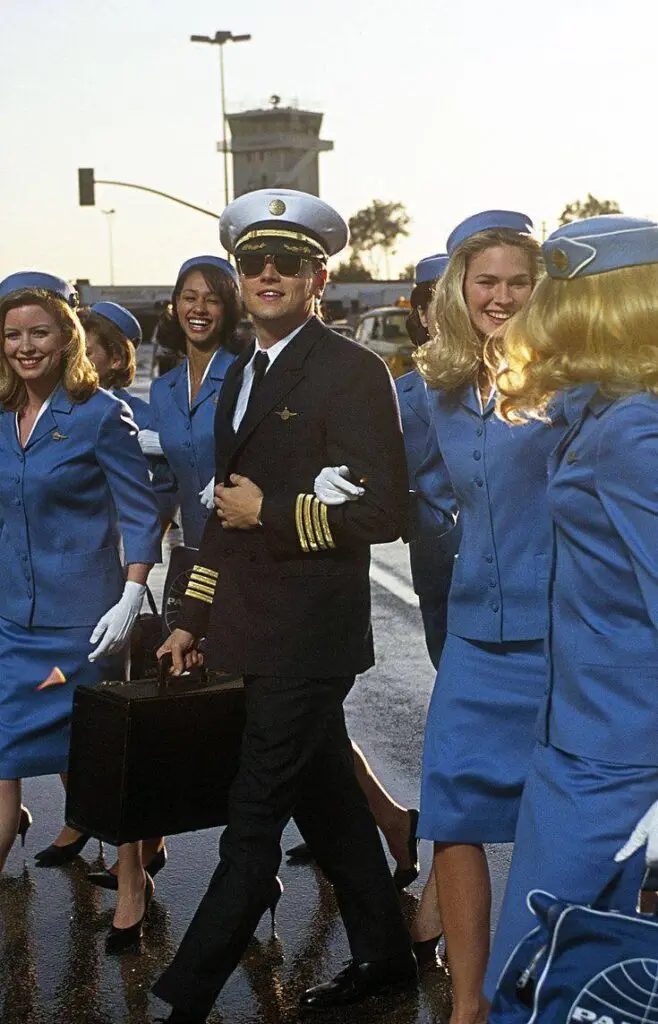

Have you ever watched a movie or a TikTok video that made you want to pack your bag, book a flight, and set off to the other side of the world?
Maybe it was Eat Pray Love, when Liz travels the world in search of herself, or Roman Holiday, where love unfolds against the backdrop of 1950s Rome, or Emily in Paris, as Emily takes her first bite of a pain au chocolat.
According to Expedia’s 2025 report, two-thirds of travelers say their travel choices are influenced by movies and TV series, while many others decide to follow in the footsteps of influencers. Today, in an era of AI, social media, and streaming, pop culture and trends shape not only where we go and why we go, but also how we experience and share our journeys with the world.
Imagine stepping into the shoes of your favorite character, wandering through the same university halls or landscapes, and feeling the magic of it all. For a brief moment, you are the main character, bridging the distance between the fictional world and reality. There is even a special term for this: set-jetting, a form of film tourism where travelers visit places featured in their favorite films, TV shows, or series. Chances are, you can already name a movie or series that sparked this desire to travel. Thanks to The White Lotus, Harry Potter, The Lord of the Rings, and countless K-dramas, the influx of devoted fans remains consistently high.
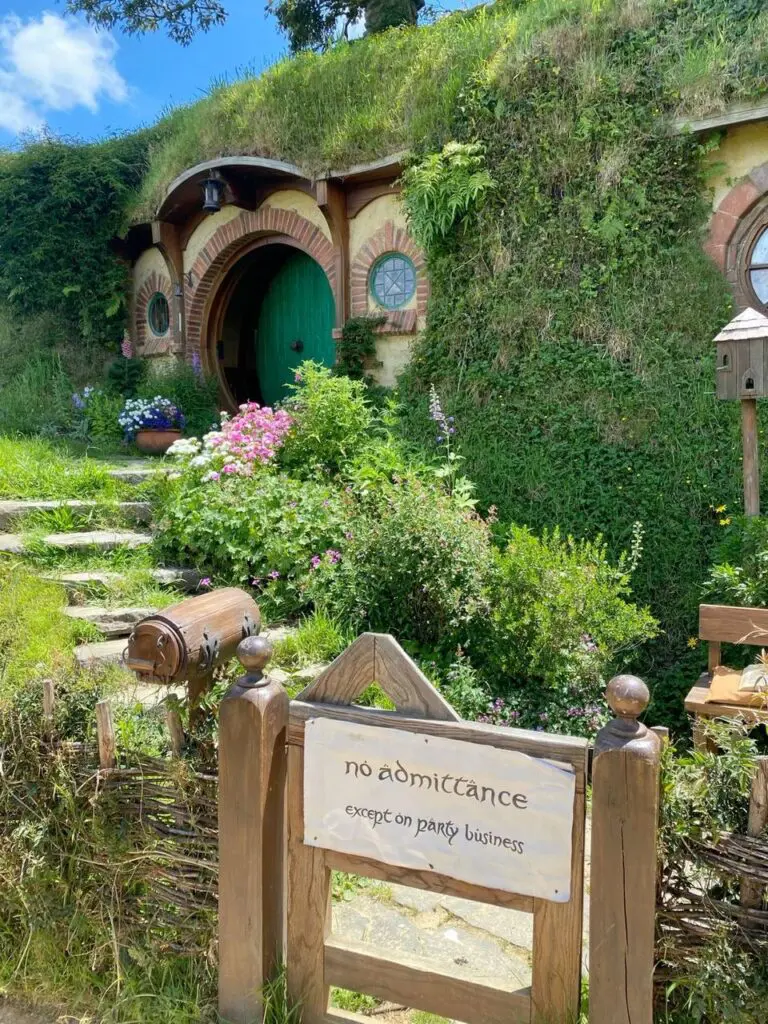

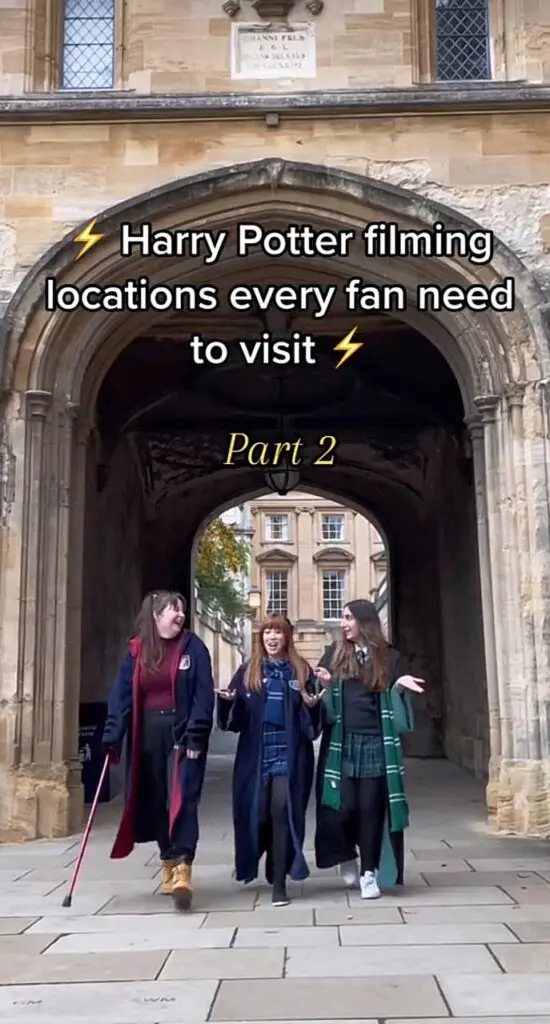
While Harry Potter’s London King’s Cross Station (Platform 9¾), Oxford’s Christ Church and Bodleian Library, or The Lord of the Rings’ New Zealand sites such as Matamata (Hobbiton) and Tongariro National Park (Mordor) have long drawn queues of devoted fans from all generations eager to experience the charm of those fictional worlds for themselves, HBO’s The White Lotus has only recently stepped into the spotlight, leaving its own cultural imprint.
Mike White’s satirical drama, an incisive exploration of wealth inequality and privilege layered with social and cultural critique, unfolds in glamorous paradisiacal settings, with each season dedicated to a new luxury destination: Hawaii, Sicily, and Thailand. Known as The White Lotus effect, the surge in interest among viewers in the luxury hotels featured in the series has been remarkable. After the runaway success of the first season, the Four Seasons Resort Maui at Wailea became highly sought after. Similarly, the second season’s destination, the Four Seasons San Domenico Palace in Taormina, Sicily, was fully booked for six months following the end of filming. The impact of the third season proved truly phenomenal even before its release. Once the filming location in Thailand was announced, the Four Seasons Resort Koh Samui immediately recorded a 40% rise in booking interest. Ironically, a show that ridicules the moral blindness of the ultra-rich has simultaneously fueled unprecedented demand for luxury tourism across the globe.
Equally adored, Netflix’s Emily in Paris has ignited the popularization of travel to Paris, with the fifth season coming out this December, taking Emily on a journey beyond France into the beauty and history of Italian landscapes.
In parallel, K-dramas, celebrated for their exquisite cinematography and aesthetics, continue to ride the accelerating K-wave, drawing ever-growing numbers of tourists each year to major series filming locations, including Namsan Seoul Tower, Itaewon, Bukchon Hanok Village, Korean convenience stores, or maybe even SUBWAY, of course only if you watch K-dramas until the credits roll. Fans across the globe rush to share their aesthetic adventures on social media, adding momentum and cementing new trends in tourism.

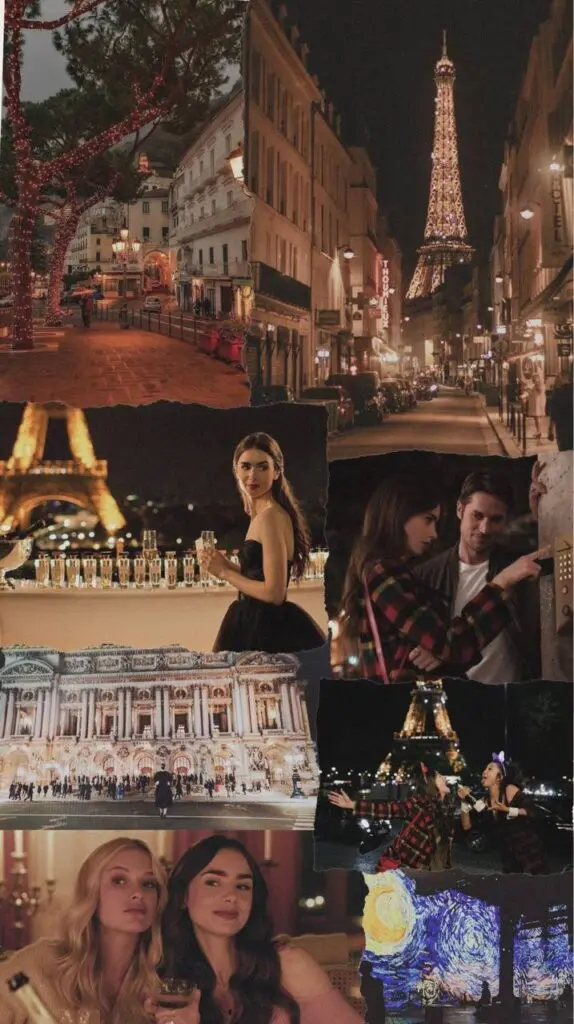

Indeed, social media has become a powerful tool for travelers and businesses to hype up destinations and places, with pop culture amplifying the number of tourists inspired to embark on cinema-directed adventures. Short aesthetic videos showcasing both iconic and hidden locations garner millions of views and ignite waves of travelers eager to recreate the cinematic experience. Social media also benefits local businesses, as influencers craft short clips of cafés and restaurants that often speak louder than any written review or critic’s column. Viewers can now decide in less than a minute whether a dining spot is worth visiting.
Over time, social media has evolved into a kind of digital travel diary, cultivating the mentality that if you haven’t posted, you haven’t truly traveled. For Gen Z and millennials, traveling increasingly becomes an identity shaped by algorithms, fueled by FOMO (fear of missing out), and epitomized by the “TikTok made me go there” culture. Instagram highlights marked by country flags and #traveltiktok accumulating millions of views reinforce the idea of travel as a shared global experience shaped through digital platforms.
Yet not all digital journeys require an Instagram account or even a passport. For those who prefer to travel from their living rooms, video games offer a compelling alternative, often recreating cities and landscapes with remarkable accuracy. The rise of VR-based city exploration games and immersive digital platforms signals a new frontier: digital pilgrimage, where exploration becomes possible without boarding a plane. Assassin’s Creed II and Assassin’s Creed Origins are renowned for their meticulous historical reconstructions. Meanwhile, Grand Theft Auto V situates players in Los Santos, a fictional city that so closely mirrors Los Angeles that players claim it feels as though they know the city like the back of their hand, even if they have never set foot there. Immersion in virtual worlds creates emotional familiarity and spatial intimacy, making real-world places feel “known” long before they are visited, evoking a sensation of déjà vu.
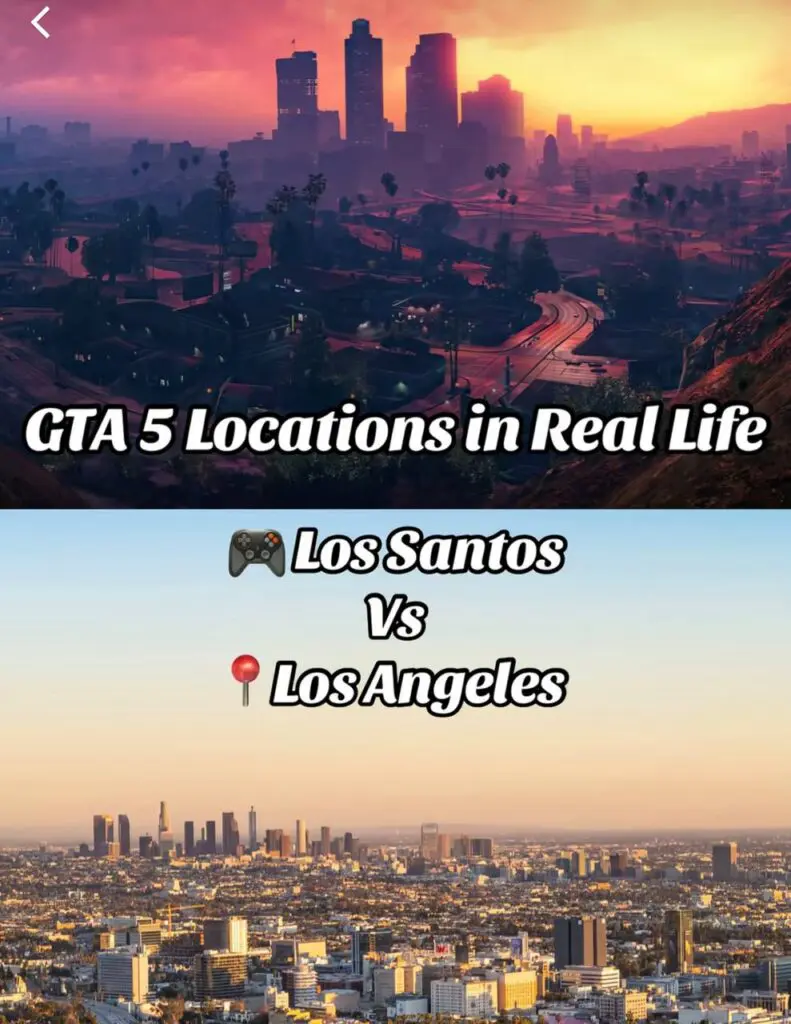
While hotels and airlines strive to stay in sync with new movie releases and online trends to profit from hyped-up destinations, local communities often suffer from overtourism. In many cases, places that surge in popularity thanks to viral videos or films simply lack the infrastructure to accommodate the influx of visitors. Previously unknown towns and landmarks suddenly find themselves welcoming thousands of tourists, which can provoke resistance from locals unprepared for such crowds.
Here comes the expectations versus reality dilemma. Both cinema and social media have the power to romanticize locations through the camera lens or skillful montage, often leading to disappointment when reality fails to match the polished edit. From Dubrovnik’s Old Town, which became “King’s Landing” in Game of Thrones and later raised concerns from UNESCO over overtourism, to New York City’s Dame restaurants adopting “no video” policies to resist influencer culture, both illustrate how places and businesses sometimes have to push back against the pressures of cinematic and digital visibility. The frenzy and fear of failing to keep up with trends in traveling occasionally turn into a competition over who visited and posted more. You can see crowds of tourists never putting their phones down in the most beautiful and breathtaking places just to make a post on time.

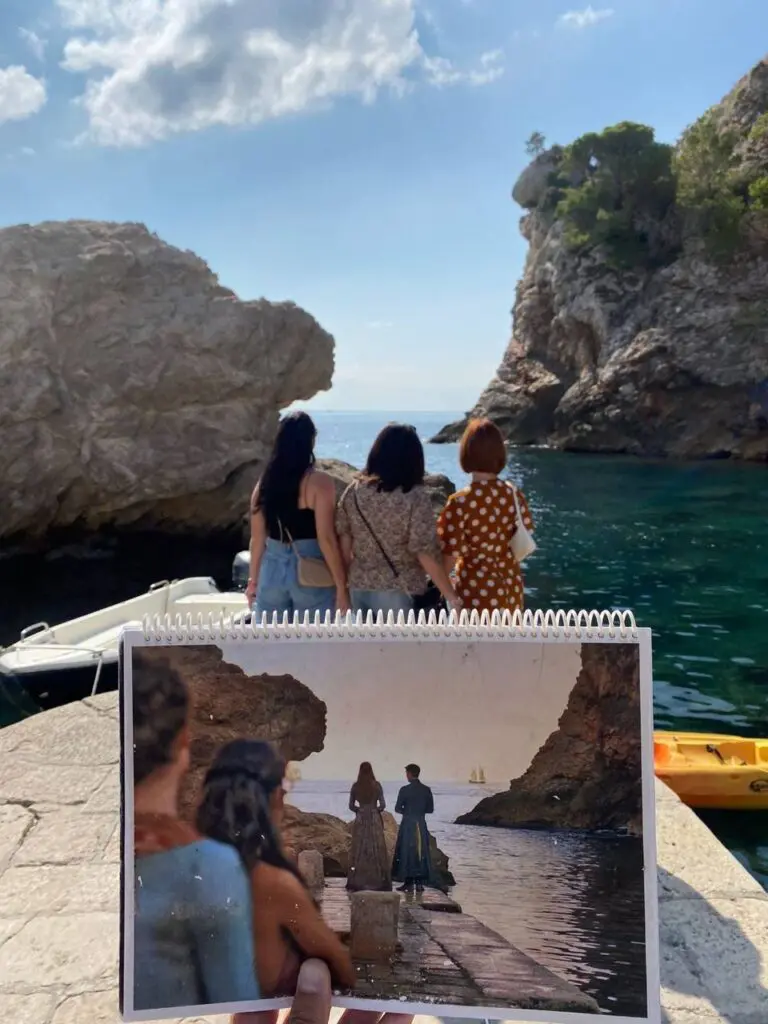
Set-jetting and digital pilgrimage enrich travel by creating new opportunities for connection and experience. During the pandemic, when travel was restricted and people were confined to their homes, virtual tourism and online exhibitions rose in popularity. They offered an escape from harsh reality and allowed individuals to explore new places digitally. However, these trends can also create pressure. The need to fit in and to showcase visited country Instagram highlights has turned travel into a form of social status and a means of social acceptance rather than cultural exploration.
Digital pilgrimages and hashtag-powered travel reveal how deeply stories, screens, and algorithms shape the way we move through the world. As pop culture continues to blur the line between fiction and reality, the face of 21st-century tourism will change accordingly. Yet there is also a risk of turning the authenticity of discovery into performance, where travel becomes measured in views rather than meaning. The challenge is not to reject digital inspiration, but to ensure that travel remains an act of curiosity rather than performance.
After all, travel should expand our world, not only our feed.


