
Words by Isabel Johnson
Edited by Valerie Aitova
We like to believe we’ve evolved. We’re wiser, more progressive, free from thinness as cultural law. Yet the proof is everywhere: from red carpets, to runways, to TikTok feeds on endless scroll. Super-skinny isn’t back. It never really went away. Thinness has always been more than an aesthetic. It’s been treated as a form of capital. Fashion, media, and culture have long coded the slim silhouette as shorthand for modernity, discipline, and desirability.
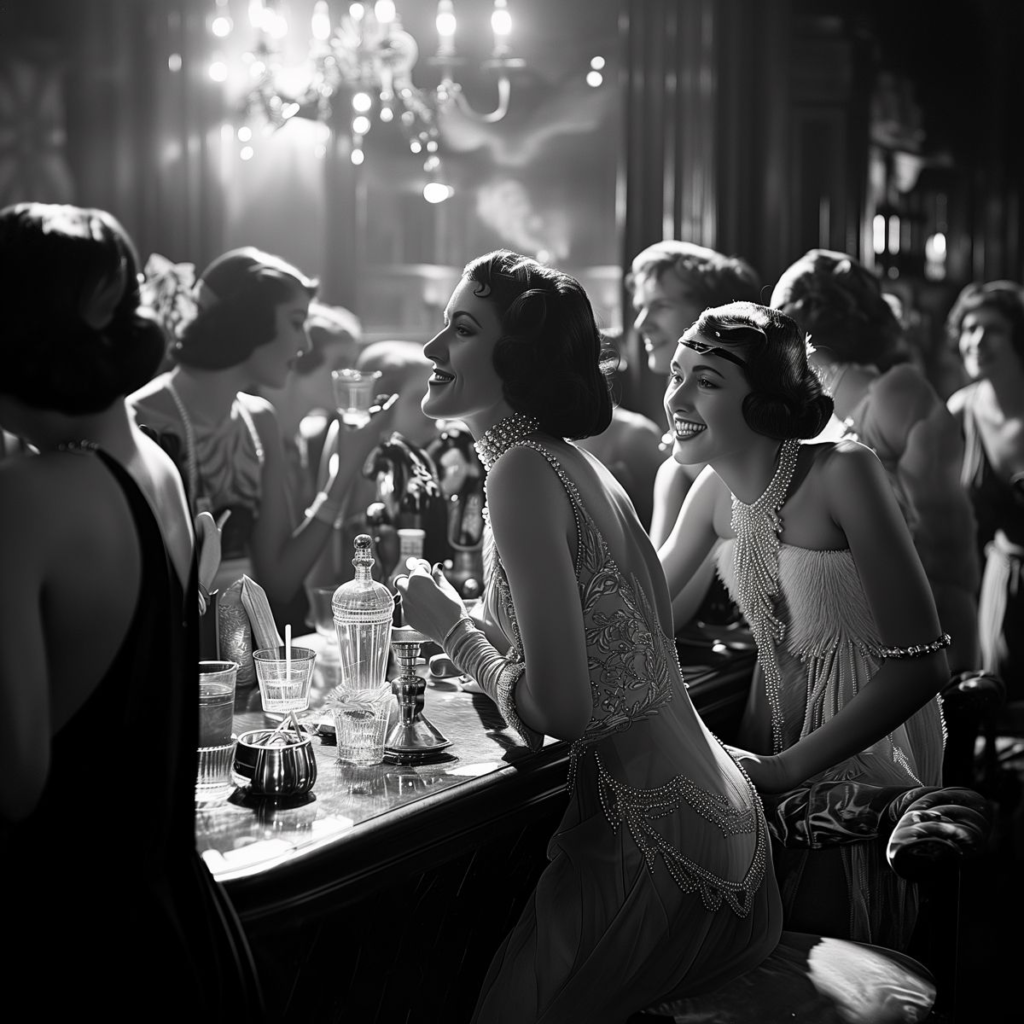
In the 1920s, the flapper silhouette symbolised freedom: hair cropped, skirts lifted, corsets cast aside. But the revolution was one of subtraction – less fabric, less appetite, less space to exist.
The 1960s crowned Twiggy as the global poster child of “cool”. Her frame wasn’t just fashionable, it was marketed as proof that modernity meant shrinking. Thinness became shorthand for youth, relevance, and desirability. Liberation was suddenly measured in inches, and the billboard of modern life was a body barely there.
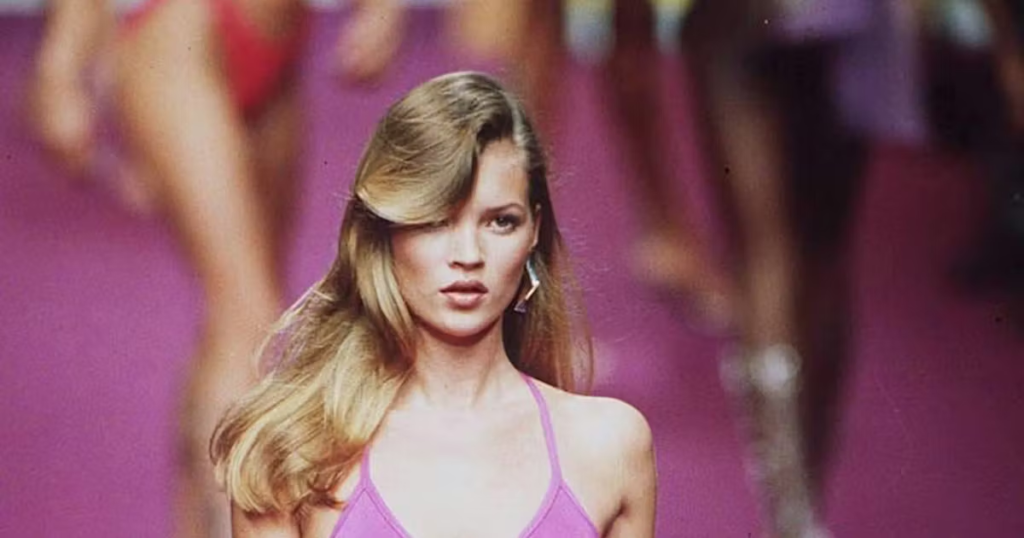
Heroin chic in the 1990s glamorised fragility, danger was aspirational, and hollowed cheeks became the look of the decade. Kate Moss’s infamous “nothing tastes as good as skinny feels” distilled the era’s ethos into a slogan.
Thinness wasn’t just beauty; it was rebellion, scandal, and aspiration rolled into one.
Hollywood and tabloid culture turned thinness into a 2000s obsession. Paparazzi shots of Paris Hilton, Lindsay Lohan, and Nicole Richie stumbling out of clubs became front-page currency. “Size zero” became both a badge of honor and a punchline, reinforced by fashion weeks that treated skeletal frames as the pinnacle of chic.
Cellulite was vilified in splashy headlines, bikini bodies dissected in red circles and arrows, “beach disasters” paraded across glossy spreads. Flesh became public property, scrutinised for bumps, bulges, and imperfections.
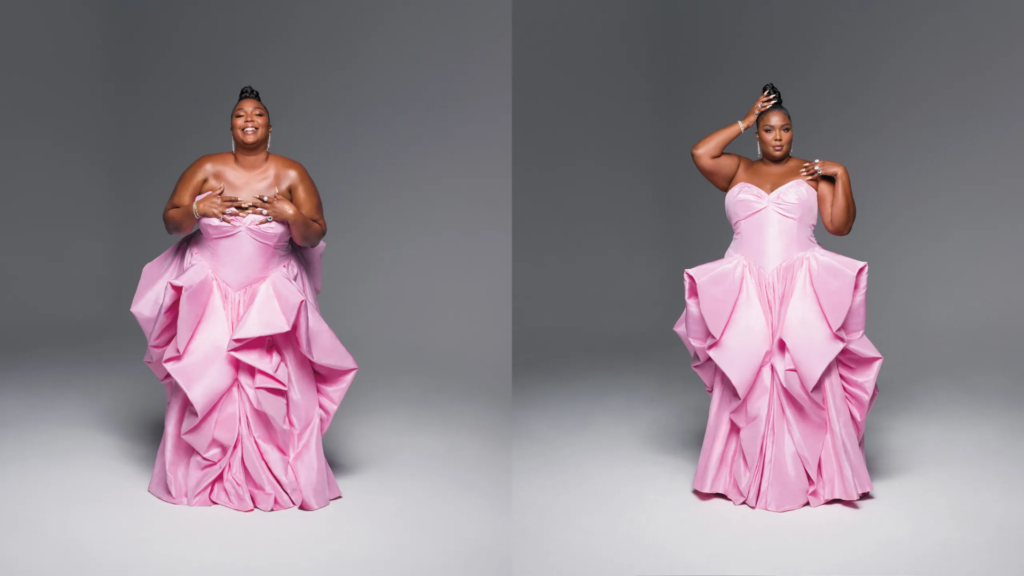
Across decades, the aesthetic changes, but the ruling silhouette doesn’t. By the 2010s, the pendulum seemed to swing. The Kardashian era ushered in curves, Instagram declared “strong is the new skinny,” and body positivity movements demanded visibility. Ashley Graham graced the cover of Sports Illustrated, Lizzo became a global icon, and brands scrambled to prove inclusivity.
Yet thinness never really packed its bags. Luxury fashion barely flinched, and wellness culture simply rebranded restriction as “clean eating”. Kale smoothies as penance, almond milk as absolution.
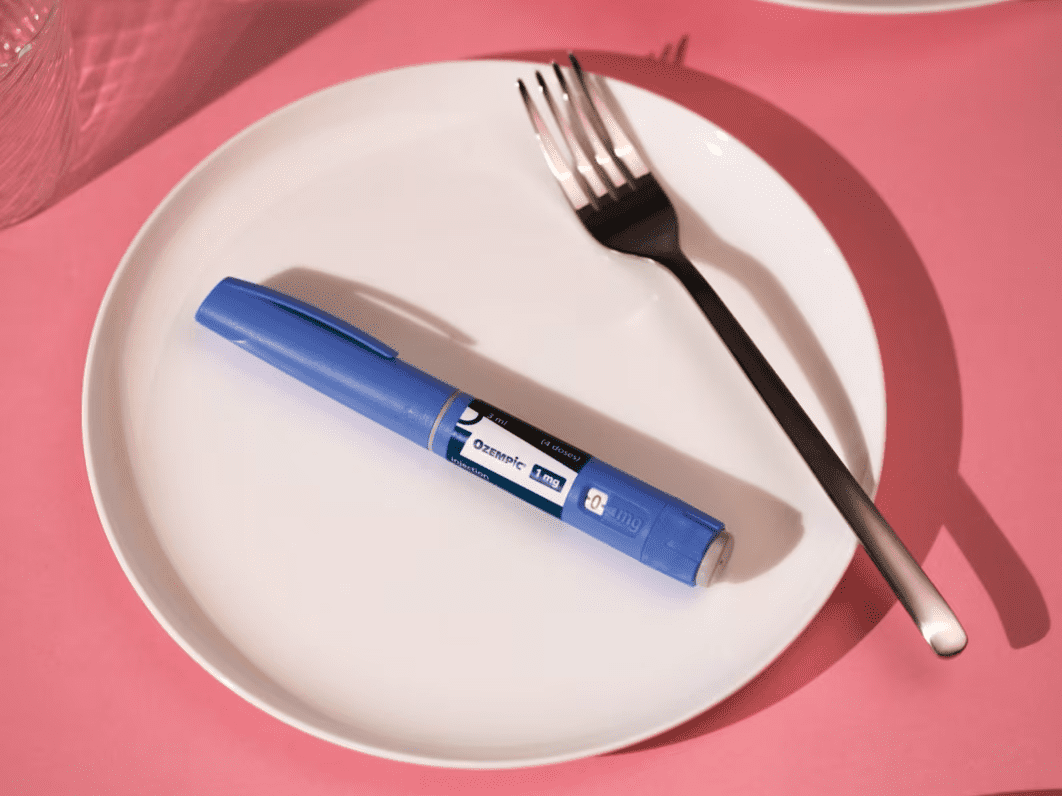
In the 2020s, thinness returned with sharper teeth and a new disguise: pharmaceutical chic. GLP‑1 drugs like Ozempic have reframed weight loss as clinical efficiency, turning restriction into prescription. The result is red carpets and Instagram feeds filled with bodies that appear effortlessly slim, though the fine print, more often than not, is pharmacological, backed by a market projected to triple to over $150 billion by 2030.
The illusion of effortlessness is part of the performance: a body that appears untouched by struggle, as if thinness were simply a genetic gift rather than the product of injections and restraint. In doing so, it revives the old logic that has haunted fashion and media for decades: appetite is failure, discipline is beauty, scarcity is status.
While average body sizes have risen globally, with the World Health Organisation (WHO) reporting that 43% of adults are now overweight or obese, the “ideal” female body size has shrunk, widening the gap between reality and expectation. That gap fuels shame and surveillance, keeping thinness valuable as social capital. And the wider it gets, the more “body positivity” looks like a pep talk shouted into a void. It exposes the myth of progress as little more than a costume change, diversity on the billboard, the same silhouette backstage.
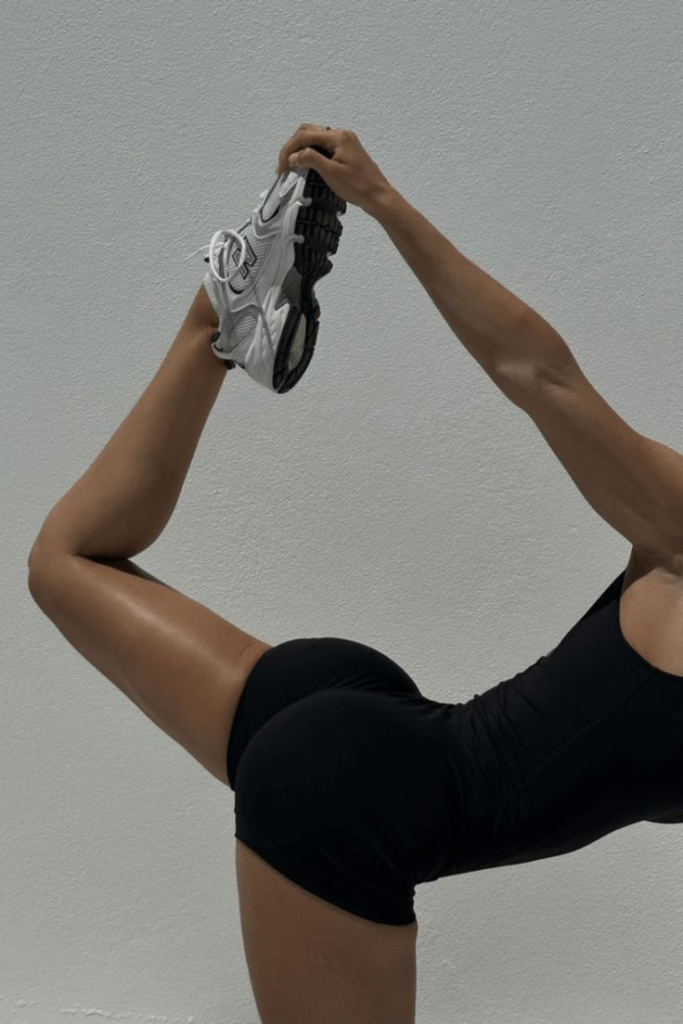
Economically, the bias is quantifiable: thinner women are more likely to earn higher salaries, climb faster, and be judged as more competent than peers of larger size. Socially, thinness buys visibility, credibility, and approval. Even infrastructure conspires. The average UK woman wears a size 16, yet most fashion models remain between sizes 4–8. Airplane seats are engineered for smaller frames, and the Vogue Business Inclusivity Report (2025) found that just 0.8% of runway models were plus‑size – a decline from 2.4% in 2022.
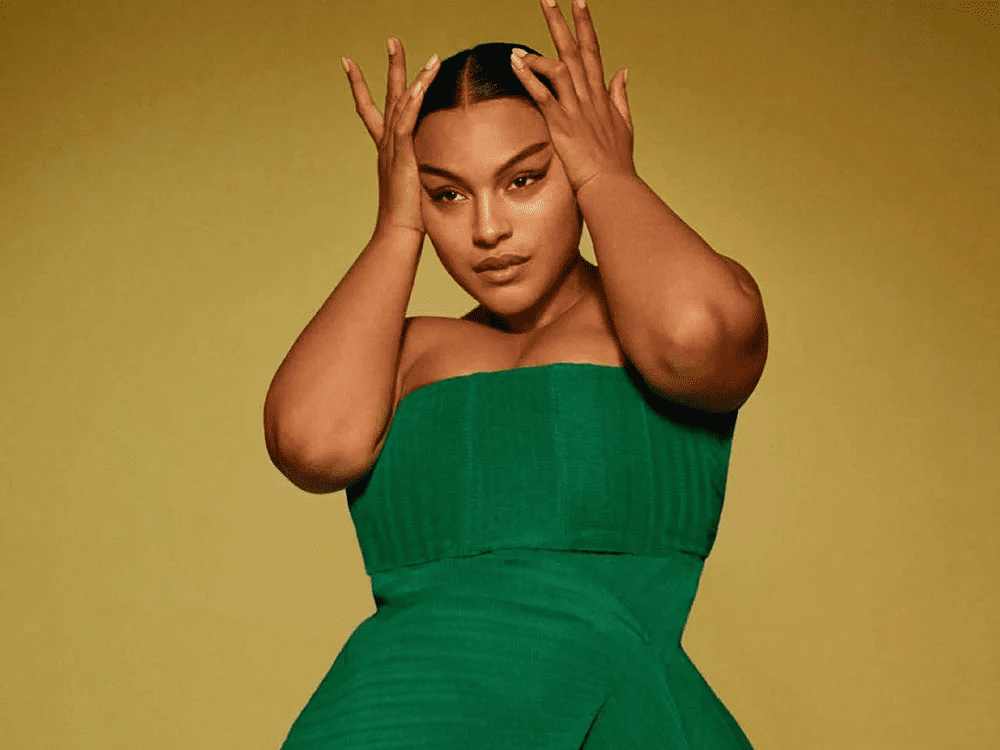
Thinness, in other words, is still being rewarded everywhere from paychecks to catwalks.
But behind the glossy valuation lies the debt. It shows up in the quiet toll of anxiety, low self‑esteem, and disordered eating. It’s the cost of chasing an ideal that keeps shifting, of buying into diets, wellness fixes, and pharmaceutical promises that rarely deliver. It’s the cultural tax of measuring worth in inches and sizes, that exposes a balance sheet of hidden costs – emotional, financial, and cultural.
We can’t dismantle the system overnight, but we can weaken its grip by refusing to let it define health, worth, or success. That means challenging the language, demanding representation, and calling out diet culture for what it is.
This isn’t about buying in or cashing out; it’s about refusing to trade at all.


