
Words by Elvis Teme
Edited by Valerie Aitova
The other day, I asked a friend to look in the mirror and tell me what she sees.
She saw herself and she saw other ways she could make herself better. She wanted the Korean skin, the “foreign” hair, the slenderness of a cane, etc. When she started with the many “buts”, I was thrown off and it left me wondering: who decides what “better” looks like, and who should set the standard for Black beauty?
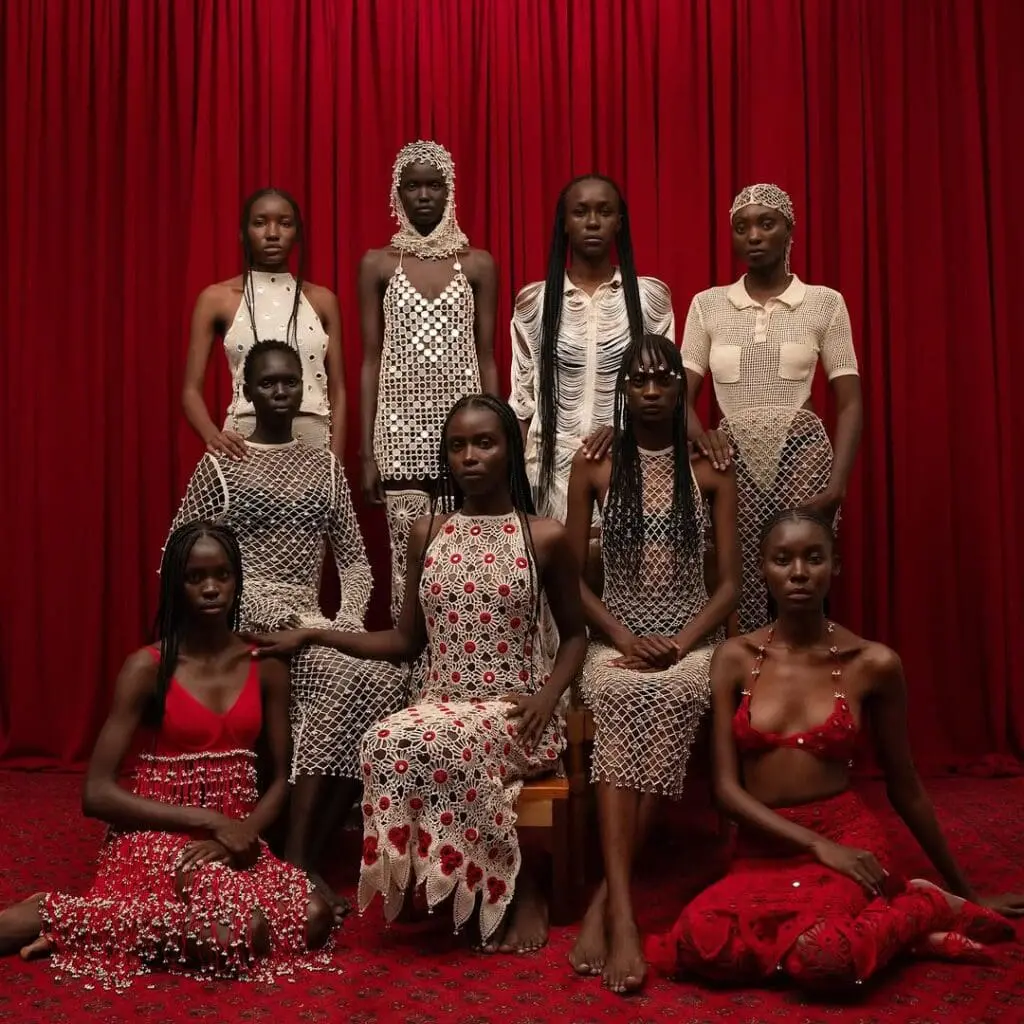
Growing up came with many struggles, and one of the most confusing was the constant question: “What is my colour?” One aunty would say, “You used to be “yellow” as a child, why are you getting darker?” Then there were the unsolicited comments from others, questioning why your skin was changing or why your hair didn’t look the way it should.
Stories like these aren’t rare. Many of us grew up with authority figures — teachers, religious leaders, even family telling us our hair needed to be “better”. Sometimes, a specific conditioner would be recommended, not for care, but to make the hair “better.” And if you chose to grow your hair the way it came out of your head, you risked punishment or ridicule.
All of these “buts” — subtle, loud, and persistent stem from a long-standing lack of clarity around what beauty truly means to Black people, especially Africans. Every day, we’re flooded with mood boards, curated aesthetics, and social media posts from influencers and creators who continue to shape and redefine beauty and as much as it seems like it’s meant to be inclusive — for every skin, for every girl and boy, there’s still an underlying, innate confusion about what beauty really means to the young African.
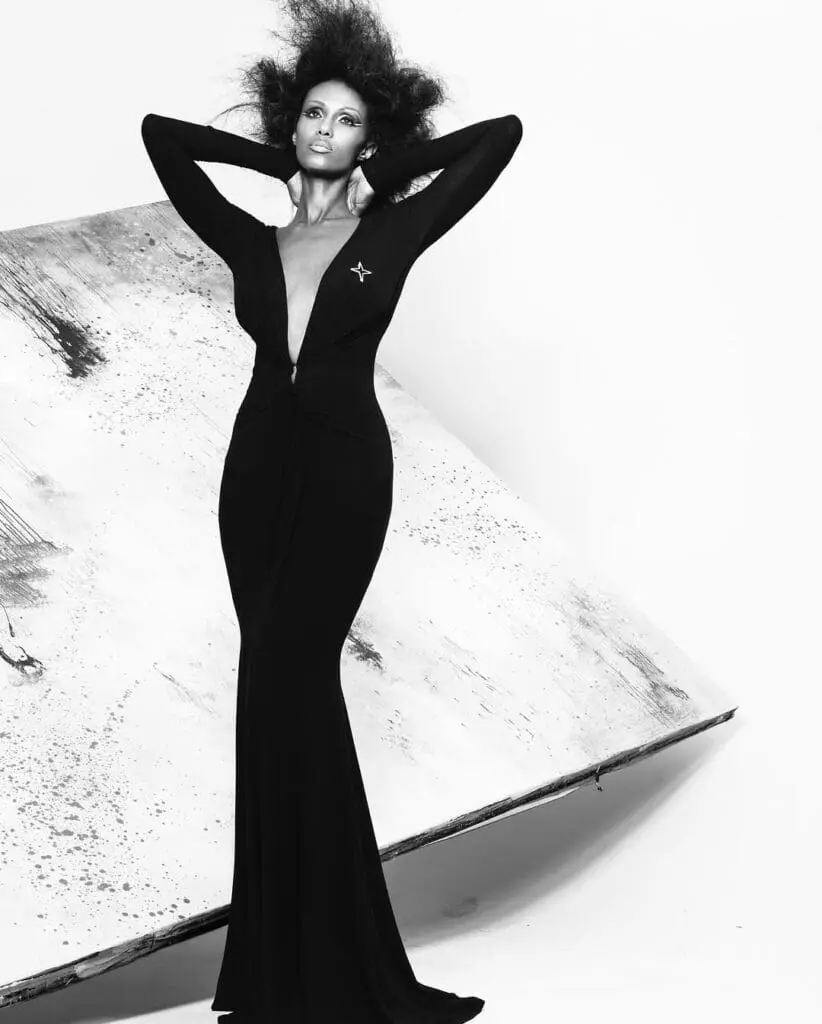
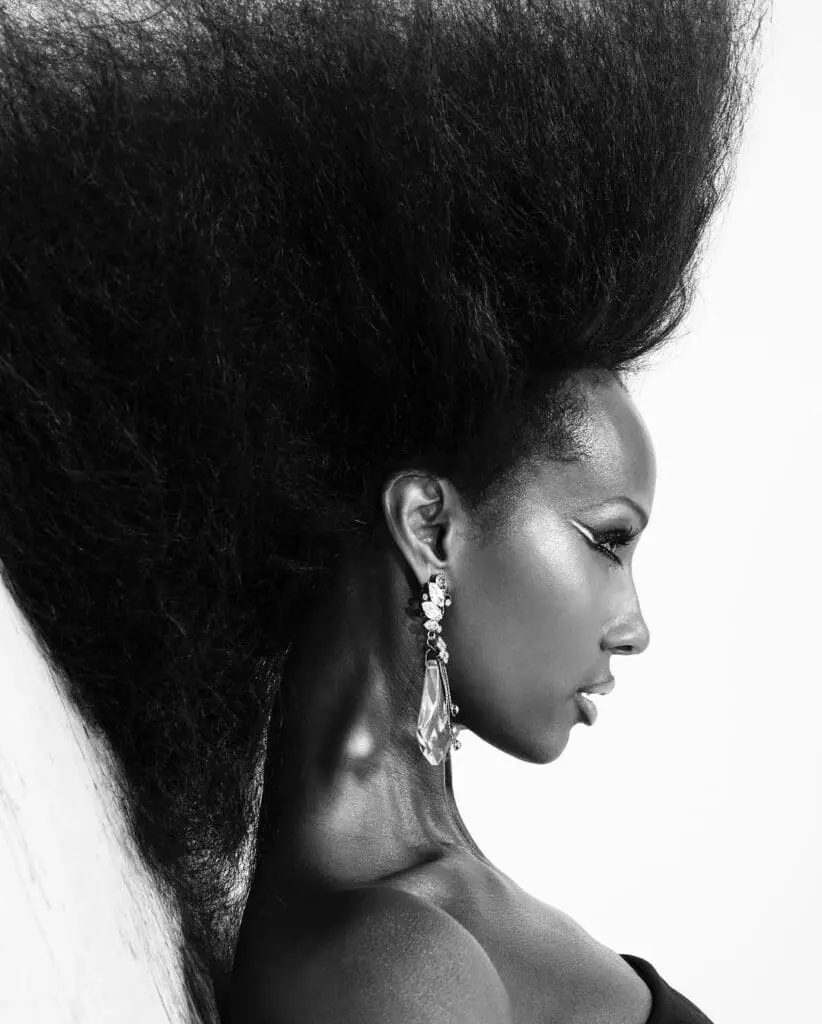
Our skin, hair, bodies have been debated, dissected and often dismissed through the lens of standards we did not create. This began with colonial ideals, where lighter skin and straighter hair were prized. Later, Western media polished its airbrushed aesthetics and called them universal.
What began with colonial ideals didn’t end there. It simply evolved, shifting to new faces and new geographies. With the rise of K-Pop and K-beauty culture, you’d find billboards featuring women and men with glowing glass-like skin achieved through an elaborate ten-step routine. While there’s nothing wrong with enjoying skincare, this recent obsession brings up a deeper question for me – are we still chasing ideals set by others, but just from a different part of the world?
Because whether it’s the flawless skin of Korean idols or the size-zero frames and Eurocentric features once pushed by the West, these images still creep into how beauty is judged. The danger is that even as we celebrate darker skin, fuller bodies, and natural hair, we often do so through filters of what’s trending globally. And so the struggle continues; trying to define our beauty on our own terms, while outside voices keep echoing in the background.
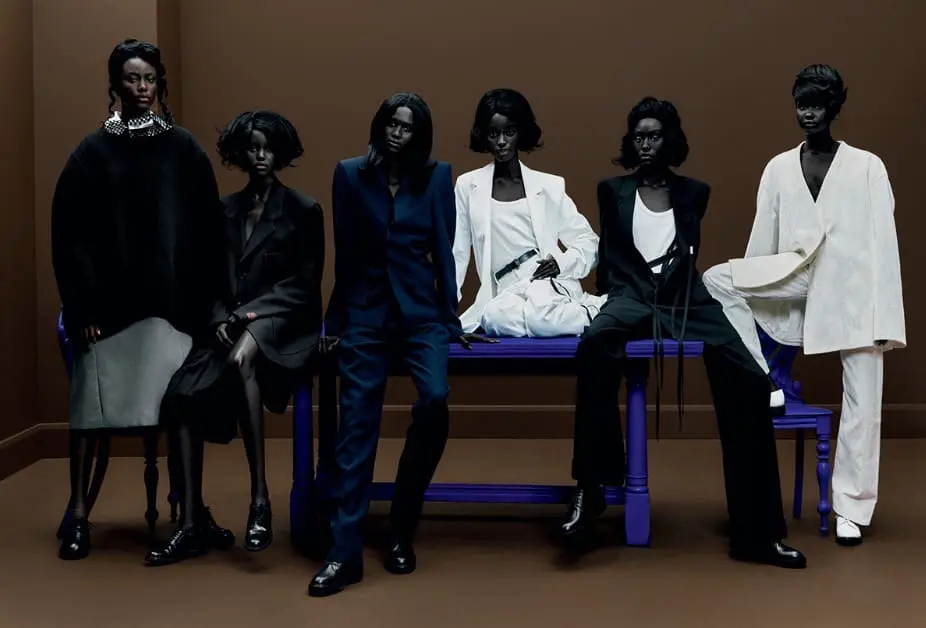
Even when the spotlight turns toward us, it doesn’t always feel genuine. Sometimes, it feels performative. It bothers me how the Black skin and hair are sometimes overly glamorized in the media – often in a way that feels more like a staged celebration or a “we’re together” moment.
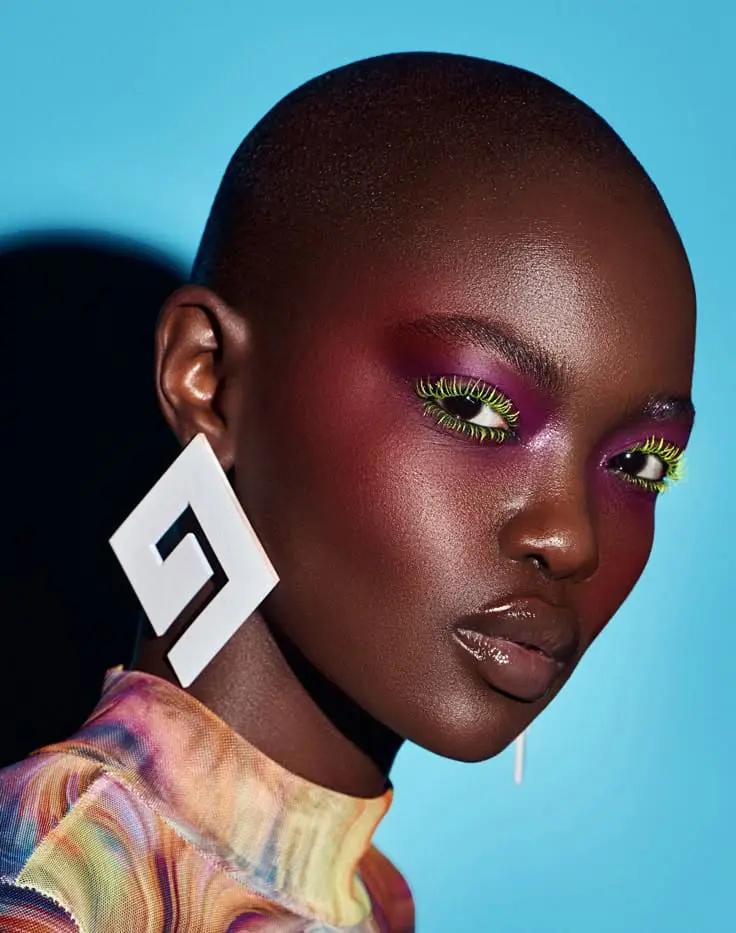
What the media and people alike have failed to understand is that this glamorization can turn Black people into objects for others’ admiration or approval, which can be frustrating and even demeaning. Take the image above for example, it carries an unspoken message: “Blackness is embraced, but only in its polished, extended form”.
On the surface, it looks positive. But for many Black people, it creates a strange double pressure: to live up to this polished, curated version of Blackness while still battling the stereotypes and biases that haven’t gone anywhere. What’s missed in all of this is that beauty is lived, everyday and ordinary, not just a highlight reel when it’s convenient for campaigns or social media moments.
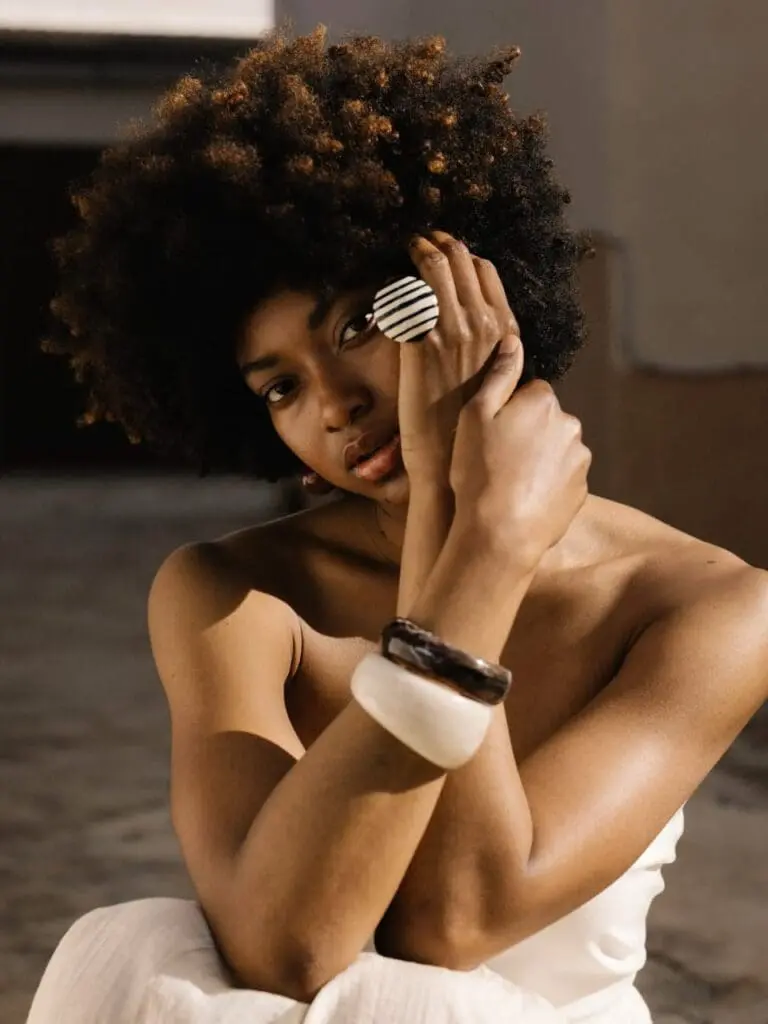
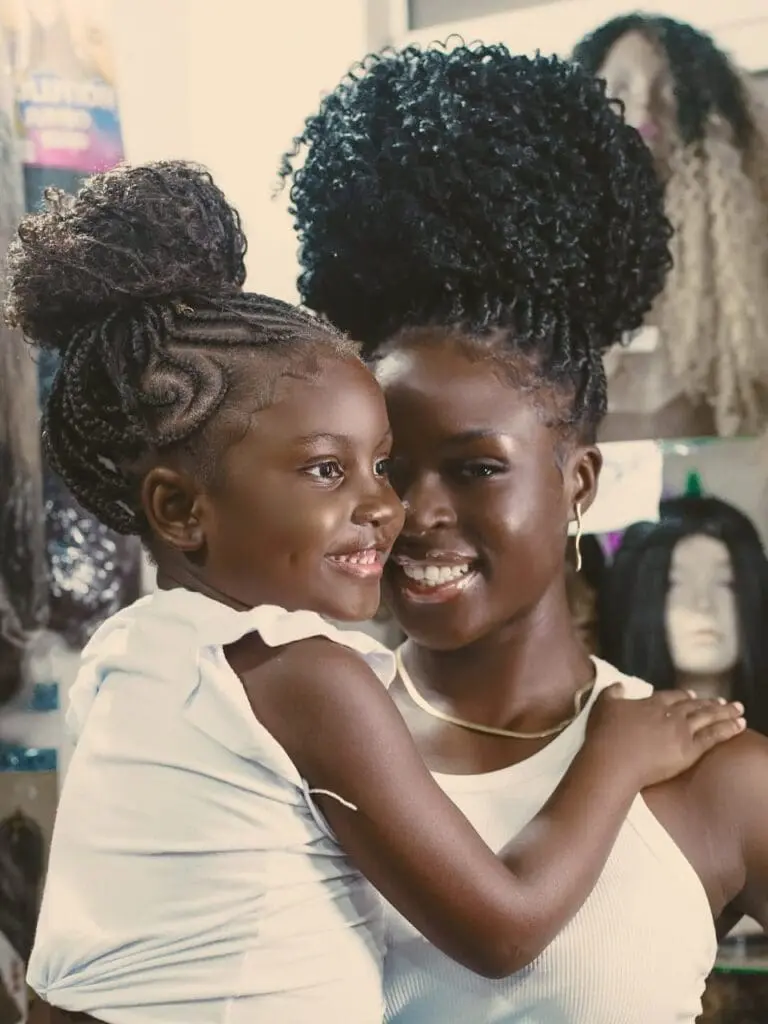
The truth is, beauty standards are rarely neutral. They are mirrors of power. And when we adopt them without question, we risk erasing the very things that make us distinct. The irony is that the global beauty industry which is worth over $450 billion now, thrives off the very traits once ridiculed. Fuller lips are sold in lip kits. Curves drive fashion campaigns. Braids and locs are rebranded as edgy. The industry profits from what it once told the same people to hide.
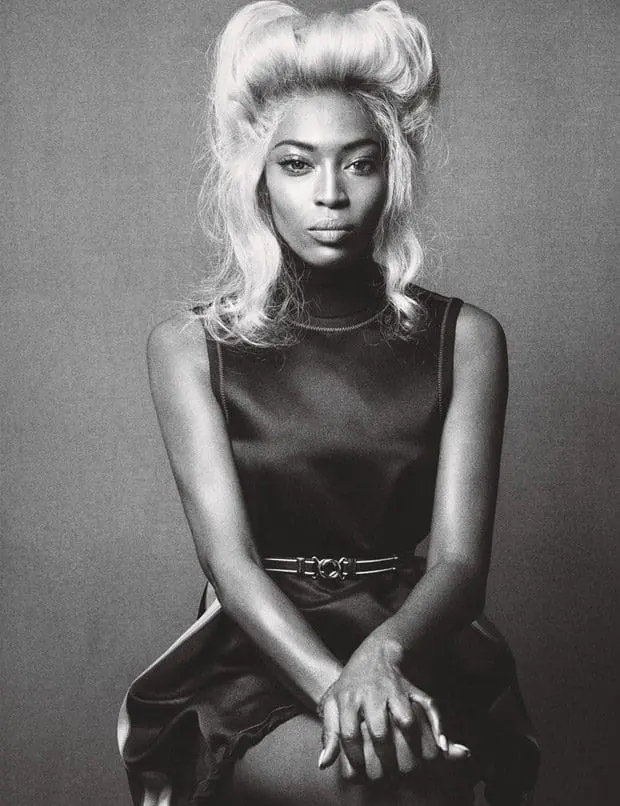
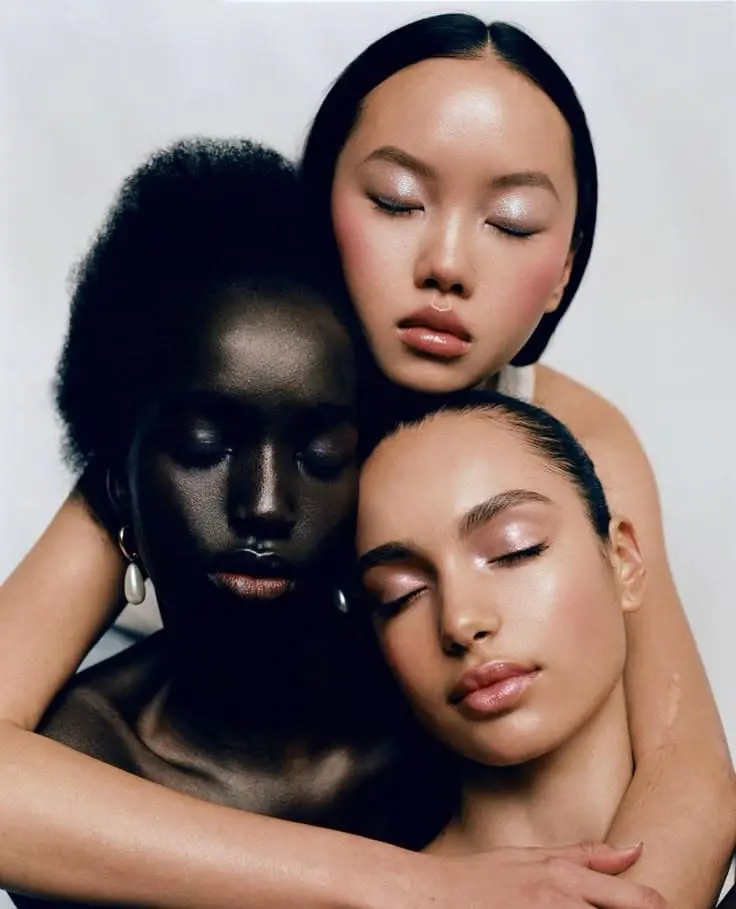
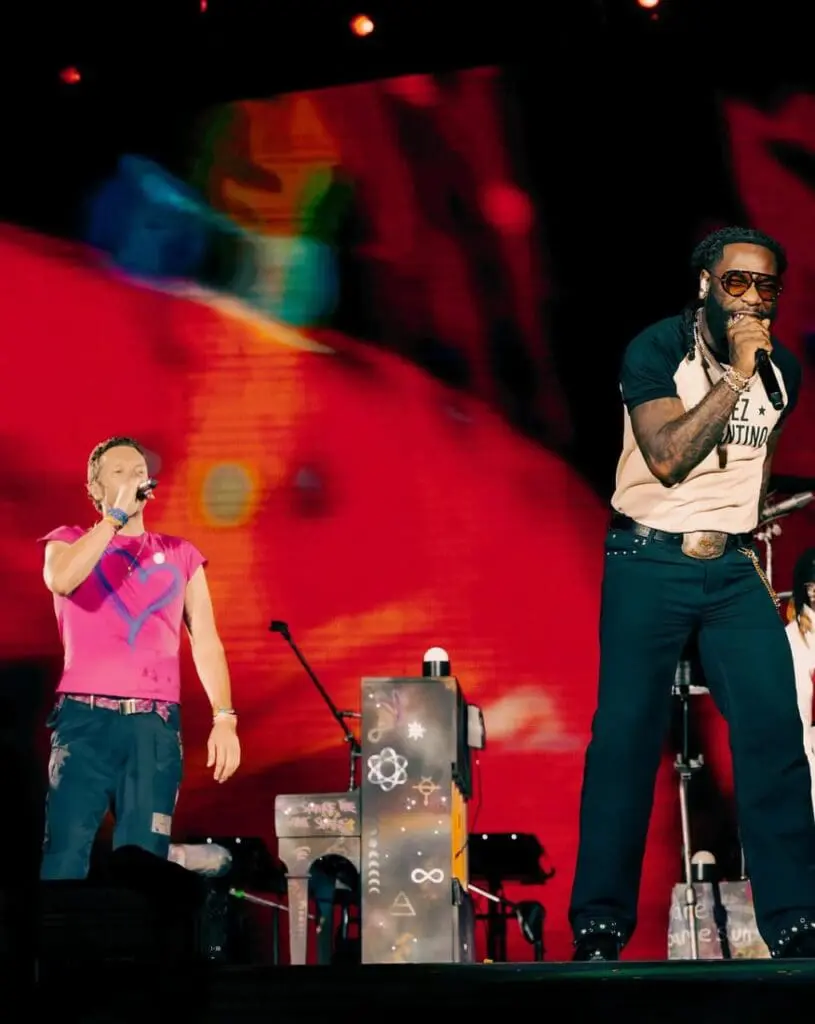
But the conversation needs to shift. Africans are no longer passive consumers of culture; we are creators, trendsetters, global forces. Our music dominates playlists worldwide. Afrobeats now fills stadiums from Lagos to London, with artists like Burna Boy and Tems topping global charts. Designers such as Thebe Magugu, Banke Kuku and Ugo Mozie and Tokyo James are putting African fashion on the map. Our music, our fashion, our voice — they already shape the global stage. What would it look like if we defined beauty on our own terms, instead of waiting for the world to validate us?
The point isn’t to reject global influences, culture has always been about exchange. But ownership matters. We can admire Korean skincare without erasing shea butter. We can engage with global trends without abandoning what is uniquely ours. And maybe then, when we finally hold up the mirror, we’ll see ourselves, not a version waiting to be fixed.


