
Words by Valerie Aitova
Dior Addict feels different lately.
It shows up less in messaging and more in tone – in colour choices, naming, and the way the line now positions itself within everyday beauty rather than around moments of spectacle. The cues are subtle, but consistent enough to suggest a broader repositioning: away from statement femininity and toward something softer, more habitual, more lived-in.
The release of Rosy Glow, Peachy Glow, and Purple Glow in late December 2025, positioned as part of Dior Addict’s 2026 direction and launched alongside new Lip Glow Oils, doesn’t read like a traditional fragrance moment. It feels closer to a lifestyle adjustment. A recalibration of mood rather than identity.
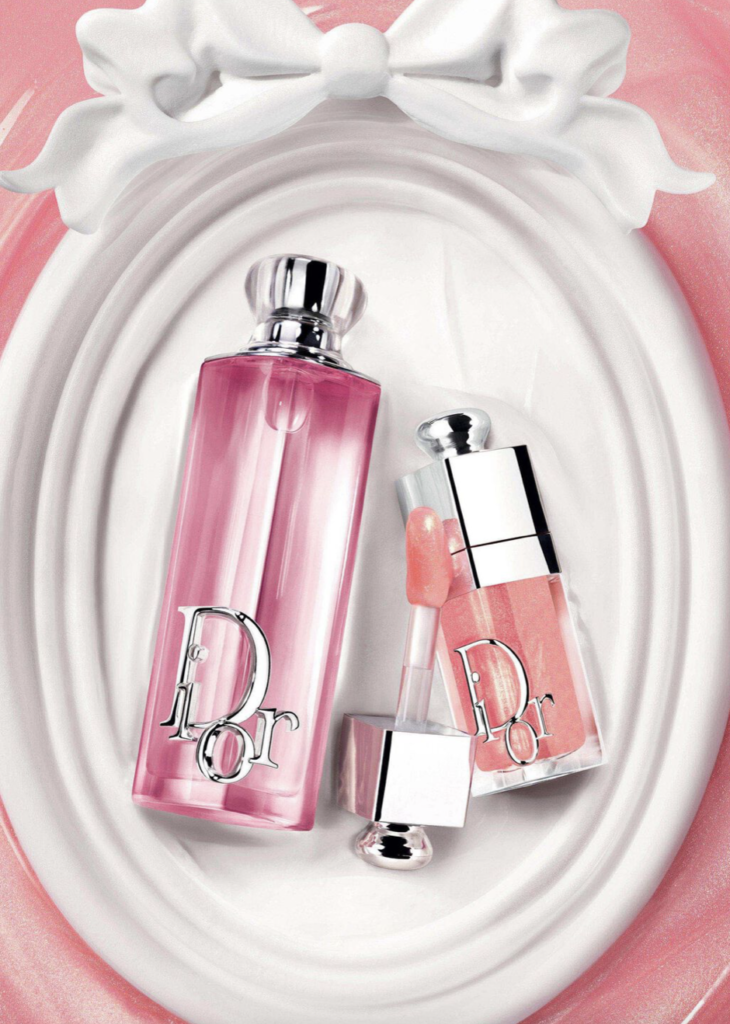
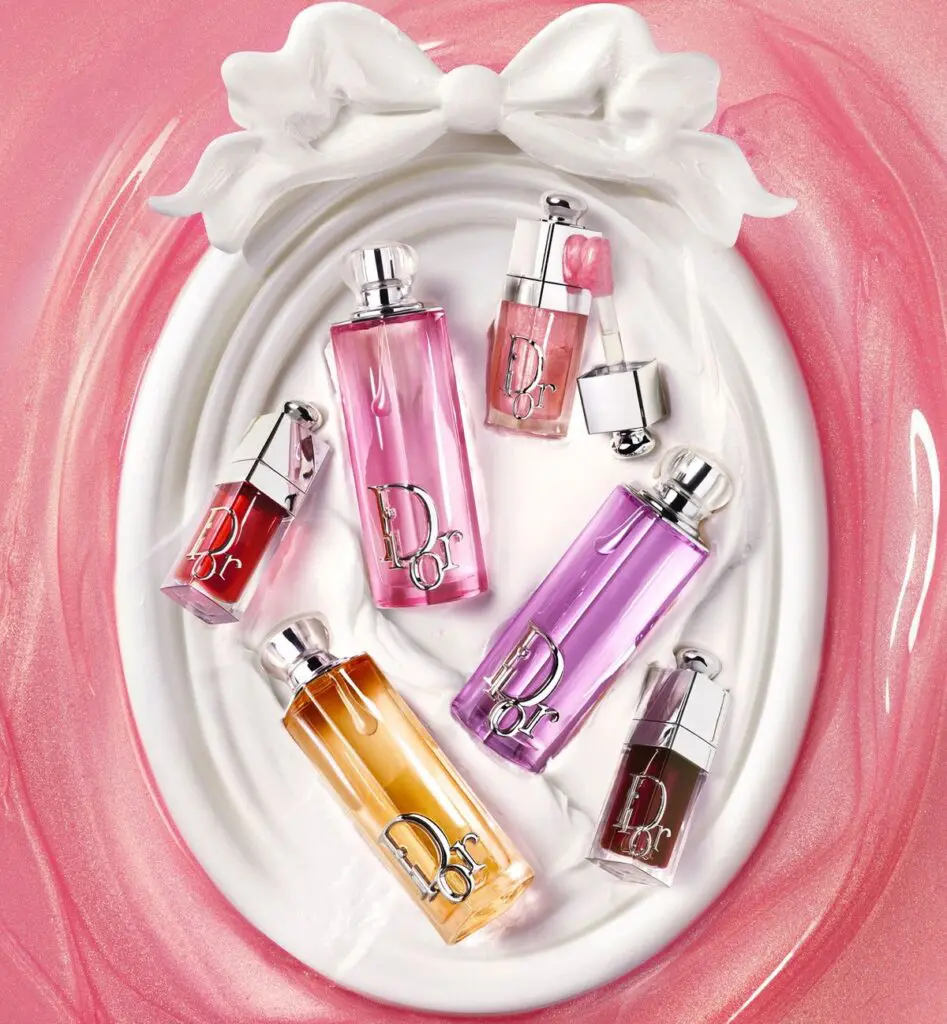
The word Addict still sits at the centre, but it carries less weight than it used to. It no longer signals excess or intensity. It suggests repetition. Return. Something you reach for without thinking. Something that belongs to the everyday rather than the night.
“Glow” is key here. It isn’t a perfumery term. It comes from skincare, from wellness, from the language of upkeep and care. Glow isn’t about transformation – it’s about maintenance. A state you preserve rather than perform. In that sense, Dior Addict begins to feel less like a statement fragrance and more like part of a daily sensory system.
Notes of rose, lychee, caramel, and jasmine reinforce that intimacy – familiar, sweet, almost comforting. These are not scents designed to command a room. They’re designed to stay with you. To blur into the day. To feel personal rather than impressive. In a culture increasingly oriented around routine, self-soothing, and aesthetic maintenance, this version of Dior Addict makes sense.
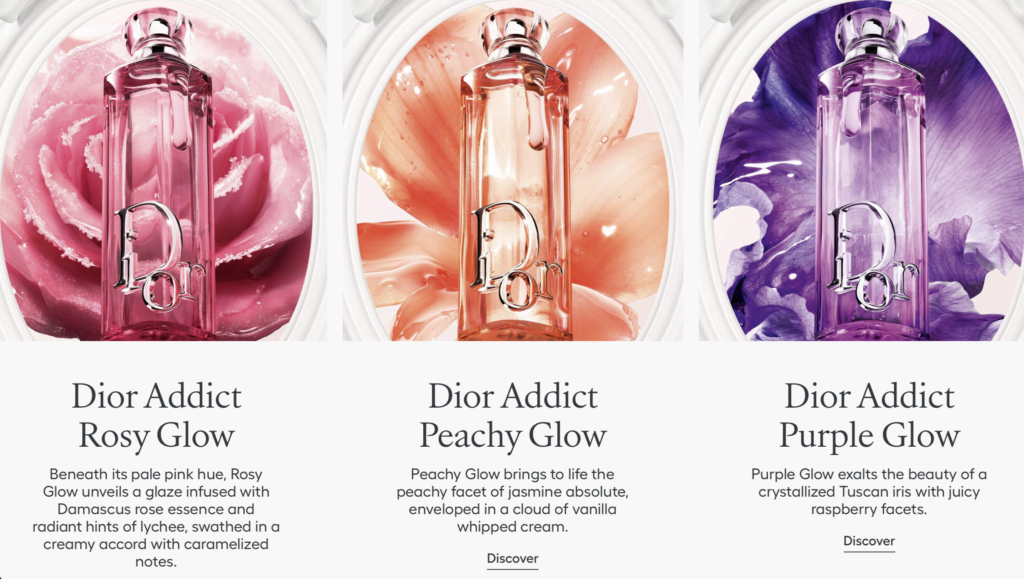
Placed next to Dior Addict’s earlier identity, the contrast is clear. Where it once leaned into seduction as drama, it now leans into intimacy as lifestyle. Peach, lilac, soft rose – these aren’t bold colour statements so much as emotional temperatures. They mirror how beauty is experienced now: layered, repeated, carried in pockets and bags, reapplied without ceremony.
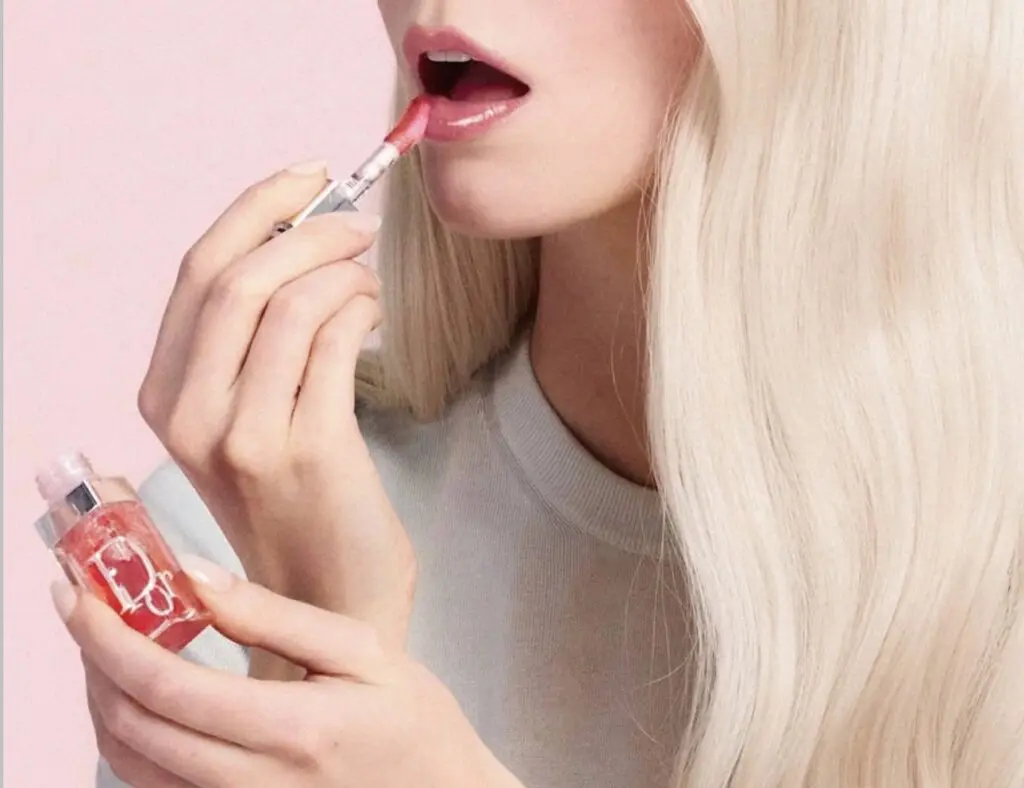
The simultaneous introduction of the Dior Addict Lip Glow Oil makes that shift even clearer. Lip oil isn’t about precision or finish. It’s about touch. Comfort. Reapplication. A small ritual repeated throughout the day. By pairing fragrance with lip oil, Dior frames Addict not as a single object of desire, but as a sensory ecosystem – scent and texture working together as habit rather than event.
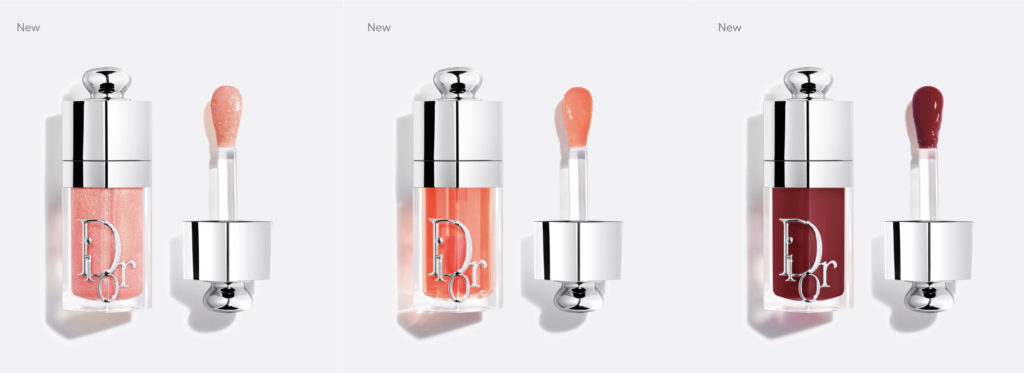
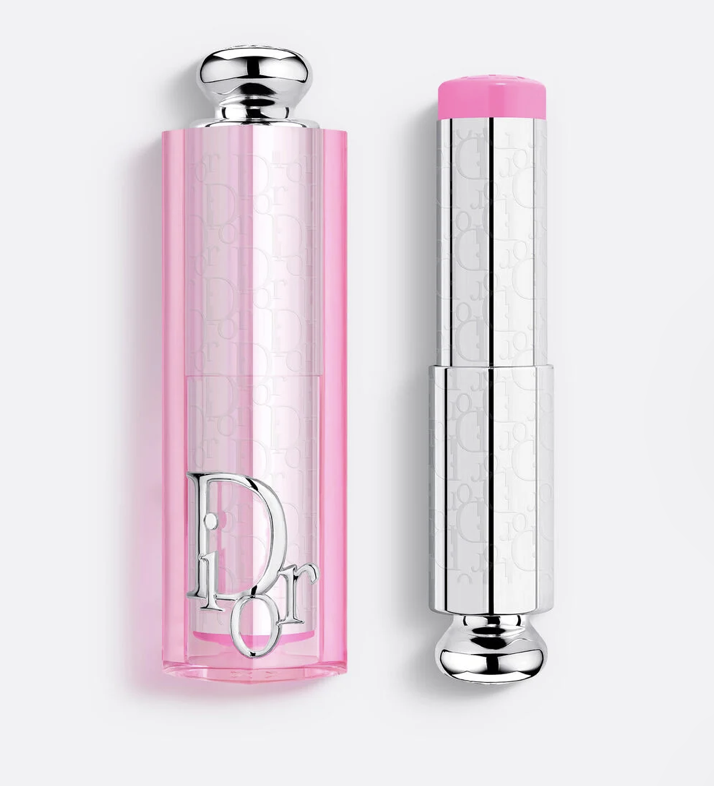
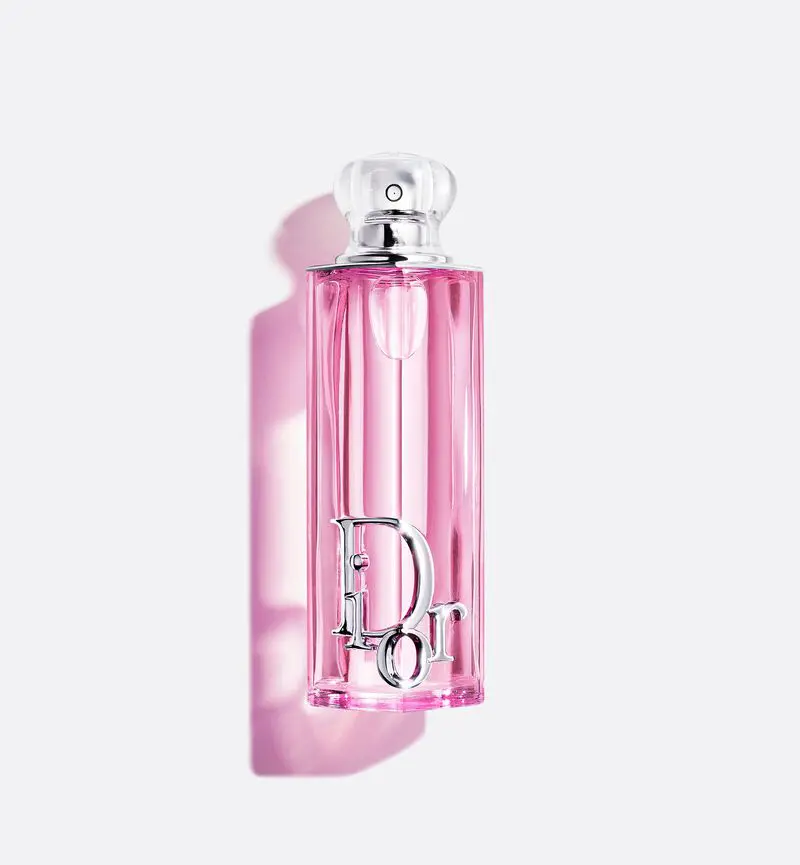
That logic extends to the packaging itself. The Addict line now reads as a family of gestures rather than standalone products. The Glow Stick Blush signals immediacy and touch, designed for application without tools or mirrors. The Lip Glow Oil continues that logic, built for repetition rather than precision. Even the fragrance bottle, with its softened pink tint and familiar Dior silhouette, feels less like an object of display and more like something meant to live on a vanity, carried, returned to. Different products, same visual language – a system designed around proximity, portability, and ease.

This evolution aligns closely with the direction Dior fragrance has taken under Francis Kurkdjian, who joined the house as Perfume Creative Director in 2021. Trained at the ISIPCA perfumery school in Versailles, Kurkdjian rose to prominence early in his career, gaining recognition for compositions that balanced technical precision with emotional immediacy. Long before Dior, he had already reshaped contemporary fragrance culture, blurring the line between niche and mainstream, creating scents that felt both intimate and instantly recognisable. At Dior, his influence reads less as reinvention and more as recalibration: softening structures, privileging skin closeness, allowing fragrance to function as atmosphere rather than statement.

Under his direction, Dior scent seems less interested in leaving a trail and more concerned with staying present. Less about announcing identity. More about accompanying it.
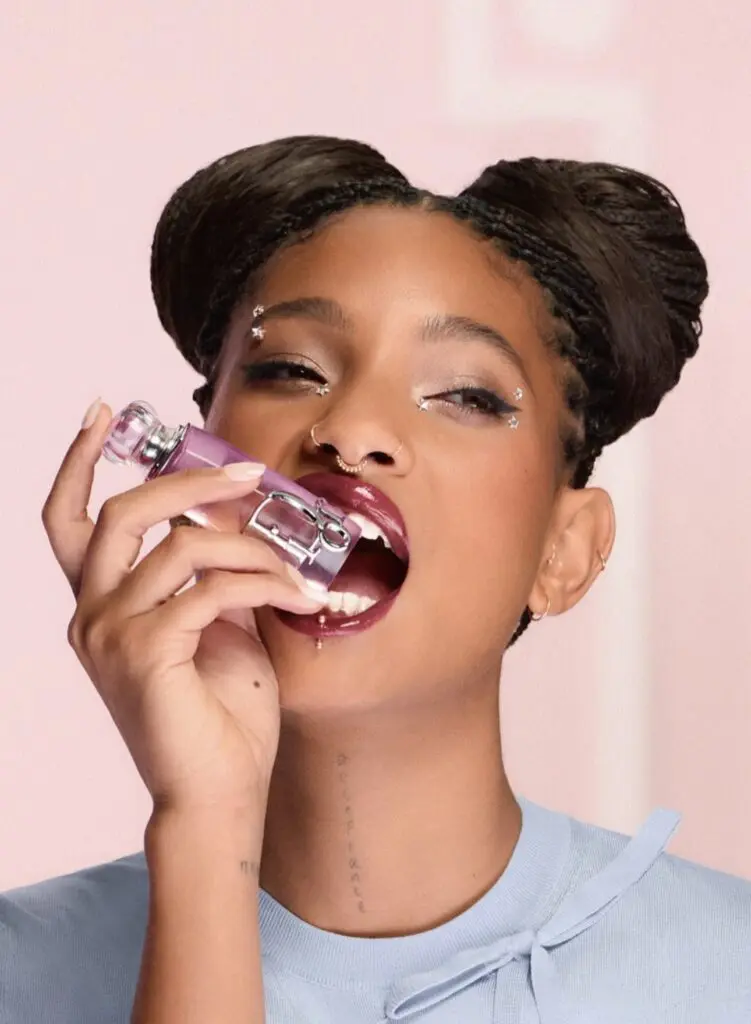
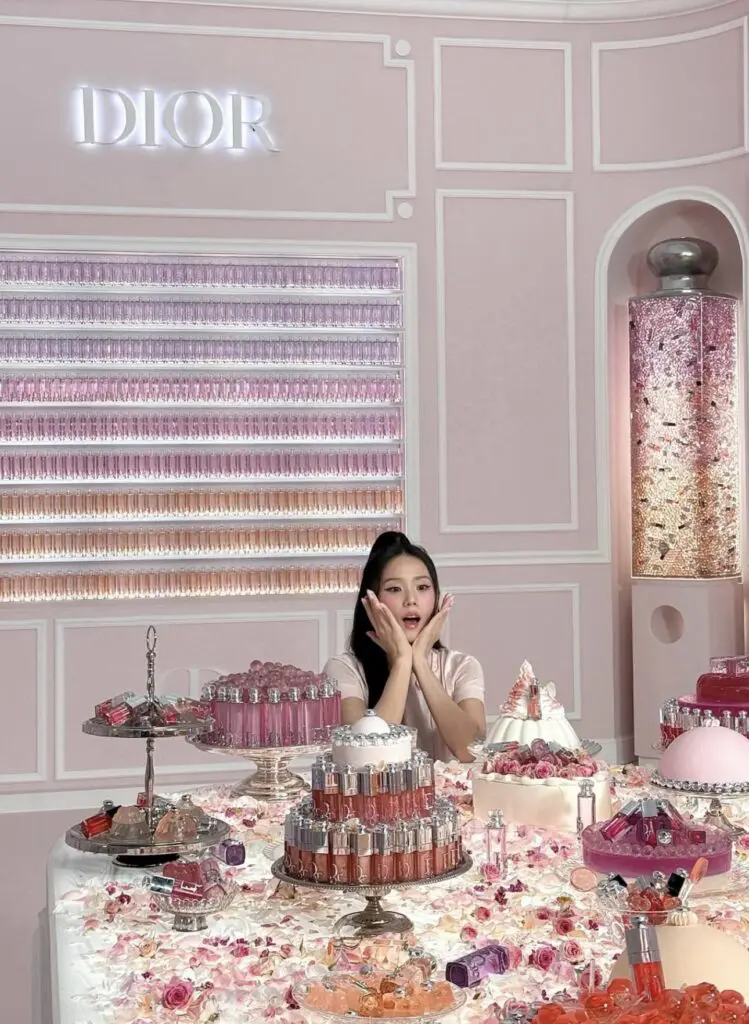
The casting reflects that philosophy without explanation. Anya Taylor-Joy, Jisoo, and Willow Smith don’t collapse into a single fantasy. They exist at different frequencies: editorial, ritualistic, fluid. Together, they suggest that Dior Addict is no longer selling an ideal to aspire to, but mirroring ways of being that already exist.
Culturally, this places Dior Addict closer to how beauty is actually lived today. Not as transformation, but as maintenance. Not as excess, but as familiarity. Addiction reframed not as loss of control, but as comfort – something you return to because it feels like yours.
There’s no dramatic rejection of the past here. Instead, Dior Addict loosens its grip on the night and learns how to exist in daylight. It trades mystery for intimacy. Seduction for presence. And in doing so, it reveals something larger about where Dior is heading: away from icon-making, toward habit-forming.
If Dior Addict once promised a trace, this new era promises closeness.


