
Words by Wenqi Liu
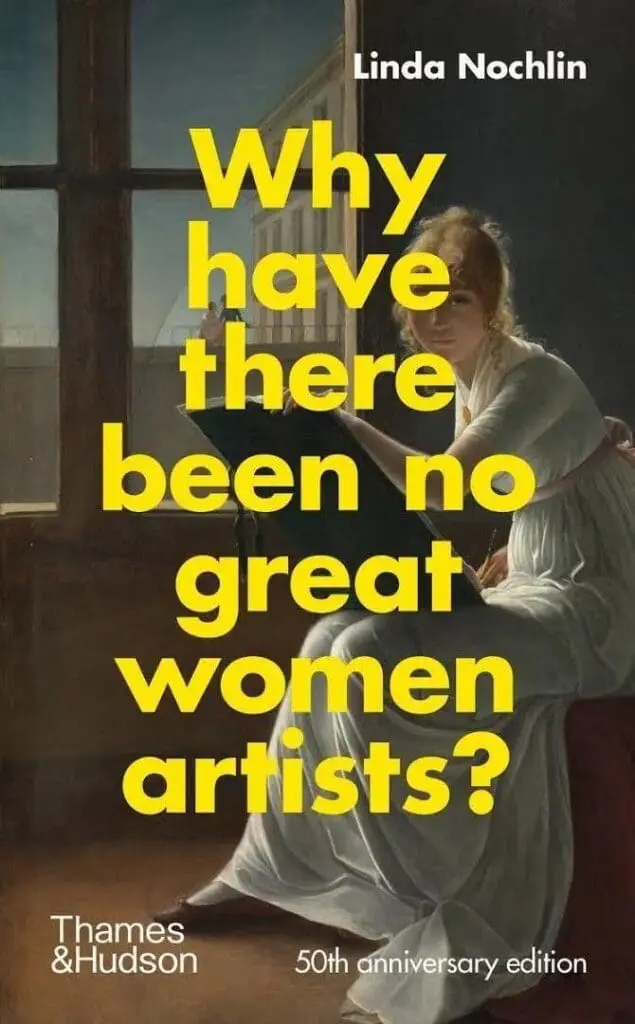
‘Women grew up not knowing what women before them thought, taught, wrote or created, and as a result, they are constantly reinventing the wheel.’
— Anonymous woman thinker

Picture this: walking into a museum filled with masterpieces — beautiful, dramatic, provocative. But pause for a moment. How many of these works were painted by women? The truth is, the names we remember are overwhelmingly male. The narrative of art history has often cast women as muses rather than creators, symbols rather than storytellers.
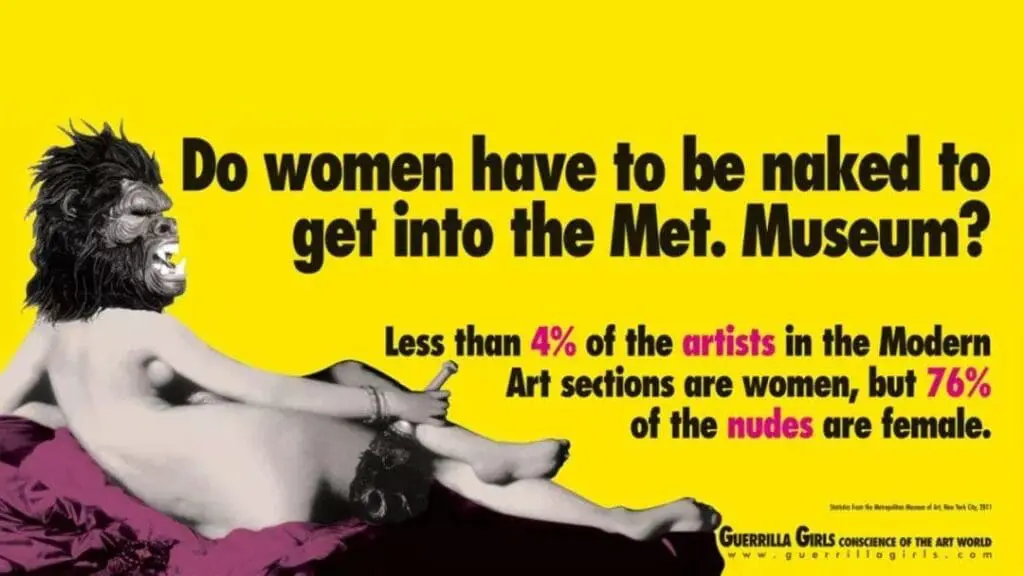
Today, more voices are joining the conversation about gender in art. In every corner of the art world, from high-fashion exhibits to bold contemporary galleries, we’re witnessing a movement that seeks to shine a spotlight on the once-overlooked women artists. Think of “The Dinner Party” by Judy Chicago or the provocative posters by the Guerrilla Girls asking, “Do women have to be naked to get into the museum?” These aren’t just works — they’re statements.
Why did we lose so many women from the history books? Classics like The Story of Art by Ernst Gombrich skim right over female artists, either by habit or design. The result? Generations of women left searching for role models in a world that told them art wasn’t for them. This “canon” of art has unwittingly — or maybe intentionally — cast women as the seen, not the seers.
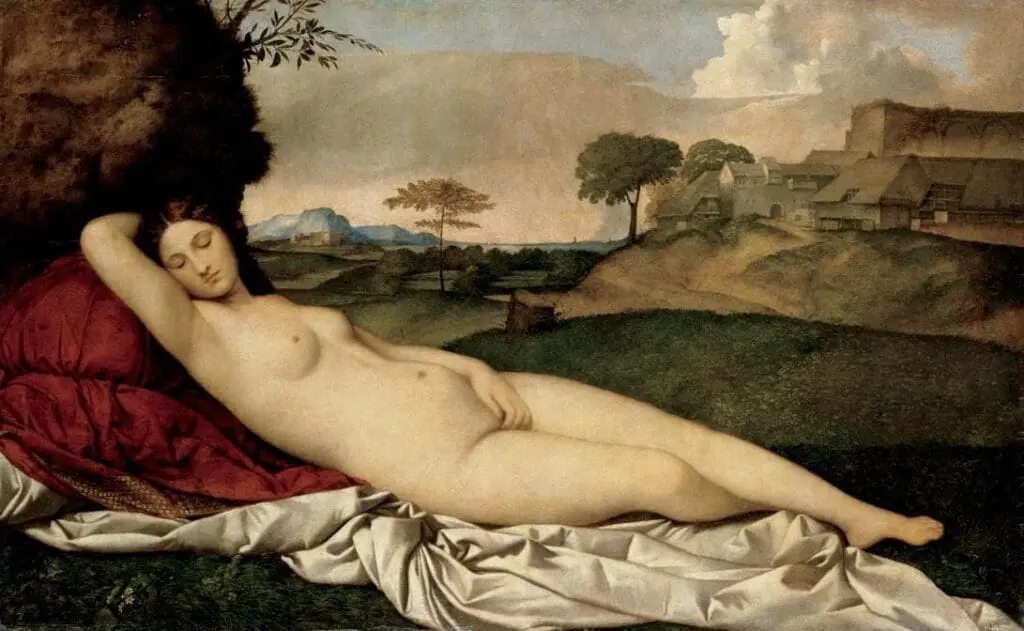
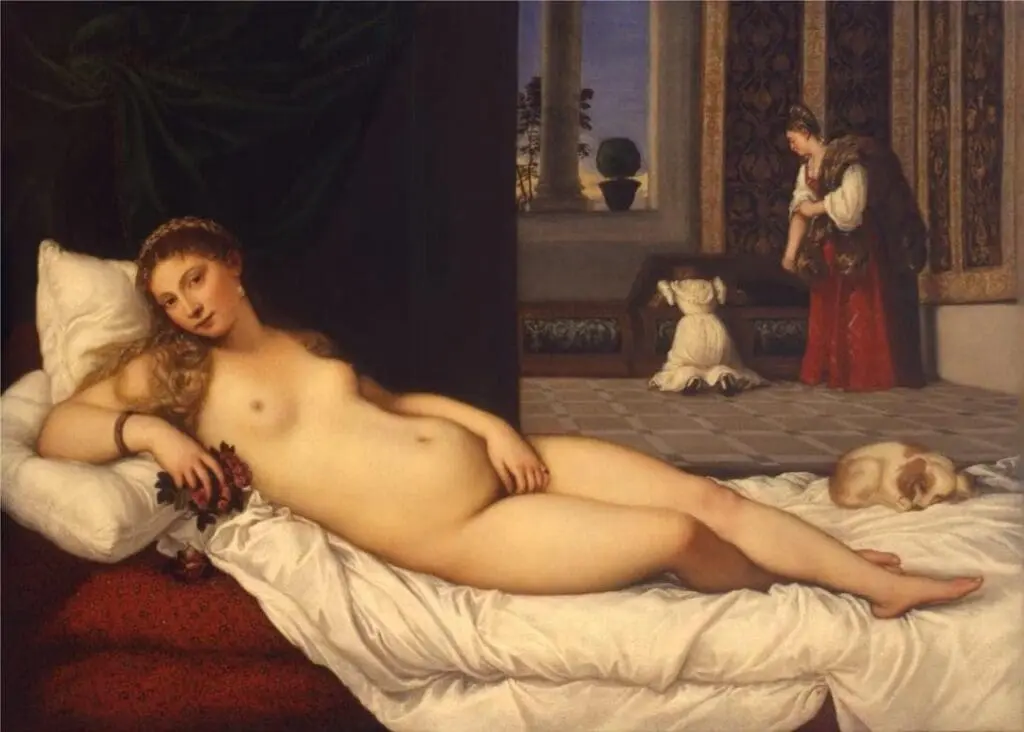
Consider the iconic Venus motif in Western art. Starting with Giorgione’s Sleeping Venus, the goddess is serene and untouched, her eyes closed as if dreaming of another world. Fast-forward to Titian’s Venus of Urbino, and she is fully aware, gazing back at us with a seductive, knowing look. Then, in Manet’s daring Olympia, we meet a woman who is unapologetically herself, staring back with a boldness that caused a social uproar. Each painting reflects the shifting role of women in art — but only as subjects, not creators.
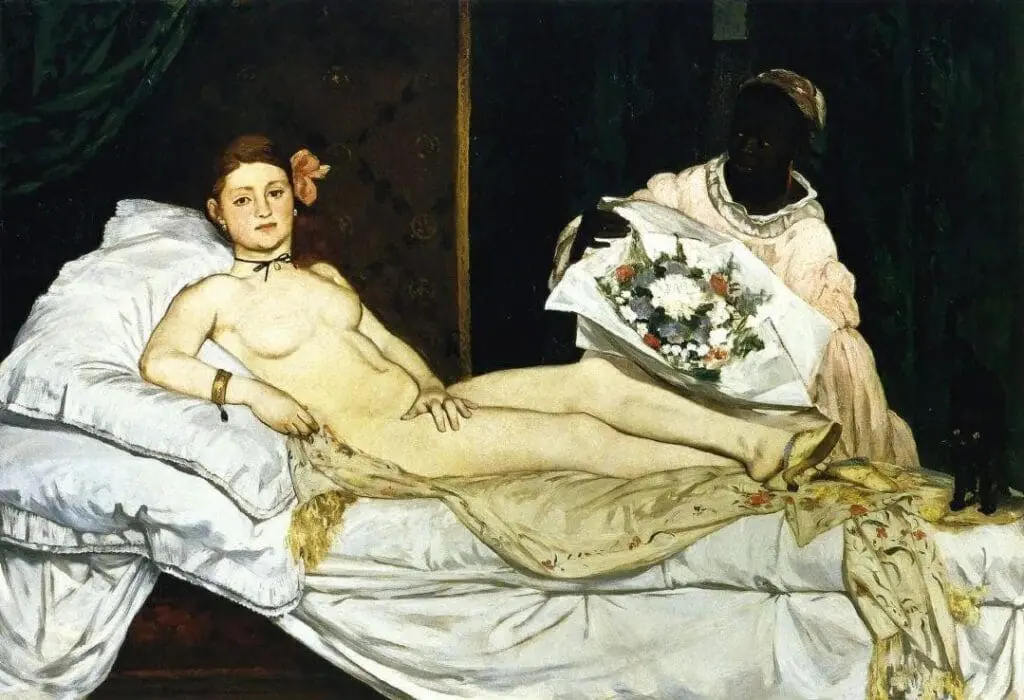
Even in the eyes of the “greats,” women were crafted to fit ideals that both elevated and constrained them. Women were muses, saints, seductresses — but rarely artists. This male-dominated lens objectified women, placing them as the “beauty” rather than the creator of beauty. As art critic Linda Nochlin argued, it’s not that there were no great women artists; it’s that the system didn’t allow women the same opportunities.
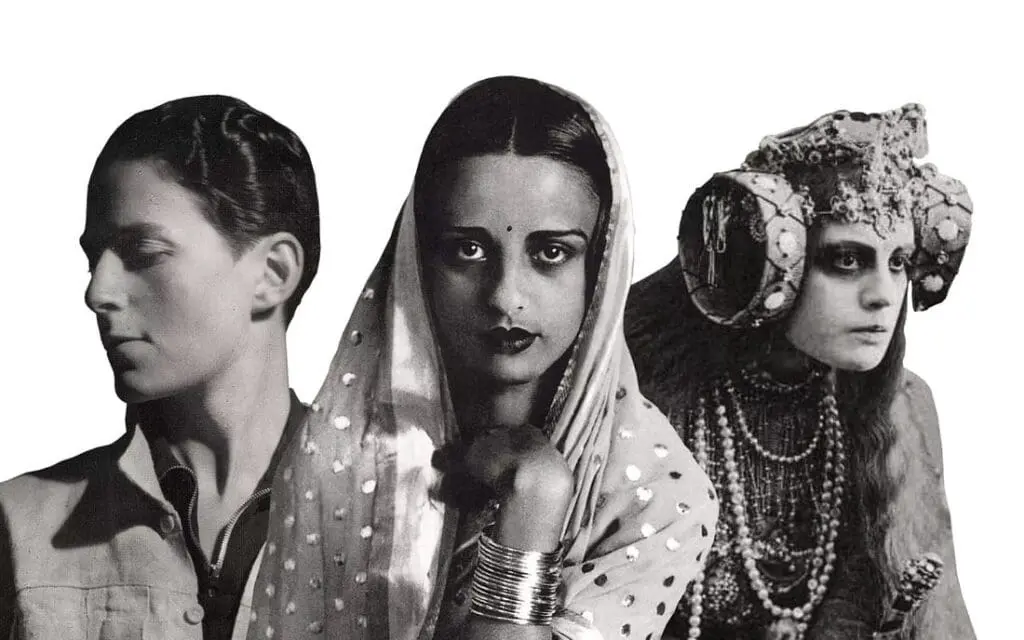
Now, art history is being reimagined by artists and curators dedicated to recovering these lost voices. The impact? A canon that’s growing, challenging long-held norms, and recognizing that women were never absent from art’s story — they were just hidden in the margins.
Today’s art scene is witnessing an electric shift. Not only are we embracing women artists from history, but we’re also amplifying their modern counterparts who are pushing boundaries, breaking stereotypes, and, most importantly, claiming their space in the “canon.” The movement isn’t just about putting women in museums; it’s about changing the way we see art, beauty, and power itself.
It’s no accident that, in today’s era of bold fashion and empowered identity, art and fashion are colliding in fresh ways. Look at the work of groundbreaking female artists like Frida Kahlo, who turned her own body into a canvas, a statement, and an emblem of resilience. Or consider Yayoi Kusama, whose polka-dotted landscapes have spilled over from gallery walls to haute couture, becoming symbols of self-expression that cross the boundary between art and wearable fashion.
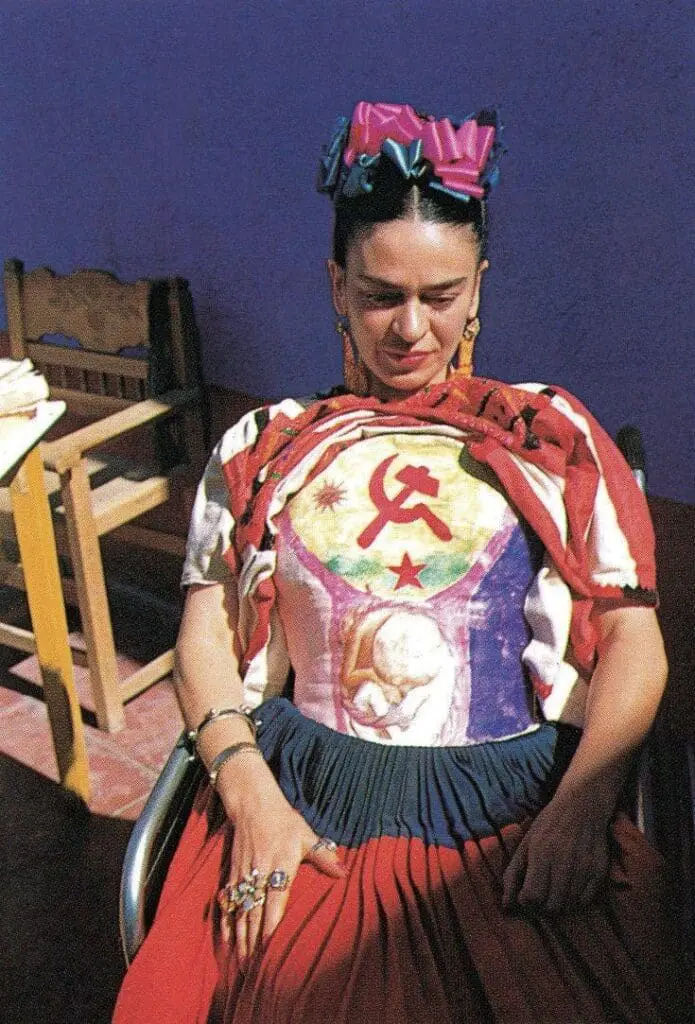
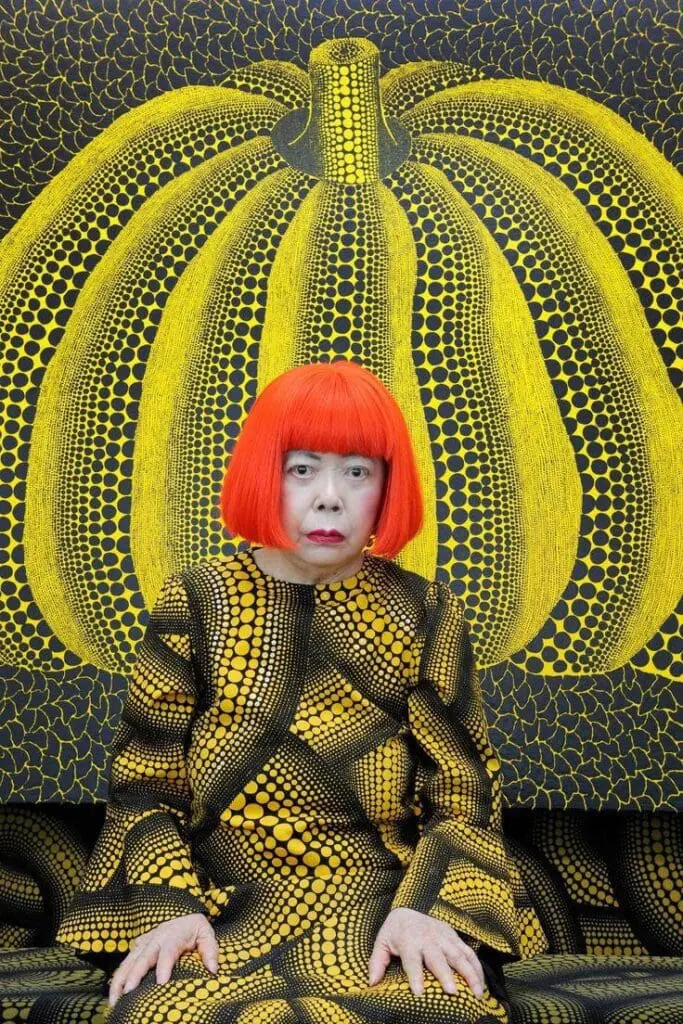
However, the journey doesn’t end with adding women to art collections. It’s about unearthing their perspectives, understanding how they’ve redefined “beauty” in ways that transcend the male gaze. In a world where fashion models and actresses have traditionally embodied ideals of beauty and mystery, female artists are turning those ideals on their head. They’re showing us a beauty that’s raw, vulnerable, and powerful — one that goes beyond the superficial and dives into the depths of identity, strength, and lived experience.
Take, for instance, the rediscovery of Hilma af Klint, a Swedish artist whose abstract works predated even the famed Wassily Kandinsky. Klint created vibrant, spiritual compositions that spoke to a universal human experience rather than a singular, gendered one. For years, her contributions went unnoticed, but now her work is celebrated as pioneering. It’s a reminder that women’s contributions to art have always been groundbreaking — they just haven’t always been recognized.
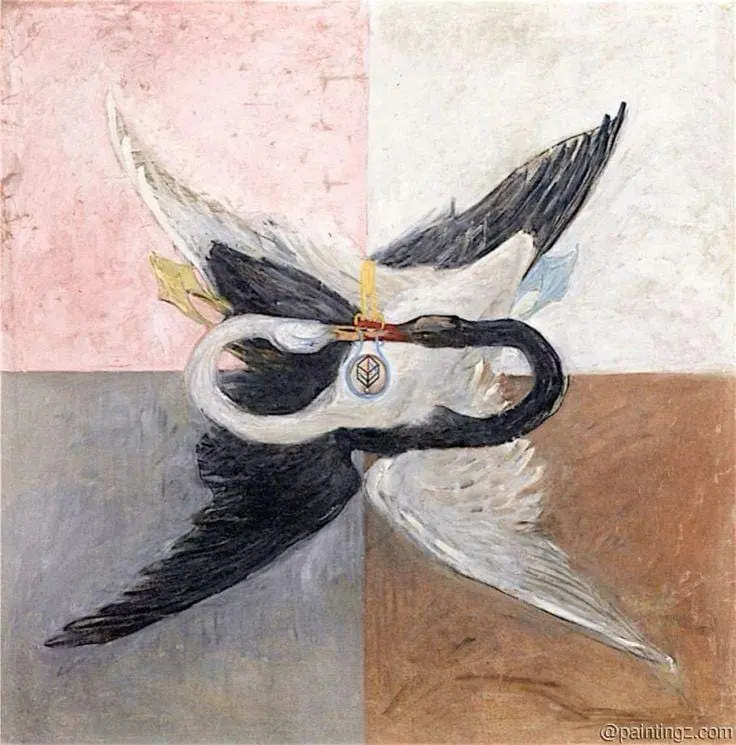
Fashion itself has begun to embrace this wave of female expression in art. Designers are drawing inspiration from the daring visions of women artists, crafting collections that honor not only the aesthetic but the fierce individuality behind these works. Art-driven fashion campaigns and exhibits are on the rise, bridging the gap between gallery walls and street style, showing that the beauty and empowerment embodied by women artists are as relevant on the runway as they are in the museum.
In fashion and art alike, women are no longer passive figures; they’re creators, voices, and forces of change. They’ve transcended the traditional “frames” they were once confined to and have redefined what it means to be both artist and muse. And as we continue to uncover, celebrate, and learn from women’s art, we’re not just rewriting art history — we’re expanding it, turning it into a more inclusive, vibrant, and inspiring narrative that speaks to the present and the future.
So, the next time you walk through an art exhibit or see a fashion spread inspired by an iconic painting, think about the journey it took to bring these women from the margins into the spotlight. This is more than an art movement; it’s a cultural revolution, challenging us to see beyond what we’ve been told and to reimagine art history as a place where every voice, every style, and every story deserves to be seen and celebrated.


