
Words by: Francesca Francis
Edited by: Valerie Aitova
Each year brings a new face of beauty: some years glow, some blur, and some favour effortless polish above all else. Increasingly, these shifts feel decided before the year even begins, shaped, repeated, and amplified by TikTok review culture, where certain products and finishes are elevated to “must-have” status through reviews long before they reach runways or campaigns, with Gen Z at the center.
Beauty trends now circulate through a “makeup must-have” culture where review-driven videos distill complex looks into a shortlist of essentials, allowing repetition across feeds, creators, and formats to quietly shape what comes to feel visually and culturally dominant.

Whether it is the pursuit of glass skin or the application of lip stains, both are shaped by the same cycle of visibility and engagement. As products and finishes recur across feeds, individual preferences coalesce into collective standards. While glass skin once set the benchmark for luminous perfection, that ideal has recently loosened, giving way to “glitchy glam”, a deliberately undone aesthetic that prioritises expression over symmetry, and performs well in review-driven spaces where credibility is built through transparency rather than polish.
Central to this world is the format of the review itself. Carousel-style comparisons, side-by-side demonstrations, and dupe tests reveal which textures and formulas are essential, while phrases like “worth the splurge” encourage viewers to evaluate products rather than simply aspire to them. These formats turn individual assessments into shared reference points, quietly shaping which aesthetics dominate the moment.
Rare Beauty’s blush, created by Selena Gomez, demonstrates the subtle power of TikTok review culture. Through carousels, dupe tests, and swatches, its texture and finish were repeatedly observed and validated by viewers.
Over time, it became a cultural reference point recognised for what feels authentic, wearable, and enduring. More than makeup, it became a marker of taste, showing how TikTok reviews quietly shape which aesthetics define a moment. Personal taste is increasingly guided by pre-curated discovery, as viewers adopt trends that are celebrated and repeatedly affirmed.
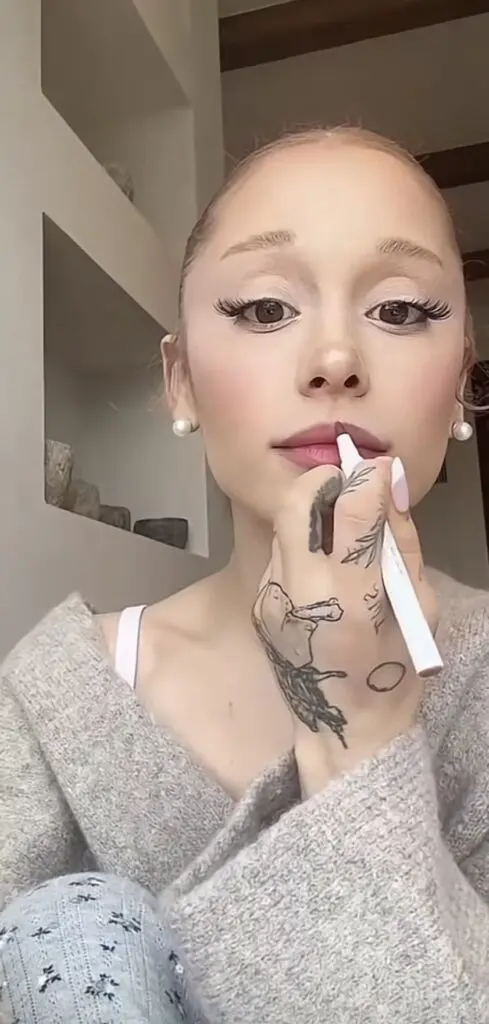
Celebrity participation amplifies this effect. By sharing favourite products or curated “must-have” picks in the same review formats as everyday creators, stars make trends feel tangible rather than aspirational. When creators “ungatekeep” celebrity collections, such as Ariana Grande highlighting core r.e.m. beauty items in a single viral clip previously niche products become widely recognised almost overnight.
These moments register as trustworthy not because they are endorsements, but because they mirror the informal, video-based interactions through which audiences have grown accustomed to feeling socially connected, lending emerging looks credibility for Gen Z viewers who value reliability over polish.
The cycle concludes with yearly recaps and “empties.”
“Best of the year” lists and visibly used-up products function as a form of proof, signalling not just desire, but desire sustained over time. In review culture, empties lend credibility precisely because they suggest repetition, routine, and commitment, an earned attachment rather than a fleeting recommendation.
While this rapid circulation can generate subtle social pressure, it also reveals how algorithm-driven exposure shapes what comes to feel genuinely desirable.

Ultimately, beauty on TikTok is as much about shared taste and cultural fluency as it is about products. Holy grails, empties, and celebrity participation feed into a review-driven cycle in which desire is not merely reflected, but authorised.
By the time a trend saturates the feed, tried, tested, and repeatedly affirmed, it no longer feels emerging, but established as the defining look of the year.


