
Words by Valerie Aitova
There’s a particular kind of calm that’s been circulating online lately. It shows up in travel clips, skincare hauls, and offhand recommendations, usually filmed without much intention, under fluorescent lighting, with products that look almost interchangeable. No storytelling, no “before and after,” no urgency to impress. Just the sense that things here work, and that’s enough.
This feeling keeps reappearing in the same place.
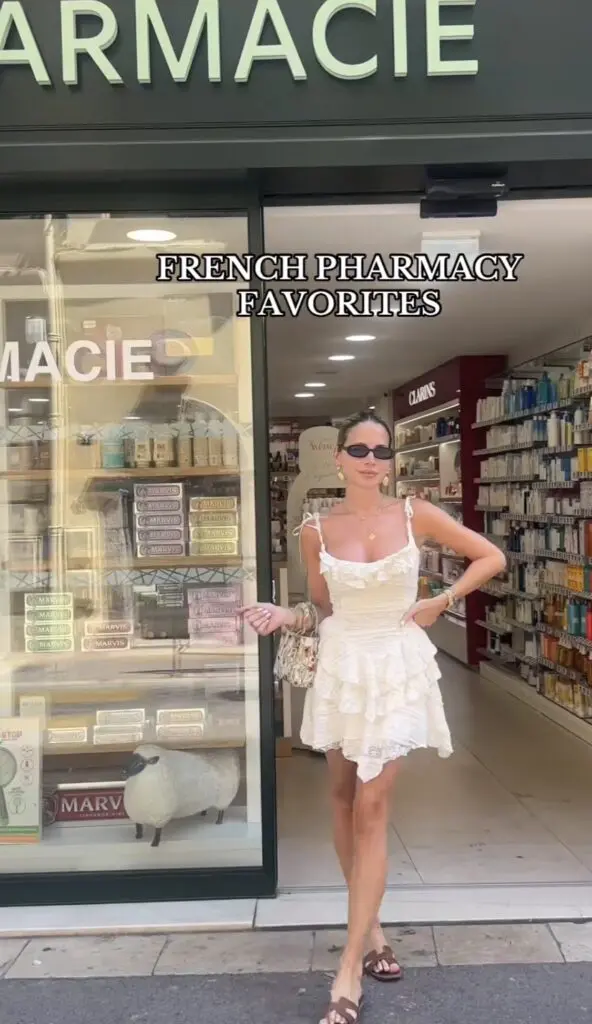
French pharmacies have become one of those spaces skincare fans return to again and again, and not because they’re new, but because they feel untouched by the way beauty is currently performed. They don’t promise transformation or self-discovery, they don’t even encourage exploration for its own sake. Instead, they offer something much quieter: limits, guidance, and the reassurance that you don’t need to keep looking.
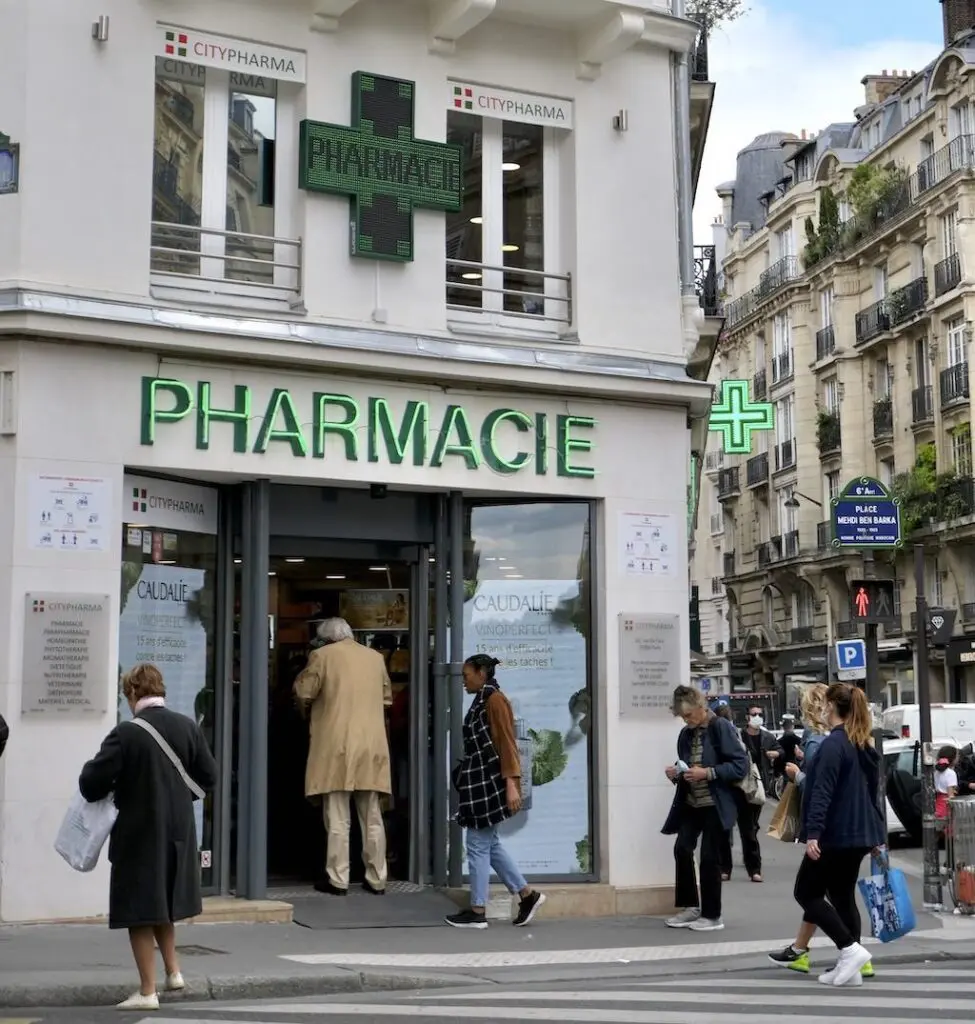
At this point, it’s worth asking why French pharmacies have become a subject of conversation at all. For years, they existed in the background – familiar to locals, occasionally mentioned by dermatologists or beauty editors, but largely absent from mainstream beauty discourse. Their current visibility isn’t driven by a single launch or campaign, but by a wider cultural fatigue: with overconsumption, with endless routines, with beauty spaces designed to keep us browsing rather than deciding. As celebrities quietly reference pharmacy staples, travel content replaces tutorials, and TikTok shifts from aspiration to observation, French pharmacies emerge not as a trend to follow, but as a system to notice. Talking about them now isn’t about discovery – it’s about recognising why this alternative has started to feel necessary.
What’s striking is how stable this system feels in a moment defined by excess. French pharmacies were never designed as lifestyle destinations or aesthetic experiences. Their logic is practical and deliberately unexpressive. Products are organised by function, not fantasy. Choice is narrowed rather than expanded. Skincare exists here as upkeep – something meant to support daily life, not take it over.
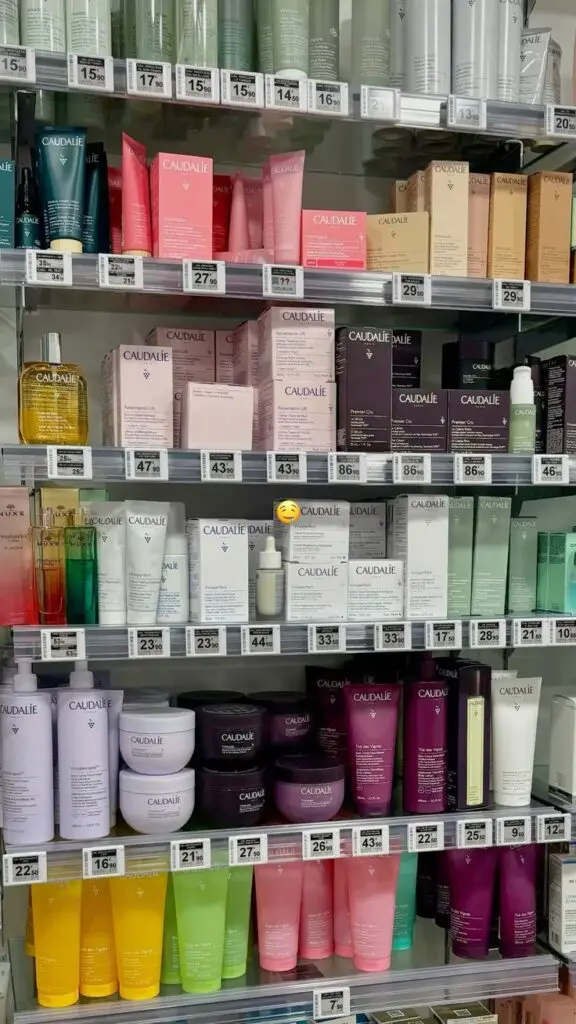
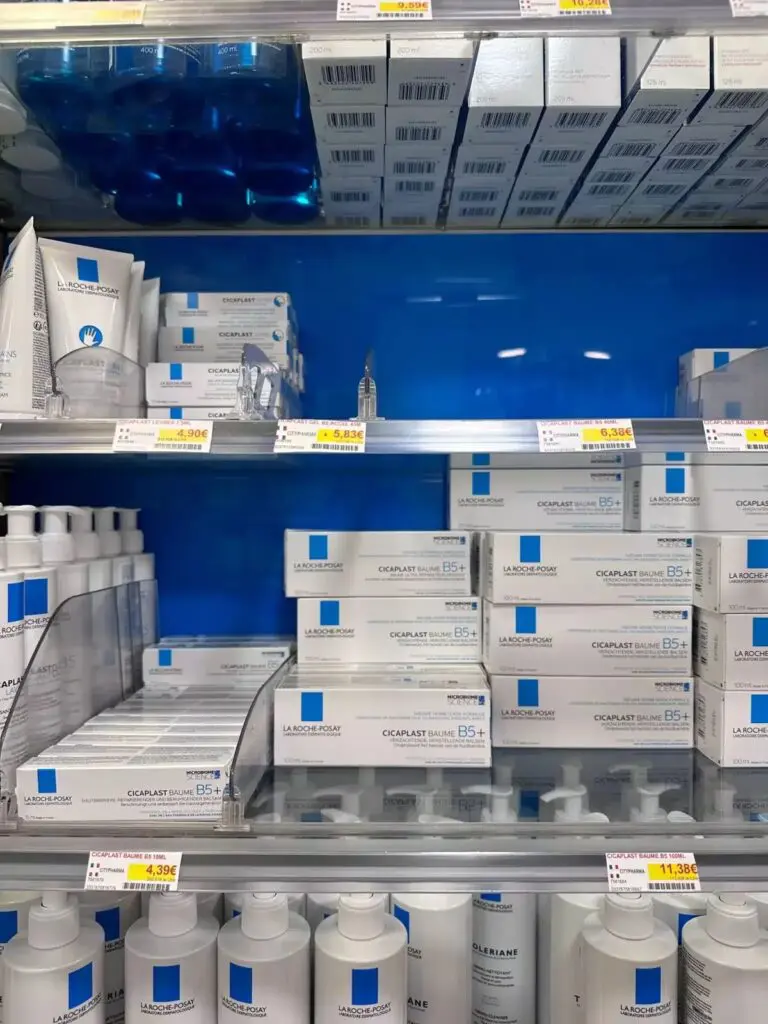
That difference becomes clearest when you compare it to contemporary beauty retail. Where spaces like Sephora are designed to stimulate – through abundance, testing, layering, and impulse – the pharmacy filters. You don’t wander aisles building a basket around a mood. You arrive with a concern. You ask. You’re advised. You leave with one thing, sometimes two, and the sense that the decision is finished.
Luxury here isn’t abundance.
It’s certainty.
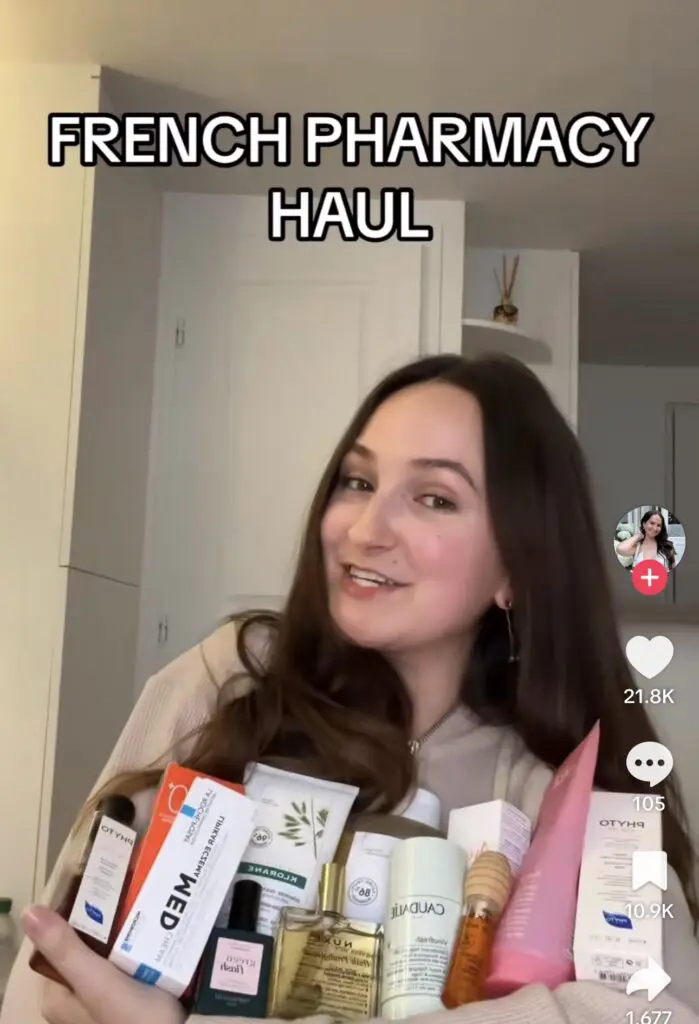
This is also why French pharmacy culture translates so easily online. On TikTok, the virality doesn’t come from spectacle but from restraint. Hauls are short, repetitive, almost instructional by accident. The same names keep appearing, filmed in different cities, by different people, without much explanation. The appeal lies in how little these products demand from the viewer.

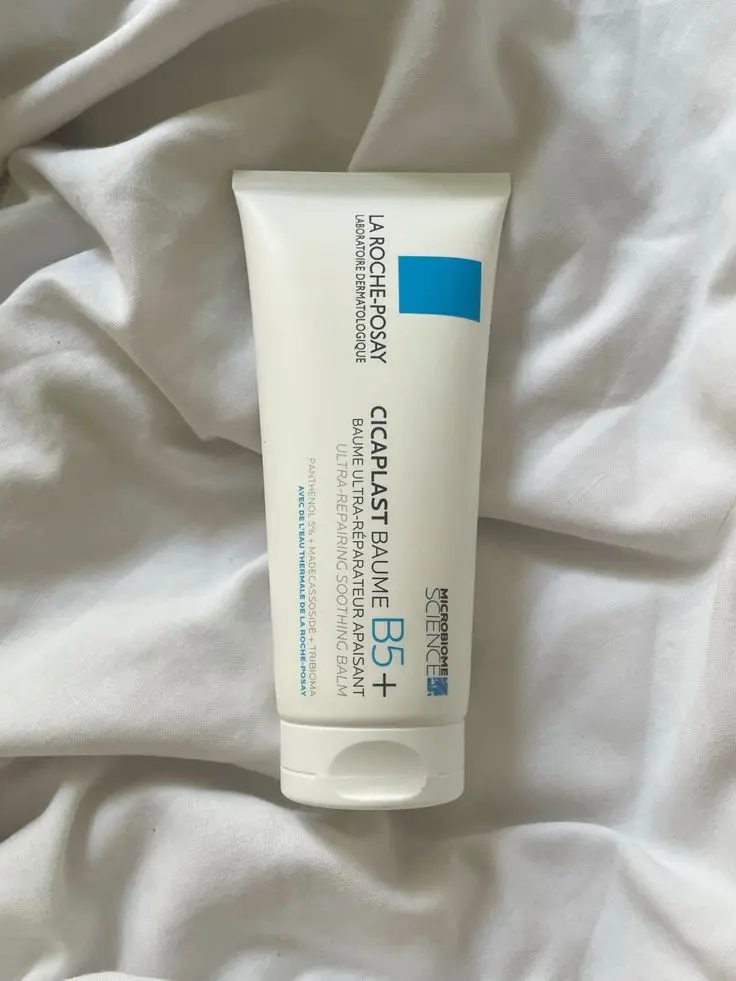
Gen Z favourites like La Roche-Posay’s Cicaplast Baume B5+ aren’t treated as status items or “holy grails,” but as something closer to infrastructure. On TikTok, it’s framed as a product you keep around rather than show off — for barrier repair, irritation, post-treatment skin, or moments when everything else feels like too much. Its appeal lies in predictability.
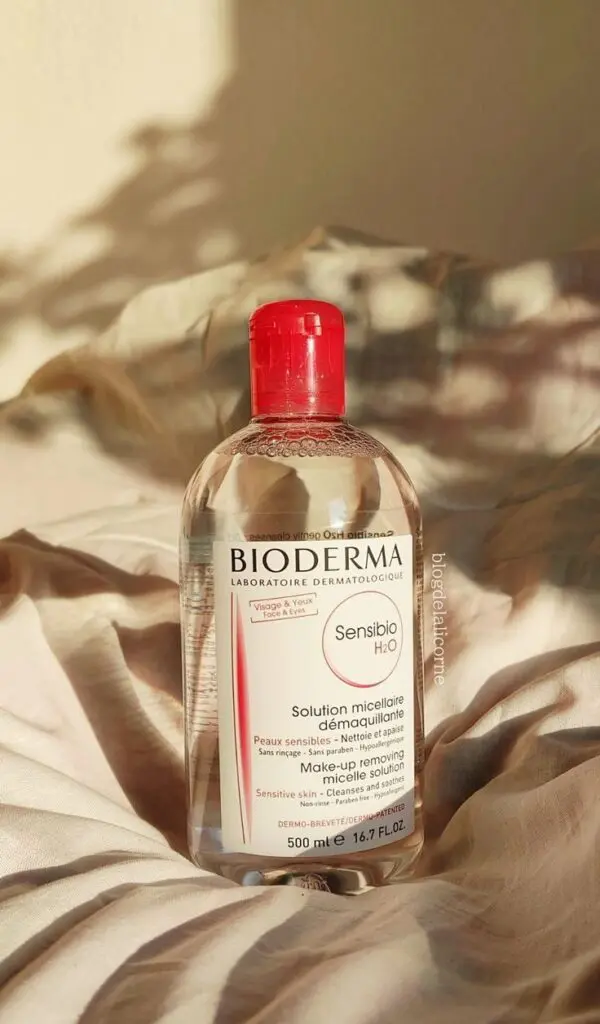
The same can be said for Bioderma’s micellar water, often filmed sitting on desks, bedside tables, or half-packed suitcases. It’s rarely described in aspirational terms. Instead, it’s positioned as something that quietly fits into life, rather than reshaping it. These products don’t invite experimentation; they signal an end to it.
That logic feels increasingly aligned with how Gen Z approaches beauty more broadly. After years of algorithmic recommendations, conflicting advice, and hyper-visible routines, there’s a growing pull toward systems that remove decision-making rather than intensify it. French pharmacy skincare doesn’t require fluency. It doesn’t reward constant optimisation. You’re allowed to rely on something external and stop thinking about it.
A key part of that experience is mediation. The pharmacist acts as a gatekeeper, inserting a pause between desire and consumption. Advice replaces persuasion. Responsibility is shared. You don’t need to diagnose yourself publicly or perform expertise. You’re guided, not marketed to.
For a generation raised on choice overload, that structure feels grounding.
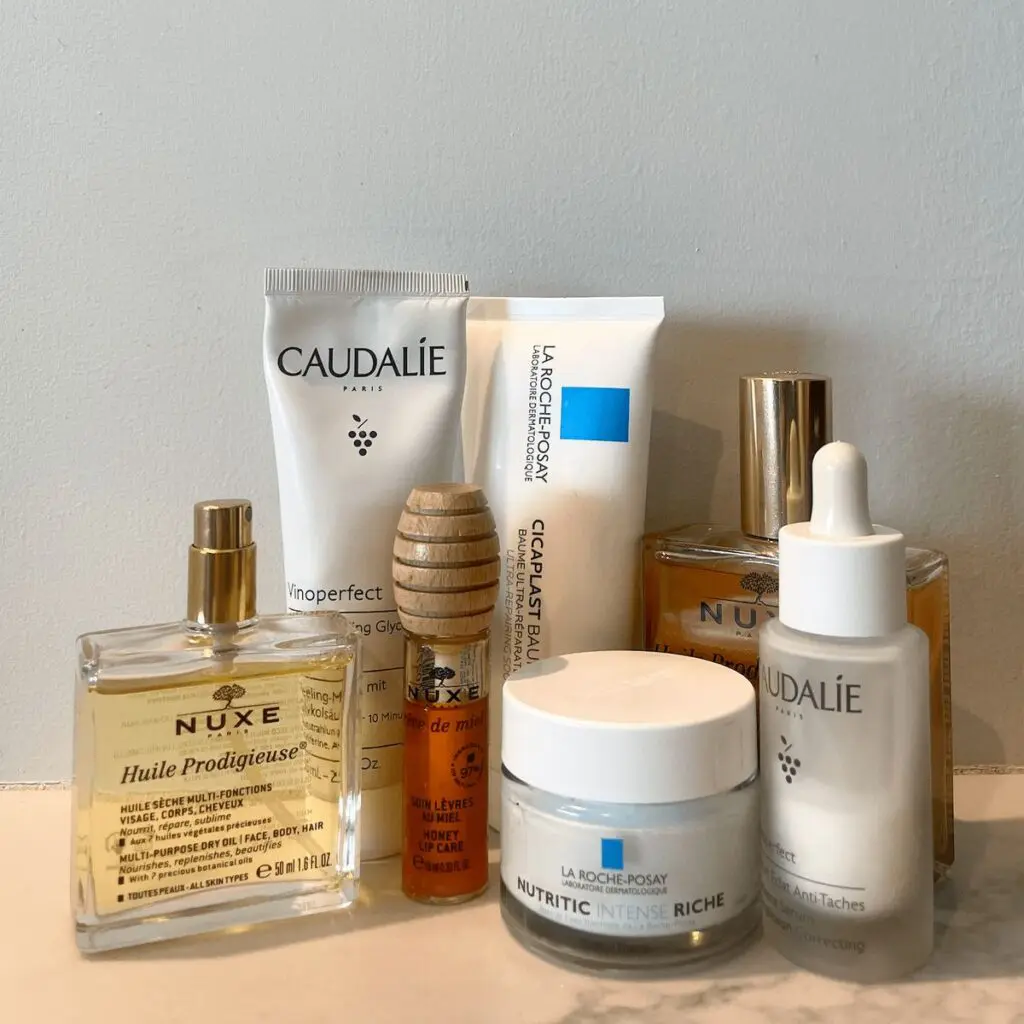
What makes French pharmacies feel luxurious, then, isn’t their imagery or even their products. It’s the way they resist participation in beauty as performance. They don’t ask who you are or who you want to become. They don’t speak in the language of aspiration. They assume continuity – that you’ll use something, finish it, and come back for the same thing.
That assumption of longevity is rare.
While TikTok will inevitably move on, the system itself feels durable. French pharmacies aren’t responding to Gen Z so much as being rediscovered by them. What feels luxurious here isn’t imagery or novelty, but a structure that filters instead of tempts, assumes continuity rather than reinvention, and doesn’t require you to participate in beauty as performance in order to belong.


