
Words by Maggie Arandela-Romano
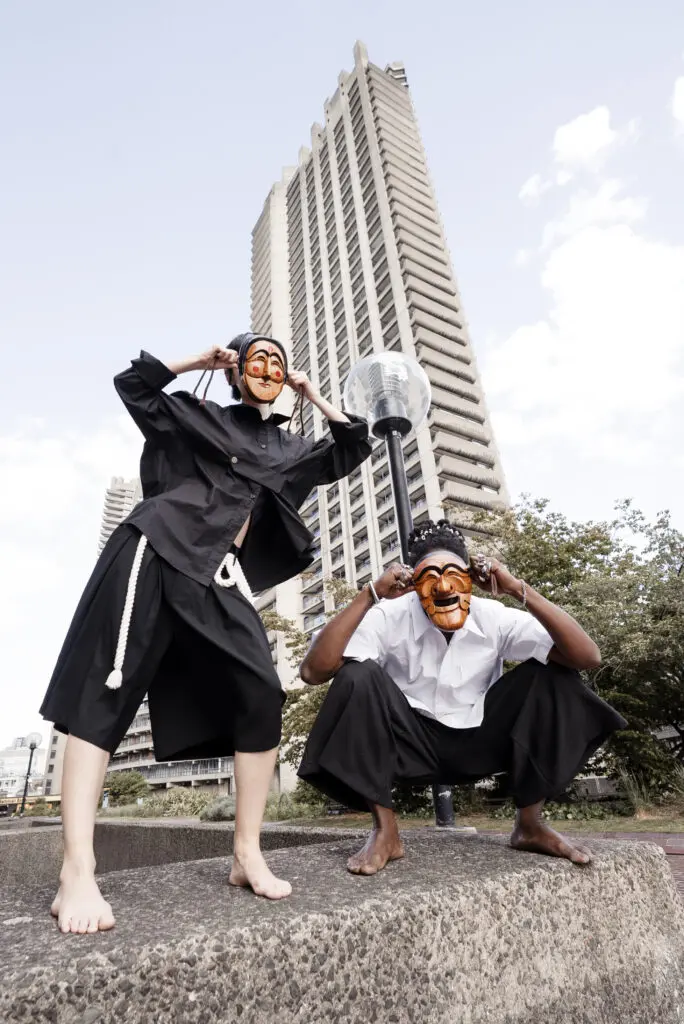
As Korean culture continues to reshape global taste — from music and cinema to beauty and food — fashion is stepping into a more visible role. In the UK, this shift is no longer quiet. Sold-out arenas, growing fan communities, and a louder public affection for Korean culture point to something deeper than a trend. What’s emerging is not novelty, but permanence.
At the centre of this exchange sits Yongdae, a fashion platform founded by Ashley Hobday, created to connect Korean designers with British consumers. More than an e-commerce space, Yongdae positions itself as a cultural bridge — one built on identity, access, and shared curiosity. It exists in the in-between, shaped by both cultures rather than belonging fully to one.
“I see Yongdae as more than a platform,” Ashley explains. “It’s a cultural bridge. Our identity sits at the intersection of Korean creativity and British curiosity.”
For Korean designers, Yongdae offers visibility in a market where access has often been limited. For the UK audience, it opens a door to fashion that feels new but rooted — shaped by heritage, storytelling, and experimentation. The platform’s role is not only to sell clothes, but to translate culture — making meaning part of the exchange.
The timing is no accident. Korean fashion is gaining global traction, yet independent designers still struggle to find space in the UK. At the same time, British consumers are more open than ever to Korean culture, with interest rising faster than clear pathways to access.
“There’s a clear gap between curiosity and access,” Ashley says. “People are interested, but they don’t always know where to look. This is the moment to build that bridge properly.”
For Ashley, the mission is also personal. Half Korean and half English, he has lived between both cultures his entire life. That lived experience shaped Yongdae’s foundation and informed its sensitivity to representation.
“I realised how little representation Korean designers had in the UK, despite the growing interest. That disconnect made me want to create a space where designers could be introduced in a respectful and creative way.”
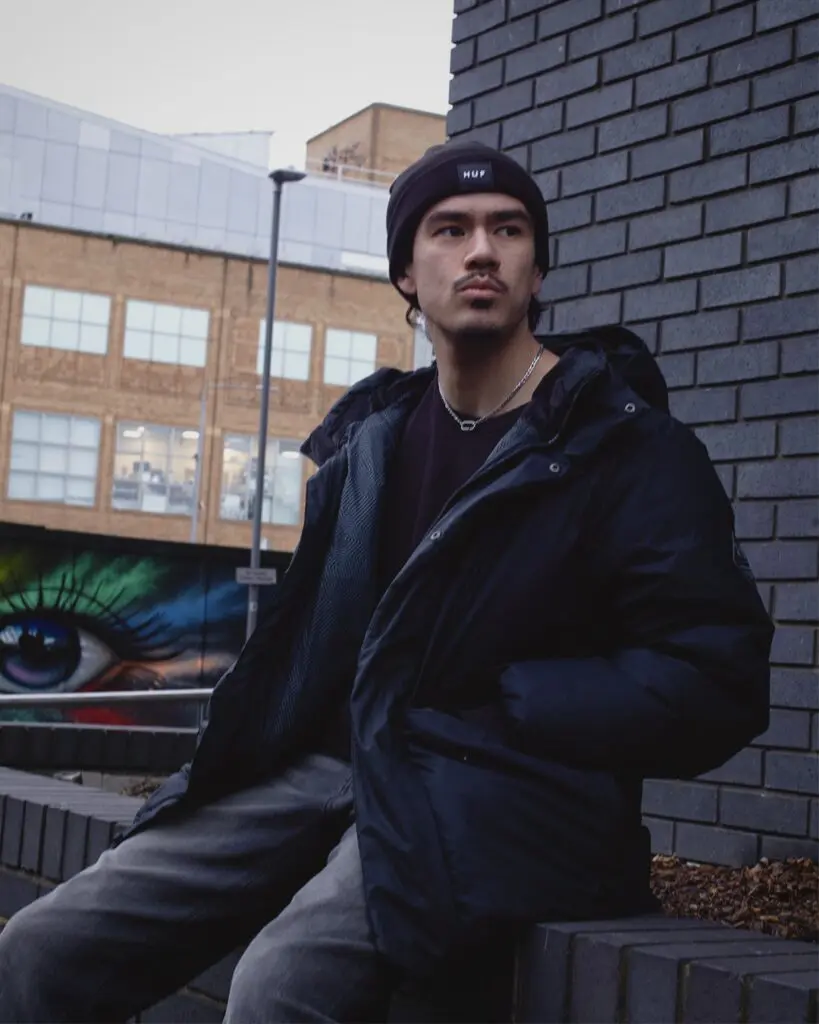
Since launch, Yongdae has worked not just as a retailer, but as a support system. Designers receive help with positioning, communication, and storytelling — tools often missing when entering a foreign market. The emphasis is on long-term presence rather than short-term visibility.
“We don’t just sell their products,” Ashley explains. “We offer PR and marketing support. We help them understand the UK audience and how to connect with it.”
This approach builds on a wider cultural momentum already in motion. Korean entertainment, food, and beauty have softened borders and opened minds. Fashion, Ashley believes, is the next natural step — where identity becomes wearable.
The rise of Hallyu in Britain is no longer niche. Concerts sell out. Fans organise. Appreciation is vocal and visible, shifting Korean culture from distant fascination to familiar presence.
“What we’re seeing now is emotional investment,” Ashley says. “It’s not passive consumption. It’s genuine interest, and that creates the perfect environment for Korean fashion to grow.”
Entertainment, food, and beauty have acted as cultural gateways. Once people connect with one element, curiosity spreads — and fashion becomes part of that discovery, following feeling rather than hype.
For Yongdae, fashion is not decoration. It’s communication.
“Fashion is a cultural language,” Ashley says. “It expresses identity instantly.
Korean fashion brings a mix of structure, playfulness, innovation, and symbolism that feels distinct within the UK market. Wearing these pieces becomes an act of participation, not just consumption, and a quiet form of cultural exchange.
“When people wear Korean designers, they’re stepping into a cultural story. That shared expression strengthens the connection between both countries.”
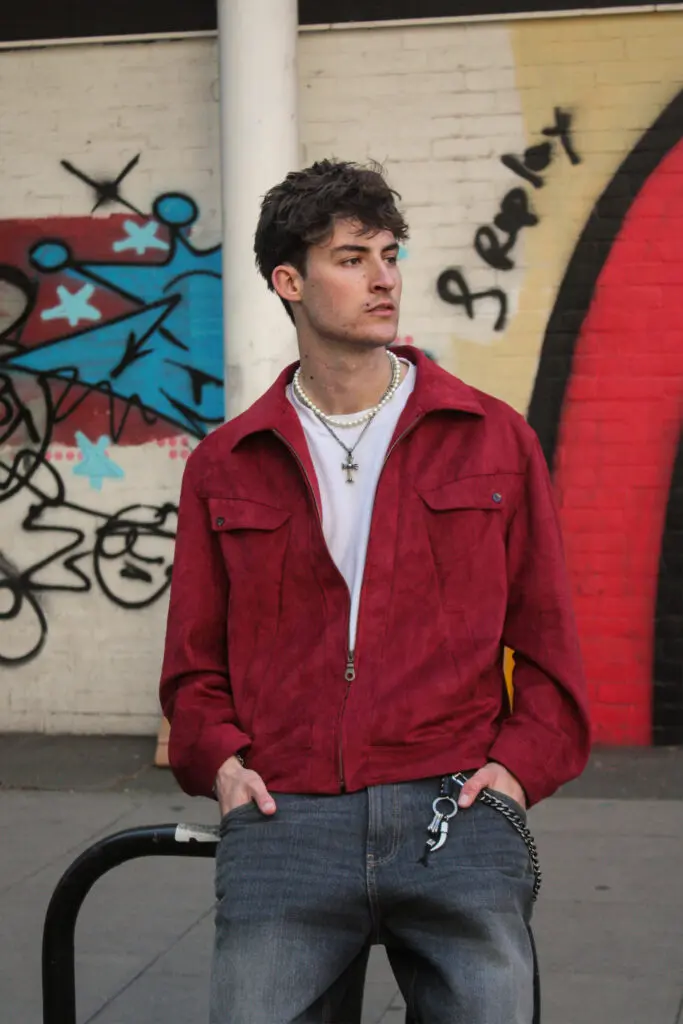
Looking ahead, Yongdae aims to move further into physical and communal spaces. Fashion shows, pop-ups, and curated events are part of a broader vision: building a lasting ecosystem around Korean designers in thecUK and moving from platform to presence.
“Our goal is long-term,” Ashley says. “We want to create a community where Korean creativity is supported, visible, and celebrated.”
Yongdae may be young, but its purpose is clear. In a time where cultural borders feel increasingly fluid, the platform stands as proof that fashion can do more than dress a body — it can connect worlds. It invites the wearer to take part in that exchange, consciously and personally.
Have You Got Yours?


