
Words by Valerie Aitova
Scroll through beauty content right now and something feels different. Faces look warmer, less resolved. Makeup seems to sit in motion rather than in place, as if it’s responding to expression instead of correcting it. Cheeks flush unevenly, sometimes spilling across the nose, sometimes fading almost entirely. It’s subtle enough to feel accidental, but consistent enough to feel intentional.
This softness didn’t originate on social media. It arrived through screens.
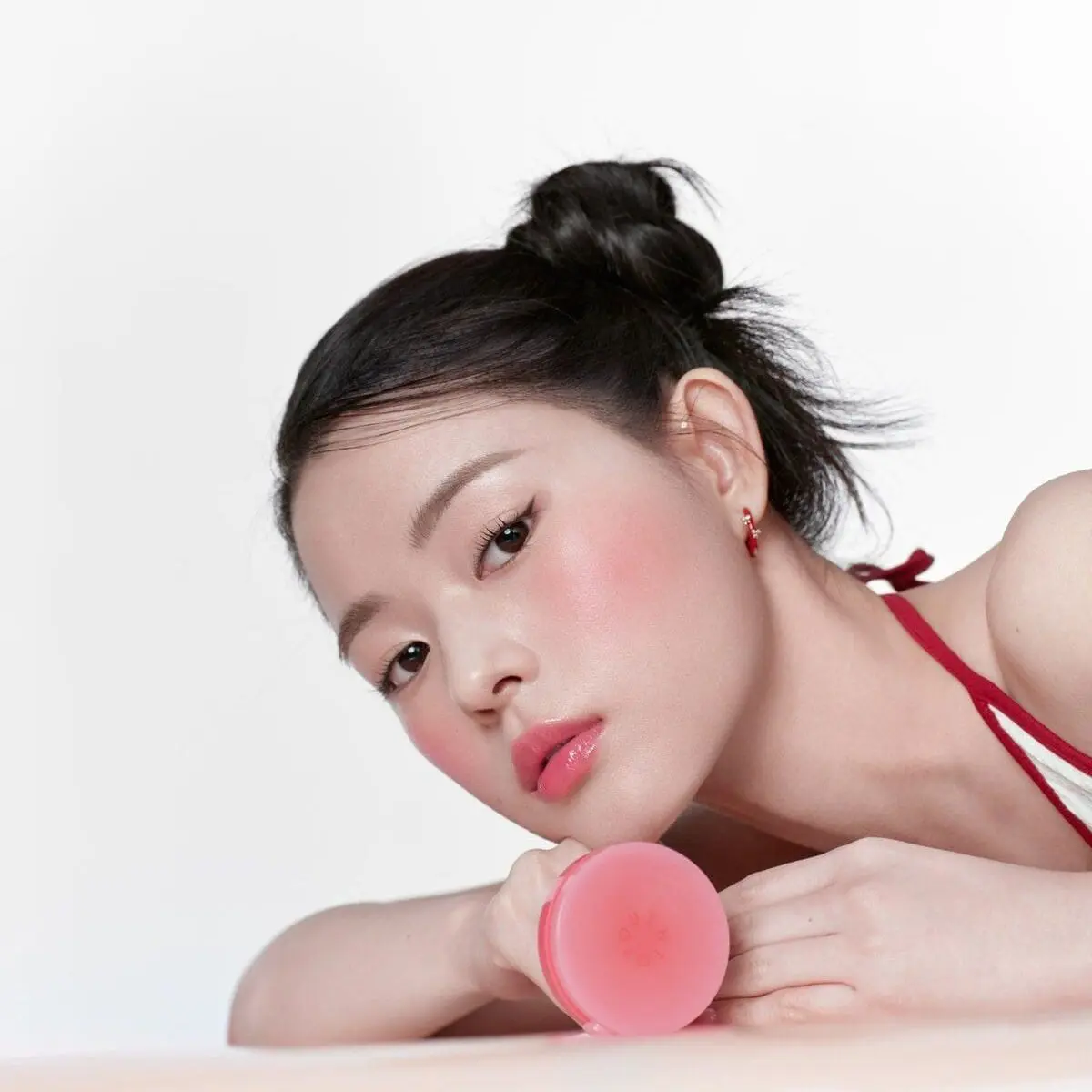
Years of Korean dramas, romantic close-ups, and emotionally legible faces trained audiences to read makeup differently. In these narratives, beauty isn’t about transformation or spectacle. It’s about timing. About letting feelings surface visually before it’s spoken. Blush, in particular, stopped functioning as a finishing touch and started behaving like a signal.
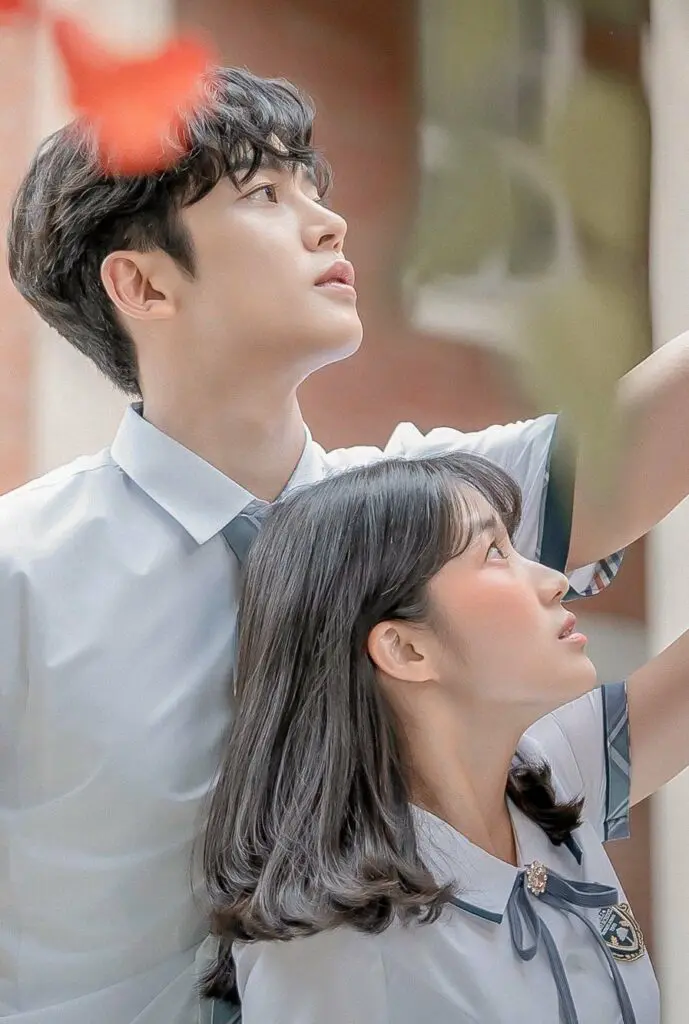
True Beauty made this logic especially visible. Lim Ju-kyung’s face carries the story as much as the dialogue does. Her blush deepens when she’s nervous, softens when she feels safe, and nearly disappears when vulnerability takes over. Makeup never announces itself. It shifts quietly with emotion, allowing the viewer to register embarrassment, anticipation, or comfort before the character names it herself. Blush doesn’t change who she is – it makes her inner life readable.

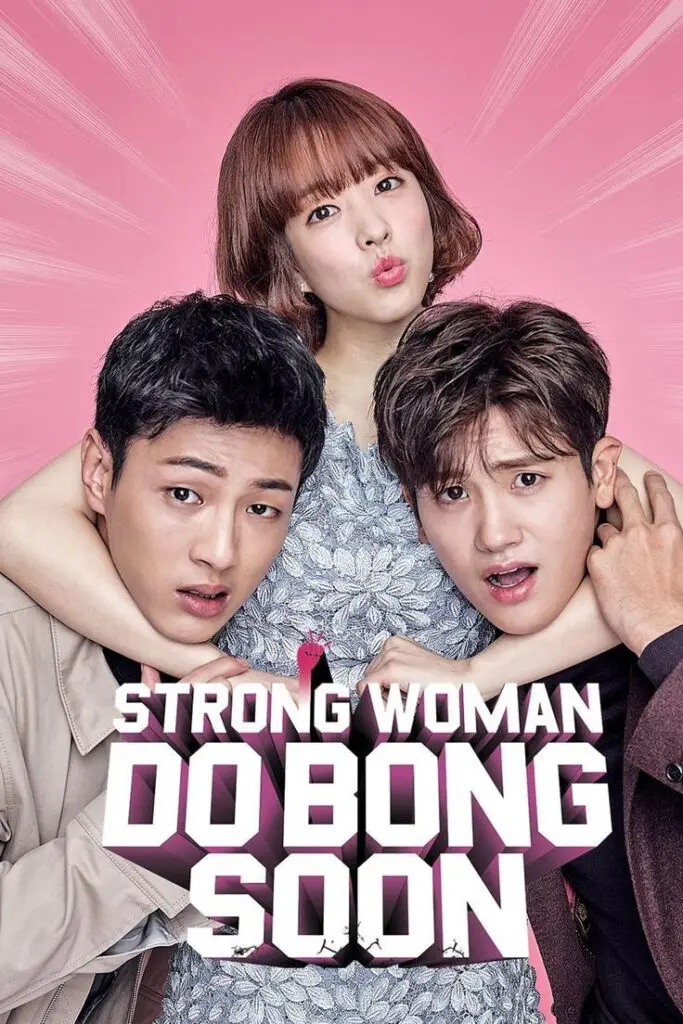
The same language appears again and again across Korean screen romance. In Strong Girl Bong-soon, Park Bo-young’s makeup leans deliberately into softness – flushed cheeks that underline gentleness and emotional openness rather than physical strength. The blush works in contrast to the character’s superhuman power, visually reinforcing vulnerability, warmth, and romantic tension. In Our Beloved Summer, Kim Da-mi’s softly flushed face mirrors the awkward intimacy of first love rediscovered, colour blooming during moments of emotional exposure rather than romantic climax. Love Alarm approaches blush with a different kind of emotional restraint. In a world where feelings are publicly quantified, makeup remains understated – a quiet flush that suggests inner turmoil without visual excess. Here, blush becomes a muted signal of longing and uncertainty, carrying emotion that can’t be openly expressed.
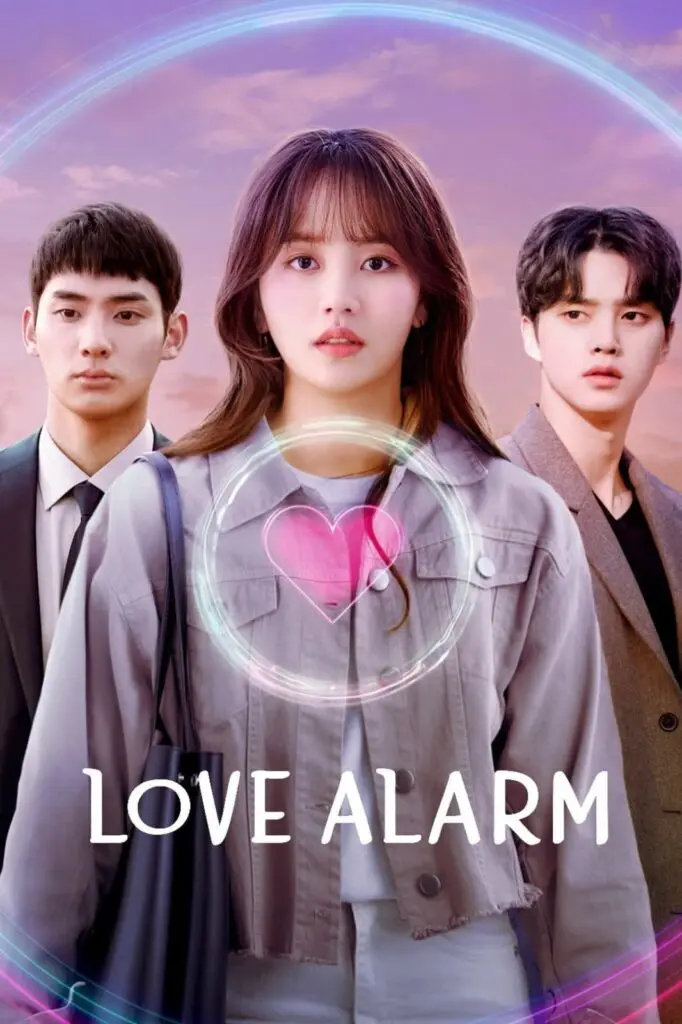
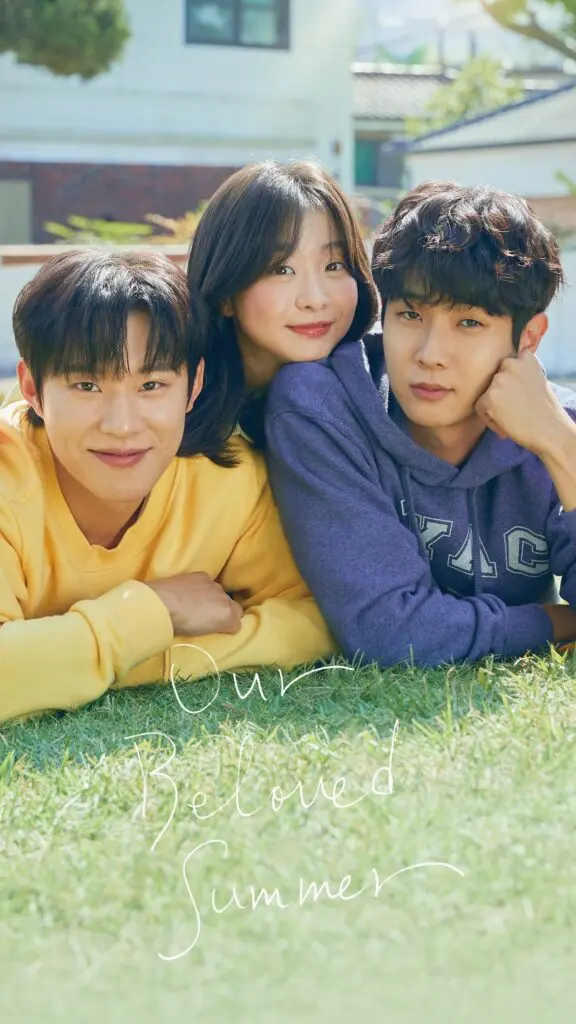
Across these dramas, close-ups linger. Lighting stays forgiving. Skin looks alive rather than perfected. Makeup doesn’t overwrite expression – it amplifies it. Faces are allowed to react, to hesitate, to feel. Blush becomes the most efficient visual shorthand – a way to narrate emotion without interrupting the scene.
Over the past year, that shorthand has slipped decisively into everyday beauty culture. Blush has moved from supporting roles to centre stage, becoming the one product that feels genuinely non-negotiable. Bases have thinned, contour has softened, eye makeup has grown quieter, but blush has stayed. If last year was about rediscovering it, this year has confirmed its status as essential: the product that gives a face warmth, movement, and emotional presence with minimal effort.
That shift is visible in formulation as much as in application. The dominance of liquid and cream blushes feels less like a trend cycle and more like a recalibration. These formulas melt into skin, deepen with movement, and look better hours after application than they do fresh. It’s no coincidence that the most successful blush launches now are designed to perform in motion rather than in mirrors – products built for faces that live, react, and change.

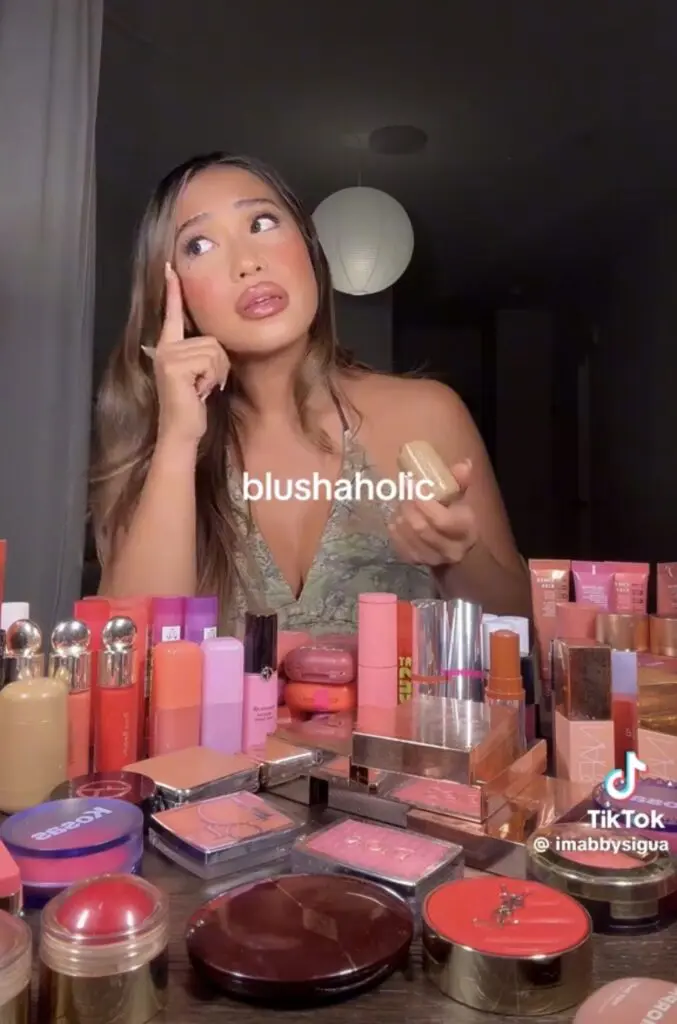
Korean beauty has always operated as a system rather than a category. Makeup, hair, and styling work together to prioritise softness and legibility. The rise of Korean haircuts: face-framing layers, lightness, movement, mirrors the same philosophy. Beauty isn’t about control or sharp definition; it’s about harmony. About keeping the face open to interpretation. Blush fits naturally into this system because it responds to feeling instead of concealing it.
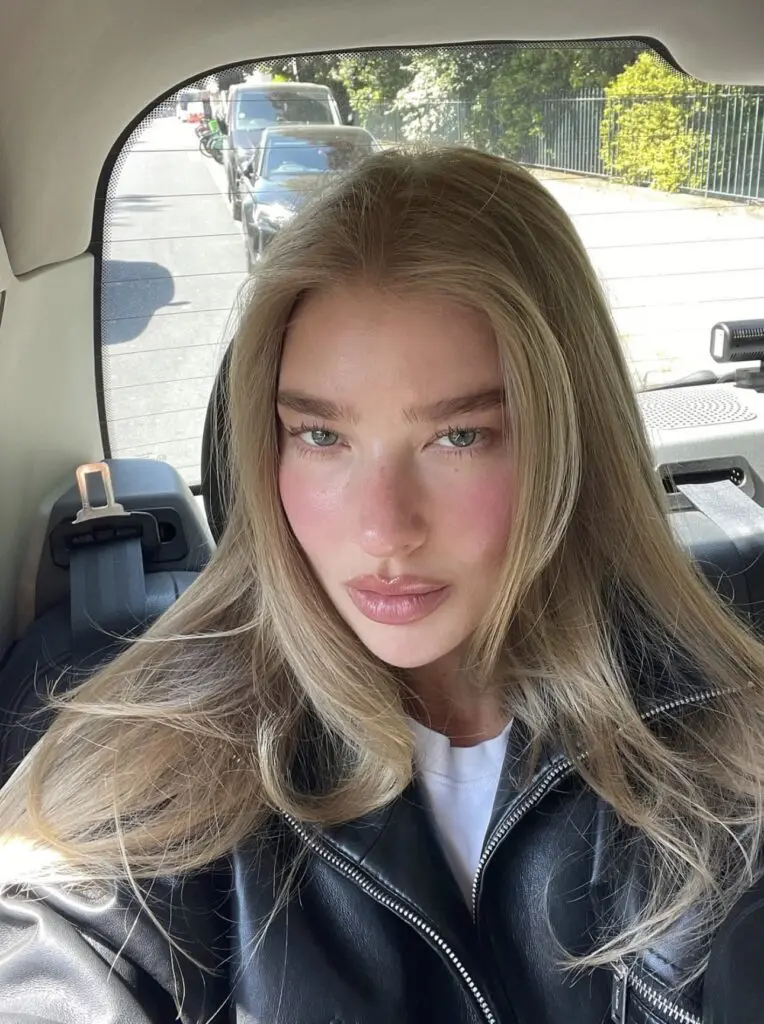
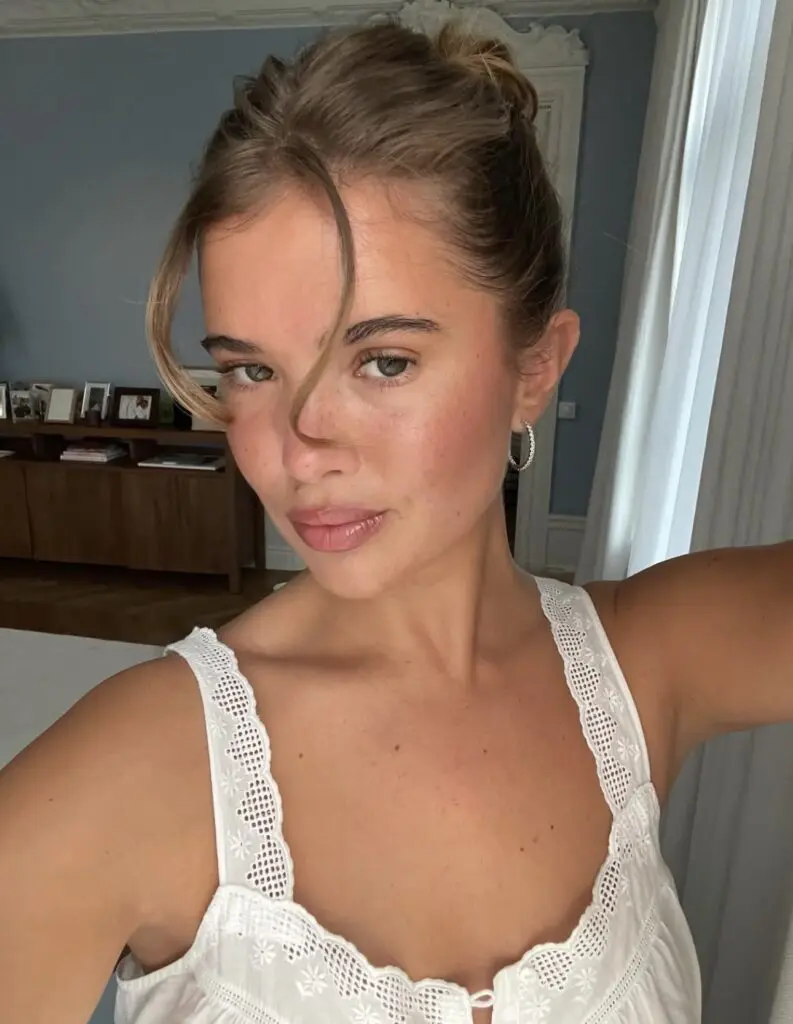
What’s shifted more recently is how deeply this language has settled into UK beauty culture. Where glam once centred on contour and visible effort, there’s been a noticeable move toward warmth. UK creators now reach for blush earlier, applying it intuitively rather than precisely. It’s placed higher, wider, sometimes imperfectly, meant to look like something that’s happening rather than something carefully constructed.
Figures like Jess Hunt illustrate this shift clearly. As both a creator and co-founder of REFY, her beauty language prioritises skin that looks alive rather than perfected – flushed cheeks, brushed-up brows, minimal base. Blush becomes the emotional anchor of the face, the element that keeps clean beauty from tipping into coldness. Alongside her, creators like Laura Byrnes or Chlo Davie embody a softer, more romantic interpretation of the same visual code, where warmth and diffusion are folded seamlessly into everyday life. Beauty here doesn’t perform – it settles.
But this influence extends beyond the UK. The language of emotional softness has become globally legible. Figures like Matilda Djerf, long associated with a pared-back, romanticised everyday – now appear in campaigns like Rhode, where flushed cheeks and minimal base replace overt glamour. The image is familiar: warmth, intimacy, skin that looks touched by life rather than perfected for display. Even Western brands now rely on faces trained in softness to sell products built around feeling.
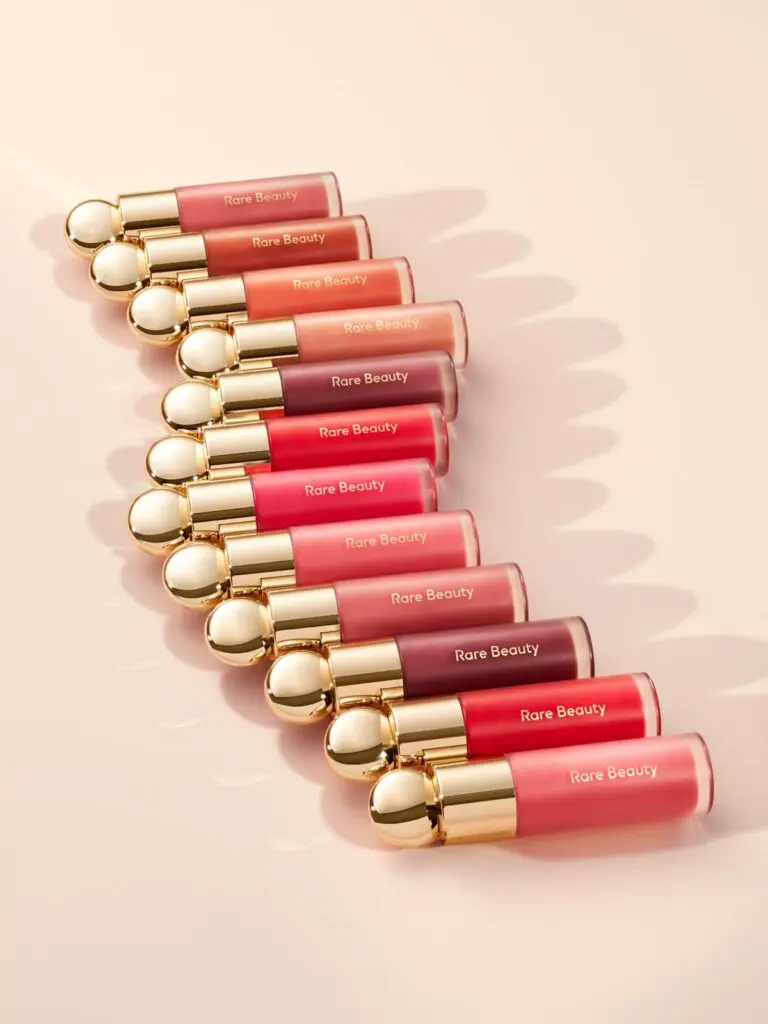
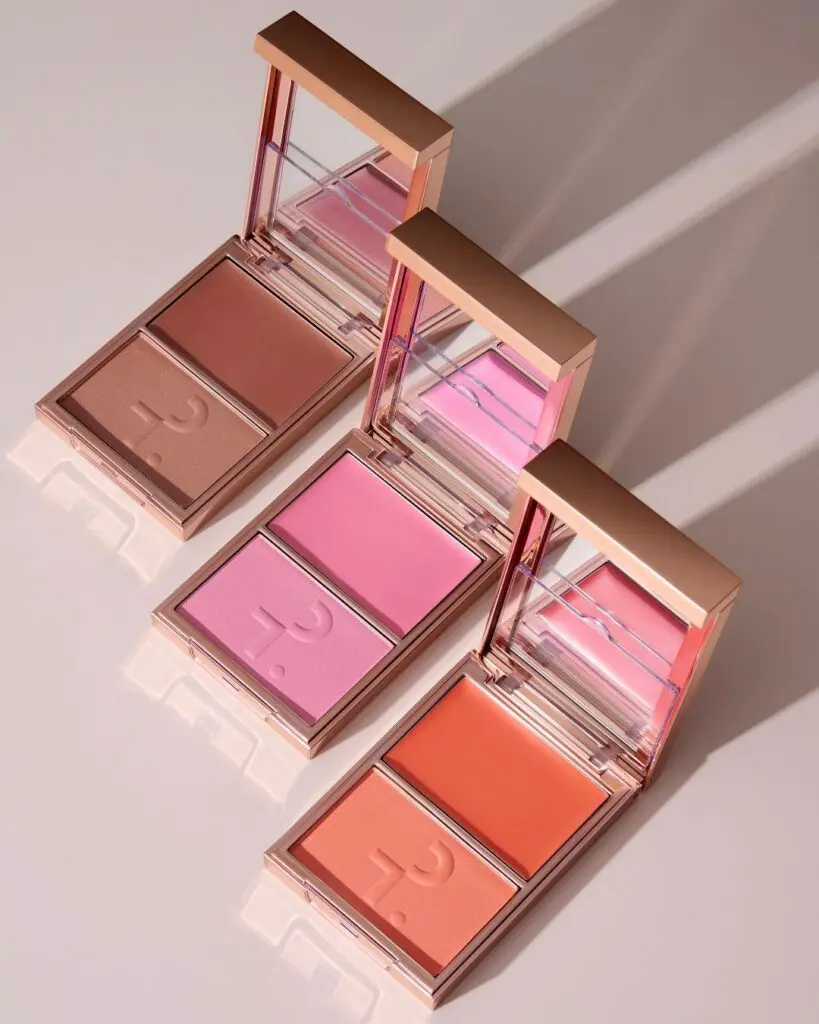
Blush has become the clearest symbol of this change. In Western beauty, Rare Beauty’s liquid blush functions almost as a cultural shorthand – the product every it-girl owns, photographed endlessly on bathroom shelves and makeup tables. Its popularity isn’t rooted in technique or artistry, but in emotion: a visible flush that reads as sincerity, openness, and ease. Patrick Ta’s blush duos offer a more polished variation on the same idea, designed to be layered and built, yet still centred on warmth rather than structure.
Alongside this, Korean beauty continues to shape the category through texture and tactility. Products like Fwee’s Blending Pudding Pots, with their soft, whipped consistency, are designed to be pressed into skin rather than painted on; diffusing colour in a way that mimics a natural flush. Blushes from brands like Peripera or 3CE follow the same logic, prioritising translucency and stain over coverage. These products don’t announce themselves; they linger.
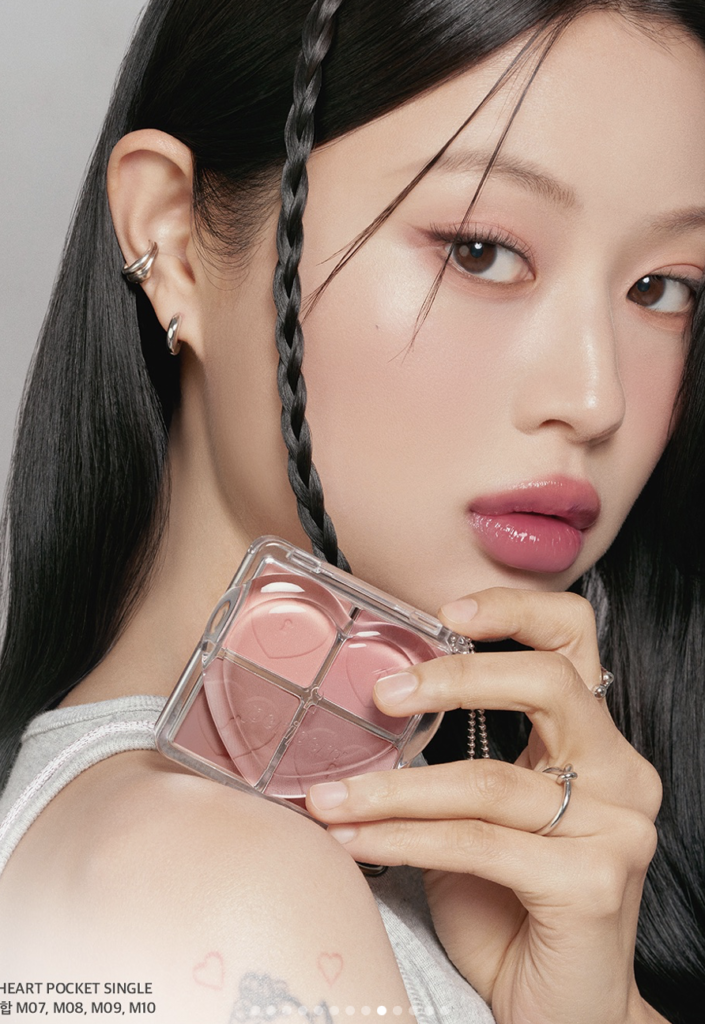
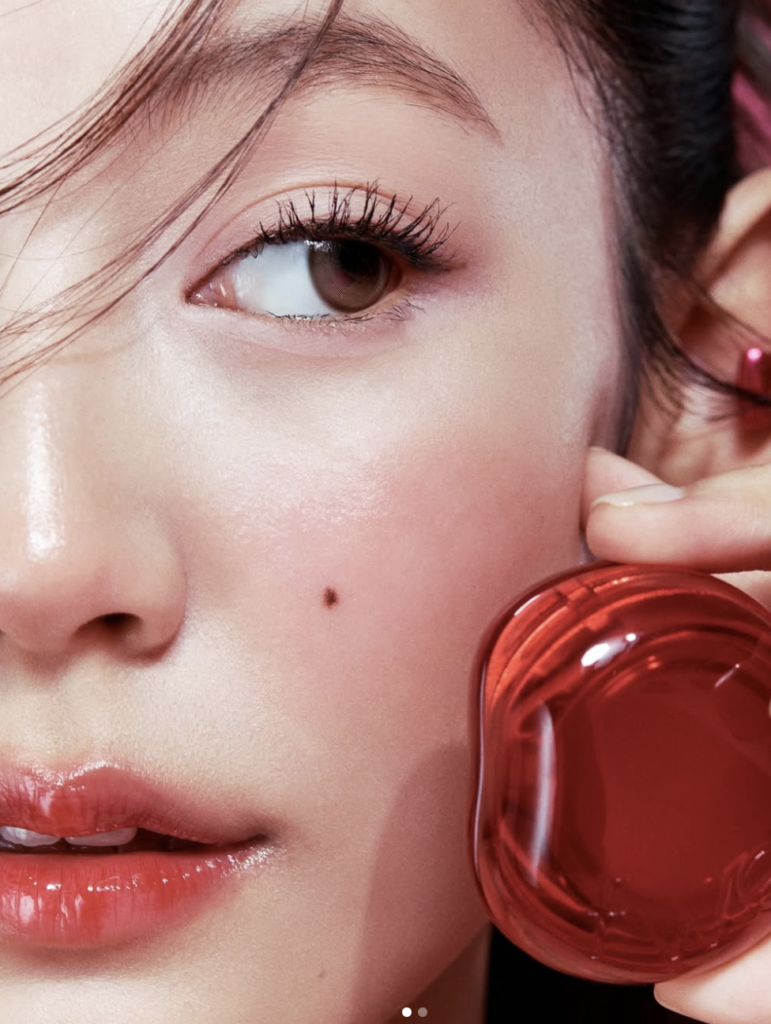
What’s striking is how seamlessly this sensibility has translated into the UK. Without being copied directly, Korean makeup has recalibrated what feels desirable: warmth over sharpness, diffusion over definition, emotion over control. Blush, once a final step, has become the starting point – the product that sets the tone for the entire face.
Today, that influence is no longer niche or referential. It’s embedded. In how faces are made up, how products are formulated, and how beauty is photographed and sold. Korean makeup didn’t just inspire a look – it shifted the visual logic. And blush, quietly and persistently, is where that change shows most clearly.


