
Words by Valerie Aitova
Depop and Vinted have quietly repositioned themselves within the cultural hierarchy of fashion. No longer just resale platforms, they operate as decentralized editors, subtly shaping the aesthetics that circulate among Gen Z.
Their feeds – an interplay of personal style, curated drops, and algorithm-driven visibility – have built an ecosystem where trends surface organically, guided less by luxury houses and more by everyday users who intuitively understand how digital culture moves. Here, influence is diffused: a single styling choice, a thoughtfully lit product shot, or a caption referencing a forgotten era can ripple outward, redefining what feels desirable in the moment. Taste becomes a collective negotiation, determined not by exclusivity but by discovery; and in this landscape, secondhand fashion emerges as one of the most powerful cultural gatekeepers of the decade.
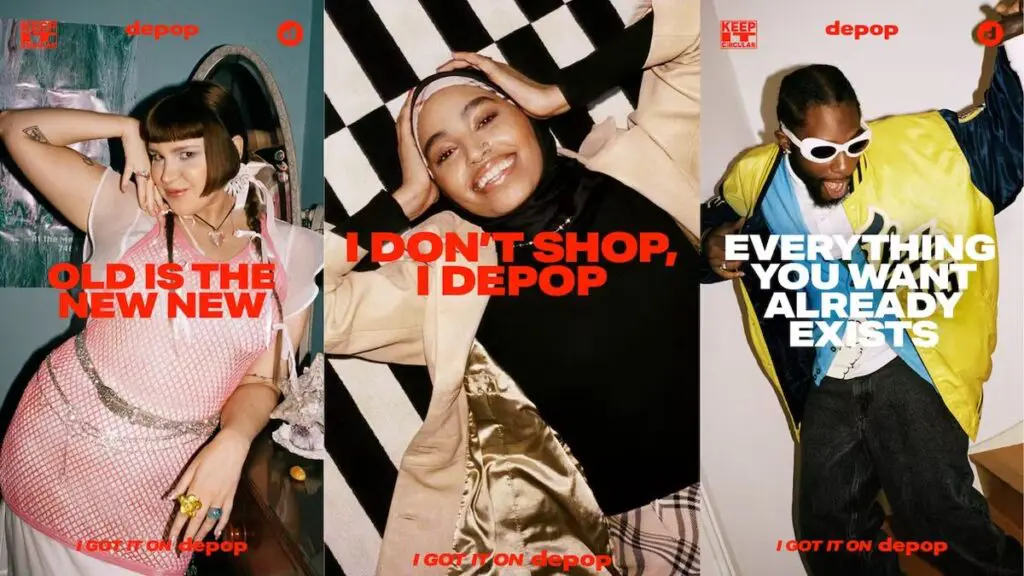
The rise of secondhand fashion is often explained through affordability or sustainability, but these narratives only graze the surface. What Gen Z is responding to is something more emotional – a shift from consumption to authorship. In an era overwhelmed by sameness and the accelerated churn of micro-trends, the appeal of resale lies in its promise of individuality. A piece isn’t just bought; it’s found. It carries a previous life, a sense of history, a subtle deviation from the mass-produced uniformity of contemporary retail. Secondhand fashion signals that the wearer has taste shaped by curiosity rather than convenience. The “find” becomes cultural currency – a marker of intuition, timing, and aesthetic literacy. In that sense, platforms like Depop and Vinted have become sites where identity is shaped, not merely outfits assembled.
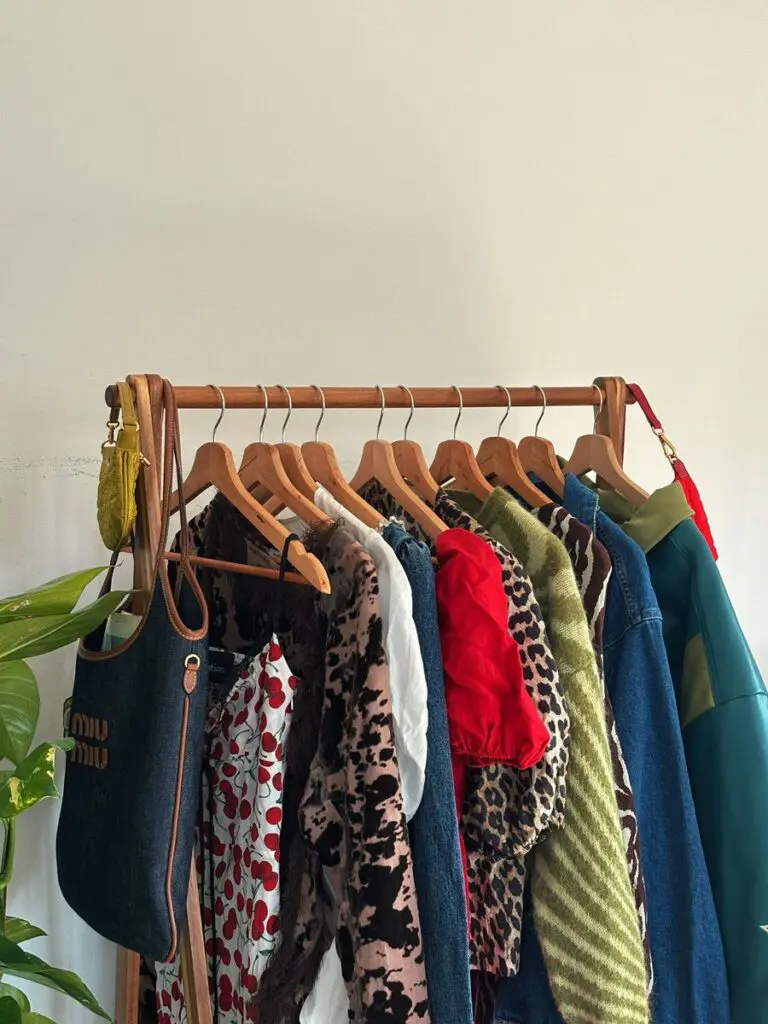
What makes these platforms culturally influential is their ability to operate as living archives. Inventories shift constantly, shaped by user behaviour, generational nostalgia, and the algorithm’s quiet editorial hand. Depop, with its curated chaos and youth-centric energy, feels closer to an alternative social network than a marketplace; sellers craft micro-editorials, building entire aesthetic worlds through the garments they photograph and the stories they attach to them. Vinted offers a quieter vision: a European minimalism that values effortlessness, lived-in quality, and understated cool. A softened trench coat, a perfect pair of jeans, a knit that has survived seasons – its appeal lies in authenticity rather than theatrics. Together, the two platforms create a dual system of taste-making: one expressive and stylistic, the other grounded and intuitive. Both reshape what “current” looks like.
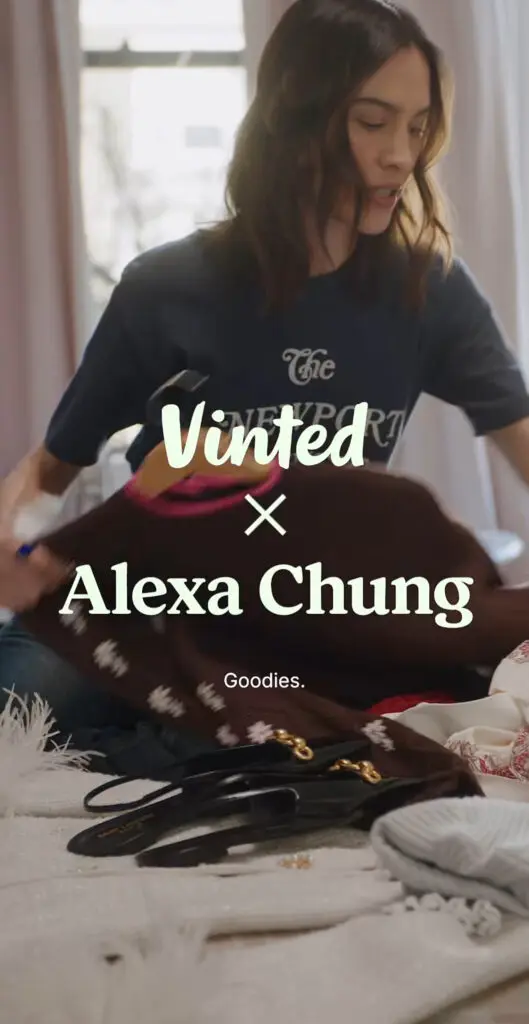
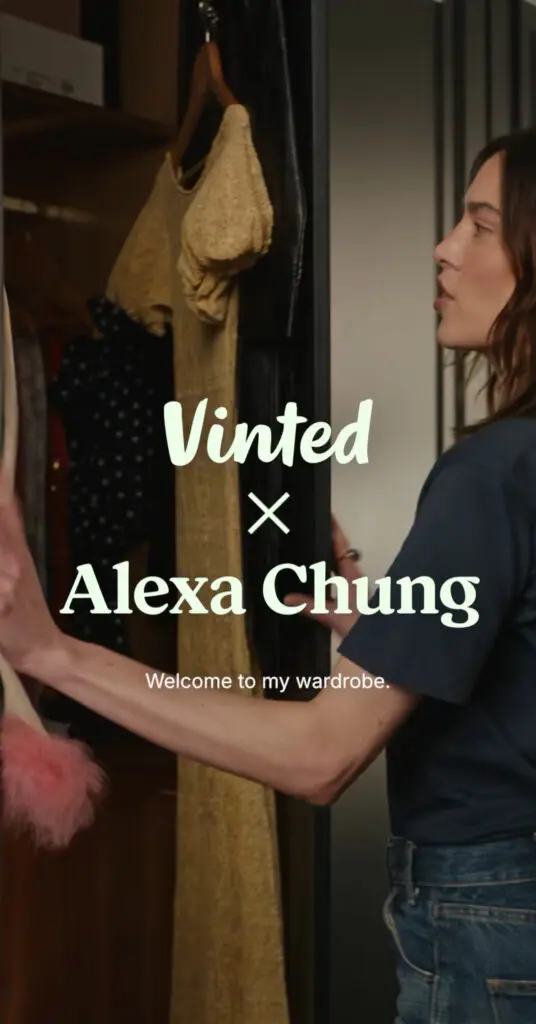
Perhaps the clearest sign of secondhand’s cultural ascent is the people who now shape it – from micro-sellers with moodboard-like pages to creators and celebrities using resale platforms as extensions of their identity, influence, and values. One of the most symbolic moments came when Alexa Chung launched her Vinted page. Long regarded as a modern British style barometer, Chung’s decision to sell directly on a mainstream resale platform reframed its cultural standing. Her listings – softened loafers, romantic blouses, pieces that felt unmistakably. Yet the significance extended beyond the garments. Her presence validated what a generation had already embraced: secondhand is not a fallback but a contemporary expression of taste. It signalled that coolness today is inseparable from circularity, intimacy, and the passing of clothes from one person to another.
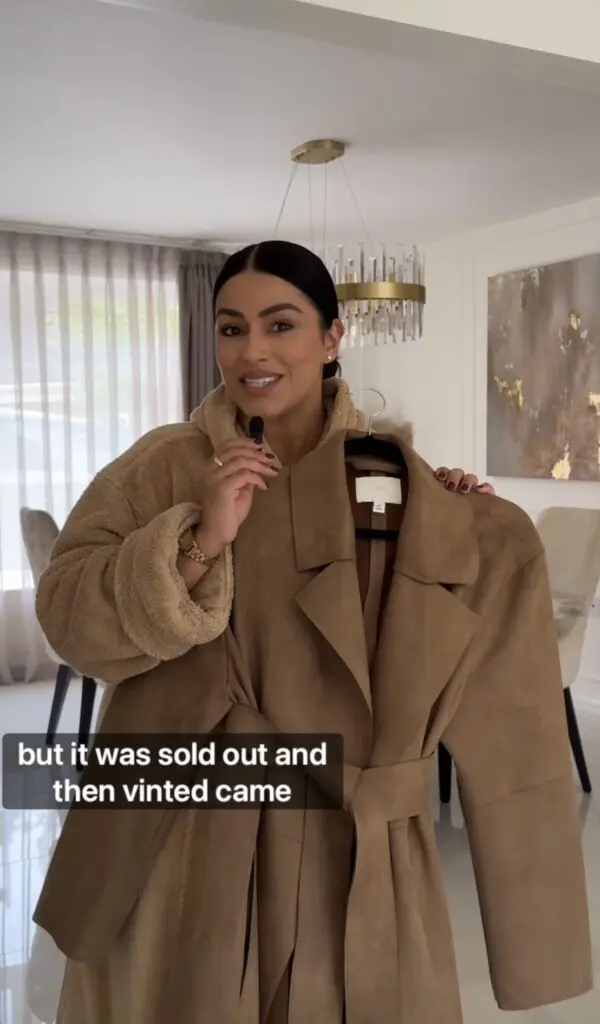
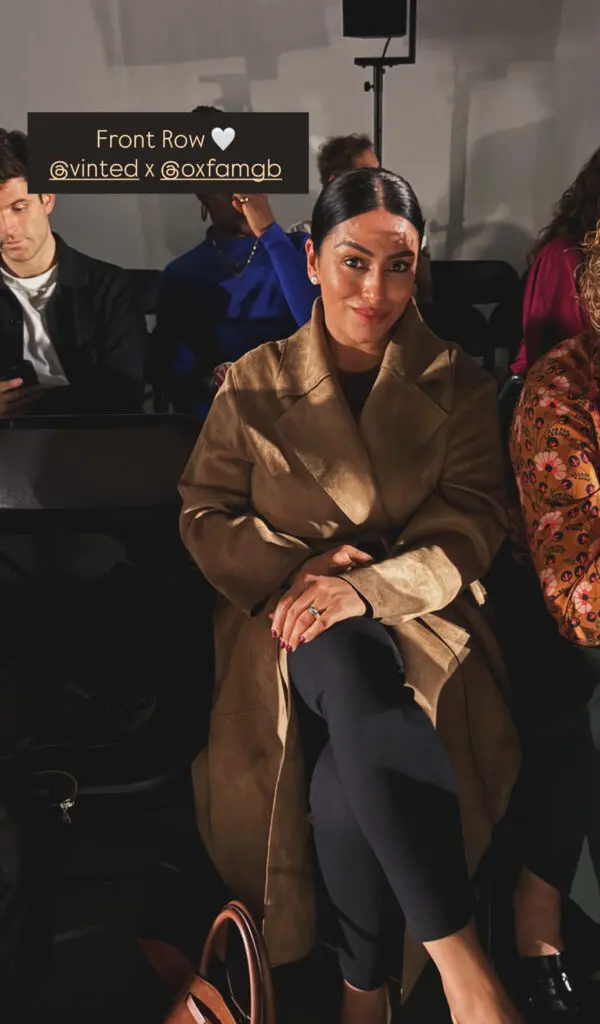
Around her, micro-influencers shape desire from the bottom up. When Poonam Walid posted a reel celebrating the discovery of a vintage coat she had hunted on Vinted for months, viewers connected immediately. Her excitement captured the essence of secondhand culture — the thrill lies not in acquisition, but in the narrative of the search. This kind of influence feels communal rather than aspirational; the joy of “finally found it” becomes a shared emotional space, transforming the idea of influence into something grounded in experience rather than perfection.
Others approach resale as a form of entrepreneurship. On TikTok, Hannah Bevington openly shared that she made over £6,000 selling on Vinted – a moment that crystallised how deeply Gen Z has integrated secondhand platforms into both creative and economic life. Her transparency stood in contrast to the polished world of fashion partnerships. She wasn’t constructing influence; she was practicing it. Her success showed that personal taste, when consistent and intentional, can become a circular micro-business that is financially empowering and aligned with sustainable values.

At the same time, celebrities have begun using these platforms not for spectacle but for impact. Paul Mescal listed pieces on Vinted to raise funds for the Irish charity Pieta, supporting mental health and suicide prevention. While the excitement around owning a piece worn by Mescal was real, the gesture also suggested something bigger: that secondhand spaces are democratic, flexible, and meaningful enough to host moments of celebrity-driven philanthropy without the distance or glamour of traditional charity auctions.
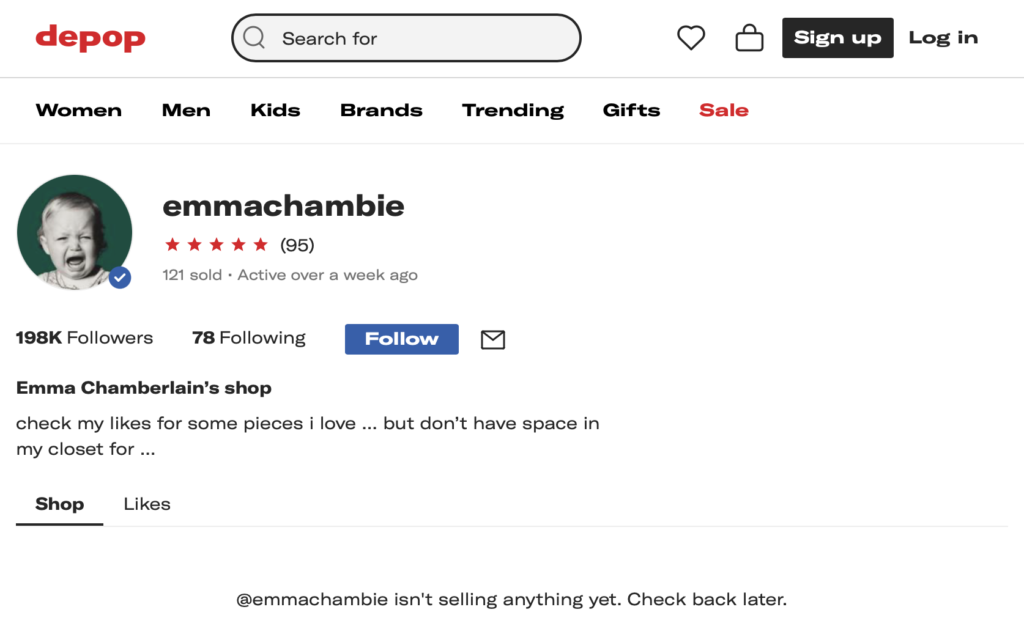
This growing participation isn’t limited to a few names. A quick Google search for “celebrity Depop accounts” reveals a surprising constellation: Olivia Rodrigo, Emma Chamberlain, Devon Lee Carlson, and many others. The presence of celebrities reflects a cultural levelling: resale platforms are not outsider spaces but integral parts of the modern fashion ecosystem. When public figures treat Depop and Vinted as normal, they reinforce secondhand as a shared social practice rather than a niche interest.
Moments like these illustrate the decentralisation of influence. Authority no longer flows from designers or fashion editors alone; it circulates horizontally through everyday users who shape trends through practice, narrative, and community. In this new landscape, the “coolest” item is not necessarily the rarest or most expensive but the one with a story, passed from one set of hands to the next.
At the heart of this shift lies the psychology of the find. Traditional retail is built on instant gratification, but resale thrives on unpredictability – the sense that the perfect piece could appear at any moment. Shopping becomes a narrative rather than an act: searching, waiting, discovering, celebrating. Rarity becomes divorced from price; a £12 jacket can hold more cultural weight than a £500 one precisely because it carries intention, timing, and meaning. Status today lies not in newness but in narrative – the ability to curate one’s identity through pieces that feel chosen rather than merely bought.
Of course, the secondhand movement is not without contradictions. Sustainability rhetoric can sometimes mask cycles of overconsumption; curated “vintage” can slip into inflated pricing; and the scramble for archival pieces risks reproducing the same scarcity-driven dynamics it initially resisted. Yet these tensions reflect how deeply resale is embedded in mainstream culture. It no longer exists in opposition to the fashion system – it is part of its evolution.
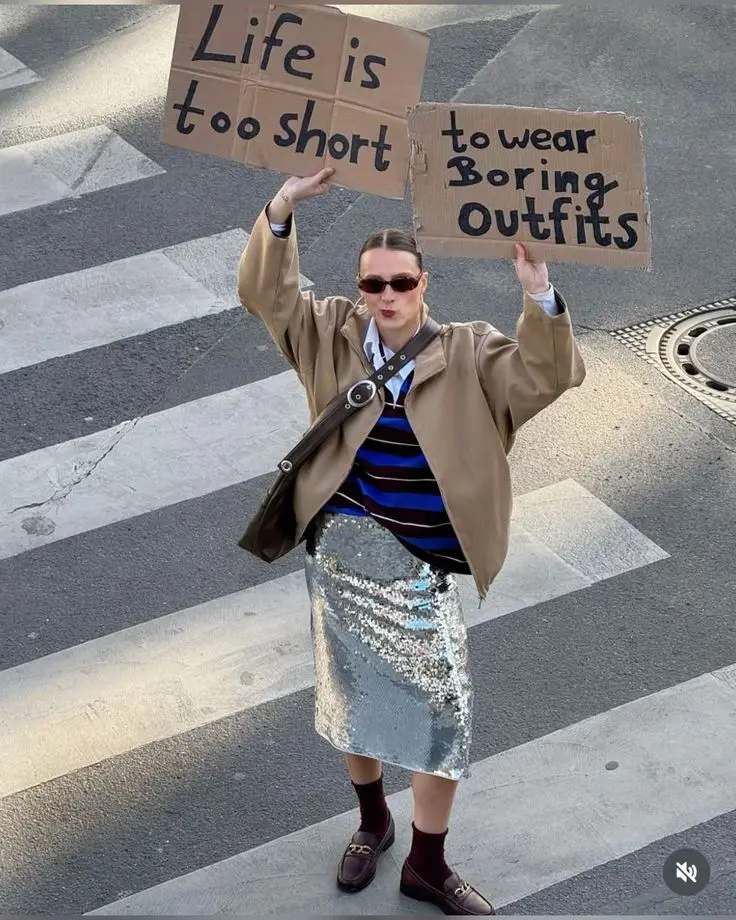
Ultimately, Depop and Vinted signal a broader redefinition of luxury. Today, luxury is not tethered to exclusivity or newness but to intention, authorship, and continuity. The garments that matter are not the pristine ones but the ones with life – pieces that have travelled, been seen, been worn, and continue to circulate. Secondhand platforms didn’t just make thrift shopping cool; they transformed it into a cultural language. In doing so, they’ve reframed what it means to participate in fashion today – not as passive consumers, but as curators of our own evolving archives.


