
Words by Natasha Djanogly
Edited by Valerie Aitova


Sydney Sweeney might be known for her big-screen roles, girl-next-door charm, and beautiful blonde locks, but in the last few months, her name has spiraled into the wrong kind of spotlight. Fascist, Nazi, and White Supremacist – these are the labels being thrown at Sweeney thanks to a recent string of intensifying controversies involving the Spokane-born star and a “Nazi” American Eagle campaign.
While the fame circuit is no stranger to scandal, the dramatic and rapid escalation of Sweeney’s case is distinct. It not only prompts the question of what, particularly about Sweeney, is rubbing people the wrong way and whether the reaction is proportionate, but also points to broader concerns regarding cancel culture in general.
The 28-year-old Hollywood actress, model, and producer found her big break with the role of Cassie in the teen drama Euphoria. Today, Sweeney has an impressive 25 million followers on Instagram and has since starred in hit productions such as The White Lotus and Anyone But You, which she also produced.
Apart from small-scale debates regarding the male gaze and hypersexualization of women, Sweeney’s meteoric rise to stardom was relatively scandal-free. However, since 2024, things have gone sharply downhill. From her leaked Trump vote in 2024 to, most notably, the recent uproar regarding the 30-second jeans advert and her response, Sweeney morphed from idolized sex symbol to one of Hollywood’s most polarizing stars.
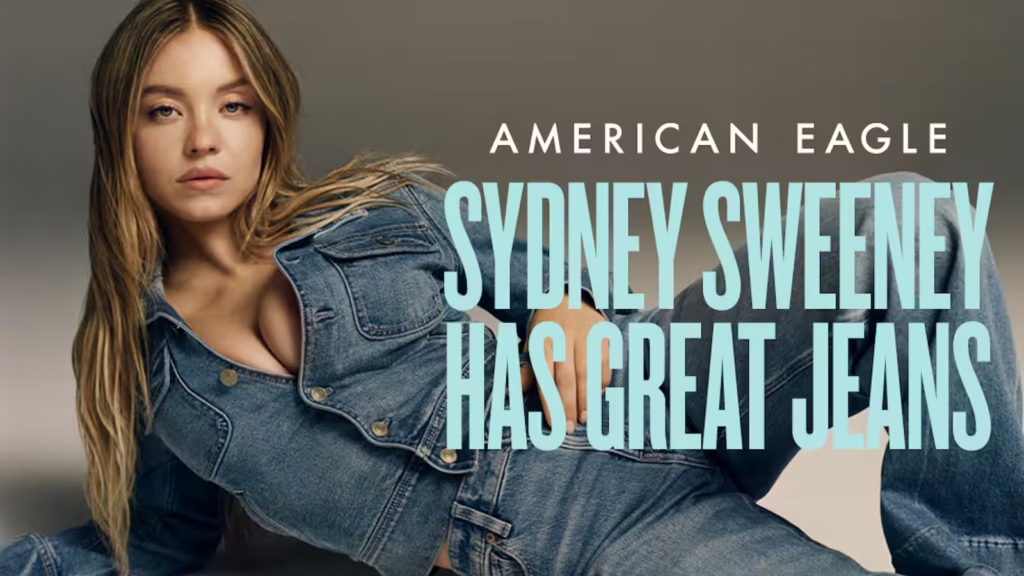
Last July, Sweeney starred in an American Eagle teaser ad which saw her explain how “jeans are passed down from parent to offspring, often determining traits like hair color, personality, and even eye color… my jeans are blue,” with the narrator ending the video with the tagline: “Sydney Sweeney has Great Jeans”.
While it was intended to be clever and risqué, having a white, blue-eyed, able-bodied, thin, Christian, straight, cisgender, and conventionally attractive woman do provocative wordplay with eugenic language in 2025 was unnecessary, reckless, and culturally misread. Unsurprisingly, the clip instantly drew intense backlash and was widely accused of being fascist and Nazi propaganda – a critique which prevailed despite American Eagle issuing a statement that “it is and was always about the jeans”.
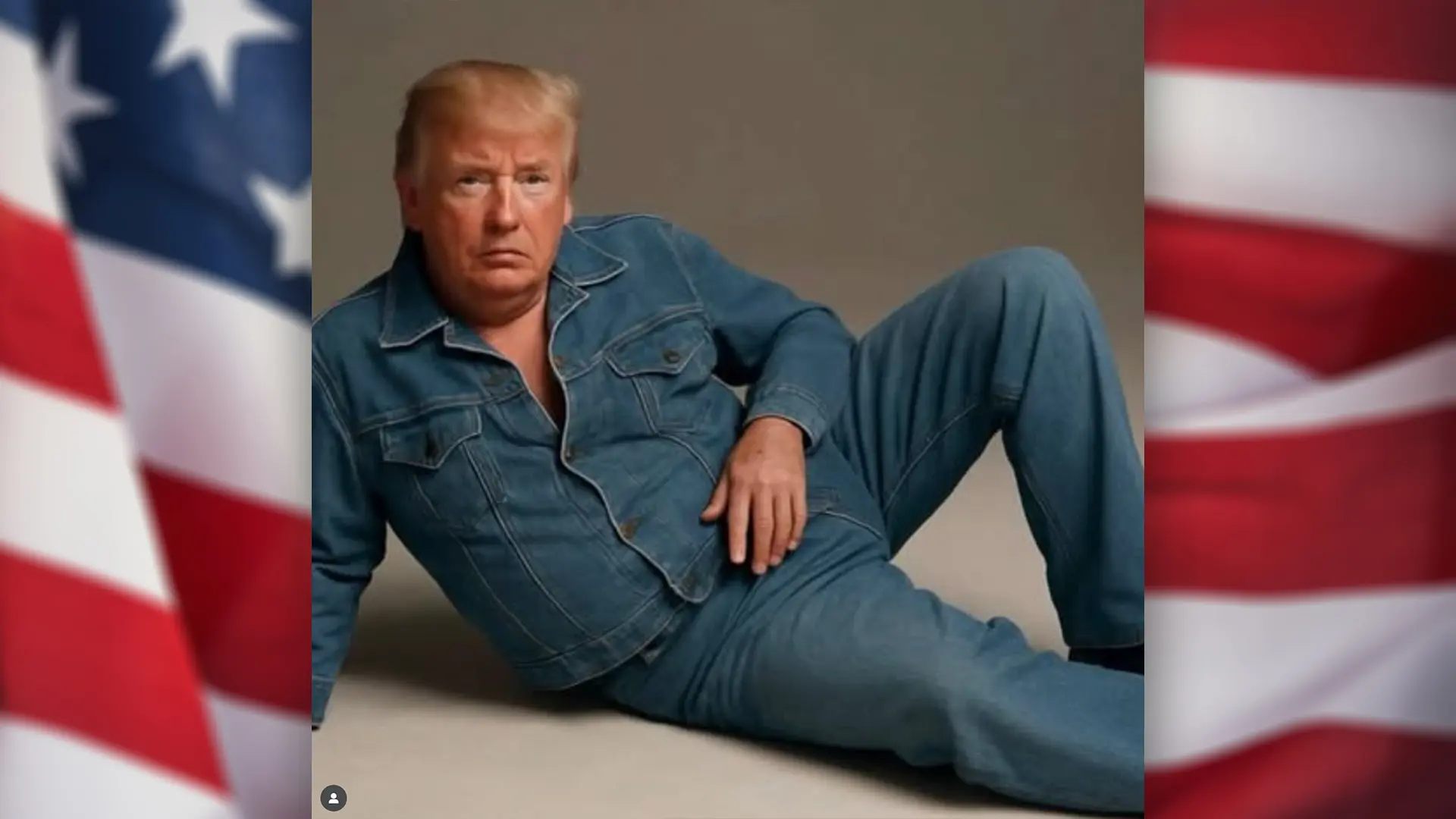
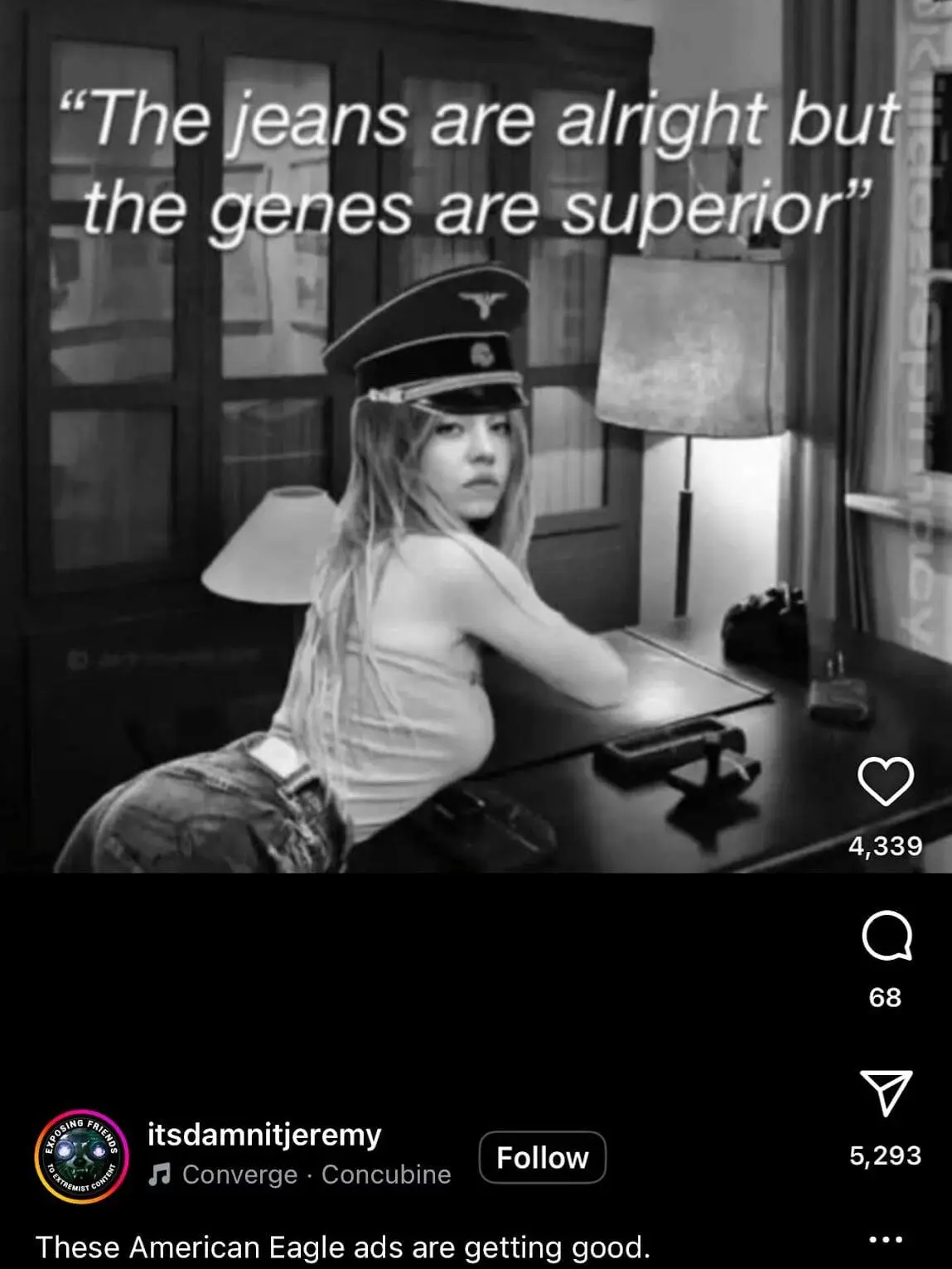
From news articles, morning show talks, podcasts, and TikTok to a wave of viral memes, it seemed like everyone had something to say about Sweeney – whether reprimanding and mocking her, or coming to her defense from the vicious attack of overly sensitive “woke” leftists. This included former President Trump himself, who declared it the “HOTTEST ad out there” after discovering Sweeney had given him her vote.
However, while Sweeney was clearly part of something problematic and holds responsibility because of her huge reach, the explosive response stands out, with some considering it too extreme and unfairly making an example of her. Compared to figures like Kanye West, who released a song called Heil Hitler and explicitly said, “There’s a lot of things that I love about Hitler”, Sweeney’s case might seem trivial and the reaction exaggerated and even problematic in terms of being too liberal with terms like “Nazi”, which could disrespect and potentially minimize the horrors that led to the murder of millions.
However, while it is no personal fault of her own, the privilege she has thanks to her cultural normative identity, as well as the stereotypically pleasing, hyperfeminine and hypersexualised image that her typical casting roles and the PR narrative have perpetuated, represents everything that liberal, contemporary society is trying to deconstruct and move away from. Therefore, set against others, Sweeney is instantly held to a higher standard, simply because she holds more power and because the words coming out of her specific mouth are inherently politically loaded and echo the horrors of the past.

When confronted with this in a recent GQ interview between Sweeney and features director Katherine Stoeffel, Sweeney’s response, or lack thereof, just further poured fuel onto the fire.
When Stoeffel raised the concern:
“The criticism of the content, which is that maybe, specifically in this political climate, white people shouldn’t joke about genetic superiority… like that was kind of the criticism, broadly speaking, and since you are talking about this, I just wanted to give you the opportunity to talk about that, specifically”,
Sweeney’s nonchalant, eye-rolling response was:
“I think that when I have an issue that I want to speak about, people will hear”.
Sweeney likely didn’t intend to spread eugenic rhetoric or cause such anger. However, in an age of accountability, it was Sweeney’s refusal to acknowledge the anger and apologize – let alone be sensitive to and publicly recognize her privilege and its consequential responsibility – that particularly struck a nerve. Sweeney insisted: “I know who I am. I know what I value. I know that I’m a kind person… And so I don’t really let other people define who I am”. And of course, it’s unfair to expect celebrities to react to every controversy. But scornfully disregarding a rampant and at the very least tenable concern in an age of increasing far-right extremism portrayed Sweeney as arrogant and callous, turning her into a stiff, unmoving, and infuriating cultural block to the societal drive toward progressive cultural change.
Thanks to all this ad debacle, and her contentious voting habits, Sweeney has become divisive, and her reputation, cultural relevance, and popularity have completely shifted. While for some, particularly on the conservative side, she has become an adored, martyred victim, others consider her “the villainous symbol of everything wrong in the world” – a trajectory that has begun to set her on the path toward being canceled, a new-generation phenomenon which consists of sending the politically incorrect and reprehensible on a one-way trip to an alienated and professionally-exiled wasteland.
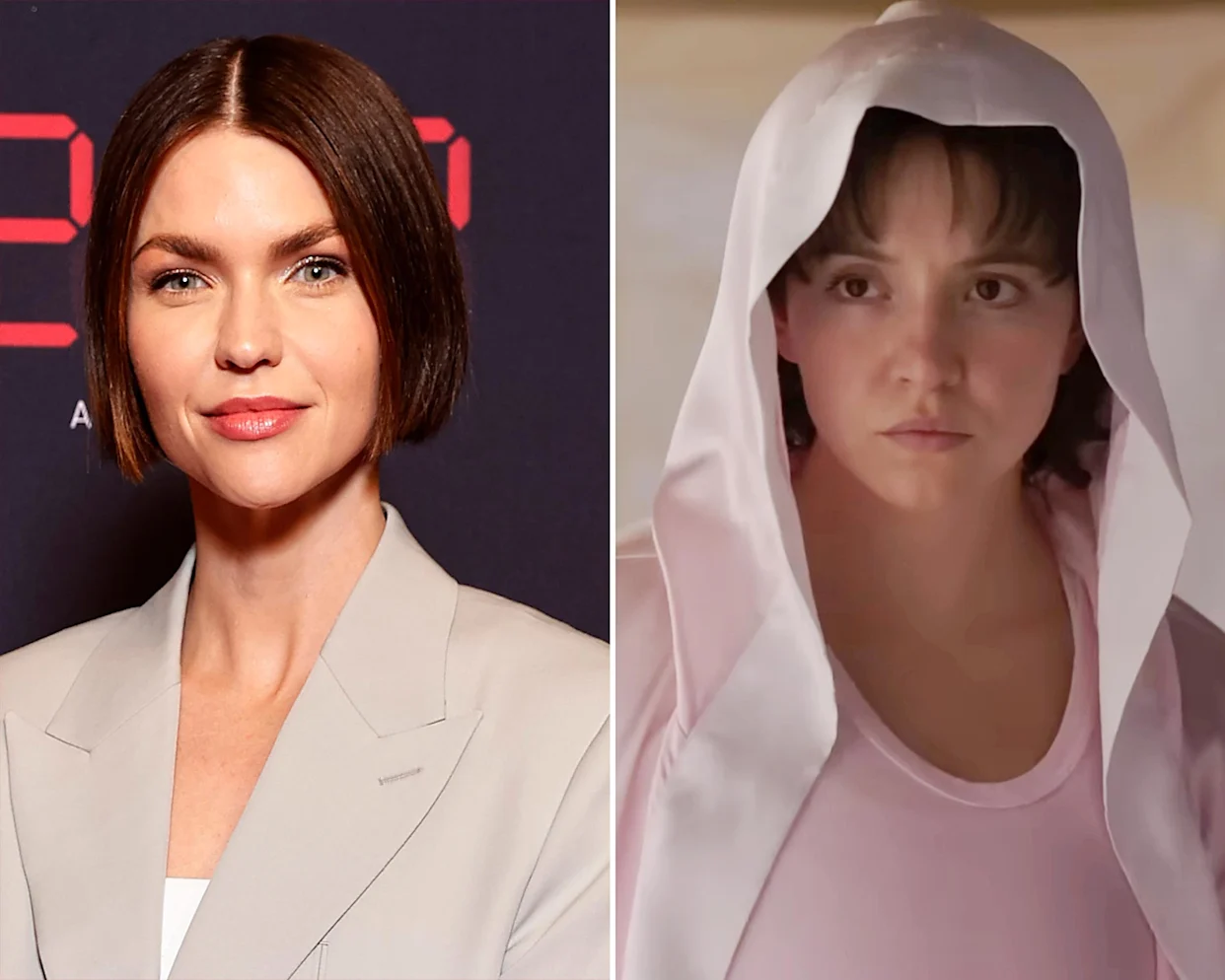
For example, not only is Euphoria co-star Zendaya now reportedly refusing to stand next to Sweeney at events, but actress Ruby Rose, cheered on by other celebrities, publicly blamed the box-office flop of Christy – Sweeney’s new biopic about lesbian American boxer Christy Martin, on Sweeney’s casting.
“None of ‘the people’ want to see someone who hates them parading around pretending to be us. You’re a cretin and you ruined the film. Period. Christy deserved better.”
The actual critique surrounding Sweeney’s is understandable and poignant. As someone with a huge cultural influence and many projects on the horizon, including the much-awaited The Devil Wears Prada 2 in 2026, she must be held accountable.
However, while she might not deserve, or personally even want, forgiveness, the extreme reaction and impending cancellation will cause more harm than good. As is a bigger issue in cancel culture more generally, it often ends up fueling malicious, personal abuse, polarised audiences and reducing any likelihood of personal meaningful change, because after an attack so extreme, anyone would rather retreat behind the one group coming to welcome them with open arms rather than face the heat.
The biggest problem, however, is that by putting all the blame and critique on one person, even if they hold their own share of responsibility – there is no room left for constructive dialogue surrounding what is really the bigger and more critical issue: the media’s cultural insensitivity and the capitalistic marketing industry that prioritizes sales above everything.
American Eagle stock went up by 25% after the ad.
It’s much easier and more convenient to blame Sweeney, but this will do nothing for real change, because while she becomes a punching bag, the industry behind her goes unscathed and has already finished its next cash grab.


