
Words by Lola Carron
Edited by Valerie Aitova
The surfaces of our lives have been rendered slick by burnout and disconnection. Pai, a tranquil town in Northern Thailand, has become the global magnet for those seeking relief. But as Western tourists trade corporate exhaustion for “conscious connected breathwork” and ecstatic dance, we must ask: what does the boom in packaged rituals, especially the omnipresent Cacao Ceremony, truly say about our urgent need to heal, and the cost of consuming spirituality?
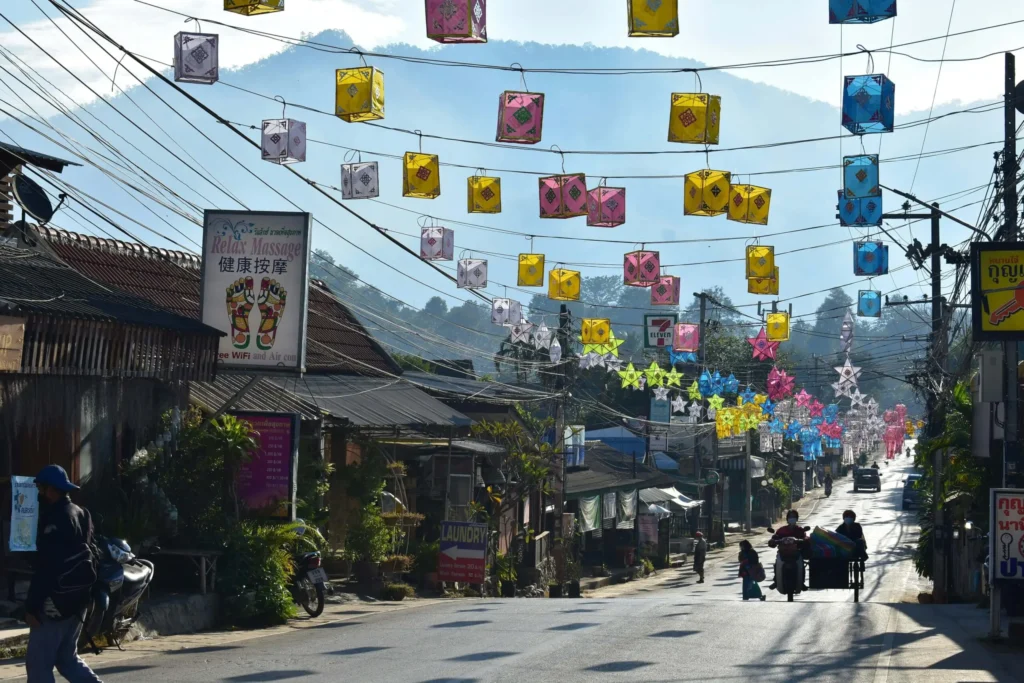
The journey to Pai is difficult. A winding, 762-curve road from Chiang Mai that serves as the perfect physical test before the mental detox begins. They arrive clutching their burnout diagnoses and earnest hopes: exhausted from the high-pressure, late-stage capitalist grind, seeking an emergency reset button. On the shared minivan, the air conditioning whirred uselessly against the humid heat, punctuated only by a weary, overheard whispers of exhaustion from the seats ahead.
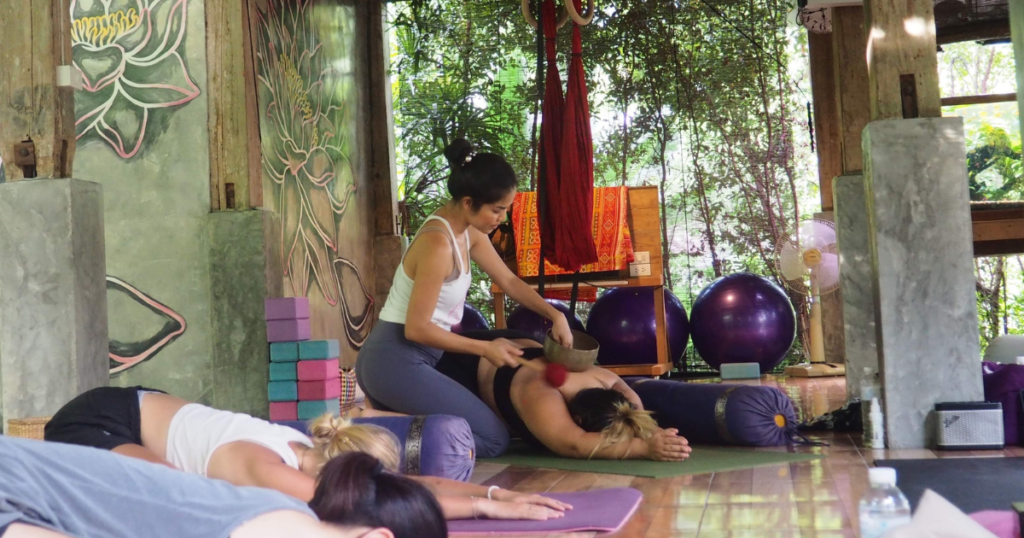
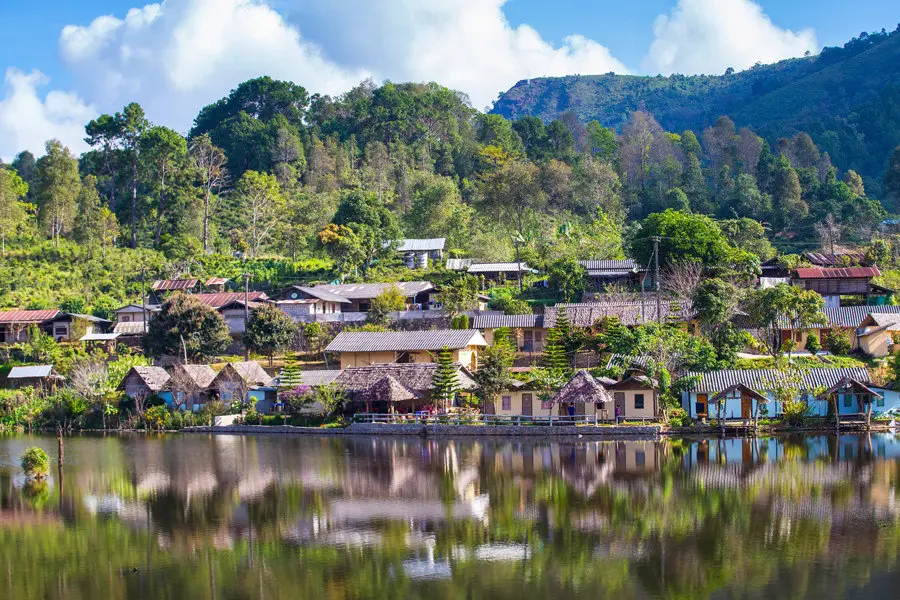
Pai is ready for them. Against a backdrop of lush, quiet Thai valleys, Western-led wellness centres offer a concentrated menu of self-discovery: Ecstatic Dance under the stars, Holotropic Breathwork retreats, and, perhaps most notably, the Cacao Ceremony. These are not casual activities; they are emotional interventions, marketed as shortcuts to trauma release and “heart opening”. But this version of healing comes with a complicated ethical shadow that forces us to question the transaction itself.
The modern Cacao Ceremony provides the sharpest focus for this cultural friction. The practice draws directly from the reverence shown by the ancient Olmec, Mayan, and Aztec cultures, who used the bitter, powerful drink for sacred rites. As Western wellness culture began seeking authentic, plant-based rituals to replace traditional spiritual practices, cacao was adopted as a ‘heart-opening’ superfood. Yet, in Pai, the ceremony has been almost entirely secularised and commercialised for the tourist market.
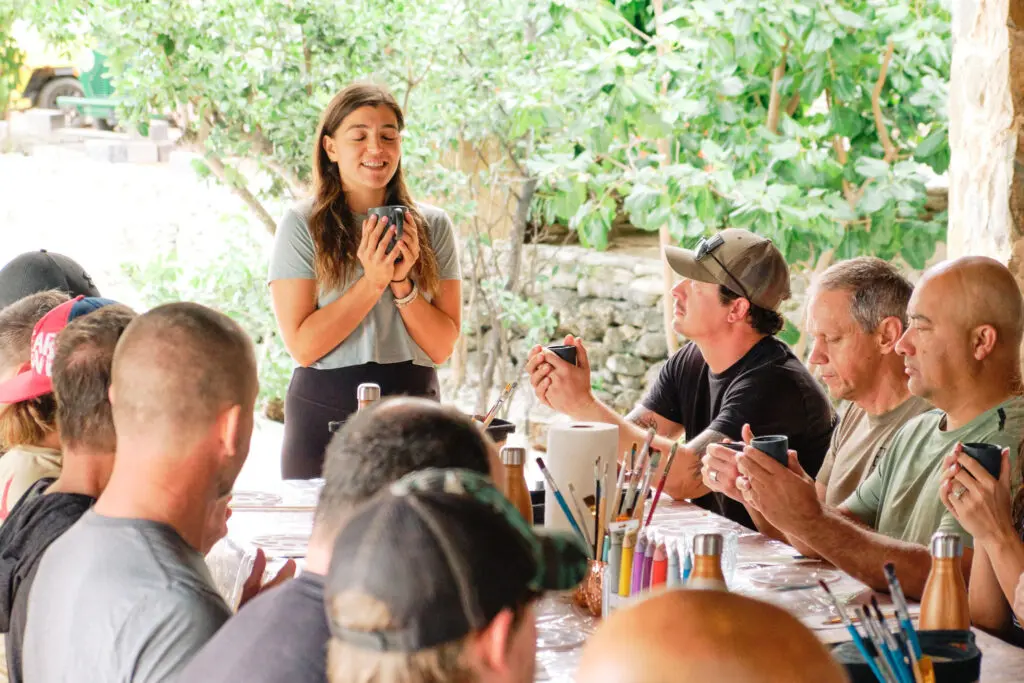
The facilitator is often an expat, offering a palatable, convenient version of an Indigenous tradition to other international travellers. The ritual’s deep historical and community context is often stripped away, replaced by soft lighting and ambient music. The result risks becoming little more than an “aestheticised spirituality”, a performance of wellness designed to look great on Instagram, rather than a genuine practice of devotion.
This transaction highlights a stark economic reality. The ability to spend weeks or months on self-optimisation in a low-cost environment like Thailand is a luxury reserved almost exclusively for citizens of the Global North. For instance, a single week-long, all-inclusive Ayahuasca retreat in the Amazon can cost a North American traveler upwards of $2,500, an amount that exceeds the average monthly wage in many surrounding communities. They are, quite literally, consuming the spiritual traditions of others as an antidote to the systemic stress their home economies created. The critical questions must be asked: Is this reverence, or is it consumption? And is the profit from these rituals flowing back to the Indigenous communities who protected this sacred plant for millennia?
The most honest local term for the consequence of this prolonged, immersive lifestyle is the ‘Pai Hole’. It’s the vernacular acknowledgment that many tourists, initially seeking a short detox, become indefinitely suspended in a low-cost, high-vibration limbo.
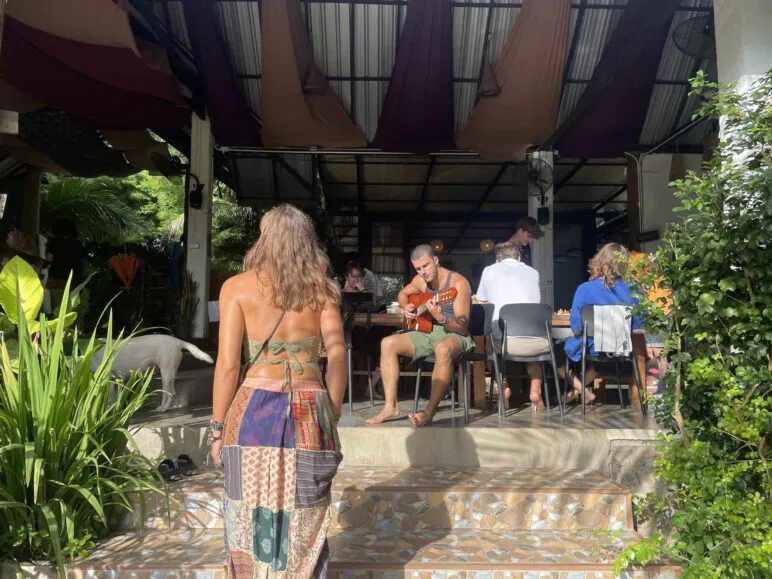
The ‘Pai Hole’ is a seductive, dangerous space where healing becomes an identity rather than a process. It’s the reality of the long-term expat or tourist who attends multiple workshops a week, constantly discusses their “journey”, yet never makes the crucial, hard step of integrating that transformation back into their real life.
This phenomenon is the clearest sign that escapism is masquerading as transformation. The financial freedom gained by living affordably allows the burnout veteran to postpone facing professional or emotional responsibilities back home indefinitely. The cycle of retreats and ceremonies becomes a comforting routine, a perpetual self-improvement holiday that avoids the difficult work of translating ephemeral insights into durable life change. If the healing is purely a curated, temporary escape,a spiritual time-out, has anything truly been transformed?
The problem is not the genuine human search for meaning, but the method of acquisition and the lack of ethical reflection that often accompanies it. If spiritual tourism is to move beyond appropriation and into authentic, positive exchange, it requires accountability.
For the seeker, this means moving beyond passive consumption and engaging directly with a practice’s history and cultural roots. It means asking the facilitator: Where did you learn this? Who are you supporting? For the businesses involved, it demands ethical sourcing, transparent business practices, and genuine cultural reciprocity.
Pai is a powerful, complex mirror reflecting how the disconnected West attempts to mend itself. It shows a profound hunger for transcendence. The question for us, the audience is, whether our healing will be rooted in the challenging work of ethical accountability and real change, or simply bloom as an expensive, temporary aesthetic.


