
Interview by Valerie Aitova
London-based entrepreneur Alexandra Kafka, founder of Oxyzn and author of the upcoming book “Zen Warrior”, has built her work around a single question: how do we create lives we can actually live inside?
Her approach to wellbeing is not rooted in escapism but in presence – in learning how to hold pressure, ambition, and emotion without abandoning yourself. And her journey toward that understanding began in a moment she never expected.

One morning in London, Kafka stepped into a Pret a Manger bathroom between back-to-back meetings and felt her breath collapse. A few seconds earlier, she had been standing in front of the mirror; the next, she was on the cold tiled floor, blazer still on, pulse racing, listening to the muffled rhythm of customers ordering their coffees outside the door.
“I built this life… and I can’t survive inside it,” she remembers.
It was an unglamorous, deeply human breaking point – the kind that quietly divides a life. Burnout and the panic attack didn’t just interrupt her career; it redirected it.
“Burnout taught me that starting over isn’t failure,” she says. “It’s liberation.”
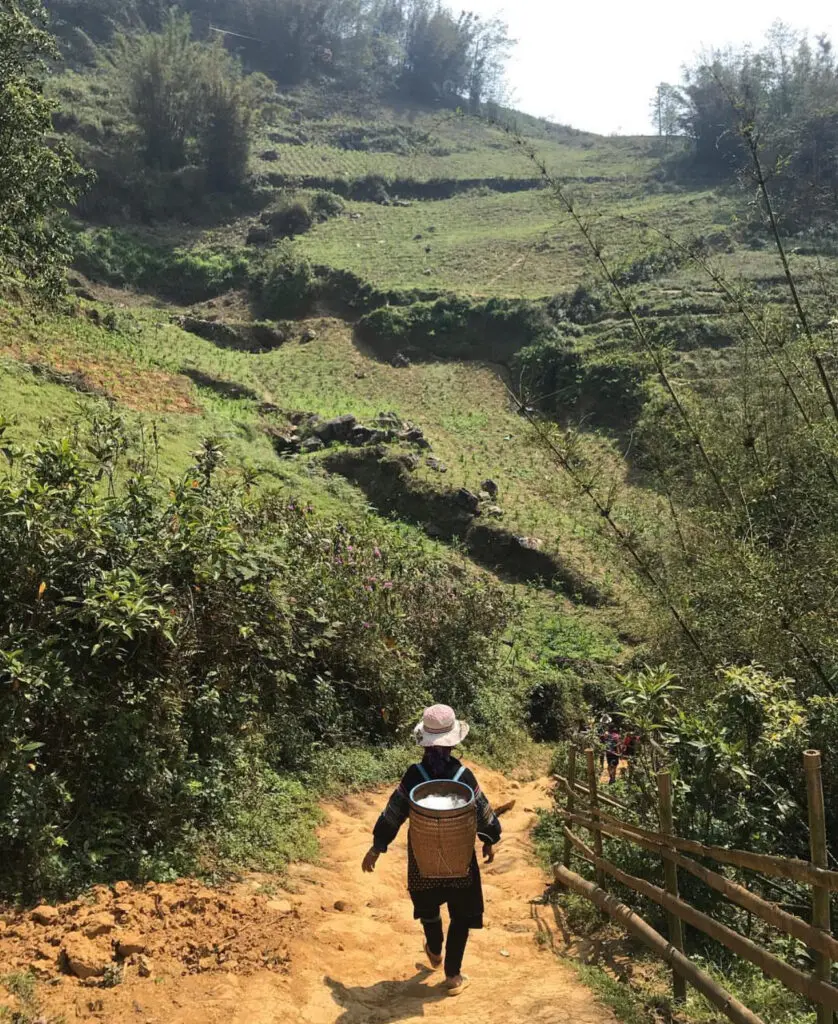
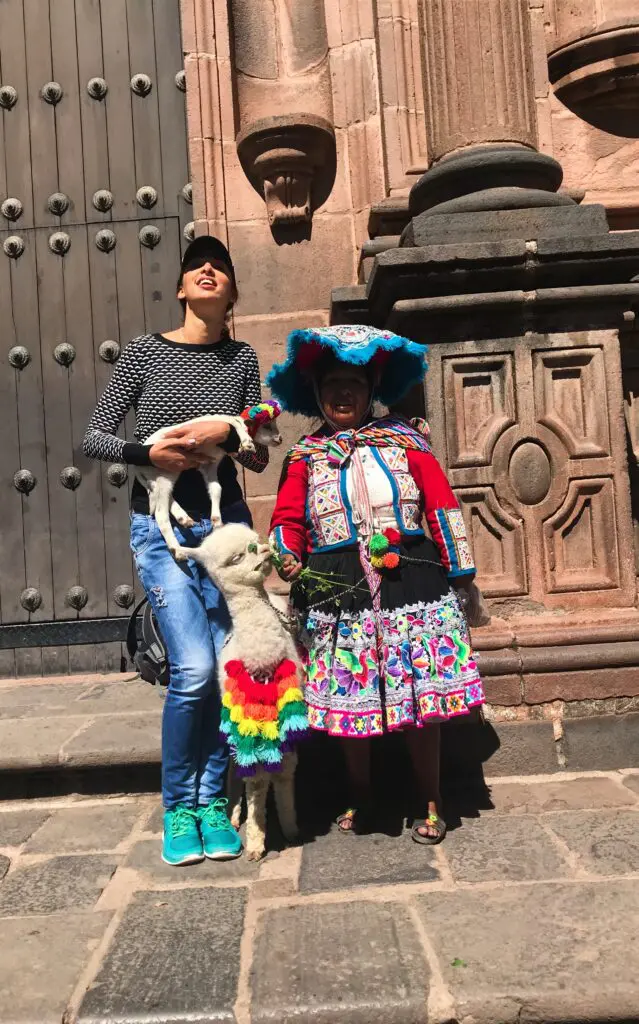
From there, Kafka travelled through thirty-four countries – ceremonies in Peru, forest monasteries in Thailand, retreats in Jamaica, even dragging a suitcase held together by duct tape across Mexico City. “I let myself start from zero,” she shares. Those experiences became the early architecture of Zen Warrior – her method, her book, and her philosophy, though she didn’t realise it at the time.

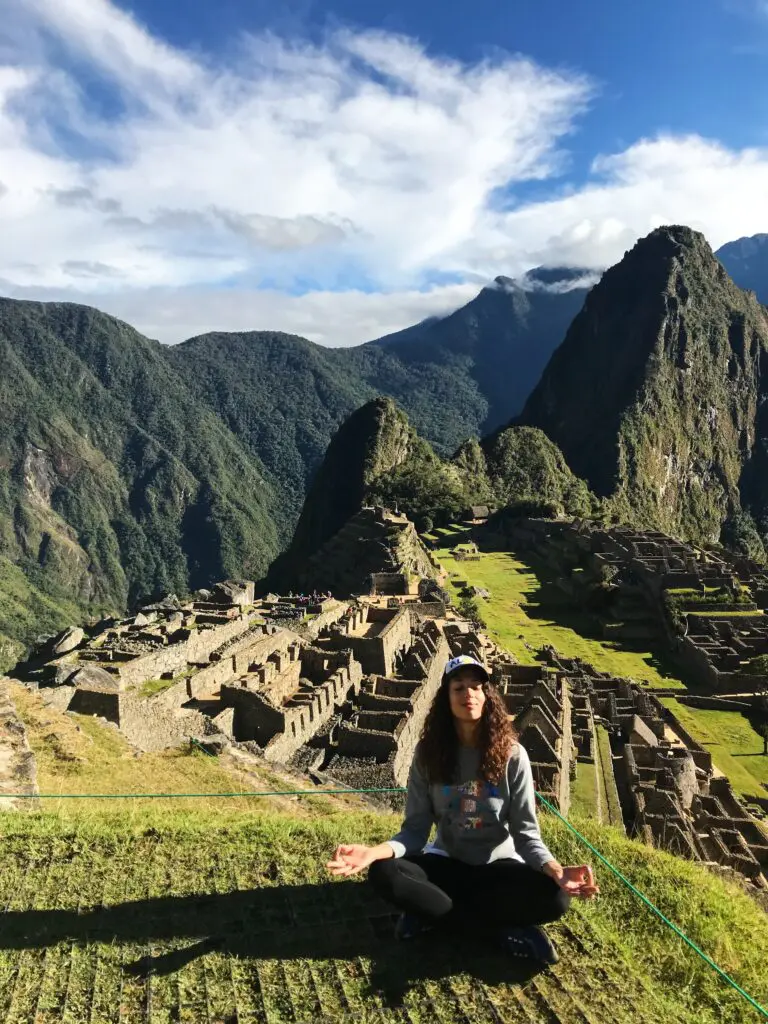
What she learned along the way was simple: healing isn’t about leaving your life. “Peace isn’t in Bali or Peru,” she explains.
“Peace is in the nervous system.”
The title Zen Warrior reflects the duality she now teaches. Zen is stillness, presence, awareness. Warrior is direction, strength, devotion. “One without the other is incomplete,” she says. “All Zen with no Warrior becomes avoidance. All Warrior with no Zen becomes burnout.”
Her travels gave her stories, but the deeper shift happened internally. Across thirty-four countries, she learned that real healing wasn’t found in dramatic moments but in uncomfortable, ordinary ones – the challenges, the failures, the times she had no idea what she was doing. “Discomfort strips away who you think you should be,” she adds. “It reveals who you actually are.”
That understanding shaped Zen Warrior. Each chapter begins with a lived moment – sitting with a Buddhist teacher, learning from a Peruvian shaman, or being confronted by her own fear and then moving into the cultural insight behind that experience. From there, she translates these teachings into simple, step-by-step rituals designed for modern life.
“Story to open you. Insight to orient you. Urban ritual to anchor you,” she tells me.
It became her way of bringing ancient practices into everyday environments: commutes, offices, hotel rooms, the spaces where people actually live.
“I chose the rituals based on one question,” she explains. “Could this work for someone in London or New York? Not on a retreat – but on a Tuesday morning at the office?”
And just like that, she began translating ancient practices to micro-rituals of Zen Warrior:
Corporate teams across Hilton, Soho House, Nokia, RBC and Wells Fargo later confirmed the need. “People aren’t looking for transcendence,” she says. “They want something that works.”


Kafka also speaks directly to the pressures women face – biological as well as cultural. “Men cycle every 24 hours. Women cycle every 28 days,” she explains.
“We burn out because we’re still pretending our bodies are the same”.
Her shift happened when she aligned her workflow with her hormonal rhythm: follicular for ideas, ovulation for communication, luteal for refining, menstrual for rest. It wasn’t slowing down; it was syncing. Zen Warrior’s rituals follow the same logic: productivity from presence, not pressure.
Her personal compass extends beyond physiology. Kafka describes her relationship with God as the grounding masculine in her life – the steadiness that makes space for her feminine intuition and creativity. “When I feel anchored in God, I don’t need to harden,” she says. As a solo traveler and founder navigating constant change, that sense of being held became essential. She speaks to God while walking, while doing her makeup, before sleep, through gospel music.

“My compass today is trust,” she admits. “Trust that I am guided. Trust that I am held”.
Bali is where she wrote Zen Warrior, and she calls it one of the last “living cultures.” Every morning, women place Canang Sari offerings: flowers, rice, incense, on sidewalks and doorsteps. Once, after stepping on one by accident, Kafka was gently confronted by a woman who told her: “Yes, you stepped on it… but did you at least feel the blessing?”
It became a quiet reminder that ritual is presence, not performance.
Jamaica left its own imprint. In the book’s second chapter, she writes about Marcia, a woman who teaches her a ritual under a waterfall – “washing away the old to make room for the new.”
“That moment shifted something in me,” Kafka says. “It reminded me that release can be physical, not just emotional.”
Across her stories runs a common thread: healing isn’t cinematic. It doesn’t require perfection. “Sometimes healing is drinking water and answering emails while breathing deeply,” she says. Her book mirrors that – story, insight, then ritual.


The practices she personally relies on are simple: Box Breathwork, CBT tapping, Transcendental Meditation. “Regulation is something we do in motion, not only on a yoga mat,” she says.
When she reflects on what she hopes readers take from Zen Warrior, Kafka doesn’t point to discipline or routine – she points to simplicity.
“People assume I practice mindfulness every day,” she shares. “I forget everything I teach, too. But if there’s one lesson I hope stays with the reader, it’s this – less is more.”
For her, “less” isn’t a lifestyle aesthetic but a psychological reset. It means removing the noise that makes life heavier than it needs to be – the overthinking, the over-scheduling, the constant pressure to optimise. “When I stopped trying to do everything, I finally began doing what mattered,” she explains. Stillness became a place where clarity could finally land. “Every time I’ve felt lost, the answer came from that space of stillness”.
When I ask what HYGY – Have You Got Yours? – means to her, Kafka interprets it as a question of self-loyalty. “It means: Are you choosing yourself?” she says. “Are you resting when you need to? Feeding yourself emotionally, physically, spiritually? Staying with yourself even when it gets uncomfortable?”
Then she adds a line that quietly disarms you:
“Sometimes my inner child doesn’t need healing. Sometimes she just needs a sandwich.”
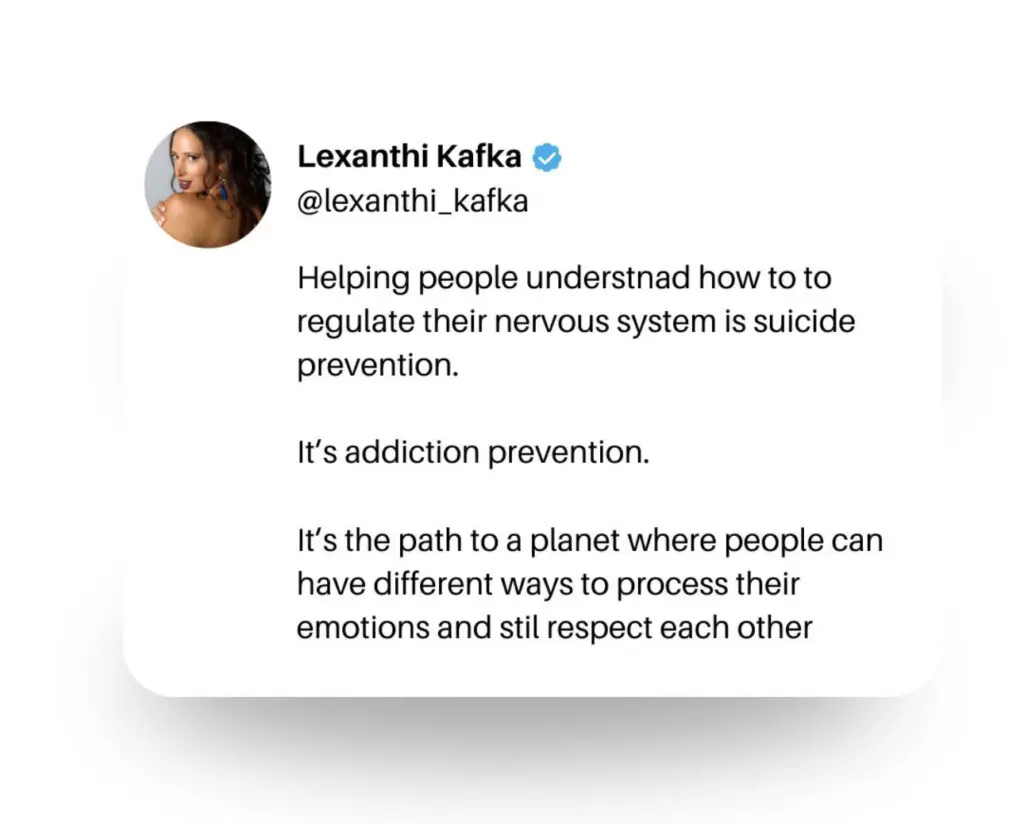
Zen Warrior: Mental Fitness Rituals to Help You Stress Less, Sleep Better, and Live Fully is the synthesis of everything Kafka has learned: a grounded, accessible guide blending memoir, neuroscience, cultural wisdom, and genuinely usable tools for women navigating real lives. A reminder that nervous-system regulation isn’t an escape from life — it’s how we learn to live inside it.
And beneath it all is the quiet promise Kafka had to learn the hard way:
“You do not have to abandon yourself to build the life you want”.


