
Words by Isabel Johnson
Edited by Valerie Aitova
We can all agree on this much: having a boyfriend isn’t embarrassing. Having one who makes you cringe in public and apologise in private, is.
The kind who plays five-a-side like it’s the Champions League, wears novelty socks unironically, thinks your career is “cute” and “girl math” is a compliment. The kind who doesn’t get it, and worse, doesn’t know he doesn’t get it.
Women aren’t rejecting romance. They’re rejecting the aesthetic and emotional tax of dating someone who shrinks the atmosphere to match their own emotional range. Someone who requires a caption, a disclaimer, and a post-dinner apology to the group chat.
Historically, heterosexual partnerships weren’t built on compatibility or character. They were social compliance certificates, issued to women who played the game correctly. A sanctioned route through which women could access legitimacy, economic security, and cultural belonging. Marriage, in particular, was framed as both a moral endpoint and a symbolic achievement.
Being chosen by a man wasn’t just flattering, it was proof you’d done womanhood correctly.
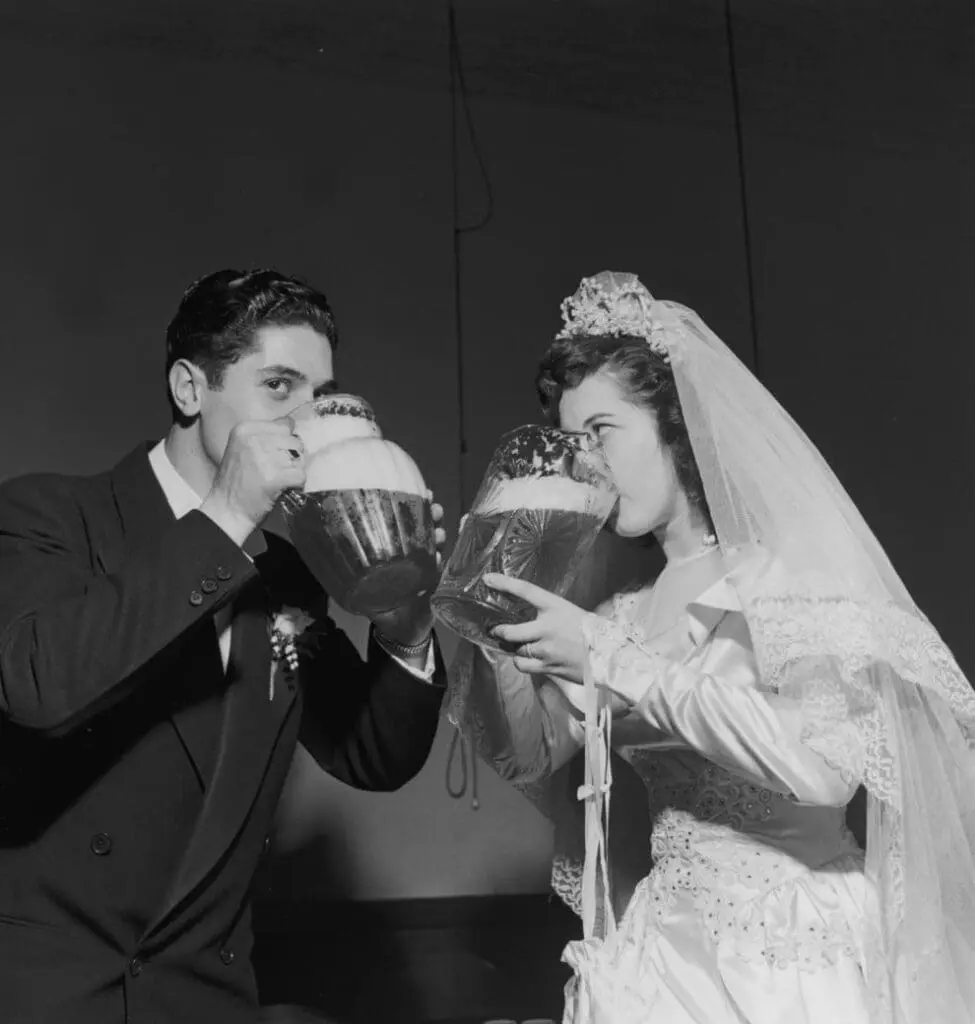
In Victorian England, your marital status was your identity.
Unmarried? A “spinster”. Married? A “wife”.
Even into the 20th century, marriage was positioned as the finish line. In 1960, nearly 70% of women in the UK were married by 30. According to the ONS, that number now sits at just 30.5%. The decline isn’t just demographic. It’s ideological.
Women aren’t rejecting partnership, they’re rejecting the idea that it’s the final stamp of personal achievement. The aspiration is no longer to be chosen, but to choose well (and to be in a relationship that doesn’t require a long-term crisis plan).
We’ve entered an era where emotional labour has a name, aesthetic coherence has a currency, and the phrase “he’s a good guy once you get to know him” lands like a pre-emptive liability waiver.
The decline in marriage rates isn’t just about delayed timelines, it’s about delayed tolerance. We’re asking: what does this partnership cost me? If it’s my calendar, my cortisol, and my reputation, then it’s a “No, thank you”.

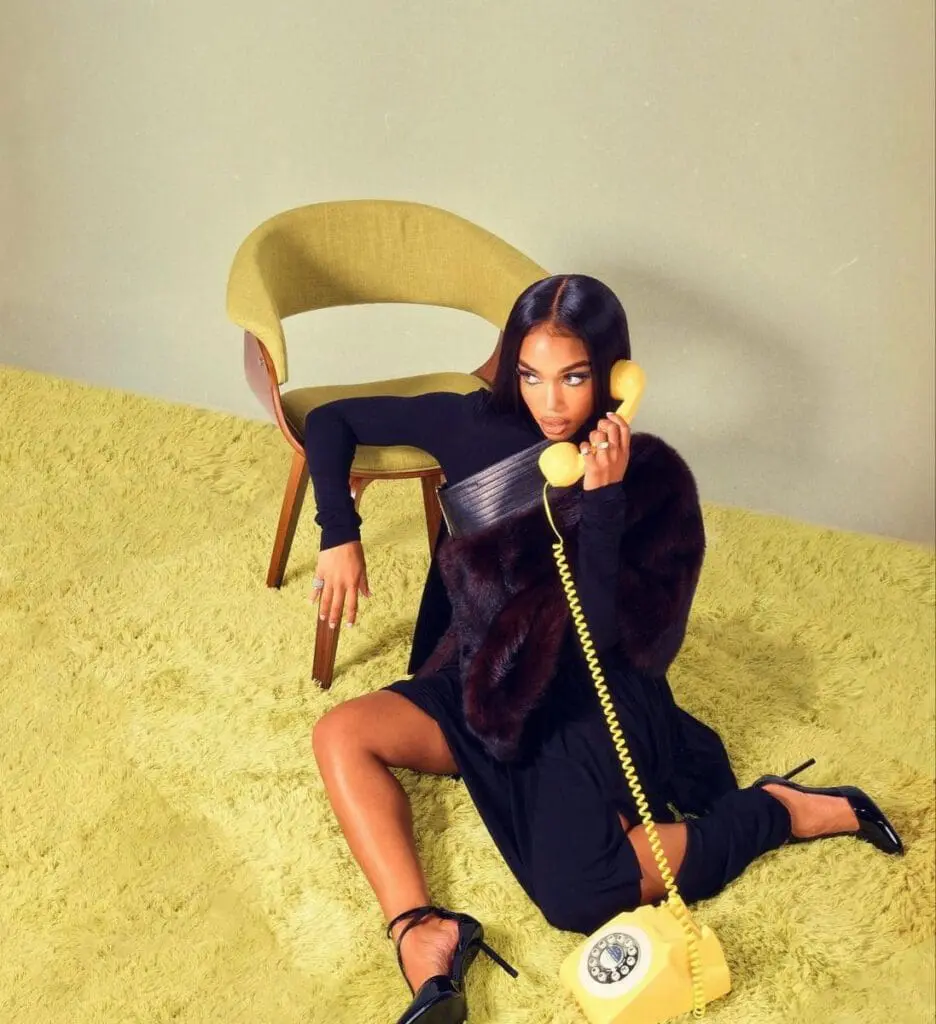
Pop culture isn’t just reflecting the shift, it’s accelerating it. Sabrina Carpenter’s, Please Please Please, repackaged expectations into a punchline, pleading for a boyfriend who doesn’t require damage control. Dua Lipa’s Training Season didn’t just tease the fallout of emotional labour, it filed the resignation letter. “I’m not his syllabus” was a collective walkout from emotional tutoring. Lori Harvey rebranded dating as discernment: date publicly, exit gracefully, and never explain. No heartbreak press tours. No emotional oversharing. Just clean boundaries.
Culturally, it’s a movement from survival to self-definition. Relationships once offered women access to housing, respectability, and basic legal rights. For a long time, those things haven’t required a partner, or a ring. The social contract has evolved. The emotional expectations? Not so much. Women are still expected to arrive polished, with devotion, and patience, while men are applauded for remembering birthdays and not cheating.
Not all men. But still enough to make the imbalance feel systemic, not anecdotal.
Add to that the rise of therapy culture, financial autonomy, and the visibility of queer and non-traditional relationships, and you get a generation who are no longer willing to date someone who feels like a rebrand project. Someone who needs to be explained, softened or removed from your feed.
This isn’t about performing independence, it’s about protecting peace, and preserving standards. Refusing to settle, shrink or co-sign misalignment.
This isn’t anti-men. It’s an anti-mismatch. Anti-settling. Anti-partnership-as-proof. Women aren’t looking for someone to complete them. They’re looking for someone who doesn’t derail them.
And honestly? It’s about time.


