Words by Maggie Arandela-Romano

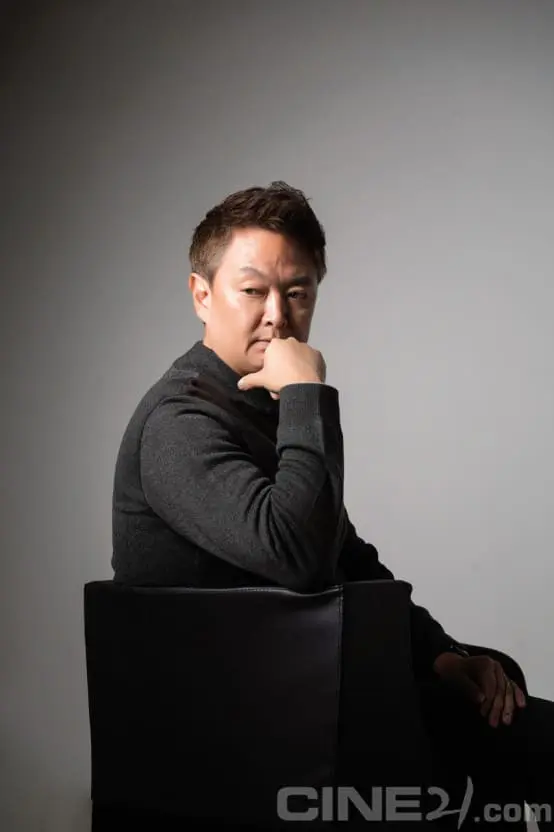
Following its premiere at CGV Yongsan Cinemas in Seoul, Run to the West stands as one of the boldest experiments in recent Korean cinema.
Directed by Yoon-sung Kang, the country’s first AI-assisted feature film pushes beyond spectacle to explore a space between myth and machine — where technology meets the human imagination, and cinema begins to question its own boundaries.
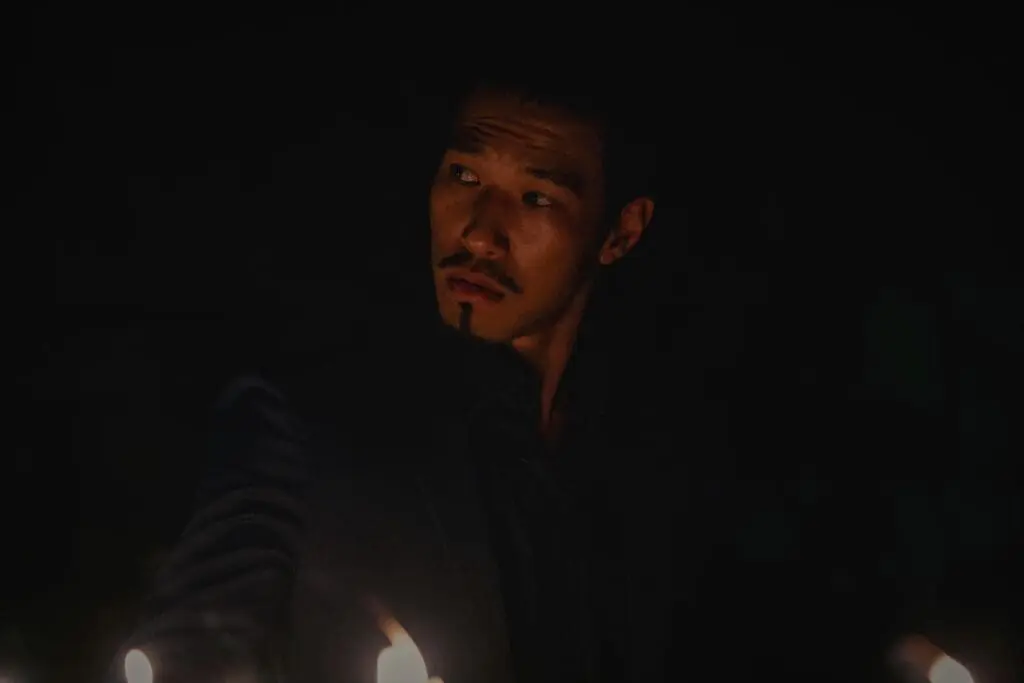
Before the premiere, I had the chance to chat with Director Yoon-sung Kang and actor Min Kim about the film’s creation, its mythology, and the quiet risks behind its grandeur. Kang spoke with the precision of a craftsman; Kim with a warmth that grounded the conversation. Together, they offered a rare look at a project that dares to merge Eastern spirituality with modern cinematic vision.
Min Kim smiled when I mentioned the greeting he’d received from Apl.de.Ap of the Black Eyed Peas, who sent words of support for the film and for his creative journey.
“I’ve loved the Black Eyed Peas for years,” Kim said. “Apl is one of my favorite artists — his music has always been part of my life. Getting his message was really special.”
Our conversation unfolded with ease — reflective, light, and grounded — as we discussed Run to the West: its balance of chaos and stillness, and what it could mean for the next wave of Korean cinema.
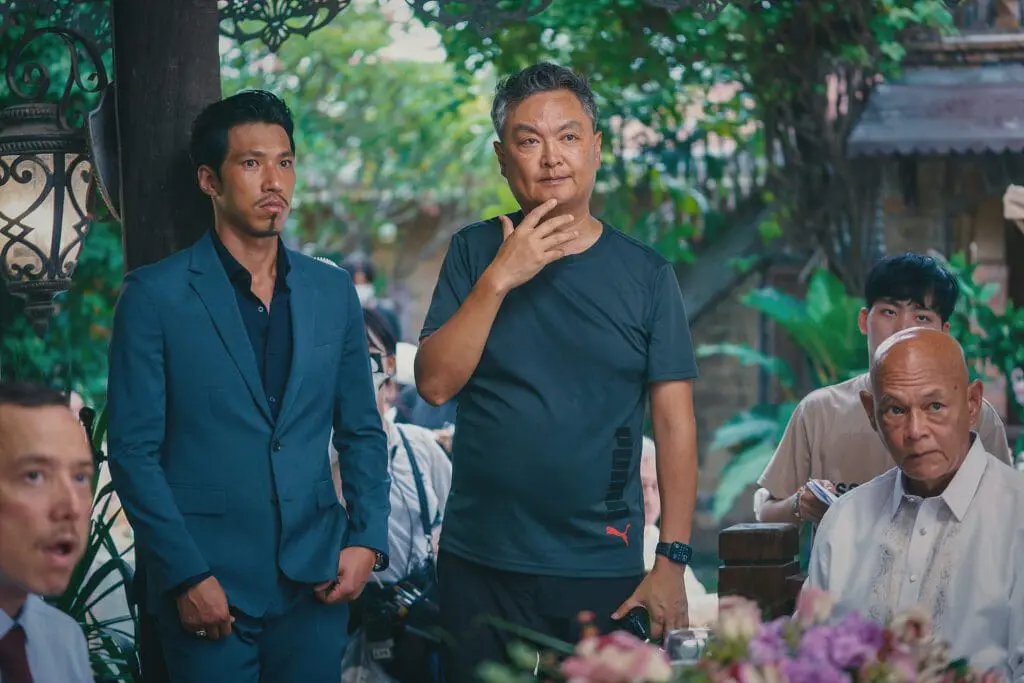
Run to the West has been described as Korea’s first AI-assisted feature film. What made you want to experiment with this technology, and how did it shape the storytelling process?
Run to the West was well-suited to be made with AI technology. Since the current state of AI cannot yet blend seamlessly with live-action footage, we needed a more fantastical space. In the future, AI will be used widely in films and TV series. The tools aren’t fully ready for professional production yet, but they’re evolving — and that’s exciting.
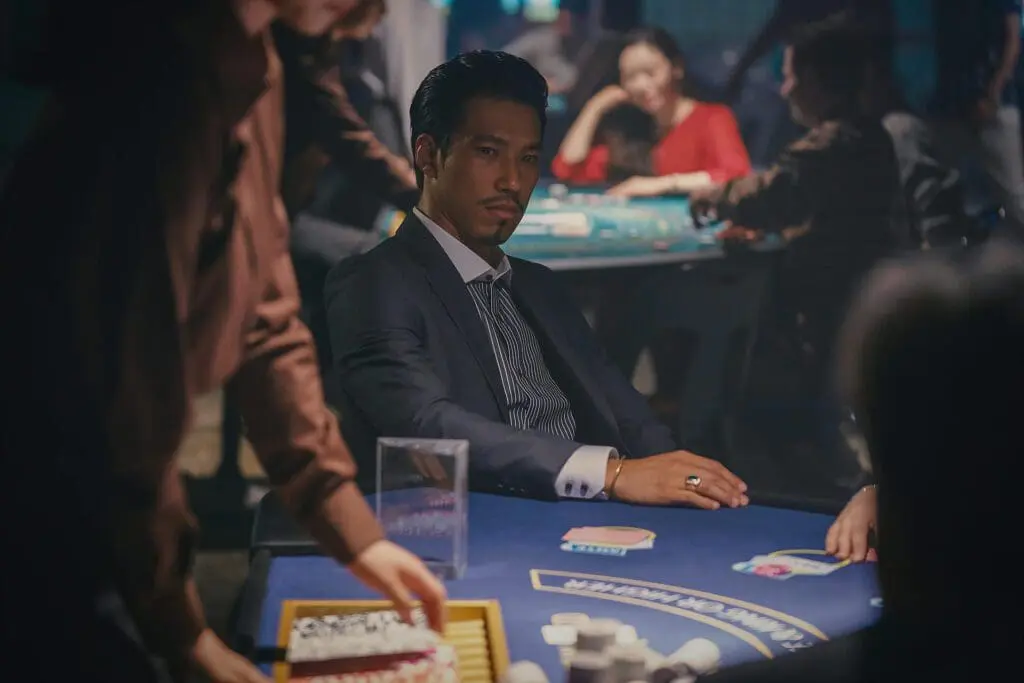
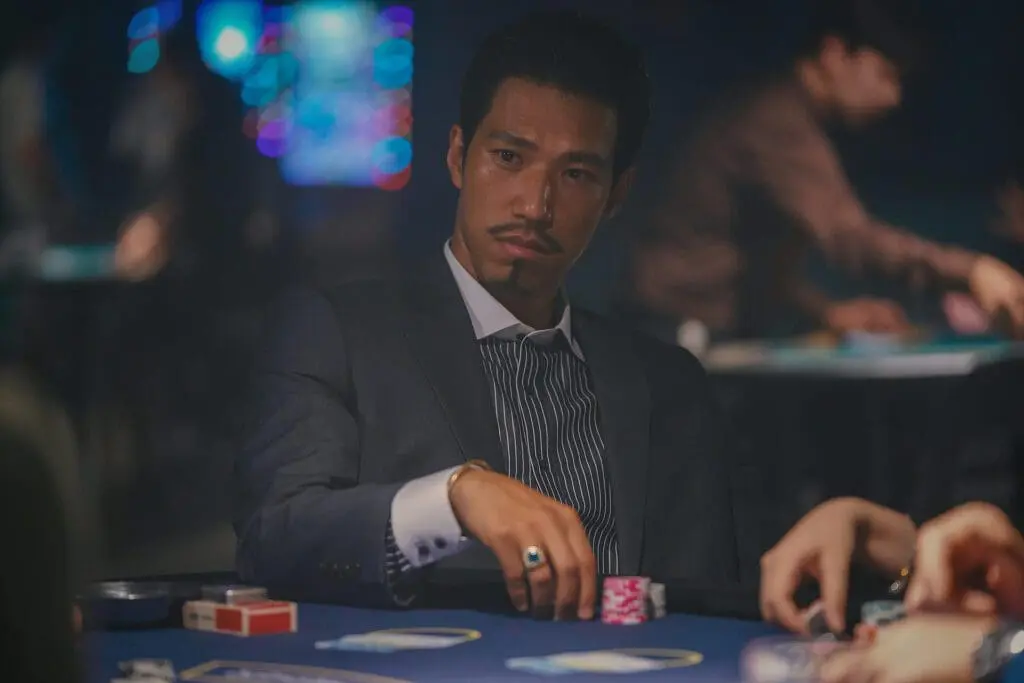
You’ve described Run to the West as both a blockbuster spectacle and a quiet reflection on life. How did you balance playing a role that lives between fantasy and deeper questions about mortality?
I think actors — and people in general — live exactly that way: in balance. At some point, we all step into a spotlight and choose whether to lean into the glamour or stay humble. And when the day fades, we go home, pour some tea or wine, and face ourselves in silence. Don’t we all?
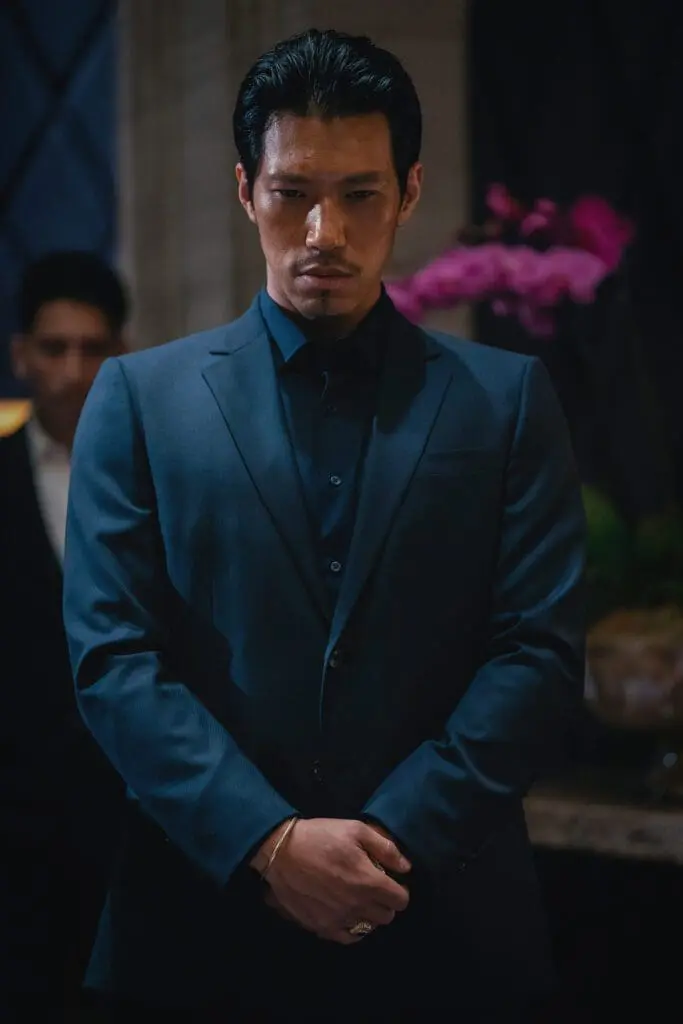
The film draws from traditional Eastern mythology but unfolds as a modern chase-action story. How did you approach blending those cultural roots with futuristic visuals?
I wanted to create an Eastern-style sci-fi film — something new for audiences. It’s set in a fantastical realm between life and death, where mythical beings appear, so powerful that they can’t be fought directly. The protagonists are forced to keep running, searching for reincarnation. Within the story, there’s a kind of two-part structure — the first half shows the characters constantly on the run, while the second half brings them face to face with their destiny.
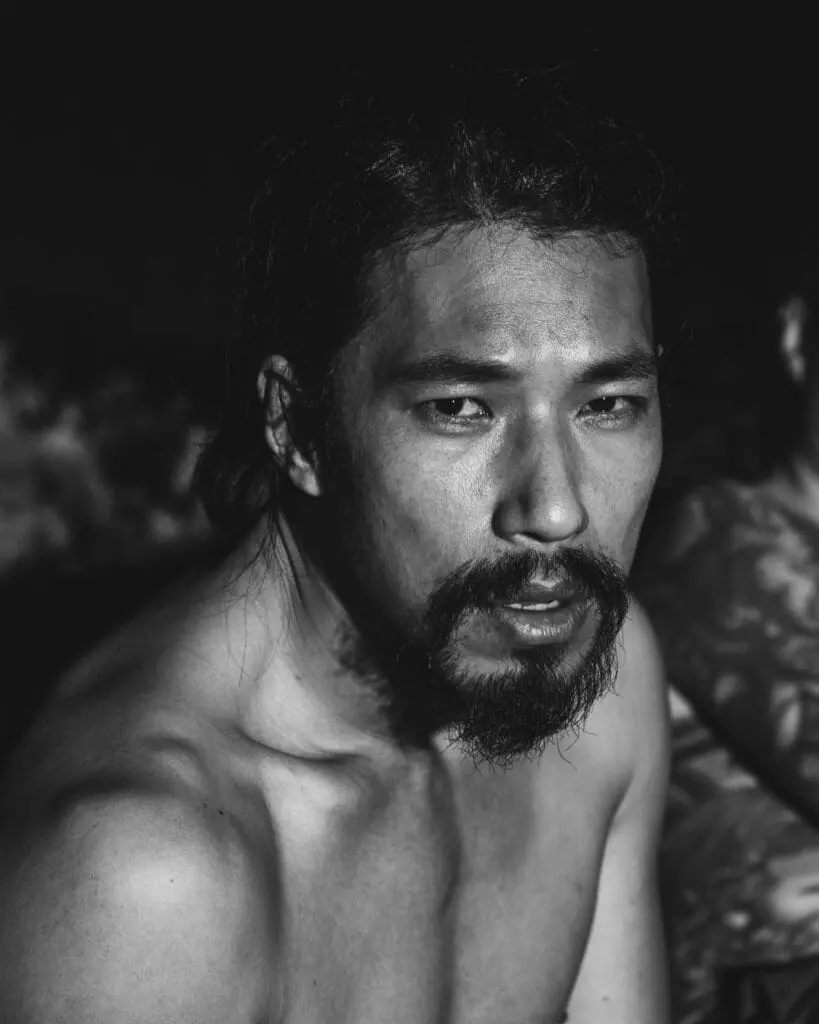
You said you hope viewers “enjoy both the visual grandeur and a gentle appreciation of life.” What moments pushed you most — emotionally or physically — during filming?
The toughest moments were when the visual grandeur kicked in and people started dying… again and again. (We’re not fully dead yet, according to the premise.) There was confusion everywhere — the characters, the crew, even me. I got the call a few days before and showed up on set without really understanding what was happening. That chaos worked perfectly, and honestly, sharing that madness with Director Kang was a lot of fun.
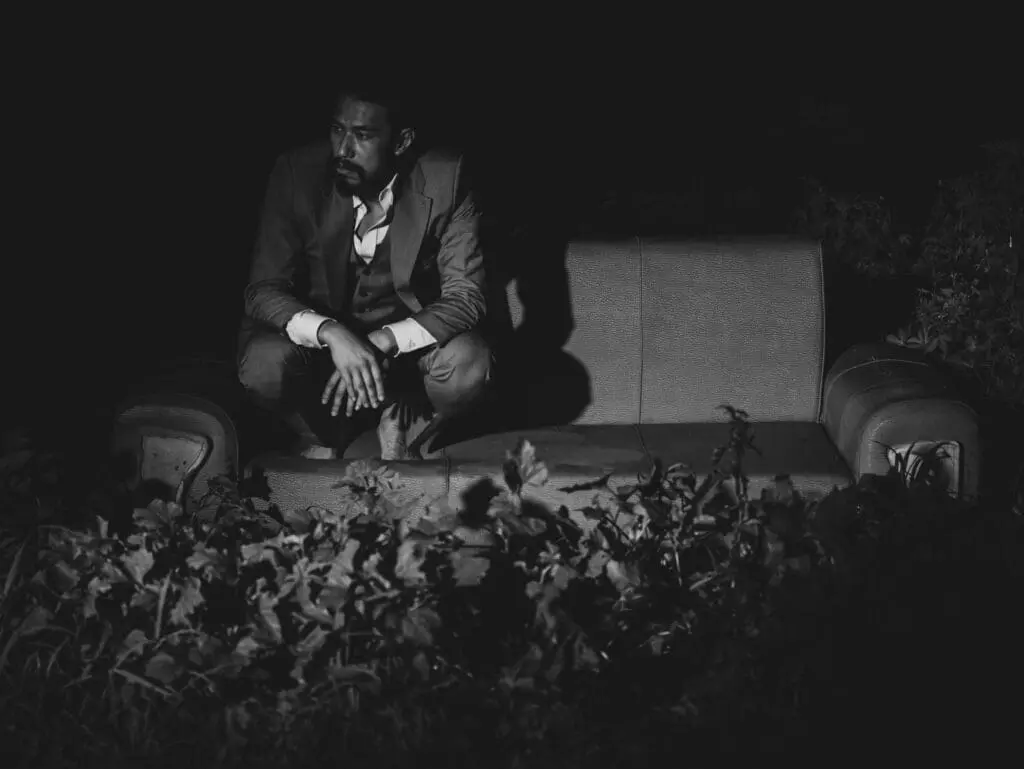
Now that the film has reached audiences, what do you each hope people take away from Run to the West?
I want the audience to feel like they’ve been on a rollercoaster for a full hour. The film is designed as nonstop, heart-pounding chase action from beginning to end.
I just want everyone to have a good time.
You’re known for grounded, hard-hitting realism in films like The Outlaws and Big Bet. How does Run to the West mark a new chapter in your career?
I’ve always been drawn to stories rooted in reality. Run to the West is different — it’s born entirely from imagination. That difference gave me freedom. I hope it also sparks the audience’s imagination.
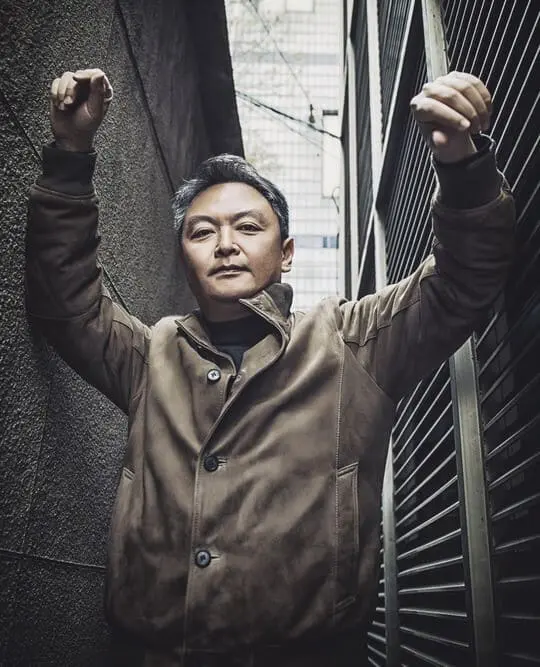

This is your second collaboration with Director Kang after Big Bet, and here you make a brief but memorable appearance. How has your working relationship evolved, and what surprised you this time?
What we built on Big Bet is trust — plain and simple. I know that if Director Kang sets his mind to something, no matter how impossible it seems, he’ll make it happen. I hope he feels the same about me. The harder the challenge, the better. And the surprise? He makes me laugh when I least expect it. Working with him always feels effortless, even when it’s tough.
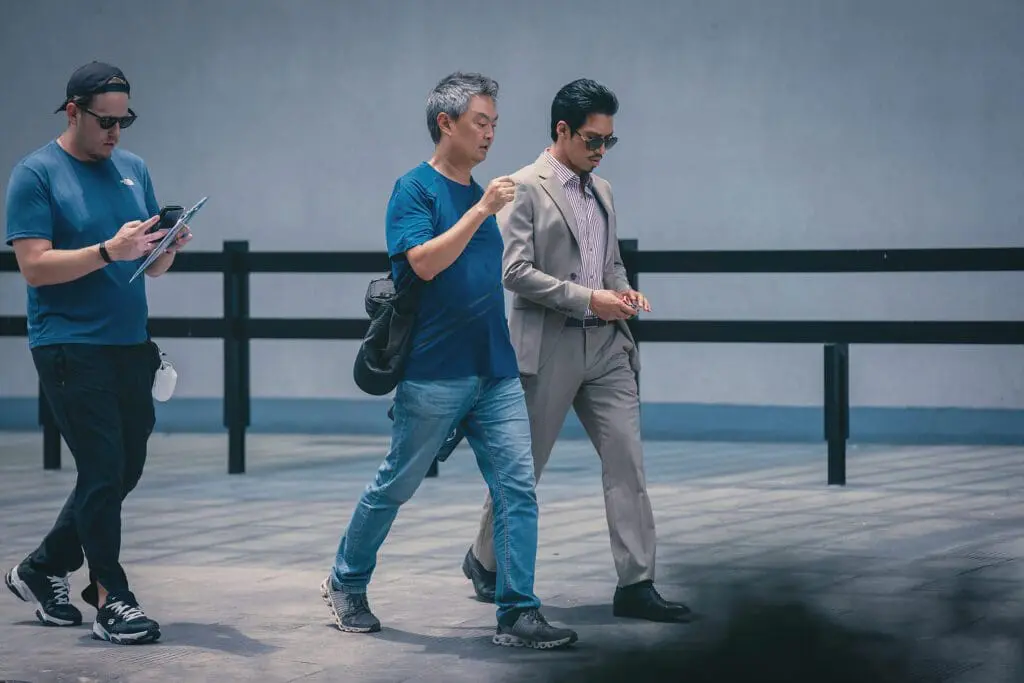
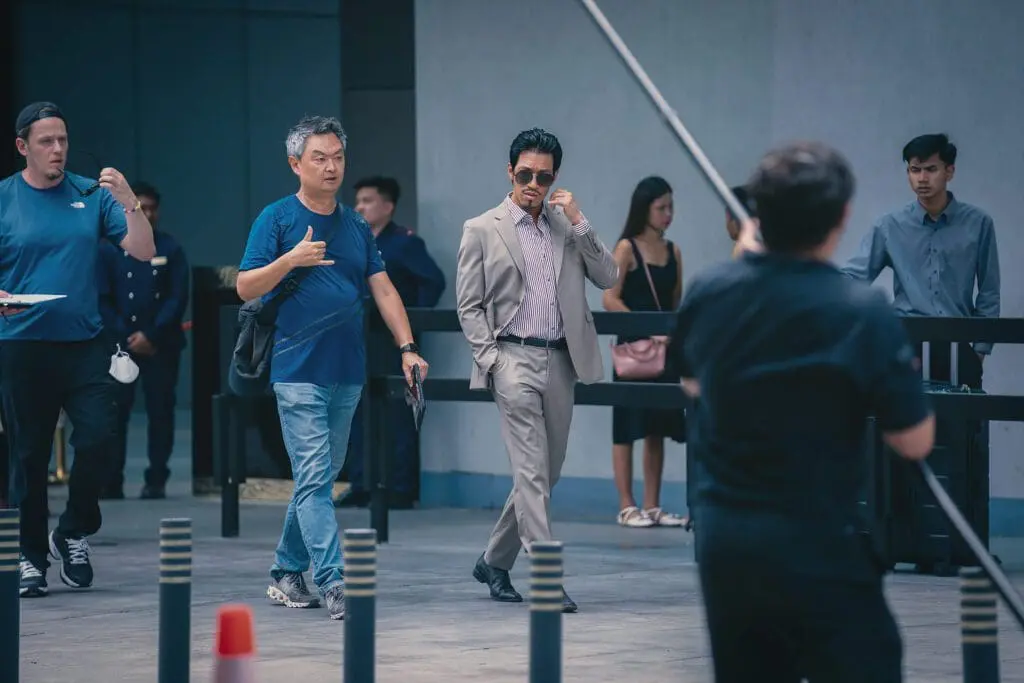
The film has a strong ensemble — Byun Yo-han, Kim Kang-woo, Bang Hyo-rin, Lim Hyung-jun, Yang Se-jong. How did that mix of talent influence the atmosphere on set?
Lim Hyung-jun and Yang Se-jong had already worked together, so they had a rhythm. With Byun Yo-han, Kim Kang-woo, and Bang Hyo-rin — my first time working with them — we built the characters through open discussion. The energy was great, though the running scenes were physically tough. Hyung-jun had a toe injury he hid so filming wouldn’t stop; Bang Hyo-rin hurt her leg but kept going. I’m deeply grateful to them all. Min Kim’s gang-enforcer cameo was impressive — he added wit where it mattered.
They’re all amazing. You learn just by watching them. Director Kang sets the rhythm, and everyone moves within it. That harmony makes the whole thing feel alive.
The trailer shows stunning imagery — especially the column of fire over Gwanghwamun. Why was it important to ground the fantasy in real Korean settings?
Gwanghwamun is deeply symbolic for Koreans, much like Tiananmen Square is for the Chinese. Seeing it collapse under a creature’s attack carries enormous emotional power.
You’ve moved between Big Bet, A Shop for Killers, and now Run to the West. How do you see your role in bringing Korean stories to a wider audience?
No matter where you’re from, what we all value is love. Love in Korean stories might look different, but at its heart, it’s the same. I’m not a pageant beauty queen, but I do what I do to spread love — and maybe, in some small way, help the world feel a bit kinder.
Looking ahead, what do you hope Run to the West represents for Korean cinema at this moment of global visibility?
AI in filmmaking is inevitable. Soon, many creators will use it across genres. I hope Run to the West proves that AI can live inside commercial cinema — not as a gimmick, but as a creative partner.
I hope it’s both a flare and a firework — a sign of new possibilities for Korean fantasy. Not just in story, but in how films are made, funded, and shared. The choices Director Kang made were brave, and that courage deserves to shine.
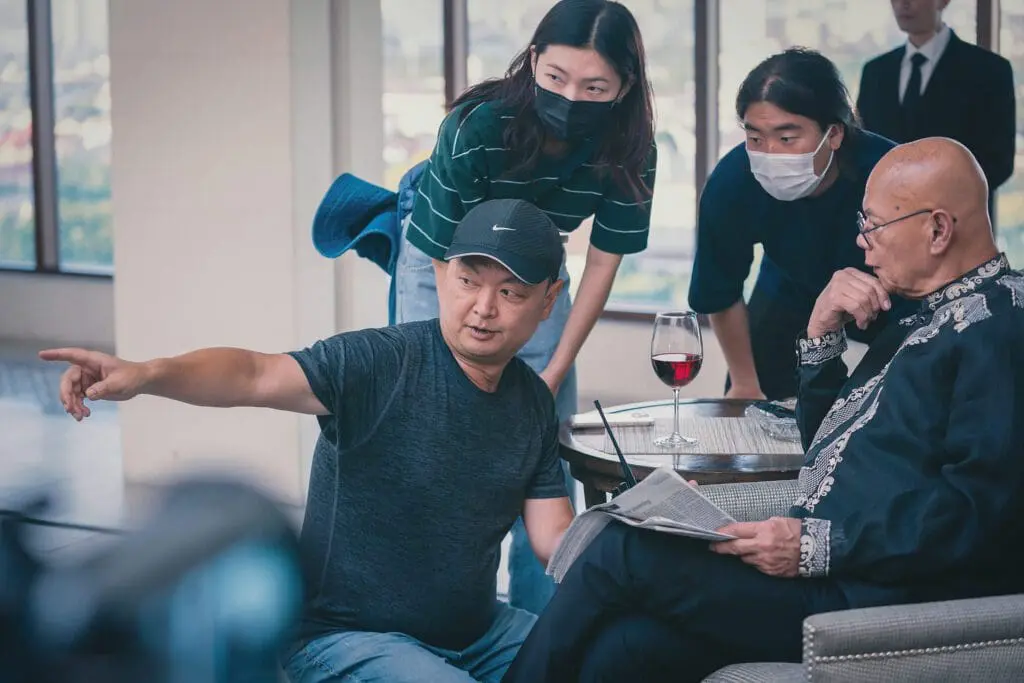
With Run to the West, Yoon-sung Kang expands the frame of Korean cinema — merging mythology, action, and AI into a singular cinematic language. His vision doesn’t just explore new tools; it redefines what storytelling can become when imagination leads technology, not the other way around.
Min Kim’s presence, even brief, reminds us that humanity is still the soul of innovation — that emotion, not machinery, gives meaning to every frame.
Run to the West is more than an experiment. It’s a declaration that cinema, like myth, survives by evolving.
And in this evolution, a quiet question lingers: what is your #HaveYouGotYours?