Words by Valerie Aitova
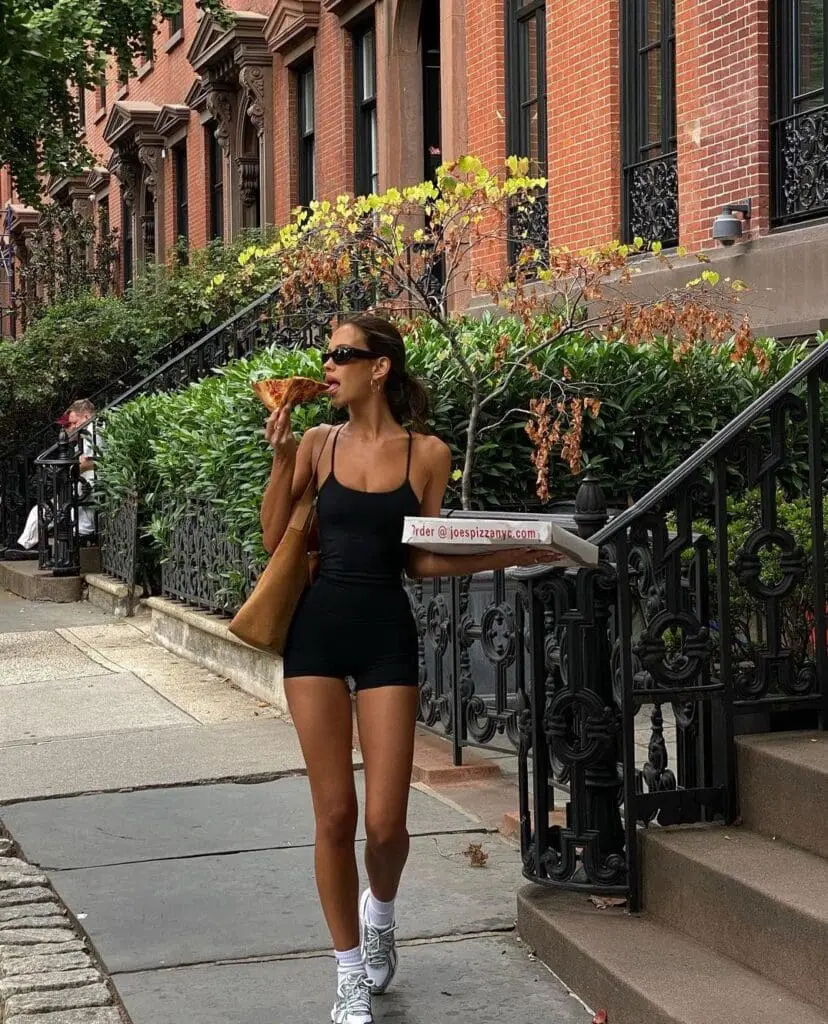
On a grey Saturday morning in London, the cafés are full of leggings. Not the faded, stretched-out pairs once reserved for the treadmill, but sleek, sculpted uniforms: ribbed Adanola sets, Alo flares under trench coats, Lululemon bodysuits zipped into bomber jackets. The look is everywhere – not just in Pilates studios or yoga classes, but on sidewalks, airport concourses, brunch tables. Activewear has slipped from the margins of utility into the center of everyday life, less a bridge between errands and exercise than the main event itself.
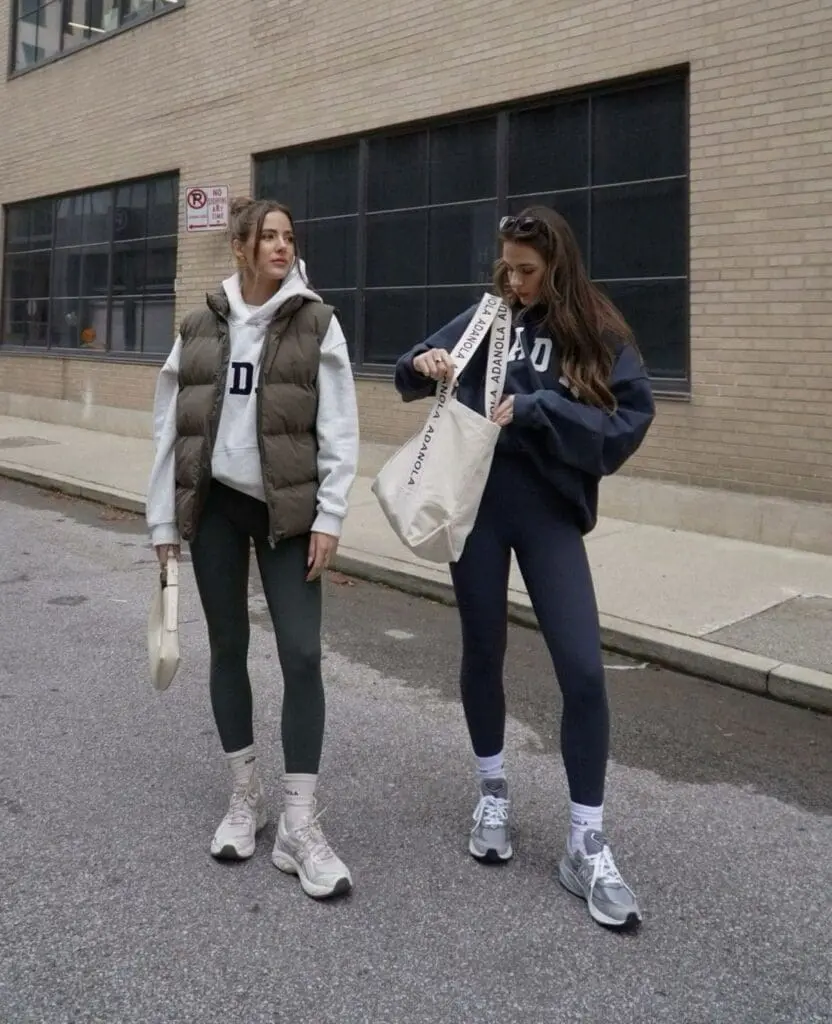
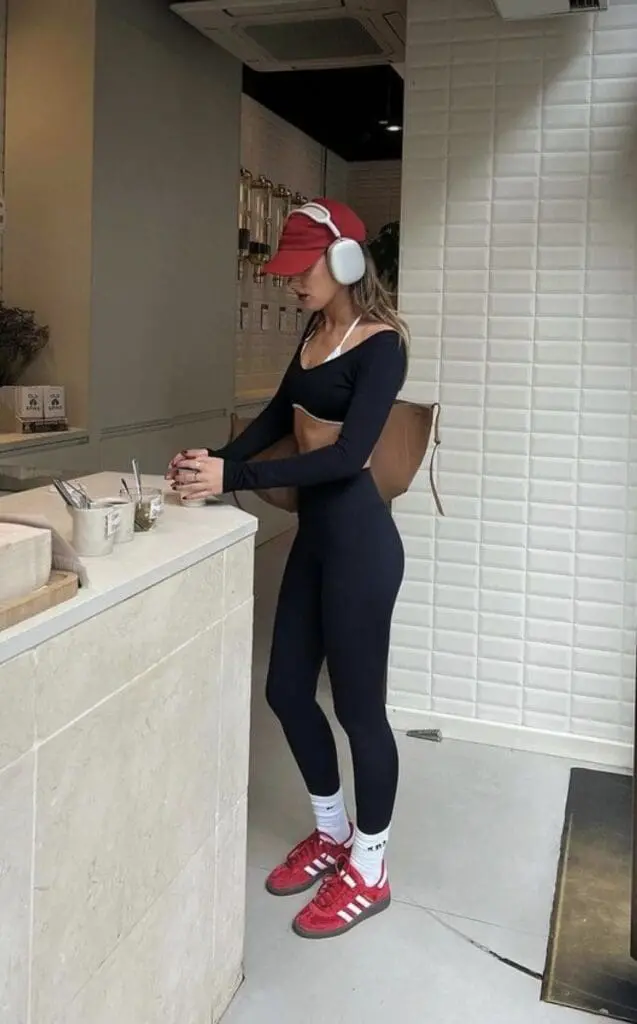
Adanola, Alo Yoga, Lululemon – these brands aren’t selling clothes so much as access to an ideal. Adanola packages itself as the clean-girl uniform: muted palettes, logos on the hoodies, pieces that whisper productivity and self-discipline as much as style. Alo Yoga turns workout wear into spirituality chic, blending sleek performance silhouettes with the language of wellness retreats and LA minimalism. And Lululemon, the Canadian pioneer, has evolved from a yoga staple into a global status symbol, its leggings and jackets functioning as badges of belonging to a lifestyle of composure and control. These clothes don’t just cover the body; they broadcast a worldview.

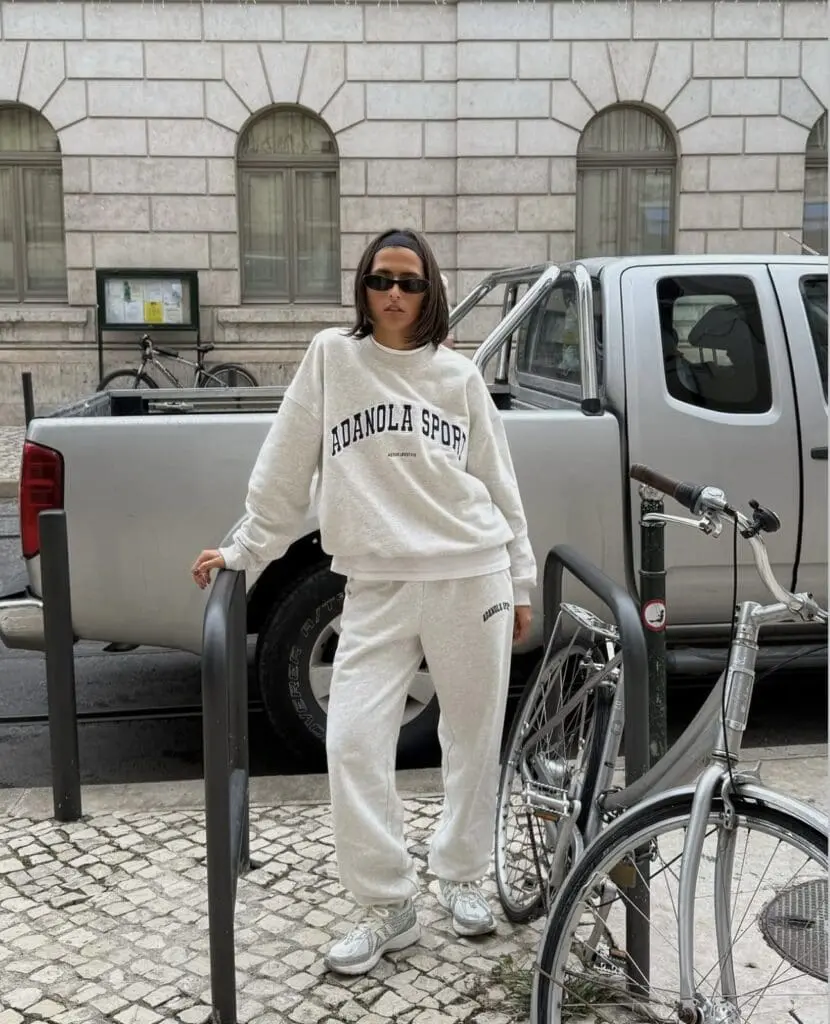
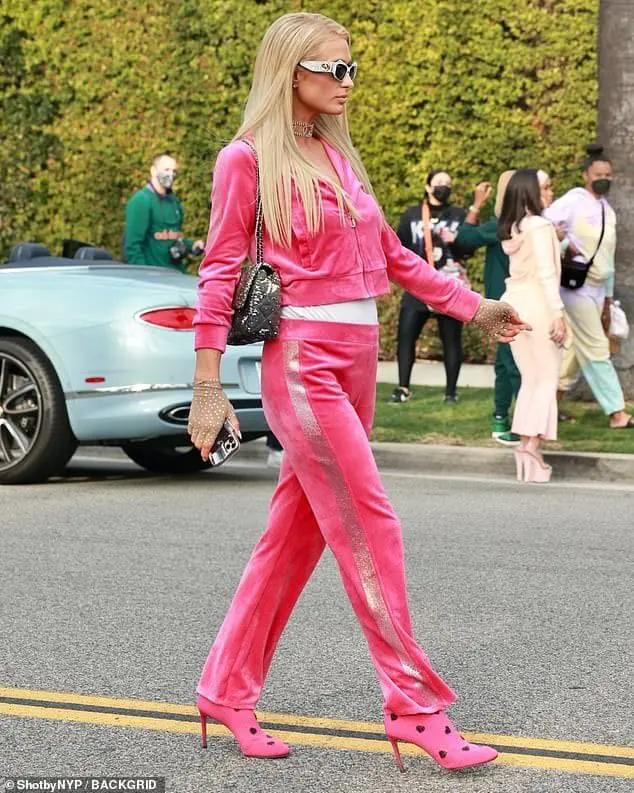
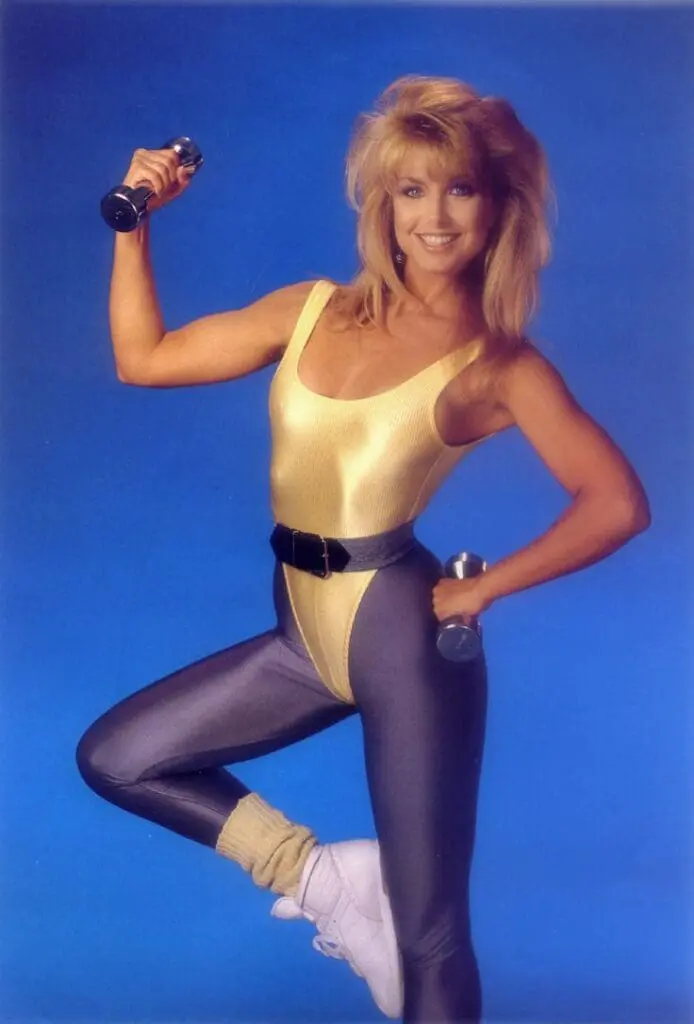
In the 1980s, neon spandex and sweatbands pulsed with aerobics culture, fitness as spectacle and flash. In the 2000s, Juicy Couture tracksuits turned velour into a kind of luxury parody, Paris Hilton’s pink zip-ups the unofficial emblem of casual excess. By the 2010s, Lululemon had shifted the tone entirely: leggings reframed as investment pieces, designed to slip seamlessly from studio to street. But 2025 feels different. Gym clothes are no longer transitional. They are the wardrobe. The muted palettes, sculpted cuts, and streamlined branding suggest not effort but mastery, a uniform for a generation obsessed with optimization.
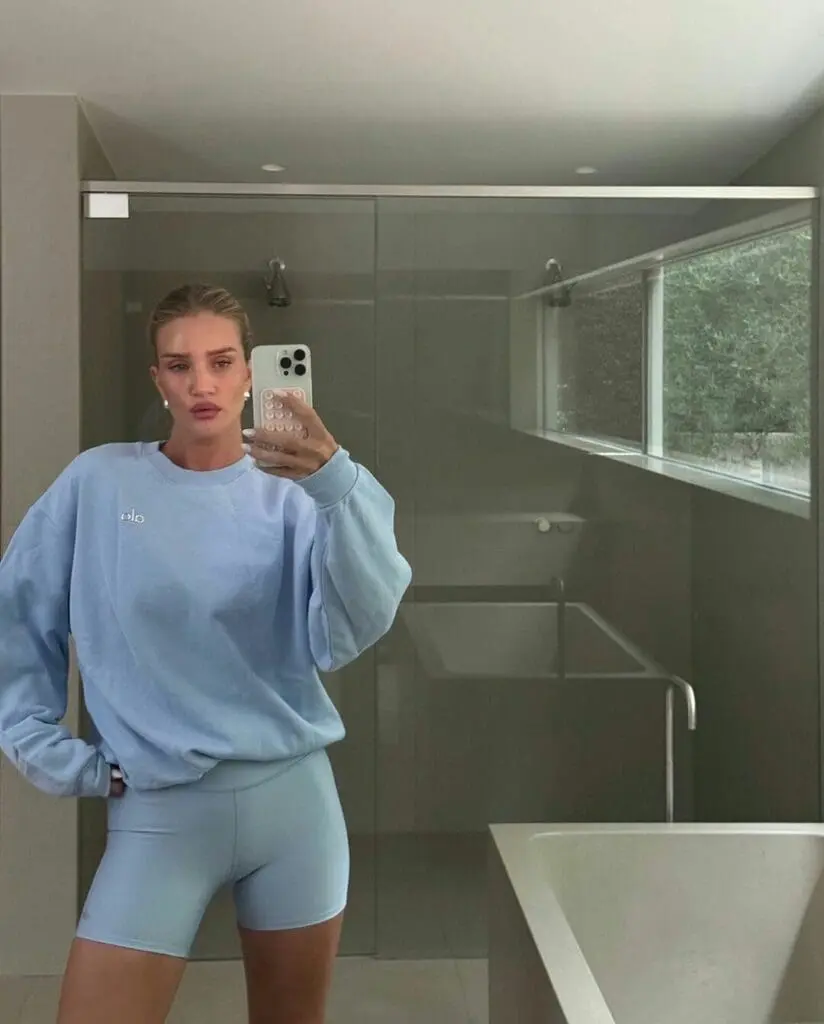
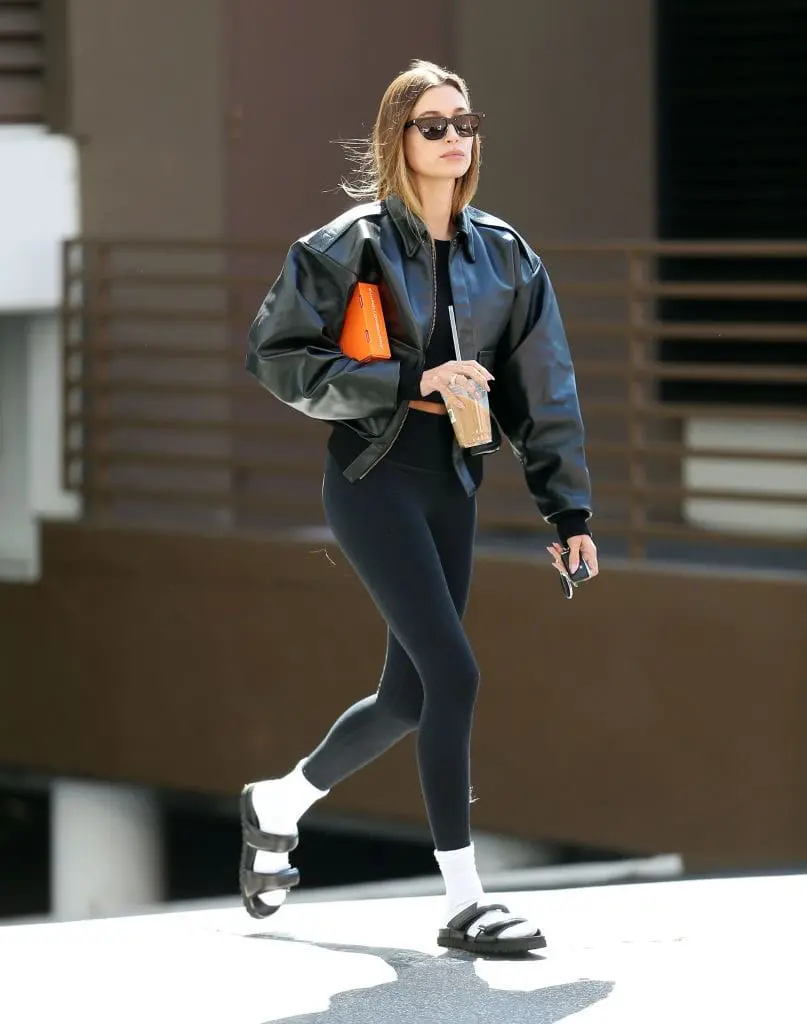
Celebrities have cemented this shift in ways that feel almost like brand myth-making. In January 2025, Kendall Jenner fronted Adanola’s campaign, her pared-back styling and neutral sets casting the brand as the official uniform of clean-girl minimalism. Rosie Huntington-Whiteley, meanwhile, posting her mirror looks, wearing Alo Yoga on her Instagram Stories, where she appears in its sculpted pastels and oversized sweats, projecting a vision of soft luxury through the lens of everyday routine. And Hailey Bieber, photographed countless times in Lululemon leggings on coffee runs and city sidewalks, has turned the brand’s performance basics into a street style staple – proof that activewear has crossed fully into the realm of lifestyle dressing. Together, they show how athleisure isn’t just marketed, it’s embodied, performed, lived.

That’s the real appeal of athleisure: it photographs as control. A matching set doesn’t just flatter; it flattens chaos into cohesion. Where luxury once meant excess – sequins, logos, price tags worn on the surface – now it whispers through efficiency. A $120 pair of leggings isn’t indulgence; it’s an investment in showing that you live with discipline, balance, and intention.
But built into this fantasy is a quiet pressure. Athleisure doesn’t just elevate comfort, it moralizes it. To wear sculpted leggings is to declare not only that you exercise, but that you manage your time, your diet, your emotions. To opt out – to reach for denim on a Saturday morning instead – can feel almost subversive, as though you’re choosing chaos over control. The cult of athleisure has turned ease into a new kind of work, a perpetual performance of composure.
Brands understand this perfectly. That’s why leggings arrive in dust bags, why new drops are marketed with the same reverence once reserved for handbags. Activewear isn’t supplemental to luxury anymore; it is luxury. The wellness-industrial complex has collapsed self-care and social status into the same waistband. A smoothie bowl and a Pilates subscription may be optional, but the leggings are the ticket to participation.

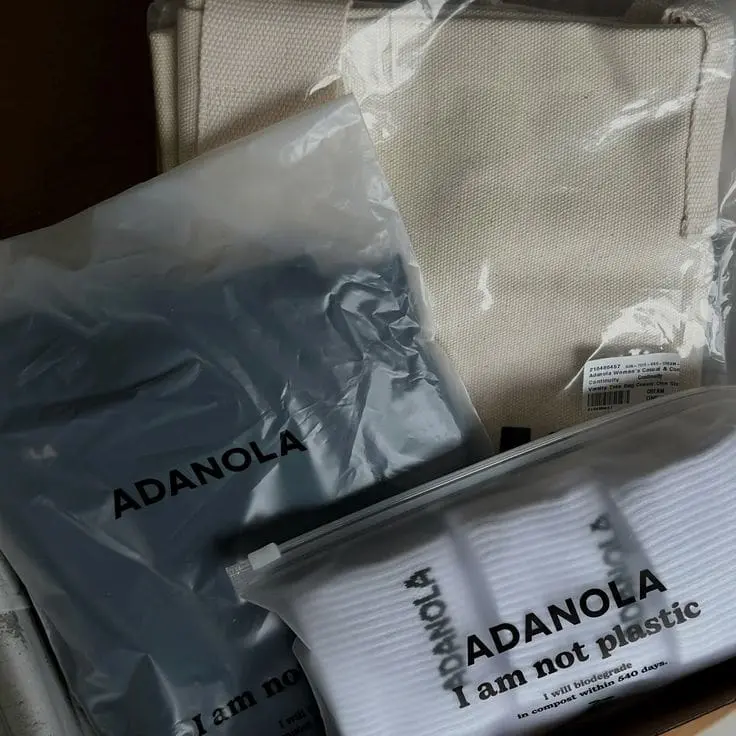
And this aesthetic stretches far beyond the gym. Airport lounges, coffee runs, even office casual have been absorbed. Athleisure has become symbolic, a form of soft signaling. It says that even in motion, even in transit, you are curated, disciplined, aligned. In a culture where productivity has become a social currency, leggings function almost like a résumé – visual shorthand for balance in a chaotic world.
The irony is that the promise rarely holds. Leggings can’t make you calmer or more resilient; they can only suggest the image of someone who is. But a suggestion is enough. That’s why Adanola can thrive as the clean-girl’s armor, why Alo Yoga and Lululemon can turn yoga pants into lifestyle supremacy. What you’re really buying isn’t comfort or flexibility. It’s the fantasy of composure.
In the end, the question isn’t whether gym clothes became luxury. It’s whether they became the clearest reflection of what luxury means now. Not sequins or gold, but balance. Not opulence, but control. The quiet promise that with the right pair of leggings, you’re already halfway to becoming your best self.
What is your #HaveYouGotYours?