
Words by Valerie Aitova
There was a time when K‑beauty meant whatever fit in your mailbox. A padded envelope. A few pastel foil packets. A frosted dropper delivering that water‑glass hydration Koreans treat as standard, not luxury. Now, K‑beauty standards are everywhere – TikToks turning unboxing into ritual, shelfies arranged like altars, the unspoken necessity of having the skin: glassy, poreless, lit‑from‑within.
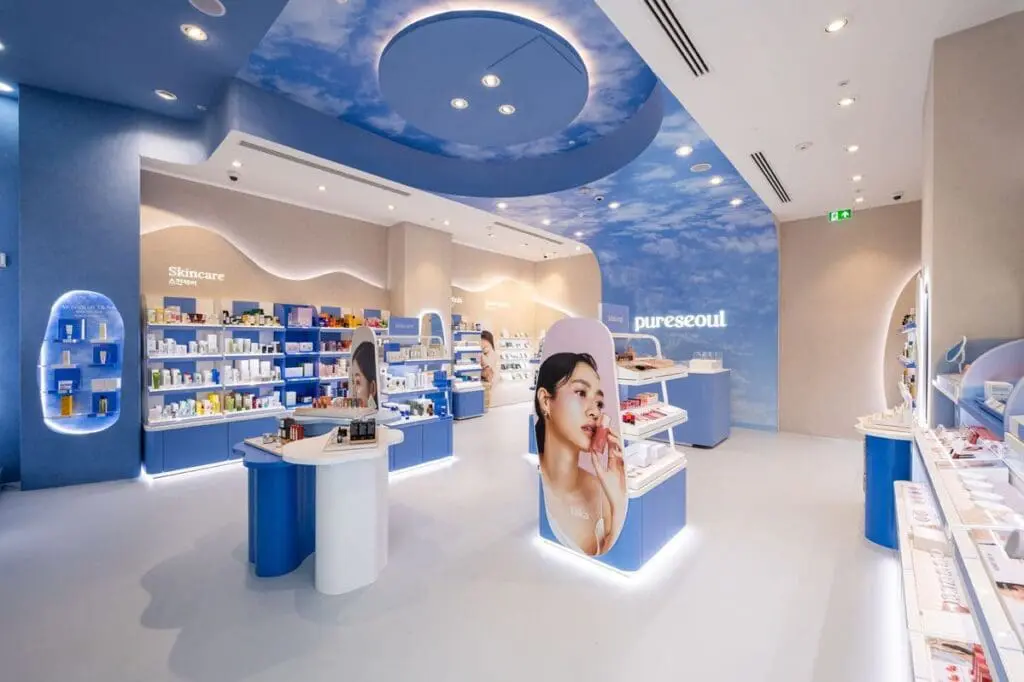
Now, the brands are part of the shared language: SKIN1004’s Madagascar Centella Ampoule – social media’s favourite calming cure; Anua serums with borderline‑religious followings; the Biodance Bio‑Collagen Real Deep Mask, otherwise known as the it‑girl essential; Dr. Althea’s 345 Relief Cream, which, to be honest, I restock religiously; and VT Reedle Shot 100 – this year’s obsession, microneedling activities deep into the skin without the needle. They’re everywhere, but they’re also just a preview of the world they come from.
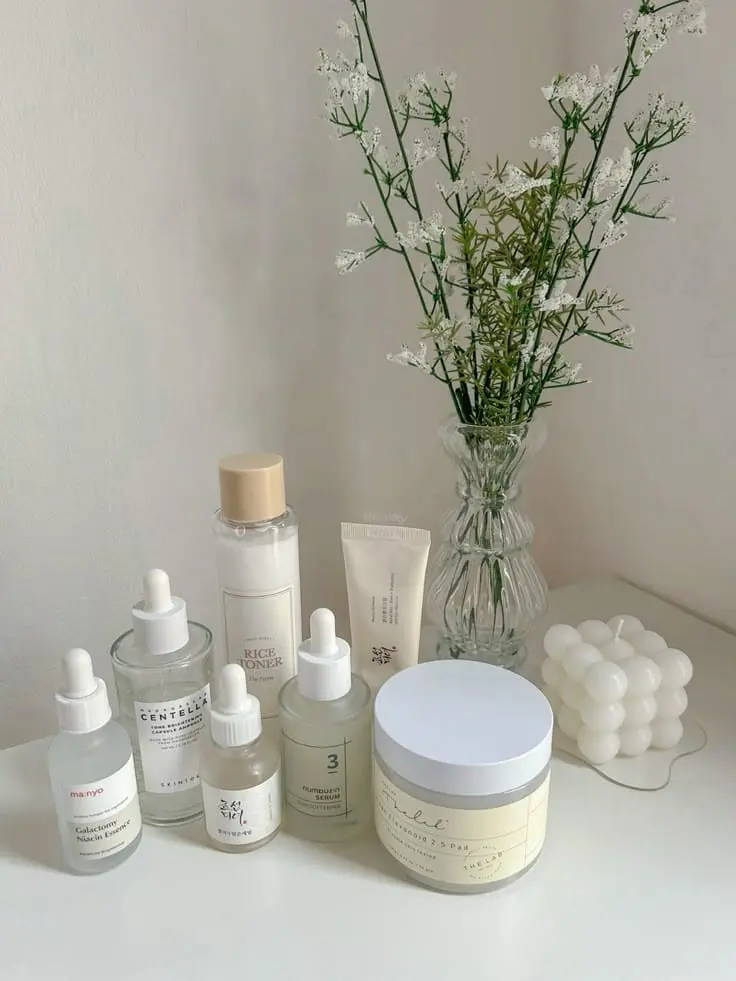
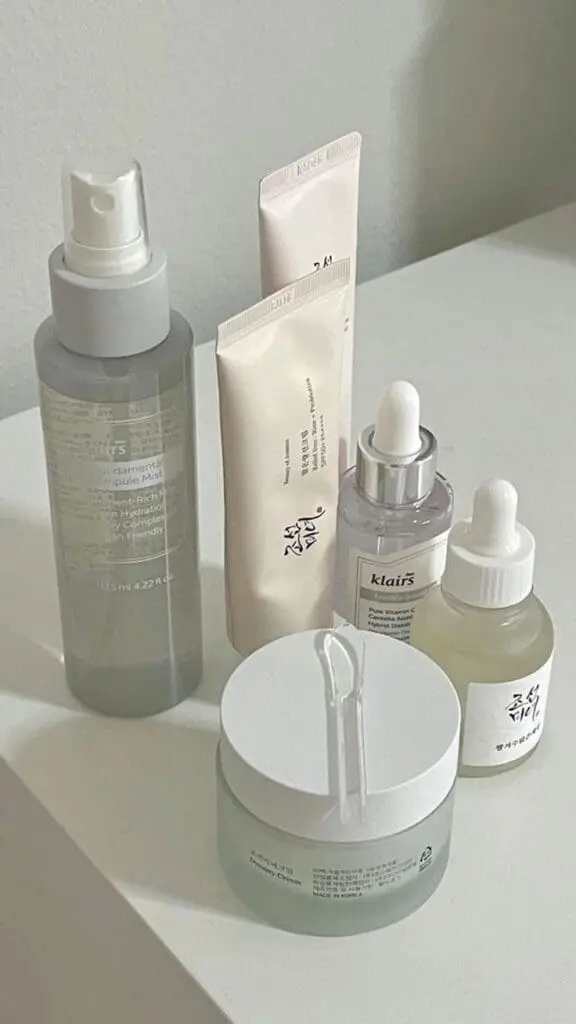
It’s a city‑wide choreography: in‑clinic rituals under warm, backlit ceilings, herbal steam winding through the air like incense, steps layered so precisely they feel like a performance. The products are the breadcrumbs; the real feast is the room, the hands, the city itself.
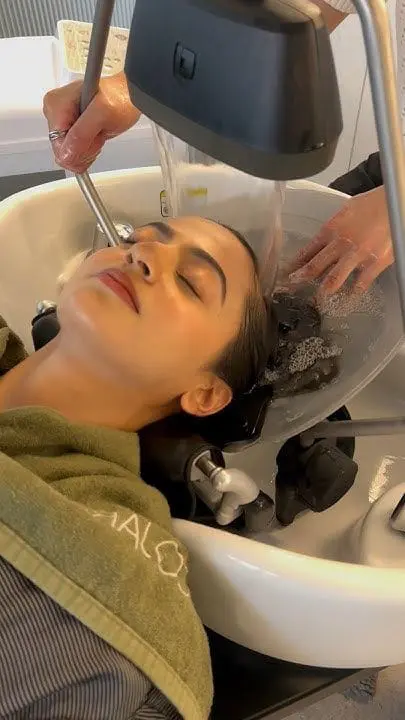
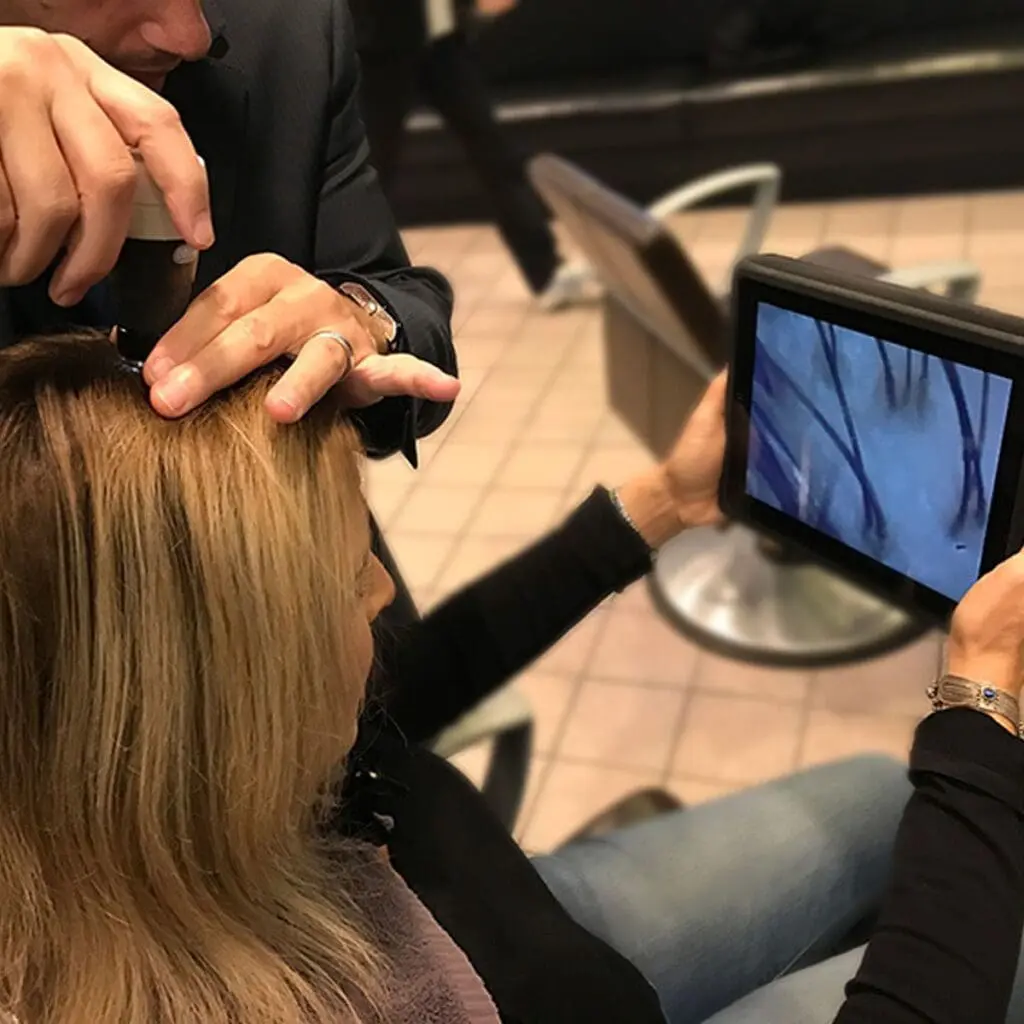
So it makes sense that people aren’t just watching – they’re booking flights. Not just influencers chasing content, but quiet beauty pilgrims chasing something slower, deeper, more embodied. They land in Seoul not just to shop in Myeongdong’s neon arcades but to submit to treatments so methodical they border on choreography. The 15‑step scalp ritual is a TikTok subplot all its own: a forensic scan of your roots (magnified so large you can see each follicle glisten), herbal steaming that rewires your senses, exfoliation with grains so fine they feel like silk, and an oil massage performed with near‑balletic precision. The results, such as lighter hair, cleaner skin are almost secondary to the experience of total, undivided attention.
Seoul has quietly crowned itself a global beauty capital, its influence stretching far beyond skincare formulas. Where Paris still claims fashion, Seoul owns ritualised self‑care – an export as much about philosophy as it is about product. It’s soft power at its most intimate: a nation’s aesthetics, values, and sensory codes distilled into experiences others want to emulate, film, and replay. Even the clinic menus read like poetry in translation: “moisture layering therapy,” “lotus brightening infusion,” “time‑reversing touch” – each one an echo of beauty’s cultural depth here.
The objects of desire are as photogenic as they are performative: glowing LED masks, Medicube’s Age‑R Booster Pro pulsing microcurrents into skin, Tirtir’s Mask Fit Cushion with its dewy, camera‑ready finish, Beauty of Joseon’s Rice Sunscreen gliding on like silk. Laneige offers exclusive, personalised beauty experiences you can only get in Seoul: a custom‑blend foundation matched to your exact undertones, a bespoke Lip Sleeping Mask mixed and flavoured on the spot. Many studios go even further with full colour analysis, draping you in swatches and telling you exactly which shades make your face come alive and which quietly drain it.

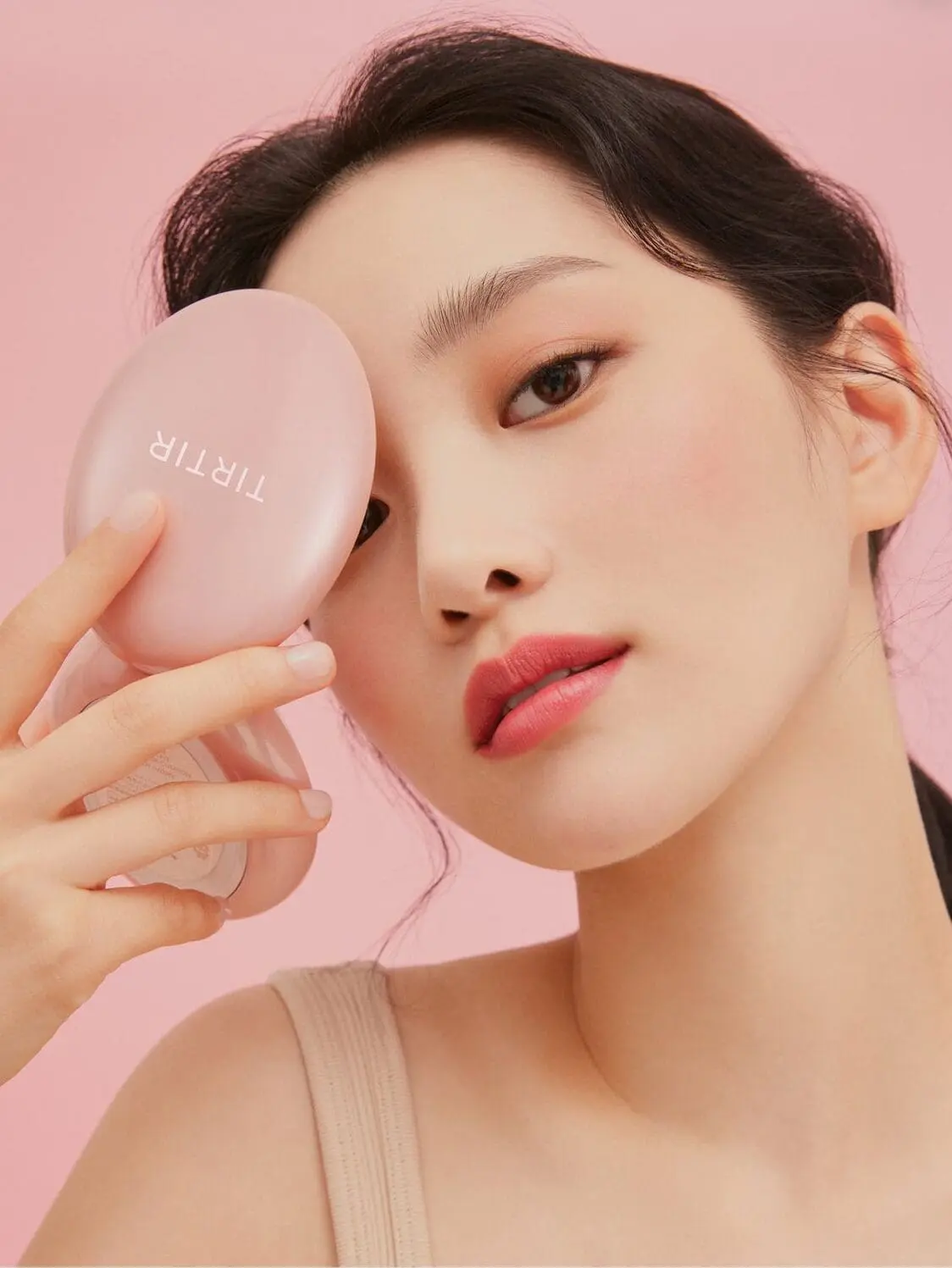
These objects and experiences are perfectly tuned for the algorithm, but they’re also steeped in the same values that define Seoul’s treatment culture: layering, precision, and the belief that care is cumulative.
Part of the seduction lies in the contrast. Western beauty culture moves at the speed of a before‑and‑after – miracle serums, one‑minute masks, results promised by morning. K‑beauty asks for patience, repetition, devotion. The layering of essences and serums isn’t just skincare; it’s a language, a refusal to rush, a quiet assertion that time spent caring for yourself is never wasted. In a culture addicted to speed, that kind of slowness feels almost radical.
Of course, as these rituals travel, there’s translation, and with translation comes loss. The term glass skin, originally rooted in balance, hydration, and prevention, is flattened into a single aesthetic image. Hanbang – centuries‑old herbal medicine that folds in ingredients like mugwort for detox or ginseng for circulation, is distilled into “ginseng mask” in marketing copy. Viral beauty tends to reduce complexity to its most photogenic layer: steam, glow, shimmer.
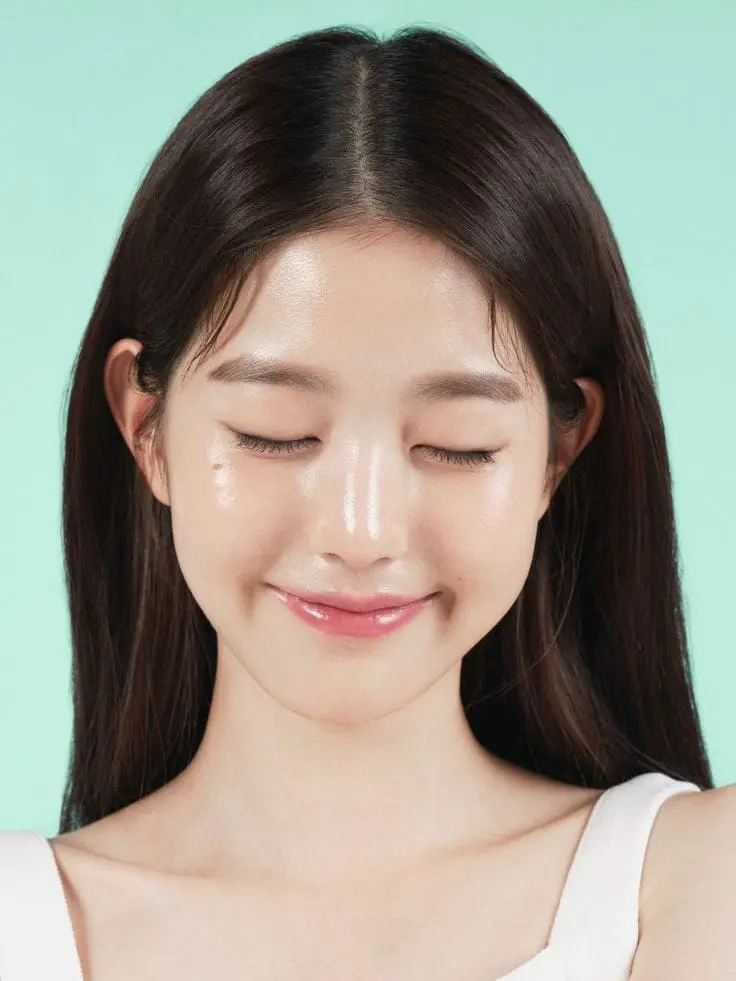
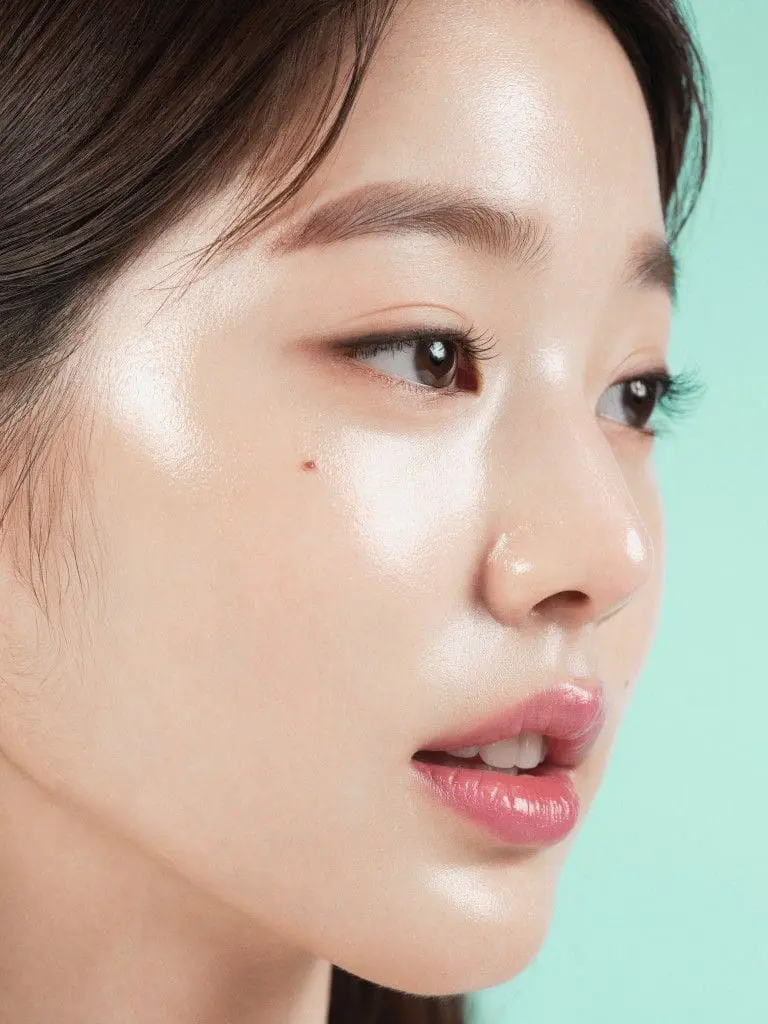
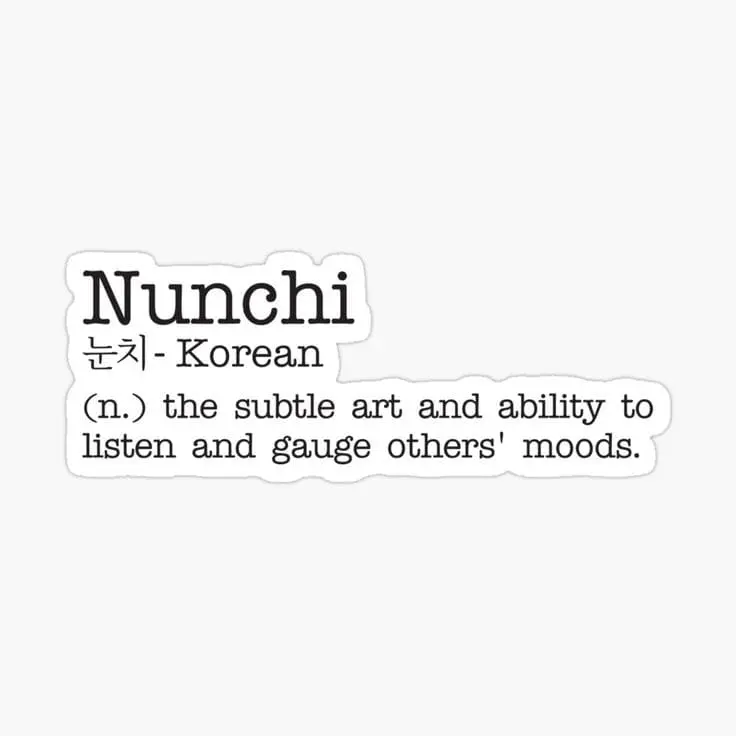
And yet, even in the most algorithm‑friendly clip, something real remains. You catch it in the way a practitioner presses a warm towel into the crook of your neck, in the pause between steps, in the unspoken etiquette of nunchi – the Korean art of sensing what someone needs before they ask. It’s beauty as intimacy, and intimacy is hard to fake.
It’s no accident that this pilgrimage trend is cresting alongside the wider boom in wellness tourism. From Swiss longevity clinics to Japanese onsen towns, people are travelling not just to see, but to be transformed. K‑beauty’s version is distinctly its own – not ascetic, not purely medicinal, but sensory, layered, and deeply social. You don’t just come home with smoother skin; you come home with content, proof of having participated in a global beauty moment.

Walking out of a clinic in Gangnam or a hanok spa in Bukchon, skin damp and warm from layered essences, scalp humming from herbal oil, you don’t feel like you’ve completed a service. You feel initiated. The jar of skincare in your carry-on isn’t just a moisturiser now – it’s a reminder, a portable fragment of a city where beauty is both ritual and currency.


