
Words by Anastasia Andriadi
Edited by Valerie Aitova

This figure represents the approximate number of podcast listeners globally, with 4.52 million podcasts available worldwide in 2025.
What started as a niche form of storytelling over 20 years ago has now evolved into a global phenomenon with an ever-expanding range of themes and voices. Podcasts have become ubiquitous; your favorite celebrities, avant-garde scientists, comedians, politicians, and maybe even your next-door neighbors are launching them now. Major streaming platforms are doubling down, betting big on the future of audio storytelling. Let’s explore how podcasting managed to break free from its niche origins to become a global fascination.
2003 marked the introduction of the RSS podcast feed by Dave Winer, which laid the foundation for the development of the medium. A year later, Winer and Adam Curry collaborated on iPodder, making audio content more accessible. Around the same time, the now-familiar term “podcast”, a blend of the words ‘iPod’ and ‘broadcast’ was coined by Ben Hammersley. At its dawn, podcasting remained a niche space with relatively narrow topics and limited reach, until everything changed in 2014.
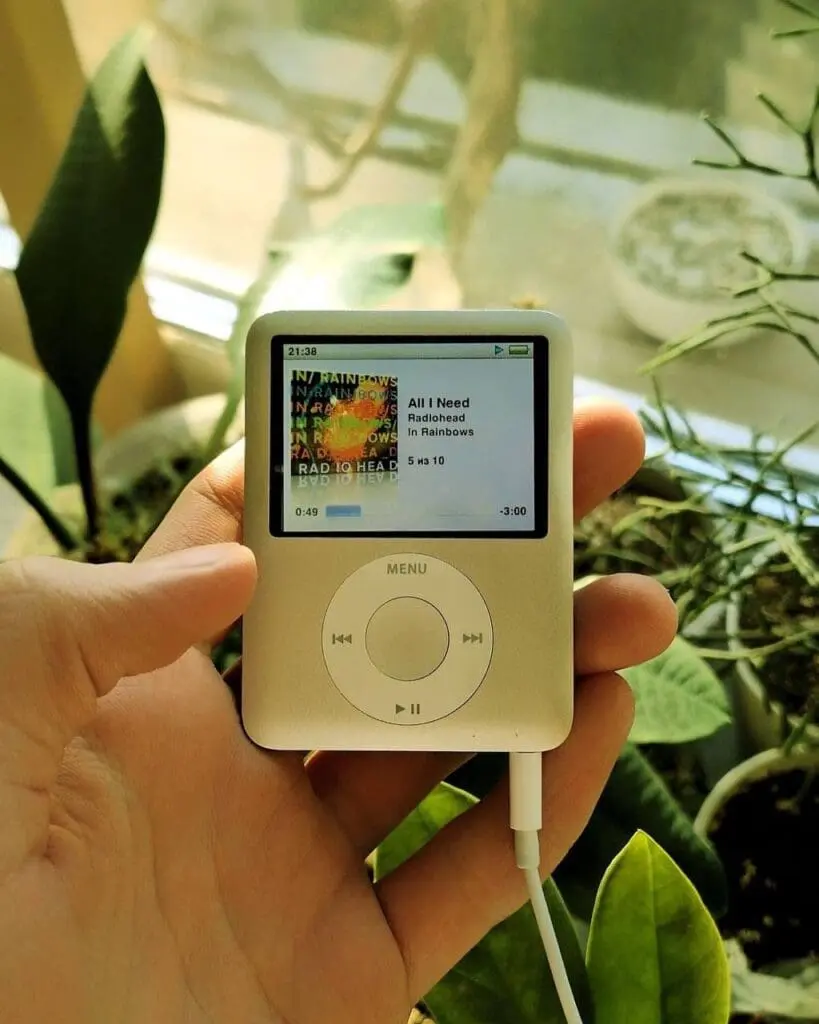
The release of the gripping true-crime weekly podcast Serial in 2014 heralded the medium’s pivotal transition from niche interest to a mainstream phenomenon. Its conversational style, real-time unfolding of the story, and cliffhanger episodes captivated millions of users, turning it into one of the most popular podcasts worldwide. That same year, it broke iTunes records, surpassing 5 million downloads and streams, creating a milestone in podcasting history. The unprecedented success of Serial paved the way for future breakthroughs in the industry.
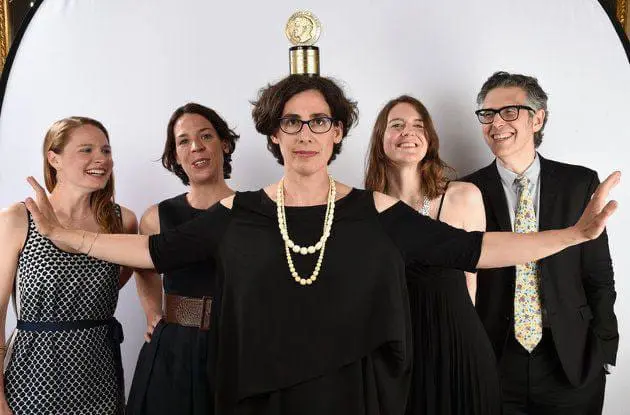
Even more than a decade later, true crime continues to be one of the most beloved genres, with shows like Crime Junkie and My Favorite Murder topping the charts worldwide. A playful stereotype even emerged: women enjoy listening to true-crime podcasts while getting ready.

As is commonly said, behind every joke lies a grain of truth. This lighthearted stereotype may reveal one of the core reasons why podcasts have gained popularity recently: convenience.
In today’s fast-paced world, when people have to juggle countless tasks and interests, multitasking has become essential. Podcasts offer a perfect solution. You can listen to a well-narrated episode while commuting, preparing dinner for your family, or simply winding down. They allow people to stay productive, keep up with trends, and to dive into something that interests them.
The conversation stretches far beyond true crime. Leading scientists, philosophers, experts in their fields, and celebrities are common guests. The content is overwhelming: from dietary recommendations and productivity hacks to tips for reading people’s minds and even stories uncovering the most intimate details of the celebrities’ private lives.
For instance, listeners might hear Arthur Brooks, a Harvard professor and best-selling author, discuss ways individuals can enhance their happiness based on recent scientific research – and then hear their role models reflect on the very same topic in another show. In this way, the medium builds a bridge, providing free access to the brilliant ideas of leading scholars from the world’s top institutions as well as the wisdom of remarkable figures from all social backgrounds. Never before has learning been so widely attainable for such a broad audience.

This reach extends far beyond cultural or geographical boundaries. Podcast popularity is truly international, with LEGEND (France), Nadie Sabe Nada (Spain), Raj Shamani’s Figuring Out (India), and Daebak Show w/ Eric Nam (South Korea) holding leading positions in national charts, as only a few examples.


With seamless integration into apps and the rise of YouTube video podcasts, which capture and transmit emotions as they unfold, the industry is poised for rapid growth and investment. Increasingly, public figures choose to attend podcasts to share their ups and downs, discoveries, or new projects to come.
Recently, world-famous singer and songwriter Taylor Swift announced her 12th studio album on her fiancé Travis Kelce’s podcast New Heights, which he co-hosts with his brother Jason Kelce.

This medium has become a kind of “safe space” for celebrities to open up and share their stories. Hours-long, informal, friendly conversations with hosts create a relaxed atmosphere, unlike traditional interviews with a list of leading questions sometimes designed to incriminate interviewees for the sake of provocative headlines.
Occasionally, celebrities who appear on well-known podcasts turn out to be longtime listeners themselves. With the intimacy that the podcasts offer, the distance between the audience and their icon diminishes, almost creating the feeling of being an actual member of the conversation. This cultivates a stronger sense of connection and bonding. The celebrity transforms from being a distant stranger in the spotlight to a close friend whose insights feel personal and relatable.
Moreover, listeners tend to choose podcasters who resonate with them, and after spending hours with their voices, the bond strengthens into credibility making audiences more likely to trust their words.
The trending podcast Call Her Daddy, hosted by Alex Cooper, has become synonymous with success in the industry, offering listeners raw and relatable authenticity through candid guest stories. Episodes have ranged from Dave Franco’s sex confession to Heidi Klum’s daughter revealing some of her mother’s intimate secrets. Traditional media outlets, on the other hand, have long struggled to capture the human, relatable side behind the “perfect” celebrity image.
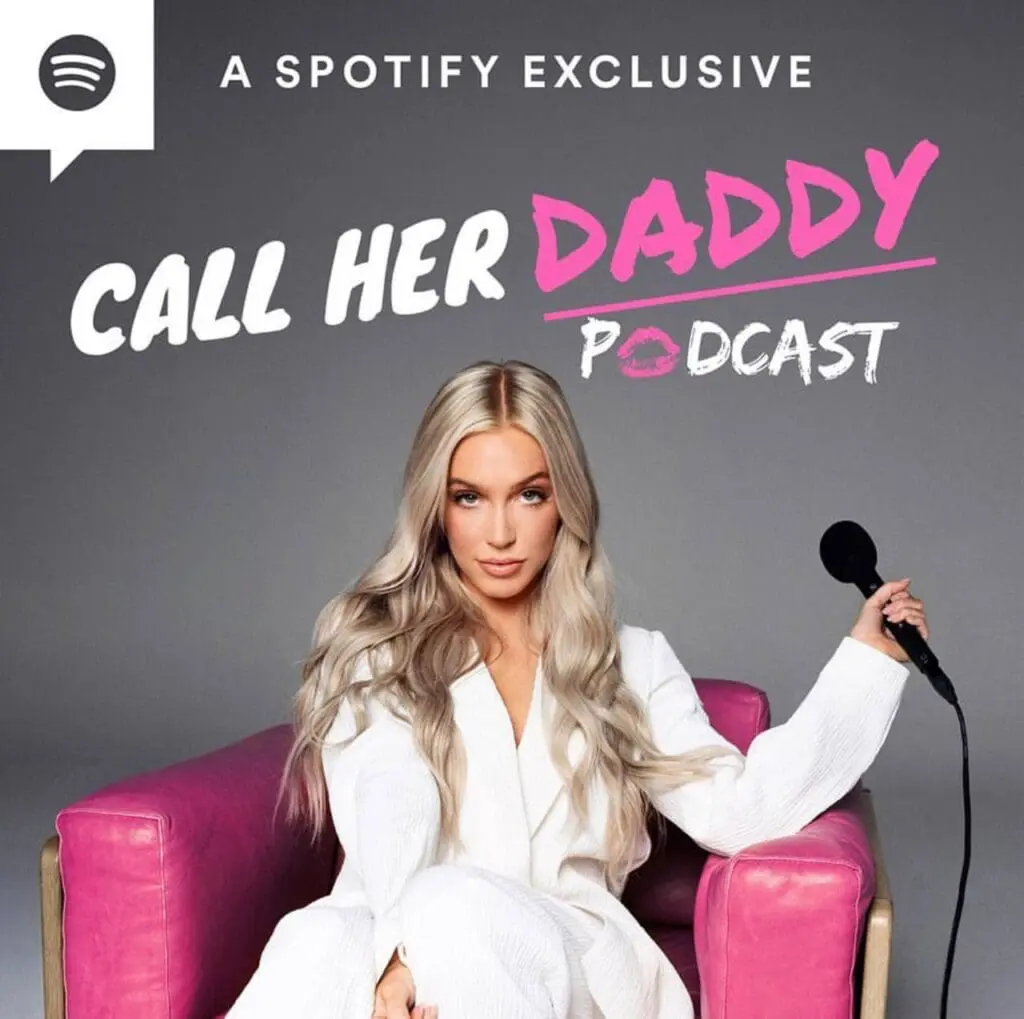
These days, A-list celebrities are not only appearing on podcasts but also creating their own. Oprah Winfrey, Khloé Kardashian, Dua Lipa, and the Cyrus family, to name a few, now host the shows that draw large audiences.
Lucrative opportunities and big-name talent continue to entice investors and aspiring enthusiasts excited to join the wave. Streaming platforms are signing million-dollar exclusive deals with chart-breaking podcasts in a bid to diversify content and expand audiences.
In August 2024, SiriusXM, the American broadcasting corporation, inked a multiyear deal worth $125 million with Alex Cooper, securing distribution and advertising rights for Call Her Daddy podcast as well as Unwell’s popular series of shows.
Meanwhile, Spotify – known for its exclusive podcast deals – paid out more than $100 million to podcast publishers and podcasters worldwide in the first quarter of 2025 alone, investing in both audio and video formats.
Saturation could be one of the major challenges. Not every podcast delivers equally good content or appeals to the same audience, yet standing out becomes more and more difficult. Even among top shows with international reach, a shortage of real experts and fresh voices becomes apparent. The same guest often cycles through different podcasts, leaving conversations feeling repetitive and worn out.
Hosting, too, is far from effortless. A host needs a specific set of skills to guide long conversations in a captivating way, keeping the audience engaged. Some manage to handle the task, while others gradually fade into the background, slipping down the charts. Even the celebrity status of a host is no guarantee of success.
Lastly, like any other enterprise, podcasting isn’t immune to competition. Short-form video apps like TikTok compete for the same attention, offering shorter clips from longer conversations. When audiences can get the revelation or the emotional moment in 60 seconds, many no longer feel the need to invest an hour in the full conversation-potentially undermining the very depth that makes podcasts unique.
Whether podcasts will continue to expand or collapse under their own weight remains to be seen. What is undeniable is that they have changed the way we learn, connect and consume stories and ideas.


