
Words by Anastasia Andriadi
Edited by Valerie Aitova
Your daily coffee order, your zodiac sign, your MBTI type – what do they say about you? In 2025, they might just define you.
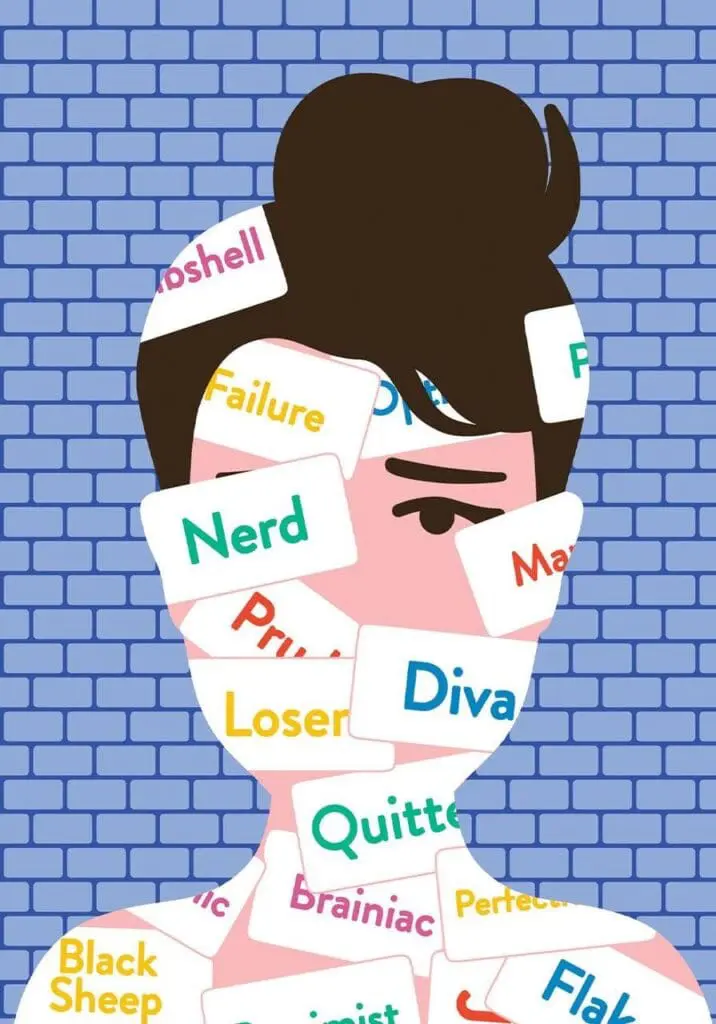
A mother, a friend, a doctor or a lawyer. An extrovert or an introvert. A Taurus or an INFP. The list of “labels” is infinite. In an age of constant scrolling and uncertainty, we are more eager than ever to sort ourselves into categories in search of clarity. However, in the process we risk reducing our originality to nothing more than a set of boxes defined by oversimplified narratives.
There is a thin line that falls between self-discovery and self-imprisonment.

Whether in the present day or centuries past, humanity has always sought to comprehend the unknown. Tarot readings, astrological predictions, and personality tests are not modern inventions. The history of tarot cards, for example, dates back to 15th-century Renaissance Italy, where they began as a card game, later gaining prominence in 19th-century Britain as interest in occultism grew. Yet, never before has the demand for such insights been as widespread as it is today.
What is different now is the scale. Technology has given these old traditions a second wind. Digital platforms have made it effortless for people to engage with personality tests, take an MBTI quiz, or check the daily tarot readings. Questions like “What is your moon sign or ascendant?” are no longer niche. Social media, particularly platforms like TikTok, has become the global tool for disseminating “divine” messages, attracting audiences across generations in search of empowerment and guidance.
Auto-play and algorithm-driven content fuel the popularity of these topics. The hashtag #tarotreading on TikTok has amassed over 7 million views alone. Watch one tarot reading out of curiosity, and the algorithms will offer more, sometimes pulling users into an endless loop of predictions. This effect is only amplified by celebrities’ involvement in the trend. In a recent “What’s in my Bag” interview for Vogue with world-renowned UK singer Dua Lipa, she pulled out a deck of tarot cards and admitted she uses them daily. Dua has openly expressed her belief in astrology and tarot on multiple occasions, igniting interest in the topic among her millions of followers.
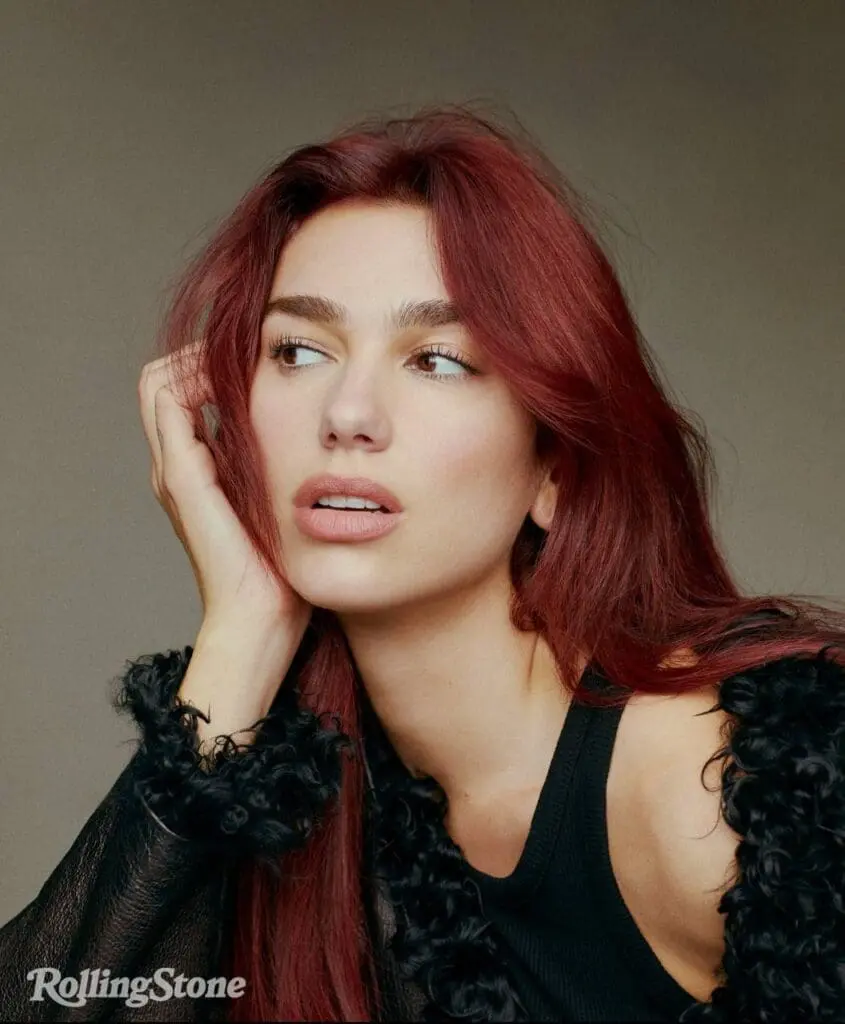
The fascination with celebrities’ “type” prompts users to search far beyond their own astrological placements and MBTI’s but also those of their favorite artists. Videos on TikTok and Instagram with tags like “Celebs with your moon sign” or “Actors with your sun sign” have flooded these platforms, creating a sense of shared identity with role models.
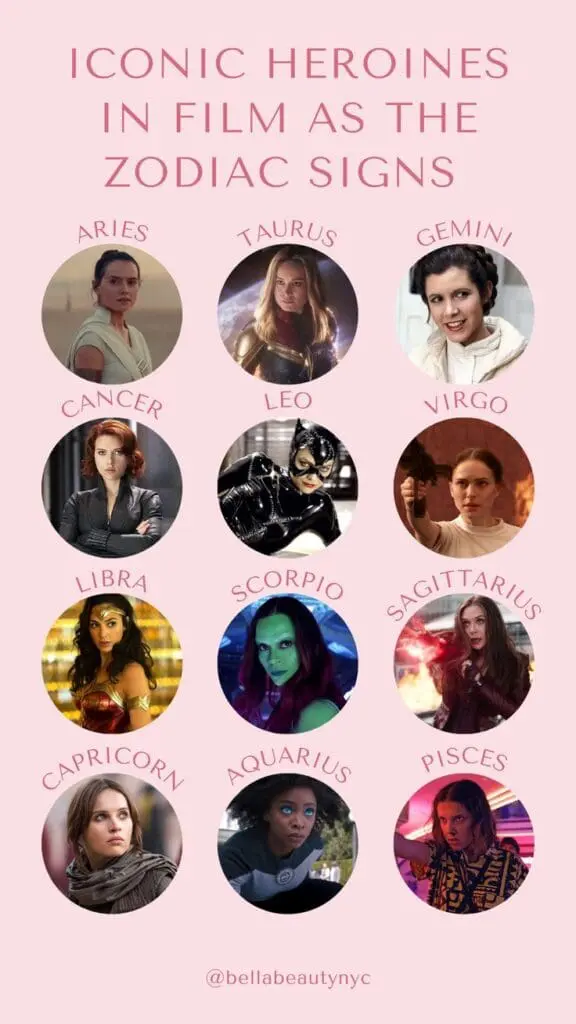
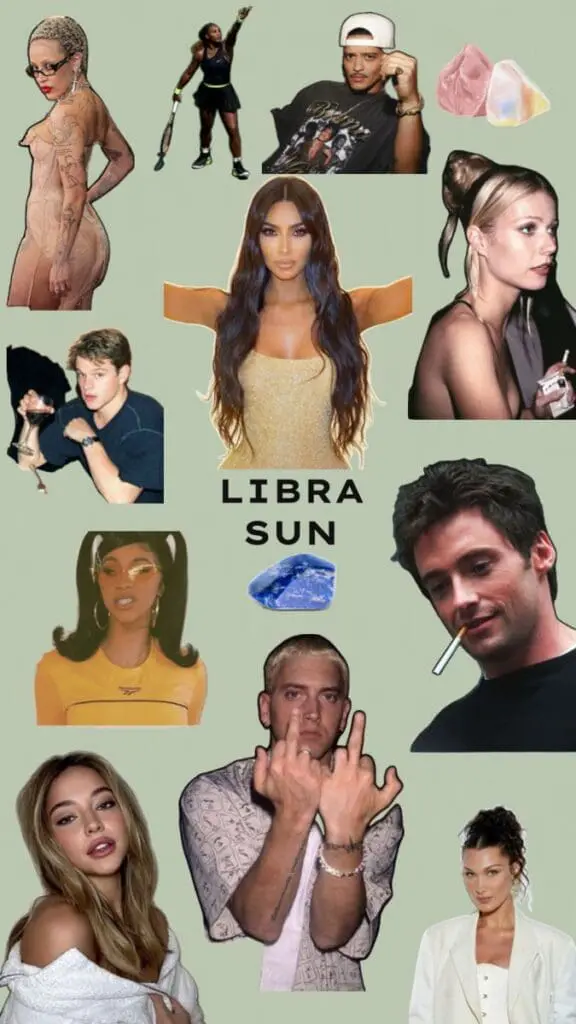
This “labeling” fever isn’t just limited to the entertainment industry and social media; it thrives in various environments, gradually making its way into the professional and corporate world through tools like the MBTI tests.

The origin of the Myers-Briggs Type Indicator, inspired by Jung’s work, stems from the 20th century and a desire to understand how people perceive the world and make decisions. It sorts individuals into one of 16 personality types based on four dichotomies.
Over time, the MBTI test has gained tremendous popularity to the point where some people believe their job prospects depend on their MBTI type. Employers all over the world began to group workers according to their MBTI results in an attempt to boost efficiency. Articles advising HR managers to consider candidates’ MBTI types have become widespread, especially in the USA. The complexity of human nature was thus reduced to a mere combination of four letters.
South Korea, where MBTI became a cultural obsession, shows how taking it too far could be self-destructive. Companies began to seek out MBTI types that were deemed “favorable”, neglecting those who didn’t fit into these categories, further intensifying the pressure to conform and undermining people’s sense of self-worth.
This isn’t just a Korean phenomenon – it is cross-cultural. The MBTI craze has spread across Europe, the USA, parts of Asia, and Latin America. People can check recommendations on “the best country” to travel for summer holidays or plan a perfect diet based on their MBTI test results. If you’re lucky, and your celebrity crush shares your type and takes MBTI seriously, you might just find yourself booking the same summer vacation destination as your icon. Celebrities’ MBTI types as well as their astrological charts are widely shared, offering a sense of connection and inspiration. Seeing a superstar with the same “type” achieve success might motivate their followers to reach similar heights . ENFPs, for instance, can proudly count Jennifer Aniston, Tom Holland, Tyler, the Creator and many other remarkable figures among their ranks.
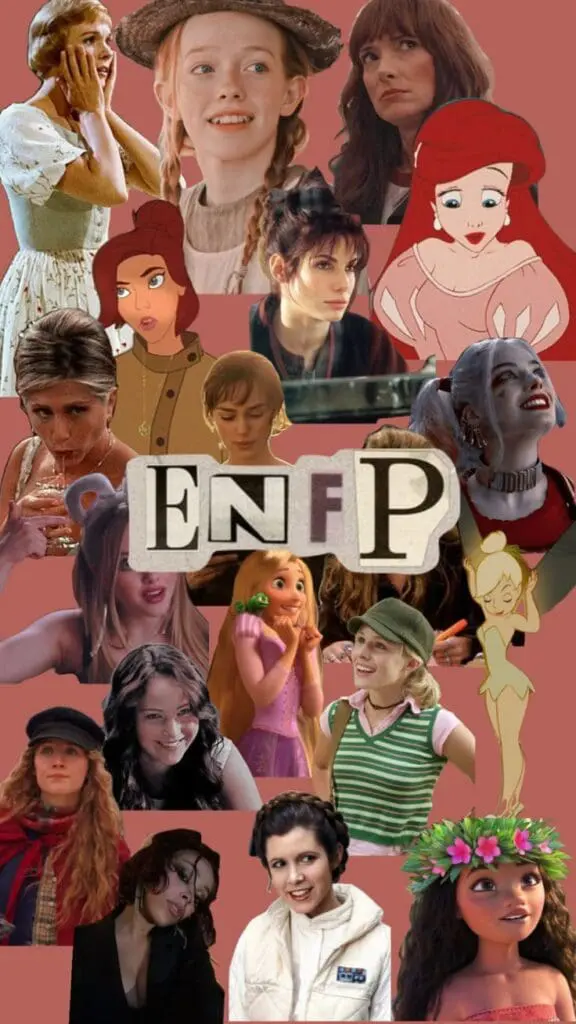
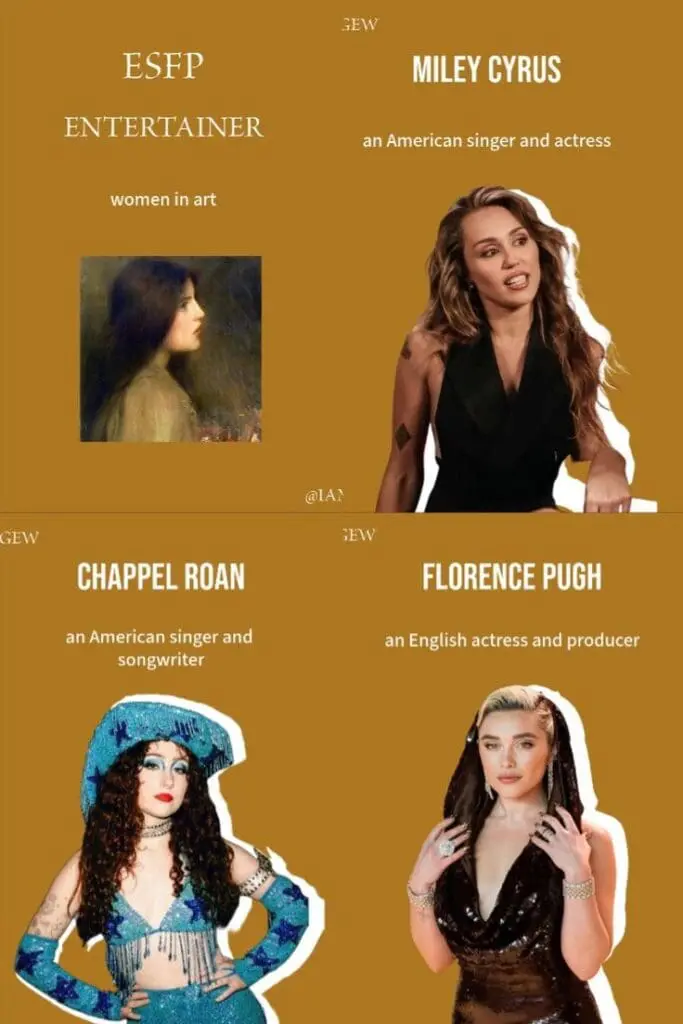
Searching for your “type” has become a worldwide pastime. No matter our age or culture, the idea of understanding ourselves a little bit more – finding a “key” to life – always seems appealing. The internet and social media provide a perfect ecosystem for these phenomena to flourish.
Furthermore, this “labeling” impulse is evolving beyond traditional personality analysis. In fact, it has reached a point where people are artificially creating labels for themselves, especially on platforms like TikTok – terms such as “clean girl,” “it girl,” “almond mom” or “Golden retriever boyfriend” are now in circulation.
These labels offer a kind of identity shorthand; it is easier to say “I am a clean girl” than “I like minimal makeup, Pilates, and sleek buns.” Such umbrella terms suggest specific behaviors, styles, and narratives, which are immediately understood and create a sense of social bonding but leave little room to step outside the anticipated image.
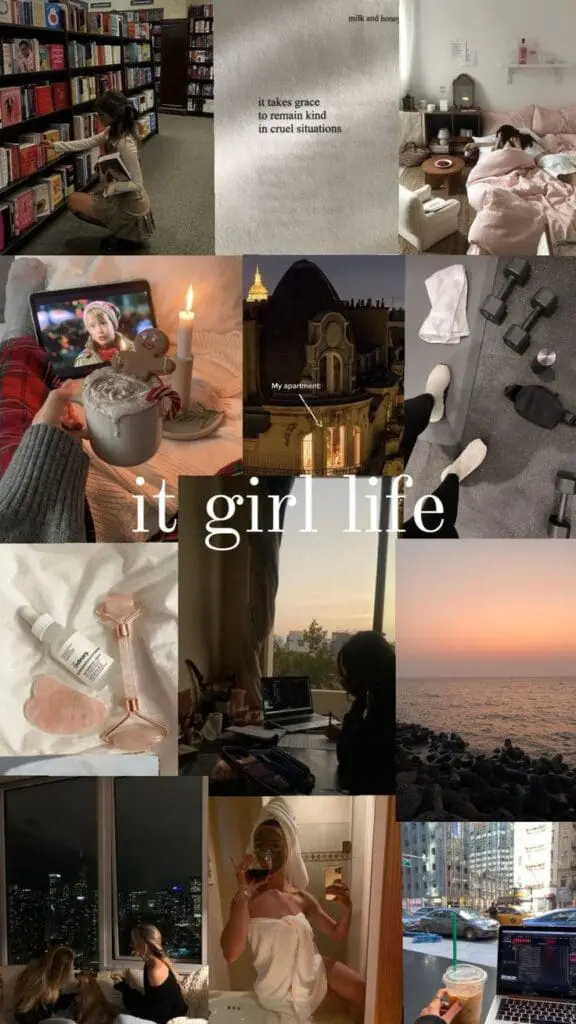
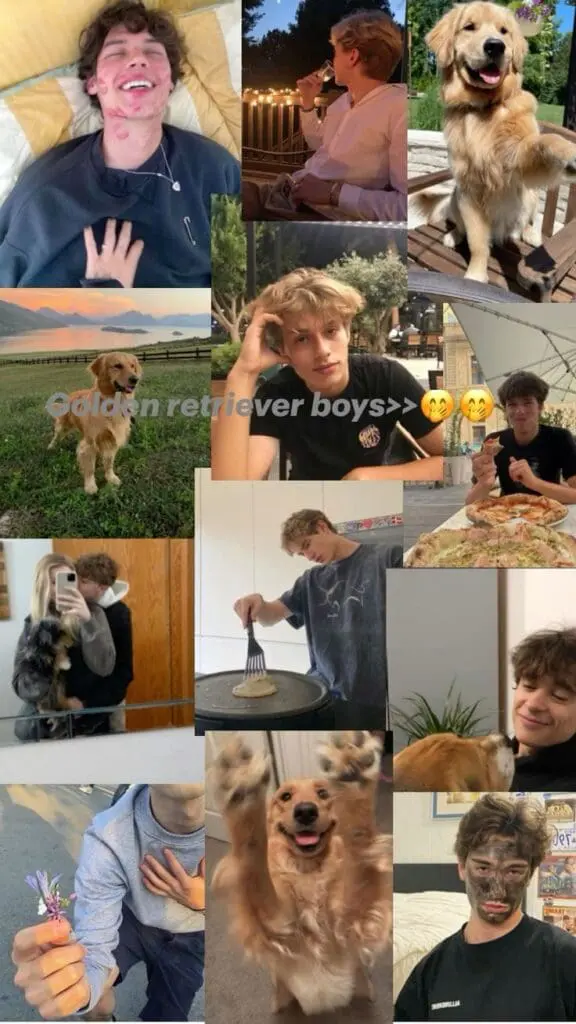

While these trends carry the risk of over-reliance on labels, they can also be used constructively. This is exactly where a mindful approach becomes essential. Labels can serve as springboards on a journey of self-discovery and transformation.
Ask yourself: “What about this label feels true to me, and what doesn’t?”
“Why am I drawn to a certain aesthetic or lifestyle?”
“Does it reflect my authentic self?”
This approach turns labels into stepping stones rather than walls. Thus, the insights you gain could guide you towards your goals, liberating you from narrow definitions of a single concept.
“Labeling” as a way to grasp one’s identity or find answers to the unknown can certainly offer solace, reassurance, and guidance. Your birthday might hint at personality traits, but it’s only a small piece of the puzzle that makes you who you are. The challenge is to avoid crossing that fine line between self-discovery and self-imprisonment and boxing yourself into a single “title”.
As we embrace those labels, let’s remember that we are not just a walking combination of letters and numbers. We are each a distinctive constellation of qualities that no single label could ever fully define.


