
Words by Valerie Aitova
Once defined by hustle, disruption, and the lingering scent of girlboss ambition, she now moves differently. She’s softer. More curated. Less about building an empire — more about embodying a world you want to enter. The product still matters, but now it’s wrapped in mood, intimacy, and aesthetic control. The business is inseparable from the woman. And the woman? She is the brand.
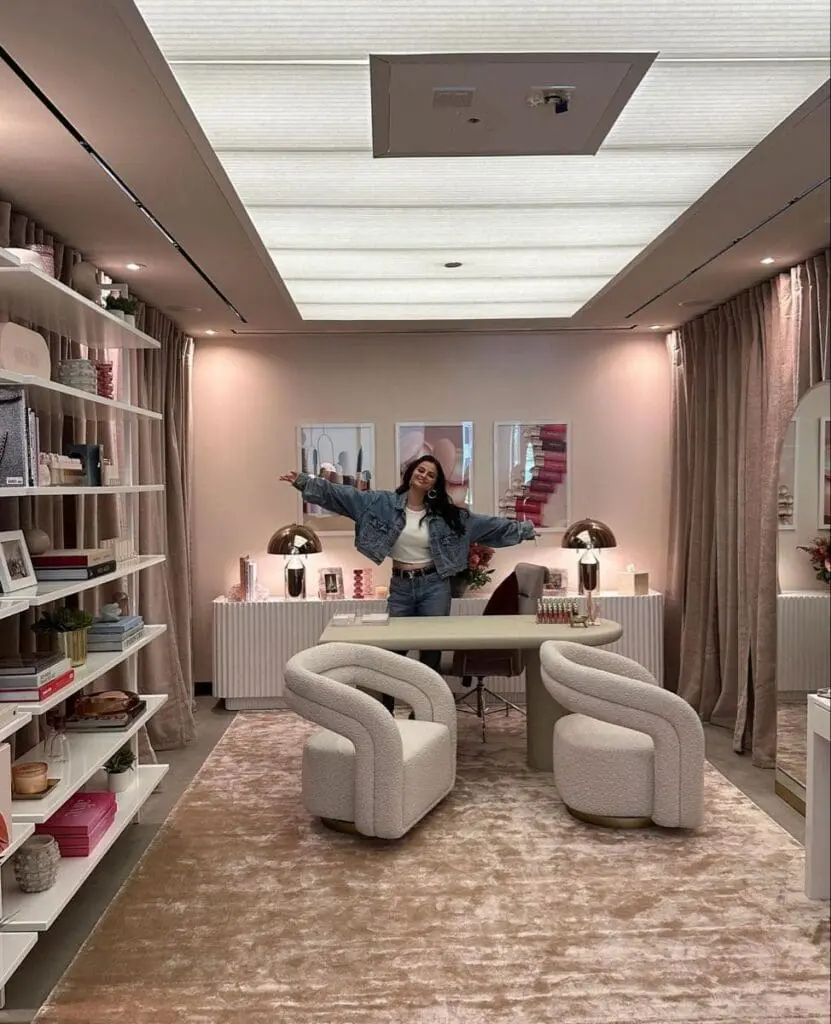
Hailey Bieber is a near-perfect example. Online, she’s all chrome nails, showing her glass skin morning routine. Her brand, Rhode, doesn’t just promise good skin — it offers a feeling. A life that’s moisturized, married, and never online enough to spiral. It fits neatly into the quiet fantasy she performs: minimal effort, maximum control. This is the new face of entrepreneurship. She doesn’t grind, she curates.
She doesn’t lead, she emanates — and that’s the power.
The brand visionary, once a girlboss in a power blazer, is now a fantasy in a slicked bun. Her product is just a portal. What you’re really buying is proximity to a vibe, a lifestyle, a woman who seems to have figured it out.
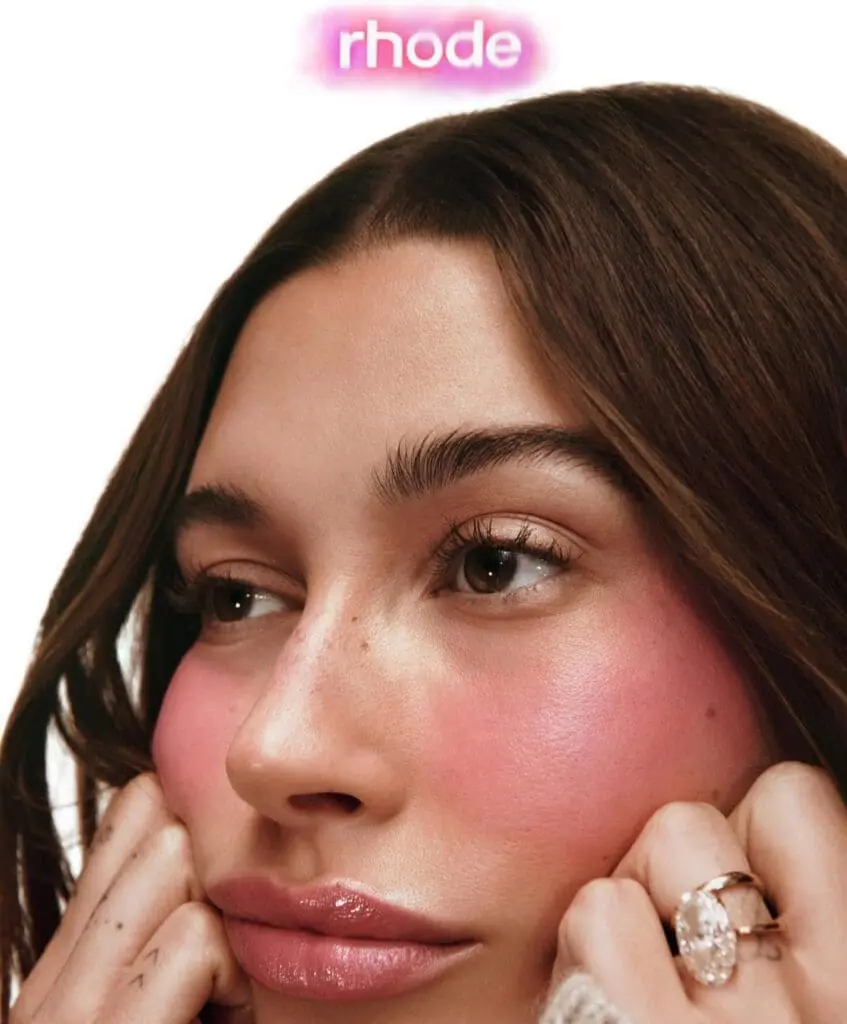
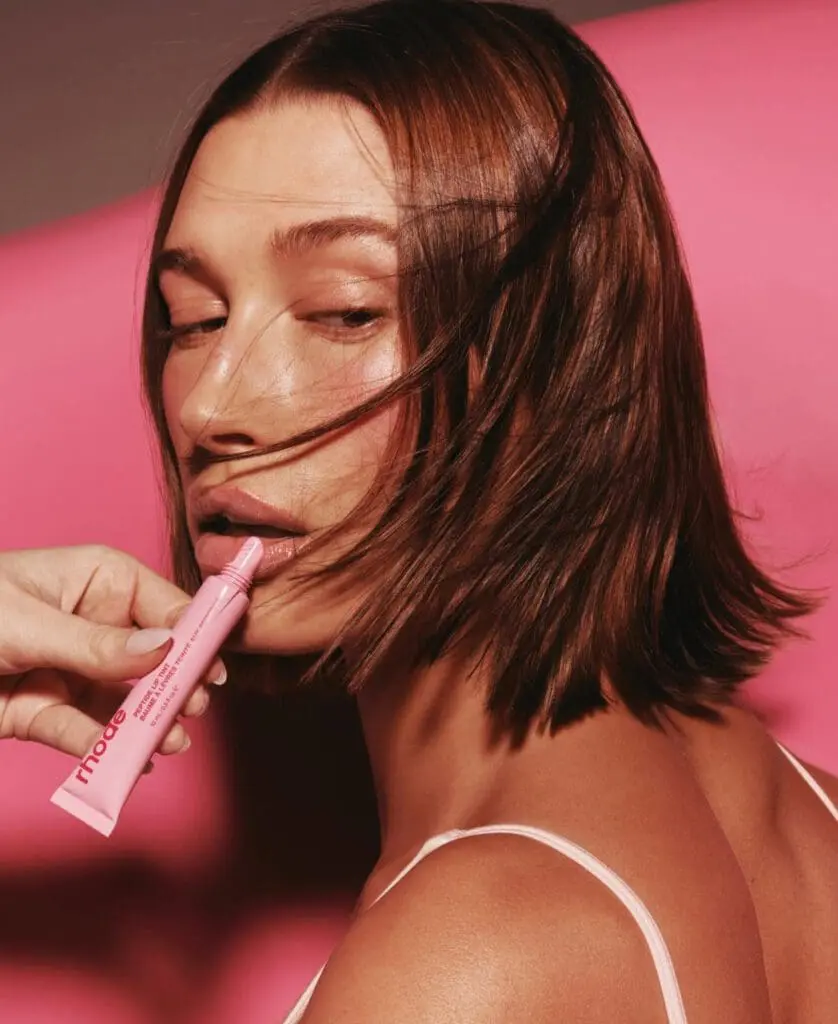
But this shift isn’t just aesthetic. It’s ideological. In an age burnt out on hustle, domination, and public-facing feminism, the myth of the emotionally attuned, impossibly elegant leader is thriving. Not because she’s real, but because we want her to be.
The roots of this archetype trace back to the wreckage of girlboss culture. The early 2010s sold us the founder as a hyper-capable warrior — think Sophia Amoruso, Audrey Gelman, Emily Weiss. She disrupted industries, scaled startups, and posted infographics about her morning routine. But the image cracked. Accusations of toxic workplaces, aesthetic feminism, and performative empowerment pulled the mask off. The girlboss, it turned out, wasn’t the future. She was a brand of burnout.
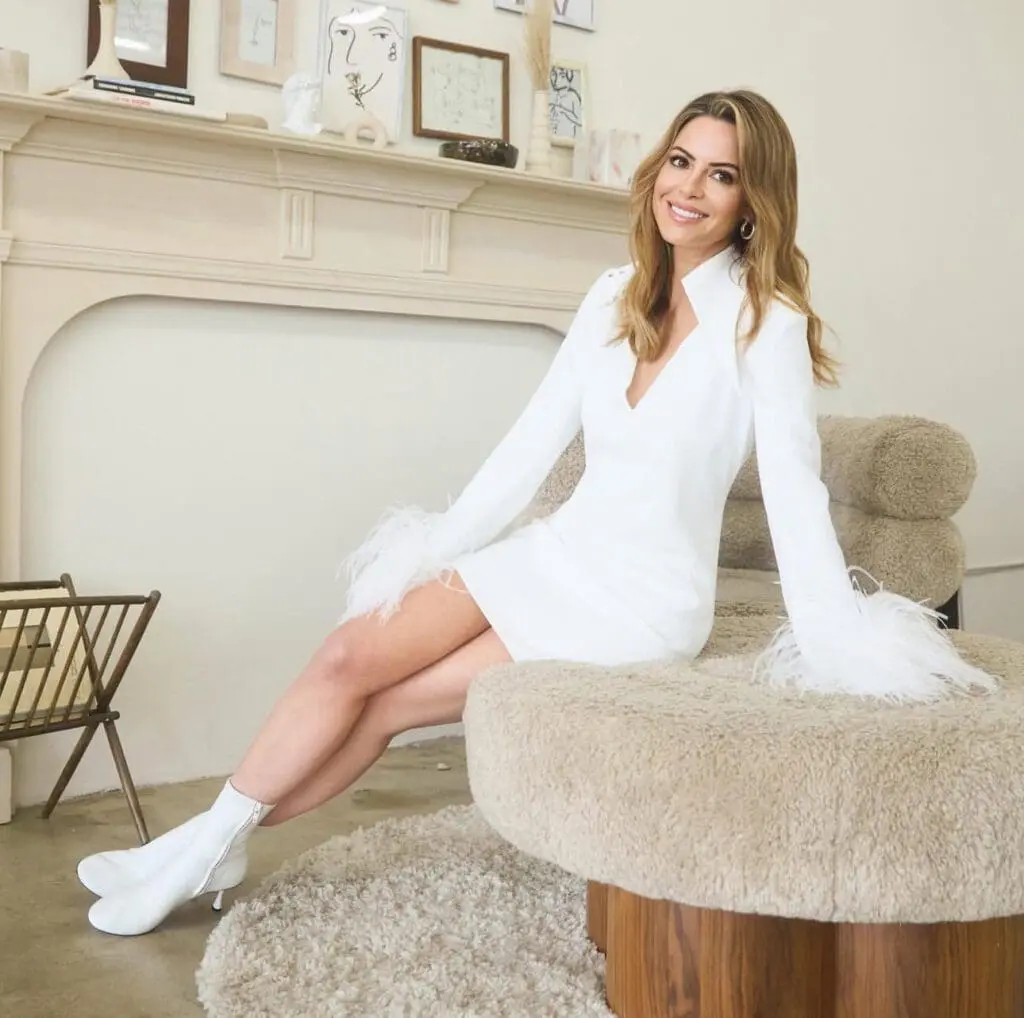
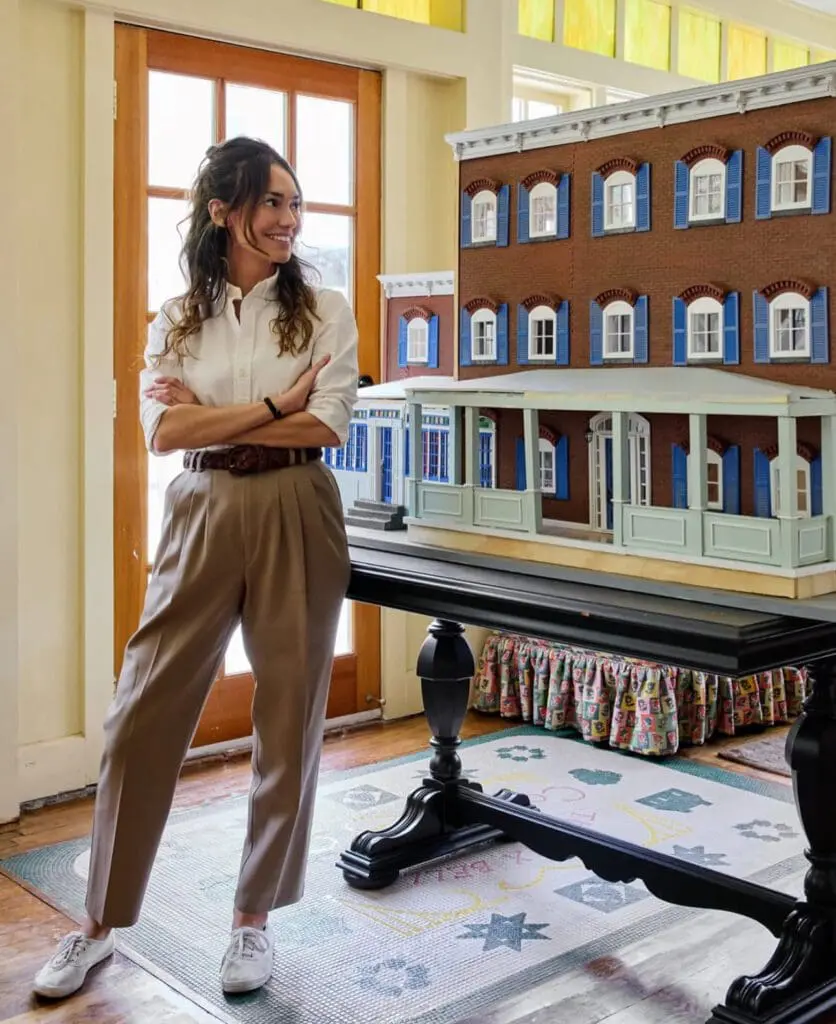
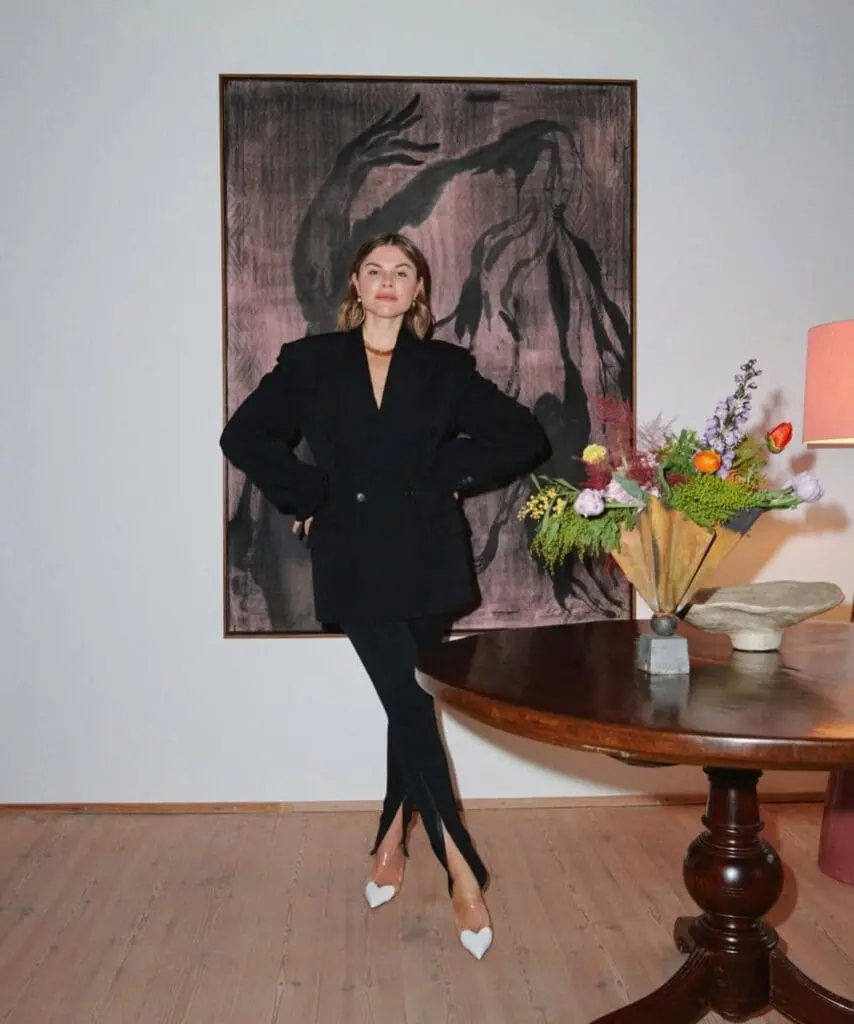
What replaced her was something more ambient. Less shouty, more emotionally optimized. Today’s founder doesn’t talk about building something bigger than herself — she is the thing. And the closer her identity aligns with her brand, the more powerful it becomes. Emotional capitalism, but make it pretty.
Sofia Richie Grainge doesn’t even need a product yet. Her social media virality, filled with neutral palettes, quiet morning content, and coded signals of wealth, has already built the infrastructure. If she launched a brand tomorrow, it would sell out on vibe alone. That’s how deep the fantasy runs. Her influence isn’t in what she says — it’s in how she makes people feel. Polished. Calm. Aspirational, but somehow accessible.

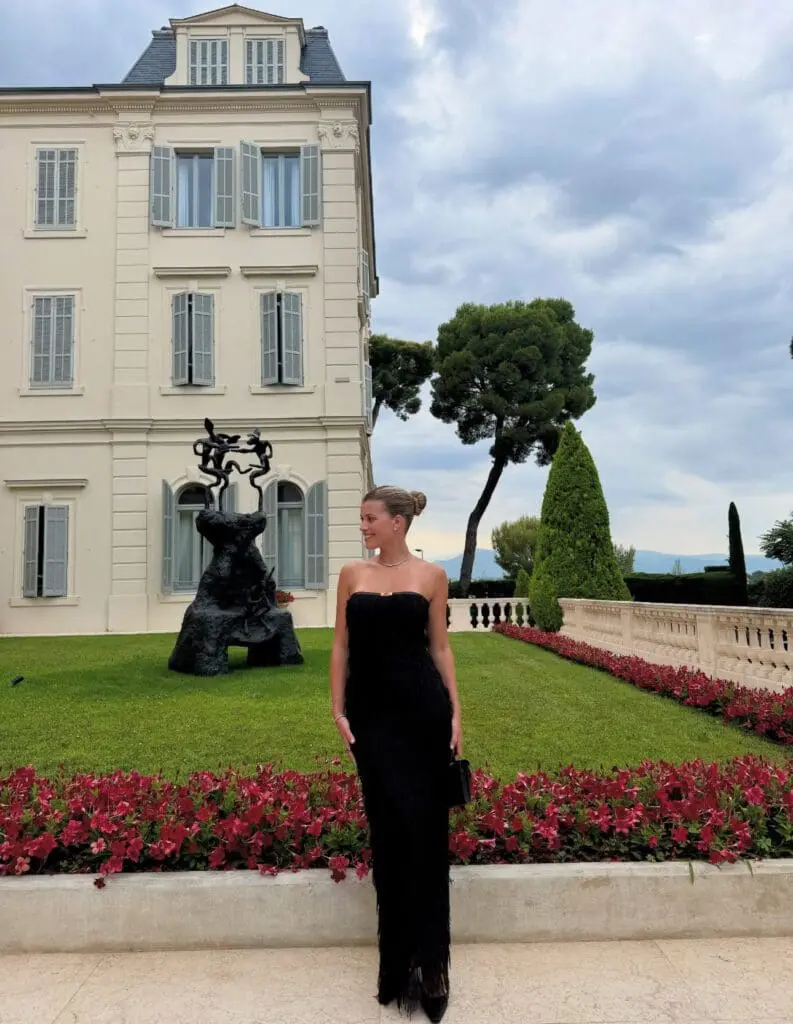
The same logic applies to Nara Smith, who’s gained a massive TikTok following for making scratch-made oat milk and perfectly plated breakfasts in soft, choreographed silence. She hasn’t released a product line either, but her brand already exists, somewhere between girlhood nostalgia, domestic fantasy, and aestheticized tradition. Like Sofia, she performs a life you can’t buy, but might still try to approximate — one pastel jar or moody recipe at a time.
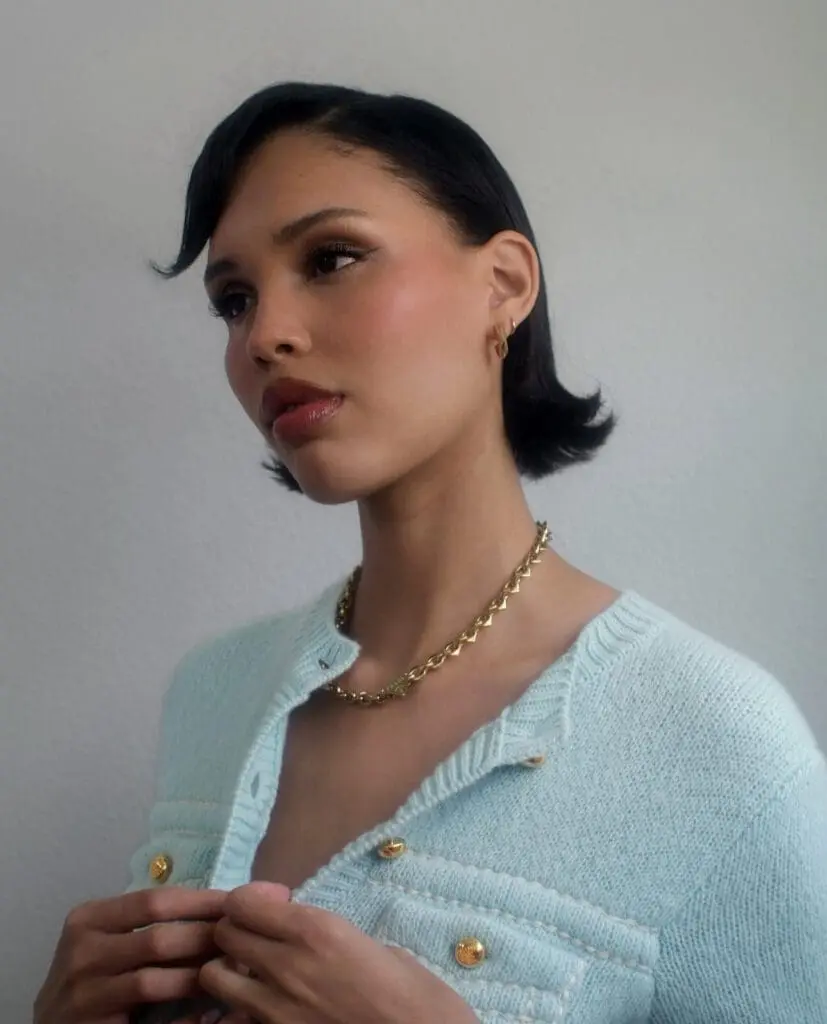

Kylie Jenner operates at a different register, but the mechanism is the same. She may have been part of the original girlboss cohort, but her recent shift toward toned-down elegance and vintage archival pulls shows a clear recalibration. Even her new product drops feel less like launches and more like lifestyle updates. The chaos is curated now. Still highly profitable, but wrapped in soft light and self-awareness.
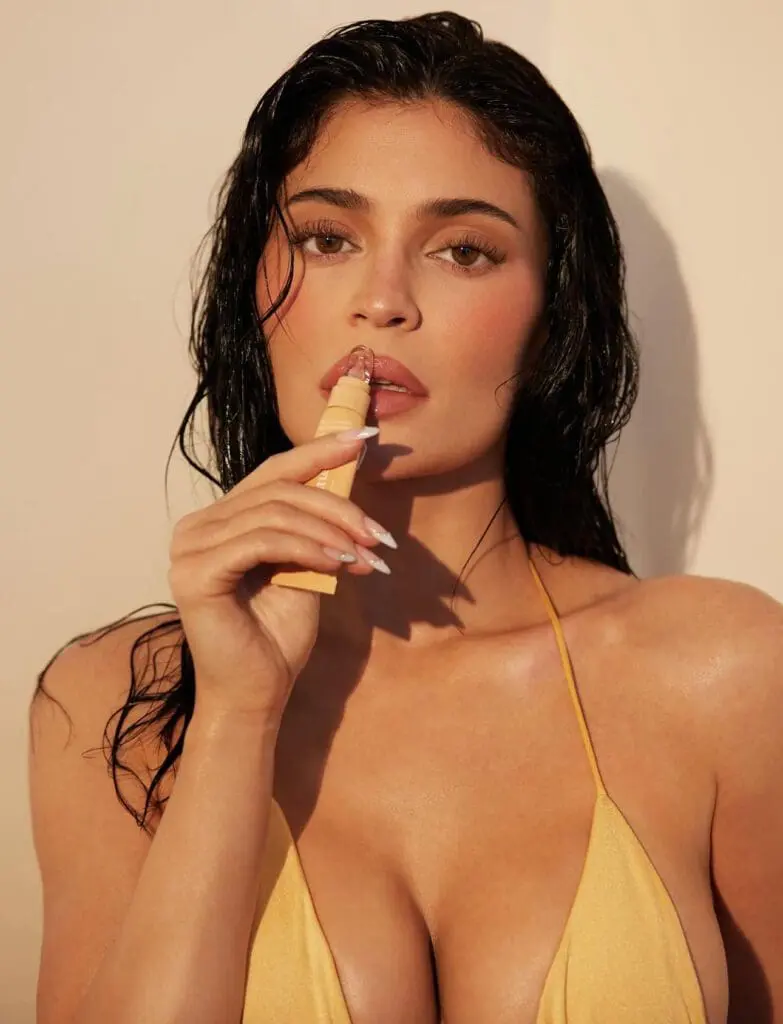
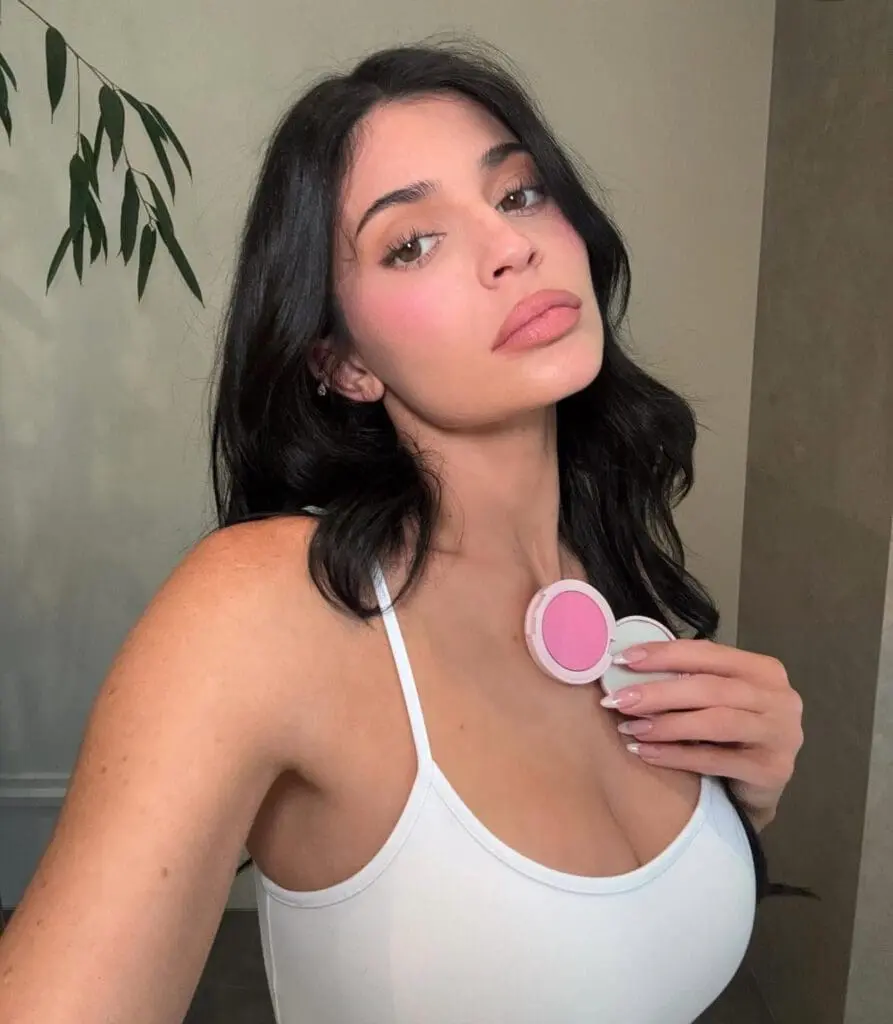
Glossy innocence, ballet flats, lipglosses. There’s a deliberate return to softness, and not just in aesthetics. These women aren’t commanding — they’re coy. They post blurry film photos of half-eaten breakfasts. They talk about rituals. They cry on camera, just enough to be real.
It’s a strategy that pulls from childhood signifiers while keeping a firm grip on adult authority. The lip gloss is pink, but the margins are sharp. Think of influencers turned entrepreneurs who wrap their branding in girlhood nostalgia: dewy skin, delicate fonts, hair ribbons, bedtime routines. It’s not the hardness of having it all, it’s the allure of having it just right.
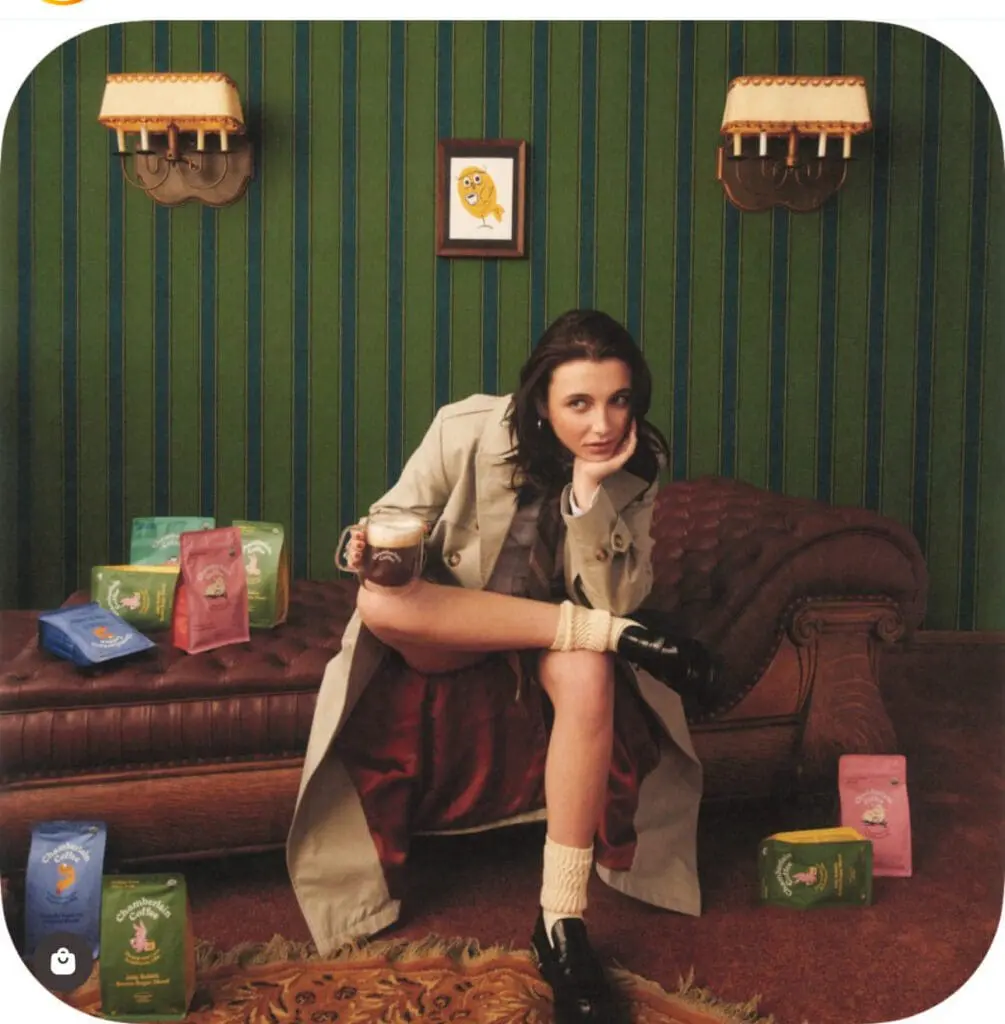
Take Chamberlain Coffee, launched by YouTuber-turned-cultural icon Emma Chamberlain. What began as an extension of her caffeine-fueled personality has since been rebranded into something softer, slower, and aesthetically coherent. It’s more than just coffee — it’s a lifestyle prop. Emma doesn’t need to hard-sell it, her presence does the work. Her followers aren’t just buying caffeine. They’re buying the illusion of balance, calm, and becoming someone who wakes up early without spiraling.

In this version of leadership, femininity isn’t a liability — it’s the product. Emotional transparency, softness, and a curated kind of vulnerability aren’t weaknesses; they’re strategic tools. There’s money in being delicate now, if you’re delicate in the right way.
The appeal of these women lies in their intimacy. They feel close. Their brands don’t promise transformation — they suggest you already have the life, and just need the lip oil to complete it. There’s no push, no pressure. Just the soft pull of emotional resonance and really good lighting.
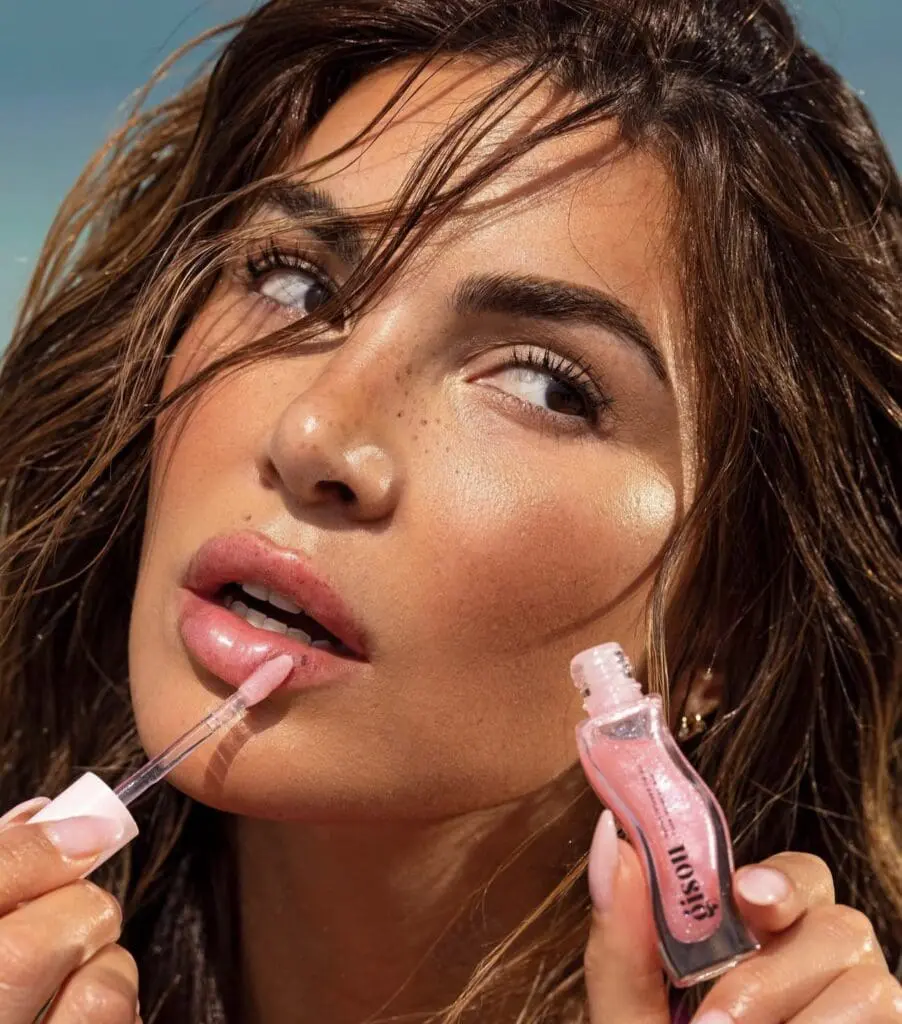
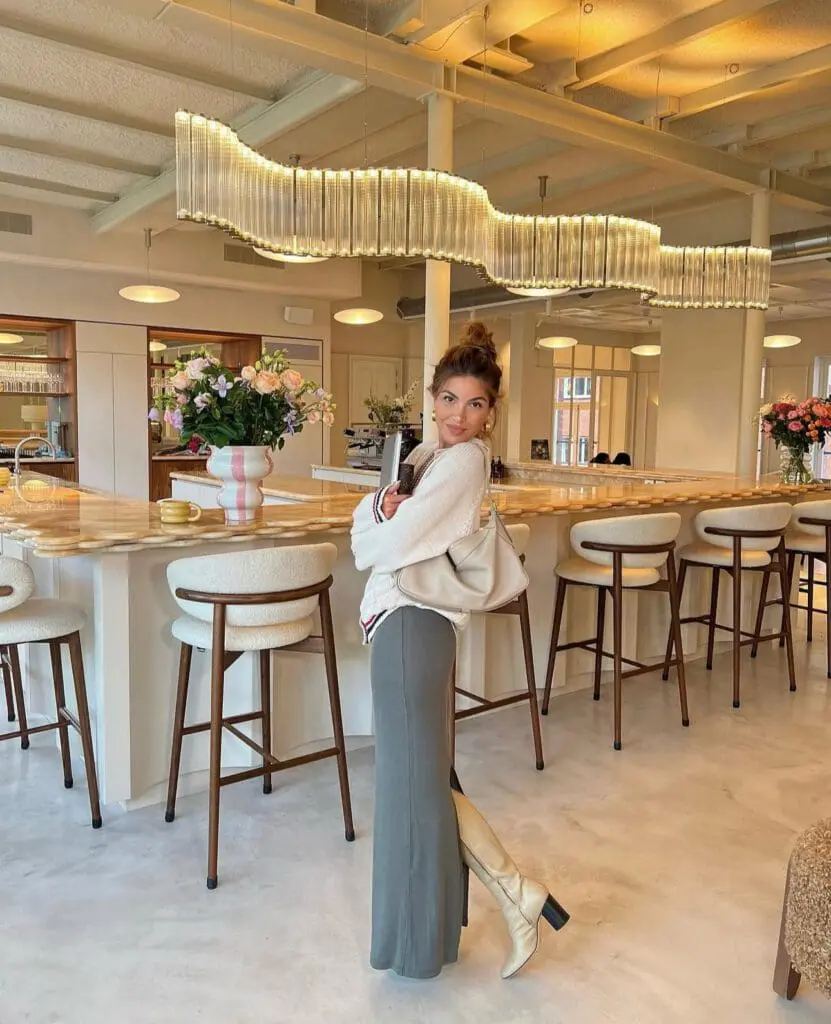
But even softness demands precision. To maintain the illusion, these women must remain flawless. There’s little room for contradiction, political mess, or bad angles. The myth only works if it’s seamless — which makes it powerful, but also precarious. A fantasy that’s persuasive precisely because it resists interrogation. It doesn’t ask you to believe in its success — it asks you to trust the feeling.


And that’s the real trick. Founding a brand today isn’t about starting a business — it’s about performing a self. One that’s polished, aspirational, and emotionally legible. One that makes people want to believe in you, and then buy the thing that brings them closer. Softness may feel intimate, but it’s still performance — and performance, when done well, sells better than any pitch. Because in this version of femininity, the glow is the message, and the girl is the campaign. In the end, it was never really about the product — it was about proximity to the curated perfection.


