
Words by Valerie Aitova
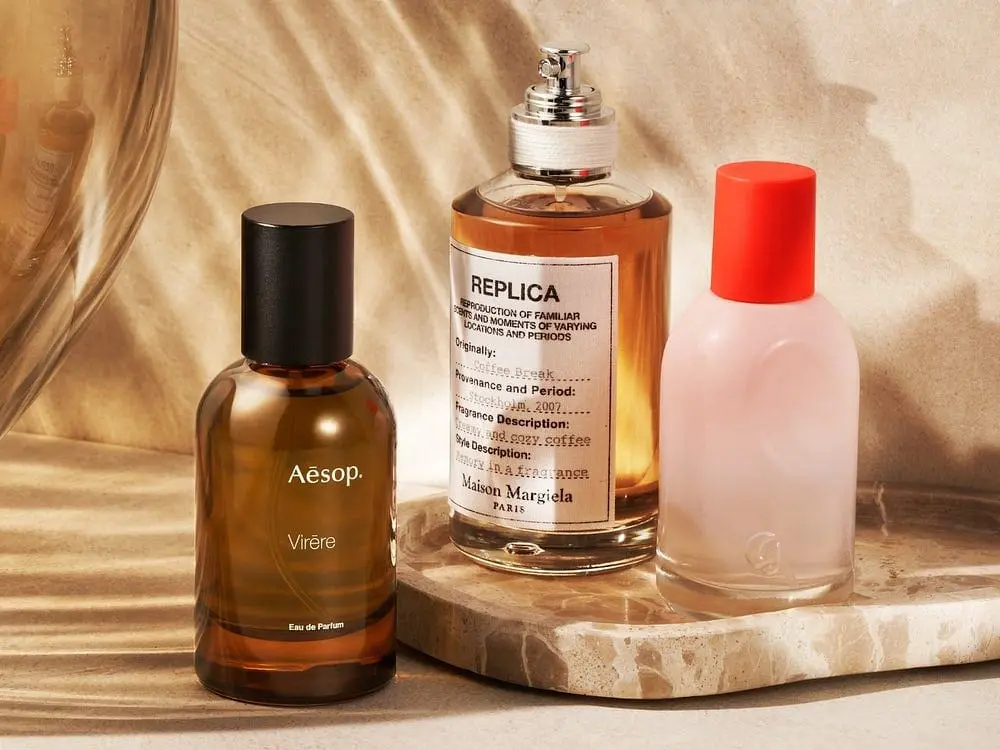
In an era where almost everything about us is visible, archived, and judged — where even rebellion can feel algorithmically packaged — scent remains deeply private. It can’t be filtered. And for Gen Z, it’s becoming the ultimate act of resistance.
Fragrance is no longer about smelling “nice” or seducing someone across the bar. It’s about aura, energy. And nowhere is that clearer than in the rise of genderless, conceptual perfumes: smoky, saline, metallic, strange. These scents don’t say man or woman, but instead whisper something more elusive — nostalgia, unease, intimacy, desire.
The binary-coded bottles of the 2000s are gone. The sugary pink florals for her. The sharp woods and spice for him. Gen Z grew up questioning those categories — gender as a box, identity as a checklist. So it makes sense that fragrance would follow.

Perfume has become a kind of wearable protest against categorisation, against legibility. A wearable manifesto.
Bottles now look like sculptures.
Scent notes read like poetry.
The formulas are abstract and dissonant.
Because that’s where Gen Z lives: in between. Not this or that — something else entirely.
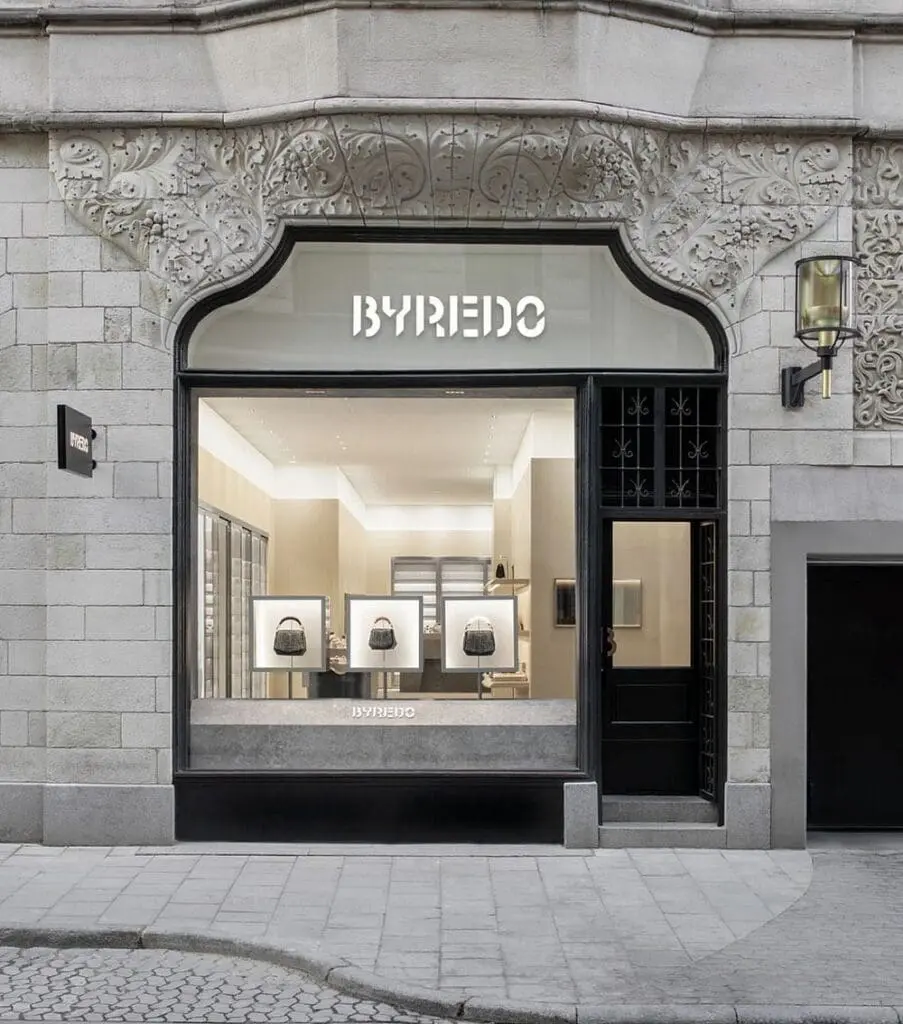
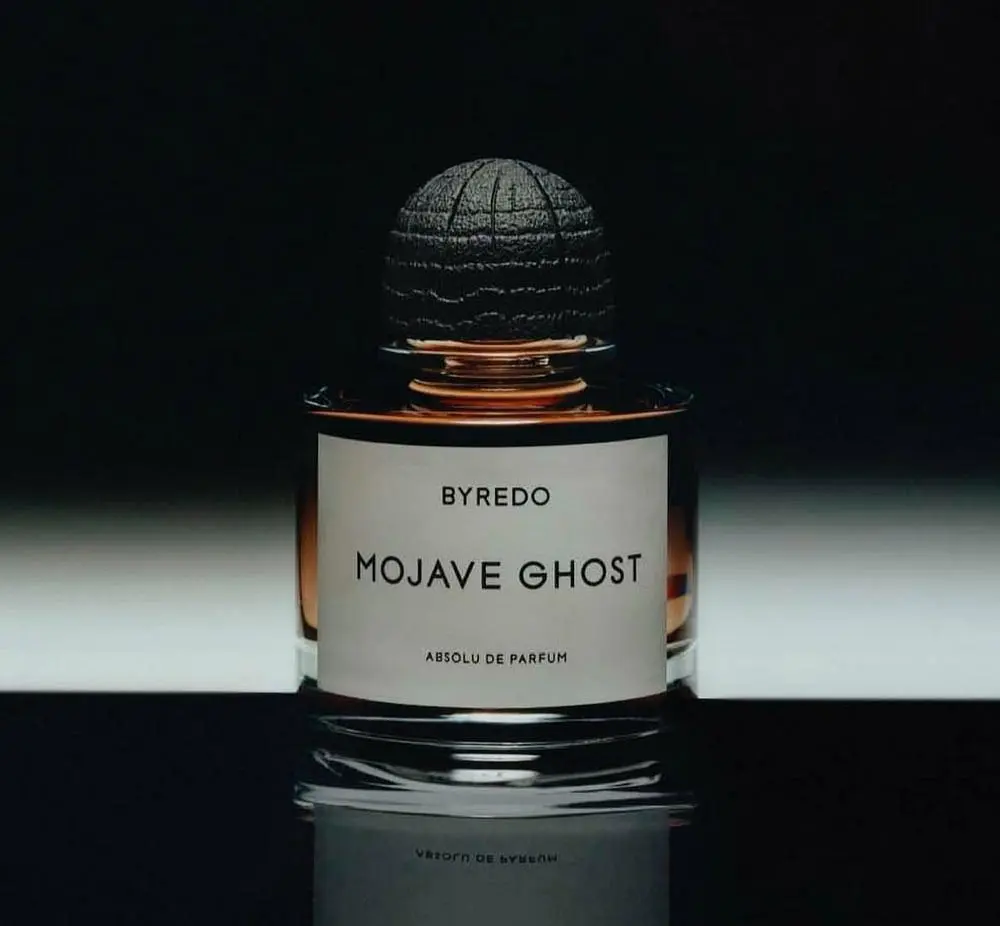
Byredo is one of the brands leading this shift.
The once-indie Swedish label has grown from cult favourite to global player without losing its edge. Since its $1 billion acquisition by Puig in 2022, the brand has doubled down on what made it magnetic in the first place — scent as mood, memory, and myth.
In 2024, they reimagined their bestseller Mojave Ghost as Mojave Ghost Absolu, an intensified version that dials up the translucent florals into something more haunted, more ambiguous. More ghosts than desert.
It’s not just a product move — it’s a signal. That emotional resonance, sensory abstraction, and unplaceable nostalgia are the new luxury. This is perfume that doesn’t sell seduction. It sells ambiguity. It sells feeling.
This is a generation fluent in the language of fluidity. They don’t want to be defined by labels, least of all by fragrance. Perfume is now a kind of aesthetic resistance — an invisible art form that refuses to play by the rules. The new icons of scent aren’t hearts and musks — they’re electricity, dust, metal, vinyl. Intuition over identity. Mood over marketing.
And it’s not just Byredo. The fragrance underground is expanding — slow, strange, and deeply felt. Brands like D.S. & Durga, Le Labo, 19–69 and Maison Margiela are building scent as world-building: ozone and vinyl, church incense, lazy Sunday morning, a library in a city you’ve never been to. These aren’t perfumes that try to be pretty — they try to be something else entirely. A glitch. A dream. A place.

What unites them isn’t just mood or memory — it’s the refusal to explain themselves. These scents don’t say for him or for her — they just are. Le Labo’s Santal 33 became a cult favorite not by leaning into gender, but by sidestepping it entirely. Maison Margiela’s Replica line bottles moments, not people. 19–69 leans into cultural references, not binaries.
Maybe genderless fragrance isn’t even the right word anymore. Maybe it’s post-gender. Post-language.
Maybe it’s just scent — finally freed from the performance of being one thing or the other.
Because if identity is a fluid performance, then scent is its ghost.
Fleeting, intimate, and impossible to categorise.


