
Words by Valerie Aitova
In an age, where brands are often treated as the assets to be bought, sold, and scaled – a powerful shift is quietly taking shape, and it’s one that’s been gaining attention across global media. Founders are stepping back in, reclaiming not just their companies but the vision, authorship, and emotional texture that made those brands matter in the first place.
This isn’t just a business trend. It’s a cultural correction. A reclaiming of voice in an era of sameness: algorithmic aesthetics, generative polish, boardroom filtering. A pushback against the smooth, soulless branding that tries to mimic authenticity without ever really feeling it.
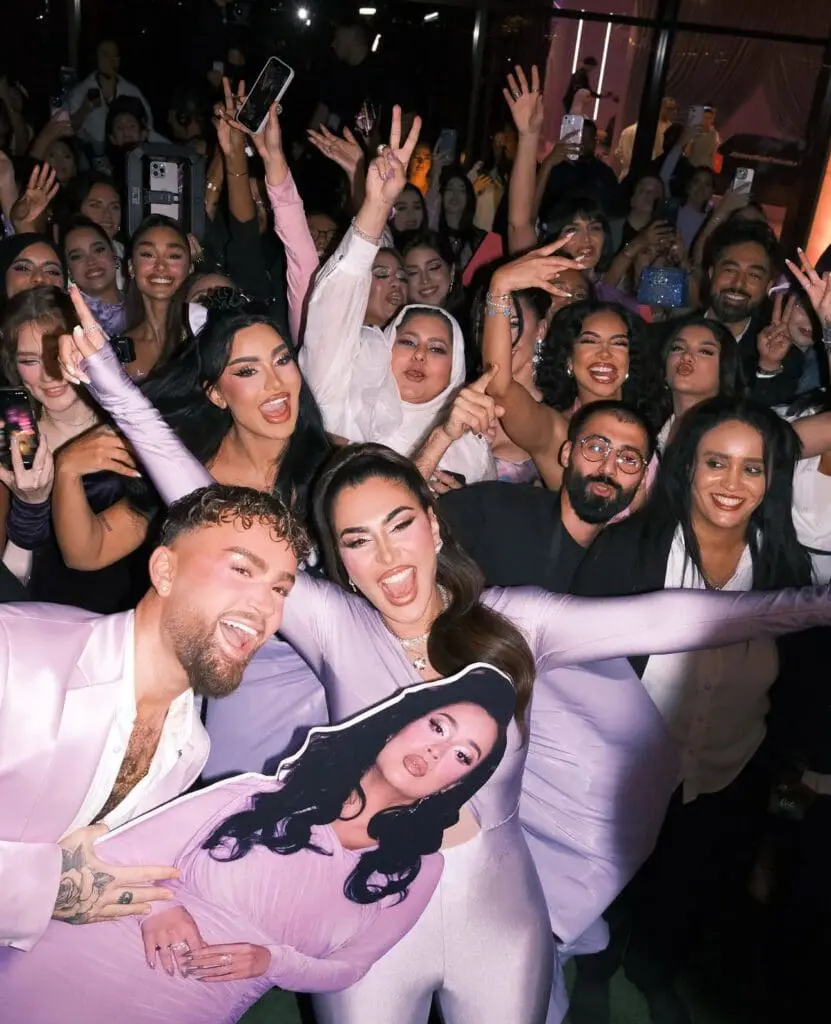
Take Huda Kattan, the makeup artist and beauty entrepreneur, recently reacquired a significant stake in Huda Beauty after years of shared ownership with an investment firm. After years of shared ownership with an investment firm, she recently reacquired a controlling stake – not to doubling down on business expansion, but to narrowing the focus, regrounding the brand in what made it iconic: her aesthetic, her voice, her obsessive attention to product and storytelling. Creative control, for Kattan, means creative clarity. And in turn, that means loyalty from an audience that feels seen.

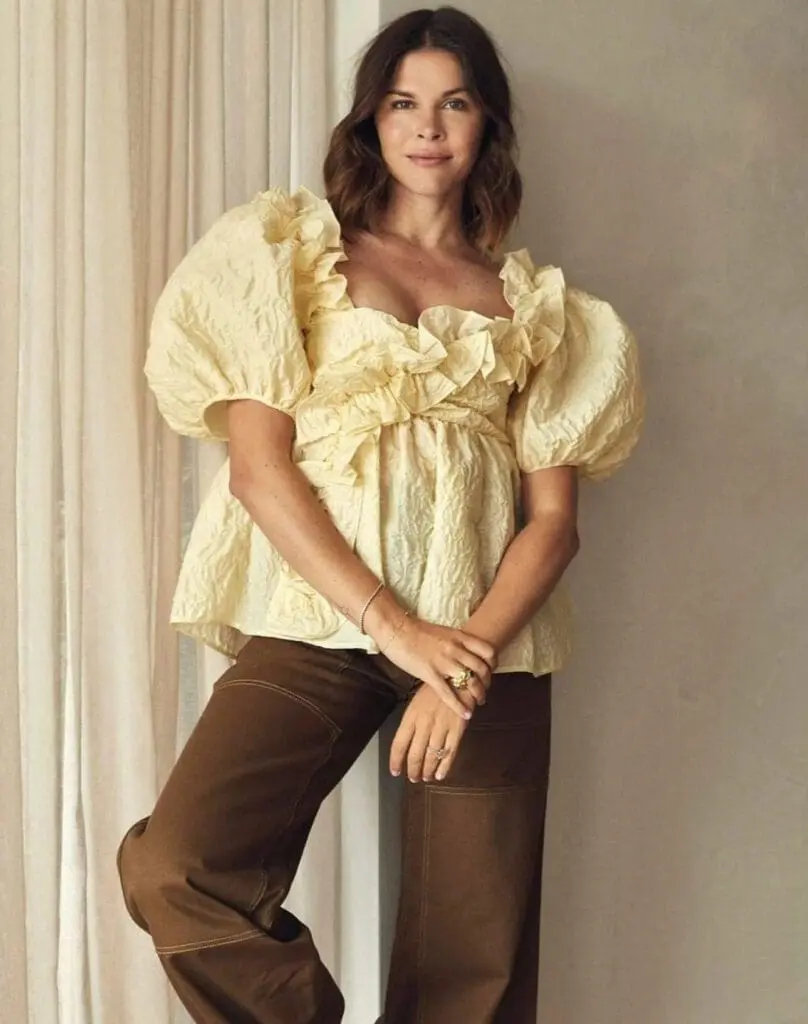
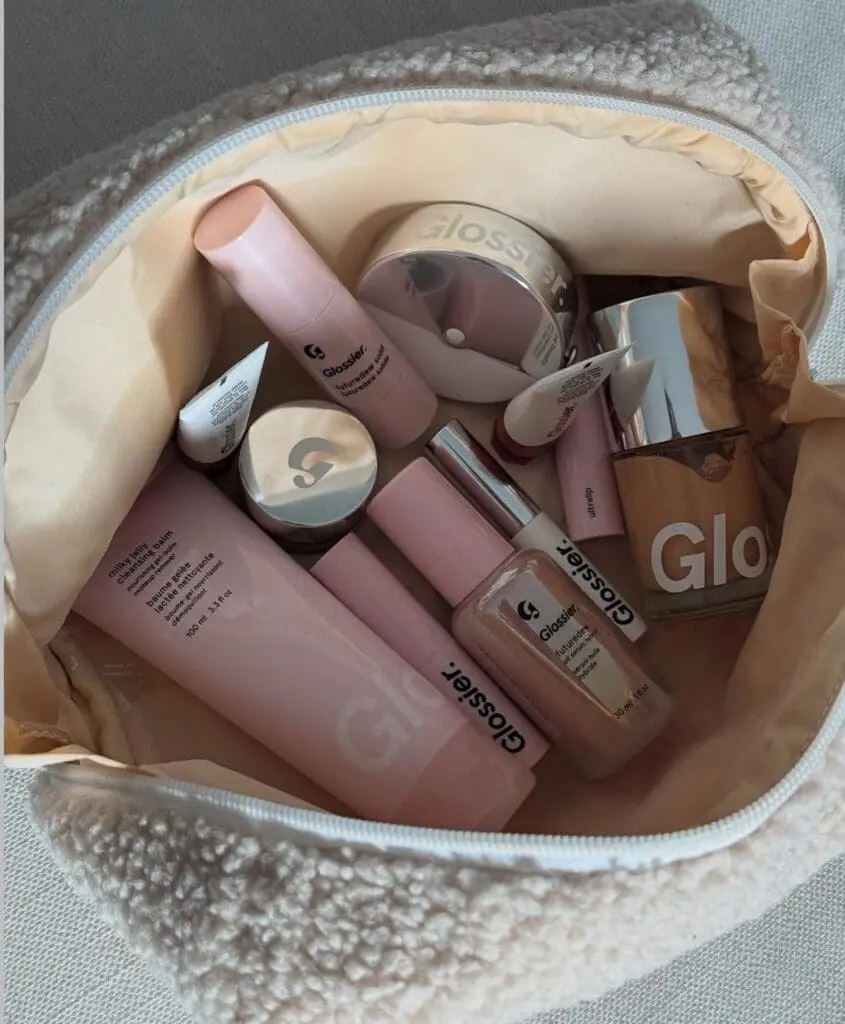
Similarly, Glossier’s Emily Weiss has returned to a more involved role at the brand she founded after stepping back as CEO. After a turbulent stretch of layoffs and missteps, Glossier felt like it was drifting. The connection was fading. But with Weiss reasserting her creative influence, even from behind the scenes, the tone has shifted. She may no longer be the face of every launch, but her fingerprints are in the brand’s storytelling, tone, and strategic choices. It’s a reminder that in founder-led brands, identity isn’t something you can systemise. It’s personal.
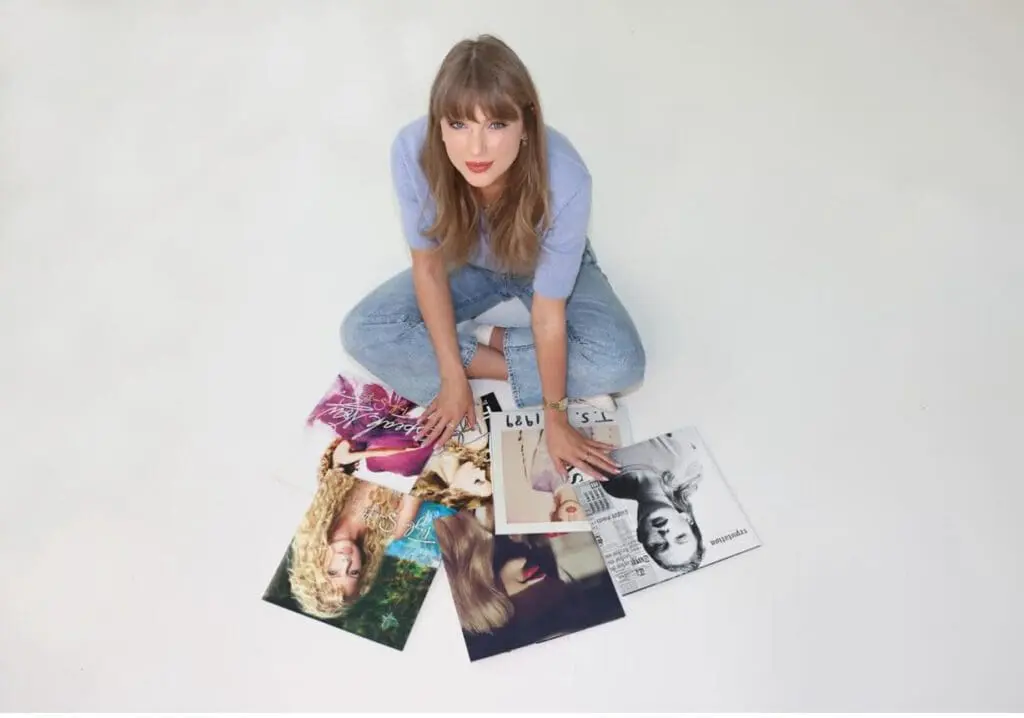
Meanwhile, in the music industry, Taylor Swift offers a particularly striking example of creative reclamation. After losing rights to her master recordings, she re-recorded her four early albums from scratch, rebranding her legacy on her own terms. It wasn’t just a power move; it was a masterclass in creative control. Years later, she completed the arc by buying back the original masters, securing full control over the work that launched her career. Her case has become a defining moment in conversations about intellectual property, showing that ownership in the creative industries isn’t just about contracts – it’s about voice, authorship, and power.
Across these industries, from beauty and fashion to music and digital media, the pattern is clear: founders are stepping back into leadership not just to protect their legacy, but to preserve the core of what made their work matter in the first place.
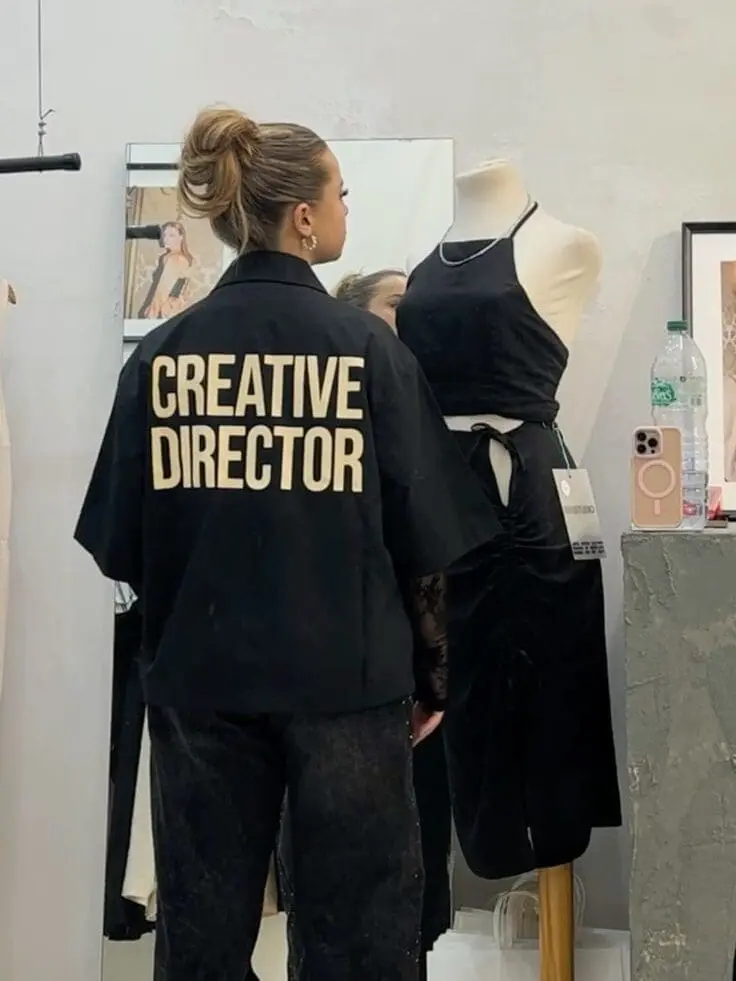
Partly, it’s exhaustion. With the templated, smoothed-out, post-acquisition versions of brands that end up looking and sounding the same. In sectors like beauty and fashion, where the founder’s personality, their story, their taste, their fingerprints on every detail – isn’t just branding. It’s the brand. Without it, all that’s left is product.
But more than that, it’s a response to something deeper: a cultural hunger for something real. People want to buy from someone – not something. They want to feel like there’s a person behind the brand who cares, obsesses, dares.
Gen Z especially has made this clear:
we’re not buying aesthetics anymore. We’re buying alignment.
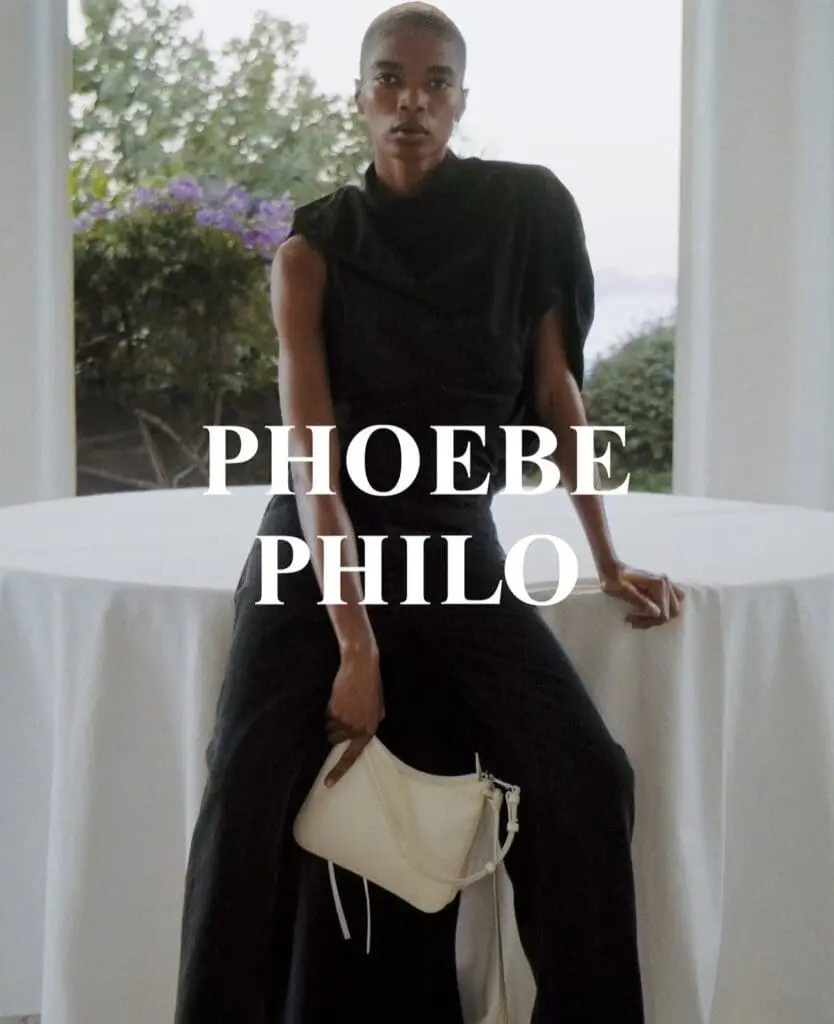
After years of silence post-Céline, she returned not with a nostalgic reboot, but with her own label – her name, her pace, her rules. No influencers. No runway shows. No seasonal pressure. Just clean, uncompromising fashion made for a very specific woman. The drop sold out in hours. Not because it followed trends, but because it didn’t. It was about trust. Trust that what Phoebe makes will always be true to her.

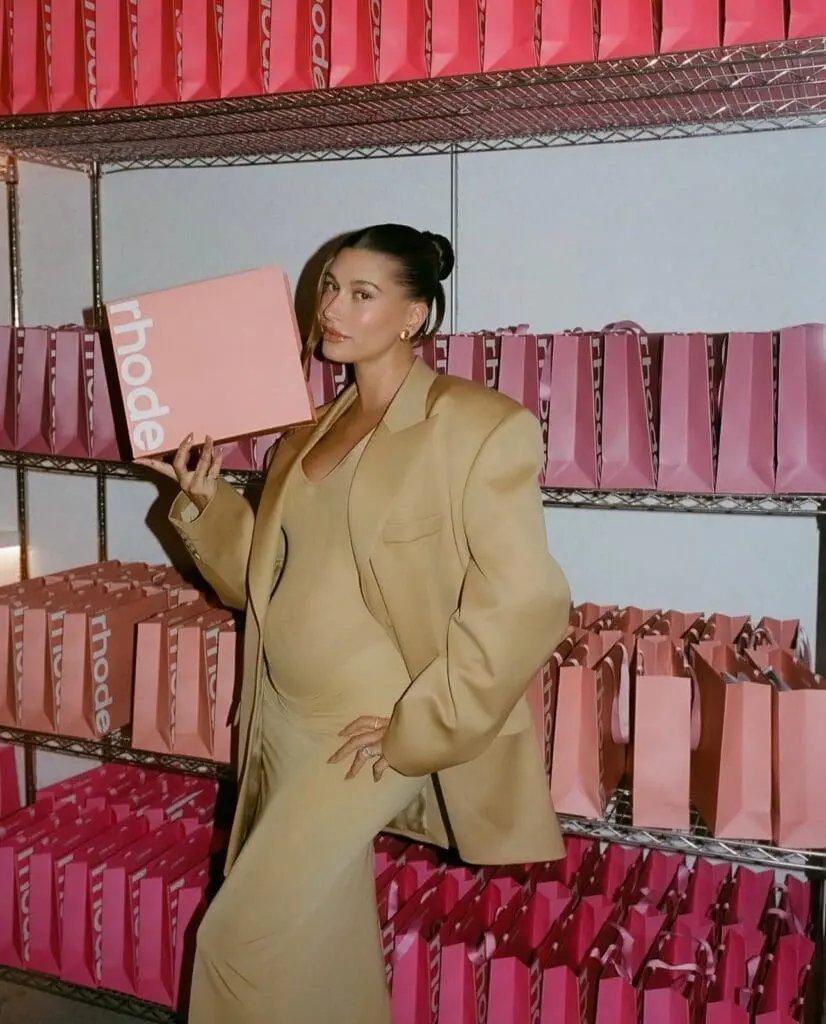
Even brands that haven’t fully changed hands are beginning to reshape how founders operate within corporate structures. Hailey Bieber’s Rhode, acquired by e.l.f. Beauty in a billion-dollar deal is a standout. Despite the buyout, Bieber retained complete creative control: from innovation to marketing to vision. She isn’t just the face of the brand. She is the brand. And e.l.f. knows that.

This signals a larger shift in how we define value. For a long time, the playbook was: build it, scale it, sell it, exit. But today, the long game is different. Longevity isn’t about scaling fast. It’s about building something with staying power; and that power usually lives in the hands of the person who started it all.
More than anything, it shows that creative ownership is no longer a luxury. It’s the strategy. And founders are showing that protecting their vision isn’t about ego — it’s about equity. You can’t license identity. You can’t fake obsession.

And for consumers, that makes all the difference. In a marketplace crowded with auto-generated visuals, derivative launches, and corporate polish, the most meaningful brands are the ones that feel alive. Intimate. Obsessed over. Not because a team of consultants said so, but because you can sense someone real behind the curtain.
In reclaiming ownership, founders are doing more than making business moves – they’re making a point. That vision still matters. That originality can’t be outsourced. And that sometimes, the smartest strategy is simply returning to the thing only you can do.


