
Words by Mykhailo Bimbash
We all play games. Even as adults, we keep playing — only our games become more refined and interesting. Sexuality isn’t just about feelings, but also about the roles we choose in life. The masks we wear can help us open up, or, on the contrary, hide ourselves to feel freer and more confident.
In Venice, women wore the Moretta mask to special events to add an air of mystery to their appearance. This mask covered the face and was held in place by biting down on it, which meant the wearer couldn’t speak. Communication thus became an elegant game of gestures and glances, and men tried to guess a woman’s desires by her movements.
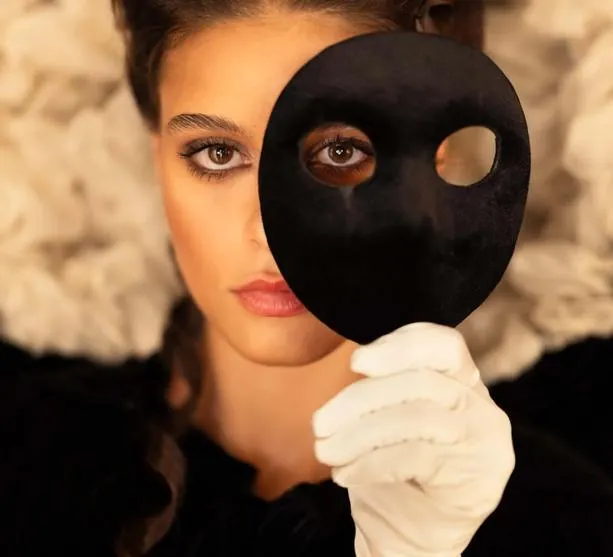
A woman could easily reject unwanted attention, staying safe and comfortable behind the velvet mask. Only she decided whether to remain a mystery or reveal her face and voice. Only the truly fortunate might glimpse her face and hear her voice. For a man, it was a challenge — to interest a woman enough that she would want to reveal herself. The mask could be removed for a moment, then hide the secret again. It wasn’t held by ribbons but by a special detail gripped between the teeth, allowing the wearer to remain silent with dignity and choose whom to reveal herself to.
It’s amazing that these masks are now almost impossible to find — they’re no longer popular, and only a few craftsmen make them to order. The very fact of what kind of game one could play by wearing this mask is incomparable to anything we have in the modern world. That surprises me most of all, and I hope as a reader you can sense the uniqueness of this mask and its history. The first time I read about it, I remember getting goosebumps.
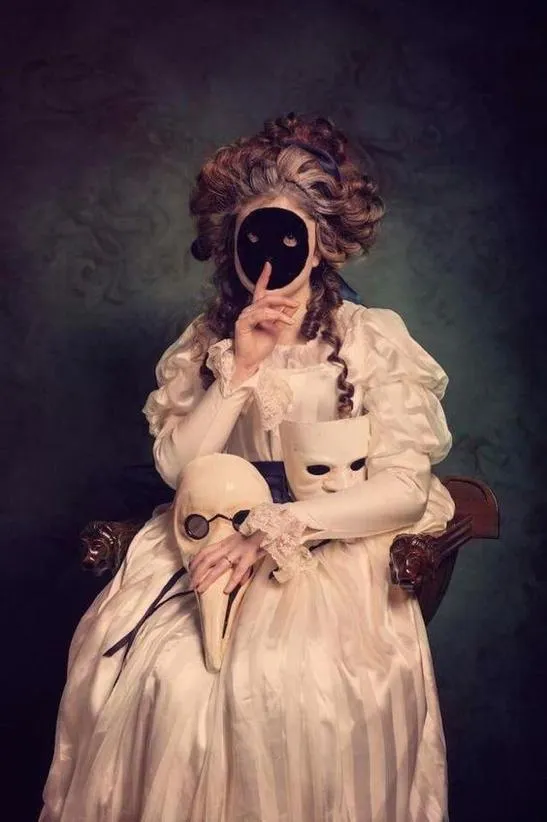
Today, we also wear masks — even if they’re virtual. Sometimes we don’t show our faces, chatting anonymously online; many people enjoy this power dynamic. On Instagram, TikTok, and in fashion shoots, we create our ideal image to feel more attractive and confident. Our sexuality today is also a kind of art. From social media filters to fashion looks, we express our desires through style, clothing, and details. Clothes change, but the game of seduction, masks, and the images we create remain strikingly familiar.
Watching these perfect pictures is inspiring — it motivates us to change, compete, and grow. Fashion sets its rules, but we love with our eyes, and that’s completely natural. In the language of sexology, this is an expression of voyeurism — an aesthetic enjoyment of beauty and style.
An inspiring example is the Japanese Yoshiwara district, where courtesans were true icons of fashion and sexuality. Their kimonos changed with the seasons, and their looks were thought out to the smallest detail. Courtesans like Oiran not only followed trends but set them themselves, using beauty, artistry, and charm to create a unique image.
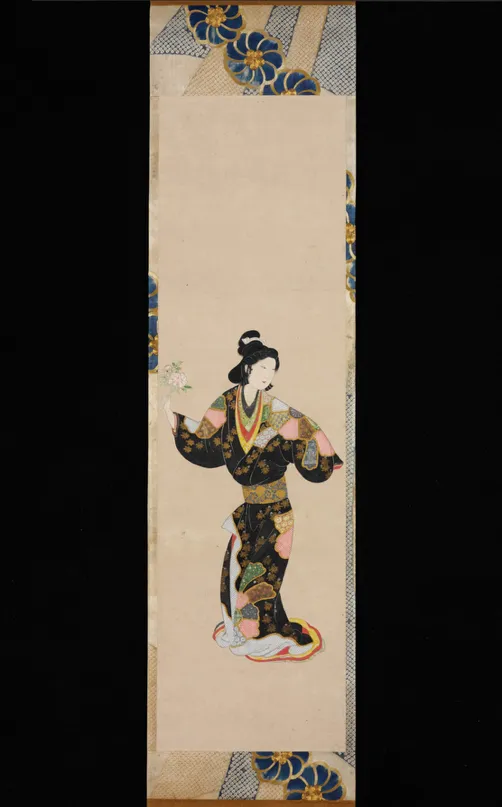
Their style inspired artists and collectors: paintings, scrolls, and ukiyo-e prints conveyed an atmosphere of mystery and luxury. This art created a fantasy, inviting the viewer into a world of beauty and secrets — just as influencers do today, carefully crafting their style and presentation.
It’s fascinating to observe the history of these women from the past and how subtly they conveyed this alluring, almost unattainable sexuality and beauty — something you can see in the work of Issey Miyake, when a woman can reveal more than just bare legs or other body parts, playing with lines, colors, and silhouettes.
Regardless of time and culture, we always play certain roles — and that’s natural. What we feel in life is often reflected in our intimate sphere. People used to being in control in everyday life may seek relaxation and freedom in other roles, for example, being more passive or, on the contrary, dominant in close relationships. It’s a natural way to express different sides of one’s personality.
Sometimes the desire to submit or be led is connected to inner emotions. A conscious attitude toward one’s feelings helps harmoniously integrate them into personal life, rather than letting them control us unconsciously. Partners who value power or control may realize this in intimate scenarios. It’s part of human nature — the desire to be significant and to influence what’s happening.
For many people, the roles of dominance and submission are not just a game, but a way to better understand themselves, their desires, and boundaries. The main thing here is respect, trust, and honest dialogue. It’s important to remember: harmonious relationships are built on mutual consent, openness, and respect for each other’s feelings. If a relationship includes elements of power play, it’s important to discuss desires and boundaries so that both feel comfortable and safe. Using power in intimate relationships should always be conscious, respectful, and bring joy and pleasure to everyone involved.
At HYGY Magazine, we believe identity is never just one thing.
It shifts — across cultures, genders, desires, and histories. This piece speaks to something shared: the ways we all perform, shape, and negotiate who we are through image, intimacy, and power. Whether through a velvet mask, a perfectly curated feed, or a whispered desire, self-expression becomes its own kind of language — fluid, layered, and deeply human.
We honour the many ways people inhabit themselves — boldly, quietly, playfully, rebelliously. Across boundaries and beyond binaries, we see performance not as a façade, but as a form of truth.
Because there’s no single way to be seen. And no wrong way to exist.
— Gaziza, Editor, HYGY Magazine
References


