Words by Eylul Ulug
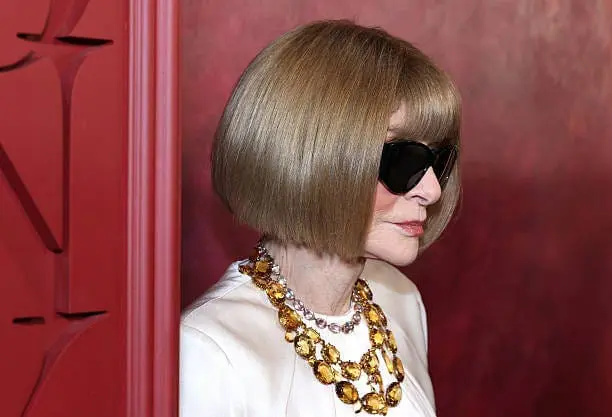
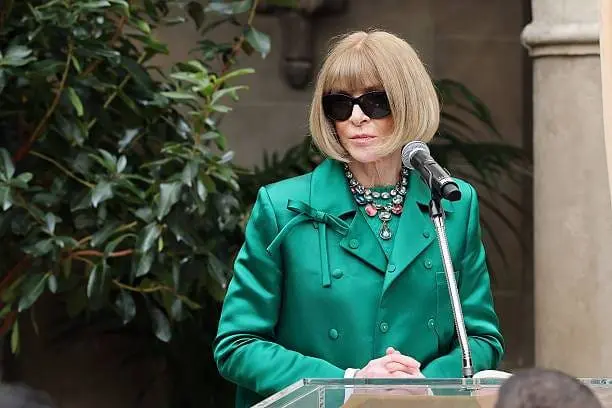
Power doesn’t always arrive in headlines or history books. Sometimes, it walks into a room in Chanel sunglasses, cuts the air with silence, and quietly rearranges the culture. She arrived in the ’80s with a bob, a gaze like flint, and a vision for fashion that turned Vogue into an empire. And now, after four decades of defining not just what we wear but what the industry is allowed to dream, Anna Wintour is leaving the room.
We don’t often witness a power like this step aside. Because that’s what Wintour embodied: power. Institutional, unshakeable, and at times, inaccessible. Her departure isn’t just a vacancy in a corner office — it’s a cultural vacuum that begs the question: What now?
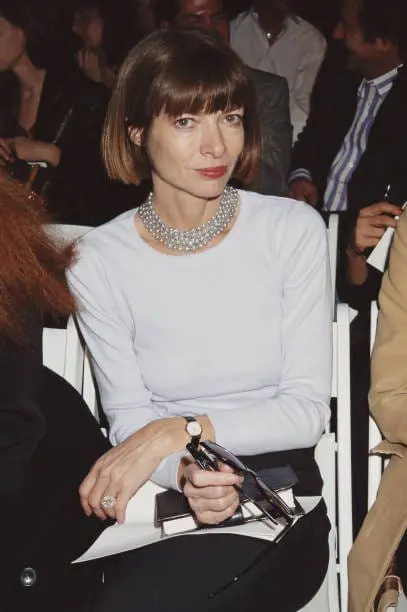
To understand the gravity of this moment, we have to look back at what Wintour built. She wasn’t merely the editor-in-chief of Vogue. She was the architect of a visual and cultural regime. The faces she chose for covers became the faces we learned to aspire to. The trends she championed trickled down from Fifth Avenue to fast fashion racks within months. Fashion weeks bent to her schedule. Designers rose or fell depending on whether her eyes lingered one second longer.
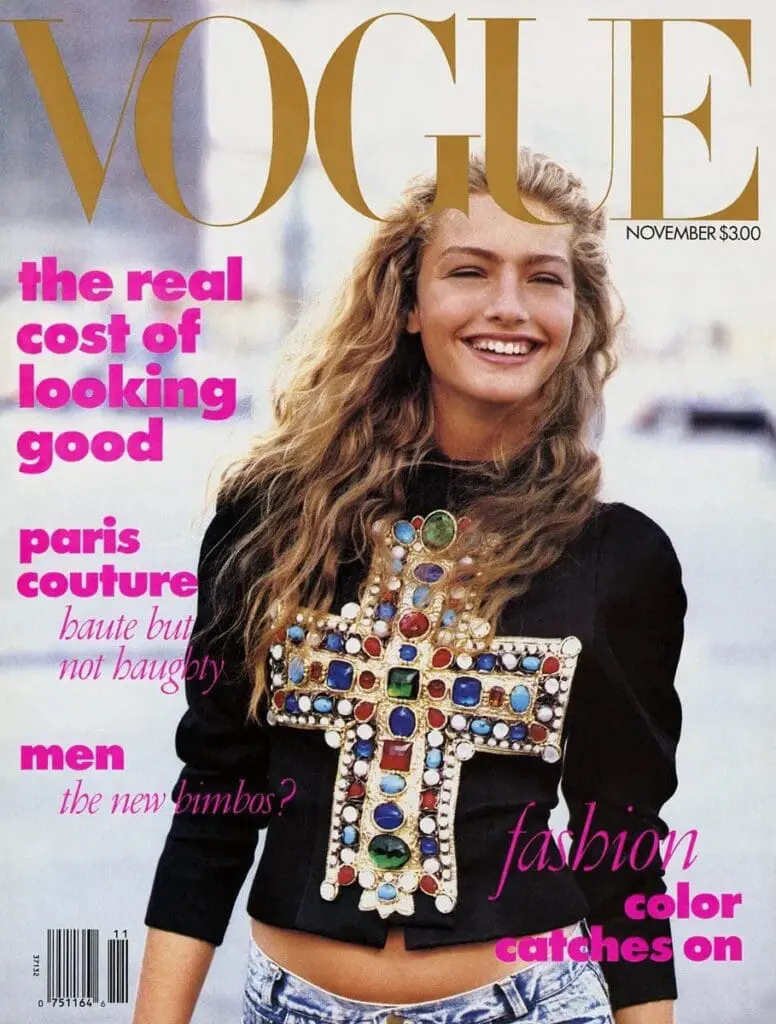
There were iconic moments, of course. Like her very first Vogue US cover in 1988 — Israeli model Michaela Bercu gazes past the camera, her windswept hair brushing across the shoulders of a bejeweled $10,000 Christian Lacroix couture jacket, worn casually over Guess jeans — a radical break from studio-perfect gloss and a signal that fashion under Wintour would embrace high-low contradictions with confidence.
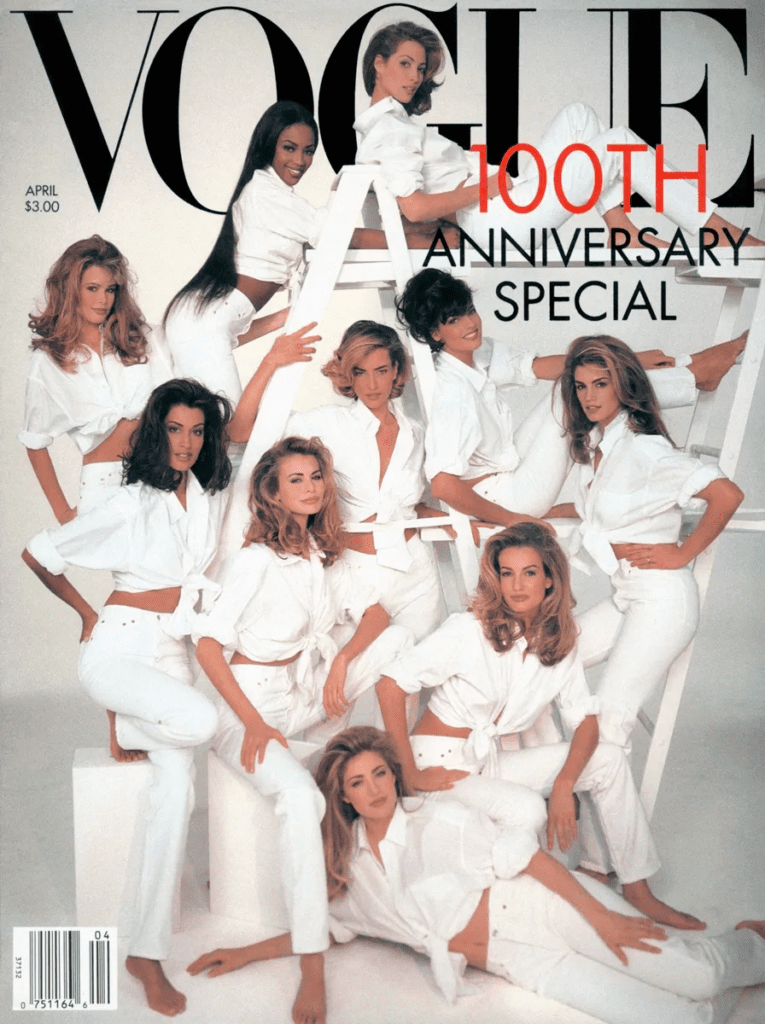
She placed power on the page: from uniting Naomi Campbell, Linda Evangelista, Christy Turlington, Cindy Crawford, and Tatjana Patitz for a 1990 cover that immortalized the term “supermodel,” to the now-legendary April 1992 100th anniversary issue, where ten of the biggest names in fashion — from Claudia Schiffer to Yasmeen Ghauri — posed in nothing but white shirts and jeans, signaling a new, democratized aesthetic of cool.
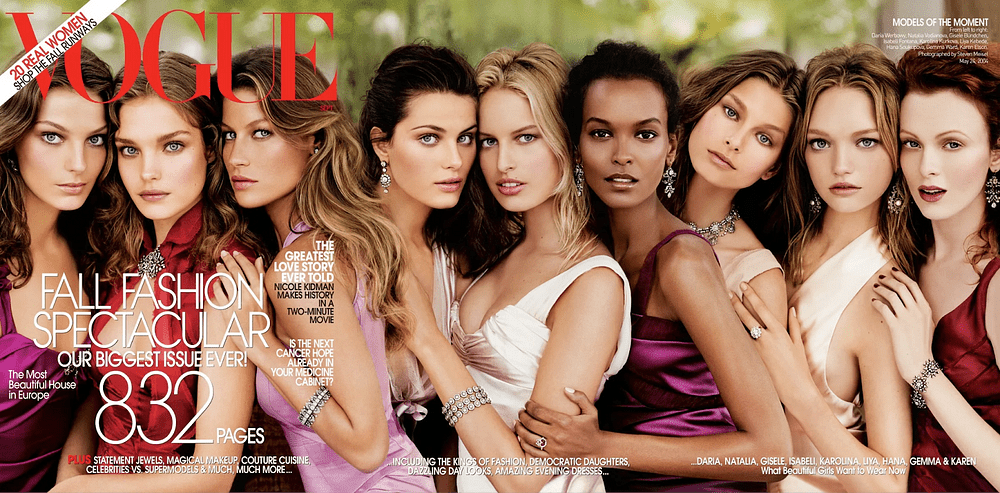
In September 2004, she devoted Vogue’s biggest fashion issue ever to nine models — Gisele Bündchen, Daria Werbowy, Natalia Vodianova, and more — not just to celebrate beauty, but, as she put it, “to mark what seems to us a significant cultural shift.” This was Wintour’s way of capturing fashion’s return to refinement after a period of street-inspired rebellion.
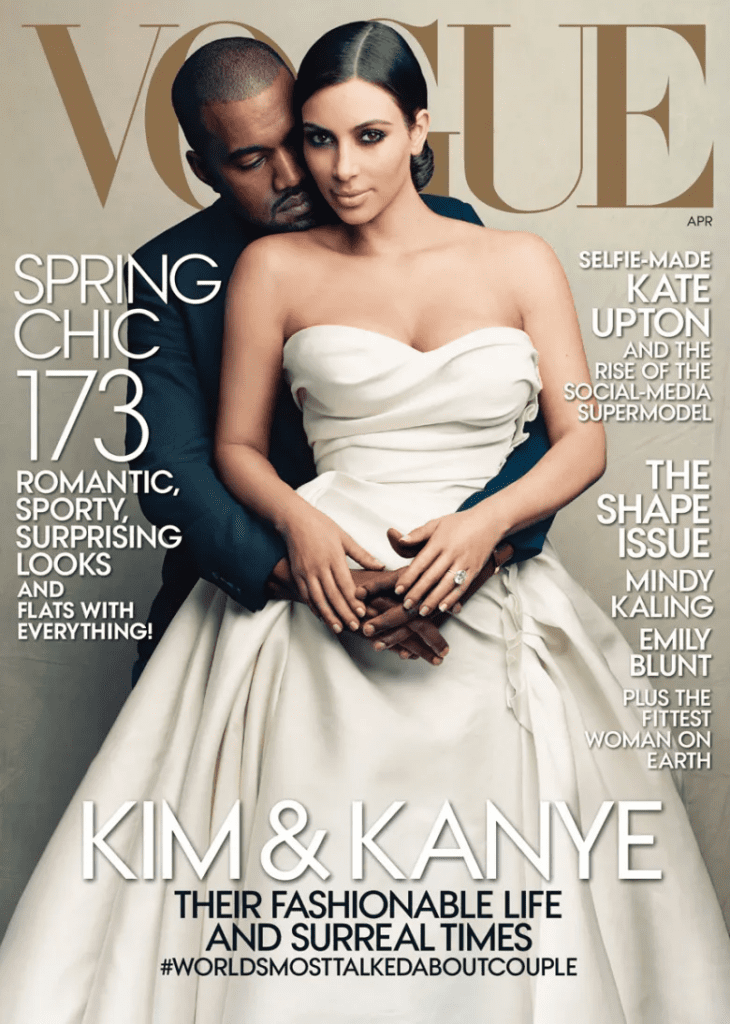
In April 2014, she made the controversial, headline-dominating decision to feature Kim Kardashian and Kanye West on the cover — a move many saw as blasphemous at the time, but one that now feels prophetically attuned to the merging of celebrity and couture.
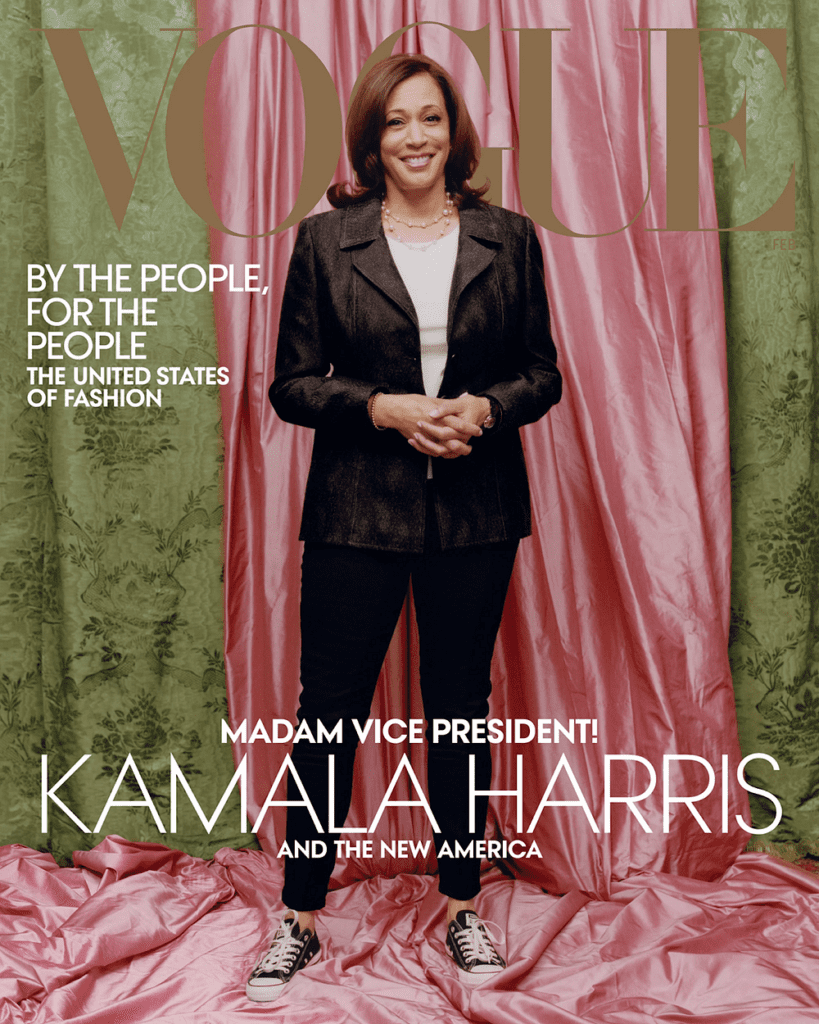
Even in the political realm, Wintour made bold editorial choices. In January 2021, she featured Vice President-elect Kamala Harris on the cover — the first woman, the first Black and South Asian American to hold that office. Clad in Converse sneakers and a blazer, the image was equal parts casual and symbolic — a break from conventional fashion power poses, and a recognition of power that didn’t need embellishment.
But her reign was never only about innovation. It was also about exclusion. Diversity of race, of size, of voice came slowly, often belatedly, under her watch. For decades, Vogue spoke a language that only certain people were allowed to fluently read. There was always an undercurrent of silence in what was not covered, who was not featured, and which stories were deemed not quite chic enough to tell. The gate was polished, gilded, and firmly shut to many.
So now that Wintour is exiting (or being eased out — fashion never confirms or denies too loudly), what’s left behind? A brand. A blueprint. And a rare chance for reinvention.
Her departure coincides with a broader, quieter revolution. Fashion’s power is no longer concentrated in boardrooms and runways — it’s splintered across Instagram grids, TikTok feeds, and independent newsletters. Gatekeeping still exists, but the gate itself has cracked. In a post-Wintour world, a 17-year-old in Lagos can go viral for a digital couture design, and an ex-stylist in Paris can build a cult following from a blog that critiques fashion week in meme form. This is the new terrain — messier, louder, but infinitely more alive.
And maybe, that’s the evolution Wintour never fully made. While she brought in new voices late in her tenure, the essence of Vogue under her hand was always about control: sharp lines, decisive choices, a single editorial voice. But culture no longer moves in one direction. It spirals, doubles back, fractures, reforms.

We study it — because history matters.
We question it — because critique is part of love.
We move beyond it — because fashion should not stay still, not even for its most towering figures.
Anna Wintour shaped an era. Now that era has closed its zipper, slipped out the door, and left the hangers empty. The next look hasn’t been stitched yet — and that’s exactly where possibility begins.