
Words by Gaziza Omirzak
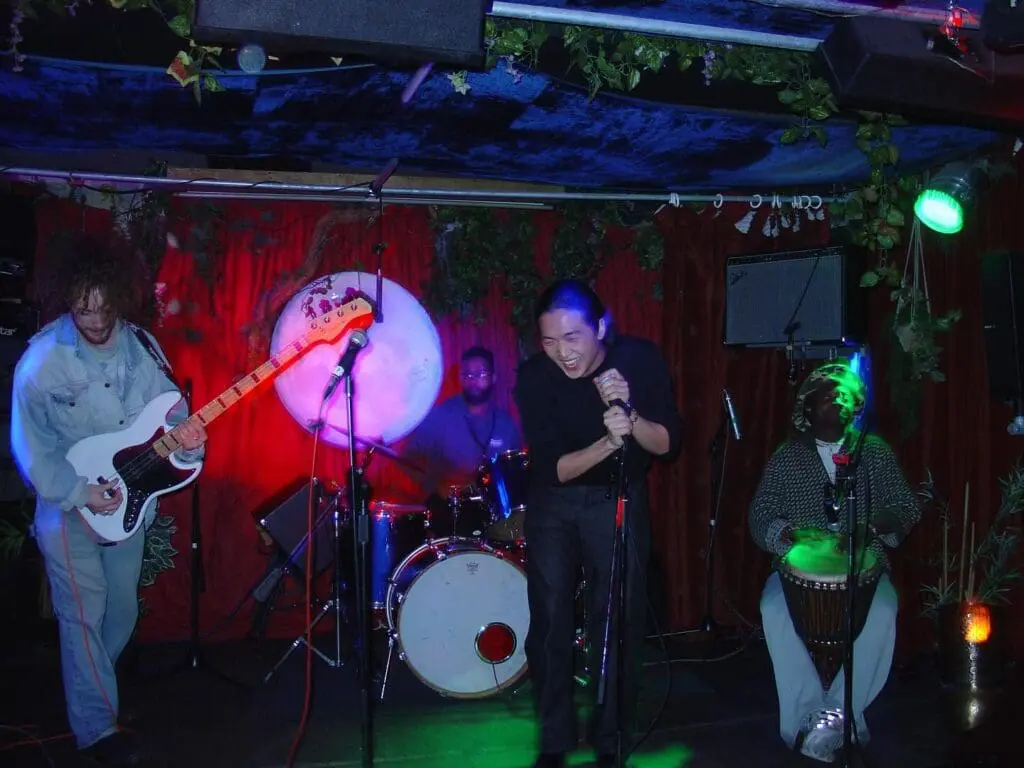
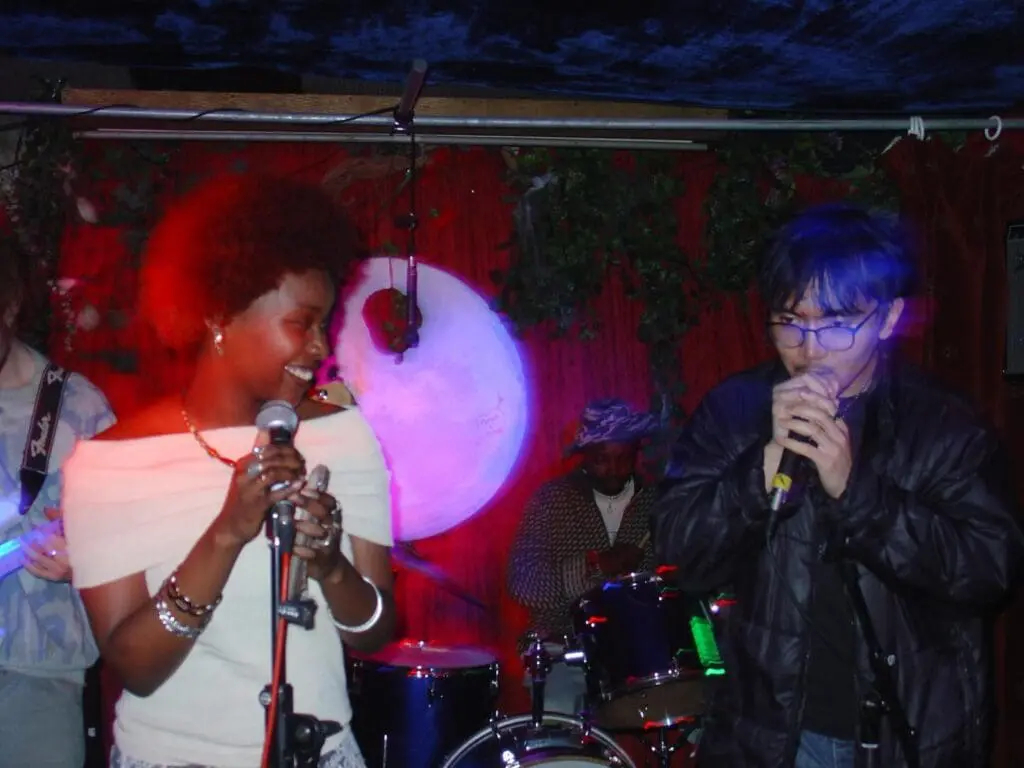
In a time when the creative industry thrives on collaboration, university students Diego Castillo, Shang Salah, Dana Konstantinova, and Clyde Cepeda decided to change that, forming the multidisciplinary collective ROOD to bring creatives together.
“A lack of cross-disciplinary projects between the different creative courses in the university curriculum and campus as a whole made the class and independent projects lack the sense of collaboration that takes place in the actual creative field,” the founders share.
What started as a university experiment now stands as a cultural movement in London, breaking down silos and forging connections among young creatives worldwide.
Diego Castillo was the first to dream up ROOD — even before stepping foot in the UK. “He had the idea of building up a creative collective and actually naming it ROOD” the group explains. When he shared his idea with Shang, it quickly gained momentum. “Diego brought up the idea to Shang, who helped give it shape, and from there, they connected with Dana and Clyde from their shared friend group.”
But what does “ROOD” mean? The name itself is a bold play on the word “rude,” chosen with intent. “It came up as a wordplay on the word ‘rude,’ which expressed our desire to stand out from our creative environment at the time,” they explain. “And yes, also because it sounded catchy and was not taken!”
ROOD is more than just an art collective — it’s a mindset. The founders explain their ethos as a “conceptual and production-led sentiment of collective creation.” This approach isn’t about individual visions — it’s about a shared process. “Within the collective, we like to approach projects as a team effort, bringing all of our different skills and perspectives to the table to bring a wider mutual concept to life.”
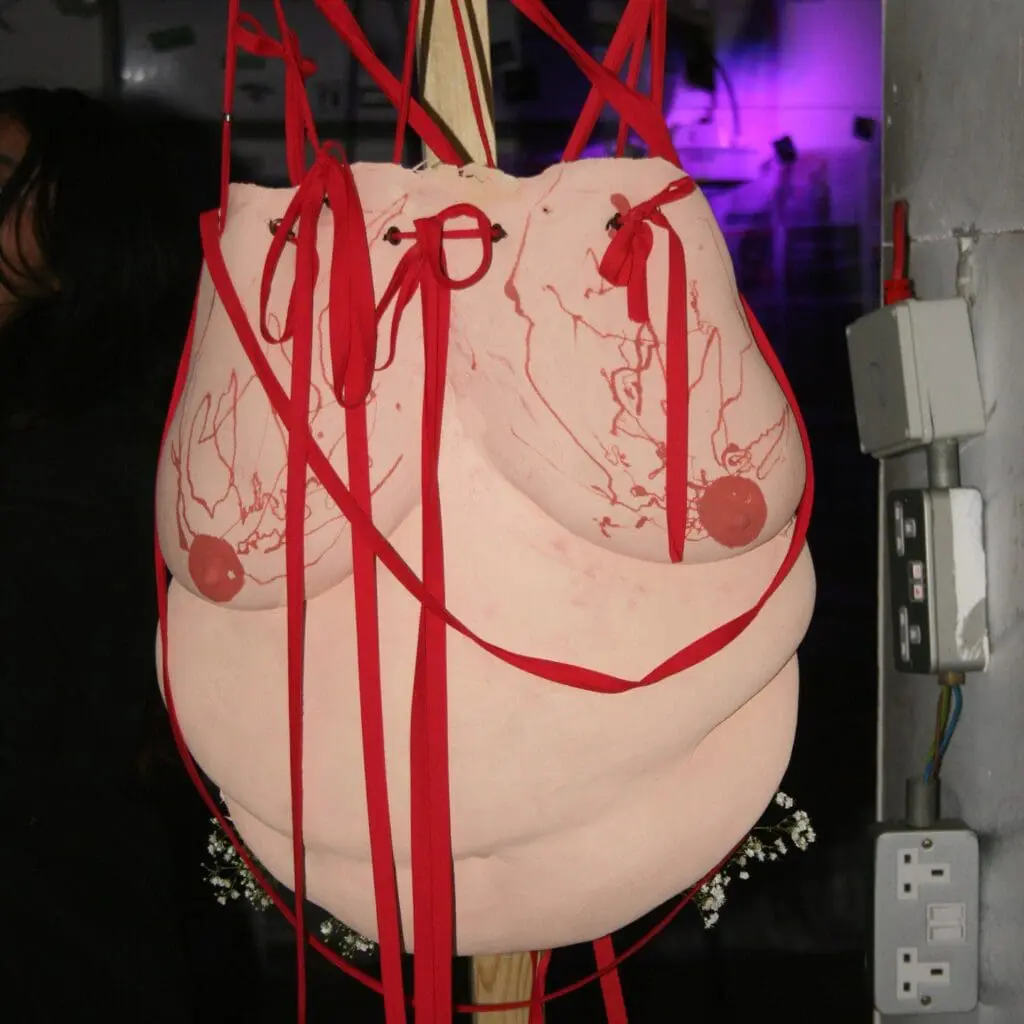
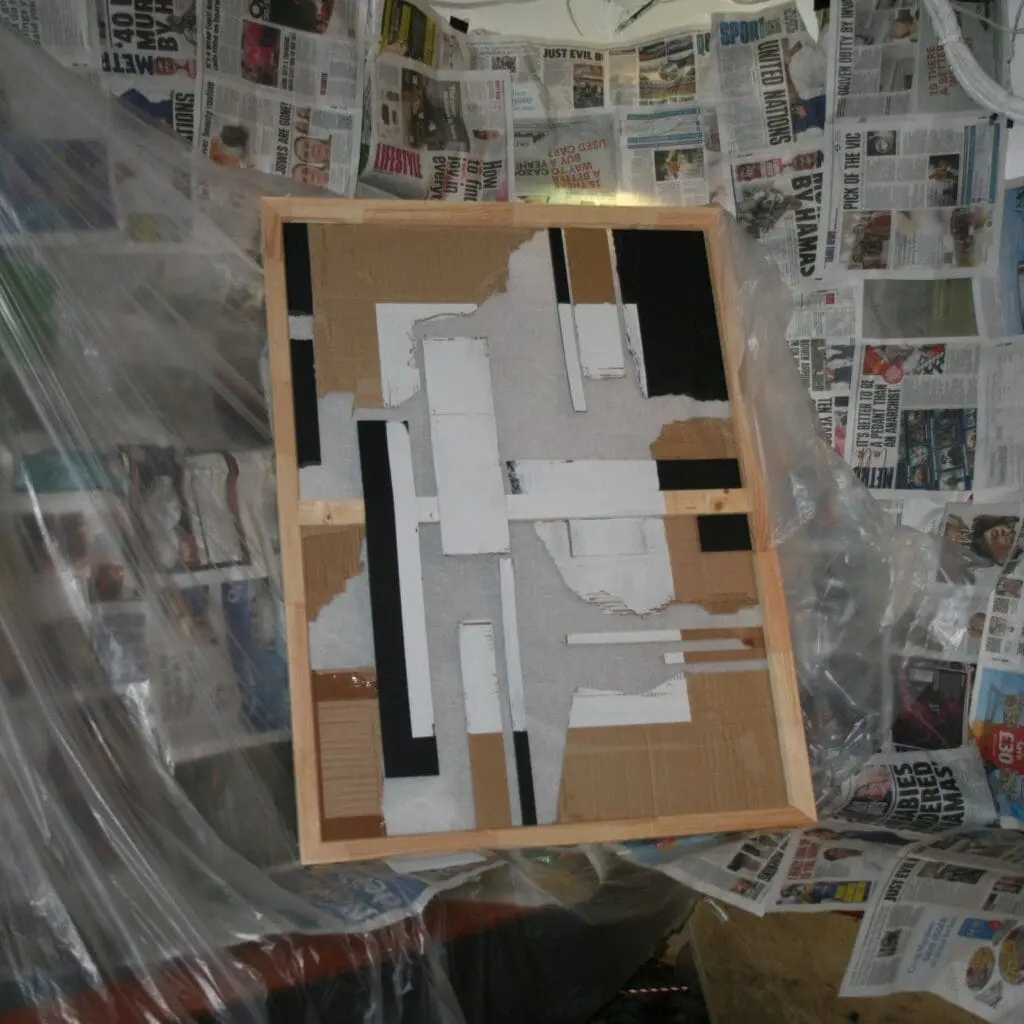
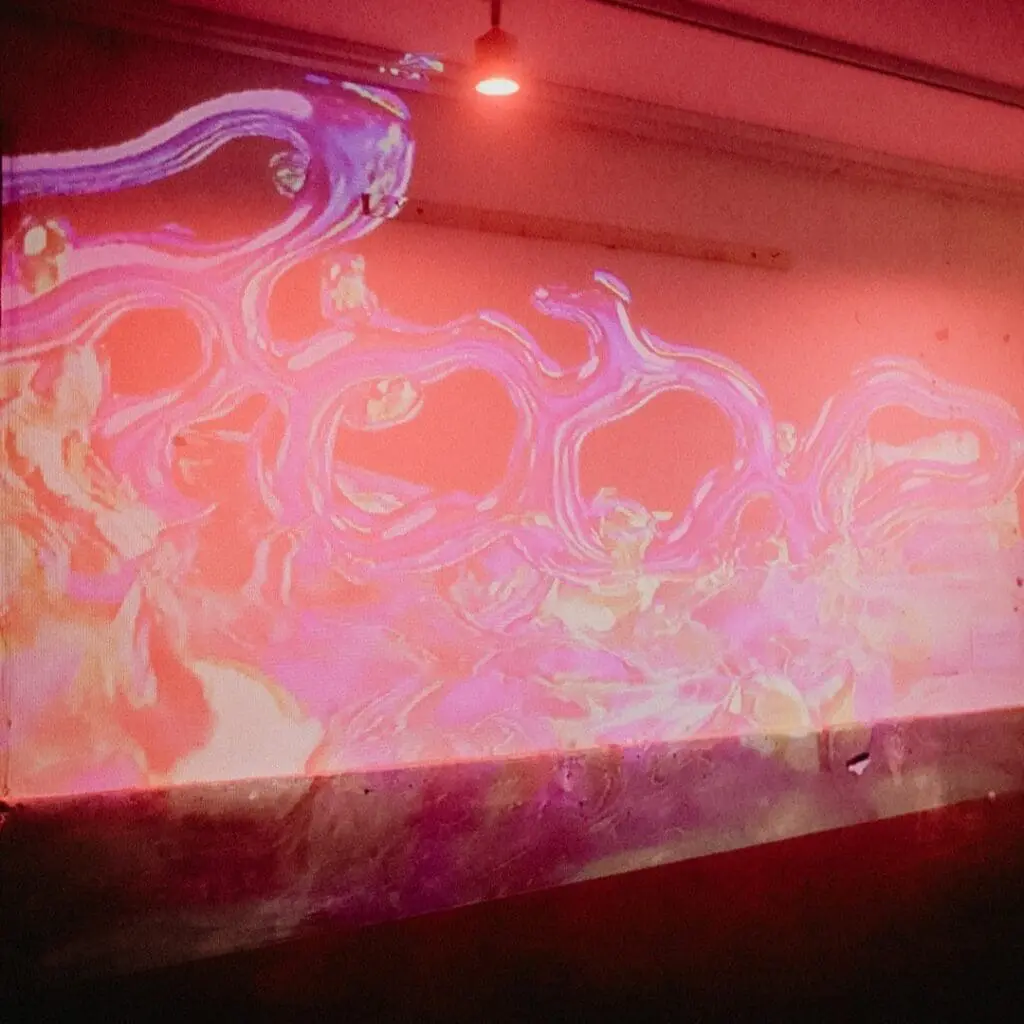
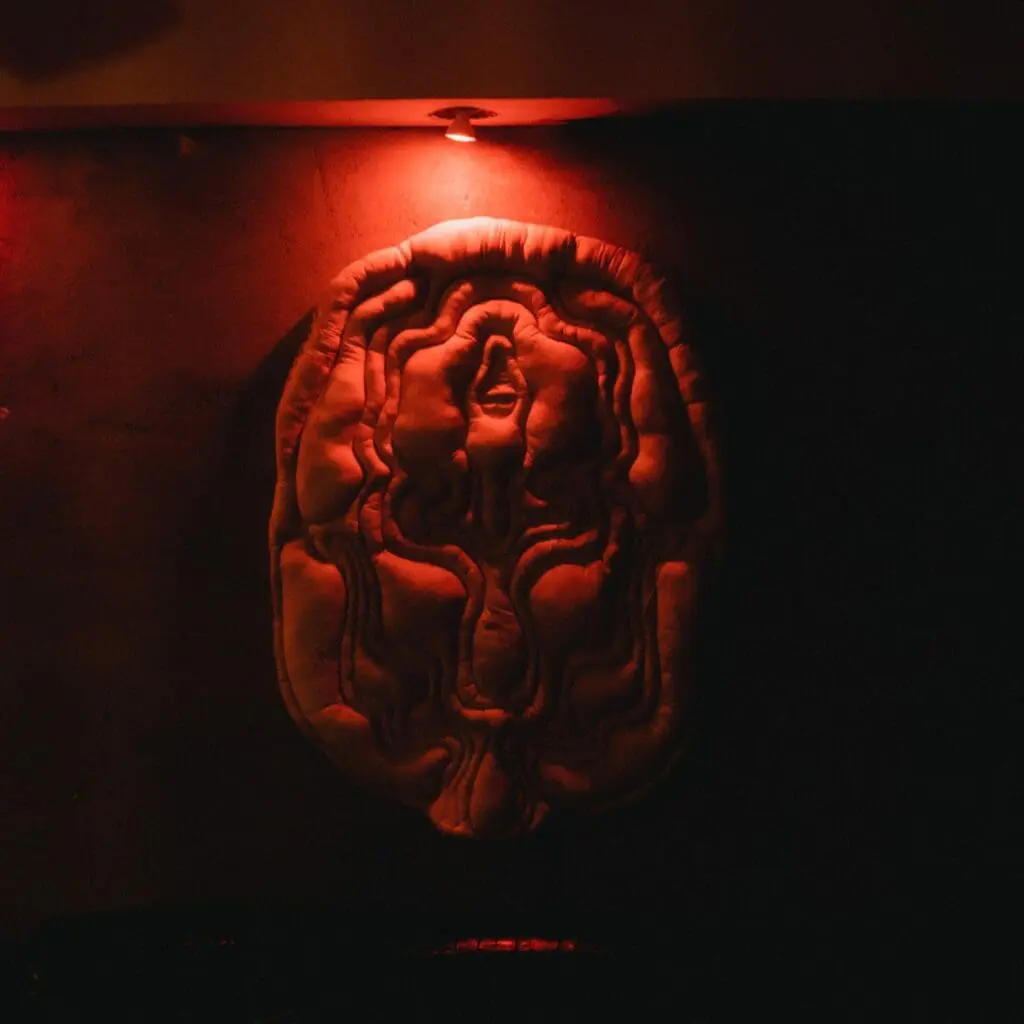
ROOD began as an extracurricular experiment called Documenting Passions. This editorial project explored the methodologies, rehearsals, and personal stories behind the work of university creatives. “The project explored each artist’s different creative processes, their personal stories of how and why they chose their field of expression, and how they planned to grow as young creatives,” the team explains. “Documenting them in real-time and putting all of the details together was an interesting exercise.”
The group describes it as a trial run: “Documenting Passions was our first project, so it worked as a test for us to see our creative chemistry while adding some value to the university environment we were in at the time.”
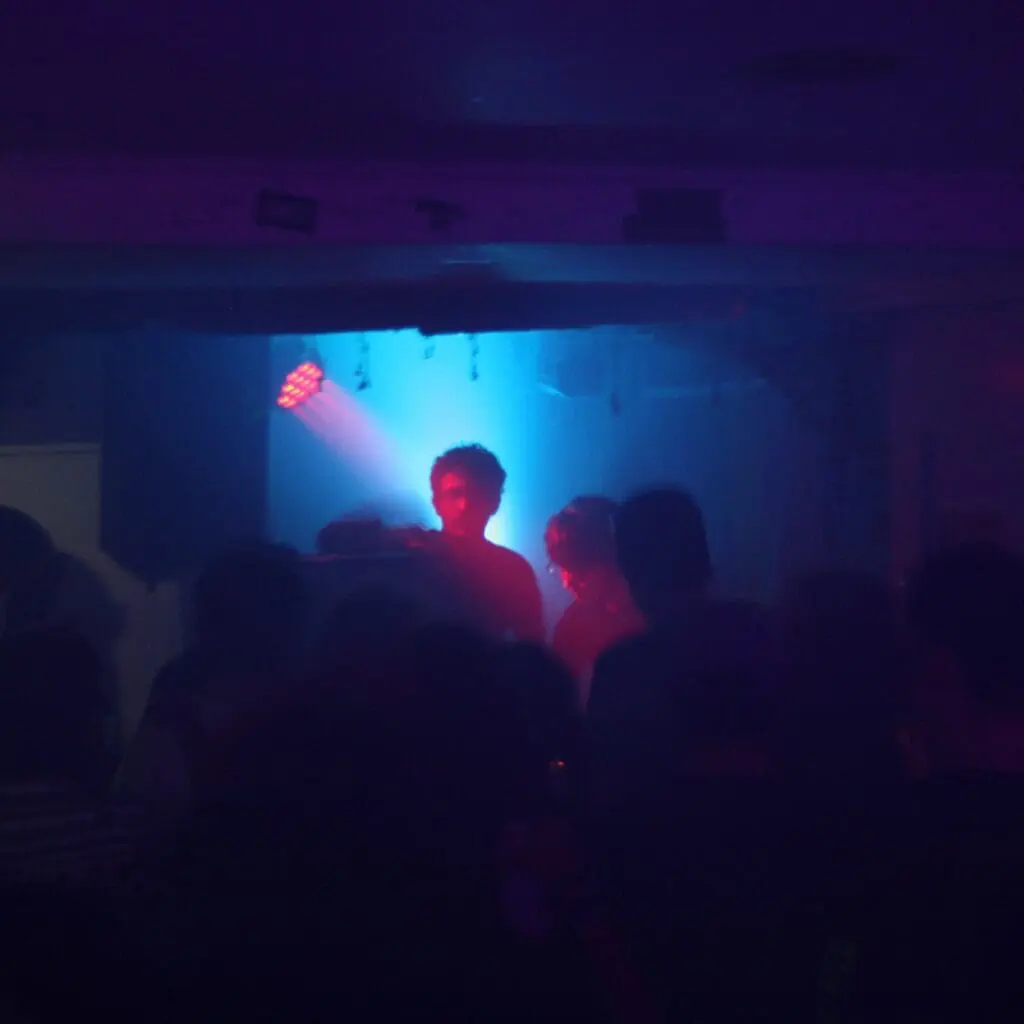
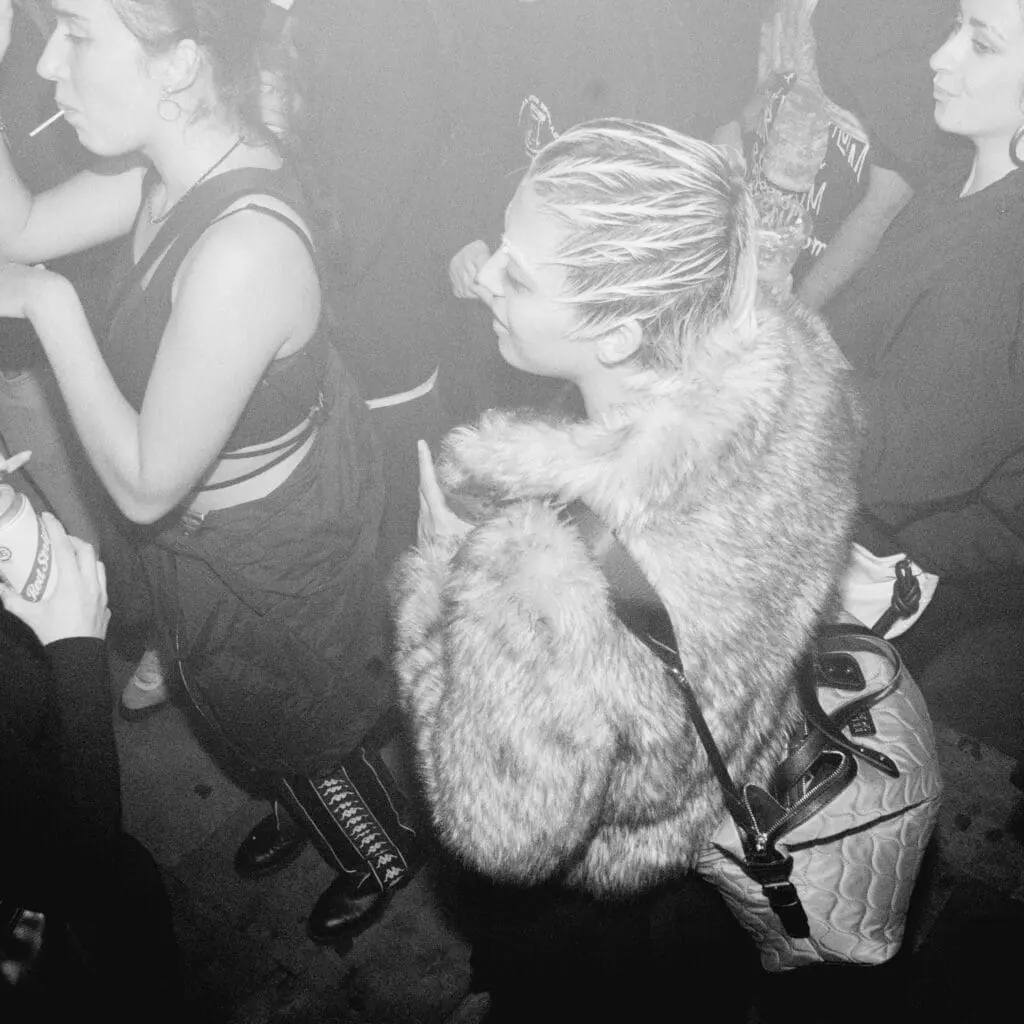
After graduation, ROOD left its Surrey beginnings and ventured into the bustling streets of London, determined to make their mark. Their first major event, ROOD Takeover Dalston: Techno-Body, was a bold experiment blending an art exhibition with a nightclub. “In November 2023, when we were newly established in London, we put together ‘Techno-Body,’” they recall. “It was our first effort outside of Surrey and was set as a challenge for ourselves to break into the local scene.”
Despite initial nerves, the event exceeded expectations. “Even though we were weary at the start, it ended up being a success,” they say proudly. What sets ROOD apart in London’s vast creative landscape is its global perspective.
“The main thing that sets us apart is the fact that we all come from completely different backgrounds and connected when we were studying in Surrey,” they explain. “This makes us outsiders to London and the UK, as a whole, but it makes it easier to connect with the thousands of other creative foreigners, who, like us, work and live here.”
Rather than uniting around shared cultural backgrounds, the group focuses on individual stories. “The drive is to explore a multitude of both global and local stories, primarily focusing on individual perspectives.” This ethos shapes their collaborations, too. “Our main criteria of selection is the individual’s passion and drive towards their practice,” they say.
However working together isn’t always seamless. In their early days, the group split every task evenly, which often caused delays. “Initially, the four of us approached every project by sharing the main roles, but we soon found out that that approach could delay efforts,” they admit. Now, they assign roles based on individual strengths while supporting one another.
When it comes to selecting collaborators, ROOD prioritizes passion and openness. “Our main criteria are an individual’s drive towards their practice and their openness to our creative input,” they explain. This approach has led to fruitful partnerships, such as their collaboration with Audio.Sync, which resulted in a spontaneous and intimate jam session featuring musicians, DJs, singers, and music lovers.
Through their events and projects, ROOD has cultivated a thriving creative community. “We’ve established ourselves as open to dialogue and new ideas,” they say. Balancing this sense of community with high professional standards has been a learning curve, but one they’ve embraced wholeheartedly.
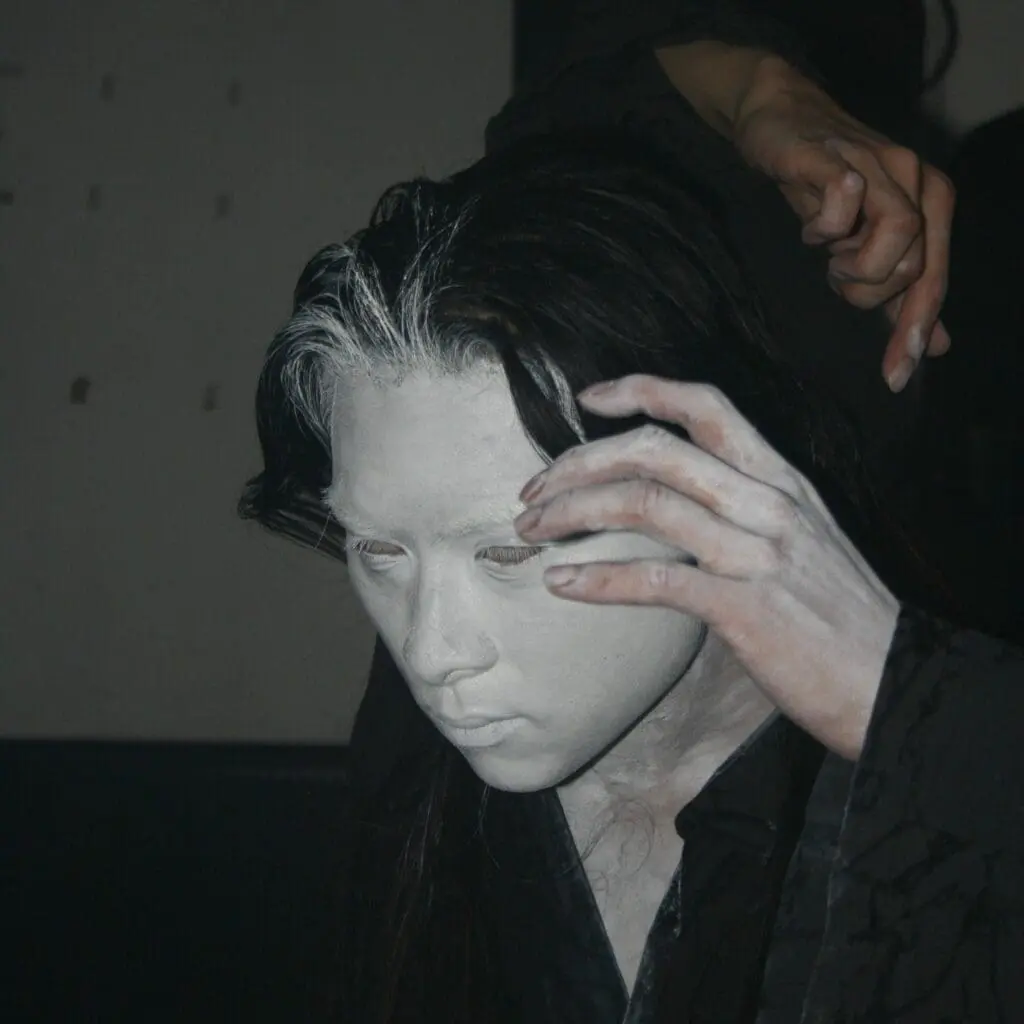
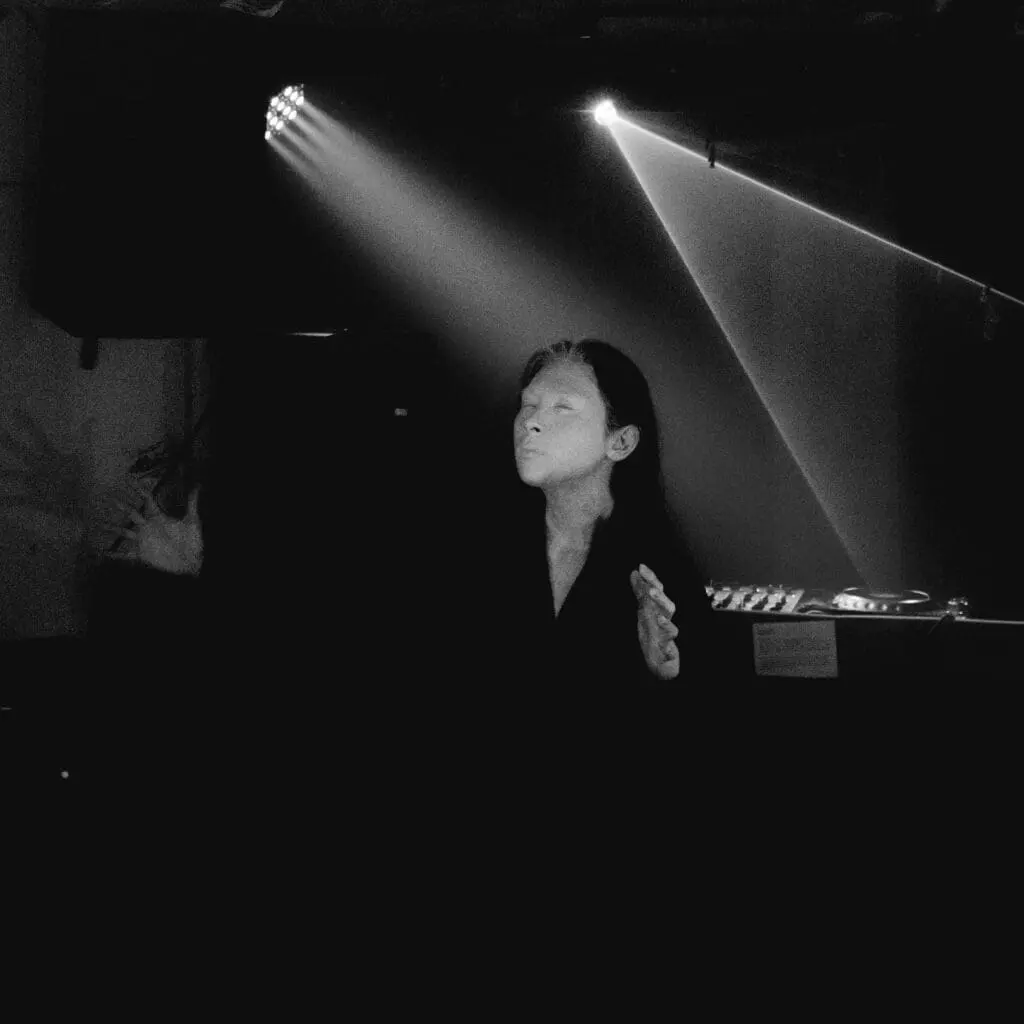
What truly sets ROOD apart is the way their personal creative styles influence every project, creating a fusion of bold experimentation and raw authenticity. Each member brings a distinct perspective, shaping the collective’s identity in unique ways.
Diego Castillo, the graphic designer, thrives on pushing boundaries. “I enjoy using mixed media and gathering imagery to explore different styles,” he shares. From crafting the collective’s striking visual identity to designing their professional website, Diego’s work is a cornerstone of ROOD’s aesthetic.
Dana Konstantinova, rooted in analogue cinematography, focuses on imperfection and process. “We aren’t looking for perfection but different approaches and processes,” she explains. Her experimental style aligns perfectly with ROOD’s ethos, prioritizing storytelling over traditional cinematic techniques.
Shang Salah, inspired by SWANA stories and urban youth culture, brings a global perspective to the collective. “I believe youth culture in big capitals like London is the essence of cultural change,” Shang says. Her work, deeply research-oriented, adds depth and a sense of purpose to ROOD’s projects.
Clyde Cepeda, whose personal work delves into memory and the human psyche, has found a new outlet in ROOD. “Rather than focusing on narrative film, I’ve explored music, DJing, and event organization,” Clyde shares. His introspective approach adds an emotional layer to ROOD’s events and productions.
Together, these distinct voices create a cohesive whole, blending individual passions into a collective vision. Whether through graphic design, cinematography, or curated events, ROOD’s aesthetic is unapologetically its own — raw, bold, and deeply intentional.
After just one year, ROOD is already dreaming big. Their goal for the next five years is to leave a lasting mark on youth culture. “We want to see ROOD grow as a community that leaves a footprint on youth culture,” they explain. “This involves working on projects that have a cultural impact and are current.”
The collective remains grounded in its values. “We expect changes to always happen, but we try our best to maintain our core values and prioritize an independent vision.” Their ambition is not rooted in disruption but in fostering meaningful and lasting change. “We want to add value to what is already there and bring people together instead of continuing to engage in the competitive nature of the creative industries.”
One of their immediate goals is to revive their editorial work with a new zine, building on the success of Documenting Passions. “The London creative landscape has loads of interesting stories to cover,” they share. While their focus has shifted to video documentation and photoshoots, the zine remains a priority.
Scaling up their projects is also a key focus. With dreams of collaborating with larger brands and platforms that align with their vision, ROOD is determined to make an even bigger impact. “We want to work on bigger projects that leave a mark on people’s perception of culture,” they say, emphasizing their desire to move away from the fast consumption of media toward more meaningful, shared experiences.
When asked about their ultimate dream project, the founders describe a program designed to elevate young artists. “If we were to have unlimited funds, we would build a long-term program that allows young artists to explore new ideas, methods of creation, and collaborations around topics that elevate media literacy and critical cultural thinking,” they say.
For the founders, ROOD is both a stepping stone and the dream itself. “It helps our personal individual creative practices, outside of the industry demands, and we also want ROOD to grow with us.”
In just one year, ROOD has achieved what many collectives take years to accomplish: they’ve built a community, redefined collaboration, and created a body of work that is as experimental as it is purposeful. Their journey from university students in Surrey to a rising force in London’s creative scene is a testament to their resilience, vision, and unwavering belief in the power of collaboration.
Looking ahead, ROOD is poised to leave a lasting mark on the creative industry — not by disrupting it entirely, but by adding value to what already exists and fostering a spirit of inclusivity and connection. As they continue to challenge norms and elevate emerging voices, one thing is certain: ROOD is not just a collective; it’s a movement.


